
High vs. Low Gluten Flour: Choosing for Texture and Rise

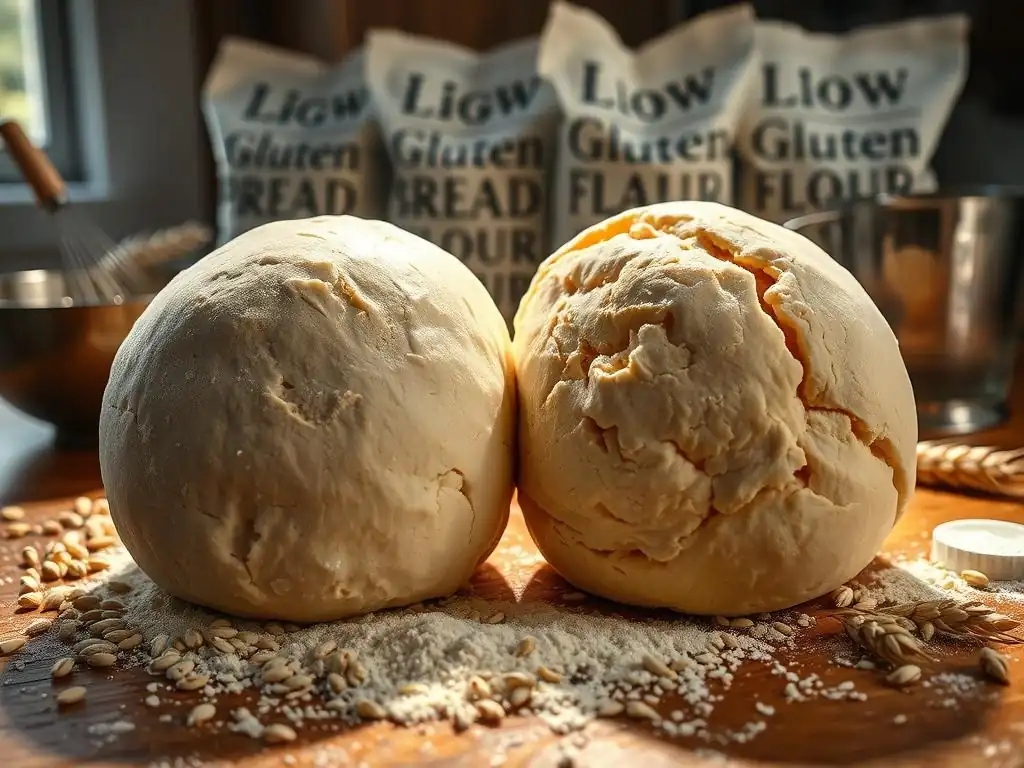
Welcome to BakeWithEase, where baking becomes a joy, not a chore! Ever wondered how the right flour can dramatically impact your bake? Dive into our latest article and unlock the secrets behind achieving the perfect gluten-free flour texture rise. Discover the critical differences between high and low-gluten flours and how to choose the best one for your next baking adventure. Ready to elevate your baking game? Let's get started!
- High vs. Low Gluten Flour: Choosing for Texture and Rise - BakeWithEase
- Understanding Gluten in Flour for Baking
-
High Gluten Flour: Characteristics and Best Uses
- Defining High Gluten Flour: Protein Content and Strength
- Best Baking Applications for High Gluten Flour: Bread, Pizza Dough, and Pasta
- Tips for Working with High Gluten Flour
- Defining Low Gluten Flour: Protein Content and Softness
- Best Baking Applications for Low Gluten Flour: Cakes, Pastries, and Cookies
- Tips for Working with Low Gluten Flour
- Comparing High Gluten vs. Low Gluten Flour: Key Differences
- Choosing the Right Flour for Your Baking Project: A Guide
- Troubleshooting Baking Issues Related to Gluten Content
- Mastering Gluten Development: Advanced Techniques
- Beyond High and Low: Exploring Other Flour Types and Their Gluten Content
-
Frequently Asked Questions
- What is the main difference between high and low gluten flour, and how does it affect baking?
- How does gluten content influence the texture of baked goods?
- Can I substitute high gluten flour for low gluten flour, and what adjustments should I make?
- How does BakeWithEase recommend achieving a good rise when using gluten-free flour?
- What are some common mistakes to avoid when working with gluten-free flour to achieve the desired texture and rise?
- Final Reflection: The Flour Power of Choice
- Unlock Your Baking Potential: Master Flour Choices!
High vs. Low Gluten Flour: Choosing for Texture and Rise - BakeWithEase
Understanding Gluten in Flour for Baking
What is Gluten and Why Does it Matter in Baking?
Gluten is a complex protein network formed when two proteins found in wheat, rye, and barley – glutenin and gliadin – combine with water and are agitated. This agitation can be from mixing or kneading. As these proteins bond, they create an elastic and cohesive structure that is crucial for the outcome of many baked goods. Think of it like a stretchy web that captures air bubbles.
This protein network is the backbone of baked goods made with wheat flour. It determines the structure, elasticity, and ability of dough or batter to trap gases produced by leaveners (like yeast or baking powder). The amount and strength of gluten directly influence the final flour texture, from the open crumb of a rustic loaf to the tender crumb of a cake, and how much the baked good will achieve a successful flour rise.
The Role of Gluten in Dough Structure and Elasticity
When flour is mixed with water and kneaded, the gluten proteins hydrate and link together, forming long, tangled chains. Continued kneading strengthens these bonds, creating a smooth, elastic dough that can be stretched and pulled without tearing. This process is essential for developing the gluten network.
This developed gluten structure is vital because it provides the framework that allows dough to expand as gases are produced during fermentation and baking. The elastic network traps carbon dioxide, causing the dough to inflate. During baking, the heat sets this structure, giving the baked good its final shape and volume, directly impacting the flour rise and the internal flour texture.
High Gluten Flour: Characteristics and Best Uses
Defining High Gluten Flour: Protein Content and Strength
High gluten flour is characterized by a higher protein content compared to other flour types, typically ranging from 12% to 14% or even higher (like vital wheat gluten which is concentrated protein). More protein means a greater potential for forming a strong, extensive gluten network when hydrated and mixed.
This high protein content results in a flour that produces a strong, elastic, and somewhat tough dough. This strength is not a drawback but a desirable trait for specific baking applications where structure and chewiness are paramount. The robust nature of the gluten allows it to withstand significant stretching and gas expansion, leading to a substantial flour rise and a chewy flour texture.
Best Baking Applications for High Gluten Flour: Bread, Pizza Dough, and Pasta
High gluten flour, particularly bread flour, is the standard choice for most yeast-leavened breads. Its ability to form a strong, elastic framework is essential for trapping the carbon dioxide produced by yeast, allowing the dough to rise significantly and hold its shape during baking. Think of hearty sourdough loaves, crusty baguettes, or chewy bagels – these all benefit from the strength of high gluten flour.
Beyond traditional loaves, high gluten flour is also ideal for pizza dough, creating a chewy crust with good structure, and for fresh pasta, providing the necessary elasticity to roll thin sheets and the firmness to hold shape when cooked. The developed gluten gives pasta that desirable al dente bite.
Achieving Chewy Texture with High Gluten Flour
The extensive and robust gluten network developed in doughs made with high gluten flour is what provides the characteristic chewy texture. When baked, these strong protein strands give resistance when bitten into, which is highly desirable in items like artisan bread crusts or a satisfying pizza base. This specific flour texture is a direct result of the high protein content and proper gluten development.
Developing Strong Gluten Networks for Optimal Rise
A strong gluten network acts like a strong balloon, capable of stretching significantly to accommodate the gases produced by yeast during fermentation and proofing. This elasticity and strength prevent the bubbles from collapsing, allowing the dough to expand dramatically in the oven (oven spring), resulting in a high flour rise and an open, airy crumb structure.
Tips for Working with High Gluten Flour
High gluten flours often require more hydration (water or liquid) than lower protein flours. The higher protein absorbs more liquid, and adequate hydration is necessary for the gluten proteins to properly hydrate and form their network. Aiming for the correct hydration level specified in a recipe is key to achieving the desired dough consistency and optimal gluten development for the intended flour texture and rise.
Sufficient kneading is crucial when working with high gluten flour to ensure the protein network is fully developed. This can be achieved through vigorous mechanical kneading (like in a stand mixer for 8-10 minutes) or through longer, slower fermentation methods (like a no-knead dough that rests for 12-18 hours). Proper kneading builds the strength needed for a good flour rise and chewy flour texture.
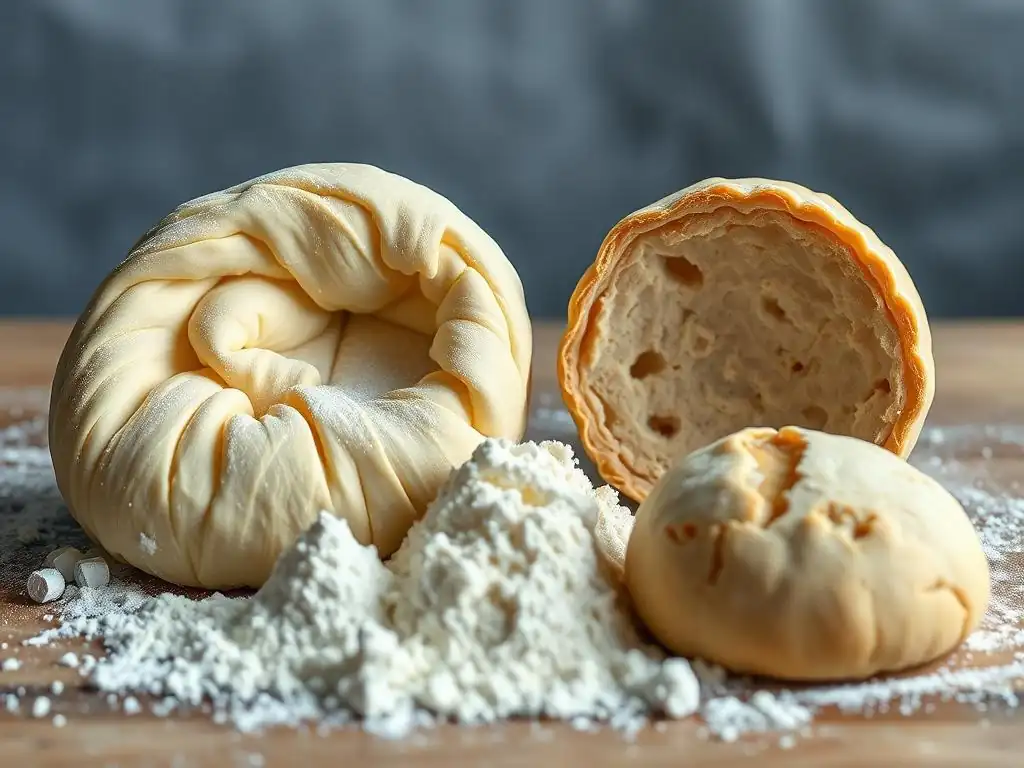
Defining Low Gluten Flour: Protein Content and Softness
Low gluten flour, such as cake flour or pastry flour, has a significantly lower protein content, typically ranging from 7% to 10%. With less protein available, the potential for forming a strong gluten network is naturally reduced.
This lower protein level results in a flour that produces a softer, more delicate structure. The limited gluten development means doughs or batters made with low gluten flour are less elastic and more prone to crumbling. This characteristic is precisely what makes these flours ideal for baked goods where tenderness and a fine crumb are desired, influencing the final flour texture.
Low gluten flour is the preferred choice for delicate baked goods that rely on chemical leaveners (baking powder, baking soda) rather than yeast. This includes tender cakes (like sponge or chiffon), flaky pastries (like pie crusts or scones), delicate muffins, and cookies where a soft, melt-in-your-mouth texture is desired. The goal is to minimize gluten development to ensure tenderness.
In applications like pie crusts, the aim is often to coat the flour particles with fat to further inhibit gluten development, resulting in a flaky texture where layers of fat separate layers of tender dough. For cakes, a fine, soft crumb is achieved precisely because the limited gluten doesn't create a tough, chewy structure.
Achieving Tender Crumbs with Low Gluten Flour
The lower protein content in these flours means that even with mixing, only a weak gluten network forms. This results in a short, tender crumb structure that breaks apart easily when bitten or cut. This desirable flour texture is the hallmark of well-made cakes, muffins, and many types of cookies.
Preventing Overdevelopment of Gluten in Delicate Baking
With low gluten flour, the focus is on limiting gluten development. Over-mixing can still create a tougher product even with low protein flour. Techniques like the creaming method (beating butter and sugar) or the reverse creaming method (mixing fat into dry ingredients first) help coat the flour particles with fat, inhibiting hydration and thus limiting gluten formation. This careful handling preserves the intended delicate flour texture.
Tips for Working with Low Gluten Flour
Mixing techniques are crucial when working with low gluten flour. Recipes often call for mixing "just until combined" or using gentle folding motions once the liquid is added. This minimizes the agitation that develops gluten, ensuring a tender outcome. Over-mixing is a common mistake that can lead to tough cakes or muffins, even with low protein flour.
Ingredients like fat and sugar play a significant role in recipes using low gluten flour. Fat coats flour particles, preventing water from reaching the proteins needed for gluten development. Sugar competes with protein for water, also inhibiting gluten formation. High ratios of fat and sugar, common in cakes and cookies, work in conjunction with low protein flour to ensure a tender, soft flour texture.
Comparing High Gluten vs. Low Gluten Flour: Key Differences
Texture and Structure Comparison
The most significant difference lies in the resulting texture and structure. High gluten flour creates baked goods with a chewy, elastic, and robust texture capable of holding a complex structure, like the open crumb of artisan bread. Low gluten flour, conversely, yields a tender, delicate, and sometimes crumbly texture, resulting in soft cakes, flaky pastries, and tender cookies. This is the core distinction in flour texture.
Rise and Volume Comparison
The ability to achieve a significant flour rise is directly tied to gluten strength, particularly in yeast-leavened goods. High gluten flour's strong, elastic network is highly effective at trapping fermentation gases, leading to substantial volume and a high rise. Low gluten flour relies more heavily on chemical leaveners and its weaker structure supports a more moderate, delicate rise, resulting in less overall volume compared to a loaf of bread.
Flavor Profile Comparison
While flour flavor is subtle, differences exist. Higher protein flours can sometimes have a slightly more complex, sometimes described as nutty or wheaty, flavor, especially when subjected to long fermentation periods common in bread making. Lower protein flours tend to have a milder, sweeter flavor profile that complements the sweet nature of cakes, pastries, and cookies they are typically used for.
Choosing the Right Flour for Your Baking Project: A Guide
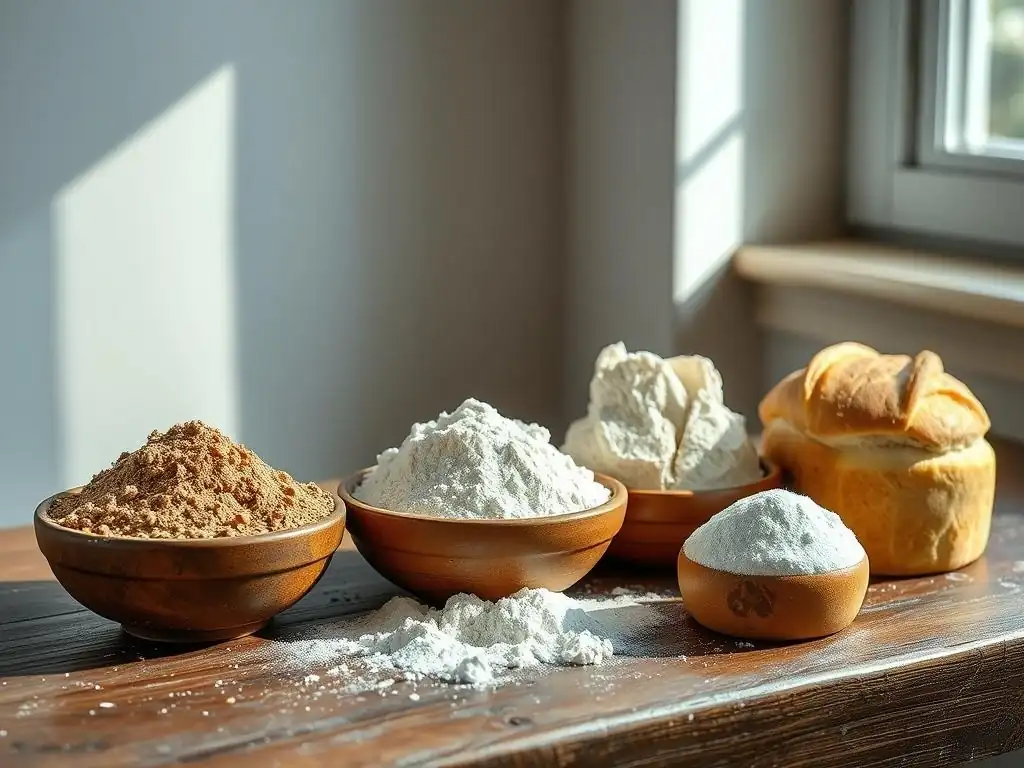
Consider the Desired Texture and Structure
The first step in choosing the right flour is to envision the final baked good you want to create. Do you want a chewy, airy interior with a crisp crust, like a baguette? Or a light, fluffy cake that melts in your mouth? Your desired flour texture and structural outcome will guide your flour selection.
For chewy, structured results that benefit from a strong framework and significant flour rise, opt for high gluten flour like bread flour. For tender, soft, or flaky results where minimal gluten is key for a delicate flour texture, choose a low gluten flour like cake or pastry flour.
Match Flour to Recipe Requirements
Most well-written recipes specify the type of flour needed because the recipe's ratios of liquid, fat, sugar, and leavening are balanced for that specific flour's protein content and absorption rate. Following the recipe's recommendation is the easiest way to achieve the intended flour texture and rise.
Substituting flours with significantly different protein levels without adjusting other ingredients can lead to unexpected results. Using bread flour in a cake recipe will likely result in a tough, dense cake, while using cake flour in a yeast bread will result in a flat loaf with poor structure and insufficient flour rise.
Experimenting with Different Flour Blends
Home bakers can also experiment by blending flours to achieve specific results. All-purpose flour, for instance, is a blend that falls in the middle (10-12% protein), offering versatility but sometimes compromising on extreme textures. You can simulate a lower protein flour by replacing a small amount of all-purpose flour with cornstarch (often cited as 2 tablespoons cornstarch per cup of AP flour to approximate cake flour).
Conversely, you can boost the protein content of all-purpose flour by adding vital wheat gluten (typically 1-2 teaspoons per cup of AP flour when making bread). Blending allows you to fine-tune the protein content and observe how it impacts the final flour texture and rise in your specific recipes.
Dense Bread: Potential Causes and Solutions (High Gluten)
If your bread made with high gluten flour turns out dense instead of light and airy, a common cause is insufficient gluten development. This can happen if the dough wasn't kneaded enough to build a strong network capable of trapping gases for a good flour rise.
Another cause could be insufficient proofing time; the yeast didn't have enough time to produce enough gas to inflate the dough. Ensure you knead properly (aim for the windowpane test) and allow adequate time for the dough to double in size in a warm environment. Also, check your recipe's hydration; sometimes slightly more water is needed for high protein flour to fully hydrate and develop.
Flat Cakes: Potential Causes and Solutions (Low Gluten)
Flat cakes, especially those meant to be light and airy, can sometimes result from over-mixing the batter made with low gluten flour. Even with low protein, excessive mixing can develop enough gluten to create a slightly tougher structure that doesn't rise properly or collapses.
Ensure you mix cake batter gently, usually just until the dry ingredients are incorporated into the wet. Also, double-check your leavening agent measurements (baking powder/soda) as these are critical for the flour rise in low-gluten baked goods. Oven temperature issues can also cause flat cakes, so ensure your oven is preheated correctly.
If your cookies are tough and chewy when they should be tender and soft, you might be using the wrong type of flour or over-mixing. Using a higher protein flour like bread flour instead of the recommended all-purpose or pastry flour will increase gluten development, resulting in a chewy flour texture.
Ensure you use the flour type specified in the recipe, typically all-purpose or a blend approximating lower protein. Mix cookie dough minimally, often just until the flour streaks disappear. Also, recipes with higher ratios of fat and sugar promote tenderness by inhibiting gluten; make sure you are following these ratios accurately.
Mastering Gluten Development: Advanced Techniques
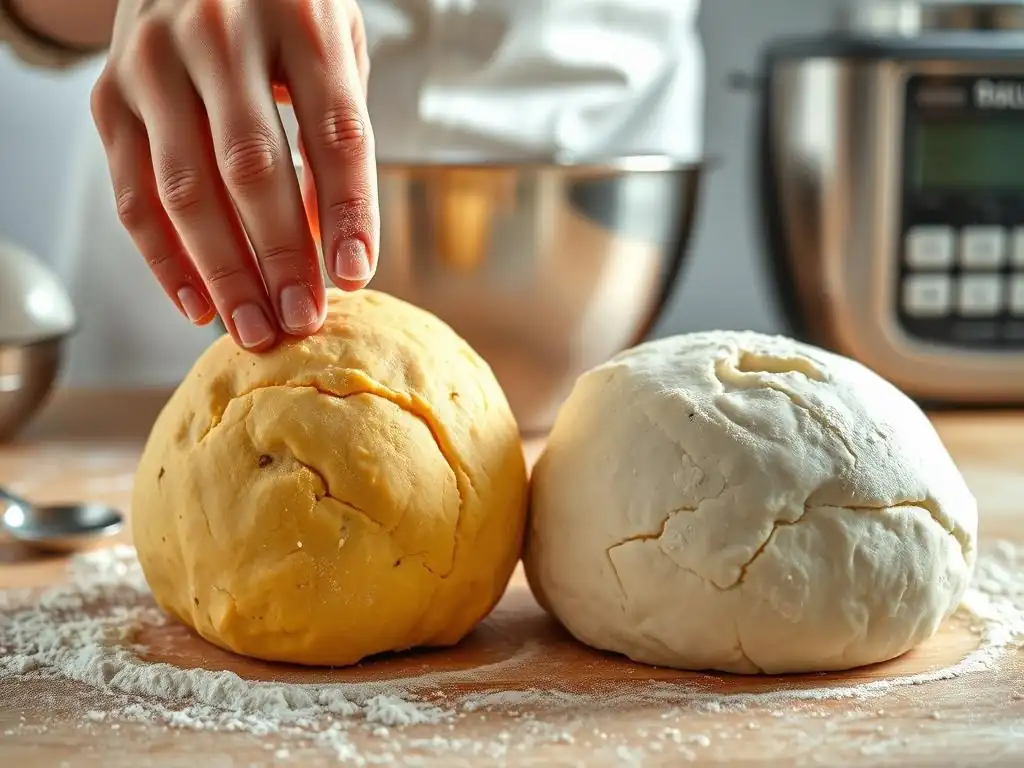
Adjusting Hydration Levels for High vs. Low Gluten Flours
Understanding hydration is key to mastering flour texture and rise. High gluten flours can handle, and often benefit from, high hydration levels (sometimes 70-80% or more based on flour weight) because the robust protein network can absorb and hold a significant amount of water, leading to a moist interior crumb and better gluten development.
Low gluten flours are typically used in batters or doughs with lower hydration levels. Excessive water isn't necessary for extensive gluten development (which is not desired), and too much liquid can create a batter that is too thin or results in a tough product if any gluten is overdeveloped. Hydration is carefully balanced with other ingredients like fat and sugar to control flour texture and promote tenderness.
Kneading and Mixing Techniques for Optimal Gluten Development
For high gluten doughs, techniques aim to fully develop the gluten network. This can involve vigorous kneading using a stand mixer (often 8-10 minutes) or by hand (15-20 minutes) until the dough is smooth and passes the windowpane test. Alternatively, long fermentation periods (like in no-knead bread recipes, often 12-18 hours) allow enzymes and time to develop gluten with minimal physical effort, enhancing flour rise and texture.
For low gluten batters and doughs, the goal is minimal mixing. Techniques like the creaming method (beating butter and sugar until light and fluffy before adding dry ingredients) or the reverse creaming method (mixing dry ingredients with softened fat before adding liquids) help coat flour particles and inhibit gluten development, ensuring a tender flour texture. Mixing is usually stopped as soon as the ingredients are just combined.
Fermentation and Proofing Considerations for Different Gluten Levels
High gluten doughs, especially yeast breads, benefit significantly from long fermentation and proofing periods (ranging from a few hours at room temperature to 24-72 hours or more in the refrigerator). This allows enzymes to break down some proteins and starches, improving dough extensibility, enhancing flavor, and contributing to a better flour rise and open crumb structure.
Low gluten batters and doughs, typically using chemical leaveners, usually require only short resting periods (from a few minutes to an hour) before baking. Extended fermentation is not needed for gluten development and could potentially lead to toughness if any gluten were to develop. The rise relies on the chemical reaction during baking, not on a long fermentation process.
Beyond High and Low: Exploring Other Flour Types and Their Gluten Content
All-Purpose Flour: A Versatile Option
All-purpose flour is a blend of hard and soft wheat flours, resulting in a moderate protein content, typically between 10% and 12%. This makes it a versatile flour suitable for a wide range of baking projects, from cookies and muffins to quick breads and even some yeast breads, though results may not be as specialized as using high or low gluten alternatives.
While it can be used for many things, AP flour might not produce the absolute best flour texture or rise for recipes specifically designed for higher or lower protein flours. A cake might be slightly tougher than one made with cake flour, and a rustic loaf might not achieve the same open crumb and high rise as one made with bread flour.
Bread Flour: A Stronger Gluten Option
Bread flour is specifically milled from hard wheat and has a higher protein content, usually 12% to 14% or sometimes higher. This higher protein level means it has a greater potential for forming strong gluten networks, which is essential for the structure, elasticity, and significant flour rise needed for yeast-leavened breads.
It is the go-to flour for achieving a chewy crumb and a sturdy crust in loaves of bread, bagels, pretzels, and pizza dough. The robust gluten developed with bread flour is key to trapping gases and providing the structural integrity needed for optimal flour rise and a desirable chewy flour texture.
Cake Flour: A Delicate Low-Gluten Option
Cake flour is milled from soft wheat and has the lowest protein content, typically 7% to 9%. It is often finely milled and sometimes bleached, which further alters its protein structure to inhibit gluten formation. This results in a flour that is ideal for creating very tender, delicate baked goods.
Its low protein content and fine texture are perfect for achieving a soft, fine crumb in cakes (like sponge, chiffon, or cupcakes), some muffins, and tender biscuits. Using cake flour minimizes gluten development, ensuring the desired delicate flour texture and a light, airy structure with a gentle flour rise.
Frequently Asked Questions
What is the main difference between high and low gluten flour, and how does it affect baking?
High gluten flour, like bread flour, has a higher protein content that develops more gluten. This results in a chewier texture and better rise, while low gluten flour, like cake flour, produces a more tender and delicate crumb.
How does gluten content influence the texture of baked goods?
Higher gluten content leads to a stronger, more elastic dough, resulting in a chewier texture. Lower gluten content results in a more tender and crumbly texture due to less gluten development.
Can I substitute high gluten flour for low gluten flour, and what adjustments should I make?
Yes, but the results will differ. Substituting high gluten for low gluten flour will make the baked good chewier and tougher. You may need to adjust the liquid content to compensate.
How does BakeWithEase recommend achieving a good rise when using gluten-free flour?
BakeWithEase suggests using gluten-free flour blends that contain binding agents like xanthan gum. These blends help mimic the structure and elasticity of gluten, promoting a better rise.
What are some common mistakes to avoid when working with gluten-free flour to achieve the desired texture and rise?
Overmixing is a common mistake, as it can lead to a tougher texture. Also, ensure your gluten-free flour blend is properly hydrated to achieve the optimal rise.
Final Reflection: The Flour Power of Choice
Understanding the nuances of gluten-free baking is crucial in today's increasingly health-conscious world. The quest for that perfect gluten-free loaf, cake, or pastry is a journey many embark on, often fraught with frustration. This article has highlighted the significant impact different gluten-free flour blends have on texture and rise, demonstrating that a one-size-fits-all approach simply won't work.
The ongoing exploration of gluten-free baking reflects a broader societal shift towards mindful eating and dietary choices. This isn't just about avoiding gluten; it's about understanding the fundamental science behind baking and adapting our techniques to achieve desired results. The best baker is the one who is willing to experiment and learn from their mistakes.
This sentiment perfectly encapsulates the spirit of gluten-free baking, where patience and experimentation are key to success. The journey itself, filled with both triumphs and setbacks, is a testament to the dedication and creativity of those seeking delicious and satisfying gluten-free alternatives.
Now, consider your own baking experiences. Have you been frustrated by dense, gummy gluten-free goods? This article provides you with the knowledge to make informed choices about your flour blends, empowering you to achieve the texture and rise you desire. Don't be afraid to experiment! Try different combinations, adjust your recipes, and embrace the learning process. The reward – a perfectly textured, beautifully risen gluten-free creation – is well worth the effort.
Unlock Your Baking Potential: Master Flour Choices!
Thanks for diving into the world of gluten with us! You've now got the knowledge to choose the perfect flour for your next baking project. Ready to put your new skills to the test?
- Bake a test loaf: This is your chance to experiment! Choose a recipe and try using high-gluten and low-gluten flours separately to compare the results firsthand. Document your experience!
- Share your findings: Post your results (pictures are great!) on social media and tag us @BakeWithEase – let's build a community of flour experts!
- Explore advanced techniques: Consider researching sourdough starters or other advanced baking methods to further refine your understanding of flour's impact on texture and rise.
What exciting baking project will you tackle first with your new flour knowledge?