
How Hydrocolloids (Xanthan, Guar) Assist GlutenFree Leavening

Welcome to BakeWithEase, your trusted companion in the delightful world of baking! Ever wondered how to achieve that perfect rise and texture in your gluten-free creations? Unlock the secrets of gluten-free baking hydrocolloids in our latest deep dive. Discover how ingredients like xanthan and guar gum can revolutionize your recipes and elevate your baking game. Eager to learn the science behind these incredible additions and finally master gluten-free leavening? Let's get started!
- Understanding Gluten-Free Baking Challenges and the Role of Leavening
- Gluten-Free Baking Hydrocolloids Tips: Xanthan Gum and Guar Gum Explained
- How Hydrocolloids Improve Gluten-Free Leavening
- Practical Tips for Using Hydrocolloids in Gluten-Free Recipes
- Xanthan Gum vs. Guar Gum: Choosing the Right Hydrocolloid for Your Recipe
- Troubleshooting Common Issues with Hydrocolloids in Gluten-Free Baking
- Advanced Techniques: Maximizing the Benefits of Hydrocolloids
- Mastering Gluten-Free Leavening with Hydrocolloids: Key Takeaways
-
Frequently Asked Questions
- What are hydrocolloids and why are they important in gluten-free baking?
- Which hydrocolloids are most commonly used in gluten-free baking?
- How do xanthan gum and guar gum differ in their effects on gluten-free baked goods?
- What are some tips for successfully incorporating hydrocolloids into gluten-free recipes?
- Can I substitute one hydrocolloid for another in a gluten-free recipe?
- Final Reflection: The Rising Tide of Gluten-Free Baking
- Unlock the Secrets of Gluten-Free Baking!
Understanding Gluten-Free Baking Challenges and the Role of Leavening
The Absence of Gluten: A Baking Problem
Traditional baking relies heavily on gluten, a protein network formed when wheat flour is mixed with liquid. This network is unique because it provides both structure and elasticity to dough and batter. As yeast or chemical leaveners produce gases like carbon dioxide, the gluten network stretches and expands, trapping these gases and causing the baked good to rise significantly. Think of it as an internal scaffolding that holds the structure together while allowing it to inflate.
In gluten-free baking, this fundamental scaffolding is missing. Without gluten, doughs tend to be less cohesive, more crumbly, and lack the elasticity needed to trap gas effectively. This often results in baked goods that are dense, flat, and have a poor crumb structure. Overcoming this challenge is paramount for achieving light, airy, and well-risen gluten-free breads, cakes, and pastries, making effective leavening a key focus in glutenfree baking hydrocolloids tips.
The Importance of Leavening in Gluten-Free Baked Goods
Leavening is the process that makes baked goods light and airy by incorporating gas bubbles. In traditional baking, leavening agents (like yeast, baking powder, or baking soda) work in conjunction with the gluten network to create volume and texture. When gluten is absent, the structure needed to support this expansion and hold the gas is compromised.
For gluten-free baked goods, achieving proper leavening is not just about rise; it's about creating a desirable texture and mouthfeel. Adequate leavening contributes to a tender crumb, prevents density, and improves the overall eating experience. Without effective leavening support, even the best gluten-free recipes can fall flat, highlighting the need for specialized glutenfree baking hydrocolloids tips that address this structural deficit.
Introducing Hydrocolloids: A Gluten-Free Baking Solution
Hydrocolloids, such as xanthan gum and guar gum, have emerged as vital ingredients in gluten-free baking. These water-soluble polysaccharides act as thickeners and stabilizers, providing a crucial bridge to mimic some of the functions of gluten. They don't replicate gluten's protein structure entirely, but they help create a network that can hold moisture, improve viscosity, and, most importantly, assist in trapping gases produced by leaveners.
By incorporating hydrocolloids, gluten-free bakers can significantly improve the structure, texture, and volume of their creations. These ingredients help transform potentially crumbly doughs into more manageable ones and allow batters to hold their shape and rise more effectively during baking. Understanding how to use these powerful ingredients is central to mastering glutenfree baking hydrocolloids tips for successful results.
Gluten-Free Baking Hydrocolloids Tips: Xanthan Gum and Guar Gum Explained
What are Hydrocolloids? Definition and Properties
Hydrocolloids are a diverse group of long-chain polymers that have the ability to thicken or gel liquids when dispersed in water. They are widely used in the food industry for their functional properties, including gelling, thickening, emulsifying, and stabilizing. In the context of baking, particularly gluten-free, their ability to bind water and form a viscous or gel-like network is what makes them invaluable.
These substances are typically carbohydrates, but unlike starches, they often form stable gels or highly viscous solutions at relatively low concentrations and over a wide range of temperatures. Common sources include plant extracts (like guar gum from guar beans, locust bean gum), seaweed (carrageenan, alginates), animal sources (gelatin - though not suitable for vegan baking), and microbial fermentation (xanthan gum). Their unique properties allow them to compensate for the structural weaknesses inherent in gluten-free flour blends.
Xanthan Gum: The Gluten-Free Baker's Best Friend
Xanthan gum is one of the most popular hydrocolloids used in gluten-free baking. It is produced through the fermentation of sugars by the bacterium Xanthomonas campestris. Xanthan gum is highly effective at thickening and stabilizing even at low concentrations, typically requiring only about 0.5% to 1% of the total flour weight in a recipe.
Its key benefit in gluten-free baking is its ability to provide elasticity and viscosity to dough and batters. When hydrated, it forms a gel-like substance that helps bind ingredients together, preventing the crumbly texture often associated with gluten-free goods. It's particularly effective in yeast-leavened breads where it helps trap the carbon dioxide produced during fermentation, leading to a better rise and a more open crumb structure. Many glutenfree baking hydrocolloids tips highlight xanthan gum for its reliability in mimicking gluten's elastic properties.
Guar Gum: Another Powerful Hydrocolloid for Gluten-Free Baking
Guar gum is another widely used hydrocolloid derived from the endosperm of guar beans. Like xanthan gum, it is a potent thickener and stabilizer, though its properties differ slightly. Guar gum typically hydrates more quickly than xanthan gum and creates a slightly less viscous, more brittle gel structure compared to the elastic network formed by xanthan.
Guar gum is often favored in recipes for cakes, muffins, and cookies, particularly those using chemical leaveners like baking powder. It helps improve moisture retention and provides structure without necessarily needing the same level of elasticity required for a stretchy bread dough. While both are essential glutenfree baking hydrocolloids tips, understanding the subtle differences between xanthan and guar gum helps bakers choose the best option for a specific recipe type.
How Hydrocolloids Improve Gluten-Free Leavening
Enhancing Structure and Viscosity in Gluten-Free Dough
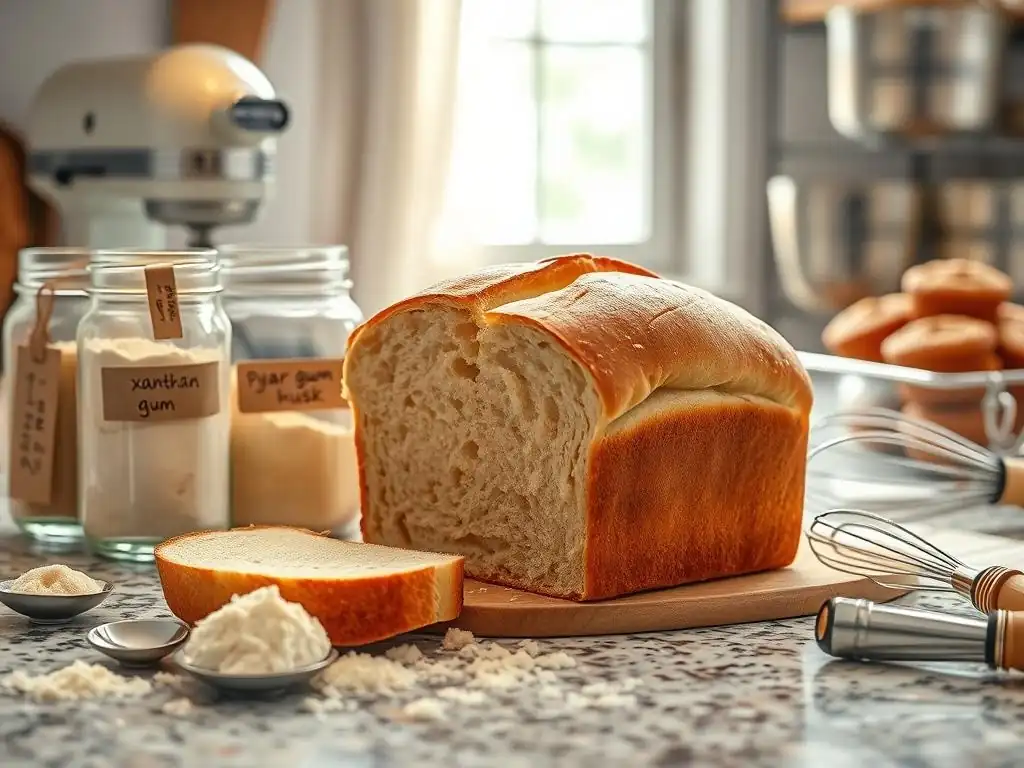
One of the primary ways hydrocolloids aid gluten-free leavening is by enhancing the overall structure and increasing the viscosity of the dough or batter. Gluten-free flour blends often contain starches and flours that don't naturally bind together well. Adding a hydrocolloid like xanthan or guar gum helps create a cohesive matrix.
This matrix binds the individual flour and starch particles together, making the dough less likely to crumble or spread excessively. The increased viscosity means the batter is thicker and more stable, better able to support the weight of other ingredients and maintain its shape. For instance, adding just 1/2 teaspoon of xanthan gum per cup of gluten-free flour blend can significantly improve the structure of a muffin batter, preventing it from collapsing during baking. This structural support is a foundational element in effective glutenfree baking hydrocolloids tips.
Improving Gas Retention for Better Rise
Effective leavening relies on the ability of the dough or batter to trap the gases produced by leavening agents. In traditional baking, the elastic gluten network forms pockets that capture these gases, allowing the dough to expand. Without this network, the gases simply escape, resulting in little or no rise.
Hydrocolloids help create a pseudo-network that can trap these gases. As the leavening agents produce carbon dioxide, the viscous or gel-like structure formed by the hydrocolloid holds onto the bubbles, preventing them from dissipating too quickly. This improved gas retention directly translates to greater volume and a lighter texture in the finished product. Studies have shown that incorporating xanthan gum can increase the specific volume of gluten-free bread by as much as 40-50% compared to formulations without it, illustrating a key benefit of using hydrocolloids in gluten-free baking.
Mimicking Gluten's Elasticity and Strength
While hydrocolloids don't perfectly replicate gluten's unique visco-elastic properties, they do provide a degree of elasticity and strength that is crucial for successful leavening. The network formed by hydrocolloids allows the dough or batter to stretch slightly as the gases expand during rising and baking, preventing the structure from breaking prematurely.
This flexibility is particularly important in yeast-leavened gluten-free breads. As the yeast ferments and produces gas, the dough needs to be able to expand without tearing. Xanthan gum, in particular, is effective at providing this elasticity, mimicking some of the 'chew' and stretch found in wheat doughs. This ability to impart strength and flexibility is a core component of successful glutenfree baking hydrocolloids tips, enabling bakers to achieve textures closer to their gluten-containing counterparts.
Practical Tips for Using Hydrocolloids in Gluten-Free Recipes
Dosage and Proportions: Finding the Right Balance
Finding the correct amount of hydrocolloid is crucial for success in gluten-free baking. Too little, and you won't get the desired structure and rise; too much, and you'll end up with a gummy or slimy texture. The optimal amount varies depending on the specific hydrocolloid, the type of gluten-free flour blend used, and the recipe itself (breads typically require more than cakes or cookies).
A common starting point for general gluten-free baking is to use about 1/4 to 1/2 teaspoon of hydrocolloid per cup of gluten-free flour blend for cakes, muffins, and cookies. For yeast-leavened breads, you might need closer to 3/4 to 1 teaspoon per cup of flour blend. These are general guidelines, and experimentation is often necessary. Always check the specific glutenfree baking hydrocolloids tips provided with your flour blend or in a trusted recipe.
Mixing Techniques for Optimal Hydrocolloid Activation
Proper mixing is essential to ensure that hydrocolloids are evenly distributed and fully hydrated. If not mixed correctly, they can clump, leading to pockets of gummy texture or uneven structure in your baked goods. The most effective method is to whisk the hydrocolloid thoroughly into the dry ingredients (like the gluten-free flour blend, sugar, salt, and leavening agents) before adding any liquid.
This pre-mixing helps to separate the fine hydrocolloid particles with the larger flour particles, preventing them from clumping when they come into contact with water. Once the dry ingredients are well combined, proceed with adding the wet ingredients and mixing as directed by the recipe. Ensuring even dispersion is a critical part of applying glutenfree baking hydrocolloids tips effectively.
Combining Hydrocolloids for Enhanced Results
While many recipes call for using either xanthan gum or guar gum, some advanced glutenfree baking hydrocolloids tips suggest that combining them can offer synergistic effects, potentially leading to improved texture and rise in certain applications. For example, a blend might provide a better balance of elasticity (from xanthan) and softness/moisture retention (from guar).
Using a combination often involves using slightly less of each than you would if using them individually. For instance, if a recipe calls for 1 teaspoon of xanthan gum, you might try using 1/2 teaspoon of xanthan gum and 1/2 teaspoon of guar gum instead. This technique requires experimentation and is often recipe-dependent, but it can be a valuable tool for fine-tuning gluten-free textures.
Xanthan Gum vs. Guar Gum: Choosing the Right Hydrocolloid for Your Recipe
Texture Differences and Their Impact on Baked Goods
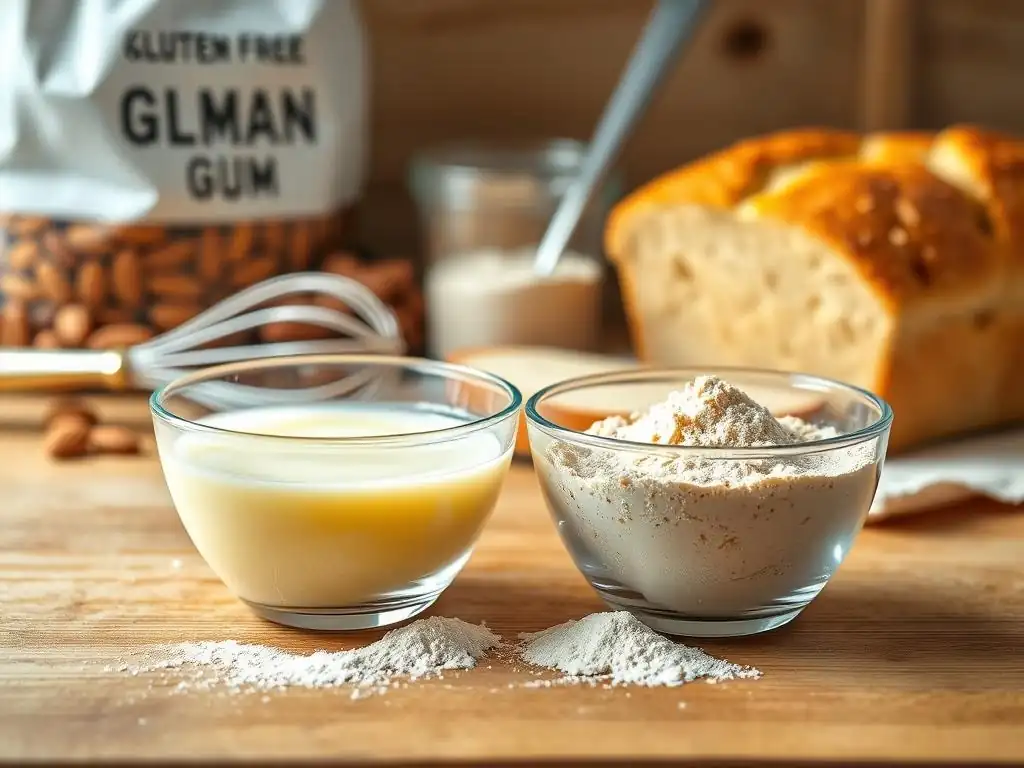
Xanthan gum and guar gum contribute slightly different textures to baked goods, which influences the choice depending on the desired outcome. Xanthan gum tends to create a more elastic, slightly chewy texture. It's known for providing structure and helping to prevent crumbling, often resulting in a texture closer to traditional wheat flour baked goods, especially in breads.
Guar gum, on the other hand, often results in a softer, more tender crumb. It's excellent for providing structure and moisture retention without imparting the same level of chewiness as xanthan. This makes it a good choice for delicate cakes, muffins, and some cookie recipes where a tender, less elastic texture is preferred. Recognizing these textural differences is a key aspect of applying glutenfree baking hydrocolloids tips wisely.
Recipe-Specific Recommendations: When to Use Each
General guidelines for choosing between xanthan and guar gum often depend on the type of baked good:
- Xanthan Gum: Generally recommended for yeast-leavened breads, pizza doughs, pasta, and recipes where elasticity and chewiness are desired. It helps these items hold their shape and structure during proving and baking.
- Guar Gum: Often preferred for chemically leavened goods like cakes, muffins, quick breads, cookies, and some pastry crusts, where a softer, more tender crumb is the goal. It helps improve moisture and structure without making the texture too dense or gummy.
However, these are not strict rules, and some recipes may call for the opposite or a blend. Always consider the specific requirements of your recipe when choosing which hydrocolloid to use. These recipe-specific glutenfree baking hydrocolloids tips help tailor your approach for optimal results.
Bread with Xanthan Gum, Muffins with Guar Gum
Consider the typical structure of a yeast bread versus a muffin. Yeast bread requires a strong, elastic network to capture the large volume of gas produced by yeast and support the significant rise. Xanthan gum's elastic properties are ideally suited for this task, helping the dough stretch without breaking. For instance, a gluten-free sandwich bread recipe might use 1 teaspoon of xanthan gum per cup of flour to achieve a loaf that rises well and slices cleanly.
Muffins, conversely, rely on chemical leaveners for a quick burst of lift and are prized for their tender, cake-like crumb. Guar gum's ability to provide structure and moisture retention without excessive elasticity makes it a better fit. A gluten-free blueberry muffin recipe might use only 1/4 teaspoon of guar gum per cup of flour, contributing to a soft, moist interior without a gummy texture. Applying these specific glutenfree baking hydrocolloids tips based on baked good type enhances success.
Troubleshooting Common Issues with Hydrocolloids in Gluten-Free Baking
Overuse: The "Gummy" Texture Problem
The most common pitfall when using hydrocolloids is using too much. While they are essential for structure, excessive amounts can lead to a texture that is unpleasantly gummy, slimy, or even rubbery. This happens because the hydrocolloid absorbs too much liquid and forms an overly thick, gel-like structure that doesn't break down properly during baking.
Signs of overuse include a dense, heavy crumb that feels slick or sticky in the mouth. If your gluten-free baked goods are consistently turning out gummy, try reducing the amount of hydrocolloid in the recipe, perhaps by 1/4 to 1/2 teaspoon per cup of flour blend. Remember, less is often more when it comes to these powerful ingredients. Adjusting dosage is a crucial glutenfree baking hydrocolloids tip for avoiding textural issues.
Undermixing: Lumps and Uneven Distribution
Another issue is insufficient mixing, leading to the hydrocolloid not being evenly distributed throughout the dry ingredients. If the hydrocolloid comes into contact with liquid in concentrated pockets, it will hydrate rapidly and form stubborn lumps that are difficult to break up. These lumps can result in uneven texture, with some parts of the baked good being gummy (where the lumps are) and others being crumbly (where there wasn't enough hydrocolloid).
To avoid this, always whisk the hydrocolloid thoroughly into the dry ingredients before adding any wet ingredients. Ensure it's completely dispersed. Using a fine sieve to sift the dry ingredients after adding the hydrocolloid can also help ensure even distribution. Proper mixing technique is a simple yet vital glutenfree baking hydrocolloids tip.
Inconsistent Results and Solutions
Experiencing inconsistent results with hydrocolloids can be frustrating. Variations in humidity, the specific gluten-free flour blend used (as blends vary widely in their starch and protein content), and even the brand of hydrocolloid can all influence the outcome. For example, one brand of xanthan gum might thicken more effectively than another.
- Solution 1: Be Precise: Always measure hydrocolloids accurately using measuring spoons, leveling off carefully.
- Solution 2: Note Your Blend: Keep track of which gluten-free flour blend you are using, as you may need to adjust hydrocolloid amounts based on the blend.
- Solution 3: Experiment and Document: If a recipe doesn't work perfectly, try adjusting the hydrocolloid slightly (up or down) in your next attempt and note the results. Building your own set of glutenfree baking hydrocolloids tips based on your specific ingredients and environment is key to consistency.
Advanced Techniques: Maximizing the Benefits of Hydrocolloids
Synergistic Effects with Other Gluten-Free Ingredients
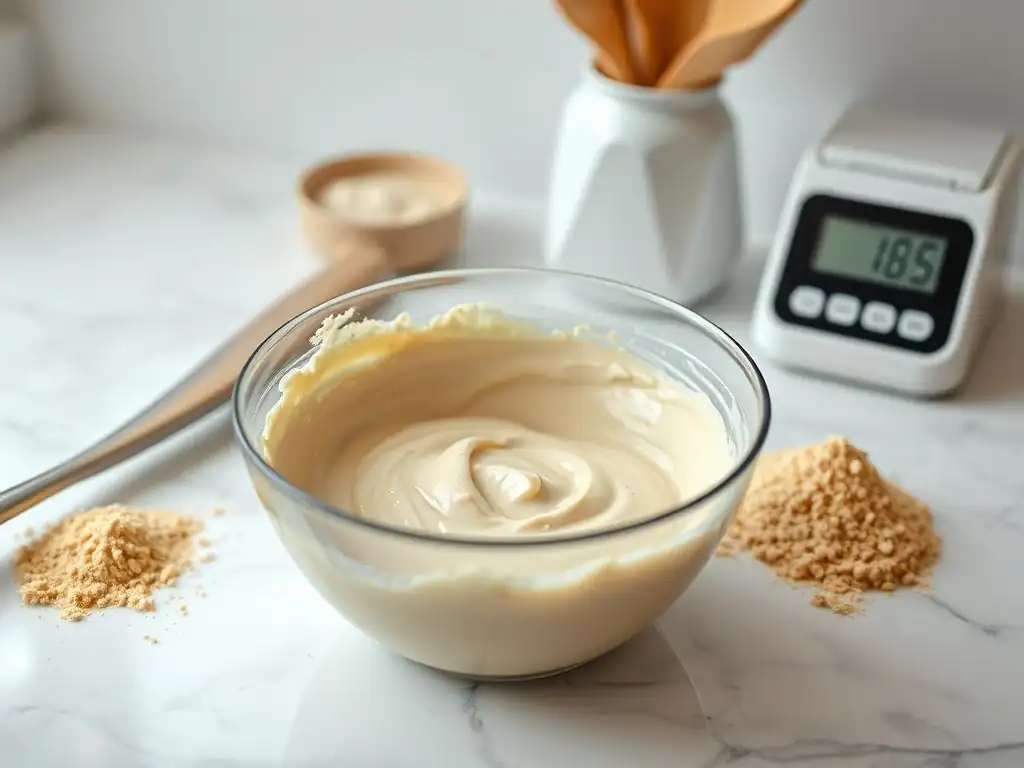
Hydrocolloids don't work in isolation; they interact with other components in the gluten-free flour blend, particularly starches and proteins (like those from rice, tapioca, potato, or legumes). Understanding these interactions can help refine your glutenfree baking hydrocolloids tips. For example, starches absorb water and gelatinize during baking, contributing to structure. Hydrocolloids can influence the rate and extent of starch gelatinization and retrogradation (staling).
Combining hydrocolloids with ingredients like psyllium husk or flax meal can sometimes offer enhanced results. Psyllium husk, for instance, also forms a gel when hydrated and can contribute significant structure and moisture retention, often working synergistically with xanthan or guar gum to create a more robust network, particularly in bread doughs.
Optimizing Fermentation for Hydrocolloid-Enhanced Leavening
In yeast-leavened gluten-free breads, the fermentation process is crucial, and hydrocolloids play a role in supporting it. The hydrocolloid network helps the dough maintain its structure as the yeast produces gas, allowing for a longer and more effective rise.
To optimize this, ensure your dough has sufficient hydration, as hydrocolloids need water to activate fully. Pay attention to fermentation time and temperature; a properly hydrated and adequately fermented dough will trap gas more effectively within the hydrocolloid matrix, leading to better volume and crumb. Some advanced glutenfree baking hydrocolloids tips for yeast breads suggest slightly longer proofing times to allow the yeast ample opportunity to fill the supported structure with gas.
Hydrocolloid Blends: Exploring the Benefits
As mentioned earlier, using a blend of hydrocolloids can sometimes yield superior results compared to using a single type. Commercially available gluten-free flour blends often contain a mix of starches, flours, and sometimes a hydrocolloid blend formulated for general use. However, for specific recipes, creating your own hydrocolloid blend tailored to the desired outcome can be beneficial.
For example, a blend of xanthan gum (for elasticity) and guar gum (for softness and moisture) might be ideal for a gluten-free challah or brioche. A blend incorporating locust bean gum (which has excellent gelling properties, particularly when used with xanthan gum) could enhance the texture of certain gluten-free pastries. Experimenting with different ratios and combinations is an advanced application of glutenfree baking hydrocolloids tips for bakers looking to truly master texture.
Mastering Gluten-Free Leavening with Hydrocolloids: Key Takeaways
Recap of Best Practices for Using Xanthan and Guar Gum
Mastering gluten-free leavening with hydrocolloids boils down to a few key best practices. First, always measure your hydrocolloid accurately, as even small variations can significantly impact texture. Second, mix the hydrocolloid thoroughly with your dry ingredients before adding liquids to ensure even dispersion and prevent lumps. Third, understand the general guidelines for dosage: less for tender baked goods like cakes and cookies, more for structured items like yeast breads.
Choosing between xanthan and guar gum depends on the desired texture: xanthan for chewiness and elasticity (good for bread), guar for softness and tenderness (good for cakes and muffins). Remember that these are powerful ingredients, and finding the right balance is key to avoiding common issues like gumminess or poor rise. Following these glutenfree baking hydrocolloids tips forms a solid foundation for success.
Tips for Achieving Consistent Results in Gluten-Free Baking
Consistency in gluten-free baking, especially when using hydrocolloids, comes from attention to detail. Use the same brand of gluten-free flour blend and hydrocolloids whenever possible, as variations exist between products. Pay close attention to ingredient temperatures and mixing times.
- Use a kitchen scale for accuracy, especially for flour and hydrocolloids.
- Ensure ingredients are at the temperature specified by the recipe (e.g., room temperature eggs).
- Don't overmix dough or batter after wet ingredients are added, as this can develop the hydrocolloid network too much, leading to toughness.
- Document your results, noting any adjustments made and the outcome. This personal log of glutenfree baking hydrocolloids tips will become invaluable.
Resources for Gluten-Free Baking Success
The world of gluten-free baking is constantly evolving, with new flour blends and techniques emerging. To continue improving your skills with hydrocolloids and other ingredients, seek out reliable resources. Look for reputable gluten-free baking blogs, cookbooks, and online communities that offer tested recipes and detailed explanations.
Many excellent resources provide specific glutenfree baking hydrocolloids tips, troubleshooting guides, and comparisons of different ingredients. Don't be afraid to experiment with small batches to see how different hydrocolloids or dosages affect your favorite recipes. With practice and reliable information, you can confidently achieve light, airy, and delicious gluten-free baked goods using the power of hydrocolloids.
Frequently Asked Questions
What are hydrocolloids and why are they important in gluten-free baking?
Hydrocolloids are water-loving substances that help bind, thicken, and stabilize gluten-free baked goods. They are essential because gluten typically provides structure and elasticity, which is missing in gluten-free flours.
Which hydrocolloids are most commonly used in gluten-free baking?
The most popular hydrocolloids are xanthan gum and guar gum. These gums mimic the functions of gluten, contributing to the desired texture and rise in baked goods.
How do xanthan gum and guar gum differ in their effects on gluten-free baked goods?
Xanthan gum generally provides more structure and chewiness, while guar gum can offer a softer and moister crumb. Bakers often experiment to find the right balance for their recipes.
What are some tips for successfully incorporating hydrocolloids into gluten-free recipes?
Start with small amounts as too much can lead to a gummy texture. Be sure to mix them thoroughly with the dry ingredients before adding any liquids for even distribution.
Can I substitute one hydrocolloid for another in a gluten-free recipe?
Yes, it's possible, but the results might vary. You might need to adjust the amount used and potentially other ingredients to achieve the desired outcome and texture.
Final Reflection: The Rising Tide of Gluten-Free Baking
The careful selection and application of hydrocolloids like xanthan and guar gum are no longer niche knowledge; they are essential tools for anyone striving to create truly satisfying gluten-free baked goods. The demand for delicious, texture-rich gluten-free options continues to surge, and understanding the role these versatile ingredients play is paramount to meeting this demand. Without a deep understanding of their functionality, the potential for creating light, airy, and flavorful gluten-free bread, cakes, and pastries remains unrealized.
The journey of gluten-free baking has been a fascinating one to witness, moving from a realm of dense, crumbly disappointments to a space where innovation and understanding are creating truly exceptional results. The shift in perception, from viewing hydrocolloids as mere substitutes to recognizing their unique contributions to structure and texture, is a testament to the power of scientific understanding applied to culinary arts. The best things in life are worth fighting for, and a truly good gluten-free loaf is definitely one of them.
– (A paraphrased sentiment reflecting the dedication of gluten-free bakers).
Now, it's your turn. Consider the insights shared in this article – experiment with different ratios of xanthan and guar gum, explore their interactions with other ingredients, and most importantly, embrace the process of learning and refinement. Don't be afraid to fail; each failed attempt brings you closer to mastering the art of gluten-free baking, and unlocking the potential of hydrocolloids to create truly exceptional, enjoyable, and inclusive baked goods for everyone. The future of gluten-free baking is in your hands – let's rise to the occasion together.
Unlock the Secrets of Gluten-Free Baking!
Thanks for taking the time to explore the world of hydrocolloids and their role in achieving light and airy gluten-free baked goods! You've now got the knowledge to create amazing results. Ready to put your new skills to the test?
- Bake your best gluten-free bread yet! Experiment with different ratios of xanthan and guar gum in your favorite recipe and see the difference. Note down your findings – you might discover your new signature loaf!
- Share your baking triumphs (and challenges!) with our BakeWithEase community on social media. Use #BakeWithEaseHydrocolloids to connect with fellow bakers.
- Dive deeper into the science: Research other hydrocolloid options, like locust bean gum, and discover how they impact texture and rise in your gluten-free creations.
What surprising texture improvements have you discovered by experimenting with hydrocolloids? Share your experiences in the comments below!