
From Lard to Leaf Lard: Rediscovering Traditional Fats for Flakiest Pastry

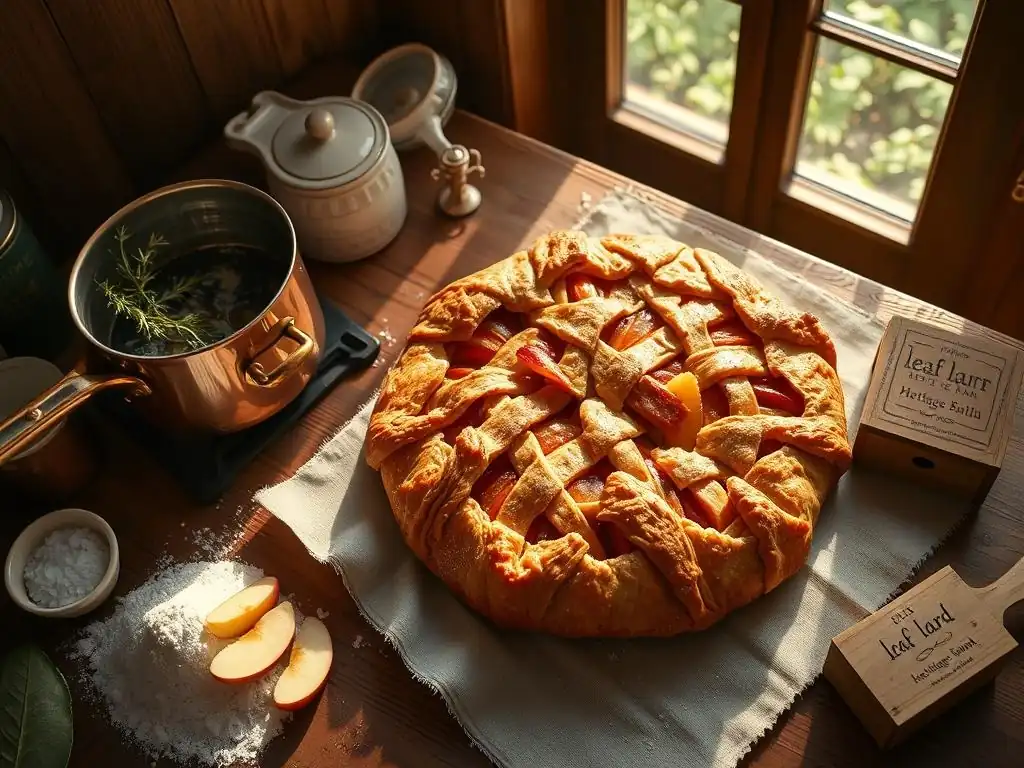
Welcome to BakeWithEase, your haven for baking mastery! Ever wondered how the secrets of yesteryear can unlock unparalleled flakiness in your pastry? Discover the magic behind using traditional fats with our deep dive into traditional lard pastry recipe tips. Prepare to rediscover baking techniques that will elevate your creations, one delicious bite at a time. Curious to learn more? Let's get baking!
- The Secret to Flaky Pastry: Exploring Traditional Baking Fats
- Lard vs. Leaf Lard: What's the Difference?
- Sourcing High-Quality Lard and Leaf Lard for Baking
- Mastering the Traditional Lard Pastry Recipe: Tips and Techniques
- Flavor Variations: Enhancing Your Lard Pastry Creations
- Lard Pastry Recipe Ideas
- Troubleshooting Common Lard Pastry Problems
- The Benefits of Using Lard in Pastry: Beyond Flakiness
- Conclusion: Embracing Traditional Lard Pastry for Exceptional Baking
-
Frequently Asked Questions
- What exactly is lard, and why is it often used in traditional pastry recipes?
- What are the different types of lard, such as leaf lard, and how do they impact the final pastry?
- Where can I source quality lard, especially leaf lard, for my traditional pastry recipe?
- What are some tips for working with lard to achieve the flakiest pastry possible?
- Can lard be substituted in traditional pastry recipes, and if so, what are the best alternatives and their impact on the final product?
- Final Reflection: The Enduring Allure of Traditional Fats
- Unleash Your Inner Pastry Chef!
The Secret to Flaky Pastry: Exploring Traditional Baking Fats
Why Bakers Are Returning to Traditional Fats Like Lard
For generations, lard was the go-to fat for achieving truly spectacular pastry. Its unique crystalline structure and high melting point create distinct layers within the dough that expand during baking, yielding that coveted flakiness modern bakers often strive for. While vegetable shortenings and butter have dominated the baking scene for decades, there's a noticeable resurgence among home bakers and professionals alike who are rediscovering the unparalleled results that traditional fats, particularly lard, offer. This return isn't just about nostalgia; it's driven by a desire for superior texture and flavor in classic recipes like pie crusts, biscuits, and savory tarts.
Many bakers find that using lard, especially in a traditional lard pastry recipe, imparts a tenderness and richness that is difficult to replicate with other fats alone. While butter provides excellent flavor, its lower melting point can sometimes lead to a less pronounced layering effect. Lard, when properly chilled and incorporated, creates larger, more stable pockets of fat within the dough, resulting in more dramatic lift and separation during baking. This makes it a star ingredient for mastering traditional lard pastry recipe tips, ensuring your crusts are both incredibly tender and shatteringly flaky.
Understanding the Role of Fat in Pastry Making: Flakiness Explained
Fat plays a crucial role in pastry making by inhibiting gluten development and creating layers. When flour is mixed with water, proteins like glutenin and gliadin bond to form gluten, which provides structure and elasticity. While necessary for bread, too much gluten development makes pastry tough. Fat coats the flour particles, preventing them from fully hydrating and thus limiting gluten formation. This results in a more tender dough that is easier to work with and yields a delicate crumb.
Beyond inhibiting gluten, solid fats like lard contribute to flakiness through a process called "shortening." As the dough bakes, the pieces of cold fat melt, leaving behind spaces or gaps between the layers of dough. These gaps expand and separate as steam is released, creating the distinct, airy layers characteristic of flaky pastry.
The higher the melting point of the fat, the longer it stays solid in the oven, allowing more time for the dough structure to set before the fat melts and creates the voids, leading to more pronounced flakiness. This is why mastering traditional lard pastry recipe tips often emphasizes keeping the fat cold.
Lard vs. Leaf Lard: What's the Difference?
Lard: A Versatile Baking Fat for Savory and Sweet Pastries
Lard, in its general form, is rendered pork fat. It's a traditional ingredient used across many culinary traditions, not just in baking but also for frying and searing. Typically, 'lard' refers to fat rendered from various parts of the pig, such as the back fat (fatback) or fat trimmings. This type of lard can sometimes retain a slight pork flavor, which can be desirable in savory applications like pot pies or tamales, but some bakers prefer a more neutral option for delicate sweet pastries.
This versatile fat offers a unique combination of tenderness and flakiness. Its melting point is relatively high, typically between 115°F and 120°F (around 46-49°C), which is ideal for creating those signature layers in pastry. When following traditional lard pastry recipe tips, using well-rendered, pure lard is key. It should be white, solid at room temperature, and have a clean smell. While commercially available lard sometimes contains hydrogenated fats or preservatives, many bakers seek out pure rendered lard from butchers or render their own for the best results.
Leaf lard is considered the highest grade of lard, prized by bakers for its superior quality. It comes specifically from the visceral fat found around the kidneys and loin of the pig. This fat is known for being exceptionally pure, white, and having a very mild, almost neutral flavor. This makes it the preferred choice for delicate pastries where a strong pork flavor is not desired, such as fruit pies, tarts, and delicate shortcrusts.
What sets leaf lard apart for achieving the ultimate flaky crust is its smooth texture and slightly higher melting point compared to general lard, often ranging from 118°F to 122°F (around 48-50°C). This subtle difference contributes to even more pronounced layering during baking. When implementing traditional lard pastry recipe tips for the flakiest results, leaf lard is often the secret ingredient. Its purity and neutral taste allow the other flavors in your pastry, like fruits or spices, to shine through without any competing undertones.
Comparing Lard and Leaf Lard: Flavor, Texture, and Rendering Process
While both are pork fats, the differences between general lard and leaf lard significantly impact their baking performance.
- Flavor: General lard can have a more noticeable pork flavor, especially if not fully rendered or if it contains fat from other parts of the pig. Leaf lard is famously neutral and clean-tasting, making it ideal for subtle flavors.
- Texture: Rendered general lard can sometimes be slightly grainy or have variations in consistency depending on the source fat. Leaf lard, due to its purity, is typically smoother and softer at room temperature, often described as being like soft butter or shortening.
- Rendering: Both fats require rendering (melting down solid fat into liquid and straining out solids). Leaf lard generally yields a higher percentage of pure fat and produces less "cracklings" (solid bits) compared to general lard from back fat. The rendering process for leaf lard is often done at a slightly lower temperature to ensure its purity and neutral flavor are preserved.
Understanding these distinctions is crucial when deciding which fat to use for your traditional lard pastry recipe. While general lard is excellent and more widely available, leaf lard offers a premium experience for those seeking the absolute peak of flakiness and a truly neutral base for their sweet bakes.
Sourcing High-Quality Lard and Leaf Lard for Baking
Finding Rendered Lard: What to Look for at the Butcher Shop
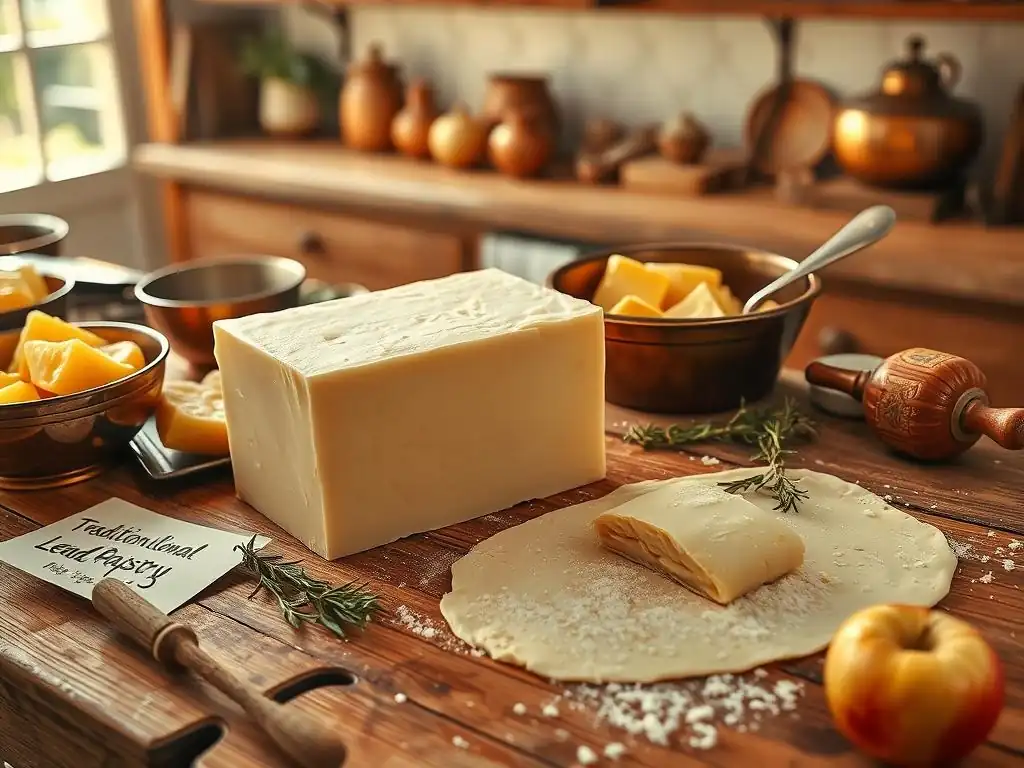
Sourcing good quality rendered lard is the first step in mastering traditional lard pastry recipe tips. Your local butcher is often an excellent resource. Ask for rendered lard, specifically mentioning you'll be using it for baking. A good butcher might render lard in-house from their trimmings. Look for lard that is pure white, has a clean, mild smell (not strongly "porky" or rancid), and is solid and smooth in texture. Avoid lard that looks yellowish or smells off, as this can indicate it's old or wasn't rendered properly.
If purchasing pre-packaged lard from a butcher or specialty store, check the ingredients list. Ideally, it should list only "lard" or "pork fat." Some commercial brands might add hydrogenated fats or BHT/BHA preservatives to increase shelf life, which can slightly alter the texture and are not preferred by purists seeking traditional results. Building a good relationship with a local butcher can provide access to high-quality, freshly rendered lard perfect for your baking needs.
Rendering Your Own Lard: A Step-by-Step Guide
Rendering your own lard, especially leaf lard, is a rewarding process that guarantees the highest quality and purity. You'll need raw pork fat (leaf fat is preferred for baking, but back fat works too), a heavy pot or slow cooker, water (optional, for wet rendering), and a fine-mesh sieve or cheesecloth.
- Start by cutting the fat into small, uniform pieces, about 1/2 to 1 inch cubes. The smaller the pieces, the faster the rendering process.
- Place the fat in your pot. For wet rendering, add a splash of water (about 1/4 cup per pound of fat) to prevent the fat from burning initially. For dry rendering, no water is needed, but you'll need to stir frequently.
- Heat the pot very gently over low heat. The goal is to slowly melt the fat without frying it. This can take several hours. The fat will melt into a liquid, and solid pieces (cracklings) will remain.
- Continue heating until the cracklings are golden brown and crispy and the liquid fat is clear. Avoid high heat, which can scorch the fat and give it an unpleasant flavor.
- Carefully strain the hot liquid fat through a fine-mesh sieve lined with cheesecloth into clean, heatproof jars. Discard the cracklings (or save them for other uses! ).
- Allow the strained lard to cool completely at room temperature before covering and storing. It will turn solid and white as it cools. Store rendered lard in the refrigerator for several months or freeze it for longer storage (up to a year).
Rendering your own ensures you have pure, unadulterated fat, which is a key component for truly authentic traditional lard pastry recipe outcomes.
Where to Buy Leaf Lard: Online and Local Options
Finding leaf lard specifically can sometimes be more challenging than finding general lard. Your best bet locally is often a reputable butcher shop that processes whole pigs. Call ahead to inquire about their availability. They may have leaf fat available or be able to render it for you if you provide the raw fat. Farmer's markets that sell pork products can also be a good source, especially if they work with heritage breeds, which are often favored for their fat quality.
If local options are scarce, leaf lard is increasingly available online. Many specialty food retailers, farms that ship directly, and even large online marketplaces now offer rendered leaf lard. When buying online, look for suppliers who specify "100% pure leaf lard" and provide details about their rendering process or sourcing. Check reviews for comments on flavor and texture. While potentially more expensive than general lard, the quality difference in your traditional lard pastry recipe can be significant, making the investment worthwhile for special bakes.
Mastering the Traditional Lard Pastry Recipe: Tips and Techniques
The Classic Lard Pastry Recipe: Ingredients and Proportions
A basic traditional lard pastry recipe is remarkably simple, typically involving just flour, lard, salt, and ice water. The key is the ratio and the technique. A common starting point for a flaky pie crust is:
- 2 1/2 cups all-purpose flour
- 1 teaspoon salt
- 1 cup (8 ounces) very cold, solid lard, cut into cubes
- 1/2 cup to 3/4 cup ice water
These proportions yield enough dough for a double-crust pie or two single crusts. Using very cold lard is non-negotiable for achieving flakiness. The cold fat pieces are what create the layers in the final baked product. Similarly, ice water helps keep the fat solid and limits gluten development. These fundamental ingredients form the base for many excellent traditional lard pastry recipe variations.
Step-by-Step Guide: Making Lard Pastry Dough
Making traditional lard pastry dough is more about technique than complexity.
- In a large bowl, whisk together the flour and salt.
- Cut the very cold lard cubes into the flour mixture. You can use a pastry blender, your fingertips, or a food processor. The goal is to work the fat into the flour until it resembles coarse crumbs with some larger, pea-sized pieces of fat still visible. These larger pieces are crucial for flakiness.
- Gradually add the ice water, one or two tablespoons at a time, mixing gently with a fork or your hands until the dough just comes together. Be careful not to add too much water, which can make the dough tough. You may not need all the water listed.
- Turn the dough out onto a lightly floured surface and gently gather it into a ball. Do not knead. Divide the dough into two equal discs if making a double crust. Flatten each disc slightly.
- Wrap each disc tightly in plastic wrap and refrigerate for at least 30 minutes, preferably longer (up to 2 days). This chilling period is essential for the fat to firm up and the gluten to relax, making the dough easier to roll and contributing to flakiness. Following these steps carefully enhances your traditional lard pastry recipe outcomes.
Lard Pastry Baking Tips for a Tender and Flaky Result
Keeping Lard Pastry Dough Cold: The Key to Success
Maintaining a cold temperature throughout the process is arguably the single most important tip for achieving flaky traditional lard pastry. From the moment you cut the cold lard into the flour to the moment the pastry goes into the hot oven, everything should be kept as cool as possible. Work quickly when mixing the dough to prevent the lard from melting from the heat of your hands. If your kitchen is warm, you might even chill your flour beforehand or place the mixing bowl over a bowl of ice.
Once the dough is mixed, chilling it thoroughly in the refrigerator is mandatory. This allows the fat to firm up completely. When rolling out the dough, work on a cold surface if possible (like marble or granite) and handle the dough gently and quickly. If the dough becomes soft or sticky while rolling, pop it back into the fridge for 10-15 minutes to firm up again. Cold dough with solid pieces of fat is the secret to those beautiful, separated layers that define a great traditional lard pastry recipe.
Working with Lard Pastry: Handling and Shaping Techniques
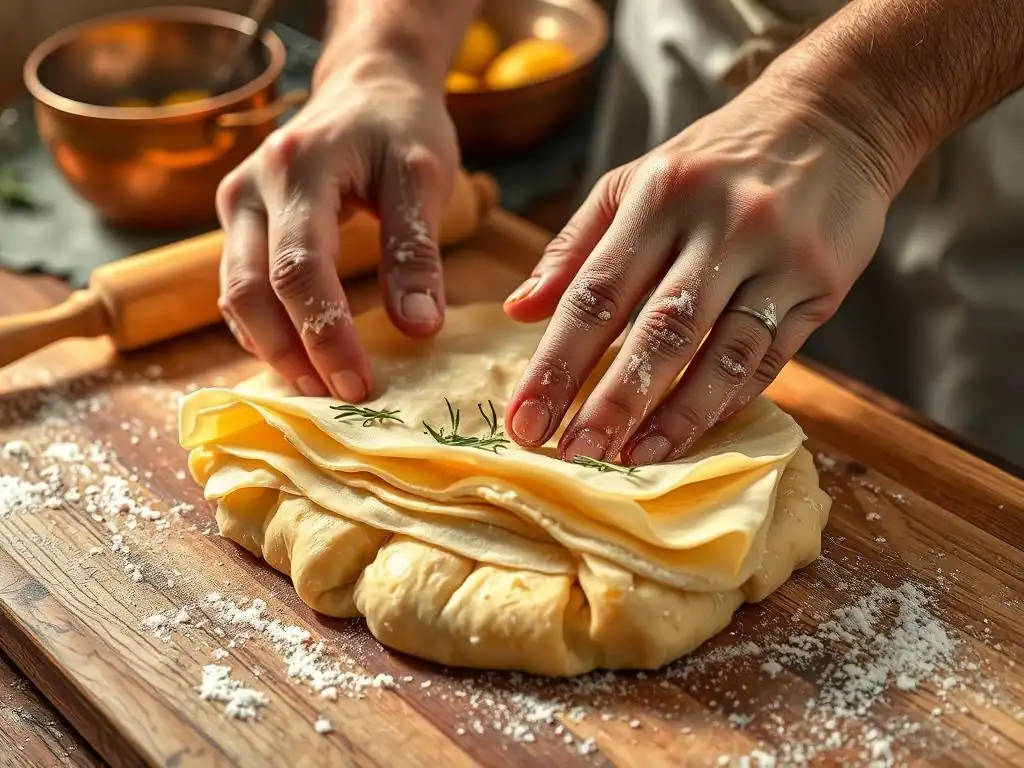
Lard pastry dough, when properly made and chilled, should be relatively easy to work with. Lightly flour your work surface and rolling pin. Roll the dough from the center outwards, rotating the dough frequently to prevent sticking and ensure an even thickness. If the edges crack, gently pinch them back together. Avoid overworking the dough; too much rolling or handling develops gluten and makes the crust tough.
When transferring the rolled dough to a pie plate or baking sheet, gently roll it around your rolling pin and then unroll it over the dish. Alternatively, you can fold it in half or quarters before transferring. Press it gently into the contours of the dish without stretching it, which can cause shrinkage during baking. Trim and crimp the edges as desired. If making a top crust, consider cutting vents for steam to escape. These handling tips are vital for successfully executing a traditional lard pastry recipe from rolling to baking.
Baking Lard Pastry: Temperature and Timing Considerations
Baking temperature is crucial for achieving that perfect flaky texture with lard pastry. A common technique is to start baking at a relatively high temperature, such as 400°F to 425°F (200°C to 220°C), for the first 15-20 minutes. This initial blast of high heat helps the cold fat melt rapidly and create steam, which lifts the layers of pastry before the structure fully sets. After this initial period, the temperature is often reduced (e.g., to 375°F or 190°C) to ensure the crust cooks through evenly without burning.
The total baking time will depend on what you are baking (e.g., empty pie shell, filled pie, savory tart). For a filled pie, it could range from 35 minutes to over an hour. The crust should be golden brown and the filling should be cooked through. If the edges of the crust start browning too quickly, you can cover them with strips of foil or a pie shield. Paying attention to these temperature and timing details is essential for successful traditional lard pastry recipe results.
Flavor Variations: Enhancing Your Lard Pastry Creations
Adding Herbs and Spices to Lard Pastry
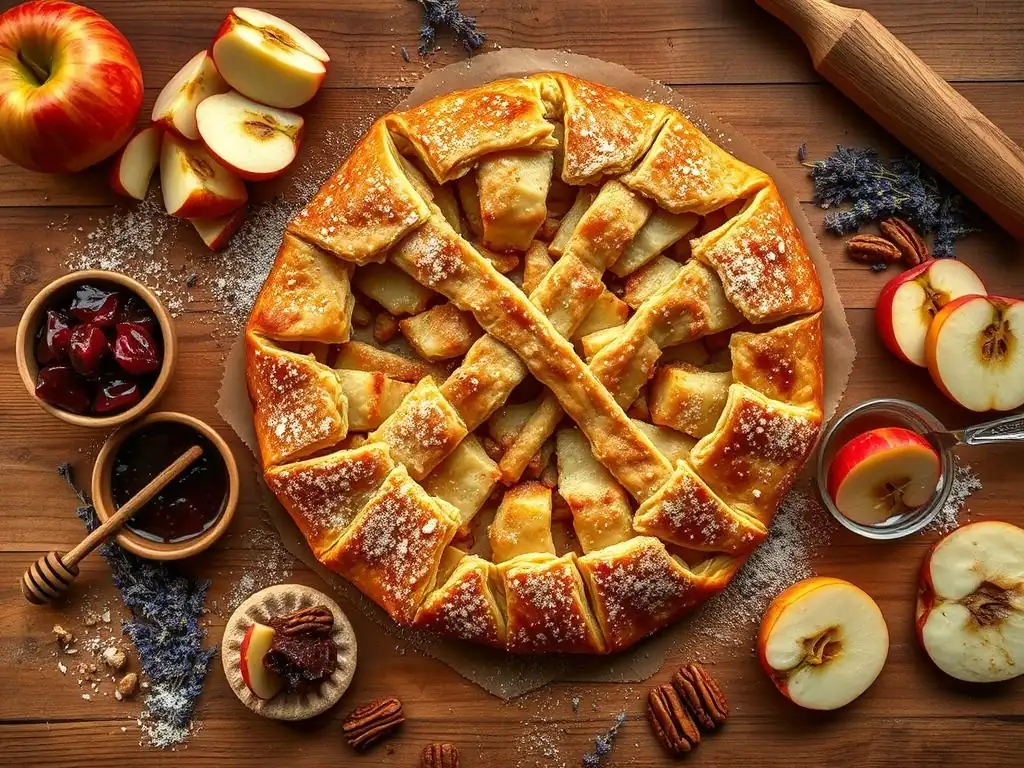
While the pure flavor of lard pastry is wonderful on its own, especially with sweet fillings, incorporating herbs and spices can elevate it for savory applications. Finely chopped fresh herbs like rosemary, thyme, or chives can be mixed directly into the dry ingredients along with the salt. About 1-2 tablespoons of fresh herbs per recipe batch (using 2.5 cups flour) is a good starting point.
Dried spices, such as black pepper, smoked paprika, garlic powder, or even a pinch of cayenne, can also be added to the flour mixture. Start with 1/2 to 1 teaspoon of dried spices, adjusting to your preference. These additions make the traditional lard pastry recipe base perfect for quiches, savory hand pies, or pot pie toppings, adding an extra layer of flavor that complements the richness of the filling.
Sweetening Lard Pastry: Creating Delicious Dessert Crusts
Although lard itself is savory, it provides a neutral base that works beautifully with sweet fillings. For a slightly sweeter crust that complements dessert pies, you can add a tablespoon or two of granulated sugar to the dry ingredients along with the flour and salt. This small amount of sugar won't make the crust overly sweet but can enhance the overall flavor profile when paired with fruit or cream fillings.
Another technique is to brush the finished crust with an egg wash and sprinkle it with coarse sugar before baking for a beautiful, sparkling finish and a hint of sweetness on top. While a traditional lard pastry recipe is often made without sugar in the dough itself, this simple addition or external application can tailor it perfectly for sweet applications like classic apple or cherry pie.
Savory Lard Pastry: Perfect for Quiches, Pot Pies, and More
Lard pastry is a natural fit for savory dishes. Its robust texture holds up well to moist fillings, and its subtle richness complements meats, vegetables, and cheeses. Use the basic traditional lard pastry recipe (without added sugar) as the base for quiches, ensuring the bottom crust is par-baked (baked until partially cooked) before adding the filling to prevent sogginess.
For pot pies, use the dough as a top crust or for both top and bottom crusts. The flakiness is a delightful contrast to the hearty filling. Small savory hand pies filled with meat, cheese, or vegetables are also excellent candidates for a lard-based crust. The tender, flaky result elevates simple savory ingredients into something truly special, showcasing the versatility of traditional lard pastry recipe techniques.
Lard Pastry Recipe Ideas
Apple Pie with Lard Crust
A classic American dessert, apple pie reaches its peak when encased in a tender, flaky lard crust. The neutral flavor of leaf lard, in particular, allows the sweet and tart apple filling to shine, while the high melting point ensures a beautifully layered texture. Use the basic traditional lard pastry recipe for a double crust.
Prepare your favorite apple pie filling (sliced apples, sugar, spices, a thickening agent like flour or cornstarch). Line a pie plate with one rolled-out crust, fill with the apple mixture, top with the second crust (vented), crimp the edges, and bake according to your standard apple pie instructions, adjusting temperature as noted in the baking tips section for optimal crust flakiness. This application truly highlights why many bakers swear by traditional lard pastry recipe methods for pies.
Savory Hand Pies with Lard Crust
Hand pies are portable and versatile, and a robust lard crust makes them substantial and satisfying. Fillings can range from seasoned ground meat and vegetables to cheese and potato or even simple greens like spinach and feta. Roll out the traditional lard pastry recipe dough into circles or squares.
Place a portion of the savory filling on one half of each dough shape, leaving a border. Moisten the edges with water, fold the dough over the filling, and crimp the edges with a fork to seal. Cut vents in the top of each hand pie. Bake at around 375°F-400°F (190°C-200°C) until golden brown and the filling is heated through, typically 20-30 minutes depending on size and filling. These are perfect for picnics or lunches, demonstrating the practicality of traditional lard pastry recipe uses.
Lard-Based Shortcrust Pastry for Quiches and Tarts
While shortcrust pastry often uses butter, substituting or combining it with lard yields a wonderfully tender and slightly more robust crust, ideal for quiches and tarts with liquid fillings. Use a traditional lard pastry recipe scaled down for a single crust or use a mix of cold butter and cold lard (e.g., half butter, half lard by weight) when cutting the fat into the flour.
Roll out the dough and press it into a tart pan or quiche dish. For quiches, it's crucial to par-bake the crust to prevent a soggy bottom. Line the crust with parchment paper, fill with pie weights or dried beans, and bake at 375°F (190°C) for 15-20 minutes, or until the edges are set. Remove weights and parchment, and bake for another 5-10 minutes until the bottom looks dry and slightly set. Then, add your quiche or tart filling and bake as required by the filling recipe. This is a fundamental traditional lard pastry recipe application for savory bakes.
Troubleshooting Common Lard Pastry Problems
Dry and Crumbly Lard Pastry: Causes and Solutions
If your traditional lard pastry dough feels dry, doesn't hold together, and crumbles excessively when you try to roll it, the most likely cause is not enough liquid. This often happens when you are hesitant to add enough ice water. Remember that the amount of water needed can vary slightly depending on the humidity and the flour used.
Solution: If the dough is still in the mixing bowl, you can try adding another tablespoon or two of ice water, mixing gently until it just comes together. If you've already tried to roll it out, it's harder to fix, but you can try gently pressing the crumbles back together, sprinkling a tiny bit more ice water, and gently reforming the disc. Next time, be less afraid to add water just until the dough barely holds together. You should be able to gently squeeze a handful and have it stay clumped.
Tough Lard Pastry: Avoiding Overmixing and Overworking
Tough pastry is usually a result of overdeveloping gluten. This happens when the dough is mixed too vigorously, handled too much, or rolled out too aggressively. Kneading dough is great for bread, but it's the enemy of flaky pastry. The more you work the dough after the liquid is added, the more gluten forms.
Solution: Be gentle and quick when mixing in the water and gathering the dough. Stop mixing as soon as the dough comes together. When rolling, use light, even pressure and avoid excessive rolling. If the dough resists rolling or snaps back, it means the gluten is tense; wrap it up and chill it again for 15-30 minutes to allow the gluten to relax. Following traditional lard pastry recipe tips means embracing a light touch.
Soggy Bottom Crust: Preventing and Fixing a Common Issue
A soggy bottom crust is a frustrating problem, especially with wet fillings like those in quiches or fruit pies. It occurs when the moisture from the filling saturates the uncooked bottom crust before it has a chance to set in the oven.
Prevention and Solutions:
- Par-baking: For wet fillings, par-baking the bottom crust before adding the filling is the most effective prevention. Bake the empty crust until it's partially cooked and set (as described in the quiche section).
- Hot Oven: Ensure your oven is accurately preheated to the correct temperature, especially the initial high temperature if using that method. A hot oven helps the bottom crust set quickly.
- Proper Filling: Avoid using overly wet fillings. Drain fruits well or use appropriate thickeners.
- Baking Surface: Baking your pie or tart on a preheated baking stone or steel can help conduct heat quickly to the bottom crust, promoting even cooking.
- Egg Wash/Butter Barrier: Some bakers brush the bottom crust with a thin layer of egg white or melted butter before adding the filling to create a moisture barrier, though par-baking is generally more reliable for very wet fillings. Implementing these traditional lard pastry recipe safeguards will significantly reduce the risk of a soggy bottom.
The Benefits of Using Lard in Pastry: Beyond Flakiness
Lard's Rich Flavor Profile: Adding Depth to Your Baking
While leaf lard is known for its neutrality, well-rendered general lard can contribute a subtle, savory depth of flavor that enhances certain baked goods. This isn't a strong pork taste, but rather a richness that complements ingredients like cheese, herbs, and even some fruits like apples or cherries. This nuanced flavor is part of the reason traditional lard pastry recipe methods have endured.
This subtle flavor boost can make savory pastries more complex and add an interesting dimension to sweet ones that pair well with a hint of savory undertone. It's a taste that's hard to replicate with purely vegetable-based fats or even butter alone, offering a connection to historical baking practices and ingredients.
Lard as a Sustainable Baking Fat Option
In an era increasingly focused on sustainable food practices, using locally sourced lard can be an environmentally conscious choice. Lard is a byproduct of pork production. By utilizing this fat, we reduce waste from animal processing. Sourcing lard from local farms or butchers who practice responsible farming can be a more sustainable option than relying on fats that require extensive processing or long-distance transportation.
Choosing lard from pigs raised on pasture or with sustainable practices further enhances its appeal from an environmental standpoint. This traditional fat offers a way to connect with local food systems and make use of the whole animal, aligning baking choices with broader sustainability goals. Considering these factors adds another layer of appreciation for traditional lard pastry recipe techniques.
Lard Pastry: Nutritional Considerations
From a nutritional perspective, lard is primarily composed of monounsaturated and saturated fats. While saturated fat intake is a consideration, it's worth noting that lard contains a significant amount of monounsaturated fat, similar to olive oil, though the exact ratio varies depending on the pig's diet and breed. For instance, pasture-raised pigs often produce lard higher in monounsaturated fats and omega-3 fatty acids compared to conventionally raised pigs.
Lard contains no trans fats (unless it's hydrogenated commercial lard) and is a source of dietary cholesterol. Like all fats, it is calorie-dense and should be consumed in moderation as part of a balanced diet. Understanding these components provides a more complete picture of traditional lard pastry recipe ingredients. For many, the superior texture and flavor achieved with lard make it a worthwhile occasional indulgence.
Conclusion: Embracing Traditional Lard Pastry for Exceptional Baking
Rediscovering the Art of Baking with Lard.
Returning to traditional fats like lard and leaf lard offers a gateway to achieving pastry results that are simply unparalleled in flakiness, tenderness, and subtle richness. While other fats have their place, mastering a traditional lard pastry recipe connects you to centuries of baking wisdom and unlocks the secret to truly exceptional crusts for both sweet and savory applications.
Whether you source high-quality rendered lard from a butcher, seek out premium leaf lard, or undertake the rewarding process of rendering your own, the effort is rewarded with a superior product. By understanding the role of fat, keeping your ingredients cold, and practicing gentle handling techniques, you can confidently create pastries that are lighter, flakier, and more flavorful than ever before. Embrace these traditional lard pastry recipe tips and rediscover the joy of baking with this classic ingredient.
Frequently Asked Questions
What exactly is lard, and why is it often used in traditional pastry recipes?
Lard is rendered pig fat. It's used in pastry because it creates a tender and flaky texture due to its fat composition.
What are the different types of lard, such as leaf lard, and how do they impact the final pastry?
Leaf lard is the highest grade of lard, rendered from the fat around the pig's kidneys. It results in a more delicate flavor and superior flakiness compared to other types.
Where can I source quality lard, especially leaf lard, for my traditional pastry recipe?
Quality lard can be found at butcher shops, specialty grocery stores, or sometimes directly from local farms. Leaf lard might require a bit more searching.
What are some tips for working with lard to achieve the flakiest pastry possible?
Keep the lard very cold when working with it. Also, avoid overmixing the dough to prevent gluten development, which can toughen the pastry.
Can lard be substituted in traditional pastry recipes, and if so, what are the best alternatives and their impact on the final product?
Yes, butter or shortening can be substituted. However, butter will impart a different flavor, and shortening may not provide the same level of flakiness as lard.
Final Reflection: The Enduring Allure of Traditional Fats
The resurgence of traditional cooking methods, particularly the use of lard in pastry, isn't just a nostalgic trend; it's a testament to the enduring power of simple, quality ingredients. The flakiest, most delicate pastries often rely on techniques and ingredients passed down through generations, proving that sometimes, the old ways are the best ways. This exploration of lard's unique properties and its role in creating exceptional pastry highlights a growing appreciation for culinary heritage and the pursuit of authentic flavor.
The shift towards a more conscious approach to food, prioritizing both health and taste, has brought lard back into the spotlight. It's a reminder that understanding the fundamental properties of ingredients is key to mastering any culinary technique. The best things in life are simple,
a sentiment that rings especially true when considering the transformative power of good lard in a perfectly crafted pastry. This journey through lard's history and its application in pastry making underscores the importance of preserving culinary traditions and appreciating the artistry behind seemingly simple recipes.
Now, consider your own kitchen. What traditional techniques or ingredients have you overlooked? Perhaps it's time to rediscover the joy of working with your hands, embracing the slower pace of traditional cooking, and experiencing the profound satisfaction of creating something truly delicious from simple, high-quality ingredients. Dare to experiment, embrace the imperfections, and savor the rich flavors that traditional methods unlock. The journey of culinary exploration is a lifelong adventure, and the rewards are immeasurable.
Unleash Your Inner Pastry Chef!
Thanks for taking the time to explore the wonderful world of leaf lard! We hope you've gained a new appreciation for this traditional fat and its ability to create incredibly flaky pastry. Now it's time to put your knowledge into action!
- Bake a masterpiece! Try using leaf lard in your next pie crust or puff pastry recipe. You'll be amazed at the difference!
- Share your baking journey! Post a photo of your leaf-lard creation on social media and tag us—we'd love to see your results! Use #LeafLardMagic #BakeWithEase
- Discover more traditional baking secrets: Explore our other articles on BakeWithEase.com for more tips and techniques to elevate your baking game.
Ready to experience the difference leaf lard makes? What unique pastry creation will you bake next?