
Sugar Substitutes Causing Weeping in Keto or SugarFree Cookies? Sweeten with Confidence

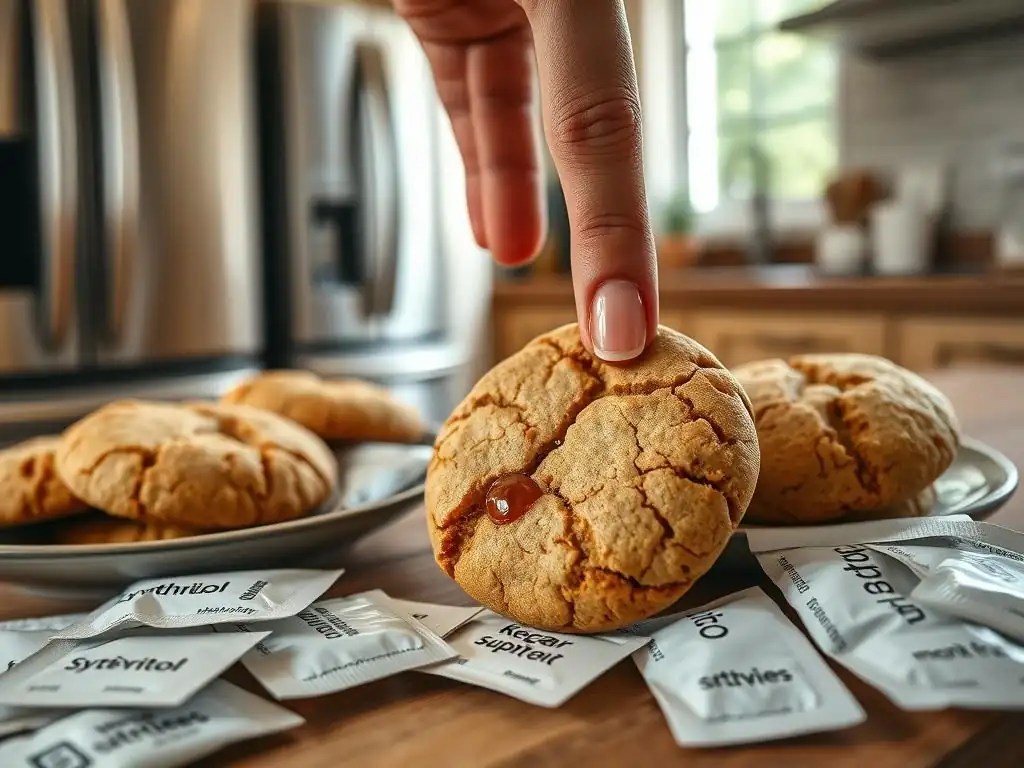
Welcome to BakeWithEase, your guide to confident baking! Are your keto or sugar-free cookies plagued by that frustrating, syrupy sheen? Discover the secrets to preventing keto cookie sweetener weeping and unlock the key to perfectly textured, delicious treats. Let's explore which sugar substitutes stand up to the heat and humidity, ensuring your low-carb creations are a delightful success, not a soggy disappointment. Intrigued? Read on to sweeten with confidence!
- Sugar Substitutes Causing Weeping in Keto Cookies: A Guide to Dry & Delicious Results
- Understanding Weeping in Keto Cookies: Causes and Solutions
- Common Keto-Friendly Sweeteners and Their Impact on Cookie Moisture
- Troubleshooting Weeping in Keto Cookies: Practical Tips and Adjustments
- Selecting the Right Keto Sweetener for Your Cookies
- Advanced Techniques for Perfect Keto Cookies
- Preventative Measures for Consistently Dry Keto Cookies
- Conclusion: Achieving Perfect Keto Cookies Without the Weep
-
Frequently Asked Questions
- What is "weeping" in the context of keto or sugar-free cookies?
- Which sugar substitutes are most likely to cause weeping in keto cookies?
- How can I prevent sugar substitutes from causing weeping in my keto cookies?
- Does the type of fat used in keto cookies affect the likelihood of weeping?
- Are there specific brands or forms of keto sweeteners that are less prone to weeping?
- Final Reflection: The Sweet Truth About Keto Cookie Weeping
- Unlock Your Perfect Sweet Treat: Bake with Confidence!
What is Weeping and Why Does it Occur in Keto Baking?
"Weeping" in keto cookies refers to the formation of syrupy or oily puddles around the edges or on the surface of the cookie after it has cooled, or sometimes even during storage. It's essentially moisture or dissolved sweetener separating from the baked good. This issue is particularly common in keto and sugar-free baking because sugar substitutes behave very differently from traditional granulated sugar (sucrose). Sugar provides bulk, structure, and caramelizes during baking, helping to bind ingredients and manage moisture. Keto sweeteners often lack these properties or introduce new challenges.
The primary culprits behind weeping in keto cookies are often related to the interaction of sugar substitutes with moisture and temperature changes. When sugar substitutes don't fully integrate into the cookie matrix or when they are prone to crystallization (like erythritol) or attracting moisture (like allulose), the excess liquid or dissolved sweetener can migrate out as the cookie cools. This is exacerbated by fluctuations in temperature and humidity during cooling and storage, which can cause the sweetener to become unstable and leach out, leading to those frustrating wet spots or the dreaded keto cookie sweetener weeping.
The Science Behind Moisture Issues with Sugar-Free Sweeteners
The chemical properties of sugar substitutes are fundamentally different from sucrose, leading to unique moisture-related problems in baking. Sucrose is highly soluble and helps create a stable structure by binding water and melting during baking. Many keto sweeteners, like erythritol, are less soluble and have a higher melting point, meaning they don't dissolve or melt as readily in the dough and can recrystallize upon cooling. This recrystallization process can push out surrounding moisture, resulting in the visible weeping effect.
Furthermore, some sugar substitutes, like allulose, are highly hygroscopic, meaning they readily absorb moisture from the environment. While this can contribute to a softer, chewier cookie texture, excessive hygroscopicity can also lead to the cookie feeling sticky or even attracting enough moisture from the air to cause weeping, especially in humid conditions. Understanding these scientific behaviors – from erythritol's crystallization tendency to allulose's moisture-attracting nature – is key to formulating keto cookie recipes that remain dry and delicious without the issue of keto cookie sweetener weeping.
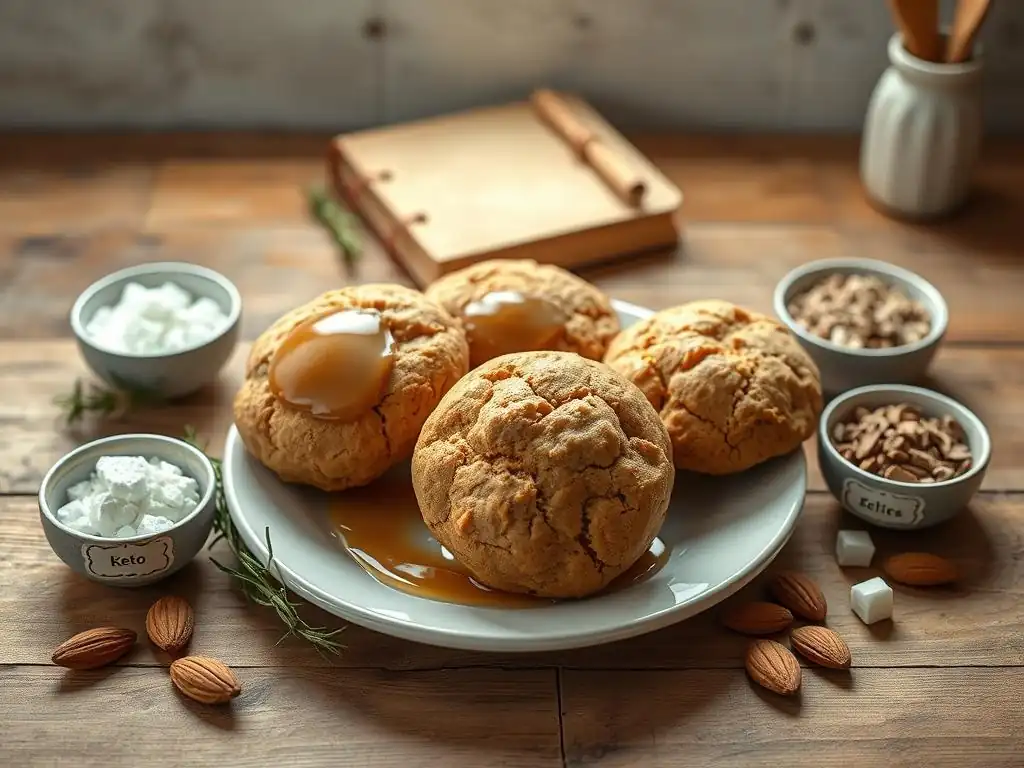
Erythritol: Strategies for Managing Crystalization and Moisture
Erythritol is a popular keto sweetener due to its low net carbs and minimal impact on blood sugar. However, its main drawback in baking is its tendency to recrystallize as baked goods cool, which can lead to a gritty texture and contribute significantly to weeping in keto cookies. This happens because erythritol doesn't fully dissolve or melt at typical cookie baking temperatures as effectively as sugar does. As the cookie cools, the dissolved erythritol comes out of solution and forms crystals, often pushing liquid out with it.
To mitigate erythritol crystallization and the associated weeping, several strategies can be employed. Using powdered erythritol instead of granulated is highly recommended, as the smaller particle size dissolves more easily and is less prone to recrystallization. Blending erythritol with other sweeteners like allulose or a small amount of liquid stevia or monk fruit can also disrupt the crystallization process. Furthermore, allowing cookies to cool properly on a wire rack immediately after baking helps moisture evaporate evenly, reducing the likelihood of weeping caused by trapped steam or slow cooling.
Stevia: Best Practices for Preventing Bitterness and Weeping
Stevia is an intensely sweet natural sweetener derived from the Stevia rebaudiana plant. Because it is many times sweeter than sugar (stevia extracts can be 200-400 times sweeter), it is used in very small quantities. This means pure stevia extract itself doesn't provide the bulk that sugar does, and is less likely to directly cause weeping due to its own bulk properties. However, stevia is often sold blended with bulking agents like erythritol or maltodextrin (though maltodextrin is not keto-friendly).
When using stevia, the primary concern is often bitterness, especially if too much is used. To prevent this, use liquid stevia or high-purity powdered extracts sparingly, following recipe guidelines or starting with a small amount and adjusting. If using a stevia blend, the weeping issue is more likely attributable to the bulking agent, such as erythritol's crystallization tendency. Choosing blends with finer particle sizes or those balanced with other sweeteners can help manage potential moisture issues introduced by the blend components, thereby minimizing the chance of weeping in your keto cookies.
Monk Fruit: Using Monk Fruit Effectively to Avoid Texture Problems
Monk fruit sweetener, like stevia, is derived from a fruit and is intensely sweet. It is also typically blended with bulking agents like erythritol, allulose, or sometimes dextrose (check labels for keto compatibility). The sweetness comes from mogrosides, which are used in very small amounts. Therefore, similar to stevia, the texture and moisture behavior of monk fruit sweetener in keto cookies are primarily determined by the bulking agent it's blended with.
For example, a monk fruit blend using erythritol as the main bulking agent will exhibit the same crystallization tendencies as pure erythritol, potentially leading to grittiness and weeping. A blend primarily using allulose will result in a softer, chewier cookie that might be more prone to absorbing atmospheric moisture. To use monk fruit effectively and avoid texture problems like weeping, select blends carefully. Opting for powdered blends or those balanced with allulose or a mix of polyols can lead to a smoother texture and less weeping compared to blends using coarse granulated erythritol alone.
Allulose: Benefits and Considerations for Moisture Control
Allulose is a "rare sugar" that behaves more like traditional sugar in baking than many other keto sweeteners. It provides bulk and browns slightly, contributing to better texture and appearance in keto cookies. It is about 70% as sweet as sugar. One of its key characteristics is its high hygroscopicity – its ability to attract and hold onto moisture. This property can result in cookies that are noticeably softer and chewier than those made with erythritol.
While the moisture-attracting quality of allulose is often a benefit for texture, it can also contribute to issues if not managed properly. In very humid environments, cookies made with a high percentage of allulose might become excessively sticky or even exhibit weeping as they absorb moisture from the air.
Additionally, if the recipe's liquid balance isn't adjusted when substituting sugar with allulose, the dough can be too wet, leading to spread issues and potentially weeping. Careful recipe formulation, potentially reducing other liquids slightly, and proper storage are important considerations when using allulose to prevent excessive moisture and weeping in your keto cookies.
One of the most effective ways to combat keto cookie sweetener weeping is to address the overall moisture level in your dough. Keto flours and sweeteners absorb liquids differently than wheat flour and sugar, so standard recipes require careful adjustment. A dough that appears slightly too wet before baking is a common culprit for weeping and excessive spread.
Making specific adjustments to the dry-to-wet ingredient ratio is crucial. This involves not only considering the liquid ingredients like eggs, extracts, or added milk alternatives but also how the chosen sweetener and flour alternative interact with moisture. Small tweaks can make a significant difference in achieving the right dough consistency that bakes up properly without excess liquid pooling later.
Reducing Liquid Ingredients: Achieving the Right Dough Consistency
Excess liquid in your keto cookie dough is a direct contributor to weeping. Ingredients like large eggs (vs. medium), too much vanilla extract, or added liquid (like almond milk or heavy cream) can throw off the delicate moisture balance required for a dry, stable cookie. Standard cookie recipes often rely on sugar to absorb a significant amount of moisture, a role keto sweeteners don't always fulfill as effectively.
When adapting a recipe or troubleshooting weeping, consider slightly reducing the liquid components. For example, if your recipe calls for 2 tablespoons of almond milk, try reducing it to 1 or 1.5 tablespoons. If using eggs, ensure they are appropriately sized, or consider reducing a liquid extract amount slightly. The goal is a dough that holds its shape well when scooped or rolled, without being overly sticky or loose.
Increasing Dry Ingredients: Balancing Flour and Sweetener Ratios
Adding a small amount of extra dry ingredients can help absorb excess moisture and improve the structure of your keto cookies, counteracting the tendency for keto cookie sweetener weeping. This might involve slightly increasing the amount of your main flour alternative or adding a small amount of a highly absorbent ingredient.
If your dough seems too wet, try adding 1-2 tablespoons of your keto flour (like almond flour or coconut flour, keeping in mind coconut flour's high absorption) or a blend of keto-friendly protein powder. Incorporate the extra dry ingredient gradually until the dough reaches a workable consistency that isn't sticky and holds its shape. This adjustment helps to bind free moisture that could otherwise lead to weeping.
Adding Binding Agents: Using Psyllium Husk or Guar Gum
Incorporating a small amount of a keto-friendly binding agent can significantly improve the texture of your cookies and help manage moisture, thereby preventing weeping. Ingredients like psyllium husk powder or guar gum are excellent at absorbing liquids and providing structure that sugar substitutes often lack.
For most cookie recipes using about 1-2 cups of flour alternative, adding 1/2 to 1 teaspoon of psyllium husk powder or 1/4 to 1/2 teaspoon of guar gum can make a noticeable difference. These binders hydrate and create a gel-like consistency that helps hold the dough together and locks in moisture within the cookie matrix, preventing it from separating and causing weeping later.
Beyond adjusting the ingredients in the dough, the way you bake your keto cookies can also impact moisture levels and the potential for weeping. Proper heat distribution and sufficient baking time are essential for evaporating excess water and setting the structure of the cookie.
Even slight adjustments to oven temperature or baking duration can influence how the sweeteners behave and how much moisture remains in the final product. Ensuring the cookies are baked through, even if they appear soft immediately out of the oven, is key to preventing moisture-related issues as they cool.
Oven Temperature and Baking Time: Achieving Optimal Doneness
Baking at the correct temperature and for the right amount of time is critical for evaporating moisture and setting the cookie structure. While many keto cookie recipes call for temperatures between 325°F and 350°F, ensuring your oven is accurately calibrated is important. Baking too cool or for too short a time can leave excessive moisture in the cookies, increasing the risk of weeping.
Look for visual cues of doneness: the edges should be lightly golden brown, and the centers should appear set, even if they still look slightly soft. If you suspect your cookies are weeping due to underbaking, try adding 2-5 minutes to the baking time in subsequent batches. This allows more moisture to evaporate, leading to a drier, more stable cookie less prone to keto cookie sweetener weeping.
Cookie Sheet Preparation: Using Parchment Paper or Silicone Mats
Using parchment paper or silicone baking mats on your cookie sheets isn't just about preventing sticking; it also contributes to even heat distribution. A hot, bare metal sheet can sometimes create hot spots that unevenly cook the bottom of the cookie, potentially driving moisture out in specific areas.
Parchment paper and silicone mats provide a buffer that helps the cookies bake more evenly from the bottom up. This uniform heating promotes consistent moisture evaporation throughout the cookie, reducing the likelihood of isolated wet spots or weeping caused by uneven cooking. They also make transferring the delicate keto cookies easier, preventing breakage that could expose the interior and affect moisture balance.
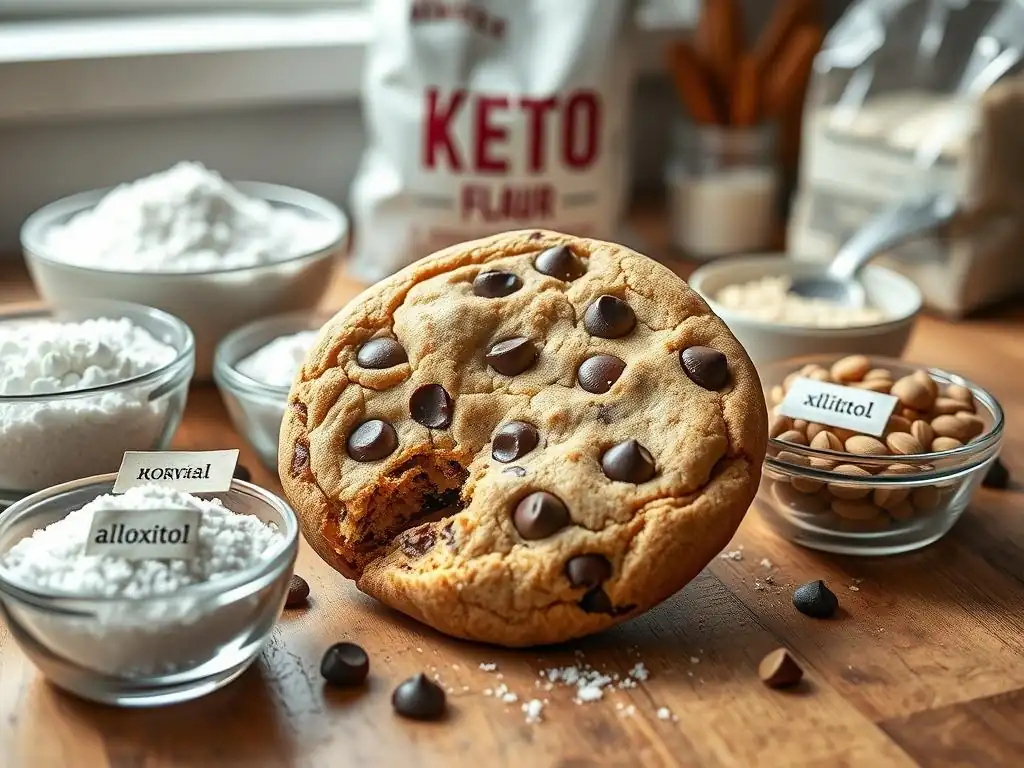
Choosing the appropriate sugar substitute is perhaps the most impactful decision you can make to prevent keto cookie sweetener weeping. Not all keto sweeteners are created equal when it comes to their performance in baked goods, particularly concerning moisture and texture.
Understanding the specific properties of different sweeteners and how they behave during the baking and cooling process will guide you toward selections that are less likely to cause issues like weeping and crystallization, leading you to achieve ideal keto cookie results.
Top Keto Sweeteners for Preventing Excessive Moisture
While no single sweetener is perfect for every application, certain options or combinations are generally better at preventing excessive moisture and weeping in keto cookies. Powdered erythritol, especially when blended with other sweeteners, tends to perform better than granulated erythritol due to reduced crystallization.
Allulose, despite being hygroscopic, can be managed with recipe adjustments and proper storage and often results in a desirable soft texture without significant weeping if the overall moisture balance is correct. Blends that combine the benefits of different sweeteners, such as erythritol and allulose or erythritol and a touch of stevia or monk fruit, often yield the most stable and non-weeping keto cookies by mitigating the drawbacks of individual sweeteners.
Blending Sweeteners: Synergistic Effects and Balanced Sweetness
Blending different keto sweeteners is a highly effective strategy for achieving the desired sweetness, texture, and moisture control in your cookies while minimizing issues like keto cookie sweetener weeping. Each sweetener has unique properties – erythritol provides bulk but can crystallize, allulose adds softness and moisture retention, and stevia/monk fruit provide intense sweetness without bulk.
By combining sweeteners, you can leverage their synergistic effects. For example, a blend of 50% erythritol and 50% allulose can reduce the crystallization of erythritol while managing the potential stickiness of allulose, resulting in a cookie with a more sugar-like texture that is less prone to weeping. Experimenting with different blend ratios can help you find the perfect balance for your specific cookie recipe and preferences.
Beyond the basics of ingredient ratios and baking times, understanding the roles of other components in your keto cookie recipe can further help in preventing weeping and achieving ideal texture. Fat and flour alternatives significantly influence how moisture is distributed and retained within the cookie.
Mastering the interaction between fats, flour substitutes, and sweeteners allows for more precise control over the final outcome, enabling you to consistently bake keto cookies that are dry, chewy, or crisp, but always free from unwanted syrupy puddles.
The Role of Fat: Choosing the Right Fats for Texture and Moisture
The type and state of fat used in your keto cookies play a crucial role in texture, spread, and how moisture behaves. Butter, coconut oil, and shortening all have different melting points and compositions that affect the cookie's structure as it bakes and cools. Using softened butter, for instance, helps create pockets of air during creaming, contributing to lift and a tender crumb.
Melted fat, on the other hand, results in a denser, chewier cookie with less spread. Fats also help coat the dry ingredients, which can influence how quickly they absorb moisture. Using solid fats like butter or coconut oil that solidify upon cooling can help create a more stable structure that is less likely to collapse or weep compared to using liquid oils that remain fluid at room temperature. Approximately 50-60% of the fat in a typical cookie recipe contributes to structure and texture, influencing moisture stability.
Flour Alternatives: Almond Flour vs. Coconut Flour and Moisture Management
The choice of keto flour alternative significantly impacts the dough's consistency and moisture absorption. Almond flour is a common choice, providing a relatively stable base. It absorbs moisture but less intensely than coconut flour. Coconut flour is highly absorbent – generally requiring about 4 times the liquid of wheat flour or almond flour by weight – and using too much without adequate liquid can result in a dry, crumbly cookie.
Conversely, if a recipe calls for coconut flour and the liquid isn't perfectly balanced, the excess moisture that isn't absorbed can contribute to weeping, especially if combined with a hygroscopic sweetener like allulose. Understanding the absorption rates (coconut flour absorbs roughly 3-4 times its weight in liquid, while almond flour absorbs closer to its weight) is vital when substituting or adjusting recipes to manage moisture and prevent weeping.
Imagine you have a standard almond flour chocolate chip keto cookie recipe that occasionally weeps. The original recipe calls for 1 cup almond flour, 1/2 cup granulated erythritol, 1/4 cup melted butter, 1 large egg, 1 tsp vanilla extract, and 1/2 tsp baking powder. You notice weeping, likely from erythritol crystallization or excess moisture.
To troubleshoot and prevent keto cookie sweetener weeping, you could implement several adjustments. First, switch from granulated erythritol to 1/2 cup powdered erythritol, or even use a blend like 1/4 cup powdered erythritol and 1/4 cup allulose. Second, consider reducing the liquid slightly – maybe use a medium egg instead of a large one, or reduce the vanilla extract to 3/4 tsp.
Third, add a small binder – whisk in 1/4 to 1/2 teaspoon of psyllium husk powder with the dry ingredients. These simple adjustments, focusing on sweetener form, liquid content, and binding, can significantly improve the outcome and prevent weeping.
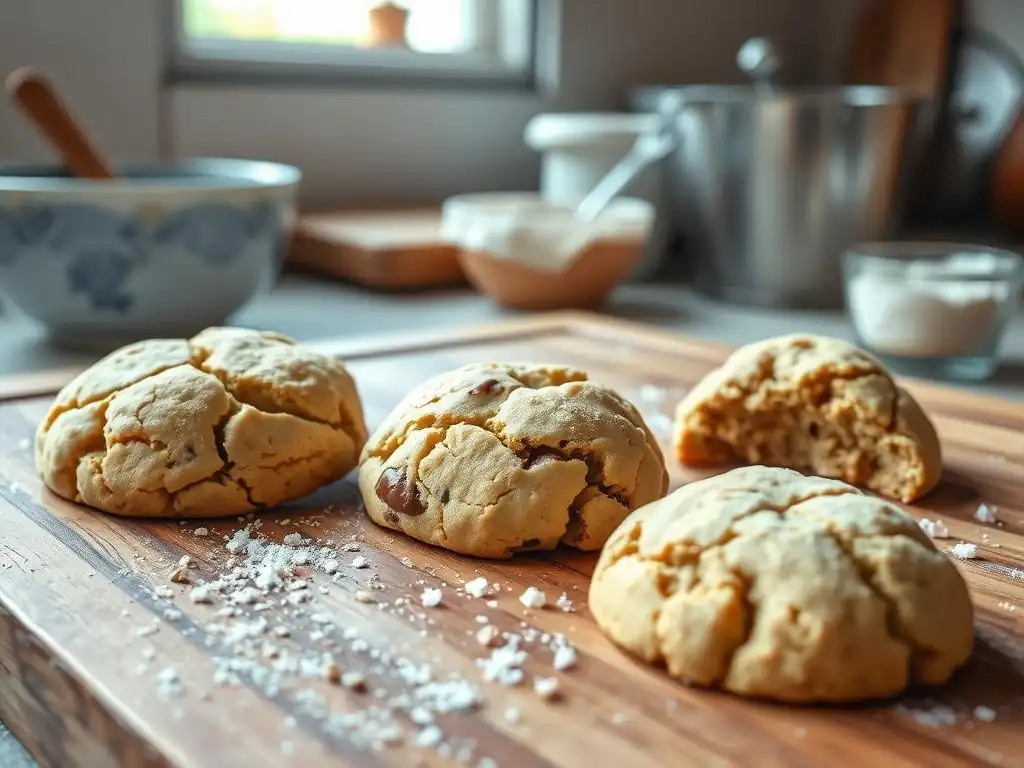
Achieving perfect, non-weeping keto cookies isn't just about the recipe and baking process; how you handle and store them afterward also plays a crucial role. Keto cookies, especially those made with certain sugar substitutes, can be susceptible to absorbing environmental moisture or experiencing sweetener separation during storage.
Implementing proper storage techniques helps maintain the desired texture and prevents moisture migration that could lead to weeping. Additionally, the quality and consistency of your ingredients can have a subtle but noticeable impact on the final result, reinforcing the importance of sourcing reliable products.
Proper Storage: Maintaining Freshness and Preventing Moisture Absorption
Once your keto cookies are baked and fully cooled on a wire rack, proper storage is essential to prevent moisture issues, including continued keto cookie sweetener weeping. Exposure to air, especially in humid conditions, can cause some sweeteners (like allulose) to absorb moisture, leading to stickiness or weeping over time.
Store cooled keto cookies in an airtight container at room temperature for short-term storage (typically 3-5 days). For longer storage, refrigeration or freezing in airtight containers or bags is recommended. Adding a small piece of paper towel to the bottom of the container can help absorb any minimal condensation. Avoid storing them in areas with high humidity or significant temperature fluctuations.
[Sourcing Quality Ingredients: The Impact of Sweetener Brand and Purity]
The consistency and purity of your keto sweeteners and other ingredients can vary between brands and batches, which can subtly affect baking results, including the likelihood of weeping. For example, the particle size of erythritol can differ, with finer powders dissolving more readily and being less prone to crystallization than coarser granules from different manufacturers.
Similarly, the purity and composition of stevia or monk fruit extracts and the bulking agents they are blended with can impact performance. Sticking to reputable brands known for consistent quality can help eliminate ingredient variability as a potential cause of weeping in your keto cookies. Pay attention to ingredient lists on blends to understand what you're working with and how it might behave.
Baking delicious, dry keto cookies without the frustration of weeping is entirely achievable with a little knowledge and careful technique. Understanding how different sugar substitutes interact with moisture and temperature is the first step. Erythritol's tendency to crystallize and allulose's hygroscopic nature are key factors to manage when tackling keto cookie sweetener weeping.
By strategically adjusting your recipes – balancing dry and liquid ingredients, potentially incorporating binders, and selecting appropriate sweetener blends – you can create a dough composition less prone to moisture issues. Complementing this with proper baking techniques to ensure sufficient moisture evaporation and storing your cookies correctly in airtight containers will help maintain their texture and prevent weeping, allowing you to enjoy consistently dry and delicious keto treats.
Frequently Asked Questions
"Weeping" refers to the formation of small droplets of liquid on the surface of baked goods, often caused by certain sugar substitutes attracting moisture. This results in a soggy or unappealing texture.
Sugar alcohols like xylitol and erythritol, and sometimes stevia, are known to be hygroscopic, meaning they attract moisture from the air. This can lead to excess moisture being released in the cookie.
Consider using a blend of sugar substitutes to reduce the hygroscopic effect of any single ingredient. Also, ensure your recipe uses the correct ratio of dry to wet ingredients.
Yes, the type of fat can play a role. Using too much liquid fat, like melted butter or coconut oil, can exacerbate the issue. Try using solid fats where possible.
Are there specific brands or forms of keto sweeteners that are less prone to weeping?
Some bakers find that using powdered or granulated forms of sweeteners, rather than liquid versions, can help. Experimenting with different brands to see what works best with your specific recipe is also recommended.
The persistent problem of weeping in keto cookies isn't just a baking inconvenience; it's a testament to the complex chemistry of sugar substitutes and their impact on texture. Understanding the science behind this issue is crucial for anyone striving to create delicious and visually appealing low-carb baked goods. This knowledge empowers us to move beyond frustration and into a realm of confident, consistent keto baking.
The quest for the perfect keto cookie has revealed much more than just the ideal sweetener ratio. It's highlighted the ongoing tension between dietary restrictions and the desire for familiar tastes and textures. This journey underscores the importance of understanding the nuances of ingredient interactions, a lesson that extends far beyond the kitchen. The best things in life are worth fighting for, and the perfect keto cookie is no exception.
This pursuit reflects a broader cultural shift towards mindful eating and the constant adaptation required to meet evolving dietary needs.
Now, it's your turn. Don't let weeping cookies discourage you from exploring the world of keto baking. Experiment with different sweeteners, understand their properties, and embrace the learning process. The next time you face a weeping disaster, remember the knowledge gained here, and use it to refine your technique. With patience and a dash of scientific understanding, you can conquer the challenges of keto baking and create sweet treats that are both delicious and visually stunning. The perfect keto cookie awaits!
Unlock Your Perfect Sweet Treat: Bake with Confidence!
Thanks for taking the time to explore the world of sugar substitutes and baking! We hope you gained valuable insights into creating delicious, weep-free keto and sugar-free cookies. Now it's time to put your newfound knowledge into action.
- Experiment with your favorite recipe: Try substituting the sugar substitute discussed in the article and see how it transforms your next batch of cookies. Note the changes in texture and taste!
- Share your baking triumphs (or challenges!): Let's build a community! Share your experience with this recipe in the comments below. We love hearing your baking stories.
- Discover more sugar-free baking secrets: Explore other articles on BakeWithEase.com to find more tips and tricks for mastering sugar-free baking.
Ready to unleash your inner baker and create perfectly sweet, weep-free cookies? What's your next baking adventure?