
Beyond Artificial: Exploring Natural Sugar Alternatives for Healthier Baking

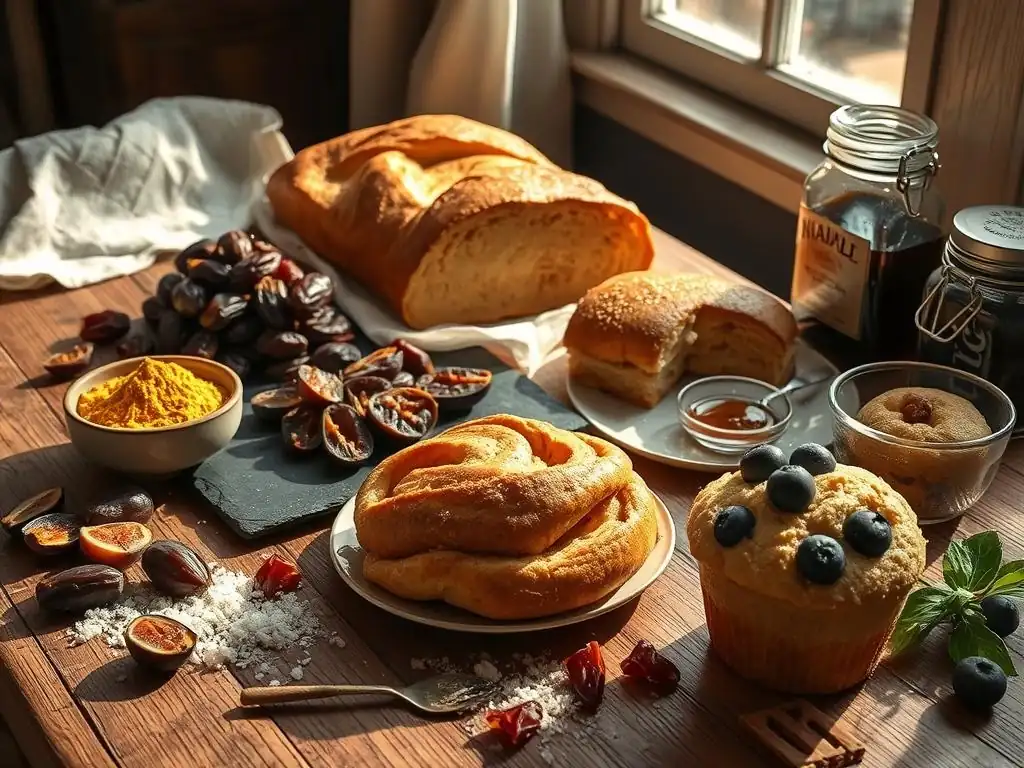
Welcome to BakeWithEase, your sanctuary for turning kitchen dreams into delicious realities! Ever wondered if you could indulge in your favorite baked goods without the guilt? Dive into our latest article, "Beyond Artificial: Exploring Natural Sugar Alternatives for Healthier Baking," and unlock a world of flavor using nature's sweetest secrets. Discover how to transform your recipes and create treats that are both wholesome and irresistibly delicious. Are you ready to bake healthier? Let's get started!
- Introduction: Baking with Natural Sweeteners for Healthier Treats
- Understanding Natural Sugar Alternatives: A Baker's Guide
-
Top Natural Sugar Alternatives for Baking: A Detailed Comparison
- Honey: A Classic Natural Sweetener for Baking
- Maple Syrup: Adding Depth and Richness to Your Baking
- Dates: A Fruit-Based Sweetener for Healthier Baking
- Coconut Sugar: A Low-Glycemic Option for Baking
- Stevia: A Zero-Calorie Natural Sweetener for Baking
- Monk Fruit Sweetener: A Rising Star in Natural Baking
- Applesauce: A Natural Sweetener and Moisture Booster
- Converting Recipes: Adjusting for Natural Sugar Alternatives
- Baking Recipes Using Natural Sugar Alternatives: Inspiration and Ideas
- Troubleshooting: Common Issues When Baking with Natural Sweeteners
- Tips for Success: Mastering the Art of Naturally Sweetened Baking
- Conclusion: Embrace the Flavor and Benefits of Natural Sweeteners in Your Baking
-
Frequently Asked Questions
- What are some popular natural sugar alternatives suitable for baking, as mentioned on BakeWithEase.com?
- Are there specific recipes on BakeWithEase.com that utilize natural sugar alternatives?
- How do natural sugar alternatives impact the texture of baked goods compared to refined sugar?
- Can I substitute natural sugar alternatives directly for refined sugar in any baking recipe?
- What are the key benefits of using natural sugar alternatives in baking, according to BakeWithEase.com?
- Final Reflection: Sweetening the Future, Naturally
- Unleash Your Inner Baker with Healthier Sweets!
Introduction: Baking with Natural Sweeteners for Healthier Treats
Baking is a beloved activity, bringing warmth, delicious aromas, and sweet treats into our lives. However, the traditional reliance on refined sugar has led many bakers to seek out healthier options. Exploring natural sugar alternatives for baking recipes opens up a world of possibilities, allowing you to create delectable baked goods with potentially added nutritional benefits and unique flavor profiles. This guide from BakeWithEase will help you navigate the exciting landscape of natural sweeteners, making your baking journey both healthier and more flavorful.
Choosing to bake with natural sweeteners isn't just about reducing calories; it's about embracing ingredients that offer more than just sweetness. Many natural alternatives contain trace minerals, antioxidants, or fiber that are stripped away during the refining process of white sugar. Furthermore, they often have a lower glycemic index, meaning they cause a slower, less dramatic rise in blood sugar levels compared to refined sugar, which can be beneficial for managing energy levels and overall health.
For instance, while table sugar has a glycemic index (GI) of around 65, coconut sugar typically falls closer to 54, and pure maple syrup around 52. Dates, being a whole fruit, offer fiber which helps mitigate the sugar's impact.
Why Choose Natural Sugar Alternatives in Baking?
Opting for natural sugar alternatives in your baking recipes is a decision driven by various factors, from health consciousness to a desire for more complex flavors. Health benefits are a primary motivator; many natural sweeteners offer a lower glycemic load than refined sugar, which can be particularly important for individuals managing blood sugar levels.
Beyond glycemic impact, some alternatives like dates and blackstrap molasses contain trace minerals such as potassium, magnesium, or iron, adding a small nutritional boost that refined sugar lacks entirely. For example, just two Medjool dates can provide about 334 milligrams of potassium, while a tablespoon of white sugar offers virtually none.
Furthermore, natural sugar alternatives bring distinct and often richer flavors to baked goods that simple white sugar cannot replicate. Honey imparts floral or earthy notes depending on its origin, maple syrup offers deep caramel undertones, and coconut sugar provides a subtle hint of caramel. These unique flavor profiles can enhance the complexity of your natural sugar alternatives baking recipes, adding depth to everything from cookies and cakes to muffins and breads. This allows for greater creativity in the kitchen and can lead to truly unique and memorable treats, proving that healthier baking doesn't mean sacrificing taste.
BakeWithEase's Guide to Naturally Sweetened Baking
Welcome to BakeWithEase's comprehensive guide designed to demystify the process of using natural sugar alternatives in your baking endeavors. We understand that transitioning from refined sugar can seem daunting, with questions about conversion ratios, texture changes, and flavor adjustments. Our goal is to provide you with clear, practical information and tips to make this transition smooth and successful. We'll cover the most popular natural sweeteners, explain their properties, and offer guidance on how to incorporate them seamlessly into your favorite natural sugar alternatives baking recipes, ensuring delicious results every time.
This guide is structured to take you from understanding what natural sugar alternatives are to how to successfully use them in your baking. We'll provide detailed information on the benefits, potential challenges, and specific characteristics of sweeteners like honey, maple syrup, dates, coconut sugar, stevia, monk fruit, and applesauce.
You'll learn about approximate conversion methods, tips for adjusting moisture and texture, and even get some recipe inspiration. By the end of this guide, you'll feel equipped and confident to experiment with natural sugar alternatives baking recipes, creating treats that are not only delicious but also align with a healthier lifestyle.
Understanding Natural Sugar Alternatives: A Baker's Guide
Diving into the world of natural sugar alternatives requires understanding what they are and how they differ from traditional refined sugar. Essentially, natural sweeteners are derived from plants and undergo less processing than white table sugar (sucrose), which is typically extracted from sugarcane or sugar beets and heavily refined.
These alternatives come in various forms – liquids like honey and maple syrup, granular options like coconut sugar, fruit pastes like date paste, and highly concentrated extracts like stevia and monk fruit. Their natural origin often means they retain some of the plant's original characteristics, including flavors, aromas, and trace nutrients.
The appeal of using natural sugar alternatives in baking recipes lies in their perceived health advantages and their ability to impart unique characteristics to baked goods. While they still contain sugar and should be used in moderation, many have a lower glycemic impact or offer fiber and antioxidants not found in refined sugar.
For bakers, understanding the properties of each alternative – how it affects moisture, spread, browning, and flavor – is key to successful recipe adaptation. This knowledge empowers you to choose the best natural sweetener for a specific type of natural sugar alternatives baking recipe, ensuring optimal taste and texture outcomes.
What are Natural Sugar Alternatives?
Natural sugar alternatives encompass a range of sweet substances sourced directly from nature, primarily plants, and generally subjected to minimal processing compared to white sugar. Think of sweeteners derived from tree sap (maple syrup), flower nectar (honey), fruits (dates, applesauce, monk fruit), or leaves (stevia). Unlike artificial sweeteners created in a lab, these options are considered "natural" because their source is unprocessed or only lightly processed plant material. For instance, maple syrup is simply boiled-down maple sap, and date paste is made by blending soaked dates.
This category includes popular options like honey, maple syrup, dates (used as a paste or chopped), coconut sugar (made from coconut palm sap), stevia extract (from the Stevia rebaudiana plant), and monk fruit extract (from the Luo Han Guo fruit). Even unsweetened applesauce is considered a natural sweetener and fat substitute in baking.
Each of these alternatives has a unique chemical composition, affecting not only sweetness level but also moisture content, viscosity, and flavor profile, which are critical factors when adapting natural sugar alternatives baking recipes. Understanding these differences is the first step to successfully incorporating them into your baking.
Benefits of Using Natural Sweeteners in Baking Recipes
Beyond the often-cited health benefits like a lower glycemic index, using natural sweeteners in baking recipes offers distinct advantages that can elevate the quality and flavor of your baked goods. One major benefit is the introduction of complex flavor profiles. Refined sugar primarily provides simple sweetness, while natural alternatives like maple syrup or honey add layers of flavor – caramel, floral, or fruity notes – that can beautifully complement other ingredients in your recipe. This depth of flavor means your natural sugar alternatives baking recipes can taste more nuanced and interesting.
Another significant advantage, especially with liquid natural sweeteners like honey and maple syrup or fruit-based options like date paste and applesauce, is increased moisture. These sweeteners contain water, which helps keep baked goods soft and moist for longer periods compared to those made with only dry refined sugar. This can be particularly beneficial for items like muffins, quick breads, and cookies.
Furthermore, some natural sweeteners, like date paste, also contribute fiber and beneficial compounds, offering a slight nutritional edge over refined sugar. Incorporating these into your natural sugar alternatives baking recipes allows you to create treats that are not only delicious but also potentially more satisfying and nourishing.
Top Natural Sugar Alternatives for Baking: A Detailed Comparison
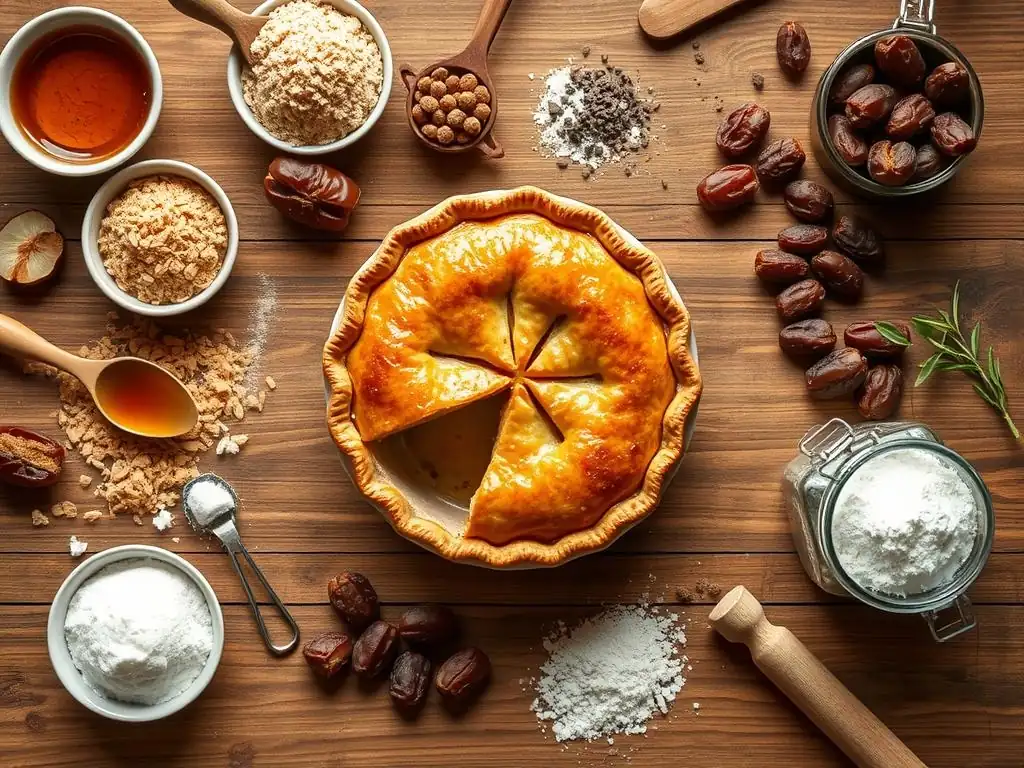
Choosing the right natural sugar alternative depends on the specific baking recipe and the desired outcome. Each sweetener possesses unique properties that affect sweetness, flavor, moisture, and texture. Let's explore some of the most popular options and their characteristics.
Honey: A Classic Natural Sweetener for Baking
Honey, produced by bees from flower nectar, is one of the oldest natural sweeteners used by humans. It's a liquid sweetener composed primarily of fructose and glucose, making it sweeter by volume than granulated sugar. On average, honey is about 1.25 times sweeter than refined sugar. This liquid form is key to its properties in baking; it retains moisture, leading to softer, chewier baked goods. Different types of honey, like clover, wildflower, or buckwheat, offer varying colors and distinct flavor profiles that can significantly impact your natural sugar alternatives baking recipes.
When substituting honey for granulated sugar, a common conversion is to use about 3/4 cup of honey for every 1 cup of sugar called for in the recipe. However, because honey is a liquid, you'll also need to reduce the amount of other liquids in the recipe by approximately 1/4 cup for every 3/4 cup of honey used to maintain the correct moisture balance.
Additionally, honey can cause baked goods to brown faster due to its fructose content, so you might need to lower the oven temperature slightly, perhaps by 25°F (about 15°C), to prevent over-browning before the interior is cooked through. These adjustments are crucial for successful natural sugar alternatives baking recipes using honey.
Honey's Impact on Texture and Flavor in Baked Goods
Honey profoundly influences both the texture and flavor of baked goods. Its hygroscopic nature means it attracts and retains moisture, resulting in treats that are notably softer, chewier, and stay fresh longer than those made with refined sugar. Think of a classic chewy ginger cookie or a moist honey cake – these textures are often enhanced by the presence of honey. While this added moisture is generally a positive, too much can lead to dense or gummy results if liquids aren't properly adjusted in natural sugar alternatives baking recipes.
From a flavor perspective, honey introduces its own distinct profile, which varies greatly depending on the floral source. Light-colored honeys like clover or acacia have milder, sweeter flavors, while darker honeys like buckwheat or manuka possess stronger, more robust, sometimes even slightly bitter notes. This inherent flavor means honey isn't a neutral sweetener like white sugar; it will contribute to the overall taste of your baked goods. Consider pairing honey with complementary flavors like warm spices (cinnamon, ginger, nutmeg), fruits (apples, pears, citrus), or nuts in your natural sugar alternatives baking recipes to create harmonious flavor combinations.
Maple Syrup: Adding Depth and Richness to Your Baking
Maple syrup, the boiled-down sap of maple trees, is another popular liquid natural sweetener known for its unique flavor. Like honey, it's composed primarily of sucrose, glucose, and fructose, but also contains various compounds that give it its characteristic taste and aroma. Maple syrup is slightly less sweet than granulated sugar, typically requiring a bit more volume to achieve the same sweetness level. Its rich, caramel-like flavor makes it an excellent choice for adding depth to natural sugar alternatives baking recipes, particularly those with warm or earthy notes.
Similar to honey, when substituting maple syrup for granulated sugar, a common guideline is to use about 3/4 cup to 1 cup of maple syrup for every 1 cup of sugar, depending on desired sweetness and the specific recipe. Because it's a liquid, you'll also need to reduce the total amount of other liquids in your recipe by roughly 1/4 cup per cup of maple syrup used.
Maple syrup contains trace minerals like manganese and zinc, offering a minor nutritional advantage over refined sugar. Its distinct flavor pairs wonderfully with ingredients like oats, nuts, apples, and warming spices, making it a staple for many natural sugar alternatives baking recipes.
Using Maple Syrup Effectively in Baking Recipes
To effectively use maple syrup in your natural sugar alternatives baking recipes, consider the grade and flavor intensity you desire. Lighter grades (like Grade A Amber Color, Rich Taste) have a more delicate maple flavor, while darker grades (like Grade A Dark Color, Robust Taste or Very Dark Color, Strong Taste) offer a more pronounced, intense maple flavor that stands up well in baked goods. Choosing a darker syrup will ensure the maple flavor comes through after baking, especially in recipes with other strong flavors.
When adapting recipes, remember maple syrup's moisture contribution. For every 1 cup of sugar replaced with maple syrup, reduce the total liquid in the recipe by about 1/4 cup.
If the recipe has no other liquids to reduce (e.g., some cookie recipes), you might need to add a little extra flour (maybe 1-2 tablespoons per cup of syrup) to absorb the excess moisture and prevent the dough from being too wet or the cookies from spreading too much. Maple syrup also contributes to browning, similar to honey, so monitor baking time and potentially lower the oven temperature slightly for natural sugar alternatives baking recipes using maple syrup.
Dates: A Fruit-Based Sweetener for Healthier Baking
Dates are a fantastic whole-food natural sweetener, offering not just sweetness but also fiber, potassium, and other nutrients. When blended into a paste, they provide a thick, caramel-flavored sweetener that works well in many natural sugar alternatives baking recipes. Dates are primarily composed of natural sugars (fructose and glucose), but the presence of fiber helps slow down their absorption, contributing to a lower glycemic impact compared to refined sugar. Using dates adds a lovely chewiness and density to baked goods, making them ideal for items like energy bars, cookies, and quick breads.
Using date paste in baking often involves substituting it for sugar in a 1:1 ratio by volume, though you may need slightly more for the same sweetness level as sugar. Because date paste is thick and contains moisture, it can affect the texture of your baked goods, often making them denser and chewier. This works perfectly for some natural sugar alternatives baking recipes, like brownies or muffins, but might not be suitable for delicate cakes or meringues where a light texture is desired. The fiber in dates also contributes to a more satisfying treat.
Date Paste Recipe for Baking: A Step-by-Step Guide
Creating your own date paste for natural sugar alternatives baking recipes is simple and ensures you have a versatile, whole-food sweetener on hand.
Ingredients:
- 1 cup pitted dates (Medjool or Deglet Noor work well)
- Approximately 1/4 - 1/2 cup hot water
Instructions:
- Place the pitted dates in a bowl.
- Pour enough hot water over the dates to just cover them. Let them soak for about 10-15 minutes to soften, especially if using drier dates like Deglet Noor. (Medjool dates may require less soaking or none at all).
- Drain the dates, reserving the soaking water.
- Transfer the soaked dates to a food processor or high-powered blender.
- Add 1/4 cup of the reserved soaking water.
- Process, scraping down the sides as needed, until a thick, smooth paste forms.
- If the paste is too thick to blend smoothly, add additional soaking water, one tablespoon at a time, until the desired consistency is reached (usually like thick applesauce).
- Store the date paste in an airtight container in the refrigerator for up to 2-3 weeks.
This homemade date paste is ready to be used in your natural sugar alternatives baking recipes!
Coconut Sugar: A Low-Glycemic Option for Baking
Coconut sugar, derived from the sap of the coconut palm flower, has gained popularity as a natural sugar alternative. It's a granular sweetener with a color and texture similar to brown sugar and a pleasant, slightly caramel-like flavor. While often touted as a "healthy" sugar, it's chemically very similar to table sugar, composed largely of sucrose (up to 80%). However, it does contain trace minerals like iron, zinc, calcium, and potassium, and its glycemic index is often cited as being lower than refined sugar – typically around 54, compared to about 65 for table sugar.
One of the reasons coconut sugar is favored in natural sugar alternatives baking recipes is that it can often be substituted for granulated sugar in a 1:1 ratio by volume or weight, making recipe conversion relatively simple. Its granular form means it behaves similarly to sugar in terms of providing structure and contributing to browning. The slight caramel flavor is a bonus, adding depth to cookies, muffins, and cakes. While it still contains calories and sugar, its lower GI and trace nutrient content make it a preferred choice for many seeking natural sugar alternatives baking recipes.
Coconut Sugar vs. Refined Sugar: Key Differences
While coconut sugar and refined sugar both primarily provide sweetness, they differ in their processing, nutrient content, and glycemic impact. Refined white sugar undergoes extensive processing to remove molasses and impurities, resulting in pure sucrose with no significant nutrients. Coconut sugar, on the other hand, is produced by heating coconut palm sap until the water evaporates, a much less intensive process. This minimal processing allows coconut sugar to retain some of the minerals present in the sap, including small amounts of potassium, magnesium, and sodium.
The glycemic index is another key difference often highlighted. While the GI of coconut sugar can vary depending on processing and individual metabolism, it is generally reported to be lower than that of refined sugar (around 54 vs. 65). This means it may cause a slower rise in blood sugar levels.
From a baking perspective, coconut sugar's granular texture and caramel flavor are distinct from refined sugar's neutral sweetness and fine crystals. These differences make coconut sugar a popular choice for natural sugar alternatives baking recipes where its flavor and texture are desired, and its slightly lower GI is seen as a benefit.
Stevia: A Zero-Calorie Natural Sweetener for Baking
Stevia is a natural sweetener derived from the leaves of the Stevia rebaudiana plant, native to South America. Its sweetness comes from compounds called steviol glycosides, which can be 200-400 times sweeter than sucrose. This makes stevia a zero-calorie or very low-calorie option, appealing to those looking to significantly reduce sugar and calorie intake in their natural sugar alternatives baking recipes. Stevia is available in various forms, including liquid extracts, powders, and granulated blends.
Using stevia in baking requires careful consideration due to its intense sweetness and lack of bulk compared to sugar. You only need a tiny amount of pure stevia extract to achieve the desired sweetness. Many granulated stevia products are blends that include bulking agents like erythritol or dextrose to make them easier to measure and use as a 1:1 sugar substitute.
However, even these blends may behave differently than sugar, affecting texture, browning, and moisture. Stevia can also have a slight licorice-like or bitter aftertaste for some people, which is more noticeable when used in high concentrations or in delicate natural sugar alternatives baking recipes.
Baking with Stevia: Tips and Considerations
Baking with stevia presents unique challenges because it lacks the bulk, moisture, caramelization properties, and tenderizing effects of sugar. When using pure stevia extract (liquid or powder), you'll need to add a bulking agent to the recipe to compensate for the missing volume of sugar. Ingredients like applesauce, yogurt, mashed banana, or extra flour can help provide structure and moisture. For instance, if a recipe calls for 1 cup of sugar and you're using a concentrated stevia extract, you might need to add about 1/4 to 1/2 cup of applesauce or yogurt to replace the volume.
Using granulated stevia blends, which often contain bulking agents, simplifies substitution, sometimes allowing for a 1:1 replacement by volume with sugar. However, even these blends may not brown like sugar, potentially requiring longer baking times or a slightly higher temperature to achieve a golden crust. It's crucial to check the specific product's conversion instructions, as sweetness levels vary between brands. To mitigate any potential aftertaste in your natural sugar alternatives baking recipes, consider pairing stevia with strong flavors like cocoa, vanilla, or spices, or using it in combination with another natural sweetener.
Monk Fruit Sweetener: A Rising Star in Natural Baking
Monk fruit sweetener, derived from the small Siraitia grosvenorii fruit native to Southeast Asia, is another increasingly popular zero-calorie natural sugar alternative. Its sweetness comes from compounds called mogrosides, which are 150-200 times sweeter than sugar. Like stevia, monk fruit extract provides intense sweetness without calories, making it suitable for those following low-sugar or ketogenic diets. It is available in liquid drops, powders, and granulated blends, often combined with erythritol or other sugar alcohols to provide bulk.
Monk fruit sweetener is often preferred over stevia by some bakers because it is perceived to have a cleaner taste with less of an aftertaste. However, the flavor profile can still vary depending on the concentration of mogrosides and the presence of bulking agents in the product. When used in its pure extract form, like stevia, it requires a bulking agent in natural sugar alternatives baking recipes to replace the volume of sugar. Granulated blends are designed for easier substitution, often marketed as a 1:1 replacement for sugar by volume, though results can vary.
Monk Fruit Extract: Dosage and Usage in Baking
Using pure monk fruit extract in baking requires extreme precision due to its high concentration. A tiny pinch of powder or a few drops of liquid extract can replace a significant amount of sugar. Always follow the manufacturer's specific conversion guidelines, as the concentration of mogrosides varies between products. For example, a product might state that 1/8 teaspoon of powder is equivalent to 1 teaspoon of sugar. Attempting a direct substitution without careful measurement will likely result in an excessively sweet or even bitter outcome in your natural sugar alternatives baking recipes.
When using granulated monk fruit blends (which are much less concentrated than pure extract and include bulking agents), you can often substitute them for sugar on a 1:1 basis by volume. However, be aware that these blends may not behave exactly like sugar.
They typically don't caramelize or contribute to browning in the same way, and they may absorb moisture differently. It's advisable to start by adapting recipes specifically designed for sugar alternatives or to begin with simple natural sugar alternatives baking recipes like muffins or quick breads when first experimenting with monk fruit sweetener to understand how it performs.
Applesauce: A Natural Sweetener and Moisture Booster
Unsweetened applesauce is a fantastic natural sugar alternative and fat substitute in baking, offering a mild sweetness and significant moisture. It's a whole-food option that adds nutrients like fiber and vitamin C to your baked goods. While it doesn't provide the same level of sweetness as sugar cup-for-cup, it can replace some of the sugar and fat in a recipe, contributing to a healthier finished product. Applesauce works particularly well in moist baked goods like muffins, cakes, and quick breads, enhancing tenderness and reducing the need for added oils or butter.
When using applesauce as a sweetener and fat substitute in natural sugar alternatives baking recipes, a common substitution is to replace half of the butter or oil and up to half of the sugar with applesauce. For example, if a recipe calls for 1 cup of sugar and 1/2 cup of oil, you might use 1/2 cup of sugar, 1/4 cup of oil, and 1/2 cup of unsweetened applesauce.
The applesauce adds moisture, so you may need to slightly reduce other liquids in the recipe or increase dry ingredients if the batter seems too wet. Its mild flavor blends well, but using too much can result in a dense or rubbery texture.
Incorporating Applesauce into Your Baking Recipes
Successfully incorporating applesauce into your natural sugar alternatives baking recipes involves understanding its dual role as a sweetener and a source of moisture/fat reduction. When reducing fat, substitute unsweetened applesauce for butter or oil in a 1:1 ratio, but generally replace no more than half of the total fat to maintain desired texture and structure. For example, if a recipe calls for 1 cup of butter, you could use 1/2 cup butter and 1/2 cup applesauce. This significantly cuts fat and calories while adding moisture.
As a sweetener, applesauce is less potent than sugar, so it's best used to replace only a portion of the sugar, typically up to half, especially in recipes where sweetness is a key characteristic. When replacing sugar with applesauce (often using 1/4 to 1/2 cup applesauce for every cup of sugar reduced), you are primarily adding moisture and some sweetness. You may need to slightly increase spices like cinnamon or nutmeg, which pair well with apple flavor, to enhance the overall taste of your natural sugar alternatives baking recipes. Always use unsweetened applesauce to control the total sweetness.
Converting Recipes: Adjusting for Natural Sugar Alternatives
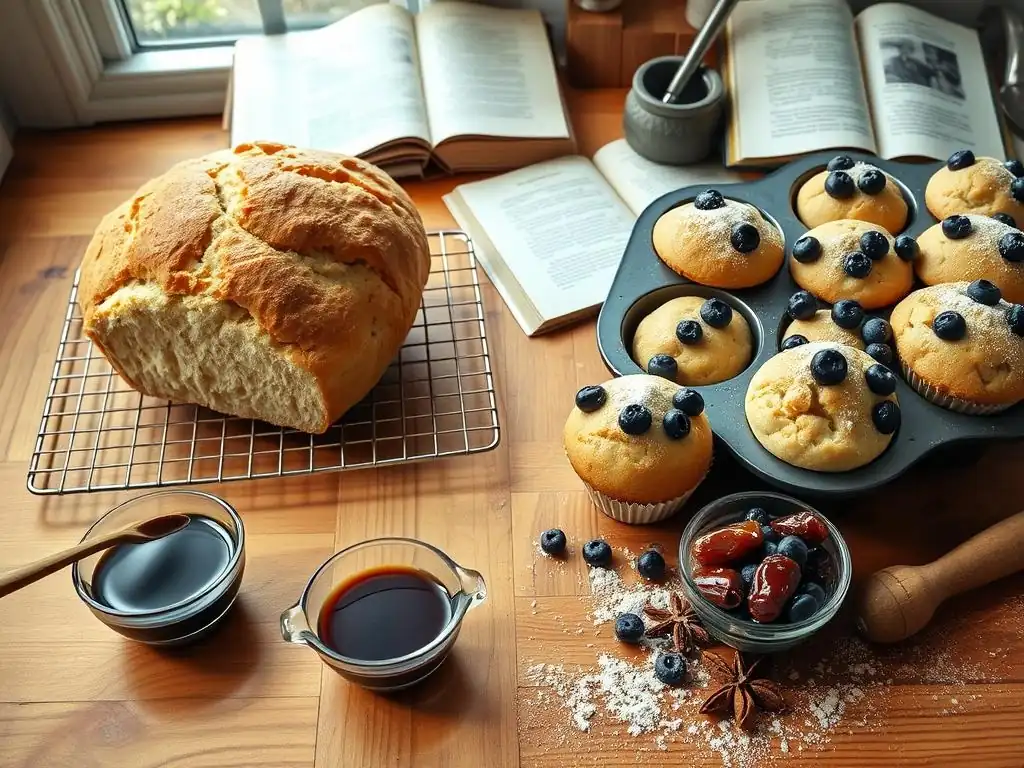
Adapting traditional recipes to use natural sugar alternatives is a key skill for healthier baking. It's not always a simple 1:1 swap, as different sweeteners have varying sweetness levels, moisture content, and structural contributions. Understanding how to adjust ratios is crucial for achieving successful results with your natural sugar alternatives baking recipes.
Calculating Sweetness Levels: A Conversion Chart for Natural Sweeteners
Converting sweetness levels when using natural sugar alternatives requires paying attention to their relative sweetness compared to granulated sugar. While a precise universal chart is difficult due to product variations (especially with stevia and monk fruit blends), here are some general approximations for substituting 1 cup of granulated sugar:
- Honey: Use approximately 3/4 cup. Reduce other liquids by 1/4 cup.
- Maple Syrup: Use approximately 3/4 to 1 cup. Reduce other liquids by 1/4 cup.
- Coconut Sugar: Use approximately 1:1 substitution by volume or weight.
- Date Paste: Use approximately 1:1 substitution by volume, but may need slightly more for desired sweetness.
- Stevia/Monk Fruit (Pure Extract): Follow product-specific instructions very carefully. A tiny amount replaces a lot of sugar. You will need to add bulk/moisture back into the recipe.
- Stevia/Monk Fruit (Granulated Blend): Often 1:1 substitution by volume, but check product instructions.
These are starting points for your natural sugar alternatives baking recipes. Always taste your batter or dough if possible (before adding raw eggs, of course!) and be prepared to make slight adjustments based on your preference and the specific sweetener product.
Moisture Adjustment: Balancing Liquids When Using Natural Sweeteners
One of the most critical adjustments when substituting natural sugar alternatives, particularly liquid ones like honey and maple syrup, is managing moisture. Granulated sugar is a dry ingredient that absorbs moisture during baking. Liquid sweeteners add moisture. If you simply swap 1 cup of sugar for 1 cup of honey, your baked goods will likely be too wet, dense, or gummy.
The general rule of thumb when using liquid sweeteners like honey or maple syrup is to reduce the total amount of other liquids in the recipe. For every cup of granulated sugar replaced by about 3/4 cup of honey or maple syrup, reduce the total liquid (milk, water, juice, etc.) by approximately 1/4 cup.
If the recipe has no other liquids to reduce, or if you're using a large amount of liquid sweetener, you might need to slightly increase the dry ingredients (like flour) by a tablespoon or two per cup of sweetener used to absorb the excess moisture. Properly balancing liquids is key to achieving the right texture in your natural sugar alternatives baking recipes.
Recipe Adaptation: Tips for Successful Natural Sweetener Substitutions
Successfully adapting natural sugar alternatives baking recipes involves more than just sweetness and moisture adjustments. Consider the function of sugar in the original recipe. Sugar contributes to tenderness, aids in leavening by creaming with butter, helps with browning, and affects spread in cookies.
When using granular alternatives like coconut sugar, a 1:1 substitution often works well for structure and browning, though the flavor will change. For liquid sweeteners, be mindful that they can make baked goods denser and chewier, and they might brown faster – consider lowering the oven temperature by 25°F (about 15°C).
When using concentrated sweeteners like stevia or monk fruit extract, remember they provide no bulk or structure, so you must add a bulking agent (like applesauce, mashed banana, or even just increasing flour slightly) to compensate for the missing volume of sugar and ensure the recipe structure isn't compromised. Start with simple recipes like muffins or quick breads before tackling more complex items like delicate cakes or custards when first experimenting with natural sugar alternatives baking recipes.
Baking Recipes Using Natural Sugar Alternatives: Inspiration and Ideas
Ready to put your knowledge into practice? Here are some ideas for natural sugar alternatives baking recipes that highlight the unique qualities of different sweeteners.
Naturally Sweetened Banana Bread Recipe
Imagine a warm, moist banana bread where the sweetness comes primarily from ripe bananas and a touch of date paste or maple syrup. Ripe bananas provide natural sweetness and moisture, allowing you to significantly reduce or eliminate added sugar. Adding date paste enhances the caramel notes and provides a lovely dense, chewy texture, while maple syrup contributes a distinct warm flavor and helps keep the bread incredibly moist. This type of natural sugar alternatives baking recipe is perfect for using up overripe bananas while creating a healthier treat.
Maple syrup is a natural fit for oatmeal cookies, its rich flavor complementing the earthiness of oats and spices like cinnamon. Using maple syrup instead of granulated sugar results in a chewier cookie texture due to the syrup's moisture content. You might need to slightly reduce other liquids (like milk or vanilla extract if it's a liquid) or add a tablespoon or two of extra flour to prevent excessive spread. These natural sugar alternatives baking recipes yield cookies with a wonderful depth of flavor and a satisfying chew.
Date-Sweetened Energy Bites Recipe
Energy bites are the perfect no-bake natural sugar alternatives baking recipes, often relying solely on dates for sweetness and binding. Combining pitted dates with nuts, seeds, oats, and cocoa powder or shredded coconut creates delicious, portable snacks packed with fiber and nutrients. The dates provide all the necessary sweetness and act as a natural glue to hold the ingredients together. This is a simple, effective way to use the whole-food sweetness of dates.
Coconut Sugar Chocolate Chip Muffins Recipe
Coconut sugar is an excellent substitute for brown sugar in muffins, contributing a similar moist texture and a subtle caramel flavor that pairs beautifully with chocolate chips. You can often substitute coconut sugar 1:1 for the sugar called for in your favorite muffin recipe. The result is a muffin that's slightly less sweet than one made with refined sugar but with a richer, more nuanced flavor profile. These natural sugar alternatives baking recipes maintain the classic muffin texture while offering a slightly healthier twist.
Troubleshooting: Common Issues When Baking with Natural Sweeteners
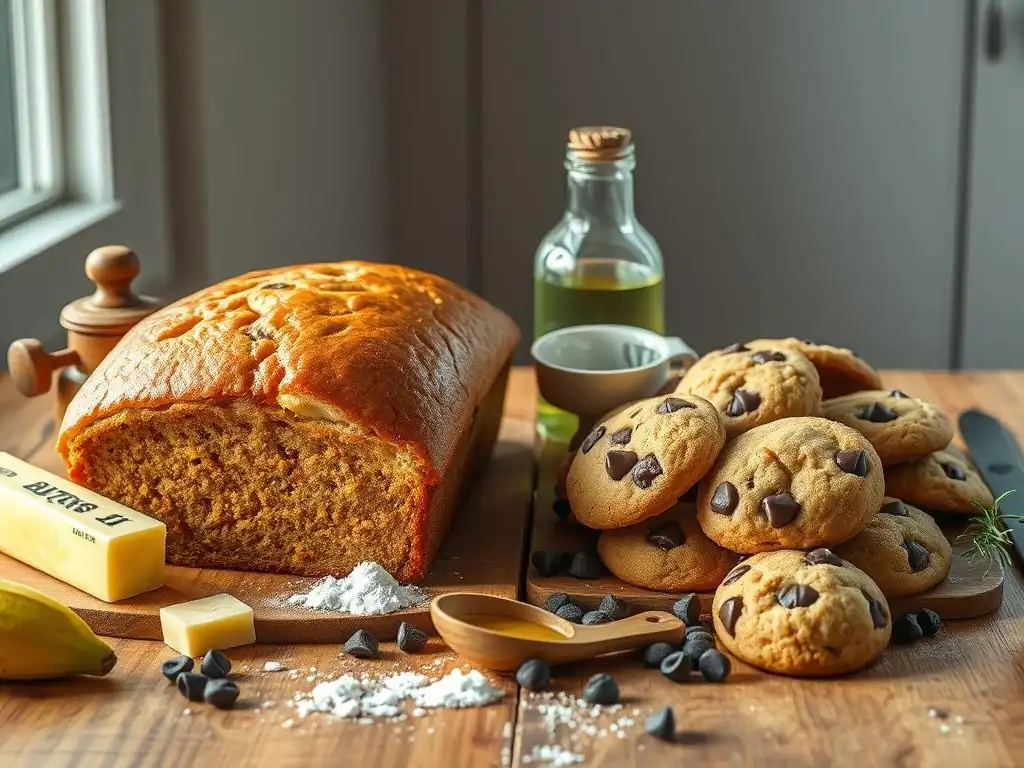
Switching to natural sugar alternatives baking recipes can sometimes lead to unexpected results. Understanding common issues and how to address them will help you master this style of baking.
Dry Baked Goods: Addressing Moisture Imbalance
One common issue when substituting natural sugar alternatives, especially granular ones like coconut sugar or concentrated ones like stevia/monk fruit without adding bulk, is dry baked goods. Refined sugar helps retain moisture. If your natural sugar alternatives baking recipes turn out dry, it's likely due to insufficient moisture or improper conversion.
When using granular substitutes like coconut sugar, which can be slightly drier than refined sugar, you might need to add a tiny bit more liquid (1-2 tablespoons per cup of sugar substituted) or a moist ingredient like applesauce or yogurt. If using concentrated sweeteners like stevia or monk fruit extract, remember they add no moisture or bulk; you must compensate by adding a moist ingredient like mashed banana, applesauce, pureed pumpkin, or yogurt to replace the volume and moisture that sugar would have provided.
Adding an extra egg yolk can also contribute moisture and richness to dry natural sugar alternatives baking recipes.
Texture Problems: Adjusting for Different Sweetener Properties
Natural sugar alternatives affect texture differently than refined sugar. Liquid sweeteners (honey, maple syrup) tend to make baked goods chewier and denser. Granular ones (coconut sugar) behave more similarly to sugar but can still alter spread and tenderness slightly. Concentrated sweeteners (stevia, monk fruit) provide no structure or bulk, which significantly impacts texture if not compensated for.
If your cookies spread too much when using liquid sweeteners in your natural sugar alternatives baking recipes, try reducing the liquid slightly or adding a tablespoon or two of extra flour. If cakes or muffins made with liquid sweeteners are too dense, ensure you've properly reduced other liquids and that you're not overmixing the batter, which can develop gluten unnecessarily.
When using stevia or monk fruit, the lack of bulk can lead to a fragile or crumbly texture; adding a bulking agent like applesauce or mashed banana is essential for structure and tenderness. Experimenting with small batches helps identify the necessary adjustments for specific natural sugar alternatives baking recipes.
Flavor Considerations: Balancing Sweetness and Other Flavors
Natural sugar alternatives often have their own distinct flavors that can either enhance or clash with the other ingredients in your natural sugar alternatives baking recipes. Honey adds floral or earthy notes, maple syrup contributes caramel richness, and coconut sugar has a subtle caramel taste. Stevia and monk fruit can sometimes introduce an aftertaste.
To balance flavors, consider the overall profile of your recipe. Maple syrup pairs wonderfully with spices like cinnamon and nutmeg, and ingredients like oats and nuts. Honey complements fruits, yogurt, and citrus.
If using stevia or monk fruit and you detect an aftertaste, try pairing them with strong flavors like cocoa powder, coffee, vanilla extract, or warm spices to mask it. Sometimes, using a blend of two natural sweeteners – for example, half maple syrup and half coconut sugar – can provide a more balanced sweetness and flavor profile than using a single alternative in your natural sugar alternatives baking recipes. Don't be afraid to experiment!
Tips for Success: Mastering the Art of Naturally Sweetened Baking
Mastering natural sugar alternatives baking recipes is a journey of experimentation and learning. Here are some tips to help you achieve consistent, delicious results.
Choosing the Right Natural Sweetener for Your Recipe
Selecting the appropriate natural sugar alternative is crucial for the success of your natural sugar alternatives baking recipes. Consider the desired outcome:
- For moisture and chewiness: Honey, maple syrup, date paste, applesauce.
- For a texture similar to sugar: Coconut sugar (closest granular option).
- For zero/low calories: Stevia, Monk Fruit (use with bulking agents).
- For specific flavors: Maple syrup for caramel/warm notes, honey for floral notes, date paste for rich fruitiness, coconut sugar for subtle caramel.
For delicate baked goods like airy cakes or meringues, substituting large amounts of sugar with liquid or highly flavored natural alternatives can be challenging. Start by adapting simpler natural sugar alternatives baking recipes like muffins, quick breads, or cookies, where texture variations are less critical and flavor contributions are welcomed.
Experimenting with Different Combinations of Natural Sweeteners
You don't have to stick to just one natural sugar alternative in your baking recipes. Combining sweeteners can often yield the best results in terms of sweetness, flavor, and texture. For example, using half maple syrup and half coconut sugar might give you the desired sweetness and browning while adding both moisture and a complex flavor profile.
Blending a small amount of a highly concentrated sweetener like stevia or monk fruit with a bulkier natural sweetener like applesauce or date paste can reduce the overall sugar content while maintaining structure and moisture. This approach allows you to fine-tune the sweetness level and texture of your natural sugar alternatives baking recipes, leveraging the unique benefits of each ingredient. Don't hesitate to try different ratios and combinations to discover what works best for your specific recipe and taste preferences.
Storing Baked Goods Made with Natural Sugar Alternatives
Baked goods made with natural sugar alternatives, particularly those using liquid sweeteners or fruit purees like honey, maple syrup, date paste, or applesauce, often have a higher moisture content than those made with refined sugar. This can be a great benefit, as it helps them stay fresh and moist for longer.
Store these baked goods in airtight containers at room temperature for 2-3 days. For longer storage, especially in warmer climates or if they contain perishable ingredients like fresh fruit, refrigeration is recommended. Many naturally sweetened items also freeze exceptionally well. Wrap them tightly in plastic wrap or foil and place in a freezer-safe bag or container. Label with the date. This ensures your natural sugar alternatives baking recipes stay delicious and maintain their texture, allowing you to enjoy your healthier treats whenever you like.
Conclusion: Embrace the Flavor and Benefits of Natural Sweeteners in Your Baking
Exploring natural sugar alternatives for baking recipes is a rewarding endeavor that allows you to create delicious treats with potential health benefits and richer flavor profiles. From the caramel notes of coconut sugar and maple syrup to the moisture provided by honey and date paste, each natural sweetener brings something unique to the table. While adapting recipes requires understanding conversion ratios, moisture adjustments, and the specific properties of each alternative, the effort is well worth the outcome: flavorful, satisfying baked goods that align with a desire for healthier ingredients.
Creating Delicious and Healthier Baked Goods with Ease
With the knowledge and tips provided in this BakeWithEase guide, you're now equipped to confidently experiment with natural sugar alternatives baking recipes. Start simple, pay attention to the role sugar plays in your original recipe, and don't be afraid to adjust and experiment. Embrace the unique flavors and textures that natural sweeteners offer. You'll find that creating delicious and healthier baked goods is not only achievable but also incredibly enjoyable. Happy baking!
Frequently Asked Questions
What are some popular natural sugar alternatives suitable for baking, as mentioned on BakeWithEase.com?
Common alternatives include maple syrup, honey, and dates. These provide sweetness while offering some nutritional benefits over refined sugar.
Are there specific recipes on BakeWithEase.com that utilize natural sugar alternatives?
BakeWithEase.com offers recipes for various baked goods, such as cakes and cookies, that are specifically designed to use natural sweeteners. Look for recipes tagged with "natural sugar" or "healthy baking."
How do natural sugar alternatives impact the texture of baked goods compared to refined sugar?
Natural sweeteners like honey and maple syrup can add moisture to recipes. You may need to adjust other liquid ingredients to maintain the desired texture.
Can I substitute natural sugar alternatives directly for refined sugar in any baking recipe?
A 1:1 substitution is not always recommended. Factors like sweetness level and moisture content need to be considered. Check BakeWithEase.com for specific ratios.
What are the key benefits of using natural sugar alternatives in baking, according to BakeWithEase.com?
BakeWithEase.com highlights the potential for increased nutritional value and lower glycemic index compared to refined sugar when using alternatives in baking.
Final Reflection: Sweetening the Future, Naturally
The pursuit of healthier baking is no longer a niche interest; it's a mainstream movement. The rising awareness of the detrimental effects of refined sugar on our health demands innovative solutions, and the exploration of natural sugar alternatives is at the forefront of this crucial shift. We've seen how easily delicious and nutritious baked goods can be created using ingredients like maple syrup, dates, and fruit purees, proving that healthy and tasty aren't mutually exclusive.
This journey into the world of natural sweeteners has profoundly impacted my own baking habits, and I suspect it will do the same for many readers. The simple act of swapping refined sugar for a natural alternative has opened up a world of flavor complexity and nutritional benefits. The best things in life are simple,
a phrase often used, rings especially true when considering the pure, unadulterated sweetness of nature's offerings. The subtle nuances of each alternative, from the caramel notes of maple syrup to the rich depth of dates, add a layer of sophistication that refined sugar simply can't match.
Now, it's your turn to embark on this delicious adventure. Experiment with the recipes provided, explore other natural sweeteners, and discover the joy of creating healthier baked goods that nourish both your body and soul. Don't be afraid to get creative; the possibilities are as endless as your imagination. Let's collectively redefine "sweet treat" and build a future where healthy baking is the norm, not the exception.
Unleash Your Inner Baker with Healthier Sweets!
Thanks for taking the time to explore natural sugar alternatives! We hope you've gained valuable insights into healthier baking. Now it's time to put your newfound knowledge into action.
- Try a recipe swap today! Replace refined sugar in your favorite recipe with one of the natural alternatives we discussed. See how it changes the taste and texture. This is your first step to baking deliciously and healthily.
- Share your baking journey! Show off your creations and tag us on social media – we’d love to see your healthy baking triumphs!
- Explore more natural ingredient swaps on our website! We have tons of recipes and articles just waiting to be discovered.
What delicious, healthy treat will you bake first?