
Bannetons Decoded: Choosing the Perfect Proofing Basket for Artisan Bread

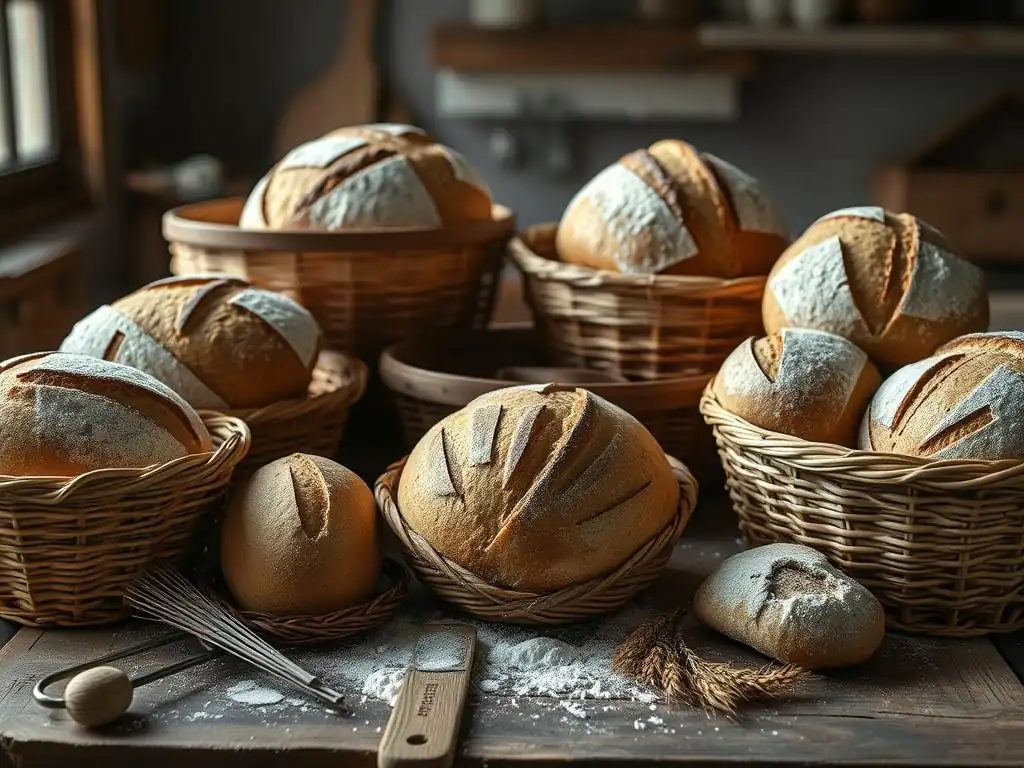
Welcome to BakeWithEase, your companion in the delightful world of baking!
Ready to unlock the secrets to consistently perfect artisan loaves? Then you've come to the right place. Our comprehensive guide delves into everything you need to know about choosing the perfect banneton basket. Discover how this essential tool can elevate your bread baking game, and learn the key factors that will ensure your next loaf is your best yet. Intrigued? Let's get started and explore the world of bannetons!
- Introduction to Bannetons
- Understanding Banneton Materials
- Banneton Shapes and Sizes
- Preparing and Maintaining Your Banneton
- Troubleshooting Banneton Issues
- Advanced Banneton Techniques
- Where to Buy Bannetons
- Conclusion: Mastering Artisan Bread with Bannetons
-
Frequently Asked Questions
- What is a banneton basket and why is it used?
- What size banneton basket should I choose for my bread recipe?
- What materials are banneton baskets typically made from, and which is best?
- How do I properly care for and clean my banneton basket?
- How do I prepare my banneton basket before using it for the first time?
- Final Reflection: The Art and Science of the Perfect Rise
- Unleash Your Inner Baker: Elevate Your Bread Game!
Introduction to Bannetons
What is a Banneton and Why Use One?
A banneton, also known as a proofing basket or brotform, is a specialized basket used in bread baking to give shape and structure to dough during its final rise, or proofing stage. Traditionally made from natural materials like rattan or willow, these baskets create a supportive environment for the dough, preventing it from spreading outwards as it expands.
Using a banneton is particularly beneficial for wet doughs, such as those often used in artisan and sourdough bread, as it helps the loaf maintain its desired form before being baked. The basket's material also helps wick away a small amount of moisture from the surface of the dough, contributing to the development of a desirable crust.
Beyond providing structural support, using a banneton imparts a beautiful, rustic pattern onto the surface of the dough. The coils of the basket leave distinct ridges, or if lined with cloth, a smooth finish, which adds visual appeal to the finished loaf. This shaping technique is crucial for achieving the iconic look of many artisan breads. For anyone aiming for a perfect banneton basket guide, understanding the fundamental purpose of these tools – shaping, supporting, and aiding crust development – is the essential first step in elevating their home baking game.
The Role of Bannetons in Sourdough and Artisan Bread Baking
Bannetons play a pivotal role in the creation of sourdough and other high-hydration artisan breads. These doughs, often containing a higher ratio of water to flour (sometimes 70% hydration or more), are typically quite slack and would spread into a flat disc if proofed on a flat surface without support. The banneton provides the necessary structure to hold the dough's shape as it develops strength and volume during the final proof. This controlled environment allows the gluten structure to relax and expand upwards and inwards, rather than outwards.
Furthermore, the banneton's ability to wick away a slight amount of surface moisture is particularly advantageous for sourdough. This slightly drier surface helps in achieving a better 'oven spring' – the rapid expansion of the dough when it first hits the hot oven. The slightly drier surface also makes scoring the dough before baking easier and contributes to a crisper, more flavorful crust. Mastering the use of a banneton is a key technique for anyone serious about producing bakery-quality sourdough and artisan loaves at home, making it a critical component in any perfect banneton basket guide.
Understanding Banneton Materials
Rattan Bannetons: Popular and Versatile
Rattan is perhaps the most common material used for bannetons, and for good reason. It's a natural, durable vine that is woven into various shapes and sizes. The inherent properties of rattan make it excellent for proofing: its porous surface allows for good air circulation around the dough, and it effectively wicks away excess moisture from the surface, which is essential for developing a good crust and facilitating easy scoring. Rattan baskets come in many forms, from classic round boules to elongated oval batards, and are widely available.
The distinct spiral pattern left by the rattan coils on the dough is a hallmark of artisan bread. While some bakers use them directly floured, others prefer to line them with linen or cotton cloth, which results in a smooth surface on the loaf. Rattan bannetons require proper seasoning and maintenance to prevent sticking and mold, but with care, they can last for many years, making them a reliable choice for any baker seeking a perfect banneton basket guide. Their natural aesthetic also adds a touch of tradition to the baking process.
Wood Pulp Bannetons: Eco-Friendly and Absorbent
Wood pulp bannetons, often made from spruce pulp, are an eco-friendly alternative gaining popularity. Unlike rattan, which is woven, wood pulp bannetons are typically pressed into a solid form with a smooth or subtly textured interior. This material is highly absorbent, arguably more so than rattan, which can be beneficial for very wet doughs as it efficiently draws moisture from the surface. They often require less flouring than rattan baskets dueing to their smoother surface, reducing the risk of dough sticking.
These baskets are known for their durability and ease of cleaning, as they don't have the intricate weave of rattan where flour can get trapped. While they don't impart the traditional spiral pattern (unless specifically designed with internal ridges), they provide a clean, smooth surface finish to the dough. For those prioritizing sustainability and a smooth loaf appearance, wood pulp bannetons offer a compelling option within a perfect banneton basket guide. They are also less prone to splintering than some natural fiber baskets.
Plastic Bannetons: Durable and Easy-to-Clean
Plastic bannetons, often made from food-grade polypropylene, represent a modern, highly practical option. Their primary advantages lie in their durability, hygiene, and ease of maintenance. Plastic is non-porous, meaning it doesn't absorb moisture or odors, making them very easy to clean and less susceptible to mold growth compared to natural materials. They can be simply washed and dried, making them a convenient choice for busy bakers or those baking frequently.
While they don't offer the moisture-wicking properties of rattan or wood pulp, plastic bannetons provide excellent structural support for dough during proofing. They are available in various shapes and sizes, often featuring ribbed interiors designed to mimic the pattern of traditional baskets. Their robustness means they won't crack or break easily, offering a long-lasting solution. For bakers seeking a low-maintenance, hygienic option as part of their perfect banneton basket guide, plastic bannetons are a strong contender.
Banneton Shapes and Sizes
Round Bannetons: Shaping Boules
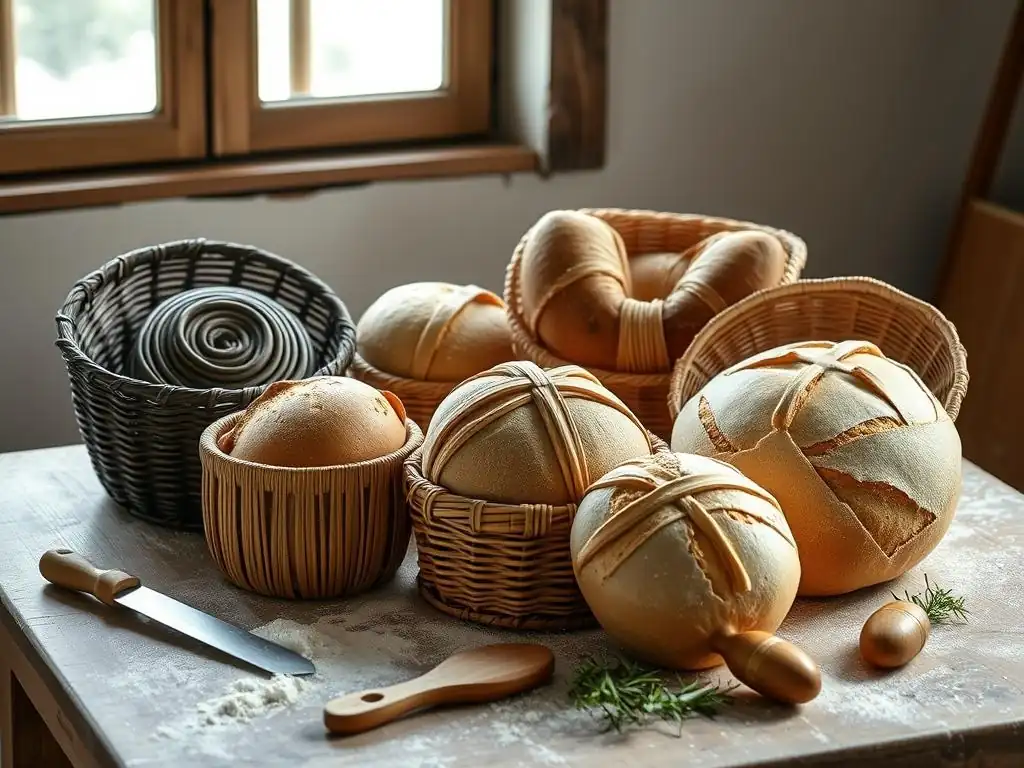
Round bannetons are the go-to choice for shaping boules, the classic round loaf shape. They are arguably the most popular type of banneton used by home bakers. These baskets cradle the dough, helping it rise upwards into a nice, spherical form rather than spreading out. The size of the round banneton should correspond to the weight of the dough you are proofing. A common size, perhaps 8 or 9 inches in diameter, is suitable for a standard loaf made with 500g to 700g of flour.
Proofing dough in a round banneton ensures that the final baked loaf has a consistent, aesthetically pleasing round shape. This uniform shape is not just for looks; it also contributes to even baking. When choosing a round banneton, consider the typical batch size of your recipes.
An 8-inch basket might comfortably fit dough from 500g of flour, resulting in a loaf weighing around 800-900g, while a larger 10-inch basket could handle dough from 750g to 1kg of flour, yielding a loaf weighing 1.2-1.6kg. Finding the correct size is part of selecting the perfect banneton basket guide for your baking needs.
Oval Bannetons: Shaping Batards
Oval bannetons are specifically designed for shaping batards, which are elongated, oval loaves. This shape is also very common in artisan bread and offers a different aesthetic and slicing profile compared to a boule. Just like round bannetons, oval baskets provide essential support for the dough during its final proof, preventing it from collapsing and helping it achieve a good rise along its length. The size of an oval banneton is usually described by its length and width.
An oval banneton, say around 10 inches long by 5 inches wide, is typically suitable for dough made from 500g to 700g of flour, similar to a medium round banneton, but resulting in the signature oval shape. Larger oval baskets, perhaps 12-14 inches long, can accommodate dough from 750g to 1kg of flour or more. The choice between a round and oval banneton often comes down to personal preference or the desired presentation of the final loaf. Including both shapes in your collection can be part of creating a perfect banneton basket guide for versatile baking.
Banneton Size Guide: Matching Basket to Dough Quantity
Choosing the correct size of banneton for your dough is crucial for achieving the desired shape and rise. If the banneton is too large for the dough, the dough may spread out too much and lack upward support, resulting in a flatter loaf. If it's too small, the dough might overflow during proofing or be too constrained, hindering its ability to expand properly. A general guideline is to match the dough weight (typically based on the amount of flour used) to the banneton's capacity.
For a standard loaf using 500g of flour (producing a dough weight around 800-900g depending on hydration), an 8-9 inch round banneton or a 10x5 inch oval banneton is usually appropriate. For larger loaves made with 750g of flour (dough weight 1.2-1.3kg), a 10-inch round or a 12-14x6 inch oval banneton is recommended. Baking calculators or specific recipe instructions can often provide guidance on the recommended banneton size for a given dough quantity, helping you select the perfect banneton basket guide for your recipe scaling.
Preparing and Maintaining Your Banneton
Seasoning Your Banneton
Properly seasoning a new banneton, especially those made from natural fibers like rattan, is an important step to prevent dough from sticking. This typically involves a light misting of water followed by a generous dusting of flour, often rice flour, which is less likely to be absorbed by the wood or wicker. Allow the flour to settle into the pores and crevices of the basket. Some bakers even recommend letting the floured basket sit overnight before its first use.
The goal of seasoning is to create a thin, non-stick layer within the basket. After the initial seasoning, subsequent uses and proper flouring will continue to build up this layer. Avoid soaking the banneton in water, as this can damage the material and encourage mold growth. A well-seasoned banneton, combined with proper flouring technique, is key to ensuring your dough releases cleanly, a vital tip in any perfect banneton basket guide.
Flouring Your Banneton: Preventing Sticking
Flouring your banneton before placing the dough inside is the most critical step to prevent sticking. The type of flour matters: rice flour is highly recommended because its particles are hard and don't absorb moisture readily, creating an effective barrier between the wet dough and the basket surface. A blend of rice flour and bread flour (perhaps 50/50) is also commonly used. Simply bread flour can work, but it may lead to sticking, especially with high-hydration doughs.
To flour, dust the inside of the banneton generously, ensuring that flour gets into all the crevices of a rattan basket or evenly coats the surface of a wood pulp or plastic one. Swirl the flour around, tapping out any excess. You should see a visible coating of flour. The amount needed can vary based on the dough's hydration and the banneton's seasoning, but it's generally better to use slightly too much than too little. Proper flouring is a non-negotiable step in achieving a perfect banneton basket guide experience.
Cleaning Your Banneton: Best Practices
Cleaning a banneton involves removing excess flour and any dried dough remnants without introducing too much moisture, which can lead to mold. After emptying the dough, let the banneton dry completely in a well-ventilated area. Once dry, use a stiff brush (like a pastry brush or a dedicated banneton brush) to brush out the excess flour. For rattan baskets, pay attention to the crevices.
Avoid washing natural fiber bannetons with water or soap unless absolutely necessary, as this can damage the material and make sticking worse in the future. If there are stubborn dried dough bits, you can gently scrape them off with a bench scraper or stiff brush. For plastic bannetons, a light wash with warm water and mild soap is fine, followed by thorough drying. Regular, gentle cleaning after each use, once the basket is dry, is key to maintaining your perfect banneton basket guide tool.
Storing Your Banneton: Preventing Mold
Proper storage is essential to prevent mold growth on your banneton, especially those made from natural materials. Mold thrives in damp, dark environments. After cleaning and ensuring the banneton is completely dry – this might take 24-48 hours depending on humidity – store it in a well-ventilated area. Avoid storing it in plastic bags or airtight containers.
Ideal storage locations include open shelves, a wire rack, or even simply sitting on a countertop in a dry kitchen. Ensure air can circulate around the basket. If you live in a humid climate, you might need to take extra precautions, such as storing it in a cupboard with a desiccant packet (though ensure the packet doesn't touch the basket). Inspect your bannetons regularly for any signs of mold. Preventing mold through proper drying and storage is a critical piece of advice in any perfect banneton basket guide.
Troubleshooting Banneton Issues
Dough Sticking
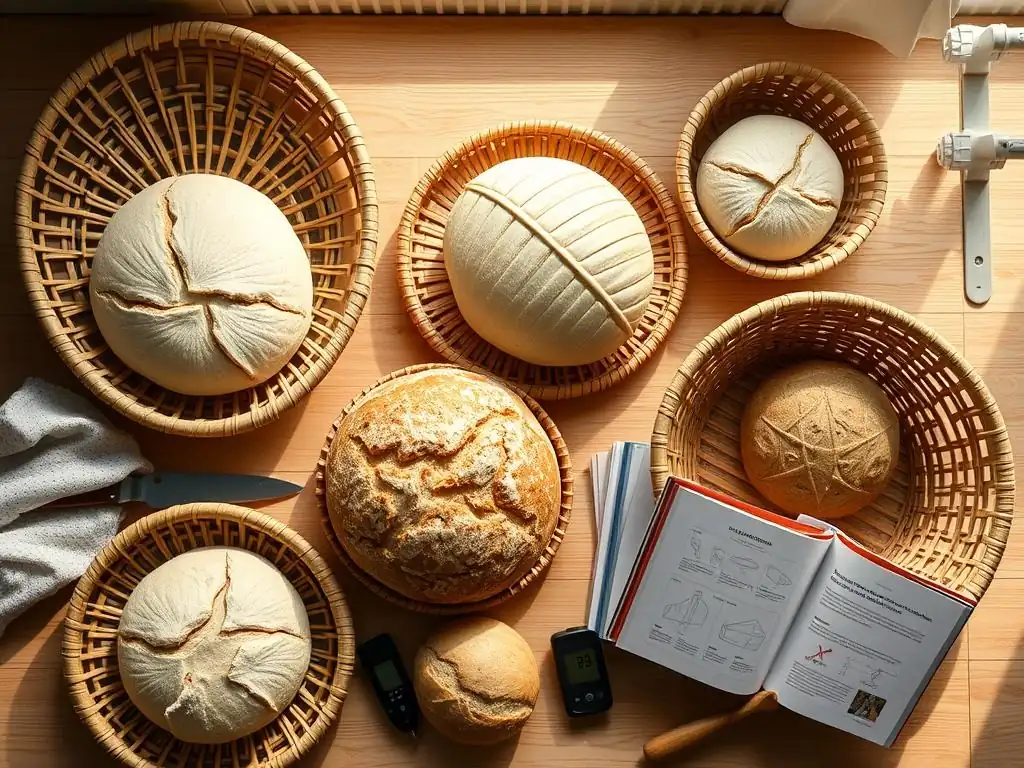
One of the most common issues bakers face with bannetons is dough sticking, which can ruin the shape of the loaf when transferring it for baking. This usually happens for a few reasons: insufficient flouring, using the wrong type of flour (like all-purpose which absorbs moisture easily), using a new, unseasoned banneton, or proofing a very high-hydration dough in a poorly prepared basket. The dough's surface might also be too wet when placed in the basket.
To mitigate sticking, ensure your banneton is well-seasoned initially. Always use a generous amount of rice flour or a rice flour blend. Make sure the surface of your shaped dough is relatively dry before placing it seam-side up in the banneton (for flipping out later). If you're still experiencing sticking, especially with very wet doughs, consider using a well-floured linen liner inside the basket. Troubleshooting sticking is a key section in a perfect banneton basket guide.
Mold Growth
Mold is a potential issue with natural fiber bannetons if they are not dried and stored properly. It often appears as fuzzy green, black, or white patches. Using a banneton with mold is unhygienic and can affect your bread. Mold spores can be difficult to completely eliminate from porous materials.
If you find mold, some sources suggest brushing it off and then baking the empty banneton at a low temperature (around 250-300°F or 120-150°C) for about an hour to kill spores. However, severe mold might necessitate replacing the banneton. Prevention is the best approach: always ensure the banneton is completely dry before storing it in a well-ventilated spot. Never store a damp banneton. Addressing mold prevention and treatment is crucial for a perfect banneton basket guide.
Banneton Odors
Sometimes, bannetons can develop unpleasant odors, often due to trapped moisture, old flour, or even mold that isn't yet visible. A musty or sour smell can indicate bacterial growth or the beginnings of mold. While a faint, pleasant bready smell is normal, strong or off odors are a sign something is wrong.
To address odors, first ensure the banneton is thoroughly cleaned of old flour and completely dried. Leaving it in direct sunlight for a few hours can help, as UV rays have some sanitizing effect and the heat aids drying. Baking the dry banneton at a low temperature as described for mold can also help eliminate odors. Proper drying and storage after each use are the best preventative measures against developing unwanted smells, ensuring your perfect banneton basket guide tool remains fresh.
Advanced Banneton Techniques
Cold Proofing in Bannetons
Cold proofing, or retarding the dough in the refrigerator, is a technique widely used in artisan bread making to develop flavor and improve the dough's structure. Bannetons are ideal for cold proofing. After shaping, the dough is placed in the floured banneton, covered (often with a plastic bag or lid to prevent a skin from forming), and then refrigerated, typically for anywhere from 8 to 48 hours.
The banneton provides support to the dough as it slowly proofs at a low temperature. The cold temperature significantly slows down fermentation, allowing enzymes to break down starches into sugars, which enhances flavor and crust browning. The firm structure the dough develops in the cold banneton also makes it much easier to score cleanly before baking. Incorporating cold proofing techniques is a step towards achieving a perfect banneton basket guide for advanced bakers.
Creating Decorative Patterns
While the spiral pattern from a rattan banneton is the most common, bannetons can also be used to help create other decorative patterns on the loaf's surface. If using a linen liner, you can achieve a smooth surface ready for intricate scoring patterns using a lame. The smooth surface provides a clean canvas for creative designs.
Alternatively, some bakers place seeds, grains, or flour stencils at the bottom of the banneton before placing the dough in. When the dough is flipped out, these elements transfer to the top surface of the loaf, creating unique visual effects. Experimenting with different flours for dusting (like dark rye flour) can also add color contrast to the pattern left by the basket coils. Using your banneton creatively for decorative purposes adds another dimension to your perfect banneton basket guide repertoire.
Where to Buy Bannetons
Factors to Consider
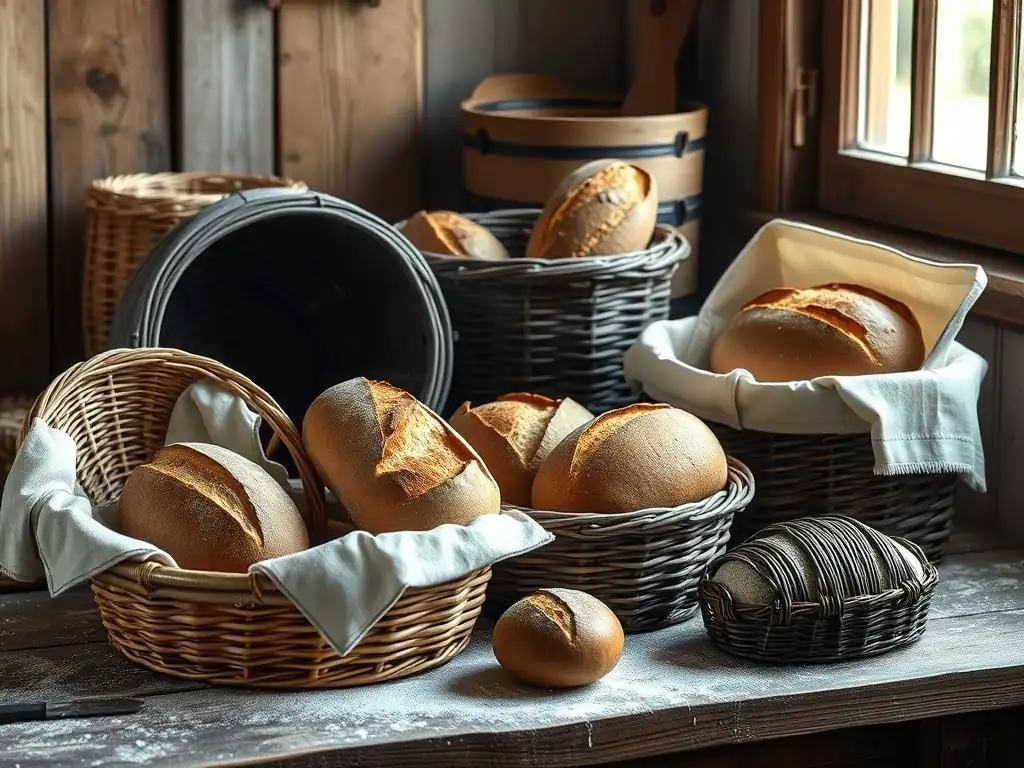
When looking to buy a banneton, several factors should guide your choice to find the perfect banneton basket guide for your needs. First, consider the material – rattan, wood pulp, or plastic – based on your preferences for moisture wicking, maintenance, and desired loaf finish. Next, think about the shape and size that best suits the types and quantities of bread you typically bake (round for boules, oval for batards, and the size appropriate for your dough weight).
Check the quality of construction; for rattan, look for a tightly woven basket with no loose ends. Ensure the material is food-safe. Consider whether you prefer to use a liner or bake directly from the basket pattern. Finally, think about your budget, as prices can vary depending on material, size, and craftsmanship. Researching these factors will help you make an informed decision.
Recommended Retailers
Bannetons are readily available from various sources catering to home bakers. Specialty baking supply stores, both physical and online, are excellent places to start. These retailers often offer a wide selection of sizes, shapes, and materials, including high-quality rattan and wood pulp options. They can also provide advice on choosing the right banneton.
Large online marketplaces also stock a vast array of bannetons from different manufacturers, offering competitive pricing and convenience. When purchasing from these platforms, it's advisable to read customer reviews to gauge the quality and durability of the product. Additionally, kitchen supply stores and even some large craft or home goods stores may carry basic banneton options. Look for retailers that clearly state the material and dimensions of the banneton to ensure you are getting the perfect banneton basket guide tool for your baking projects.
Conclusion: Mastering Artisan Bread with Bannetons
Mastering the use of a banneton is a transformative step in your journey to baking beautiful, well-structured artisan bread at home. These simple baskets provide essential support for dough during proofing, contribute to developing a desirable crust, and impart the signature look of artisanal loaves. Whether you choose traditional rattan, eco-friendly wood pulp, or convenient plastic, understanding how to select, prepare, and maintain your banneton is key.
By following the tips outlined in this perfect banneton basket guide, from proper seasoning and flouring to cleaning and storage, you can ensure your banneton performs optimally and lasts for many years. Experimenting with different shapes and sizes will allow you to bake a variety of loaves, from classic boules to elegant batards. With a little practice and the right banneton, you'll be well on your way to consistently producing stunning, bakery-quality bread right from your own kitchen.
Frequently Asked Questions
What is a banneton basket and why is it used?
A banneton basket, also known as a proofing basket, is used to support and shape dough during its final rise, creating a beautiful artisan loaf. It helps the dough retain its shape and develop a desirable crust.
What size banneton basket should I choose for my bread recipe?
The size of your banneton should correspond to the amount of dough your recipe yields. A larger recipe needs a larger banneton to prevent overflow during proofing.
What materials are banneton baskets typically made from, and which is best?
Bannetons are commonly made from natural rattan or wood pulp. Rattan is a popular choice due to its durability and ability to wick away moisture, promoting a crispier crust.
How do I properly care for and clean my banneton basket?
After each use, gently tap out any excess flour. Ensure it's completely dry before storing it in a well-ventilated area. Avoid washing it unless absolutely necessary; if you do, air dry thoroughly.
How do I prepare my banneton basket before using it for the first time?
Generously flour the banneton with rice flour before the first use. This helps prevent the dough from sticking. You may need to repeat this process a few times until the basket is well-seasoned.
Final Reflection: The Art and Science of the Perfect Rise
The quest for the perfect loaf begins, not in the oven, but in the banneton. This seemingly simple basket plays a crucial role in shaping the final texture and appearance of your artisan bread, influencing everything from the crust's crackle to the crumb's airy structure. Choosing the right banneton is not merely a matter of aesthetics; it's a critical step in mastering the art of bread baking.
The journey through various banneton materials, shapes, and sizes has underscored the profound impact this seemingly humble tool has on the baking experience. It's more than just a vessel; it's a partner in the creative process, influencing the final product in subtle yet significant ways. The careful consideration of factors like material porosity and basket size reveals a deeper appreciation for the delicate balance required in bread making. The baker's skill is not merely in the mixing and kneading, but in understanding the subtle nuances of each stage of the process, including the crucial proofing stage.
– (This needs a source, add a relevant quote here)
Now, armed with this knowledge, I invite you to embark on your own banneton journey. Consider the type of bread you most enjoy baking, the size of your loaves, and your personal baking style. Don't be afraid to experiment! The perfect banneton is the one that helps you achieve your perfect loaf. Let the subtle art of proofing guide you, and may your next loaf be the most beautiful and delicious yet.
Unleash Your Inner Baker: Elevate Your Bread Game!
Thanks for taking the time to explore the world of bannetons with us! We hope you now feel confident in choosing the perfect proofing basket for your artisan bread journey. Ready to take the next step?
- Find Your Perfect Banneton: Browse our curated selection of bannetons to find the ideal size and material for your baking needs. Consider the type of bread you typically bake, and the aesthetic you're aiming for in your baking experience.
- Share Your Baking Triumphs: Show us your beautifully proofed loaves! Tag us on social media with your baking creations. Let's inspire each other!
- Deep Dive into Dough: Explore more of our artisan bread tutorials and recipes to further enhance your skills in the art of baking.
What unique bread will you bake next using your new banneton knowledge?