
Shortening Secrets: How Solid Fats Create the Ultimate Pie Crust Flakiness

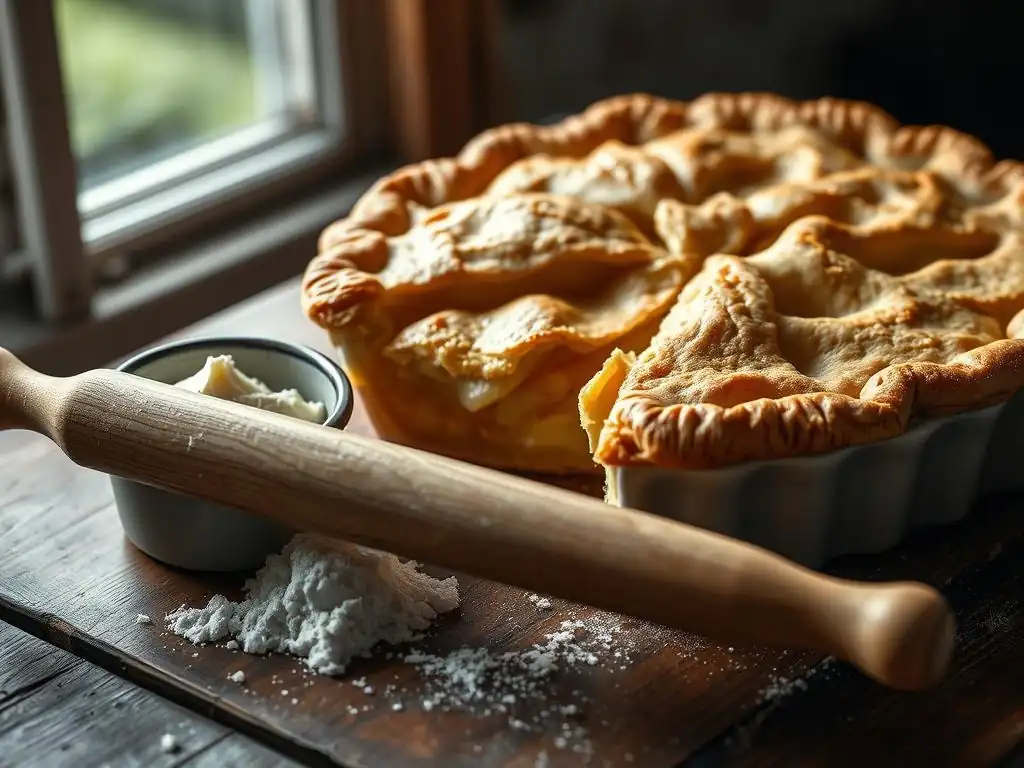
Welcome to BakeWithEase, your guide to unlocking baking mastery! Ever wondered how to achieve that perfectly flaky pie crust that melts in your mouth? Prepare to uncover the shortening secrets that professional bakers swear by. Discover the surprising role of solid fats and how they can transform your pie crust from ordinary to extraordinary. Get ready to bake with confidence and create pies that will leave everyone wanting more!
- Achieving Flaky Pie Crust: The Role of Solid Fats
- Bake It Better: A Guide to Flaky Pie Crust and Solid Fats
- Understanding Solid Fats and Their Impact on Pie Crust Texture
- Unlocking Flaky Pie Crust Secrets: Techniques and Tips
- Mastering Pie Crust: Techniques for Optimal Results
- Solid Fat Comparison: Choosing the Right Fat for Your Pie Crust
- Pie Crust Recipes Utilizing Different Solid Fats
- Storing and Utilizing Homemade Pie Crust
- Elevate Your Pie Baking: Solid Fats as Your Key Ingredient
-
Frequently Asked Questions
- What is the main reason shortening is used in pie crusts, according to BakeWithEase?
- How does shortening compare to butter in terms of creating a flaky pie crust?
- What type of shortening does BakeWithEase recommend for the best results?
- Besides shortening, what other factors does BakeWithEase suggest are crucial for a flaky pie crust?
- Is it possible to substitute other fats for shortening in a pie crust recipe from BakeWithEase?
- Final Reflection: Unveiling the Flaky Pie Crust Secrets
- Unleash Your Inner Pie Master: Flaky Crust Awaits!
Achieving Flaky Pie Crust: The Role of Solid Fats
Bake It Better: A Guide to Flaky Pie Crust and Solid Fats
Creating a truly spectacular pie starts with a foundation: the crust. We're not talking about just any crust, but one that shatters into delicate flakes with every bite, offering that perfect contrast to a sweet or savory filling. Achieving this ethereal texture is often considered the holy grail for bakers, and the key lies largely in understanding and utilizing solid fats correctly. This guide will delve into the fascinating world of fats – specifically solid fats – and how they perform their magic to deliver those sought-after layers of flaky goodness in your pie crust.
Mastering the art of a flaky pie crust can seem daunting, but it's a skill that's well within reach for any home baker. It relies on a few fundamental principles, primarily involving temperature, technique, and the star ingredient: solid fat. Whether you prefer the richness of butter, the neutral performance of shortening, or the traditional flakiness of lard, knowing how these fats interact with flour and water is essential. Let's uncover the secrets behind using solid fats to bake your best pie crust yet.
Understanding Solid Fats and Their Impact on Pie Crust Texture
What are Solid Fats and Why Use Them in Pie Crusts?
Solid fats, such as butter, shortening, and lard, are fats that remain solid at room temperature. Their molecular structure is different from liquid oils; they contain a higher proportion of saturated and monounsaturated fatty acids, allowing them to hold their shape. In pie crusts, solid fats play a crucial role not just in providing richness and flavor, but primarily in creating the desired flaky texture. Unlike liquid fats, which would coat flour particles evenly and prevent gluten development, solid fats are cut into the flour, forming discrete pieces.
When these solid fat pieces are distributed throughout the dough and later exposed to heat in the oven, they melt. As they melt, they release steam (especially if the fat contains water, like butter). This steam helps to push apart the layers of dough that were formed during mixing and rolling, creating tiny air pockets.
The melted fat also prevents gluten strands from forming a continuous, tough network. This process results in distinct, airy layers that separate easily, giving the crust its characteristic flakiness. Without solid fats, you'd end up with a more cookie-like, crumbly texture rather than delicate flakes.
The Science Behind Flaky Pie Crust: Solid Fat Properties
The magic of flaky pie crust science hinges on the interaction of solid fat, flour, and water under specific temperature conditions. Gluten development is the key variable that fats help control. Flour contains proteins that, when hydrated and agitated, form gluten strands. Too much gluten development leads to a tough, elastic crust. Solid fats, when cut into the flour, act as barriers, coating the flour particles and inhibiting the formation of long, strong gluten networks. The colder the fat, the less it smears and coats the flour initially, leaving more flour exposed to hydration, but in discrete areas.
Crucially, the melting point of the solid fat is vital. Fats like shortening typically have a higher melting point than butter (around 115-125°F or 46-52°C for some types, whereas butter melts around 90-95°F or 32-35°C). This higher melting point means the fat stays solid longer in the oven, creating larger pockets as it eventually melts and releases steam.
Butter's lower melting point and water content contribute to flakiness via steam, but also some tenderness. Lard, with its unique crystalline structure and relatively high melting point (around 100-115°F or 38-46°C), is often lauded for producing exceptionally flaky crusts because it creates distinct fat pockets that melt slowly and effectively separate dough layers. Understanding these properties unlocks many flaky pie crust shortening secrets and the secrets of other fats too.
Exploring Solid Fat Options for Baking: Lard, Shortening, and Butter
When it comes to solid fats for pie crust, bakers typically choose between lard, vegetable shortening, or unsalted butter, or a combination. Each offers distinct advantages and affects the final outcome differently. Lard, traditionally rendered pork fat, provides superior flakiness due to its high melting point and unique crystal structure, often resulting in a tender and exceptionally flaky crust with a subtle savory note. Historically, it was the go-to fat for pie making.
Vegetable shortening, like Crisco, is hydrogenated vegetable oil, solid at room temperature. It has a high melting point, similar to or slightly higher than lard, which contributes significantly to flakiness. Shortening is neutral in flavor and produces a very tender crust, making it a popular choice for those prioritizing texture and ease of handling, especially in warmer kitchens.
Butter, derived from cream, offers rich flavor and golden color. While it has a lower melting point and contains water (around 15-18%), which helps create steam for flakiness, it also encourages some gluten development due to the water content and can be trickier to work with, sometimes leading to a less consistent flake compared to lard or shortening. Many bakers combine butter for flavor with shortening or lard for enhanced flakiness and ease of handling.
Unlocking Flaky Pie Crust Secrets: Techniques and Tips
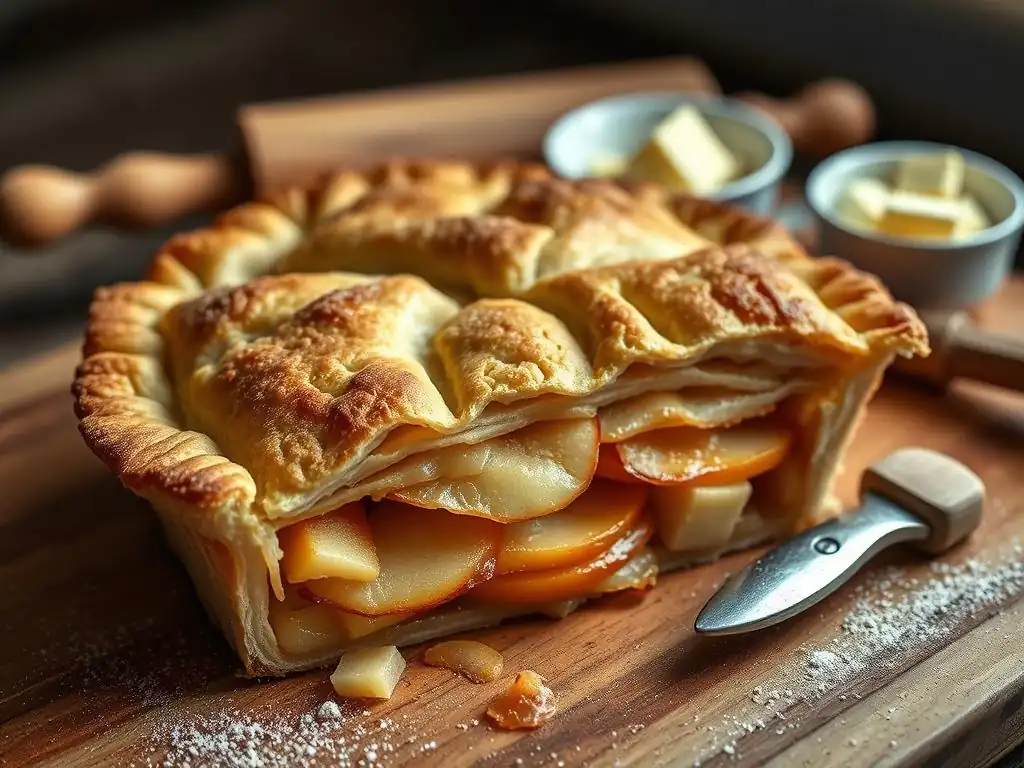
Secret #1: Cold Solid Fats are Essential for Flakiness
One of the most fundamental flaky pie crust shortening secrets, and indeed a secret for all solid fats, is to use them cold. When solid fat is cold and firm, it can be cut into the flour more easily, creating distinct, pea-sized or even smaller pieces. These cold pieces remain separate within the dough mixture. If the fat is warm or soft, it will smear into the flour, coating the particles more uniformly.
Using cold fat ensures that when the dough is rolled and baked, these discrete pockets of fat melt slowly, creating steam and separating the layers of dough. If the fat is warm and smeared, it coats the flour too thoroughly, inhibiting the formation of distinct layers and resulting in a more tender, crumbly crust rather than a flaky one. Think of it like tiny ice chips in the dough; they need to be solid to create separation upon melting.
Secret #2: Proper Cutting-In Technique: Creating Layers
The technique of "cutting in" the solid fat into the flour is paramount for achieving flakiness. The goal is not to blend the fat completely into the flour, but to break it down into various sizes, from pea-sized lumps down to coarse meal. These different sizes of fat pieces contribute to different types of flakiness – larger pieces create larger flakes, while smaller pieces contribute to tenderness. Tools like a pastry blender, two forks, or even your fingertips can be used.
Using a pastry blender or forks helps keep the fat cold by minimizing contact with warm hands. Work quickly, pressing the fat into the flour mixture until the desired consistency is reached. Some recipes specify leaving some larger chunks (up to the size of a small pea or even a hazelnut), especially if using butter, as these contribute significantly to large, airy flakes. This precise cutting-in is a key secret for developing those sought-after layers in your flaky pie crust.
Secret #3: Maintaining Cold Temperatures Throughout the Process
Keeping everything cold isn't just about the fat; it's about the entire process. Warm ingredients and warm hands can quickly soften the solid fat, leading to smearing instead of discrete pieces. Ensure your flour, salt, and even your mixing bowl are chilled before you begin. The water or liquid you add to the dough should be ice cold. Some bakers even recommend chilling their pastry blender or food processor blade.
After combining the ingredients and forming the dough, it's crucial to chill it in the refrigerator for at least 30 minutes, but preferably longer (1-2 hours). This resting period allows the gluten to relax, makes the dough easier to roll, and most importantly, firms up the solid fat pieces again. Rolling the dough and handling it gently and quickly also helps prevent the fat from warming up. Maintaining cold temperatures from start to finish is a non-negotiable step among flaky pie crust shortening secrets and general pie-making wisdom.
Secret #4: Achieving the Ideal Fat to Flour Ratio
The ratio of solid fat to flour is a critical factor influencing both the tenderness and flakiness of the pie crust. Too little fat, and the crust can be tough and dry because there's less to inhibit gluten development and create steam pockets. Too much fat, and the crust can become greasy, crumbly, and difficult to handle, lacking structure. A common starting point for a standard flaky crust is a ratio of about 1 part fat to 3 parts flour by weight (e.g., 8 ounces of fat to 24 ounces of flour).
However, this ratio can be adjusted based on the type of fat used and desired outcome. Lard and shortening, being 100% fat, can often be used in slightly higher proportions relative to flour compared to butter, which contains water. For instance, a very rich and flaky crust might use a ratio closer to 1 part fat to 2.5 parts flour. Finding your preferred ratio often involves experimentation, but sticking close to the 1:3 or 1:2.5 range is a reliable path to a tender and flaky result.
Secret #5: Gentle Dough Handling: Preventing Over-Mixing
Once the solid fat is cut into the flour and the cold liquid is added, the goal is to bring the dough together with minimal handling. Over-mixing develops gluten, which leads to a tough, elastic crust, the opposite of flaky. Mix just until the dough just comes together, and you can see some dry bits of flour remaining – these will hydrate during the resting period.
When rolling the dough, use light, even pressure and avoid excessive rolling or re-rolling scraps. Each time the dough is handled, the solid fat warms up and smears, and gluten is developed. Fold the dough a few times during rolling (like turning a book) to create additional layers, but do so gently. This gentle approach is a quiet but powerful secret among the flaky pie crust shortening secrets; it preserves the integrity of the fat pockets and prevents toughness, ensuring maximum flakiness.
Mastering Pie Crust: Techniques for Optimal Results
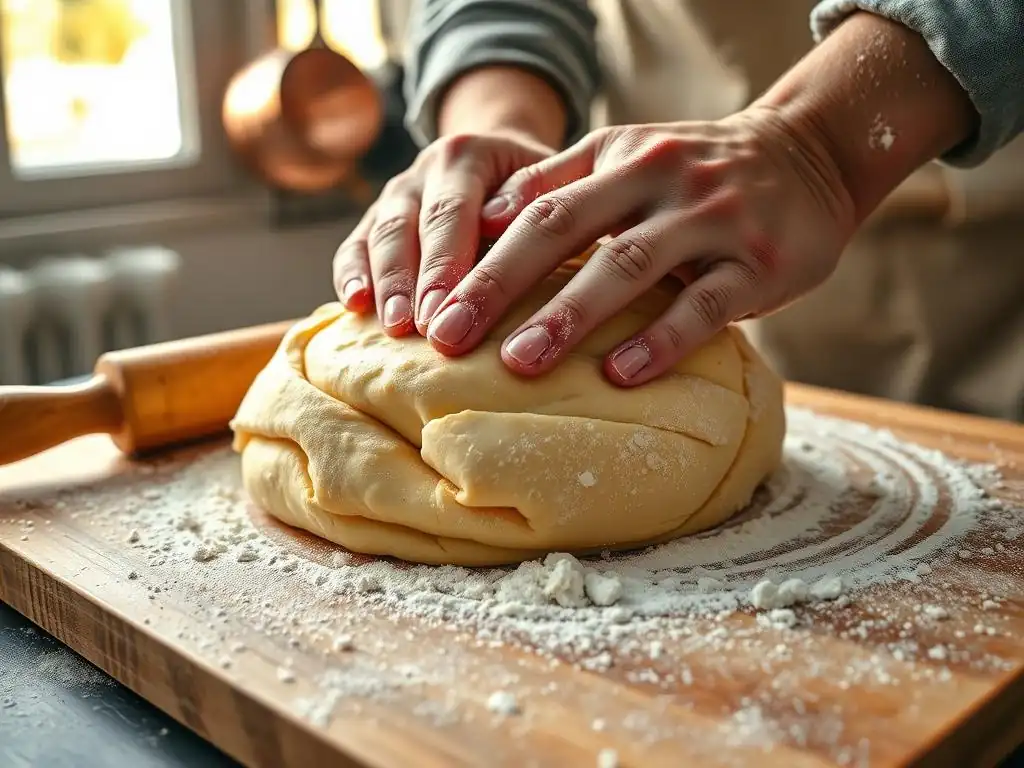
Tips for Working with Solid Fats in Warmer Environments
Baking perfect flaky pie crusts in warm kitchens can be challenging as solid fats soften quickly. One effective strategy is to freeze the solid fat (butter, shortening, or lard) and grate it using a box grater directly into the pre-measured flour. This creates very small, cold pieces that are easy to distribute quickly. Another tip is to chill all your equipment – bowls, pastry blender, even your rolling pin – in the freezer for 15-30 minutes before starting.
Work quickly and efficiently. Have all your ingredients measured and ready to go. Consider making the dough during the cooler parts of the day or in an air-conditioned space if possible. If the fat starts to soften while you are cutting it in, pop the bowl into the freezer for a few minutes to firm it up before continuing. Chill the dough for a longer period (at least 2 hours) after mixing and before rolling, and if it becomes too soft while rolling, place it back in the fridge for 10-15 minutes to firm up.
Several common pie crust problems are directly related to how solid fats are handled. If your crust is tough and not flaky, it's likely due to over-mixing (developing too much gluten) or the fat warming up and smearing, failing to create distinct layers. Ensure your ingredients and equipment are cold, handle the dough minimally, and chill it adequately. If the crust is greasy or crumbly, you might have used too much fat relative to the flour, or the fat wasn't properly cut in, leaving large pockets that melted out during baking.
A pale crust might indicate insufficient fat or baking temperature. Fat contributes to browning. Ensure you are using enough fat and baking at the correct temperature (typically 400-425°F or 200-220°C for the initial bake) to allow the crust to brown properly. If the crust shrinks excessively, it could be due to overworking the dough (which activates gluten, causing it to contract when heated) or not chilling it long enough to relax the gluten. Allowing the dough to rest is key.
Advanced Techniques for Enhanced Flakiness
For bakers looking to push the boundaries of flakiness, several advanced techniques can be employed. One method involves laminating the dough, similar to puff pastry or croissants. After mixing the dough and chilling, roll it into a rectangle, fold it into thirds (like a letter), rotate, roll again, and repeat this process 2-3 times with chilling periods in between. This creates hundreds of ultra-thin layers of fat and dough, resulting in spectacular flakiness.
Another technique is using a food processor for cutting in the fat. While potentially speeding up the process, it's crucial to use the pulse function and process only until the fat reaches the desired consistency (pea-sized bits and coarse meal), being careful not to over-process into a fine meal, which would result in a tender but less flaky crust. Some bakers also experiment with adding a small amount of vodka instead of some of the water; vodka inhibits gluten development more effectively than water, potentially leading to a more tender and flaky result, as it evaporates completely during baking.
Solid Fat Comparison: Choosing the Right Fat for Your Pie Crust
Lard vs. Shortening vs. Butter: A Comparative Analysis
Choosing the right solid fat significantly impacts the final texture, flavor, and handling properties of your pie crust.
- Lard: Often yields the flakiest and most tender crust due to its high melting point and unique crystalline structure. It adds a subtle, sometimes desirable, savory note. Can be softer than butter at room temperature depending on rendering.
- Shortening: Excellent for flakiness due to a high melting point and being 100% fat. Produces a very tender, neutral-flavored crust. Easier to work with in warmer conditions than butter. Vegetable shortening is a common component when discussing flaky pie crust shortening secrets.
- Butter: Provides superior flavor and golden color. Contributes flakiness through steam from its water content. Can be trickier to work with due to its lower melting point and water content, which encourages some gluten development.
Each fat has its merits. Traditionalists often swear by lard for its unparalleled texture. Bakers in warm climates might prefer shortening for its stability. Those prioritizing flavor often lean towards all-butter or a butter-shortening blend.
The Advantages and Disadvantages of Each Solid Fat
Let's break down the pros and cons:
- Lard:
- Advantages: Exceptional flakiness and tenderness, relatively high melting point.
- Disadvantages: Distinct flavor (can be a pro or con depending on preference), availability of high-quality lard can vary, not vegetarian.
- Shortening:
- Advantages: Excellent flakiness and tenderness, neutral flavor, easy to work with, stable at room temperature, 100% fat (no water), vegetarian option widely available.
- Disadvantages: Lacks the rich flavor of butter, some concerns about hydrogenated fats (though non-hydrogenated versions exist). A key player in achieving flaky pie crust shortening secrets.
- Butter:
- Advantages: Superior rich flavor and aroma, beautiful golden color.
- Disadvantages: Lower melting point makes it harder to work with, water content can develop gluten, potentially less consistent flakiness compared to lard/shortening alone.
Many bakers find a blend of butter and shortening or butter and lard offers the best of both worlds: flavor from butter and enhanced flakiness and ease of handling from shortening or lard.
Substituting Solid Fats: Ratios and Expected Outcomes
Substituting one solid fat for another is possible, but it's important to consider their different properties, especially the fat percentage. Butter is typically around 80-82% fat and 15-18% water, while lard and shortening are 100% fat.
- Substituting Shortening or Lard for Butter: You'll need slightly less shortening or lard by weight than the amount of butter called for, to account for butter's water content. A common guideline is to use about 20% less shortening/lard than butter. For example, if a recipe calls for 8 ounces of butter, use about 6.5 ounces of shortening or lard. You may need to add a tiny bit more liquid to the dough due to the lack of water in the fat. Expect increased flakiness and tenderness, but less buttery flavor.
- Substituting Butter for Shortening or Lard: You'll need slightly more butter by weight than the amount of shortening or lard called for. Use about 20-25% more butter. If a recipe calls for 6 ounces of shortening, use about 7.5 ounces of butter. Expect a richer flavor and color, but potentially slightly less flakiness and a dough that's softer and requires more chilling.
These are general guidelines; slight adjustments to liquid might be needed, and the final texture and flavor will differ.
Pie Crust Recipes Utilizing Different Solid Fats
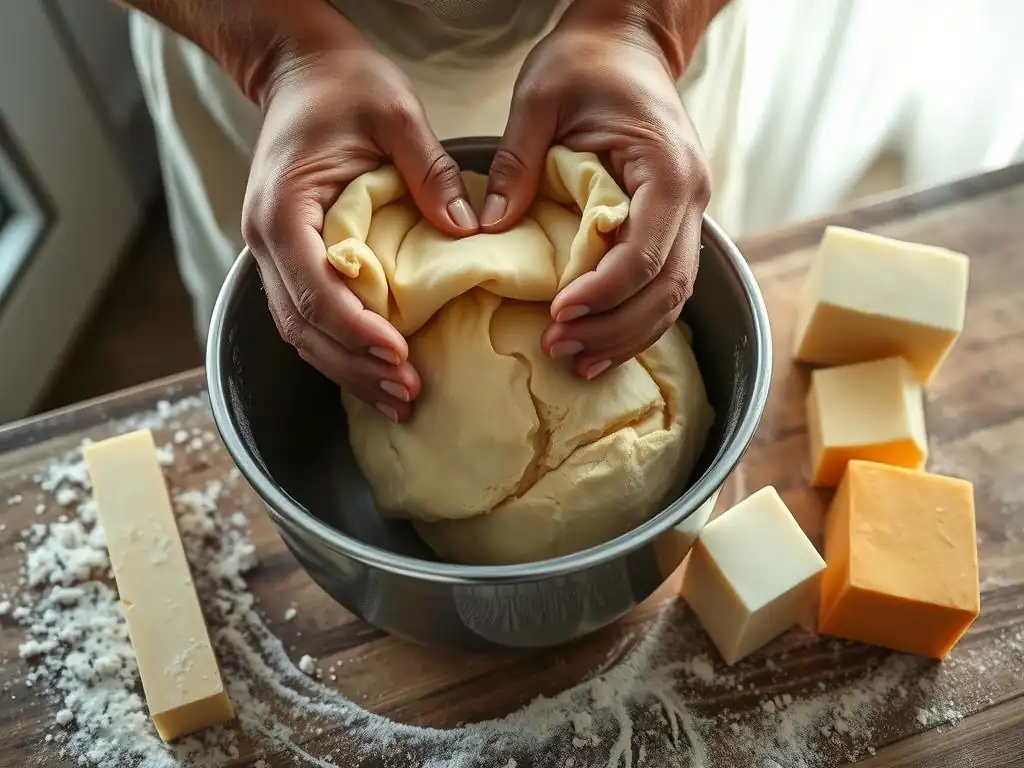
Classic Lard-Based Pie Crust Recipe
This traditional recipe highlights the flakiness potential of lard.
Ingredients:
2 1/2 cups (315g) all-purpose flour
1 teaspoon salt
1 cup (225g) cold lard, cut into 1/2-inch cubes
1/2 cup (120ml) ice water, plus 1-2 tablespoons more if needed
Instructions:
- Combine flour and salt in a large bowl.
- Cut in the cold lard using a pastry blender or fingertips until the mixture resembles coarse meal with some pea-sized pieces.
- Gradually add the ice water, starting with 1/2 cup, mixing until the dough just comes together. Do not overmix.
- Divide dough in half, flatten into discs, wrap tightly, and chill for at least 1 hour (or up to 2 days).
- Roll out chilled dough on a lightly floured surface and use as directed in your pie recipe.
All-Butter Pie Crust Recipe for Rich Flavor
For a golden crust bursting with buttery taste.
Ingredients:
2 1/2 cups (315g) all-purpose flour
1 teaspoon salt
1 cup (225g) cold unsalted butter, cut into 1/2-inch cubes
1/2 cup (120ml) ice water, plus 1-2 tablespoons more if needed
Instructions:
- Combine flour and salt in a large bowl.
- Cut in the cold butter using a pastry blender or fingertips until the mixture resembles coarse meal with some pieces up to the size of a small pea.
- Gradually add the ice water, starting with 1/2 cup, mixing until the dough just comes together. Do not overmix.
- Divide dough in half, flatten into discs, wrap tightly, and chill for at least 1 hour (or up to 2 days).
- Roll out chilled dough on a lightly floured surface and use as directed in your pie recipe.
Shortening and Butter Combination Pie Crust Recipe
Combining fats offers the best of both worlds: flavor and reliable flakiness, leveraging flaky pie crust shortening secrets alongside butter's richness.
Ingredients:
2 1/2 cups (315g) all-purpose flour
1 teaspoon salt
1/2 cup (115g) cold unsalted butter, cut into 1/2-inch cubes
1/2 cup (115g) cold vegetable shortening, cut into 1/2-inch cubes
1/2 cup (120ml) ice water, plus 1-2 tablespoons more if needed
Instructions:
- Combine flour and salt in a large bowl.
- Cut in the cold butter and shortening using a pastry blender or fingertips until the mixture resembles coarse meal with some pea-sized pieces.
- Gradually add the ice water, starting with 1/2 cup, mixing until the dough just comes together. Do not overmix.
- Divide dough in half, flatten into discs, wrap tightly, and chill for at least 1 hour (or up to 2 days).
- Roll out chilled dough on a lightly floured surface and use as directed in your pie recipe.
Storing and Utilizing Homemade Pie Crust
Proper Storage Techniques for Pie Crust
Proper storage ensures your homemade pie crust dough remains fresh and ready for baking while preserving its potential for flakiness. After forming the dough into discs, wrap each disc tightly in plastic wrap. Ensure there are no air pockets, as exposure to air can cause the dough to dry out or oxidize. Place the wrapped discs in the refrigerator for at least an hour before use. Chilled dough is easier to roll and the fat is firm, which is crucial for flakiness.
For longer storage, pie dough can be frozen. Wrap the plastic-wrapped discs again in aluminum foil or place them in a freezer-safe zip-top bag. Label with the date. Frozen pie dough can last for up to 6 months. To use frozen dough, transfer it to the refrigerator and let it thaw overnight. Avoid thawing at room temperature, as this can cause the fat to soften prematurely. Once thawed, the dough should be used within a couple of days for best results.
Reheating and Serving Tips for Optimal Enjoyment
If you've baked a pie with a flaky crust and have leftovers, proper reheating can help preserve some of that desired texture. The microwave is generally not recommended for reheating pie with a flaky crust, as it tends to make the crust soggy. The best way to reheat a slice of pie is in a conventional oven or toaster oven.
Preheat your oven to a moderate temperature, around 300-325°F (150-160°C). Place the slice of pie on a baking sheet and heat for 15-20 minutes, or until the filling is warm and the crust is crisped up again. This gentle, dry heat helps to re-crisp the layers of the solid fat-enhanced crust. For a whole pie, cover the edges loosely with foil to prevent over-browning and reheat at a similar temperature for 25-35 minutes, depending on size. Serving pie at room temperature or slightly warm is often ideal, allowing the flavors to meld and the crust texture to be appreciated.
Elevate Your Pie Baking: Solid Fats as Your Key Ingredient
Mastering the use of solid fats is perhaps the most important of all flaky pie crust shortening secrets and general pie-making principles. Understanding why cold solid fats create flakiness, how different fats behave, and which techniques best preserve their structure are transformative steps in your baking journey. It's not just about following a recipe; it's about appreciating the science and artistry behind a truly great pie crust.
Whether you choose the traditional path with lard, the convenience and texture benefits associated with flaky pie crust shortening secrets, or the rich flavor of butter, knowing how to handle these essential ingredients will elevate your pies from good to unforgettable. Practice the cutting-in technique, prioritize cold temperatures, and handle your dough with care. With these principles in hand, you are well-equipped to bake a pie crust that is consistently tender, flavorful, and wonderfully, undeniably flaky.
Frequently Asked Questions
What is the main reason shortening is used in pie crusts, according to BakeWithEase?
Shortening is primarily used to create flakiness in pie crusts. It inhibits gluten development, leading to a tender and layered texture.
How does shortening compare to butter in terms of creating a flaky pie crust?
Shortening generally produces a more consistently flaky crust than butter because it has a higher fat content and less water. This helps create distinct layers of fat and dough.
What type of shortening does BakeWithEase recommend for the best results?
While the site doesn't explicitly recommend a specific brand, it emphasizes the importance of using solid fats like shortening or lard that remain solid at room temperature, which contributes to flakiness.
Besides shortening, what other factors does BakeWithEase suggest are crucial for a flaky pie crust?
Keeping the ingredients cold is essential, as is avoiding overworking the dough. These practices help prevent gluten development and maintain the distinct layers needed for flakiness.
Is it possible to substitute other fats for shortening in a pie crust recipe from BakeWithEase?
Yes, but the results may vary. Butter can be used, but it contains water, which can lead to a less flaky crust. Lard is another option, offering a tender and flavorful alternative that also promotes good flakiness.
Final Reflection: Unveiling the Flaky Pie Crust Secrets
In the realm of baking, the quest for the perfect flaky pie crust is both an art and a science. As we delve into the secrets of solid fats and their transformative power in creating that coveted texture, we recognize how these techniques remain relevant in today's culinary landscape. The pursuit of the ideal pie crust not only enhances our baking skills but also connects us to generations of bakers who have shared their wisdom and passion for this timeless craft.
The influence of mastering flaky pie crust techniques extends beyond the kitchen; it shapes our cultural and social experiences around food. Every pie we bake is a celebration of tradition and creativity, inviting us to gather with loved ones and share in the joy of homemade treats. As we embrace these secrets, we also honor the stories and memories that come with each slice. Baking is both an act of love and a way to connect with our heritage.
This sentiment resonates deeply as we explore the role of food in our lives, reminding us that the simple act of baking can forge bonds and create lasting memories.
As you reflect on the insights shared in this article, I encourage you to take these lessons into your own kitchen. Embrace the challenge of perfecting your pie crust, and let it inspire you to experiment and innovate. Each attempt is an opportunity to learn, to connect with your culinary roots, and to share your creations with those you cherish. So, roll up your sleeves, gather your ingredients, and embark on your own journey to uncover the flaky pie crust secrets that will delight your family and friends for years to come.
Unleash Your Inner Pie Master: Flaky Crust Awaits!
Thanks for diving into the world of perfectly flaky pie crusts! You've now unlocked the secrets to achieving that melt-in-your-mouth texture. Ready to put your newfound knowledge into action?
- Bake a masterpiece: Try our foolproof recipe using the shortening techniques you just learned – the results will speak for themselves! (Find the recipe on BakeWithEase.com – you know you want to.)
- Share your success: Post a picture of your amazing creation on social media and tag us @BakeWithEase – let's inspire other bakers!
- Experiment with flavors: Try substituting different types of shortening to see how it impacts the final product. What unexpected flavors will you discover?
So, what incredible pie will you create first?