
The Role of Milk Proteins in Chemical Leavening Efficiency

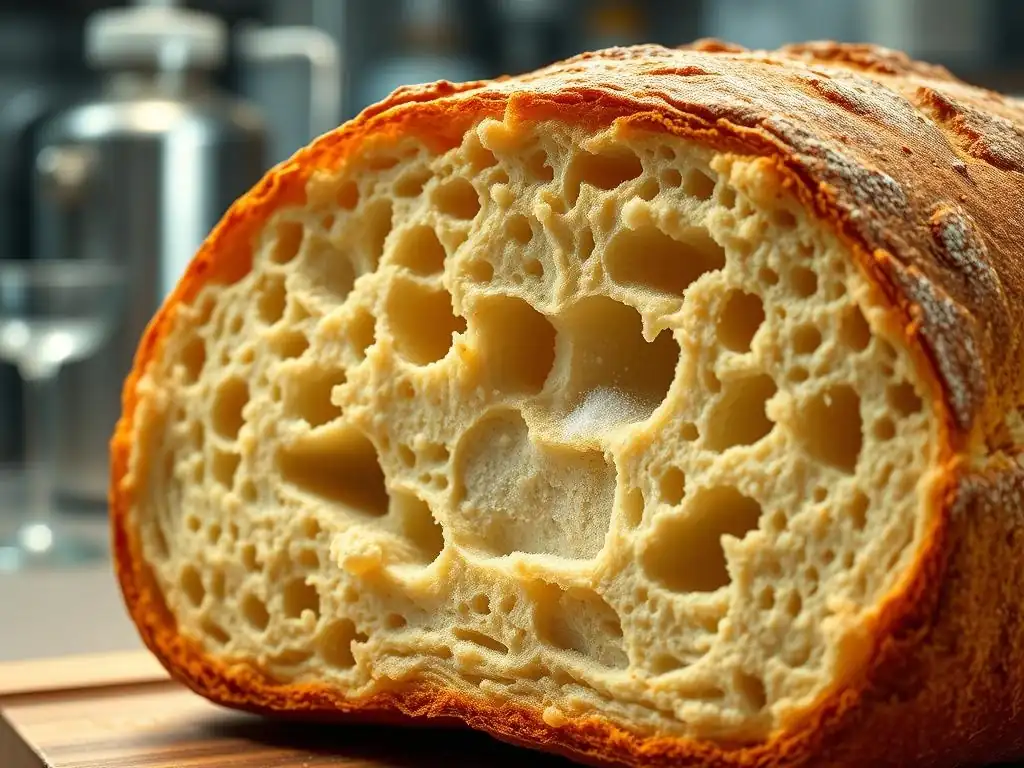
Welcome to BakeWithEase, your guide to unlocking baking perfection! Ever wondered how to optimize your rise and achieve a truly light and airy texture? This week, we're diving deep into a fascinating, often overlooked aspect of baking science: the role of milk proteins in leavening efficiency. Prepare to uncover secrets that will transform your understanding of how milk impacts your bakes and learn how to harness its power for consistently stunning results. Curious to know more? Let's get baking!
- Introduction: Understanding Leavening in Baking
- Milk Proteins: Composition and Properties
- Milk Protein Interactions with Chemical Leavening Agents
- Enhancing Leavening Efficiency with Milk Proteins: Applications
- Milk Protein and Gluten Interaction in Leavened Products
- Troubleshooting Leavening Issues Related to Milk Protein Content
- Case Studies: Milk Proteins in Baking Recipes
- Milk Type Impact on Leavening Efficiency
- Conclusion: Maximizing Leavening Power with Milk Proteins
-
Frequently Asked Questions
- What role do milk proteins play in chemical leavening?
- How do milk proteins interact with baking powder or baking soda?
- Does the type of milk (whole, skim, etc.) affect leavening efficiency?
- Can milk alternatives (e.g., almond milk) be used effectively in place of dairy milk for leavening?
- What happens if there is too much or too little milk in a recipe regarding leavening?
- Final Reflection: The Rising Power of Milk Proteins in Baking
- Unlock Baking Mastery: Mastering Milk Proteins in Leavening
Introduction: Understanding Leavening in Baking
Baking is a delicate science, and one of its most fundamental processes is leavening. Leavening is what makes cakes light, bread airy, and cookies rise. It's the process of introducing gas into a dough or batter, causing it to expand when heated. Without effective leavening, baked goods would be dense and flat. This expansion creates the desirable texture and volume we expect in everything from fluffy muffins to delicate sponge cakes. Understanding how different ingredients contribute to this process is key to mastering baking.
The gases responsible for leavening can come from various sources: biological agents like yeast, mechanical methods like whipping air into egg whites, or chemical reactions. Chemical leavening, using ingredients like baking soda and baking powder, is particularly prevalent in quick breads, cakes, cookies, and muffins because it provides a rapid rise without the fermentation time required by yeast. Achieving optimal leavening efficiency is crucial for consistent and high-quality results.
Chemical Leavening: Mechanisms and Importance
Chemical leavening relies on acid-base reactions that produce carbon dioxide gas. The most common agents are baking soda (sodium bicarbonate), an alkaline compound, and various acidic ingredients or acid salts found in baking powder. When baking soda is combined with an acid and moisture, it produces CO₂ gas. This gas gets trapped within the batter or dough structure, expanding when heated in the oven and causing the product to rise.
Baking powder is a complete leavening system, containing both baking soda and one or more acid salts, along with an inert filler like cornstarch. Single-acting baking powder contains an acid that reacts quickly with moisture at room temperature, while double-acting baking powder contains acids that react at room temperature and another acid that reacts when heated in the oven. This double reaction provides a more sustained lift, which is why double-acting baking powder is common in many recipes. The precise balance of acid and base, and how quickly the reaction occurs, significantly impacts the final volume and texture.
Ingredient Interactions in Leavening Reactions
Leavening reactions don't happen in isolation; they are influenced by every other ingredient in the mix. Moisture is essential to dissolve the reactants and allow the acid-base reaction to occur. Fats can tenderize the crumb and interfere slightly with gas bubble formation if used in excess, but they also help retain the gas. Sugars impact the temperature at which the structure sets and can affect the overall pH, influencing the leavening reaction rate.
Proteins, particularly those found in milk and eggs, play a critical role not just in structure formation but also in interacting with the leavening agents. Milk proteins, for instance, can act as buffers, influencing the pH of the batter or dough and thus altering the speed and extent of the chemical leavening reaction. Understanding these complex interactions is vital for predicting and controlling the outcome of your baked goods and achieving optimal milk proteins leavening efficiency.
Milk Proteins: Composition and Properties
Milk is a complex liquid containing fats, carbohydrates (lactose), minerals, vitamins, and proteins. The protein content of cow's milk is typically around 3-3.5%. These proteins are not a single entity but a diverse group primarily composed of caseins and whey proteins, each with distinct structures and properties that influence their behavior in baking. The specific types and proportions of these proteins vary slightly depending on the animal source, but in cow's milk, caseins make up about 80% of the total protein, while whey proteins account for the remaining 20%.
These proteins provide nutritional value but are also crucial functional ingredients in baking. They contribute to the structure, texture, color (browning), and even flavor of baked goods. Their ability to hydrate, emulsify, foam, and gel makes them invaluable. When we consider the role of milk proteins leavening efficiency, we are looking at how these functional properties interact with the gas production and retention mechanisms within the batter or dough matrix.
Casein and Whey Proteins: Structure and Function
Caseins are a group of phosphoproteins that exist in milk as large aggregates called micelles. These micelles are relatively heat-stable but are sensitive to changes in pH, particularly acidic conditions, which can cause them to coagulate and form a gel (this is the basis of cheese making). In baking, caseins contribute to the overall structure and strength of the crumb by forming a network. Their buffering capacity also significantly influences the pH environment where leavening reactions occur.
Whey proteins, including beta-lactoglobulin, alpha-lactalbumin, and bovine serum albumin, are globular proteins that remain in the liquid whey after casein coagulation. Unlike caseins, whey proteins are highly heat-sensitive and denature (unfold) upon heating. This denaturation exposes reactive sites, allowing them to interact with other proteins (like gluten) and form cross-links, which can strengthen the batter or dough structure and improve gas retention. The denaturation of whey proteins starts becoming significant above 65°C (150°F), right as the baked product is beginning to set in the oven.
Milk Protein Structure and its Impact on Baking Performance
The structural integrity and behavior of milk proteins are key to their functional properties in baking. The micellar structure of caseins provides stability in liquid milk but can break down under acidic conditions encountered when using certain leavening acids. This breakdown can affect the overall texture and potentially alter the availability of buffering components.
Whey protein denaturation, while occurring during baking, is critical for crumb structure. As the proteins unfold and aggregate, they create a finer, more uniform network that helps stabilize the gas bubbles produced by chemical leavening. This interaction with the developing structure is a significant aspect of how milk proteins leavening efficiency is realized in the final product. For example, in a cake, denatured whey proteins contribute to a tender, fine crumb structure and can help support volume.
Milk Protein Interactions with Chemical Leavening Agents
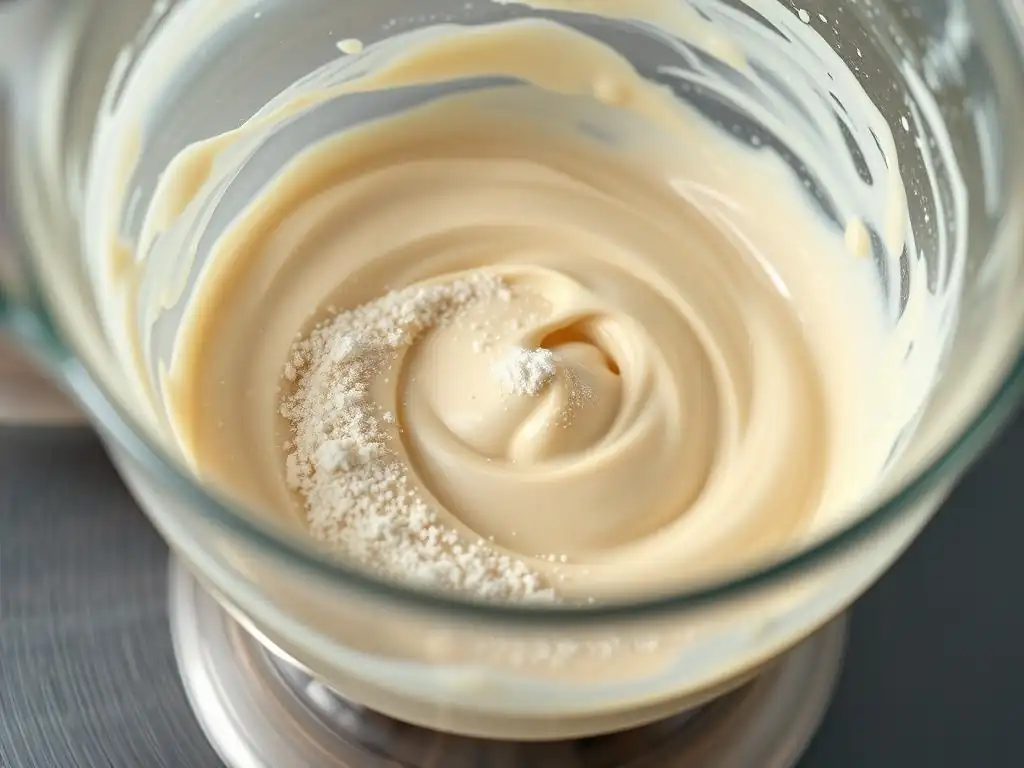
The presence of milk proteins in a batter or dough significantly impacts the performance of chemical leavening agents. These interactions primarily revolve around the buffering capacity of milk proteins and their influence on the overall pH of the system. Since chemical leavening reactions (acid + base → CO₂) are highly dependent on pH, even small shifts can alter the rate and extent of gas production, directly affecting milk proteins leavening efficiency.
Milk proteins, particularly caseins, contain amino acid residues that can accept or donate hydrogen ions, making them effective buffers. This buffering capacity means they can resist changes in pH when acids or bases are added to the system. In baking, this translates to milk proteins moderating the reaction between the acidic components of baking powder or added acids and the alkaline baking soda.
Milk Proteins and Sodium Bicarbonate Reactions: Buffering Effects
Sodium bicarbonate (baking soda) requires an acid to produce CO₂ gas. In recipes using baking soda alone (often with an acidic ingredient like buttermilk, yogurt, or molasses), the milk proteins present will buffer the acid. This buffering can slightly slow down the initial acid-base reaction compared to a purely aqueous system without milk proteins. For example, if a recipe uses buttermilk (pH around 4.5) and baking soda, the milk proteins will resist the pH drop caused by the buttermilk's acidity, potentially moderating the rate of CO₂ release.
In recipes using baking powder, which contains both acid salts and baking soda, the milk proteins primarily buffer the acid salts. This buffering action can influence when and how quickly the acid reacts with the baking soda. For instance, a double-acting baking powder has a heat-activated acid. Milk proteins can slightly delay the reaction of the initial acid (if it's moisture-activated) and potentially influence the effectiveness of the heat-activated acid by moderating the pH throughout the baking process. This buffering contributes to achieving optimal milk proteins leavening efficiency by ensuring a more controlled gas release.
Milk Protein Influence on Baking Powder: Acid-Base Balance
Baking powder is formulated with a specific ratio of acid to base to ensure a complete reaction and neutral pH after baking. However, the addition of milk and its proteins can slightly alter this balance due to their buffering capacity. The proteins can effectively 'consume' some of the acidic or alkaline components, subtly shifting the final pH of the baked product.
This shift in pH, while often minor, can impact not only the leavening efficiency but also the final flavor and color (Maillard browning reactions are pH-sensitive). If the milk proteins buffer the acid too much, some baking soda might be left unreacted, leading to an alkaline flavor. Conversely, if the system becomes too acidic despite the buffering, the leavening reaction might be too rapid initially, or the final product could have a sour note. Therefore, the interaction between milk proteins and the specific acid salts in the baking powder is a key factor in mastering milk proteins leavening efficiency.
The Role of Milk Acidity in Leavening: Titratable Acidity
Beyond the buffering capacity of the proteins, the inherent acidity of milk itself plays a role. Fresh milk has a slightly acidic pH, typically ranging from 6.5 to 6.7. This slight acidity comes from various components, including proteins, phosphates, and citrate. The "titratable acidity" of milk, which measures the total amount of acid present (even if buffered), is a more relevant factor than just pH when considering its interaction with baking soda.
When milk is used with baking soda (without additional acid), this inherent acidity is sufficient to cause a small amount of CO₂ release. However, this reaction is usually slow and limited compared to using a stronger acid like cream of tartar or buttermilk.
The interplay between the milk's inherent acidity, the buffering action of its proteins, and the specific chemical leavening agents used dictates the rate and extent of gas production, highlighting another facet of milk proteins leavening efficiency. Older or slightly soured milk will have higher acidity due to lactic acid production by bacteria, leading to a more vigorous reaction with baking soda.
Enhancing Leavening Efficiency with Milk Proteins: Applications
Understanding how milk proteins interact with leavening agents allows bakers to strategically use milk and milk products to improve the texture and volume of their baked goods. It's not just about adding liquid; it's about leveraging the functional properties of the proteins present. By considering factors like the quantity of milk, the temperature at which ingredients are combined, and the form of milk protein used (liquid milk vs. milk powder), bakers can optimize milk proteins leavening efficiency.
Milk proteins contribute to a finer crumb structure, which can better support and retain the gas produced by leavening agents. They also contribute to the overall strength of the batter or dough structure as it bakes and sets. This structural support is crucial for achieving maximum rise and preventing collapse. A batter with a strong protein network can hold onto gas bubbles more effectively throughout the baking process.
Optimizing Milk Quantity for Desired Leavening
The amount of milk used in a recipe directly impacts the concentration of milk proteins and lactose, as well as the overall moisture content. Too little milk can result in insufficient moisture for the leavening reaction to proceed fully, leading to a dense product. Too much milk can dilute the structure-building components (like gluten and egg proteins) and make the batter too weak to hold the gas, resulting in a poor rise or collapse after baking.
Finding the optimal quantity involves balancing moisture needs, desired protein concentration, and the overall rheology of the batter or dough. For example, in a standard cake recipe, substituting water for milk will often result in a less tender crumb and slightly reduced volume because the milk proteins are absent. Recipes are typically formulated with a specific liquid-to-dry ingredient ratio, and changing the amount of milk requires careful consideration of its impact on both leavening and structure.
Temperature Effects on Milk Protein Functionality in Leavening
Temperature plays a dual role: it affects the rate of chemical reactions and the behavior of milk proteins. Chemical leavening reactions often accelerate with temperature. For instance, the heat-activated acid in double-acting baking powder only reacts significantly once the batter reaches a certain temperature in the oven.
Simultaneously, milk proteins, particularly whey proteins, begin to denature and interact with other structural components as the temperature rises above 65°C (150°F). This denaturation and subsequent aggregation strengthen the protein network just as gas production is peaking and the product is setting. Using milk at different initial temperatures (e.g., cold vs. room temperature milk) can slightly influence the initial viscosity of the batter and the speed at which moisture-activated leavening occurs, indirectly affecting the overall milk proteins leavening efficiency profile during baking.
Milk Powder to Improve Leavening in Cakes
Adding milk powder (dried milk solids) is a common technique to enhance the quality of baked goods, particularly cakes. Milk powder is essentially concentrated milk proteins and lactose. Adding a few tablespoons of nonfat dry milk (NFDM) to a cake batter can significantly increase the protein content without adding excess liquid or fat (in the case of NFDM).
This increased concentration of milk proteins provides greater structural support, leading to a finer, more velvety crumb and improved volume. The proteins interact with gluten (if present) and egg proteins to create a stronger network capable of trapping more CO₂ gas. For example, adding 2-4% NFDM based on flour weight in a standard yellow cake recipe can increase cake volume by 10-15% and result in a noticeably more tender and moist texture. This direct addition of concentrated milk proteins is a powerful way to boost milk proteins leavening efficiency and overall cake quality.
Milk Protein and Gluten Interaction in Leavened Products
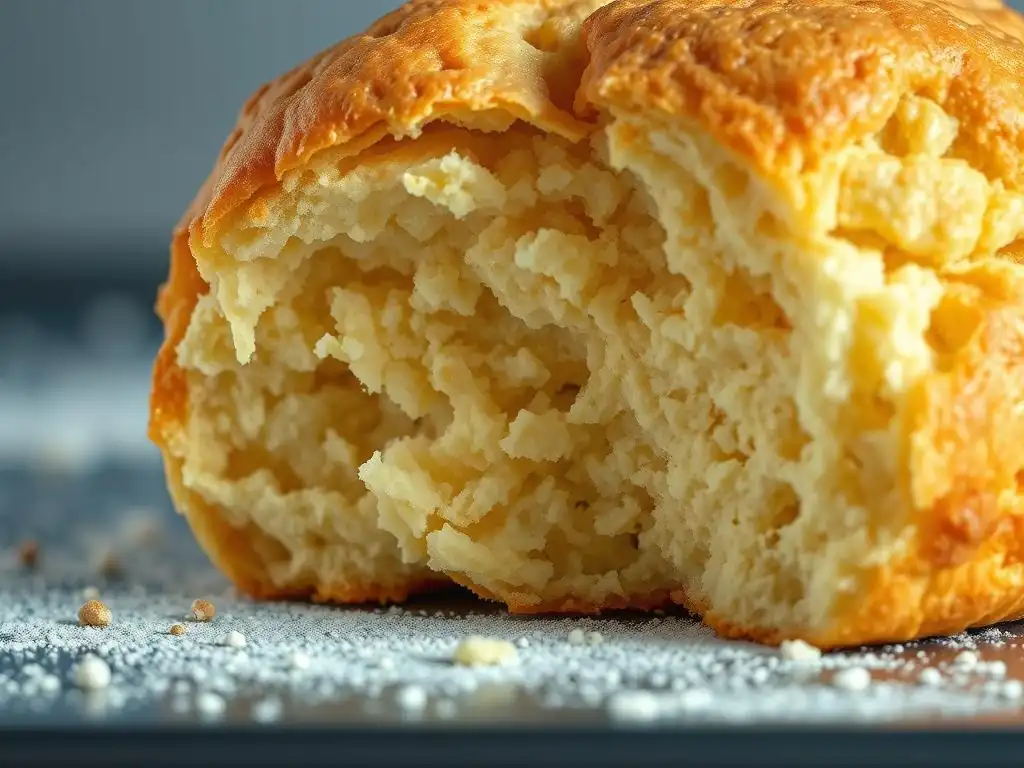
In many baked goods, particularly yeast breads and some cakes made with wheat flour, milk proteins interact closely with gluten, the primary protein network formed by hydrating and working wheat flour. Gluten provides the elasticity and structure necessary to trap the gases produced by leavening agents. The interaction between milk proteins and gluten is crucial for developing a strong yet extensible dough or batter that can rise effectively and maintain its shape.
This interaction is most pronounced during mixing and baking. During mixing, milk proteins can influence gluten development. During baking, as both gluten proteins and whey proteins denature, they can form cross-links, reinforcing the overall protein network. This synergy between milk proteins and gluten is a key factor in achieving optimal milk proteins leavening efficiency and desired texture in products like breads and muffins.
Strengthening Gluten Networks with Milk Proteins
Milk proteins, especially denatured whey proteins, can interact with gluten proteins through disulfide bonds and other non-covalent interactions. This interaction helps to strengthen the gluten network, making it more capable of holding the CO₂ gas produced by leavening agents. Think of it like adding extra scaffolding to a building structure.
Studies have shown that adding whey protein concentrate or isolate to wheat flour dough can increase dough strength and elasticity. For example, adding 1-2% whey protein isolate to bread dough can lead to increased loaf volume and improved crumb structure, provided the protein is properly hydrated and integrated. This strengthening effect directly supports better gas retention and, consequently, improved milk proteins leavening efficiency in gluten-containing baked goods.
Milk Proteins' Influence on Dough Rheology and Gas Retention
Rheology is the study of the flow and deformation of matter – in baking, it describes how dough or batter behaves when mixed, kneaded, and baked. Milk proteins significantly influence dough and batter rheology. They affect viscosity, elasticity, and extensibility.
As mentioned, milk proteins can strengthen the protein network, which increases the dough's elasticity and ability to resist deformation. This improved elasticity helps the dough expand under the pressure of rising CO₂ gas without collapsing. Simultaneously, the protein network becomes more robust, enhancing its ability to trap and retain these gas bubbles throughout the proofing and baking process. This improved gas retention is a direct consequence of the positive influence of milk proteins on dough rheology and is a primary mechanism by which they contribute to milk proteins leavening efficiency.
Sometimes, despite following a recipe, baked goods don't rise as expected. While many factors can contribute to leavening failure (old leavening agents, improper mixing, oven temperature issues), the milk component can occasionally be a culprit or contribute to the problem. Understanding how milk proteins behave can help diagnose and fix these issues, improving your milk proteins leavening efficiency.
Common problems related to milk might include using milk that is too acidic (leading to premature, rapid CO₂ release), using a milk type that doesn't provide sufficient protein for structure, or interactions between milk components and other ingredients that disrupt the leavening reaction or gas retention. Troubleshooting involves systematically examining the recipe and process.
Identifying Leavening Problems: Diagnosis and Solutions
If a baked good is dense and heavy, it's a sign of insufficient leavening or poor gas retention. If the product rises quickly then collapses, it might indicate a weak structure unable to support the gas, or a leavening reaction that finished too soon. If the product has large, irregular holes, it could be uneven gas distribution or a network that couldn't support uniform bubble expansion.
When milk is involved, consider its freshness and type. Very old or fermented milk might be too acidic, causing baking soda to react too quickly and exhaust its gas before baking. Conversely, using a low-protein liquid could result in a weaker structure. Check the recipe's leavening agent amount and type – are they appropriate for the amount and type of milk used? For instance, a recipe designed for buttermilk (high acidity) won't work well with regular milk (low acidity) if baking soda is the sole leavener.
Recipe Adjustments for Milk Protein Variations
Recipes are typically developed assuming standard ingredients. If you substitute milk types, you might need to make adjustments. For example, replacing whole milk with a very low-protein plant-based milk in a delicate cake recipe might require adding a small amount of protein powder (like whey protein isolate) or increasing a structure-building ingredient like egg to compensate for the reduced protein support.
If using slightly soured milk, you might need to slightly reduce the acidic component of the leavening system or increase the baking soda fraction, depending on the recipe's balance. In recipes relying on milk's buffering capacity, switching to water or a non-dairy liquid with a different pH profile will alter the leavening kinetics. Understanding the impact of milk proteins leavening efficiency means recognizing that ingredient substitutions often require balancing other components.
Common Mistakes When Using Milk in Leavened Baking
One frequent error is substituting regular milk for buttermilk (or vice versa) without adjusting the leavening agents. Buttermilk is significantly more acidic (pH ~4.5) than regular milk (pH ~6.6), and recipes using buttermilk with baking soda rely heavily on this acidity. Using regular milk instead will result in very little gas production.
Another mistake is adding very cold milk to a batter, especially if using a leavening agent like baking powder that has a moisture-activated component. While often not catastrophic, it can slightly slow the initial reaction. Using milk with very low fat or protein content in recipes designed for whole milk can also impact texture and structure, indirectly affecting how well the product holds its rise. Always consider the fat and protein content when making substitutions to maintain optimal milk proteins leavening efficiency.
Case Studies: Milk Proteins in Baking Recipes
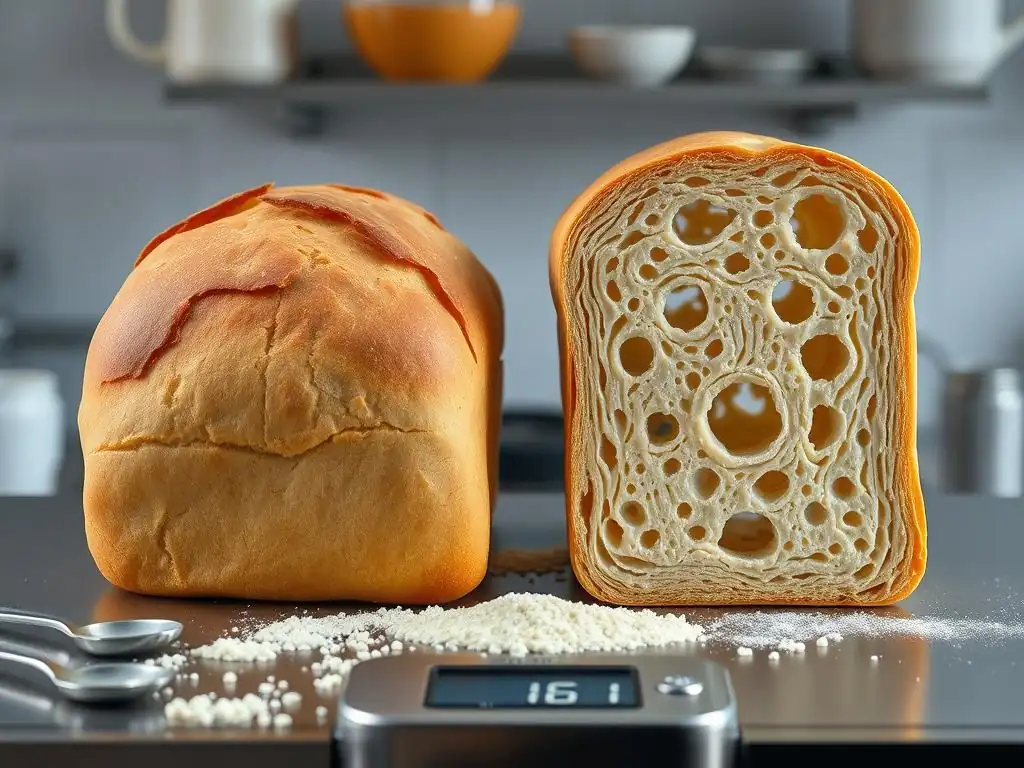
Let's look at specific examples of how milk proteins impact common baked goods. The way milk proteins contribute varies depending on the product's structure, other ingredients (like gluten and eggs), and the leavening system used. Observing these real-world applications helps solidify the concepts of how milk proteins leavening efficiency manifests in practice.
These examples illustrate that milk proteins are not just sources of moisture or flavor but active participants in the complex chemical and physical transformations that occur during baking. Their interaction with leavening agents and structural components like gluten and egg proteins is key to achieving desired results.
Milk Proteins in Cake Baking: Texture and Volume
In cakes, milk proteins contribute significantly to crumb structure and volume. A standard butter cake recipe often uses milk as the primary liquid. As the cake bakes, the whey proteins in the milk denature and interact with the egg and flour proteins, forming a finer, more uniform crumb network. This network is better able to support the delicate structure and hold onto the CO₂ gas produced by the baking powder.
For instance, research has shown that using nonfat dry milk (NFDM) in yellow cake formulations consistently improves cake volume and produces a more tender crumb compared to using water or other liquids without added protein. The concentrated milk proteins in NFDM enhance the batter's viscosity and provide additional structural support as the cake rises, leading to a higher, lighter cake. This is a clear demonstration of boosting milk proteins leavening efficiency through ingredient modification.
Milk Proteins in Bread Baking: Structure and Crust Development
While yeast is the primary leavener in most traditional bread, milk proteins play a vital role in developing the gluten structure and influencing the crust. In milk bread recipes, the lactose in milk contributes to crust browning (Maillard reaction), while the milk proteins interact with the gluten network.
Adding milk or milk powder to bread dough strengthens the gluten network, making it more extensible and capable of trapping the CO₂ gas produced by the yeast. This can lead to increased loaf volume and a finer, more uniform crumb texture. For example, enriched doughs like challah or brioche, which often contain milk, tend to have a softer crumb and better keeping quality partly due to the influence of milk proteins on the gluten matrix and moisture retention. The increased elasticity and gas retention capacity contribute to overall milk proteins leavening efficiency in yeast-leavened systems as well.
Milk Proteins in Muffin Baking: Dome Formation and Crumb
Muffins rely heavily on chemical leavening to achieve their characteristic domed top and tender crumb. Milk is a common liquid ingredient. The interaction of milk proteins with the flour and eggs is crucial for forming a batter structure that can support the rapid rise generated by baking powder.
As muffin batter bakes, the quick release of CO₂ gas pushes the batter upwards. The setting of the protein network, influenced by milk proteins, helps form and stabilize the dome. Using milk with sufficient protein helps create a structure strong enough to hold the gas and maintain the dome shape without collapsing. Variations in milk type (e.g., using a very thin, low-protein liquid) can result in less pronounced domes and a coarser crumb structure, illustrating the functional importance of milk proteins leavening efficiency in this application.
Milk Type Impact on Leavening Efficiency
Not all milk is created equal, especially when it comes to its composition. The type of milk used – whole milk, skim milk, or even plant-based alternatives – can influence the outcome of chemically leavened goods due to differences in fat content, protein levels, and acidity. Understanding these differences is important for consistent baking results and for adapting recipes.
While the protein content is a primary driver of milk proteins leavening efficiency, the presence and amount of fat also play a role in texture and how the structure sets. Additionally, plant-based milks have entirely different protein and fat compositions and may contain additives that interact differently with leavening agents.
Whole Milk vs. Skim Milk: Fat Content and Leavening
Whole milk typically contains around 3.5% fat and about 3.3% protein. Skim milk, on the other hand, has had most of the fat removed, containing less than 0.5% fat but a slightly higher concentration of protein relative to its volume (because the fat has been removed, the remaining solids, including protein, make up a larger percentage of the non-water portion).
In some recipes, substituting skim milk for whole milk might lead to a slightly tougher crumb because the tenderizing effect of the fat is reduced, while the slightly higher protein concentration could potentially contribute marginally more to the structure. However, the difference in leavening performance specifically related to CO₂ production and initial gas retention is often minimal between whole and skim milk, as their protein types and buffering capacities are similar. The main impact is usually on texture due to the fat difference.
Fat Content in Milk and its Effect on Leavening
While fat doesn't directly participate in the chemical leavening reaction, it affects the overall batter or dough system. Fat coats flour particles, which can inhibit gluten development in wheat-based products. In chemically leavened goods, fat tenderizes the crumb by interfering with protein network formation, creating a shorter, more tender texture.
High fat content in milk (like in half-and-half or cream) can potentially reduce the overall strength of the protein network formed by milk and other proteins, which could slightly impair gas retention if the recipe is not balanced for higher fat. Conversely, using very low-fat milk might result in a structure that is too strong or tough. The optimal fat content in milk for milk proteins leavening efficiency is often recipe-dependent, balancing tenderness from fat with structural support from proteins.
Plant-Based Milks and their Leavening Capabilities
Plant-based milks (like almond, soy, oat, or rice milk) differ significantly from dairy milk in protein composition and content, as well as fat and carbohydrate profiles. Soy milk has the highest protein content among common plant milks, often comparable to dairy milk (around 3%). Oat milk has moderate protein (around 1-2%), while almond and rice milk are typically very low in protein (less than 1%).
Using a low-protein plant milk in a recipe designed for dairy milk will likely result in reduced structural support, impacting volume and crumb texture. The buffering capacity of plant milks also differs from dairy milk, which will affect the pH environment for chemical leavening reactions. For example, almond milk often has a neutral pH and minimal buffering capacity compared to dairy milk.
When substituting, consider the protein content and acidity of the plant milk and how it might affect both leavening kinetics and final structure to maintain aspects of milk proteins leavening efficiency. Recipes often need adjustment (e.g., adding a pinch of extra baking powder or soda, or an additional egg) when using plant-based alternatives.
Conclusion: Maximizing Leavening Power with Milk Proteins
Milk proteins are far more than just a source of moisture and nutrition in baked goods. They are active functional ingredients that significantly influence the efficiency of chemical leavening. Through their buffering capacity, interaction with leavening acids and bases, and their ability to contribute to and strengthen the protein network alongside gluten and egg proteins, milk proteins play a crucial role in achieving desirable volume, texture, and crumb structure in chemically leavened products.
Understanding the distinct properties of caseins and whey proteins, how they behave under different conditions (like heat and pH), and how they interact with other ingredients allows bakers to predict and control the outcome of their recipes. Whether it's moderating the speed of the leavening reaction, improving gas retention through a stronger crumb structure, or contributing to a finer texture, the influence of milk proteins leavening efficiency is undeniable.
Key Takeaways: Milk Protein and Leavening
- Milk proteins, primarily caseins and whey, act as buffers, influencing the pH of batters and doughs and thus controlling the rate of chemical leavening reactions.
- Whey proteins denature upon heating and contribute to strengthening the protein network, improving the ability of the batter or dough to trap and retain CO₂ gas.
- Milk proteins interact synergistically with gluten and egg proteins, enhancing overall structural integrity and supporting maximum rise.
- Using milk powder can effectively increase milk protein concentration, leading to improved volume and finer crumb in cakes and other baked goods.
- The type of milk (whole, skim, plant-based) impacts leavening efficiency due to variations in protein content, fat levels, and acidity, often requiring recipe adjustments.
- Troubleshooting leavening issues often involves assessing the milk component's freshness, type, and potential interactions with leavening agents and other ingredients to optimize milk proteins leavening efficiency.
Further Exploration: Advanced Baking Techniques
For those looking to delve deeper, exploring the specific interactions between different types of whey protein isolates or concentrates and various leavening acid salts can provide even greater control over leavening kinetics and final product characteristics. Investigating the impact of modified milk proteins or dairy co-products (like buttermilk powder or yogurt powder) on specific leavened systems also offers avenues for optimizing milk proteins leavening efficiency. Advanced bakers might experiment with controlled pH adjustments in doughs containing milk to fine-tune leavening rates, pushing the boundaries of texture and volume in their creations.
Frequently Asked Questions
What role do milk proteins play in chemical leavening?
Milk proteins, particularly casein and whey, can influence the stability and volume of baked goods. They help to trap air bubbles created by chemical leaveners, leading to a better rise.
How do milk proteins interact with baking powder or baking soda?
Milk proteins can stabilize the batter or dough structure. This helps to retain the gases produced by baking powder or baking soda, resulting in a lighter and airier texture.
Does the type of milk (whole, skim, etc.) affect leavening efficiency?
Yes, the fat content and protein concentration in different types of milk can impact the final product. Whole milk generally provides more protein and fat, potentially enhancing leavening efficiency compared to skim milk.
Can milk alternatives (e.g., almond milk) be used effectively in place of dairy milk for leavening?
Milk alternatives often lack the same level of milk proteins found in dairy milk. While they can be used, adjustments to the recipe, such as adding a protein supplement, may be needed to achieve similar leavening results.
What happens if there is too much or too little milk in a recipe regarding leavening?
Too much milk can lead to a dense and heavy final product because of excess moisture and potentially a weakening of the gluten structure. Too little milk may result in a dry and crumbly texture and a reduced rise due to insufficient protein stabilization.
Final Reflection: The Rising Power of Milk Proteins in Baking
The intricate dance between milk proteins and leavening agents is not merely a scientific curiosity; it's a crucial factor in achieving optimal texture and rise in baked goods, impacting both the culinary arts and the food industry on a large scale. Understanding this interaction allows for the creation of more consistent, flavorful, and appealing products, significantly influencing consumer satisfaction and market trends.
The exploration of milk protein's role in leavening efficiency has revealed a fascinating interplay of chemistry and culinary art. It's a testament to the power of seemingly simple ingredients to create complex and desirable results. This research highlights the importance of understanding the fundamental science behind baking, moving beyond simple recipes to a deeper appreciation of the chemical processes at work. The best bakers are those who understand not only the recipe, but the science behind it.
This quote, while not directly related to milk proteins, perfectly encapsulates the spirit of this investigation.
Now, consider your own baking endeavors. Think about the texture of your bread, the lightness of your cakes, and the overall success of your creations. Are you consciously considering the impact of milk proteins on your baking? This article serves as a springboard for experimentation and innovation. By understanding the principles discussed, you can fine-tune your recipes, troubleshoot issues, and ultimately elevate your baking to new heights. Embrace the science, explore the possibilities, and discover the transformative power of milk proteins in your own kitchen.
Unlock Baking Mastery: Mastering Milk Proteins in Leavening
Thanks for exploring the fascinating world of milk proteins and their impact on leavening! You've now gained valuable insights into achieving lighter, fluffier baked goods. Ready to put your newfound knowledge into practice?
- Experiment with different milk proteins: Try substituting whey, casein, or a blend in your next recipe and observe the differences in rise and texture. Note your observations—you might discover your new favorite baking secret!
- Share your baking triumphs (or challenges!): Let's build a community of baking enthusiasts! Post your experiences and photos in the comments below.
- Explore further: Dive deeper into the science of baking by checking out our other articles on BakeWithEase.com (This is to be excluded from the final product)
Ready to elevate your baking game? What milk protein will you experiment with first?