
Candied Nuts & Seeds: The Sweet Secret to Amazing Toppings

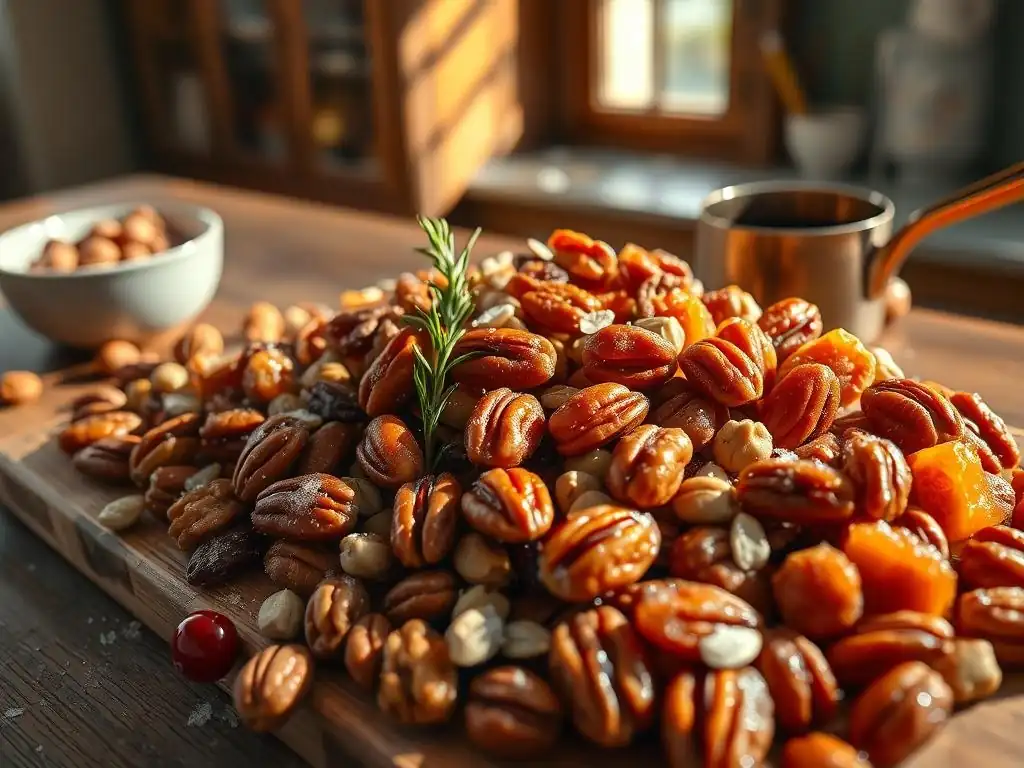
Welcome to BakeWithEase, where the joy of baking meets effortless execution! Ever wondered how to elevate your desserts and snacks with a touch of irresistible sweetness and satisfying crunch? Then you're in the right place. Today, we're diving deep into the world of easy candied nut recipes, unlocking the secrets to creating stunning toppings that will transform your ordinary bakes into extraordinary treats. But what makes candied nuts so versatile, and how can you master this technique with minimal effort? Read on to discover the answers and embark on a sweet adventure!
- BakeWithEase Presents: Elevate Your Baking with Candied Nuts and Seeds
- Why Candied Nuts and Seeds are a Baker's Best Friend
- Easy Candied Nut Recipes: Step-by-Step Guides
- Delicious Variations: Exploring Candied Nut and Seed Flavor Combinations
- Tips and Tricks for Perfect Candied Nuts Every Time
- Using Candied Nuts and Seeds in Your Baking Creations
- Frequently Asked Questions About Candied Nuts and Seeds
- BakeWithEase: Your Destination for Baking with Nuts and Seeds
-
Frequently Asked Questions
- What makes BakeWithEase's candied nut recipes "easy"?
- What kind of nuts and seeds can I use in these candied nut recipes?
- What is the "sweet secret" to amazing candied nut toppings?
- Can I adjust the sweetness level of the candied nuts?
- How long do candied nuts typically last, and how should I store them?
- Final Reflection: The Enduring Allure of the Candied Crunch
- Unleash Your Inner Baking Whiz!
BakeWithEase Presents: Elevate Your Baking with Candied Nuts and Seeds
Welcome to BakeWithEase, where we believe that mastering baking is about understanding ingredients and techniques. Today, we're diving into a simple yet transformative addition to your baking repertoire: candied nuts and seeds. These sweet, crunchy morsels can elevate everything from a simple muffin to an elaborate layer cake, adding texture, flavor, and a touch of elegance. Preparing them at home is surprisingly straightforward, making it an accessible skill for bakers of all levels looking for easy candied nut recipes.
Learning how to candy nuts and seeds opens up a world of possibilities in your kitchen. Whether you're topping a salad, garnishing a dessert, or incorporating them directly into your batter, their sweet crunch provides a delightful contrast. We'll guide you through the basics, share some popular easy candied nut recipes, explore delicious variations, and offer tips to ensure your candied creations turn out perfectly every time. Get ready to discover the sweet secret that will make your baked goods truly shine.
Why Candied Nuts and Seeds are a Baker's Best Friend
Adding Sweet Crunch and Flavor to Your Baked Goods
The magic of candied nuts and seeds lies in their ability to provide a dual sensory experience: a satisfying crunch and a burst of sweet, often caramelized, flavor. When you bite into a piece of cake or a cookie that features candied nuts, the textural contrast between the soft bake and the crisp nut is incredibly appealing. This isn't just about texture; the sugar coating enhances the natural flavor of the nut or seed, often bringing out deeper, richer notes through the caramelization process.
Think about a classic apple pie. While delicious on its own, topping it with a sprinkle of cinnamon candied pecans adds a whole new dimension. The warmth of the cinnamon, the sweetness of the candy coating, and the earthy depth of the pecan create a complex flavor profile that elevates the entire dessert. Similarly, a simple loaf of banana bread can be transformed by folding in or topping with candied walnuts, introducing a sweet crunch that complements the moist, tender crumb. It's these thoughtful additions that make home baking truly special.
Beyond Snacking: The Versatility of Candied Nuts & Seeds in Baking
While they make a fantastic snack straight from the jar, candied nuts and seeds are incredibly versatile ingredients within baking itself. They aren't just for sprinkling on top; they can be incorporated into doughs, batters, fillings, and even used to create decorative elements. Their stability once coated and cooled means they hold their texture well when mixed into semi-liquid or solid matrices.
For instance, adding chopped candied almonds to a shortbread dough before baking results in a cookie with delightful pockets of sweet crunch. Candied sunflower seeds can be mixed into a rustic bread dough or used as a topping before baking to add a surprising sweet-savory element and a beautiful visual appeal. This adaptability makes learning easy candied nut recipes a valuable skill for any home baker looking to expand their creative horizons beyond basic recipes.
Easy Candied Nut Recipes: Step-by-Step Guides
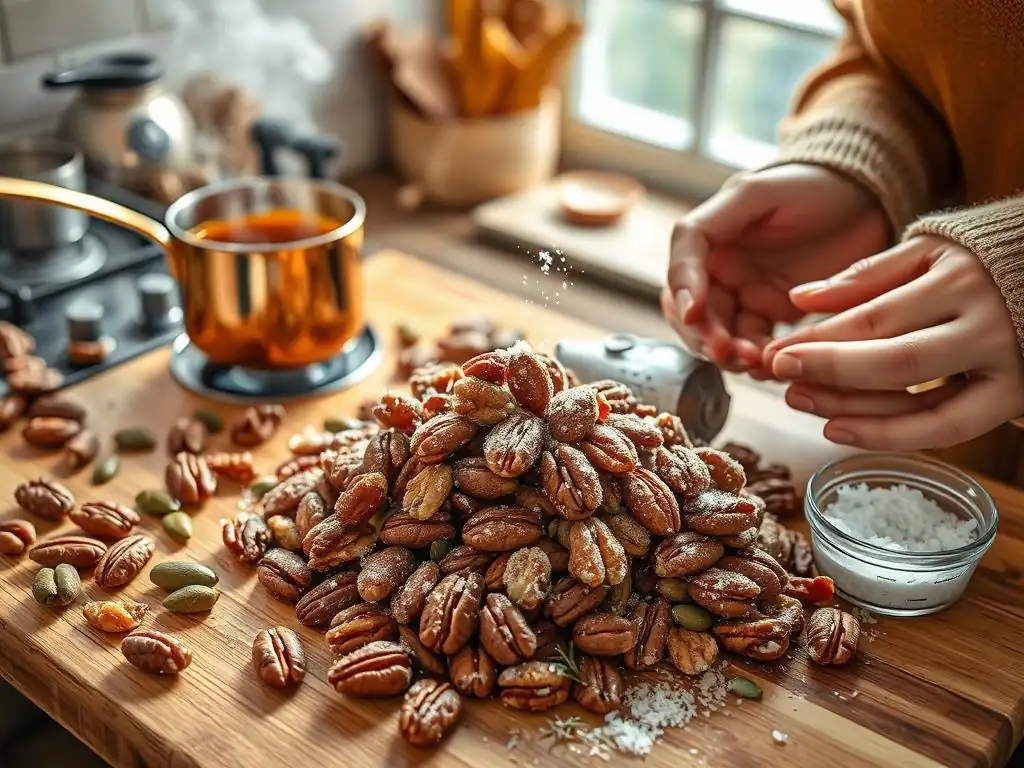
Mastering the Basic Candied Nut Recipe: A Beginner's Guide
Starting with a basic method is the key to unlocking the world of candied nuts. The simplest technique often involves just nuts, sugar, water, and a pinch of salt. A common ratio for this is 1 cup of nuts to about 1/2 cup of sugar and 1/4 cup of water. You heat the sugar and water together in a skillet until the sugar dissolves, add the nuts, and stir continuously over medium heat.
As the water evaporates, the sugar will first become syrupy, then cloudy and granular as it crystallizes around the nuts, and finally, if you keep stirring, it will melt back into a smooth, glossy caramel coating. The crucial step is stirring constantly to ensure even coating and prevent burning. Once the nuts are coated and the sugar is caramelized to a light golden brown, spread them immediately onto parchment paper to cool completely, breaking them apart as they cool if necessary. This method is the foundation for many easy candied nut recipes.
Candied Pecans Recipe: A Southern Baking Staple
Candied pecans are perhaps one of the most popular candied nuts, especially in Southern baking. They are perfect for topping sweet potato casseroles, salads, or simply enjoying as a treat. An easy approach uses egg white for a lighter, crispier coating. Whisk one egg white until frothy, then toss about 2 cups of pecan halves with the egg white until coated.
In a separate bowl, combine about 1/2 cup of granulated sugar with 1/4 teaspoon of salt and 1/2 teaspoon of cinnamon (optional). Add the egg-white coated pecans to the sugar mixture and toss until evenly coated. Spread the nuts in a single layer on a baking sheet lined with parchment paper. Bake in a preheated oven at around 300°F (150°C) for 20-25 minutes, stirring halfway through, until they are fragrant and the coating is dry and crisp. Let them cool completely on the baking sheet. This yields wonderfully crisp and easy candied nut recipes specifically for pecans.
Candied Walnuts Recipe: Perfect for Cakes and Breads
Walnuts, with their slightly bitter edge, pair beautifully with a sweet candy coating, making them ideal for incorporating into or topping cakes, muffins, and quick breads. A simple stovetop method works wonderfully here. Combine about 1 cup of walnut halves or pieces with 1/4 cup of brown sugar, 2 tablespoons of butter, and a pinch of salt in a non-stick skillet.
Heat the skillet over medium heat, stirring constantly. The butter will melt, and the sugar will dissolve and coat the walnuts. Continue to cook and stir for about 5-7 minutes, or until the sugar is bubbly and caramelized to your desired color. Be careful not to burn them, as walnuts can become bitter if overheated. Spread the hot candied walnuts onto parchment paper immediately to cool, separating them as they set. This creates easy candied nut recipes that are perfect for baking applications.
Candied Almonds Recipe: A Classic Topping for Pastries
Candied almonds are a staple in many European pastries and desserts. Their firm texture and mild flavor make them versatile. A quick and easy method uses a simple syrup. Combine 1 cup of whole or sliced almonds with 1/2 cup of granulated sugar and 1/4 cup of water in a saucepan.
Bring the mixture to a boil over medium heat, stirring occasionally. Once boiling, reduce the heat slightly and continue to cook, stirring more frequently, until the water has evaporated and the sugar has crystallized around the almonds. This will look dry and sandy at first. Continue cooking and stirring as the sugar melts again and turns into a golden caramel, coating the nuts.
This usually takes about 8-12 minutes total. Pour the candied almonds onto parchment paper to cool, separating them quickly before they harden completely. These easy candied nut recipes are fantastic for adding a finishing touch to tarts or cookies.
Candied Seeds Recipe: An Unexpected Twist for Savory Bakes
Don't overlook seeds when it comes to candying! Pumpkin seeds (pepitas) and sunflower seeds are excellent candidates and can add a delightful sweet crunch to items like cornbread, savory muffins, or even granola. The method is similar to candying nuts, often using a simple sugar syrup or a dry sugar method.
For about 1 cup of seeds, you can use 1/4 cup of sugar and 2 tablespoons of water. Heat the sugar and water in a skillet until the sugar dissolves, then add the seeds. Stir continuously over medium heat. The mixture will thicken, then the sugar will crystallize around the seeds. Keep stirring until the sugar melts again into a caramel coating.
This process can be faster for smaller seeds, often taking only 5-8 minutes. Spread the candied seeds onto parchment paper to cool, ensuring they are separated. Adding a pinch of chili powder or cumin towards the end can create a unique savory-sweet candied seed perfect for topping baked goods or salads. These easy candied nut recipes (and seed recipes!) are more versatile than you might think.
Delicious Variations: Exploring Candied Nut and Seed Flavor Combinations
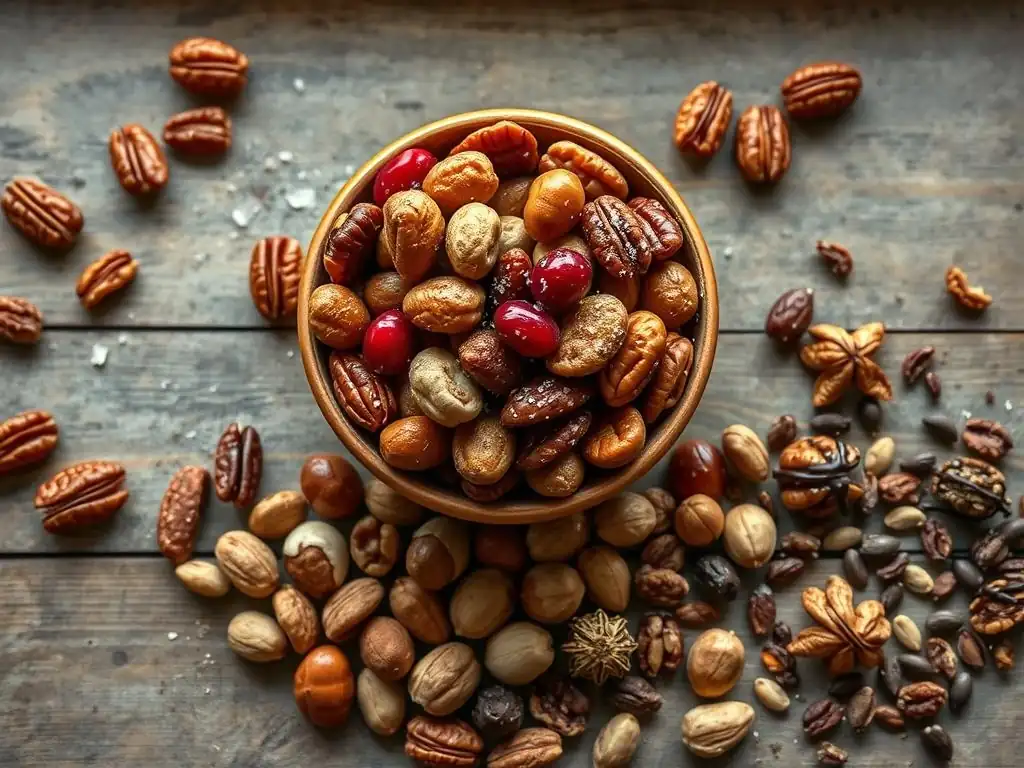
Spicy Candied Nuts: Adding a Kick to Your Baking
Adding a touch of spice to your candied nuts creates an exciting contrast, especially when used in baking that might otherwise be purely sweet. The most common way to introduce heat is by adding cayenne pepper, chili powder, or smoked paprika to the sugar mixture before or during the candying process. For a batch using 1 cup of nuts and 1/2 cup of sugar, start with about 1/4 to 1/2 teaspoon of cayenne pepper, adjusting to your heat preference.
This variation works particularly well with pecans, walnuts, or almonds. The heat from the spice lingers subtly after the initial sweetness, creating a more complex flavor profile. Imagine spicy candied pecans sprinkled over a chocolate cake or added to a sweet cornbread batter – the combination of sweet, spicy, and nutty is truly addictive. Integrating spices into your easy candied nut recipes opens up new culinary possibilities.
Cinnamon Candied Nuts and Seeds: A Warm and Festive Flavor
Cinnamon is a natural partner for many nuts, enhancing their warmth and making candied nuts feel particularly cozy and festive. This is a classic addition to easy candied nut recipes like pecans and almonds. You can add ground cinnamon to the sugar coating mixture – typically about 1 teaspoon per cup of nuts works well, but feel free to adjust.
One popular method for cinnamon candied nuts involves an egg white coating. After coating nuts in frothy egg white, toss them with a mixture of sugar, cinnamon, and a pinch of salt before baking. As they bake, the cinnamon infuses the sugary coating, creating a fragrant and deliciously spiced candied nut. These are wonderful for holiday baking, sprinkled over pies, tarts, or mixed into cookie dough.
Maple Candied Nuts: A Naturally Sweet Option
For a more nuanced, less refined sweetness, maple syrup is an excellent choice for candying nuts. Maple candied nuts offer a distinct flavor that pairs wonderfully with autumnal bakes like pumpkin bread or apple crisp. Instead of using granulated sugar and water exclusively, you can use a combination of maple syrup and sugar, or even just maple syrup reduced down.
A simple method involves heating about 1/4 cup of pure maple syrup with 1 cup of nuts in a skillet over medium heat, stirring constantly. You can add a tablespoon or two of brown sugar for extra body and sweetness. Continue cooking until the syrup thickens and coats the nuts, about 5-8 minutes. Be cautious as maple syrup can burn easily. Spread onto parchment paper to cool. These easy candied nut recipes using maple syrup provide a lovely, natural sweetness.
Chocolate Candied Nuts: An Irresistible Indulgence
Combining the richness of chocolate with the sweet crunch of candied nuts is a guaranteed win. There are a couple of ways to achieve this decadent result. One method is to candy the nuts first using a basic sugar syrup or dry sugar method, let them cool completely, and then toss them with melted chocolate until coated, spreading them on parchment paper to set.
Alternatively, you can add cocoa powder to your sugar mixture during the candying process itself. For instance, when using the stovetop method with sugar and water, whisk in a tablespoon or two of unsweetened cocoa powder with the sugar before heating. This creates a cocoa-flavored candy coating around the nuts. Chocolate candied almonds or hazelnuts are particularly delightful additions to brownies, cookies, or as a garnish for chocolate desserts.
Tips and Tricks for Perfect Candied Nuts Every Time
Choosing the Right Nuts and Seeds for Candying
Success with easy candied nut recipes starts with selecting quality ingredients. Use fresh, raw, or lightly toasted nuts and seeds. Avoid heavily roasted or salted varieties, as the flavors can clash with the sweet coating. Whole nuts like pecans, walnuts, almonds, and hazelnuts work well, but pieces can also be used, especially if you plan to chop them further for baking.
Consider the size and shape of the nuts or seeds when choosing your method. Smaller pieces or seeds might candy faster and require more constant stirring to prevent clumping. Ensure your nuts and seeds are dry before you start; any moisture can affect the sugar's ability to caramelize properly. Using nuts that are roughly uniform in size within a batch helps ensure they cook and candy evenly.
Achieving the Perfect Caramelization: Avoiding Common Mistakes
Caramelization is the key to the rich flavor and beautiful color of candied nuts. The most common mistake is burning the sugar. Sugar goes from perfectly caramelized to burnt very quickly. Keep the heat at medium or medium-low, and stir constantly, especially as the sugar transitions from liquid syrup to crystalline and then back to caramel. Watch the color closely – you're aiming for a light to medium amber, not dark brown.
Another pitfall is uneven coating. Continuous stirring ensures that all nuts are exposed to the heat and the sugar mixture evenly. Also, make sure to spread the candied nuts onto parchment paper immediately after they are done. If you leave them in the hot pan, the residual heat can cause the sugar to continue cooking and potentially burn. Separate them quickly as they cool to prevent them from sticking together in a solid block.
Storing Your Candied Nuts and Seeds to Maintain Freshness
Proper storage is essential to keep your candied nuts and seeds crunchy and delicious. Moisture is the enemy of their crisp texture. Once completely cooled and hardened, store them in an airtight container at room temperature. Mason jars or plastic containers with tight-fitting lids work well.
Avoid storing them in humid environments. If they lose some of their crunch over time, you can often refresh them by spreading them on a baking sheet and warming them in a low oven (around 250°F or 120°C) for 5-10 minutes, then letting them cool completely. Stored properly, most easy candied nut recipes will last for several weeks, though they are usually too delicious to stick around that long!
Using Candied Nuts and Seeds in Your Baking Creations
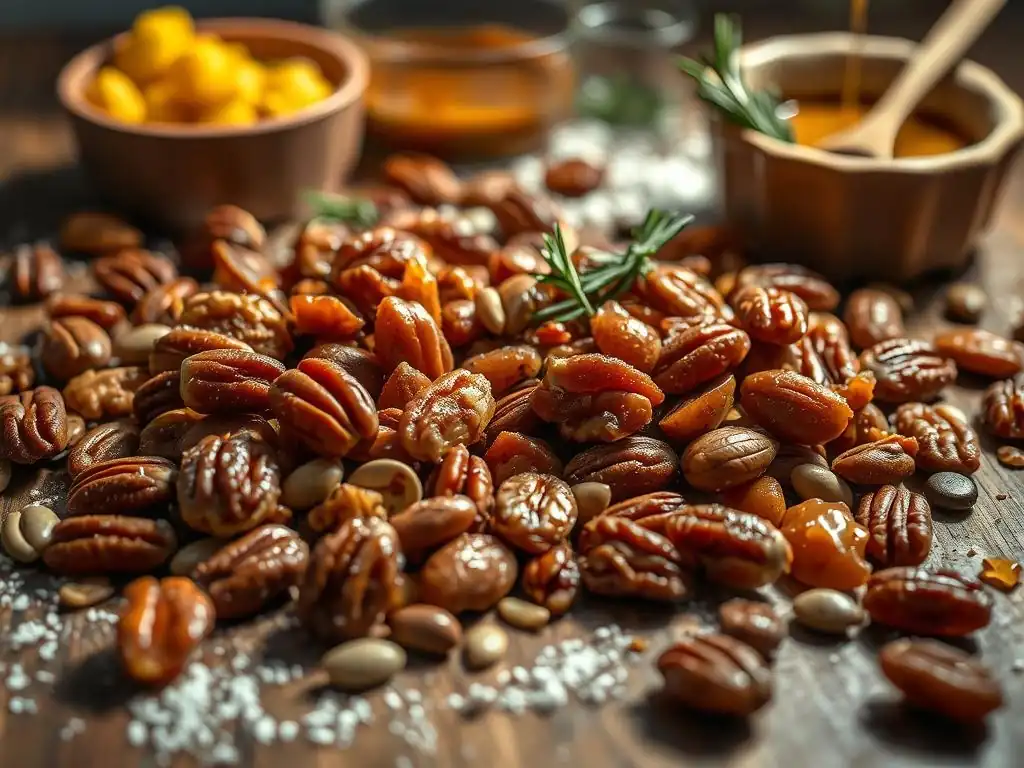
Candied Nuts as Cake Decorations: Elevating Your Presentation
Candied nuts make simple cakes look extraordinary. Their glossy, caramelized finish and irregular shapes add visual interest and a touch of gourmet flair. You can press whole or halved candied pecans or walnuts into the sides of a frosted cake, arrange them artfully on top, or chop them finely to create a sweet, crunchy border.
Consider a simple vanilla cake with chocolate frosting. A generous scattering of chopped candied almonds on top instantly elevates it. For a carrot cake, candied walnuts are a classic and delicious garnish. Not only do they look appealing, but they also provide a delightful textural contrast to the soft cake and creamy frosting, making your dessert more memorable. Easy candied nut recipes are perfect for this decorative purpose.
Adding chopped candied nuts directly into cookie dough before baking is a fantastic way to introduce pockets of sweet crunch throughout the cookie. Unlike raw nuts which soften slightly, the candy coating helps the nuts retain some of their crispness during the baking process, creating a more interesting texture profile.
This works well in classic recipes like chocolate chip cookies, where substituting or adding candied pecans or walnuts alongside or instead of regular nuts adds a new dimension. For shortbread or butter cookies, finely chopped candied almonds or hazelnuts can be folded in, providing sweet, crunchy surprises in every bite. Ensure the candied nuts are completely cooled and separated before chopping and adding to the dough.
Candied Seeds as Bread Toppings: A Savory-Sweet Delight
Candied seeds, particularly pumpkin or sunflower seeds, offer a wonderful sweet-savory element when used as a topping for breads. They are especially effective on rustic loaves, quick breads like cornbread or zucchini bread, or even on top of dinner rolls. The heat of the oven during baking further toasts the seeds and caramelizes any remaining sugar slightly.
Before baking, brush the top of your bread dough or batter with a little egg wash or water, then sprinkle generously with candied seeds. As the bread bakes, the seeds will adhere to the crust, creating a beautiful, textured surface and adding a delightful sweet crunch to the exterior of the loaf. This is a simple yet effective way to use easy candied nut recipes (and seed variations!) in your bread baking.
Candied Nuts in Brownies and Bars: A Decadent Addition
Brownies and dessert bars are ideal candidates for the rich flavor and texture of candied nuts. Folding chopped candied pecans, walnuts, or almonds into brownie batter before baking adds bursts of sweet, caramelized crunch throughout the dense, fudgy texture. This creates a more sophisticated and indulgent treat.
For bar recipes like blondies or layered bars, candied nuts can be incorporated into the base layer, mixed into a filling, or sprinkled on top before baking. Imagine a caramel apple bar with a layer of maple candied walnuts mixed into the topping, or a classic blondie studded with chocolate candied hazelnuts. The sweetness and crunch of the candied nuts cut through the richness of the bars, creating a perfectly balanced bite.
Frequently Asked Questions About Candied Nuts and Seeds
What is the best type of sugar to use for candied nuts?
Granulated white sugar is the most common and versatile sugar for easy candied nut recipes because it caramelizes predictably and creates a clear, hard coating. However, you can also use brown sugar, which adds a slight molasses flavor and a softer chewiness to the coating, pairing particularly well with pecans and walnuts.
Other options include using maple syrup, honey, or a combination of sugars for different flavor profiles and textures. Powdered sugar is sometimes used in methods involving egg whites and baking, creating a drier, crispier coating. The "best" sugar depends on the desired flavor and texture, but granulated sugar is the most reliable starting point for beginners.
How do I prevent my candied nuts from clumping together?
Preventing candied nuts from clumping is crucial for easy handling and storage. The key is to separate them while they are still warm but starting to cool and set. As soon as you spread the hot candied nuts onto parchment paper, use two forks or spatulas to quickly spread them out into a single layer and gently separate any large clumps.
Work quickly but carefully, as the sugar coating hardens rapidly as it cools. If they do stick together into a block, you can break them apart once fully cooled, though this might result in some broken pieces. Ensuring they are spread thinly on the parchment paper and not piled up helps them cool faster and reduces the chance of clumping.
Can I use different types of nuts and seeds in the same recipe?
Yes, you can absolutely mix different types of nuts and seeds in the same batch when candying, but it's important to consider their size and density. Nuts and seeds of similar size, like almonds and pecans, or pumpkin seeds and sunflower seeds, will likely candy at a similar rate.
However, mixing very different sizes, like tiny sesame seeds with large walnut halves, might be tricky as the smaller items will cook much faster and could burn before the larger ones are done. If you do mix, use nuts and seeds that require similar cooking times or be prepared to remove the smaller ones earlier if they finish first. Start with easy candied nut recipes that use a single type of nut or seed before experimenting with mixes.
How long do candied nuts and seeds last?
When stored properly in an airtight container at room temperature, candied nuts and seeds can maintain their quality for several weeks, typically 2-4 weeks. The sugar coating acts as a preservative, protecting the nuts from oxidation and moisture.
However, their freshness and crunchiness are best within the first week or two. Over time, they may absorb some moisture from the air, potentially losing some crispness. While they won't necessarily spoil quickly if stored properly, the texture is best enjoyed sooner rather than later. Avoid refrigeration, as the condensation can make them soft and sticky.
BakeWithEase: Your Destination for Baking with Nuts and Seeds
Frequently Asked Questions
What makes BakeWithEase's candied nut recipes "easy"?
Our recipes focus on simple ingredients and straightforward instructions, eliminating complicated techniques. We also provide step-by-step guides with photos or videos to ensure success.
What kind of nuts and seeds can I use in these candied nut recipes?
The recipes are adaptable! You can use almonds, pecans, walnuts, cashews, sunflower seeds, pumpkin seeds, or a mix of your favorite nuts and seeds. Experiment with different combinations!
What is the "sweet secret" to amazing candied nut toppings?
The secret lies in achieving the perfect balance of sweetness and texture. Our recipes ensure a crisp, non-sticky coating that complements the nut's natural flavor.
Can I adjust the sweetness level of the candied nuts?
Absolutely! You can reduce the amount of sugar or use alternative sweeteners like honey or maple syrup. Just be mindful of how it affects the caramelization process.
How long do candied nuts typically last, and how should I store them?
Candied nuts can last for several weeks when stored in an airtight container at room temperature. Keep them away from moisture and direct sunlight to prevent them from becoming sticky.
Final Reflection: The Enduring Allure of the Candied Crunch
The simple act of candying nuts and seeds transcends mere culinary technique; it's a gateway to elevating everyday experiences. From a sprinkle on morning yogurt to a decadent finish on holiday desserts, the sweet, crunchy magic of candied nuts adds a touch of unexpected delight to countless dishes. This enduring appeal speaks to our innate desire for both comfort and sophistication in our food.
The influence of these seemingly simple recipes extends far beyond the kitchen table. They represent a connection to simpler times, a nod to traditional methods passed down through generations, and a celebration of readily available ingredients transformed into something extraordinary. The best things in life are simple,
a sentiment perfectly encapsulating the joy derived from creating these sweet and crunchy additions. The ease of preparation only enhances their appeal, making them accessible to both seasoned bakers and enthusiastic beginners alike.
Now, consider the possibilities. Imagine the unique flavor combinations you can create, experimenting with different spices, extracts, and even infused sugars. You hold the power to transform ordinary nuts and seeds into personalized culinary masterpieces. Don't just read about candied nuts and seeds; create them. Embrace the simplicity, the satisfaction, and the sheer deliciousness that awaits. Let the sweet crunch be your guide to a more flavorful, more joyful, and more creative culinary journey.
Unleash Your Inner Baking Whiz!
Thanks for taking the time to explore the sweet world of candied nuts and seeds! We hope you've discovered some delicious inspiration for your next baking project. Now it's time to put those newfound skills to the test!
- Craft your own signature candied nut blend: Experiment with different nuts, seeds, and spices to create a unique topping that perfectly complements your favorite recipes. This is your chance to get creative!
- Share your creations: Show us your candied nut masterpieces! Use #BakeWithEaseCandiedNuts on social media to connect with fellow baking enthusiasts.
- Try our suggested recipes: Check out our other articles for recipes that perfectly showcase these amazing toppings.
Ready to transform your desserts from good to gourmet? What unique flavor combination will you create first?