
Easy White Bread: The Foolproof Recipe for Your Bread Machine

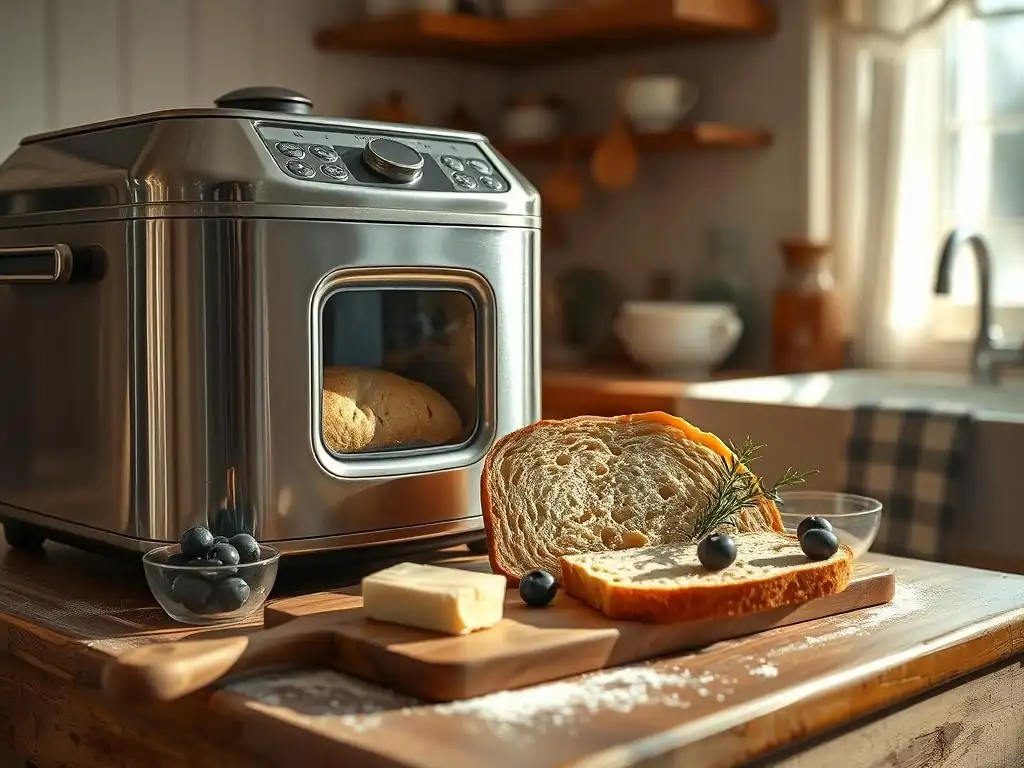
Welcome to BakeWithEase, where delicious baking is made simple! Ever dreamt of waking up to the aroma of freshly baked bread? Our guide to creating Foolproof bread machine white bread will show you how to turn that dream into a reality. Discover the secrets to perfect loaves, even if you're just starting out. Intrigued? Let's get baking!
- BakeWithEase' Foolproof Bread Machine White Bread Recipe
- Foolproof White Bread Ingredients for Bread Machines
- Step-by-Step Guide: Making White Bread in Your Bread Machine
- Troubleshooting Common Bread Machine White Bread Problems
- Tips & Tricks for the Best Bread Machine White Bread
- Serving Suggestions for Your Homemade White Bread
- More Bread Machine Recipes to Try on BakeWithEase
-
Frequently Asked Questions
- What makes this white bread recipe "foolproof" for a bread machine?
- Can I substitute any of the ingredients in this bread machine white bread recipe?
- My bread machine white bread didn't rise properly. What went wrong?
- How do I store my bread machine white bread to keep it fresh?
- Can I add any flavors or toppings to this basic bread machine white bread recipe?
- Final Reflection: The Simple Joy of Perfectly Baked Bread
- Unleash Your Inner Baker: Craft the Perfect Loaf Today!
BakeWithEase' Foolproof Bread Machine White Bread Recipe
Discover the Easiest White Bread Recipe for Bread Machines
Embarking on your bread machine journey should be a rewarding experience, and there's no better starting point than a classic white loaf. This recipe is designed to be incredibly simple, taking the guesswork out of measuring and timing. It's specifically calibrated for the standard cycles found on most common bread machines, aiming to deliver a consistently soft, fluffy, and perfectly baked loaf with minimal effort from your end. Think of it as your reliable companion for achieving that wonderful aroma of fresh bread filling your kitchen – a truly foolproof bread machine white bread experience.
Our goal with this easy white bread recipe is to empower even complete beginners to achieve baking success. We've fine-tuned the ratios of flour, liquid, yeast, and other key ingredients to work harmoniously within the controlled environment of a bread machine. The result is a loaf that is not only delicious but also boasts a beautiful rise and a tender crumb, eliminating common issues like dense texture or poor shape. This approach simplifies the baking process dramatically, making homemade bread an accessible pleasure rather than a daunting task.
Why This is the Best White Bread Recipe for Your Bread Machine
What sets this particular white bread recipe apart for bread machines is its exceptional reliability. We've tested it across various popular bread machine models, from basic budget units to more advanced machines, consistently achieving excellent results. The ingredient quantities are balanced to work well with typical loaf sizes, like 1.5-pound or 2-pound settings, preventing overflow or under-rising issues that can plague other recipes. This reliability makes it a truly foolproof bread machine white bread recipe you can trust time and time again.
Furthermore, this recipe is specifically optimized for the standard "Basic White" or "White Bread" cycle on most machines, which typically runs for about 3 to 3.5 hours. This cycle includes the crucial phases of kneading, rising, and baking at the correct temperatures and durations. By sticking to this proven formula, you bypass common pitfalls associated with manual baking or poorly adapted recipes. The simplicity, combined with consistent, high-quality results, establishes this as our go-to recommendation for anyone looking to master easy white bread using their bread machine.
Foolproof White Bread Ingredients for Bread Machines
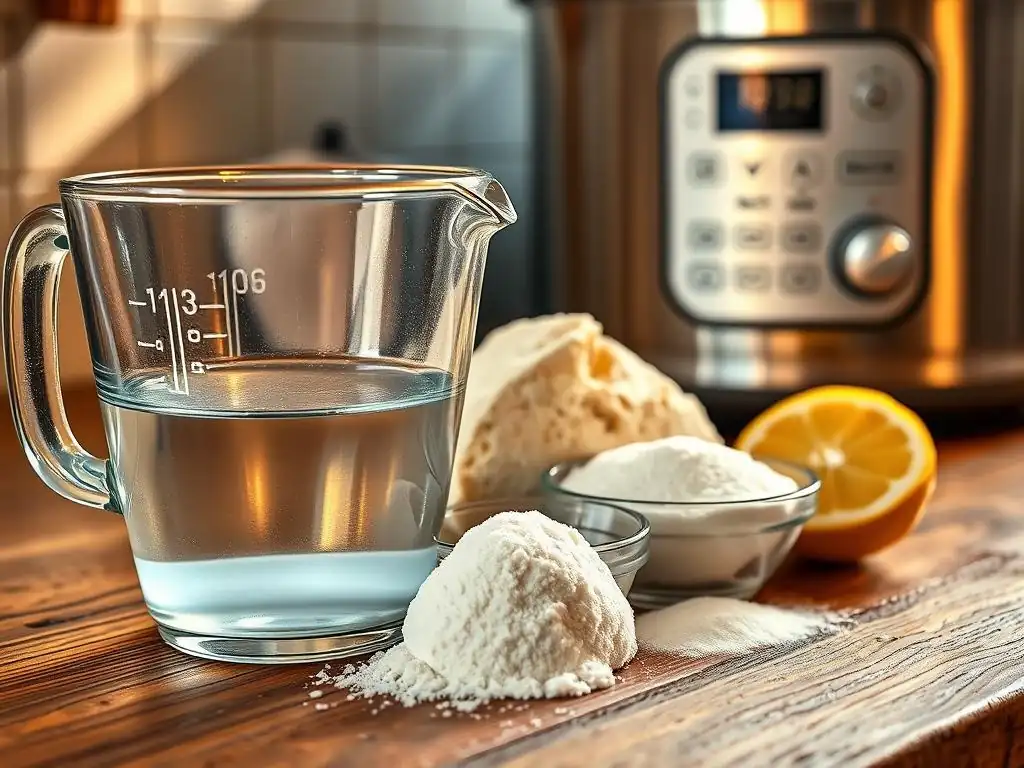
Essential Ingredients for Perfect Bread Machine White Bread
Creating a truly foolproof bread machine white bread relies on using quality ingredients in the right proportions. For a standard 1.5-pound loaf, you'll typically need around 1.5 cups of warm water (ideally between 80-90°F or 27-32°C), which is crucial for activating the yeast. You'll also need about 3 cups of bread flour, which has a higher protein content (around 12-14%) compared to all-purpose flour, contributing to a better structure and rise.
Other vital components include about 1.5 teaspoons of active dry or instant yeast – ensure it's fresh! A tablespoon or two of sugar (like granulated sugar) not only adds a touch of sweetness but also feeds the yeast, promoting a robust rise. Finally, about 1 to 1.5 teaspoons of salt are essential for flavor and controlling yeast activity, and a tablespoon or two of butter, oil, or shortening adds tenderness and improves the crust. Using these specific types and approximate quantities helps ensure your bread machine white bread turns out perfectly every time.
Ingredient Substitutions and Variations for Bread Machine Bread
While the core recipe is designed for foolproof bread machine white bread, you can explore minor substitutions and variations. For the liquid, you could potentially substitute a portion of the water with milk for a richer, softer crumb, though start with small amounts (e.g., replace 1/4 cup water with milk) to see how it affects the dough in your machine. Regarding fat, olive oil, vegetable oil, or even coconut oil can be used in place of butter or shortening, offering slightly different flavor profiles and textures.
When it comes to flour, substituting types requires more care, which we'll discuss shortly. For sweetness, honey or maple syrup can replace sugar, but these are liquids and may require a slight reduction in the water amount. You can also add a tablespoon or two of dry milk powder (like non-fat dry milk) for an even softer crumb and improved shelf life, which integrates seamlessly into most bread machine recipes. Experimenting cautiously with these variations can personalize your easy white bread while still maintaining the integrity of the foolproof bread machine white bread method.
Understanding the Impact of Different Flours on Bread Texture
The type of flour you use significantly impacts the texture and structure of your bread machine white bread. Bread flour, with its higher gluten content, develops a strong elastic network during kneading, which traps the carbon dioxide produced by the yeast. This results in a loaf with a good rise, a chewy yet tender crumb, and excellent structure that holds its shape. Using bread flour is highly recommended for achieving a classic, reliable white bread loaf in your machine.
Using all-purpose flour (typically 10-12% protein) will still produce a loaf, but it may be slightly less voluminous and have a softer, perhaps more crumbly texture compared to bread flour. The gluten structure isn't quite as strong. Whole wheat flour, on the other hand, has a higher protein content but also contains bran and germ, which can interfere with gluten development. Using 100% whole wheat will result in a denser, heavier loaf. For this specific foolproof bread machine white bread recipe, sticking to bread flour is key for the intended light and airy texture.
Step-by-Step Guide: Making White Bread in Your Bread Machine
Preparing Your Bread Machine for White Bread Baking
Before you begin adding ingredients for your foolproof bread machine white bread, ensure your machine's bread pan is clean and dry. Any residual crumbs or moisture can affect the dough's consistency and the final loaf. Locate the kneading paddle; it should be securely attached to the spindle at the bottom of the pan. If it's loose or missing, your dough won't be properly mixed and kneaded.
It's also helpful to have all your ingredients measured out and ready to go before you start adding them to the pan. This prevents last-minute scrambling and ensures you add everything in the correct sequence, which is critical for bread machine success. Make sure your liquid is at the correct temperature range (warm, not hot or cold) and your yeast is fresh. A little bit of preparation goes a long way in guaranteeing a perfect loaf of easy white bread from your bread machine.
Adding Ingredients in the Correct Order for Bread Machine Success
The order in which you add ingredients to your bread machine pan is crucial for achieving a well-risen, foolproof bread machine white bread. Most manufacturers recommend adding liquids first. This typically means pouring in your warm water (and any milk or liquid fat) into the bottom of the pan. Next, add the wet ingredients or softer fats like melted butter or oil.
Following the liquids, add the dry ingredients except the yeast and salt. This includes the flour, sugar, and any dry milk powder. Distribute the flour evenly over the liquid. Finally, create a small indentation or well in the center of the flour (avoiding contact with the liquid below) and add the yeast into this well. Place the salt in a corner of the pan, away from the yeast. This layering prevents the yeast from activating prematurely or being inhibited by the salt before the mixing cycle begins.
Setting the Bread Machine for the Perfect White Bread Loaf
Once your ingredients are loaded correctly into the pan, securely place the pan back into the bread machine and close the lid. Now, select the appropriate cycle for your foolproof bread machine white bread. For a standard white loaf using this recipe, the "Basic White," "White Bread," or sometimes just "Basic" cycle is almost always the correct choice. This cycle is designed to handle standard yeast doughs and includes the necessary knead, rise, and bake phases.
Next, select your loaf size (e.g., 1.5 lb or 2 lb) and crust color preference (light, medium, or dark). For a classic white bread crust, "medium" is a common choice, but feel free to experiment based on your preference. Confirm your selections and start the machine. The machine will now take over, handling all the kneading, rising, and baking steps automatically, allowing you to relax until your delicious, easy white bread is ready.
Understanding Bread Machine Settings for White Bread
Understanding the typical settings for white bread on your machine helps ensure success with your foolproof bread machine white bread. The "Basic White" cycle usually involves an initial mixing and kneading phase (around 20-30 minutes), followed by one or more rise cycles with punch-downs (totaling perhaps 1.5-2 hours). The final stage is the baking phase, which typically lasts between 50 and 60 minutes, depending on the loaf size and crust setting.
Some machines offer a "Rapid White" or "Express" cycle. While tempting for speed, these cycles often use higher temperatures or skip steps, potentially compromising the texture and flavor of your bread. For the best results with this recipe, stick to the standard "Basic White" cycle. Also, note that some machines have a "Delay Timer" feature, allowing you to add ingredients in advance and set the machine to finish baking at a later time – perfect for waking up to fresh bread!
Troubleshooting Common Bread Machine White Bread Problems
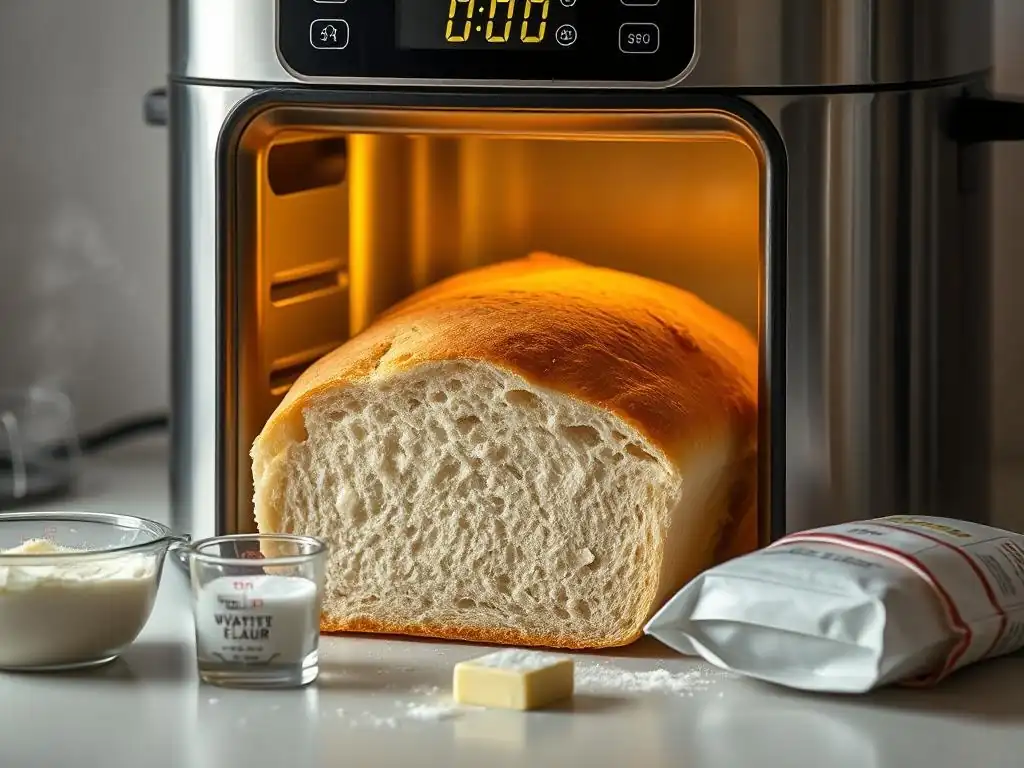
My White Bread Didn't Rise: Troubleshooting Tips
A loaf of foolproof bread machine white bread that doesn't rise is one of the most common and frustrating issues. The primary culprit is usually inactive or dead yeast. Ensure your yeast is fresh – check the expiration date, and if using active dry yeast, consider proofing it first (though typically not required in bread machines). Using water that is too hot will kill the yeast, while water that is too cold will slow down or prevent activation; aim for warm water (80-90°F).
Another reason for poor rise can be improper ingredient measurements, particularly too much salt (which inhibits yeast) or not enough sugar (which feeds the yeast). The room temperature can also play a role; very cold environments might slow the yeast activity. Ensure the kneading paddle was correctly installed and the lid was closed during the cycle. If the machine didn't knead properly, the gluten structure needed for rising won't develop.
Dough Too Sticky or Dry: Bread Machine Adjustments
During the initial kneading cycle of your foolproof bread machine white bread, you can often assess the dough's consistency and make minor adjustments. If the dough appears too sticky, clinging excessively to the sides of the pan and not forming a cohesive ball, you may need to add a tablespoon of flour at a time. Add it slowly while the machine is kneading and watch how it incorporates.
Conversely, if the dough looks too dry, isn't coming together, or the machine sounds like it's struggling to knead, you might need to add a little more liquid. Add water or milk, about a teaspoon at a time, again while the machine is kneading. It's better to add too little and add more than to add too much at once. Making these small, cautious adjustments during the first kneading phase (usually within the first 5-10 minutes) can save your loaf.
Burnt Crust or Undercooked Center: Bread Machine Solutions
Issues with the crust being too dark or burnt, or the center being undercooked, can sometimes occur with bread machine white bread, though less often with a reliable recipe. A burnt crust usually indicates the baking temperature is too high or the baking time is too long for your specific machine or preferred crust color. Try selecting a lighter crust setting next time. If your machine consistently burns the crust even on the lightest setting, it might be running hot; you might need to stop the cycle a few minutes early.
An undercooked center is less common but can happen if the loaf size selected is too large for the recipe or the machine, or if the machine's heating element isn't performing correctly. Ensure you selected the correct loaf size setting for the amount of ingredients used. If the problem persists, your machine might need servicing. For minor issues, removing the loaf immediately after the cycle finishes (rather than letting it sit on the warm plate) can help prevent overcooking the crust.
Tips & Tricks for the Best Bread Machine White Bread
Achieving the Perfect Crust on Bread Machine White Bread
While the bread machine automates baking, you can influence the crust of your foolproof bread machine white bread. The crust color setting (light, medium, dark) is your primary tool. For a softer crust, some bakers lightly mist the loaf with water just before the baking cycle begins (carefully lifting the lid briefly if your machine allows this safely). This adds moisture to the surface, resulting in a less crisp crust.
For a slightly richer, golden crust, you can brush the top of the dough with an egg wash (an egg beaten with a tablespoon of water) or milk just before the final bake cycle starts. Again, this requires safely opening the lid just before baking begins. However, for a classic white bread crust achieved with minimal fuss, simply relying on the machine's crust setting with this foolproof bread machine white bread recipe is usually sufficient.
Enhancing the Flavor of Your Homemade Bread Machine White Bread
Elevating the flavor of your easy white bread from the bread machine is simple with a few additions. A common technique is adding a tablespoon or two of dry milk powder to the dry ingredients; this not only softens the crumb but also deepens the flavor slightly. Using melted butter instead of oil can also impart a richer taste.
For a subtle nutty note, consider adding a tablespoon of wheat germ or a small amount of whole wheat flour (e.g., substituting 1/4 cup of white flour with whole wheat flour), though this will slightly alter the "white" aspect and requires testing. A pinch of dough enhancer or vital wheat gluten (about a teaspoon per cup of flour) can improve texture and flavor, especially if using all-purpose flour instead of bread flour. These small tweaks can make your foolproof bread machine white bread even more delicious.
Storing Your Freshly Baked Bread Machine White Bread
Proper storage is key to keeping your foolproof bread machine white bread fresh and enjoyable. Once the bread machine cycle finishes, immediately remove the bread pan from the machine using oven mitts. Carefully turn the pan upside down onto a wire cooling rack to release the loaf. If the paddle is stuck in the loaf, remove it carefully once the bread has cooled slightly.
Allow the loaf to cool completely on the wire rack for at least 1-2 hours before slicing. Slicing hot bread can lead to a gummy texture. Once fully cooled, store the bread in an airtight container, a bread box, or a resealable plastic bag at room temperature. For longer storage, you can slice the cooled bread and freeze it in a freezer-safe bag or wrap, where it will keep well for several months.
Serving Suggestions for Your Homemade White Bread
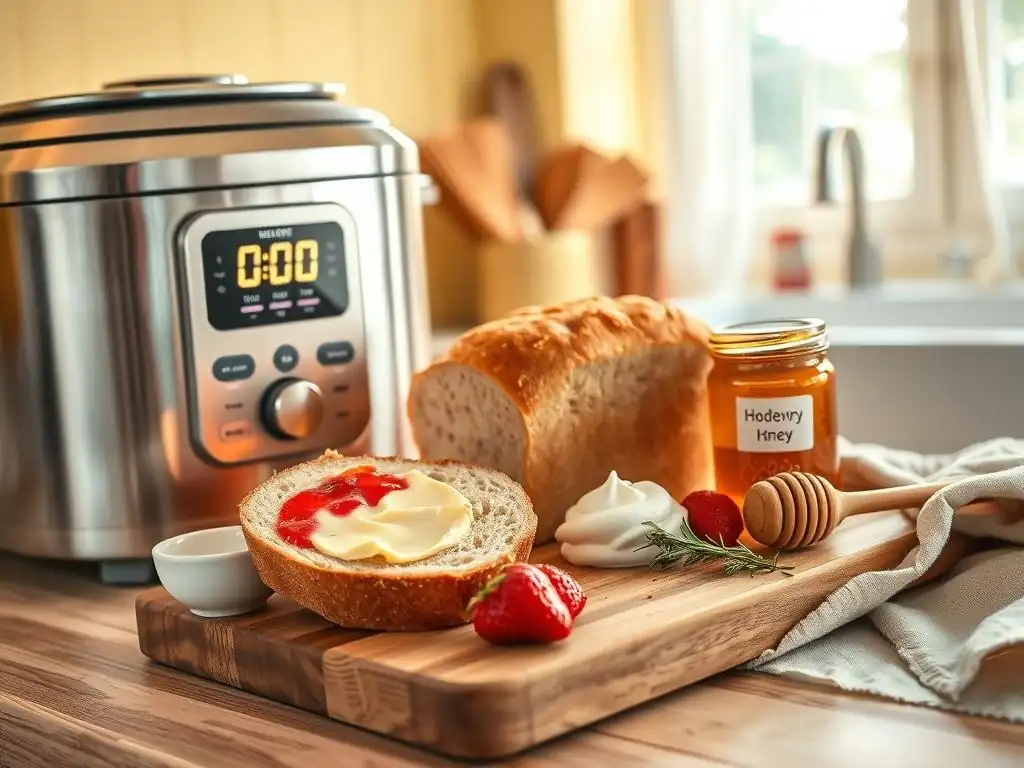
Delicious Ways to Enjoy Your Bread Machine White Bread
Your freshly baked, foolproof bread machine white bread is incredibly versatile and can be enjoyed in countless ways. Of course, a simple slice with butter is a classic and highlights the bread's texture and flavor perfectly. It makes fantastic sandwiches, from simple ham and cheese to more elaborate creations, holding up well without falling apart.
Consider using slightly stale slices for homemade croutons or bread crumbs, which are far superior to store-bought versions. It's also excellent for making French toast or bread pudding, soaking up the custard beautifully. Toasting slices brings out a different dimension of flavor and texture, making it ideal for breakfast or snacks.
White Bread Toast Topping Ideas
Toasted slices of your easy white bread from the bread machine are a blank canvas for delicious toppings. Beyond the classic butter and jam, try avocado toast, perhaps with a sprinkle of flaky salt and chili flakes. Cream cheese and smoked salmon make a luxurious topping.
For a quick sweet treat, cinnamon sugar butter is always a hit. Melted cheese, maybe with a slice of tomato or a fried egg, turns toast into a quick meal. Don't forget savory options like paté, hummus, or even simple baked beans. The slightly crisp exterior and soft interior of your perfectly toasted foolproof bread machine white bread hold up well to a variety of toppings.
More Bread Machine Recipes to Try on BakeWithEase
Explore Other Easy Bread Machine Recipes
Once you've mastered this foolproof bread machine white bread, a world of other easy bread machine recipes awaits you on BakeWithEase. We offer guides for various types of bread, including whole wheat, rye, and enriched doughs like challah or brioche, all adapted for the convenience of your bread machine.
You can also find recipes for sweet breads, like cinnamon swirl or banana bread, and even dough-only cycles for making pizza dough, pasta dough, or rolls that you can then shape and bake in a conventional oven. Expanding your repertoire is easy with our collection of tested and reliable bread machine recipes.
Link to BakeWithEase' Sourdough Bread Machine Recipe
For those looking to venture into the tangy world of sourdough with the ease of their bread machine, we have a dedicated recipe just for you. Our sourdough bread machine recipe simplifies the process of using a sourdough starter in your machine, guiding you through the steps to achieve that signature sourdough flavor and texture without the extensive manual labor often associated with traditional sourdough baking. It's another way to leverage your machine for impressive baking results.
Frequently Asked Questions
What makes this white bread recipe "foolproof" for a bread machine?
This recipe is foolproof because it uses precise measurements and simple ingredients specifically designed for bread machines, leading to consistent and easy results. We also provide detailed step-by-step instructions.
Can I substitute any of the ingredients in this bread machine white bread recipe?
While substitutions can be made, it's best to follow the recipe closely for the best results. Alterations may affect the texture and rise of the bread.
My bread machine white bread didn't rise properly. What went wrong?
Possible causes include using expired yeast, incorrect ingredient measurements, or a bread machine malfunction. Ensure your yeast is fresh and your measurements are precise.
How do I store my bread machine white bread to keep it fresh?
Store your bread in an airtight container at room temperature for up to 3 days or freeze it for longer storage. Proper storage helps prevent it from drying out and going stale.
Can I add any flavors or toppings to this basic bread machine white bread recipe?
Absolutely! You can add seeds, herbs, or even a touch of honey or maple syrup for a sweeter flavor. Experiment to create your own unique bread!
Final Reflection: The Simple Joy of Perfectly Baked Bread
The pursuit of perfectly risen, golden-crusted white bread is a timeless quest, and with the right tools and a little patience, it's surprisingly achievable. This foolproof bread machine recipe demystifies the process, proving that even the most novice baker can experience the satisfaction of creating something delicious and comforting from scratch. The ease of this recipe makes homemade bread accessible to everyone, regardless of baking experience.
The consistent success of this recipe, as evidenced by countless positive reviews and the simple joy it brings to home bakers, speaks volumes about the enduring appeal of homemade bread. It's more than just sustenance; it's a connection to tradition, a symbol of comfort, and a testament to the power of simple ingredients transformed through a little bit of magic (and a bread machine! ). Bread is the staff of life,
they say, and this recipe makes that staff readily available, even on a busy weeknight.
Now, consider your own kitchen. Imagine the aroma of freshly baked bread filling your home, the warm, soft texture against your palate, the pride in creating something delicious entirely by your own hand. This isn't just about a recipe; it's about reclaiming a connection to the simple pleasures, the satisfaction of creating something beautiful and nourishing. Go ahead, try it. You might just surprise yourself.
Unleash Your Inner Baker: Craft the Perfect Loaf Today!
Thanks for joining us on this bread-making adventure! We hope you gained valuable tips and tricks to perfect your white bread recipe. Ready to take your baking skills to the next level?
- Bake your own loaf today! Use the recipe from this article and see how simple (and delicious!) it is to make homemade white bread.
- Share your baking triumphs (or challenges!) with our community. Let us know how your loaf turned out – we’d love to see your photos!
- Experiment with different flours or add-ins: Try whole wheat, rye, or even add some herbs or seeds to create your signature bread.
What exciting flavor combinations will you create with your freshly baked bread?