
Tangy & Tender: Easy Sourdough Discard Cornbread

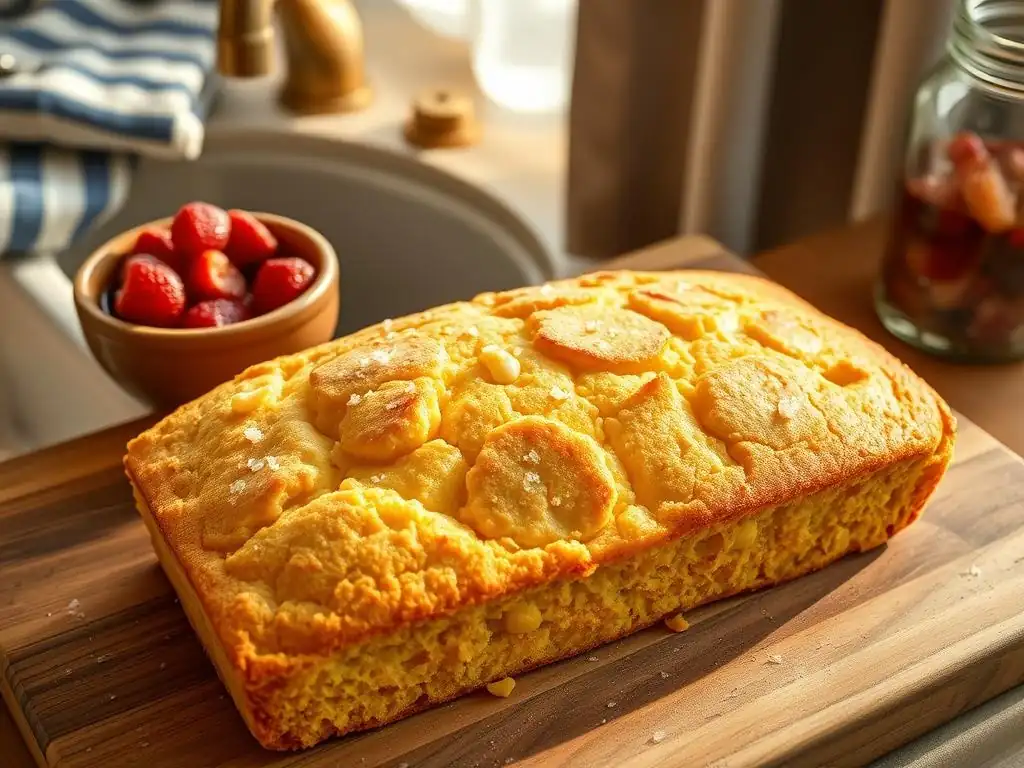
Welcome to BakeWithEase, where delicious baking is within everyone's reach! Ever wondered what to do with that leftover sourdough discard? You're in for a treat! Dive into our Easy Sourdough Discard Cornbread recipe and discover how to transform it into a tangy, tender masterpiece. Intrigued? Let's unlock the secrets of this delightful bake, and perhaps inspire your next baking adventure!
- Introduction: The Best Sourdough Discard Cornbread Recipe You'll Ever Make
- What is Sourdough Discard and Why Use It?
- Easy Sourdough Discard Cornbread Recipe: Ingredients and Equipment
- Step-by-Step Guide: Baking Your Sourdough Discard Cornbread
- Tips for the Perfect Sourdough Cornbread
- Sourdough Discard Cornbread Variations: Elevate Your Baking
- Serving and Storing Your Sourdough Discard Cornbread
- Troubleshooting Your Sourdough Cornbread
- Conclusion: Enjoy Your Homemade Sourdough Cornbread
-
Frequently Asked Questions
- What exactly is sourdough discard, and can I use it right out of the fridge in this recipe?
- Can I substitute regular cornmeal for the type mentioned in the "Easy Sourdough Discard Cornbread" recipe?
- How does sourdough discard affect the texture and taste of cornbread?
- What's the best way to store leftover "Easy Sourdough Discard Cornbread" to keep it from drying out?
- Can I add any extra ingredients to customize the "Easy Sourdough Discard Cornbread" recipe?
- Final Reflection: The Unexpected Joy of Sourdough Discard
- Unleash Your Inner Baker: Master the Art of Sourdough Discard Cornbread!
Introduction: The Best Sourdough Discard Cornbread Recipe You'll Ever Make
Welcome, fellow baking enthusiasts! If you've joined the wonderful world of sourdough, you likely have a jar of bubbly, active starter living on your counter or in your fridge. And if you're maintaining that starter, you're probably generating sourdough discard. Instead of tossing it, why not transform it into something truly delicious? This easy sourdough discard cornbread recipe is a fantastic way to use that tangy goodness, resulting in a cornbread that's incredibly moist, tender, and packed with flavor. Forget dry, crumbly cornbread – this recipe delivers a moist crumb and a delightful tang that sets it apart.
Using sourdough discard in cornbread isn't just about reducing waste; it genuinely enhances the final product. The subtle acidity from the discard reacts with the leavening agents, contributing to a lighter texture and a more complex flavor profile. It adds a depth that traditional cornbread often lacks. Whether you're serving it alongside chili, BBQ, or just enjoying a warm slice with butter, this easy sourdough discard cornbread recipe is sure to become a staple in your baking repertoire. Get ready to discover a new favorite way to use your discard!
Why Sourdough Discard Makes Incredible Cornbread
Sourdough discard, while not active enough to leaven bread on its own, is a powerhouse of flavor and acidity. When incorporated into quick breads like cornbread, it introduces a subtle tanginess that complements the sweetness of the cornmeal beautifully. This acidity also interacts with baking soda and baking powder, boosting their leavening power slightly and contributing to a more tender crumb structure. The natural fermentation byproducts in the discard also help to break down some of the flour proteins, leading to a softer texture compared to cornbread made without it.
Beyond flavor and texture, using sourdough discard is a smart move for any baker looking to minimize waste. A typical sourdough maintenance routine involves discarding a portion of the starter before feeding. This discard, often kept in the refrigerator, accumulates quickly. Finding delicious and simple ways to use it, like this easy sourdough discard cornbread recipe, is both economical and environmentally friendly. It transforms a byproduct into a key ingredient that elevates your baking.
BakeWithEase's Guide to Perfect Cornbread
At BakeWithEase, our goal is to make baking accessible and enjoyable for everyone, regardless of experience level. This guide to perfect easy sourdough discard cornbread recipe is designed with that in mind. We'll walk you through each step, from gathering your ingredients to troubleshooting common issues, ensuring your success. We believe that baking should be fun, not frustrating!
We've tested this easy sourdough discard cornbread recipe extensively to find the perfect balance of ingredients and techniques. We'll share tips on ingredient ratios, mixing methods, and baking temperatures to help you achieve that ideal moist, tender crumb and golden-brown crust. Whether this is your first time using sourdough discard or you're a seasoned pro, our detailed instructions and helpful hints will guide you to cornbread perfection. Let's get baking!
What is Sourdough Discard and Why Use It?
Sourdough discard refers to the portion of a sourdough starter that is removed before a starter is fed. To keep a starter healthy and active, it needs regular feedings of flour and water. Over time, the volume grows, and the microbial population needs to be refreshed. Discarding a portion helps maintain a manageable size and ensures the starter remains vigorous. This "discard" isn't waste; it's an ingredient rich in flavor and enzymes, perfect for enriching other baked goods that rely on chemical leaveners like baking powder and baking soda.
Using sourdough discard is a fantastic way to add value and unique characteristics to your baking beyond traditional leavened bread. It brings a slightly tangy flavor, improves the texture and moisture retention of baked goods, and adds nutritional benefits from the fermented grains. From pancakes and muffins to crackers and cornbread, discard is incredibly versatile. This easy sourdough discard cornbread recipe is a prime example of how this humble byproduct can transform a simple dish into something extraordinary.
Understanding Sourdough Discard: A Baker's Secret Weapon
Sourdough discard is essentially unfed sourdough starter. As the starter sits between feedings, the wild yeasts and bacteria consume the flour, producing acids (primarily lactic and acetic acid) and gases. While the leavening power diminishes as the food supply runs low, the unique flavors and acidity remain. The "age" of your discard matters; fresher discard (1-2 days in the fridge) will be milder, while older discard (a week or more) will be tangier. Most recipes, including this easy sourdough discard cornbread recipe, work well with discard that has been stored in the refrigerator for up to about 7-10 days.
The hydration level of your starter also affects the discard. A 100% hydration starter (equal parts flour and water by weight) is the most common and what this easy sourdough discard cornbread recipe assumes. If your starter has a different hydration, you might need slight adjustments to the liquid in the recipe, though often the amount of discard used is small enough that the difference is negligible. The key is understanding that discard provides flavor and moisture, not significant lift, in quick bread recipes.
Benefits of Using Sourdough Discard in Baking
Incorporating sourdough discard into recipes like this easy sourdough discard cornbread recipe offers several advantages. Firstly, the acidity from the discard helps tenderize the crumb by slightly breaking down gluten, resulting in a softer, more delicate texture. This is particularly beneficial in cornbread, which can sometimes be dense or crumbly. Secondly, the fermentation products contribute a depth of flavor – a subtle tang that provides a lovely counterpoint to the sweetness of the corn and other ingredients.
Furthermore, sourdough fermentation can predigest some of the starches and proteins in the flour, potentially making the finished product easier to digest for some people. While discard doesn't undergo the same long fermentation as a loaf of bread, it still carries some of these beneficial properties. Using discard is also a great way to reduce food waste, giving a purpose to a byproduct that would otherwise be discarded. It's a win-win for your baking and your kitchen efficiency.
Easy Sourdough Discard Cornbread Recipe: Ingredients and Equipment
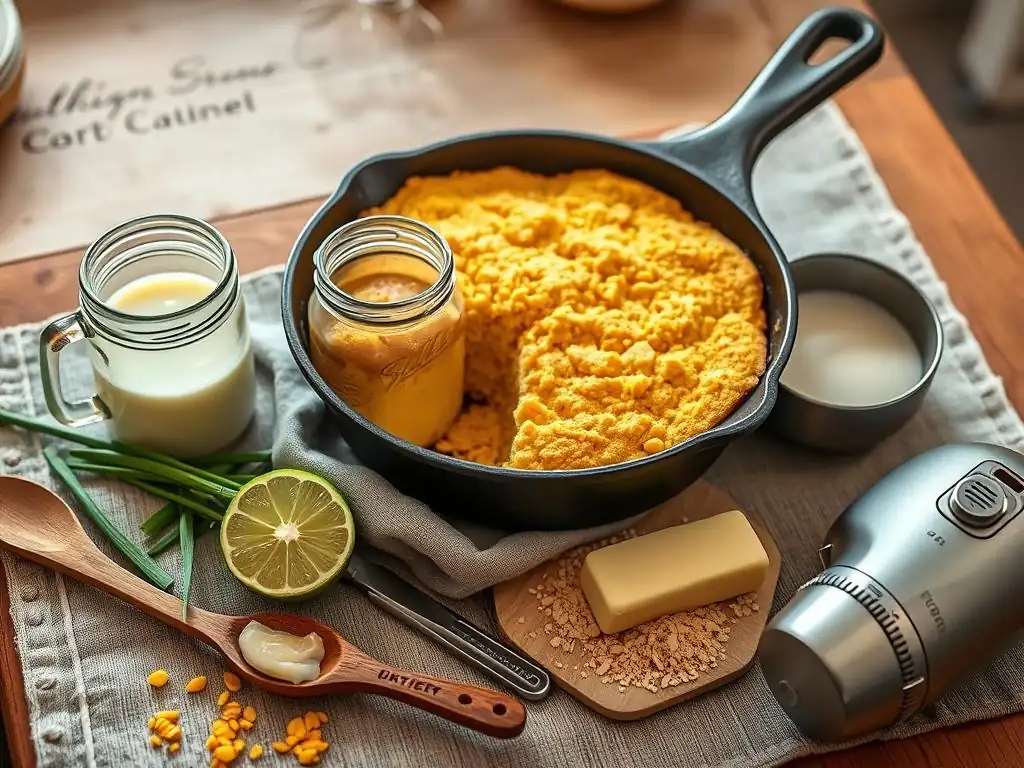
Creating delicious cornbread starts with having the right ingredients measured accurately and the proper tools at hand. This easy sourdough discard cornbread recipe uses common pantry staples alongside your versatile sourdough discard. Precision in measuring, especially for dry ingredients like flour and cornmeal, is key to achieving the desired texture. Using a kitchen scale is highly recommended for consistent results, though cup measurements are also provided.
Before you begin mixing, take a moment to gather everything you'll need. Having your ingredients prepped and equipment ready streamlines the baking process and helps prevent last-minute rushes. This easy sourdough discard cornbread recipe is designed to be straightforward, and good preparation makes it even easier. Let's look at what you'll need for this delightful cornbread.
Gathering Your Ingredients for Sourdough Cornbread
For this easy sourdough discard cornbread recipe, you'll need a mix of wet and dry ingredients. Essential dry components include yellow cornmeal (medium grind works well), all-purpose flour, granulated sugar (adjust to your sweetness preference), baking powder, baking soda, and salt. The leavening agents (baking powder and baking soda) are crucial for lift, working in tandem with the discard's acidity.
Your wet ingredients will typically include eggs, milk (buttermilk is fantastic for extra tang and moisture), melted butter or oil, and of course, your unfed sourdough discard. Using butter adds richness and flavor, while oil can contribute to a slightly moister crumb. Approximately 1 cup of 100% hydration sourdough discard is a standard amount for an 8x8 or 9x9 inch pan of cornbread, offering noticeable tang without being overpowering.
Essential Baking Equipment for Sourdough Cornbread Success
You don't need fancy equipment for this easy sourdough discard cornbread recipe, but a few basic tools will make the process smooth. You'll need two mixing bowls – one for wet ingredients and one for dry. A whisk and a rubber spatula or wooden spoon are necessary for mixing. Measuring cups and spoons are essential for accurate portioning, and as mentioned, a kitchen scale is a great addition for precision, especially with flour and discard.
For baking, an 8x8 inch square pan or a 9-inch round pan is ideal for this recipe's volume. A cast-iron skillet (like an 8-inch or 10-inch skillet) preheated in the oven also works wonderfully and creates a fantastic crispy crust. You'll also need oven mitts and a cooling rack. Preparing your pan by greasing it thoroughly or lining it with parchment paper will ensure your beautiful cornbread doesn't stick.
Ingredient Substitutions for Sourdough Discard Cornbread
One of the great things about an easy sourdough discard cornbread recipe is its flexibility. If you don't have buttermilk, you can make a simple substitute by adding one tablespoon of white vinegar or lemon juice to one cup of milk and letting it sit for 5-10 minutes until it curdles slightly. For a dairy-free version, swap milk for a plant-based milk like almond or oat milk, and use melted coconut oil or a neutral vegetable oil instead of butter.
If you prefer a gluten-free option, you can experiment with a gluten-free all-purpose flour blend that contains xanthan gum, although the texture may vary slightly. The cornmeal itself is gluten-free, but ensuring your flour blend is robust is key. For the sourdough discard, ensure your starter is made with a gluten-free flour if you need the entire recipe to be gluten-free. Remember that substitutions can alter the final texture and flavor, so it's often best to follow the recipe as written for the first attempt.
Step-by-Step Guide: Baking Your Sourdough Discard Cornbread
Baking this easy sourdough discard cornbread recipe is a straightforward process, perfect for bakers of all levels. The key is to mix the wet and dry ingredients just until combined, avoiding overmixing, which can lead to tough cornbread. Following these steps will guide you to a perfectly moist and tender result every time.
Remember to preheat your oven and prepare your baking pan before you start mixing the batter. This ensures that once your batter is ready, it can go straight into a hot oven, which helps with proper leavening and crust development. Let's dive into the simple steps to create this delicious cornbread.
Step 1: Preparing the Sourdough Discard Batter
Begin by gathering all your wet ingredients in a medium-sized bowl. This typically includes your eggs, milk (or buttermilk), melted butter or oil, and the star ingredient: your sourdough discard. Aim for approximately 1 cup (about 220-250 grams) of 100% hydration discard for a standard 8x8 inch pan recipe. Whisk these ingredients together until they are well combined and the mixture is smooth. Ensure the melted butter isn't too hot, as it could potentially cook the eggs slightly.
The consistency of your sourdough discard might vary depending on its hydration and how long it's been in the fridge. Don't worry too much about small variations. The goal is simply to incorporate it smoothly into the other wet ingredients. This step is quick and sets the foundation for your moist cornbread batter.
Step 2: Mixing the Dry Ingredients
In a separate, larger bowl, combine all your dry ingredients. This includes your yellow cornmeal, all-purpose flour, sugar, baking powder, baking soda, and salt. Whisk these dry ingredients together thoroughly. This step is important to ensure that the leavening agents (baking powder and baking soda) and salt are evenly distributed throughout the cornmeal and flour mixture. Uneven distribution can lead to uneven rising or pockets of saltiness.
Using a whisk helps to aerate the dry ingredients slightly and breaks up any small clumps. This dry mixture forms the structure of your cornbread. The ratio of cornmeal to flour can influence the texture – more cornmeal results in a more crumbly, rustic texture, while more flour yields a softer, cake-like crumb. A common ratio is roughly equal parts cornmeal and flour by volume or slightly more cornmeal.
Step 3: Combining Wet and Dry Ingredients
Now it's time to bring the wet and dry mixtures together. Pour the wet ingredients from Step 1 into the bowl with the dry ingredients from Step 2. This is where the magic starts to happen for your easy sourdough discard cornbread recipe.
Using a rubber spatula or wooden spoon, gently fold the wet ingredients into the dry ingredients. Mix just until the dry ingredients are incorporated and you no longer see large streaks of dry flour. A few small lumps are perfectly fine; in fact, slightly undermixing is better than overmixing. Overmixing develops the gluten in the flour, which can result in a tough, dense cornbread instead of the desired tender crumb.
Step 4: Adding the Sourdough Discard
Wait, didn't we add the sourdough discard in Step 1? Yes, it was incorporated into the wet ingredients. This step title might be slightly redundant based on the typical recipe flow, but let's clarify its role within the overall process. The sourdough discard is mixed with the wet ingredients before they are combined with the dry. This ensures it's fully dispersed throughout the batter from the start.
The tanginess and acidity from the discard are present throughout the entire batter thanks to its initial incorporation with the wet components. This allows the acids to interact with the baking soda as soon as the wet and dry ingredients meet, initiating some leavening action even before the cornbread hits the oven. So, while you aren't adding discard at this specific step number, its presence from Step 1 is crucial as you gently combine the wet and dry mixtures in Step 3.
Step 5: Preparing Your Baking Pan
Proper pan preparation is vital to prevent your delicious easy sourdough discard cornbread recipe from sticking. If using a standard baking pan (like an 8x8 or 9x9 inch), grease it generously with butter, shortening, or baking spray. Ensure you get into the corners and up the sides. For extra insurance and easier cleanup, you can also line the bottom of the pan with parchment paper after greasing.
If you're using a cast-iron skillet, the best method is often to preheat the skillet in the oven while it's preheating. Add a tablespoon or two of butter or oil to the hot skillet just before adding the batter; it will melt and sizzle, creating a beautifully crispy bottom crust. Carefully pour the batter into the hot, greased pan or skillet.
Step 6: Baking the Cornbread to Golden Perfection
Place your prepared pan with the batter into your preheated oven, typically set to 400°F (200°C). The high temperature helps the cornbread rise quickly and develop a nice crust. Bake for approximately 20 to 25 minutes. Baking time can vary depending on your oven and the size/material of your pan.
You'll know the cornbread is done when the top is golden brown and a toothpick inserted into the center comes out clean. The edges should also start to pull away slightly from the sides of the pan. Avoid opening the oven door too frequently during the bake, especially in the first 15 minutes, as this can cause the cornbread to sink slightly.
Step 7: Cooling and Serving Your Sourdough Cornbread
Once your cornbread is baked to perfection, carefully remove it from the oven. Allow it to cool in the pan for about 10-15 minutes before slicing. This cooling period allows the structure to set properly. If you try to slice it too soon, it might crumble.
After the initial cooling in the pan, you can transfer it to a wire rack to cool further, although many people prefer to serve cornbread warm directly from the pan, especially from a cast-iron skillet. Serve warm slices with butter, honey, or your favorite toppings. Enjoy the wonderful tangy flavor and tender texture of your homemade easy sourdough discard cornbread recipe!
Tips for the Perfect Sourdough Cornbread
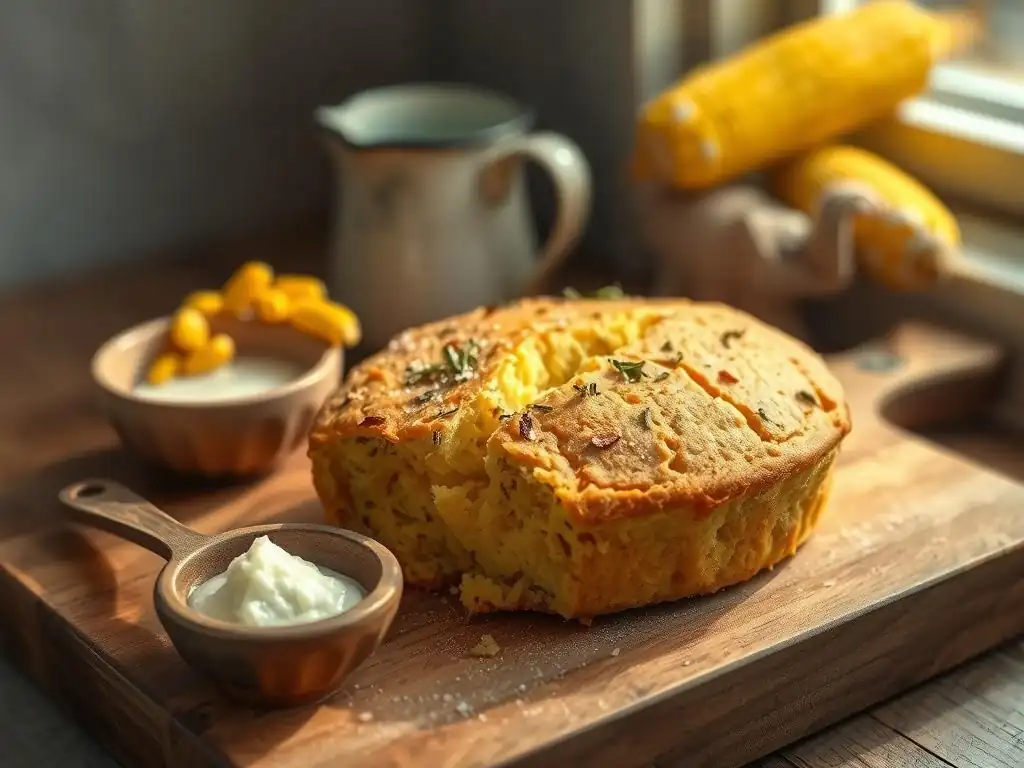
Achieving that ideal cornbread texture – moist, tender, and not at all dry or crumbly – is the goal for any baker. While this easy sourdough discard cornbread recipe is designed for success, a few extra tips can help ensure your results are consistently excellent. Paying attention to ingredient temperatures, mixing technique, and baking time are key factors.
Preventing dryness is a common cornbread challenge, but easily overcome with the right approach. We'll also explore how you can enhance the flavor profile of your cornbread beyond the basic recipe, adding exciting variations to keep things interesting.
Achieving the Ideal Texture: Moist and Tender
The secret to moist and tender cornbread lies in a few critical factors: the fat content, the liquid used, the amount of sugar, and the mixing technique. Using melted butter or oil provides richness and moisture. Incorporating milk, especially buttermilk, adds liquid and acidity that contribute to tenderness. Sugar not only sweetens but also helps retain moisture.
Crucially, avoid overmixing the batter. As highlighted earlier in this easy sourdough discard cornbread recipe guide, mixing just until the dry ingredients are combined is sufficient. Overworking the batter develops gluten, leading to a tougher texture. The sourdough discard also plays a role here, as its acidity helps break down gluten slightly, promoting a more tender crumb.
Preventing a Dry Cornbread: Key Moisture Control Techniques
Dry cornbread is often a result of too little fat or liquid, too much flour or cornmeal compared to liquid, or overbaking. Ensure you accurately measure your ingredients, particularly the liquids and fats specified in the easy sourdough discard cornbread recipe. Don't be tempted to add extra dry ingredients if the batter seems a little wet; a slightly loose batter often yields a moister result.
Baking time is also critical. Overbaking at too high a temperature or for too long will inevitably dry out cornbread. Start checking for doneness at the lower end of the recommended baking time (e.g., around 20 minutes for a 20-25 minute range). A toothpick test is your best friend here. Remove the cornbread as soon as the toothpick comes out clean, even if the top could get a little more golden. Residual heat will continue to cook it slightly as it cools.
Enhancing the Flavor: Add-Ins and Variations
While this easy sourdough discard cornbread recipe is delicious on its own, it serves as a fantastic base for flavor enhancements. Consider adding ingredients like shredded cheese (cheddar, Monterey Jack), finely diced jalapeños (fresh or pickled), cooked corn kernels (fresh, frozen, or canned and drained), or fresh herbs like chives or rosemary. Fold these add-ins gently into the batter in Step 3 or 4 (depending on how you structure your mixing steps) before pouring it into the pan.
Sweet variations are also popular. You can increase the sugar slightly or swirl in a few tablespoons of honey or maple syrup just before baking. Another trick is to brush the hot cornbread with melted butter mixed with a little honey immediately after it comes out of the oven for an extra layer of sweetness and moisture.
Sourdough Discard Cornbread Variations: Elevate Your Baking
Once you've mastered the classic easy sourdough discard cornbread recipe, you might want to experiment with exciting variations. The base recipe is incredibly versatile and readily adapts to different flavor profiles, from spicy and savory to sweet and herbaceous. These variations are perfect for pairing with different meals or simply enjoying as a tasty snack.
Exploring these variations allows you to customize your cornbread to your personal taste and what you're serving it with. Adding just one or two extra ingredients can completely transform the character of this simple bread. Let's look at some popular ways to elevate your sourdough discard cornbread.
Spicy Sourdough Cornbread: Adding Heat and Flavor
For those who love a little kick, spicy sourdough cornbread is a fantastic option. The most common way to add heat is by incorporating finely diced jalapeños. For a milder heat, remove the seeds and membranes from the jalapeños before dicing. For more heat, leave some or all of the seeds in. Approximately 1/4 to 1/2 cup of diced jalapeños is a good starting point for an 8x8 inch pan.
You can also add a pinch of cayenne pepper or a dash of your favorite hot sauce directly into the wet ingredients in Step 1 of the easy sourdough discard cornbread recipe. Another approach is to use a spicy cheese, like Pepper Jack, in combination with or instead of jalapeños. Fold the spicy elements gently into the batter just before transferring it to the baking pan.
Sweet Sourdough Cornbread: A Touch of Honey or Maple Syrup
While traditional Southern cornbread is often less sweet, many people enjoy a sweeter version. This easy sourdough discard cornbread recipe can easily be adapted. You can increase the amount of granulated sugar in the recipe by a tablespoon or two. Alternatively, replace some of the granulated sugar with brown sugar for a deeper, caramel-like sweetness.
For a distinct flavor, incorporate honey or maple syrup. You can add 2-4 tablespoons of honey or maple syrup to the wet ingredients in Step 1. Another delightful method is to brush the top of the hot cornbread with melted butter mixed with an equal amount of honey or maple syrup immediately after it comes out of the oven. This creates a glossy, sweet glaze that soaks into the warm bread.
Savory Sourdough Cornbread: Cheese and Herb Infusion
Savory cornbread is incredibly versatile and pairs well with stews, soups, and roasted meats. Adding cheese is a popular way to achieve a savory profile. Sharp cheddar, Monterey Jack, or a blend of cheeses work wonderfully. Fold about 1/2 cup to 1 cup of shredded cheese into the batter just before baking.
Fresh or dried herbs also add a savory dimension. Consider adding 1-2 tablespoons of finely chopped fresh chives, rosemary, thyme, or a mix of your favorite herbs to the dry ingredients or folded into the batter. For an extra layer of flavor, you can sauté some finely chopped onion or garlic and fold that into the batter as well, ensuring they are cooked and cooled before adding.
Jalapeño Cheddar Sourdough Cornbread
Combining heat and savory cheese creates a classic and incredibly popular variation: Jalapeño Cheddar Sourdough Cornbread. This builds upon the base easy sourdough discard cornbread recipe by incorporating both diced jalapeños and shredded cheddar cheese.
Add about 1/4 to 1/2 cup of finely diced jalapeños (adjusting for desired heat level) and 1/2 to 1 cup of shredded cheddar cheese to the batter in Step 3, gently folding them in until just distributed. Bake as directed. The result is a moist cornbread with pockets of melted cheese and bursts of spicy jalapeño, all complemented by the subtle tang of the sourdough discard.
Serving and Storing Your Sourdough Discard Cornbread
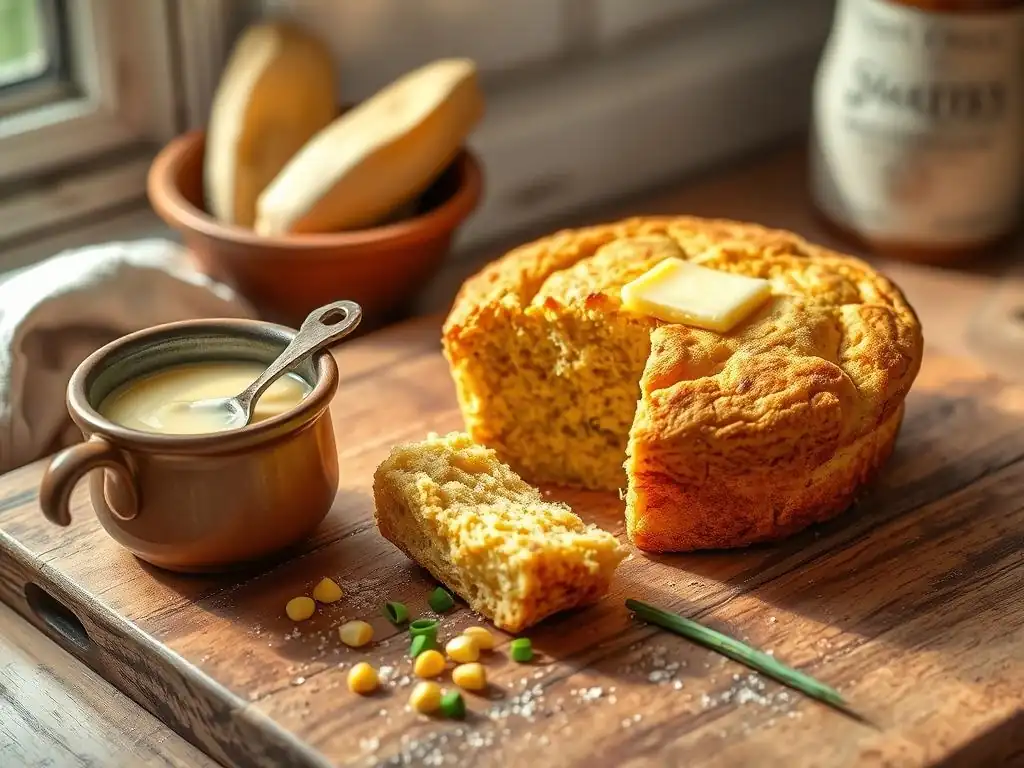
Once your delicious easy sourdough discard cornbread recipe is baked, the best part begins: enjoying it! Cornbread is incredibly versatile and can be served in numerous ways, whether as a side dish, a base for a meal, or simply enjoyed on its own. Proper storage is also key if you have any leftovers (which is a big "if"! ).
Knowing how to store your cornbread correctly will help maintain its moisture and flavor for as long as possible. Freezing is also an excellent option if you've baked a large batch or want to save some for later enjoyment.
Serving Suggestions: Pairings and Presentation
Warm easy sourdough discard cornbread recipe is heavenly served simply with a generous slather of butter. For a sweet touch, add honey, maple syrup, or jam. It's the perfect accompaniment to hearty dishes like chili, stews, BBQ ribs or pulled pork, and fried chicken. Crumbled cornbread can also be used as a topping for casseroles or incorporated into stuffing.
For presentation, if you used a cast-iron skillet, serving it directly from the skillet keeps it warm and adds rustic charm. If using a standard pan, slice it into squares or wedges after it's cooled slightly and arrange them on a platter. Consider offering a variety of toppings like whipped honey butter, jalapeño jelly, or a sprinkle of flaky sea salt.
Storing Leftover Cornbread: Maintaining Freshness
To keep leftover easy sourdough discard cornbread recipe moist and fresh, allow it to cool completely before storing. Once cool, wrap it tightly in plastic wrap or aluminum foil, or place it in an airtight container. Storing it at room temperature is fine for 1-2 days.
For longer storage, it's best to refrigerate it. Properly stored in the refrigerator, cornbread will typically stay fresh for about 4-5 days. Reheating slices gently in a microwave for a few seconds or wrapping in foil and warming in a low oven helps restore some of its original moisture and texture.
Freezing Sourdough Discard Cornbread for Later
Freezing is a great option for preserving your easy sourdough discard cornbread recipe for longer periods, up to 2-3 months. Ensure the cornbread is completely cooled. You can freeze it as a whole piece, half pieces, or individual slices. Wrapping is key to prevent freezer burn.
Wrap the cornbread tightly in plastic wrap, then wrap again with aluminum foil, or place the plastic-wrapped pieces into a freezer-safe bag or container, pressing out as much air as possible. Label with the date. To thaw, simply place the frozen cornbread (still wrapped) on the counter at room temperature for a few hours, or overnight in the refrigerator. You can then reheat it in the oven or microwave.
Troubleshooting Your Sourdough Cornbread
Even with an easy sourdough discard cornbread recipe, baking can sometimes present challenges. Knowing how to identify common problems and having solutions ready can save your bake and help you learn for next time. Don't be discouraged if your first attempt isn't absolutely perfect; baking is a learning process!
We'll address some of the most frequent issues bakers encounter with cornbread, such as dryness and crumbliness. Understanding the likely causes behind these problems will empower you to make adjustments and achieve better results in future bakes.
Common Cornbread Problems and Solutions
One common issue is cornbread that doesn't rise properly, resulting in a dense texture. This is often due to inactive leavening agents (baking powder or baking soda could be old) or overmixing the batter, which inhibits rise. Ensure your leaveners are fresh (test a pinch of baking powder in hot water; it should fizz) and mix the batter gently, only until combined.
Another problem can be uneven baking, where the edges are done but the center is still wet. This might indicate your oven has hot spots (try rotating the pan halfway through baking) or the temperature is too high, causing the outside to cook too quickly. Using an oven thermometer can verify your oven's true temperature. Also, ensure your batter is spread evenly in the pan.
What to Do if Your Cornbread is Too Dry
If your easy sourdough discard cornbread recipe turns out dry, the most probable culprits are overbaking or insufficient fat/liquid. First, check your baking time and temperature; you might need to reduce the time or slightly lower the temperature next time. Ensure you are measuring fats and liquids accurately – using a scale helps significantly.
For the already baked dry cornbread, you can try to salvage it. Serving it warm with plenty of butter or honey can mask some dryness. It can also be repurposed in dishes like cornbread stuffing, cornbread salad, or even crumbled and used as a crispy topping for casseroles. These applications often involve adding moisture, which helps revitalize the dry bread.
Fixing a Crumbly Cornbread: Expert Tips
Crumbly cornbread is often linked to a high ratio of cornmeal to flour, insufficient binding agents (like eggs), or under-mixing (not enough to hydrate the dry ingredients). While some crumbliness is characteristic of cornbread, excessive crumbling means it lacks structure.
If your easy sourdough discard cornbread recipe is too crumbly, consider slightly increasing the amount of flour relative to cornmeal in your next batch, or ensure you've used the correct number of eggs. Make sure you mix the batter just enough to ensure all the dry ingredients are moistened – don't overmix, but also don't stop when there are still large patches of dry flour. Using buttermilk or yogurt adds acidity and protein, which can also help with binding and tenderness.
Conclusion: Enjoy Your Homemade Sourdough Cornbread
You've successfully baked a batch of delicious, tangy, and tender easy sourdough discard cornbread recipe! It's incredibly rewarding to transform that unfed discard into something so delightful. The subtle tang from the sourdough discard truly elevates this classic comfort food, giving it a unique depth of flavor you won't find in traditional recipes.
Whether you're serving it hot from the oven with a dollop of butter, using it to soak up chili, or enjoying a savory variation with cheese and jalapeños, this cornbread is a testament to the versatility of sourdough discard. We hope this guide from BakeWithEase has made the process easy and enjoyable for you.
Celebrate Your Baking Success with BakeWithEase
Congratulations on mastering this easy sourdough discard cornbread recipe! Every successful bake is a step forward in your baking journey, and we're thrilled that BakeWithEase could be a part of it. We encourage you to share your creations and experiences. Baking is more fun when shared!
We designed this recipe to be approachable and reliable, providing a delicious way to use your sourdough discard while expanding your baking skills. Keep practicing, keep experimenting, and most importantly, keep enjoying the process. There are many more delicious recipes waiting for you to explore on BakeWithEase.
Further Sourdough Discard Recipes to Explore
Now that you've seen how easy and rewarding it is to use sourdough discard in cornbread, you might be wondering what else you can make. The possibilities are vast! Your unfed starter can be used in a wide array of quick breads, pastries, and even fried goods.
Look for other discard recipes like pancakes, waffles, muffins, scones, crackers, biscuits, and even chocolate cake. Each recipe benefits from the unique flavor and texture-enhancing properties of sourdough discard. Keep your discard jar handy in the fridge, and you'll always have a secret ingredient ready to transform everyday bakes into something special. Happy baking!
Frequently Asked Questions
What exactly is sourdough discard, and can I use it right out of the fridge in this recipe?
Sourdough discard is the unfed portion of your sourdough starter. Yes, you can use it directly from the fridge in this recipe, as it contributes to the tangy flavor and doesn't need to be active.
Can I substitute regular cornmeal for the type mentioned in the "Easy Sourdough Discard Cornbread" recipe?
While you can substitute, the texture will vary. We recommend a medium-grind cornmeal for the best results, but a fine-grind cornmeal will work if that's all you have.
How does sourdough discard affect the texture and taste of cornbread?
Sourdough discard adds a subtle tanginess and a slightly moister texture to the cornbread compared to recipes without it. It also helps with browning and adds a depth of flavor.
What's the best way to store leftover "Easy Sourdough Discard Cornbread" to keep it from drying out?
Store leftover cornbread in an airtight container at room temperature for up to 3 days. Adding a piece of paper towel to the container can help absorb excess moisture and prevent sogginess.
Can I add any extra ingredients to customize the "Easy Sourdough Discard Cornbread" recipe?
Absolutely! Feel free to add ingredients like cheddar cheese, jalapeños, or corn kernels to customize the flavor profile to your liking. Just be sure to adjust the baking time if necessary, depending on the additions.
Final Reflection: The Unexpected Joy of Sourdough Discard
The humble sourdough discard, once a kitchen nuisance, has been transformed into a culinary treasure. This simple cornbread recipe proves that even the seemingly insignificant byproducts of our culinary passions can yield surprising delights. From a discarded starter to a golden-brown, tangy loaf, this recipe showcases the power of resourcefulness and the unexpected flavors that await when we embrace the unexpected.
The journey of this recipe, from initial experimentation to its final, perfected form, mirrors the evolution of sourdough baking itself – a process of patience, observation, and a willingness to adapt. The subtle tang of the sourdough, interwoven with the sweetness of the cornmeal, creates a depth of flavor that far surpasses traditional cornbread. It's a testament to the magic that happens when we embrace imperfection and find beauty in the unexpected. Waste not, want not,
a proverb often heard in kitchens across generations, rings truer than ever when considering the potential of sourdough discard.
Now, I invite you to step into your kitchen and experience the joy of transforming a discarded starter into a delicious cornbread. Don't be afraid to experiment with your own variations – add some cheese, chilies, or herbs to personalize this recipe and make it your own. The possibilities are as endless as your creativity. Embrace the unexpected, and discover the delicious rewards that await.
Unleash Your Inner Baker: Master the Art of Sourdough Discard Cornbread!
Thanks for joining us on this delicious journey into the world of sourdough discard cornbread! We hope you've gained some fantastic tips and tricks for transforming leftover sourdough starter into something truly amazing. Ready to put your new skills to the test?
- Bake a batch of this tangy treat today! Grab your ingredients and let's see that golden-brown perfection emerge from your oven. Don't forget to experiment with different add-ins!
- Share your baking success (and any delicious modifications!) on social media using #BakeWithEaseSourdough. Let's inspire others with your culinary creations!
- Explore more delicious sourdough recipes on BakeWithEase.com. We've got a whole treasure trove of recipes waiting to be discovered.
What creative ingredient will you add to your next batch of sourdough discard cornbread to elevate its flavor profile? Let us know in the comments!