
The Intermediate Baker's Guide to Choux Shapes and Fills

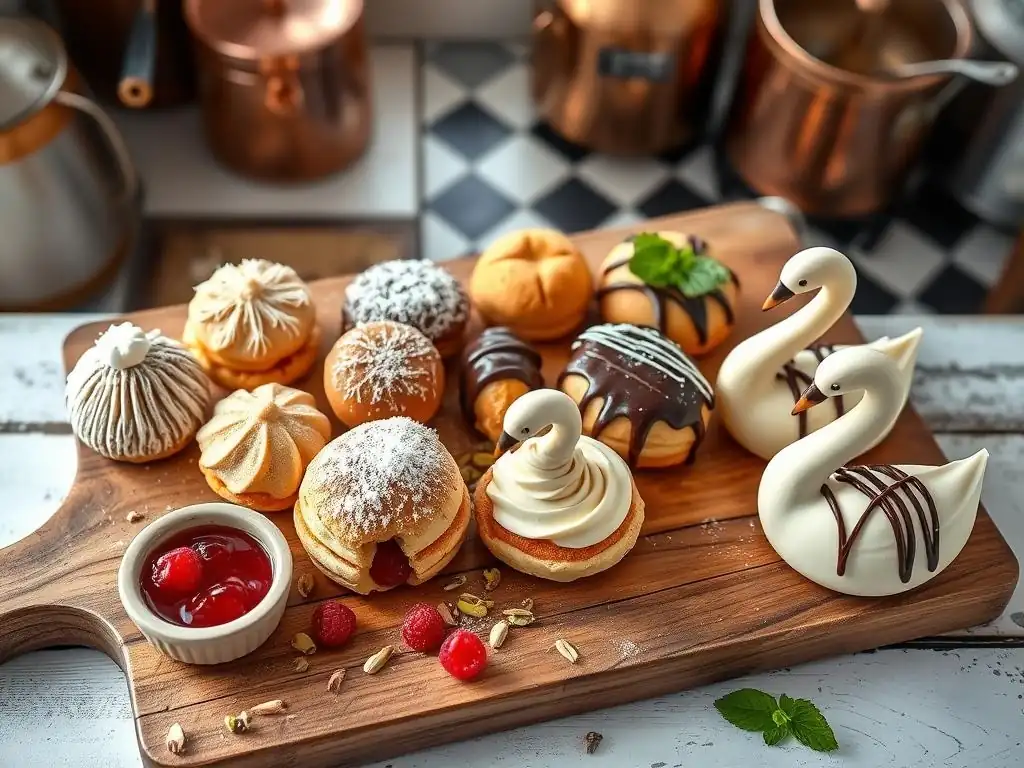
Welcome to BakeWithEase, your haven for all things baking! Ever wondered what truly elevates a simple choux shell into a masterpiece? This week, we're diving deep into the world of choux pastry filling recipes, unlocking the secrets to creating delectable treats that will impress even the most discerning palates. Get ready to move beyond the basics and explore a spectrum of flavors and textures that will transform your baking game. Are you ready to elevate your pâte à choux? Let's begin!
- Mastering Choux Pastry Shapes: A BakeWithEase Guide
- Shaping Choux: Step-by-Step Instructions for Perfect Results
- The Art of Choux Pastry Filling Recipes: Elevating Your Bakes
- Decadent Choux Pastry Filling Recipes: From Classic to Creative
- Advanced Choux Pastry Filling Techniques and Flavor Combinations
- Tips and Tricks for Professional-Looking Choux Pastry
- Beyond the Basics: Exploring Unique Choux Pastry Ideas
- BakeWithEase: Taking Your Choux Pastry Skills to the Next Level
- Frequently Asked Questions
- Final Reflection: Mastering the Art of Choux: Beyond the Puff
- Unleash Your Inner Pâtissier: Master Choux Perfection!
Mastering Choux Pastry Shapes: A BakeWithEase Guide
Introduction to Advanced Choux Pastry Techniques
Moving beyond basic choux dough requires a deeper understanding of its properties and how they respond to different shaping methods and baking conditions. At this stage, you're likely comfortable making a stable dough that rises reliably, exhibiting that characteristic hollow center essential for filling.
The next step involves manipulating this versatile dough into various forms, each requiring slightly different piping techniques and baking considerations to achieve optimal structure and visual appeal. This transition from simple puffs to more intricate shapes like éclairs, Paris-Brest, or even savory gougères is where the intermediate baker truly begins to shine, demonstrating control and precision.
Successfully executing these advanced shapes hinges on mastering piping pressure, tip control, and oven temperature management. For example, piping éclairs requires a steady, even pressure and a smooth lift-off to prevent tails, while shaping cream puffs demands uniform mounds for consistent baking. Understanding how steam generation within the dough, coupled with precise oven heat, creates the airy interior is crucial. A slightly cooler oven than for basic puffs might be needed for longer shapes like éclairs to prevent splitting before they've fully set, while the addition of cheese to gougères alters the dough's viscosity and requires careful monitoring.
Essential Tools for Shaping Choux Pastry
Having the right equipment is fundamental when shaping choux pastry for consistent and professional-looking results. A sturdy piping bag, preferably reusable silicone or durable disposable plastic, is non-negotiable. Coupled with a variety of piping tips, you gain control over the shape and size of your pastry.
For classic shapes like profiteroles or éclairs, a plain round tip is essential – a 1 cm (about 3/8 inch) tip is excellent for standard cream puffs, while a slightly larger 1.5 cm (about 1/2 inch) tip is often preferred for larger éclairs or choux buns. Star tips, like an open star tip (e.g., Ateco 826 or 827), can add decorative ridges to éclairs or create beautiful swirls for individual pastries.
Beyond piping bags and tips, parchment paper or silicone baking mats are crucial for lining baking sheets. They prevent sticking and allow the choux to release cleanly after baking. Stencils can be helpful for achieving uniform sizes and spacing, particularly for éclairs or Paris-Brest rings. A sharp knife or bench scraper is useful for smoothing the ends of piped shapes or transferring dough. For savory choux like gougères, a cheese grater and potentially a small spatula for incorporating mix-ins are necessary. Accurate oven thermometers are also vital, as precise temperature control is paramount for proper choux expansion and drying.
Shaping Choux: Step-by-Step Instructions for Perfect Results
Classic Éclairs: Shaping and Baking Techniques
Piping éclairs requires a steady hand and consistent pressure. Start by preparing your baking sheet with parchment paper or a silicone mat. If you're aiming for uniformity, you can lightly draw guidelines on the underside of the parchment paper – typical éclair length is around 10-12 cm (4-5 inches). Fit a piping bag with a 1-1.5 cm round tip and fill it with your prepared choux paste.
Hold the bag at a consistent angle, about 45 degrees, just above the baking sheet. Apply steady, even pressure, moving in a straight line. Aim for a width of about 2-2.5 cm (around 1 inch).
Once you reach the desired length, stop applying pressure, but do not lift the bag immediately. Instead, flick the bag sideways quickly to detach the dough cleanly, minimizing a 'tail'. If a tail forms, you can gently tap it down with a moistened fingertip.
Leave adequate space, about 3-4 cm (1.5 inches), between éclairs as they will expand significantly during baking. Baking typically starts at a higher temperature, around 220°C (425°F), for 10-15 minutes to encourage rapid expansion, then reduces to 180°C (350°F) for another 20-30 minutes to dry them out completely. The key is to bake them until they are deeply golden brown and feel light and hollow when lifted, then cool them on a wire rack away from drafts to prevent collapsing.
Cream Puffs (Profiteroles): Achieving Uniform Size and Shape
Creating uniform cream puffs, or profiteroles, is primarily about consistent piping technique. Prepare your baking sheet with parchment or a silicone mat. Fit a piping bag with a 1 cm (3/8 inch) round tip. Hold the bag perpendicular to the baking sheet, directly above where you want the puff to be. Apply firm, even pressure, allowing the dough to mound up into a neat circle. The size is up to you, but aiming for puffs about 3-4 cm (1.5-2 inches) in diameter before baking yields a good standard size for desserts or appetizers.
As the dough mounds, maintain pressure briefly, then stop and lift the bag straight up quickly. This should create a clean break. If a small peak remains, you can gently smooth it down with a moistened fingertip or the back of a spoon. Ensure generous spacing, at least 4-5 cm (2 inches), between puffs to allow for expansion.
Baking profiteroles often starts at a high temperature, around 200-220°C (400-425°F), for the first 10-15 minutes to maximize puff, then drops to 170-180°C (325-350°F) for another 15-25 minutes to dry them out. They should be golden brown all over and feel very light. Proper cooling on a wire rack is essential to maintain their structure.
Gougères: Adding Cheese and Herbs for Savory Delights
Gougères are savory choux puffs, typically flavored with cheese and sometimes herbs. The key difference in preparation is incorporating the flavoring ingredients after the eggs have been fully mixed into the warm choux base, but before piping.
Finely grated hard cheese, such as Gruyère, Comté, or Parmesan, works best – approximately 50-100 grams (about 1/2 to 1 cup) of cheese per standard batch of choux dough (made with around 150ml water/milk and 80g flour) provides a noticeable flavor without making the dough too stiff. Freshly ground black pepper and finely chopped herbs like chives or thyme can also be folded in at this stage.
Shaping gougères is similar to shaping sweet cream puffs. Use a piping bag fitted with a round tip (1-1.5 cm) or simply use two spoons to drop rounded mounds onto a prepared baking sheet. Aim for slightly smaller sizes than sweet puffs if serving as appetizers, maybe 3 cm (1.25 inches) in diameter.
Baking temperature is often similar to sweet choux, perhaps starting high at 200°C (400°F) for 10-15 minutes, then reducing to 170°C (325°F) for another 15-20 minutes until they are golden and crisp. The cheese adds richness and contributes to the browning; ensure they are thoroughly dried out to prevent them from becoming soft after cooling.
Paris-Brest: Creating the Wheel Shape
The Paris-Brest is a classic French pastry made from choux dough piped into a ring shape, sliced horizontally, and filled with praline cream. Shaping the ring requires precision. Prepare a baking sheet with parchment paper and draw a circle guideline – a diameter of about 18-20 cm (7-8 inches) is standard for a sharing-size Paris-Brest. Fit a piping bag with a large star tip (like an Ateco 829) or a large round tip (1.5-2 cm). Pipe an initial ring of choux dough following your guideline.
Next, pipe a second ring just inside the first, touching it, and then a third ring just outside the first, also touching it. This creates a sturdy, multi-layered ring that will hold its shape and provide ample space for the rich praline filling. Some bakers pipe one thick ring using a very large tip instead.
Sprinkle the top generously with sliced almonds before baking. Bake at around 200°C (400°F) for 15-20 minutes, then reduce the temperature to 170°C (325°F) for a further 20-30 minutes until it is deeply golden brown and firm. Allow it to cool completely before slicing and filling.
The Art of Choux Pastry Filling Recipes: Elevating Your Bakes
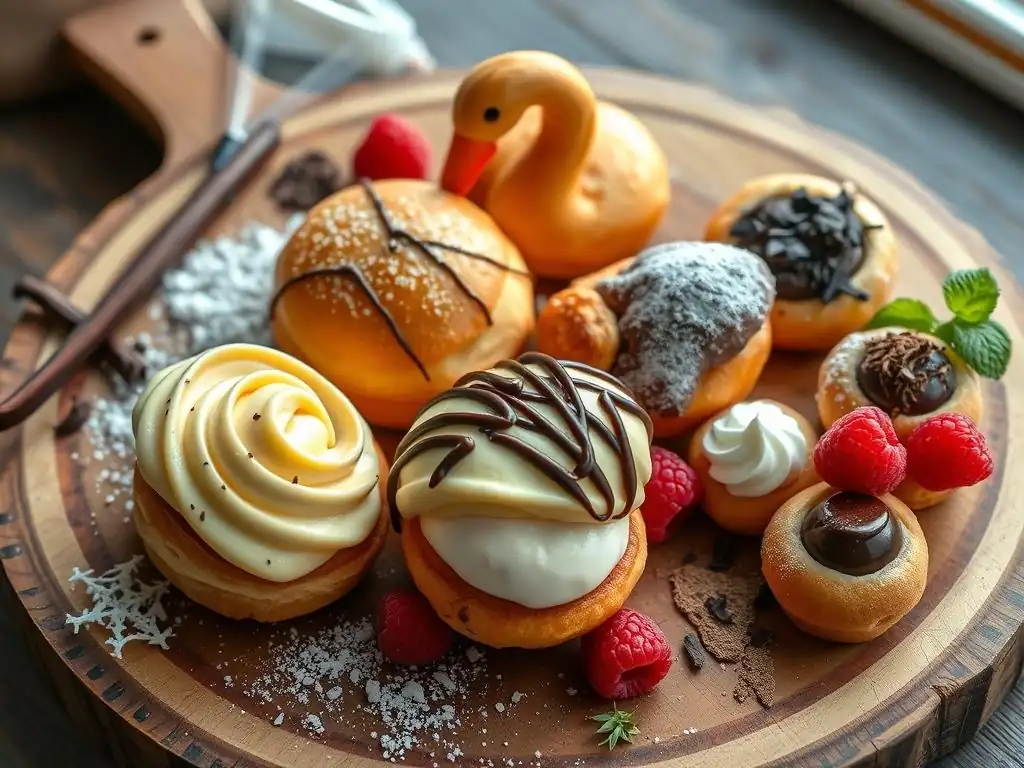
One of the most exciting aspects of working with choux pastry is the incredible variety of choux pastry filling recipes available. The hollow interior of a perfectly baked choux puff or éclair is a blank canvas, ready to be filled with anything from classic creams to innovative savory mixtures. Mastering the art of choux pastry filling recipes involves understanding the texture, stability, and flavor profile needed to complement the delicate, airy shell. A good filling should be smooth enough to pipe easily but firm enough to hold its shape within the pastry.
Choosing the right choux pastry filling recipes depends entirely on the intended use of the pastry. For classic desserts like profiteroles or éclairs, rich, smooth creams are traditional. Savory choux, like gougères, might be served plain, or filled with cheese, vegetable, or meat mixtures, transforming them into elegant appetizers. The balance between the crisp, slightly eggy pastry and the smooth, flavorful filling is key to creating a memorable bite. Exploring different choux pastry filling recipes allows you to customize your creations for any occasion or taste preference.
Understanding Different Types of Choux Pastry Fillings
Choux pastry fillings broadly fall into several categories, each with distinct characteristics. Cream-based fillings are perhaps the most common for sweet applications, offering a range of textures from light and airy to rich and decadent. Fruit-based fillings provide brightness and tang, cutting through the richness of the pastry and cream. Savory fillings open up possibilities for appetizers, snacks, or even light meals.
- Cream-Based: These include classic pastry cream (crème pâtissière), lightened Chantilly cream (sweetened whipped cream), and Diplomat cream (pastry cream folded with Chantilly cream). They are smooth, often sweet, and provide a luxurious mouthfeel.
- Fruit-Based: Compotes (slow-cooked fruit), curds (like lemon or passion fruit curd), and fruit mousses offer vibrant flavors and sometimes a slightly tart contrast. They can be used alone or combined with creams.
- Savory: Options range from simple cheese sauces to complex fillings incorporating vegetables, meats, or seafood bound in a creamy sauce or mixture.
Cream-Based Fillings: Pastry Cream, Chantilly Cream, Diplomat Cream
Pastry cream, or crème pâtissière, is a foundational choux pastry filling recipe. It's a thick, cooked custard made from milk, sugar, egg yolks, and a thickener like cornstarch or flour. A standard recipe using 500ml (about 2 cups) milk and 6-8 egg yolks can yield enough pastry cream to fill roughly 25-30 standard éclairs or 40-50 profiteroles. Its richness and stability make it ideal for pastries that need to hold up for a while. Flavor variations are endless: vanilla bean is classic, but chocolate, coffee, or citrus zest can be infused into the milk.
Chantilly cream is simply sweetened whipped heavy cream, often flavored with vanilla. It's much lighter and airier than pastry cream, making it perfect for fillings where you want a delicate texture, such as inside profiteroles served with chocolate sauce. Whipping 250ml (about 1 cup) of cold heavy cream with 20-30g (2-3 tablespoons) of powdered sugar and a splash of vanilla extract yields enough Chantilly cream to fill about 15-20 profiteroles.
Because it's less stable than pastry cream, it's best added closer to serving time. Diplomat cream (or crème légère) combines the best of both worlds: cooled pastry cream is lightened by folding in Chantilly cream, resulting in a filling that is richer than plain whipped cream but lighter than pastry cream, offering excellent pipeability and a delightful texture.
Fruit-Based Fillings: Compotes, Curds, and Mousses
Fruit compotes are simple cooked fruit sauces that can add moisture and intense flavor to choux pastry. A basic berry compote might involve simmering 200g (about 1.5 cups) of mixed berries with 50g (1/4 cup) of sugar and a squeeze of lemon juice until thickened, yielding enough to fill a dozen or so pastries or serve as a side. They work well spooned into larger choux buns or as a layer beneath a cream filling.
Lemon curd, or other citrus curds, offer a vibrant, tangy contrast to the richness of choux. Made from citrus juice, sugar, eggs, and butter, curd is cooked until thick. A recipe using the juice of 3-4 lemons can yield about 200-250ml (around 1 cup) of curd, enough for a layer in 15-20 éclairs or tarts. Curds are often used in combination with meringue or cream for balance. Fruit mousses, lighter and aerated, can also fill choux pastry, providing a delicate, fruity flavor. These are typically made from fruit puree folded into whipped cream or meringue, sometimes stabilized with gelatin.
Savory Fillings: Cheese, Ham, and Vegetable Options
Savory choux pastry filling recipes transform gougères or larger choux buns into delightful appetizers or snacks. Simple fillings can include a quick cheese sauce, perhaps a Mornay sauce (Béchamel with cheese), which is creamy and pairs wonderfully with the cheesy choux shell. A batch of Mornay made with 30g butter, 30g flour, 300ml milk, and 50g grated cheese could fill a couple dozen small gougères or a few larger choux buns.
More substantial savory choux pastry filling recipes might involve finely diced cooked ham, mushrooms, or other vegetables bound together with a little Béchamel sauce, cream cheese, or even a flavored mayonnaise. Consider a filling of sautéed mushrooms and spinach mixed with herbed cream cheese, or flaked smoked salmon mixed with dill and crème fraîche. These fillings should be relatively thick to prevent them from making the choux soggy. They offer a fantastic counterpoint to sweet choux and are excellent for entertaining.
Decadent Choux Pastry Filling Recipes: From Classic to Creative
Let's dive into some specific, popular choux pastry filling recipes that are essential for any intermediate baker's repertoire. These recipes serve as fantastic starting points for classic pastries and can be adapted with variations. Mastering these core fillings provides the foundation for countless choux creations, ensuring your pastries are as delicious inside as they are beautiful outside.
Classic Vanilla Pastry Cream: A Foundation for Choux
This classic choux pastry filling recipe is a cornerstone. To make about 500ml (enough for roughly 25 éclairs): Heat 500ml milk with a vanilla bean (split and scraped) or 1 tsp vanilla extract until just simmering. In a separate bowl, whisk 6-8 egg yolks with 100g sugar until pale. Whisk in 40g cornstarch (or 50g flour).
Temper the egg mixture by gradually whisking in about half of the hot milk. Pour the tempered mixture back into the remaining milk in the saucepan. Cook over medium heat, whisking constantly, until the mixture thickens considerably and boils for 1-2 minutes (this activates the starch).
Remove from heat, whisk in 30g butter for richness and shine, and remove the vanilla bean. Pass the cream through a fine-mesh sieve for ultimate smoothness. Pour into a clean container, cover the surface directly with plastic wrap to prevent a skin from forming, and chill thoroughly for at least 4 hours, or preferably overnight, until firm. This robust filling is perfect for éclairs, cream puffs, or as a base for other creams.
Rich Chocolate Pastry Cream: A Baker's Favorite
Chocolate pastry cream is a beloved variation of the classic choux pastry filling recipe. Start with the classic vanilla pastry cream recipe, but after whisking in the butter and removing the vanilla bean, add 100-150g of finely chopped dark or milk chocolate (depending on desired richness). Stir until the chocolate is completely melted and the cream is smooth and glossy. Using chocolate with a cocoa content of 60-70% provides a good balance of sweetness and intensity.
If using milk chocolate, you might reduce the initial sugar slightly. Chill the chocolate pastry cream exactly as you would the vanilla version, covering the surface directly with plastic wrap. Once fully chilled and firm, whisk it briefly to loosen before piping. This rich, smooth filling is iconic in chocolate éclairs and can also be used in profiteroles or other choux shapes for a decadent treat.
Light and Airy Chantilly Cream: Perfect for Profiteroles
Chantilly cream is a simple yet elegant choux pastry filling recipe, offering a lighter alternative to pastry cream. To make about 500ml (enough for 15-20 profiteroles): Ensure you have 250ml of very cold heavy cream (at least 35% fat). Pour the cream into a chilled bowl. Begin whisking with an electric mixer on medium speed or by hand. As the cream starts to thicken, gradually add 20-30g of powdered sugar and 1 tsp of vanilla extract.
Continue whisking until soft peaks form – the cream should hold its shape but the tips will curl over. Be careful not to over-whisk, or you'll get butter! Use immediately for best results, as it can lose its airiness over time. Chantilly cream is traditionally used to fill profiteroles, often served with warm chocolate sauce poured over, allowing the light cream to mingle deliciously with the rich sauce inside the crisp pastry.
Zesty Lemon Curd: A Refreshing Filling Option
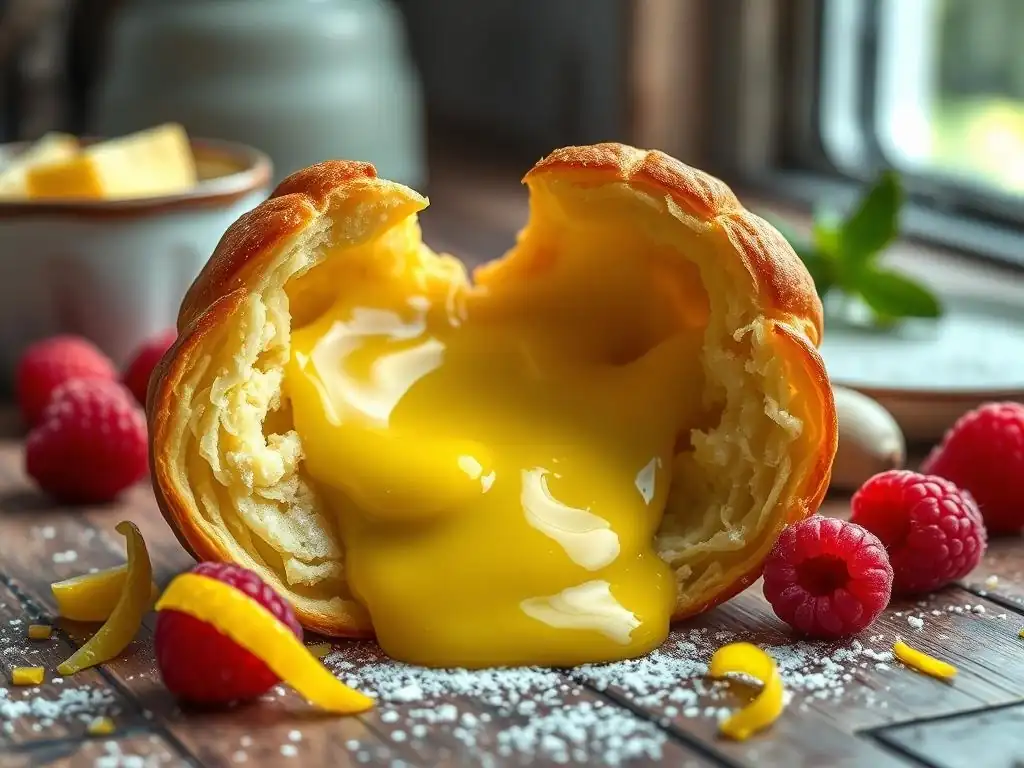
Lemon curd provides a bright, tangy contrast often sought in choux pastry filling recipes. To make about 250ml (enough for a layer in 15-20 pastries): Whisk together 3 large egg yolks and 1 whole egg with 100g sugar in a heatproof bowl. Whisk in the zest and juice of 3-4 lemons (about 100-120ml juice). Add 60g unsalted butter, cut into cubes.
Place the bowl over a saucepan of simmering water (bain-marie), ensuring the bottom of the bowl doesn't touch the water. Cook, stirring constantly with a whisk or spatula, until the curd thickens enough to coat the back of a spoon (reaching about 80-82°C or 175-180°F). This usually takes 10-15 minutes. Remove from heat, pass through a sieve for smoothness, and cool completely, covering the surface with plastic wrap. Lemon curd is excellent on its own in choux or combined with pastry cream or meringue.
Coffee Pastry Cream: An Aromatic Delight
Coffee pastry cream is a sophisticated twist on the classic choux pastry filling recipe, perfect for coffee lovers. You can achieve the coffee flavor in a couple of ways. The simplest is to dissolve 1-2 tablespoons of instant espresso powder or very strong instant coffee into the milk as it heats in the classic pastry cream recipe. Adjust the amount to your desired intensity.
Alternatively, for a richer flavor, infuse coffee beans into the milk. Gently heat 500ml milk with 20-30g of lightly crushed coffee beans (like espresso beans) until just simmering. Remove from heat, cover, and let steep for 15-20 minutes. Strain the milk to remove the beans, reheat it, and proceed with the classic pastry cream recipe using this coffee-infused milk. Chill thoroughly before using. This aromatic choux pastry filling recipe pairs beautifully with a chocolate glaze or a dusting of cocoa powder.
Advanced Choux Pastry Filling Techniques and Flavor Combinations
Taking your choux pastry skills further involves exploring more complex choux pastry filling recipes and techniques. This could mean incorporating alcohol for depth of flavor, layering different fillings for textural contrast, or focusing on achieving the perfect consistency for specific applications. These advanced approaches allow you to create truly unique and memorable pastries that go beyond the standard café offerings.
Incorporating Alcohol into Choux Pastry Fillings
Adding alcohol can elevate the flavor profile of many choux pastry filling recipes. Liqueurs like Grand Marnier (orange), Frangelico (hazelnut), or rum pair wonderfully with chocolate or coffee-based fillings. A splash of Kirsch is classic with cherry fillings. When incorporating alcohol, add it after the cream or curd has been cooked and cooled slightly, or just before chilling, depending on the recipe. Adding it during cooking can cause some flavor to evaporate.
For creams like pastry cream, you can stir in a tablespoon or two of your chosen liqueur per 500ml batch once it's off the heat and slightly cooled. For fruit compotes, a shot of complementary alcohol like rum or brandy can be stirred in at the end of cooking. The alcohol not only adds flavor but can also slightly alter the texture, sometimes making creams a touch looser, so adjust consistency if needed. Ensure the alcohol is fully incorporated for even flavor distribution.
Layering Flavors: Combining Multiple Fillings
Layering different choux pastry filling recipes within a single pastry creates exciting flavor and textural contrasts. For example, an éclair could be filled partly with a tangy fruit curd and partly with a sweet vanilla pastry cream, offering a two-part experience. A Paris-Brest might feature a base layer of praline paste followed by swirls of praline diplomat cream.
To layer effectively, you often need to pipe the fillings sequentially. For éclairs, make two small holes in the bottom of the baked shell. Pipe the first filling until it starts to show at the other hole, then switch piping bags and pipe the second filling. For larger buns or rings, you can slice them open and spread or pipe layers. Consider complementary flavors and textures – a rich, dense layer paired with a light, airy one, or a sweet layer contrasted with a tart one. This technique requires careful planning of your choux pastry filling recipes.
Achieving the Perfect Texture: Consistency is Key
The consistency of your choux pastry filling recipes is paramount for both ease of filling and the final eating experience. Fillings that are too thin will make the pastry soggy and leak out, while those that are too thick will be difficult to pipe and might result in an unpleasant, heavy texture. Pastry cream should be firm enough to hold its shape when piped but smooth and creamy. If it's too stiff after chilling, whisk it gently for a minute or two to loosen it.
For lighter fillings like Chantilly or Diplomat cream, ensure they are whipped to the correct peak – stiff enough to hold a swirl, but still airy. Fruit curds should be thick enough to stay put but still spoonable or pipeable. If a filling is too thin, it might need further cooking (for custards or curds) or the addition of a stabilizer like gelatin (for mousses or very light creams).
If too thick, a splash of milk or cream can sometimes loosen it, but be cautious not to compromise the structure. Proper chilling is also key; most creams and curds thicken significantly as they cool.
Tips and Tricks for Professional-Looking Choux Pastry
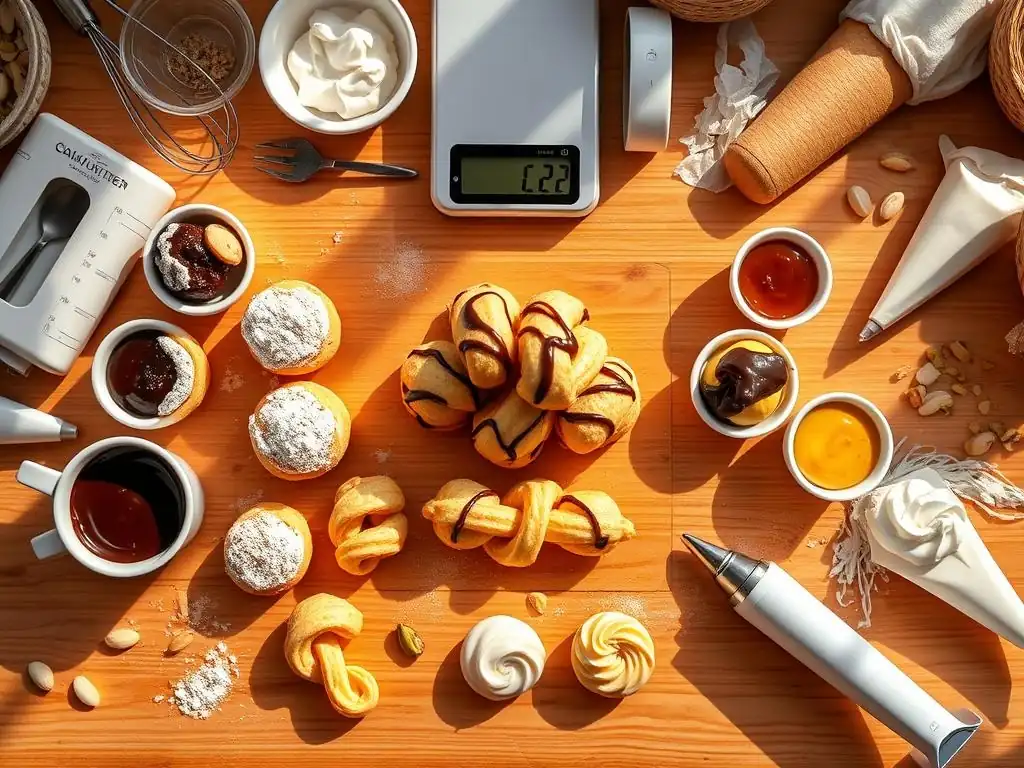
Achieving a professional finish with your choux pastry involves more than just baking and filling. Attention to detail in piping, filling, and finishing makes a significant difference. These tips, gathered from experience, can help you elevate your choux game and troubleshoot common issues.
Avoiding Common Mistakes When Filling Choux
One frequent mistake is filling choux pastry while it's still warm. Always ensure your shells are completely cooled before adding any choux pastry filling recipes. Warm shells will cause fillings, especially creams, to melt and make the pastry soggy. Another common issue is overfilling, which can cause the pastry to burst or the filling to ooze excessively. Fill until you feel slight resistance or see the filling just starting to emerge from the entry point.
Using the wrong consistency of filling is also problematic – too thin leads to leaks, too thick is hard to pipe. Ensure your choux pastry filling recipes are the correct texture. Finally, make sure you have adequate holes for filling. For éclairs, two small holes on the bottom are standard, allowing you to pipe from one end until the filling emerges from the other, ensuring the entire cavity is filled evenly. For round puffs, one hole in the bottom or side is usually sufficient.
Storing and Serving Choux Pastry
Unfilled choux pastry shells can be stored remarkably well. Once baked and fully cooled, they can be kept in an airtight container at room temperature for 1-2 days, or frozen for up to a month. To refresh frozen shells, bake them directly from the freezer at 180°C (350°F) for 5-8 minutes until crisp again. This is a great way to prepare ahead!
Filled choux pastry, however, is best enjoyed relatively soon after filling, especially if using delicate choux pastry filling recipes like Chantilly cream. Pastries filled with pastry cream or curd can usually be stored in the refrigerator for 1-2 days, though the pastry will gradually soften. Savory filled choux should also be refrigerated and are best consumed within 1-2 days. Always store filled pastries in a single layer in an airtight container to prevent them from getting crushed or drying out.
Troubleshooting Common Choux Pastry Issues
- Choux collapses after baking: Often due to under-baking or opening the oven door too early. Ensure pastries are deeply golden brown and feel light and hollow before removing. Resist the urge to open the oven door for the first 20-25 minutes.
- Pastry is flat and doesn't rise: The dough might not have been cooked enough on the stovetop (needs to form a skin and pull away from the sides), or the eggs were added when the dough was too hot (scrambling them), or not enough eggs were added.
- Pastry splits excessively: Could be due to oven temperature being too high initially, causing the outside to set before the inside expands, or piping the dough too thickly.
- Filling leaks out: The choux pastry filling recipes might be too thin, or the entry holes were too large, or the pastry wasn't fully cooled.
Beyond the Basics: Exploring Unique Choux Pastry Ideas
Once you've mastered the classic shapes and a few core choux pastry filling recipes, you can start experimenting with more creative applications. Choux dough's versatility lends itself to a surprising range of uses, from elegant appetizers to showstopping centerpieces.
Savory Choux Pastry Appetizers for Entertaining
Beyond simple gougères, choux can form the base for sophisticated savory appetizers. Pipe mini choux puffs and fill them with smoked salmon mousse, chicken liver pâté, or goat cheese and roasted red pepper filling. Larger choux buns can be sliced and filled like sliders with savory choux pastry filling recipes such as pulled pork with BBQ sauce, or a curried chicken salad.
You can also incorporate flavorings directly into the dough beyond cheese, such as black pepper, paprika, or dried herbs, before piping. Consider piping small rings or shapes and topping them with cheese and bacon bits before baking for mini savory bites. These savory variations are perfect for parties and demonstrate a clever use of classic baking techniques in a non-traditional way.
Choux Pastry Desserts for Special Occasions
Choux pastry is the foundation for many iconic French desserts perfect for celebrating. The classic Croquembouche (discussed next) is a prime example. Individual éclairs can be dressed up with elaborate glazes, edible decorations, or multiple choux pastry filling recipes layered inside. Paris-Brest, while a classic, can be elevated with different nut praline creams or additions like caramelized nuts.
Consider making larger choux buns filled with ice cream and served with warm sauce (Profiteroles! ), or using choux dough to create the topping for a baked dessert like a Gateau Saint-Honoré, which features a base of puff pastry topped with cream puffs dipped in caramelized sugar and filled with crème Chiboust (pastry cream lightened with meringue). The potential for impressive dessert creations is vast.
Croquembouche: The Tower of Cream Puffs
The Croquembouche is perhaps the most ambitious choux pastry creation – a conical tower of cream puffs (often filled with pastry cream or crème diplomat) held together with threads of caramel or nougatine, and often decorated with spun sugar, sugared almonds, or edible flowers. Building a Croquembouche requires baking a large number of uniformly sized profiteroles and preparing a stable choux pastry filling recipe.
The assembly is a test of patience. Each filled puff is dipped in caramel and quickly attached to a cone-shaped mold or built freehand. The caramel sets rapidly, acting as the "glue." This impressive structure is a traditional centerpiece for French weddings, baptisms, and other significant celebrations. It's a challenging but rewarding project that truly showcases advanced choux skills and mastery of both baking and confectionery techniques.
BakeWithEase: Taking Your Choux Pastry Skills to the Next Level
At BakeWithEase, we believe that mastering techniques like shaping and filling choux pastry is key to expanding your baking repertoire. Moving beyond basic choux dough allows you to create a stunning array of pastries, from elegant éclairs to delightful gougères. Exploring different choux pastry filling recipes unlocks a world of flavor possibilities, from classic creams to innovative savory options.
We encourage you to practice piping different shapes, experiment with various choux pastry filling recipes, and pay close attention to baking temperatures and times. Don't be discouraged by imperfect results initially – choux pastry can be finicky, but practice makes perfect. With patience and dedication, you'll soon be creating beautiful, delicious choux pastries that impress everyone. Keep exploring, keep baking, and enjoy the sweet (or savory!) rewards of mastering choux.
Frequently Asked Questions
What are the most common shapes for choux pastry?
Choux pastry can be piped or shaped into various forms. Popular shapes include eclairs (oblong), profiteroles (round), and gougeres (cheese puffs). The shape often dictates the filling used.
Can I use any filling in choux pastry?
While you can technically use any filling, some work better than others. Consider the texture and moisture content of the filling. Avoid overly wet fillings that can make the pastry soggy.
Where can I find easy-to-follow choux pastry filling recipes?
BakeWithEase.com is an excellent resource for simple and detailed recipes. They offer step-by-step guides and easy-to-find ingredients, perfect for mastering choux pastry fillings.
What are some popular choux pastry filling flavors?
Classic choux pastry fillings include vanilla cream, chocolate pastry cream, and fruit-based fillings. Savory options can include cheese spreads or herb-infused creams.
How do I prevent my choux pastry from becoming soggy after filling?
To prevent sogginess, fill the pastry just before serving. You can also use a slightly thicker filling to minimize moisture absorption. Storing filled pastries in the refrigerator can also contribute to sogginess over time.
Final Reflection: Mastering the Art of Choux: Beyond the Puff
The delicate art of choux pastry, once perceived as intimidating, is now within reach for the intermediate baker. This guide has demystified the process, revealing that achieving perfectly puffed shells is only half the battle. The true magic lies in the creative exploration of fillings, transforming simple choux into exquisite culinary masterpieces.
The journey through various choux shapes and fillings has been a personal revelation, highlighting the incredible versatility of this classic pastry. It's not just about the technical skill; it's about the joy of experimentation and the satisfaction of creating something beautiful and delicious. The best things in life are simple, but not easy.
This quote perfectly encapsulates the choux pastry experience – seemingly simple in concept, yet rewarding in its execution and the endless possibilities it offers.
Now, it's your turn to embark on this delicious adventure. Don't be afraid to experiment with flavors and textures, to push the boundaries of what you think is possible. Try that unusual fruit compote you've been eyeing, or that bold chocolate ganache you've always wanted to perfect. The world of choux pastry fillings is your oyster – dive in, get creative, and savor the sweet rewards of your culinary exploration.
Unleash Your Inner Pâtissier: Master Choux Perfection!
Thanks for diving into the world of choux pastry with us! We hope you've gained the confidence to create stunning and delicious treats. Ready to take your skills to the next level?
- Craft your masterpiece: Put your newfound choux knowledge into action! Try creating your own unique choux shape – maybe a whimsical animal or a geometric design. The possibilities are endless!
- Share your creations: Show off your choux creations on social media using #BakeWithEaseChoux – we'd love to see your beautiful bakes!
- Explore advanced fillings: Experiment with different fillings beyond the classic cream and pastry cream. Consider unique flavour combinations to surprise and delight your tastebuds.
Ready to impress your friends and family with your choux expertise? What innovative choux creation will you tackle first?