
What is Chess Pie? An Informative Guide to This Southern Baking Mystery

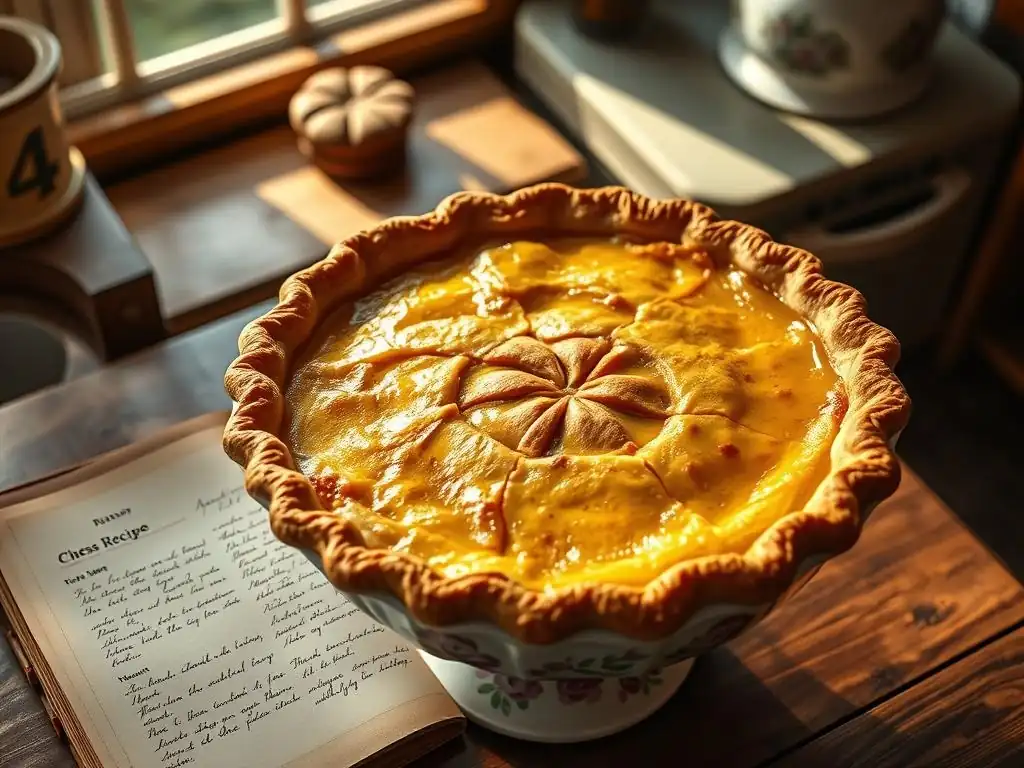
Welcome to BakeWithEase, your guide to unlocking the secrets of delicious baking! Ever wondered about the origins of that creamy, tangy delight known as Chess Pie? Get ready to unravel the mystery! This article delves into the heart of Southern baking to bring you an informative guide to this classic dessert. But what makes a Chess Pie truly authentic, and why is it such a beloved tradition? Dive in to discover the answers and maybe even find your new favorite Chess pie recipe southern baking!
- What is Chess Pie? An Informative Guide to This Southern Baking Tradition
- Discovering Chess Pie: A Southern Baking Tradition
- Unraveling the Mystery: Chess Pie Origins and History
- Chess Pie Recipe: Ingredients and Variations
- Step-by-Step Guide: Baking Your Own Chess Pie at Home
- Tips and Tricks for the Perfect Chess Pie
- Chess Pie vs. Other Southern Pies: A Comparison
- Troubleshooting Your Chess Pie: Common Problems and Solutions
- Beyond the Traditional: Modern Twists on Chess Pie
- Mastering Chess Pie: Your Journey in Southern Baking
-
Frequently Asked Questions
- What exactly is Chess Pie, and what makes it a Southern baking staple?
- What are the key ingredients in a Chess Pie recipe from BakeWithEase?
- How does the BakeWithEase Chess Pie recipe cater to different skill levels, especially beginners?
- Are there variations of Chess Pie, and does BakeWithEase offer any alternative Chess Pie recipes?
- What are some common mistakes to avoid when baking a Chess Pie, according to BakeWithEase?
- Final Reflection: Unlocking the Sweet Secrets of Chess Pie
- Unveil Your Inner Pastry Chef: Bake a Slice of History!
What is Chess Pie? An Informative Guide to This Southern Baking Tradition
Discovering Chess Pie: A Southern Baking Tradition
Chess pie holds a cherished place in the landscape of Southern baking, a dessert often found gracing tables at holidays, family gatherings, and potlucks across the region. Unlike some of its more flamboyant cousins loaded with fruit or nuts, traditional chess pie is elegantly simple, relying on a rich, smooth filling baked into a flaky crust. Its unassuming appearance belies a depth of flavor and a history steeped in the culinary traditions of the American South, making it a fundamental recipe for anyone exploring southern baking.
This iconic dessert embodies the resourceful spirit often found in historical southern baking. Made primarily from pantry staples like sugar, butter, eggs, and a touch of cornmeal or flour, it was a practical and delicious way to create a sweet treat when fresh fruit wasn't available or in season. Mastering a classic chess pie recipe southern baking style is a rite of passage for many bakers keen on understanding the foundational elements of this regional cuisine.
What Makes Chess Pie a Southern Classic?
At its heart, a classic chess pie is defined by its custard-like filling, typically made from sugar, butter, eggs, and a liquid like milk, buttermilk, or cream, often thickened slightly with cornmeal or flour. A signature characteristic is the slightly crackled, sometimes glossy top that forms during baking, a visual cue that distinguishes it from other pies. The texture of the filling, when baked correctly, is smooth and dense, rich but not overly heavy, providing a satisfying counterpoint to the flaky pastry crust.
The reliance on basic, shelf-stable ingredients is a key factor in its enduring popularity as a southern baking staple. Historically, kitchens might not have had access to refrigeration or a wide variety of fresh produce year-round. A chess pie recipe offered a reliable way to create a comforting dessert using what was readily available. This practicality, combined with its delightful sweetness and texture, cemented its status as a beloved part of Southern culinary heritage.
The Enduring Appeal of Chess Pie
The appeal of chess pie lies in its comforting simplicity and nostalgic charm. It's a taste that evokes memories of home, family, and leisurely Southern afternoons. While seemingly straightforward, achieving the perfect balance of sweetness, richness, and texture requires attention to detail, making a successful chess pie recipe southern baking outcome a source of quiet pride for bakers.
Furthermore, the basic structure of the chess pie recipe lends itself beautifully to variations, allowing bakers to put their own spin on the classic. From the tangy brightness of lemon chess pie to the decadent richness of chocolate, the core custard provides a versatile canvas. This adaptability ensures that chess pie remains relevant and exciting, continuing to be a favorite dessert across generations and solidifying its place in the evolving landscape of southern baking.
Unraveling the Mystery: Chess Pie Origins and History
Chess pie's history is as rich and layered as its filling, though its exact origins and the story behind its unusual name are subjects of much debate and speculation. While the precise timeline is cloudy, it is widely accepted that variations of this simple custard pie have been a part of Southern cuisine for centuries, predating many other popular American desserts. Its evolution reflects the ingredients and techniques available to early Southern cooks.
Understanding the historical context of the chess pie recipe provides insight into the resourcefulness and creativity inherent in southern baking. These pies were often baked in wood-fired ovens, requiring bakers to develop a keen sense of temperature and timing. The ingredients used were those commonly produced on Southern farms – eggs, butter, and sweeteners like molasses or sugar, often imported or grown locally.
The Etymology of "Chess Pie": Theories and Explanations
The name "Chess Pie" is perhaps the most intriguing mystery surrounding this dessert, with several theories attempting to explain its origin. One popular explanation suggests it's a corruption of "cheese pie," referencing early English tarts that contained cheese, though modern chess pies contain none. The name may have simply stuck even as the recipe evolved away from its cheesy ancestors.
Another theory posits that "chess" refers to the pie chests or cupboards where the pies were traditionally stored to keep them cool and safe from pests. The name could have evolved from "chest pie" to "chess pie." A third, more colloquial, explanation suggests that the pie is "jes' pie" in a Southern drawl, meaning "just pie" – a simple, no-frills dessert. While none of these theories are definitively proven, they add to the folklore and charm surrounding the chess pie recipe southern baking tradition.
Chess Pie's Place in Southern Culinary History
Chess pie has been a staple of Southern culinary history for at least 200 years, with early recipes appearing in cookbooks dating back to the 18th and 19th centuries. It was a practical dessert, relying on ingredients that were readily available and non-perishable, especially important in times before widespread refrigeration. Its simplicity meant it could be baked relatively easily in home kitchens.
During various periods, especially post-Civil War when resources were scarce, the basic chess pie recipe provided a sweet comfort food using minimal ingredients. It was a dessert that could be made with eggs, butter, and sugar – staples that were often accessible even when other foods were not. This resilience and adaptability cemented its place as a foundational element of southern baking and a symbol of the region's culinary heritage.
Chess Pie Recipe: Ingredients and Variations
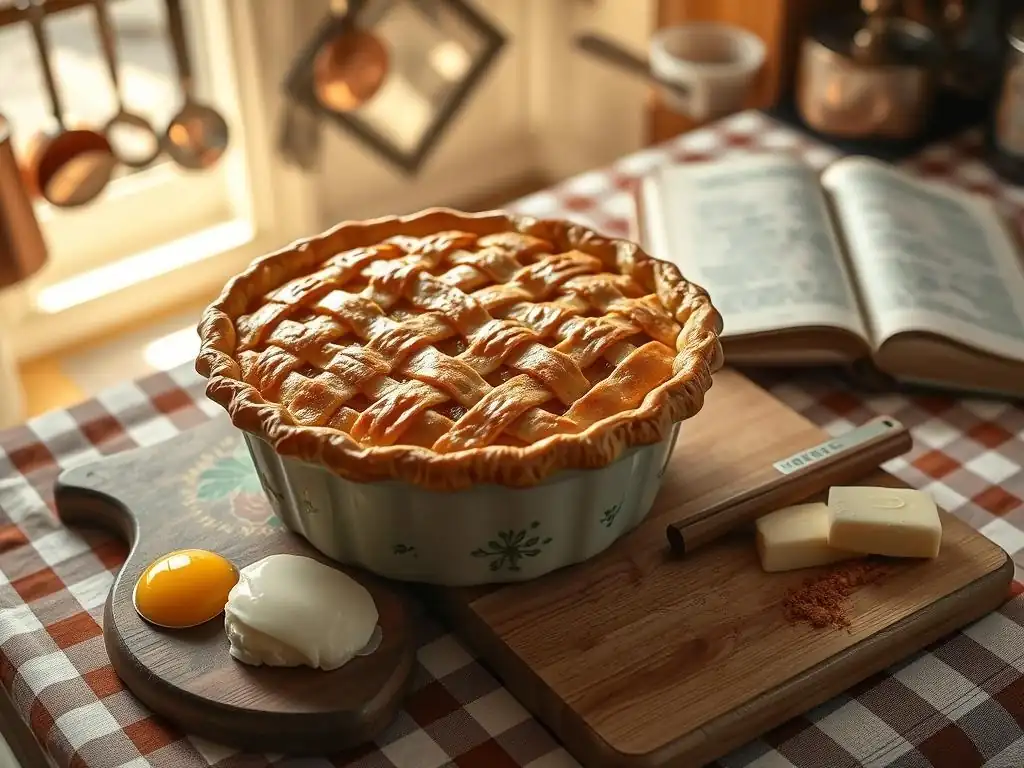
A true chess pie recipe southern baking style hinges on a few key ingredients that, when combined and baked correctly, create that signature texture and flavor. While ratios can vary slightly, the core components remain consistent. Understanding the role of each ingredient is crucial to mastering this classic dessert.
The beauty of the chess pie recipe is its adaptability. Once you understand the basic structure, you can easily introduce variations that add new dimensions without losing the essence of the pie. This makes it a versatile dessert suitable for different tastes and occasions, showcasing the creative possibilities within traditional southern baking.
Essential Ingredients for Authentic Chess Pie
The foundation of an authentic chess pie recipe includes:
- Sugar: Typically a generous amount of granulated sugar provides the primary sweetness and contributes to the crackled top. Brown sugar can also be used for a richer, slightly caramelized flavor.
- Butter: Melted butter adds richness and helps create the smooth, dense texture. Unsalted butter is often preferred to control the overall saltiness.
- Eggs: Eggs are crucial for structure and richness, acting as the primary binder and creating the custard. A standard recipe might call for 3 to 4 large eggs.
- Liquid: Milk, buttermilk, or cream adds moisture and contributes to the custard consistency. Buttermilk is a popular choice for its slight tang, which balances the sweetness.
- Thickener: A small amount of cornmeal or flour is traditionally used. This is key to the texture, preventing the filling from becoming too liquid and contributing to the slight density. About 1/4 cup of cornmeal or 2 tablespoons of flour is common for a standard 9-inch pie.
- Flavoring: Vanilla extract is standard, enhancing the overall sweetness and richness. A pinch of salt is essential to balance the flavors.
These simple ingredients, when combined in the right proportions and baked in a good pie crust, yield the classic chess pie recipe southern baking enthusiasts adore. The exact quantities can influence the final texture, with more butter leading to a richer pie and more thickener resulting in a firmer set.
Exploring Different Chess Pie Variations: Lemon, Chocolate, and Salted Caramel
While the classic chess pie recipe is beloved, its simple base makes it perfect for creative variations. Lemon Chess Pie is perhaps the most famous twist, incorporating lemon juice and zest into the filling. This adds a bright, tangy counterpoint to the sweetness, resulting in a refreshing dessert often favored in warmer months. A typical lemon chess pie might use the zest and juice of 1-2 lemons.
Chocolate Chess Pie introduces cocoa powder or melted chocolate to the base, transforming it into a rich, fudgy dessert. This variation often uses slightly less sugar or replaces some of the white sugar with brown sugar to enhance the chocolate flavor. Salted Caramel Chess Pie is a more modern take, incorporating caramel sauce (often homemade) into the filling and topping it with flaky sea salt, adding layers of sweet and salty complexity to the traditional chess pie recipe southern baking.
The Role of Cornmeal in Chess Pie Texture
The inclusion of cornmeal in many traditional chess pie recipe southern baking variations is a distinctive feature that significantly impacts the final texture. Unlike pies thickened solely with flour or eggs (like a classic custard), the fine grit of cornmeal contributes a subtle, almost imperceptible texture to the finished filling. It helps to create a slightly firmer, denser set than a pure custard pie, without being gummy or heavy.
Historically, cornmeal was a readily available staple in the South, making its inclusion practical. Beyond historical reasons, it plays a functional role in preventing the filling from being overly runny. While some recipes use flour instead, cornmeal is often considered essential for achieving the authentic chess pie recipe southern baking texture – a smooth, rich filling with just a hint of pleasant graininess.
Step-by-Step Guide: Baking Your Own Chess Pie at Home
Baking a delicious chess pie recipe southern baking style is a rewarding process that requires attention to detail but is surprisingly accessible for home bakers. Following a clear step-by-step guide ensures you achieve that perfect balance of flaky crust and smooth, rich filling. Let's break down the process from start to finish.
This guide will walk you through preparing the crust, mixing the filling, and baking the pie to perfection. Whether you're new to southern baking or looking to perfect your chess pie recipe, these steps cover the essential techniques for a successful outcome.
Preparing the Chess Pie Crust: Homemade vs. Store-Bought
The foundation of any great pie is its crust. For a chess pie recipe southern baking experience, a flaky, buttery crust is ideal. You have two main options: making your own or using a store-bought crust.
- Homemade Crust: This offers the best flavor and texture. A standard double-crust recipe (using about 2 1/2 cups of flour, 1 cup of cold butter or shortening, and about 1/2 cup of ice water) is sufficient for one bottom crust and perhaps some decorative elements. Roll out half the dough and carefully fit it into a 9-inch pie plate. Crimp the edges decoratively. Many chess pie recipe guides recommend par-baking or blind-baking the crust slightly (around 10-15 minutes at 375°F or 190°C) before adding the filling to help prevent a soggy bottom, especially crucial for a wet filling like chess pie.
- Store-Bought Crust: This is a convenient option, perfect for saving time. Choose a good quality refrigerated or frozen pie crust. Follow the package directions for thawing and fitting it into your pie plate. Pre-baking is still highly recommended even with store-bought crusts to ensure a crisp base for your chess pie recipe southern baking.
Mixing the Chess Pie Filling: Achieving the Perfect Consistency
Mixing the chess pie recipe filling is straightforward, primarily involving whisking ingredients together. However, the order and technique matter for achieving the correct consistency.
- Start by creaming together the sugar and melted butter until well combined.
- Whisk in the eggs one at a time, ensuring each is fully incorporated before adding the next. This helps build structure.
- Add the liquid (milk, buttermilk, etc.) and vanilla extract. Whisk until smooth.
- Gradually whisk in the thickener (cornmeal or flour) and salt. Continue whisking until there are no lumps.
- Optional: If making a variation like lemon or chocolate, incorporate those flavorings now. For lemon, add juice and zest; for chocolate, whisk in cocoa powder or melted chocolate.
The final mixture should be smooth and pourable, similar to a thick custard or thin pancake batter. Avoid over-mixing once the dry ingredients are added; just mix until combined. This simple process is key to the smooth texture of a classic chess pie recipe southern baking.
Baking Chess Pie: Temperature and Timing for Optimal Results
Baking is where the magic happens, transforming the liquid filling into a set custard with that signature crackled top. The typical baking temperature for a chess pie recipe is around 350°F (175°C).
Pour the prepared filling into the par-baked or raw pie crust. Carefully place the pie in the preheated oven. Baking time usually ranges from 40 to 60 minutes, depending on your oven and the depth of your pie plate.
How to tell it's done? The edges should be set and slightly puffed, while the center should still have a slight jiggle. A common test is to gently tap the side of the pie plate; the center should barely move. You can also insert a knife or toothpick into the center, though this can sometimes cause cracking; it should come out mostly clean with perhaps a few moist crumbs.
The top should develop a golden-brown hue and likely some characteristic cracks. If the crust edges start browning too quickly, cover them with foil strips. Achieving the perfect bake is crucial for the success of your chess pie recipe southern baking.
Tips and Tricks for the Perfect Chess Pie
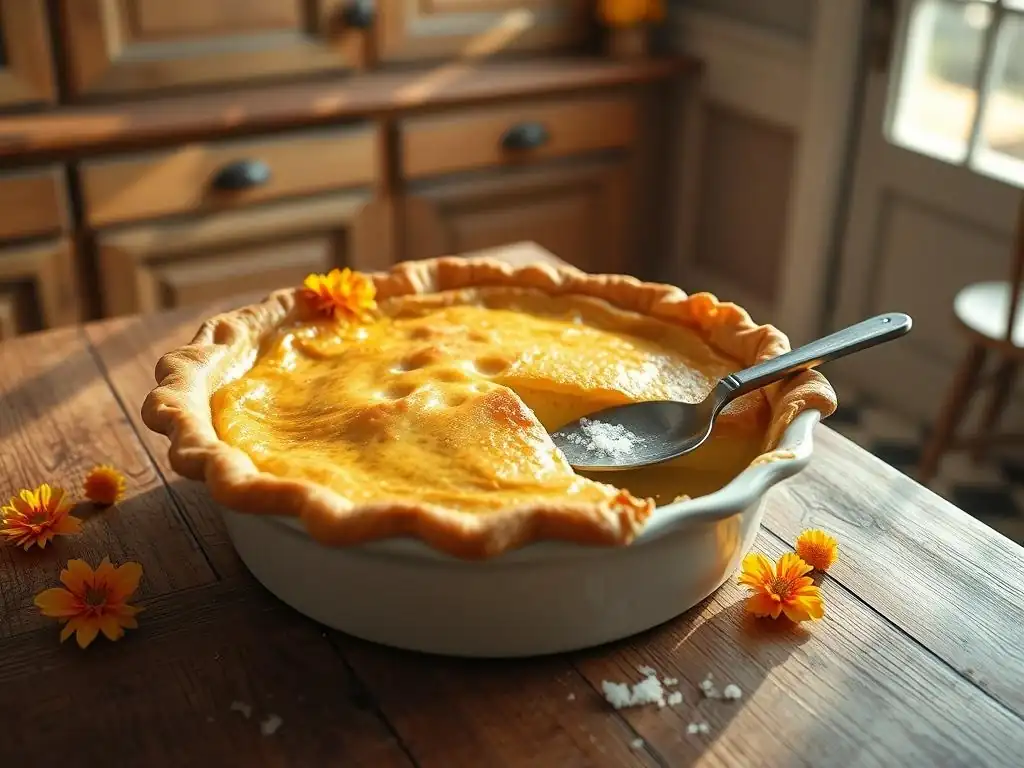
Mastering a chess pie recipe southern baking style involves more than just following the steps; it also requires understanding a few key techniques to overcome common challenges and achieve the best possible result. Here are some tips and tricks to help you bake a truly perfect chess pie.
These simple pointers can make a significant difference in the outcome of your chess pie recipe, addressing issues like soggy crusts or uneven baking.
Preventing a Soggy Bottom Crust in Chess Pie
A soggy bottom crust is a common pitfall when baking pies with wet fillings like chess pie. The moisture from the filling can seep into the uncooked dough, resulting in a dense, unappealing layer. The most effective way to prevent this is through par-baking or blind-baking your pie crust before adding the filling.
To par-bake, line the raw crust with parchment paper or foil and fill it with pie weights, dried beans, or rice. Bake at a relatively high temperature (like 375°F or 190°C) for 10-15 minutes, or until the edges are lightly set. Remove the weights and liner and bake for another 5-10 minutes until the bottom looks dry and slightly colored. This creates a barrier that the filling's moisture has trouble penetrating. Ensuring your oven is properly preheated and baking the pie at the correct temperature also helps the bottom crust cook through quickly.
Achieving a Crackled Top on Your Chess Pie
The slightly crackled, often glossy top is a visual hallmark of a classic chess pie recipe southern baking. This effect is primarily achieved due to the high sugar content in the filling. As the pie bakes, the surface sugar caramelizes and sets faster than the interior custard. As the custard continues to cook and expand slightly underneath, the set sugar crust on top develops those characteristic cracks.
To encourage a good crackle, ensure you are using the specified amount of sugar in your chess pie recipe. Baking at the recommended temperature allows the top to set at the right pace. Avoid opening the oven door too frequently, as sudden temperature changes can disrupt the setting process. Some bakers also find that brushing the finished pie with a thin layer of melted butter or a sugar syrup immediately after it comes out of the oven can enhance the glossy appearance.
Serving and Storing Chess Pie for Maximum Enjoyment
Allowing your chess pie recipe southern baking creation to cool properly before slicing is crucial. The filling needs time to set completely. Ideally, let the pie cool on a wire rack for at least 2-3 hours at room temperature, or even chill it in the refrigerator for a few hours. Slicing a warm chess pie will likely result in a runny, unappealing mess.
Once cooled, chess pie can be served at room temperature or chilled. It's delicious on its own or served with a dollop of whipped cream or a scoop of vanilla ice cream. Store leftover chess pie in the refrigerator, covered tightly with plastic wrap or foil. It will typically keep well for 3-4 days. For longer storage, individual slices can be wrapped and frozen for up to a month, though the texture may change slightly upon thawing. Proper cooling and storage ensure you enjoy your homemade chess pie recipe to the fullest.
Chess Pie vs. Other Southern Pies: A Comparison
The world of southern baking is rich with iconic pies, each with its own unique characteristics. While chess pie shares some similarities with other Southern favorites, it also possesses distinct differences that set it apart. Comparing chess pie to pies like pecan pie and buttermilk pie helps highlight what makes the chess pie recipe unique.
Understanding these distinctions is key to appreciating the nuances within traditional southern baking and helps bakers identify the specific qualities they are aiming for when preparing a chess pie recipe.
Chess Pie vs. Pecan Pie: Key Differences
Both chess pie and pecan pie are celebrated in southern baking, often appearing side-by-side on dessert tables. However, their compositions and textures are quite different. The most obvious distinction is the presence of pecans. Pecan pie's filling is loaded with pecan halves or pieces, which become toasted and slightly chewy during baking. A classic chess pie recipe, on the other hand, contains no nuts.
Compositionally, pecan pie filling typically uses corn syrup or molasses as a major sweetener and binder, resulting in a dense, often sticky or gooey filling that encases the pecans. Chess pie filling, while rich and sweet, relies on sugar, butter, eggs, and a small amount of thickener (cornmeal/flour) and liquid, producing a smooth, custard-like texture without the stickiness or chewiness of pecan pie. While both are sweet and rich, the chess pie recipe offers a purer, unadulterated custard experience compared to the nutty, syrupy texture of pecan pie.
Chess Pie vs. Buttermilk Pie: Distinguishing Characteristics
Buttermilk pie is another Southern custard pie often confused with chess pie, and for good reason – they share many similarities and likely evolved from similar base recipes. Both utilize a base of eggs, sugar, and butter, resulting in a smooth, sweet filling baked in a crust. The key difference lies in the primary liquid ingredient.
As the name suggests, buttermilk pie uses buttermilk, which imparts a distinct tanginess that balances the sweetness. While some chess pie recipe southern baking variations can use buttermilk, the classic chess pie often uses regular milk or cream.
The inclusion of a small amount of cornmeal or flour is also more consistently characteristic of a chess pie recipe, contributing to its slightly denser set and potentially the crackled top, whereas buttermilk pie often relies solely on eggs for thickening, resulting in a softer, more delicate custard set. The subtle tang is the most reliable way to distinguish a buttermilk pie from a classic chess pie.
Troubleshooting Your Chess Pie: Common Problems and Solutions
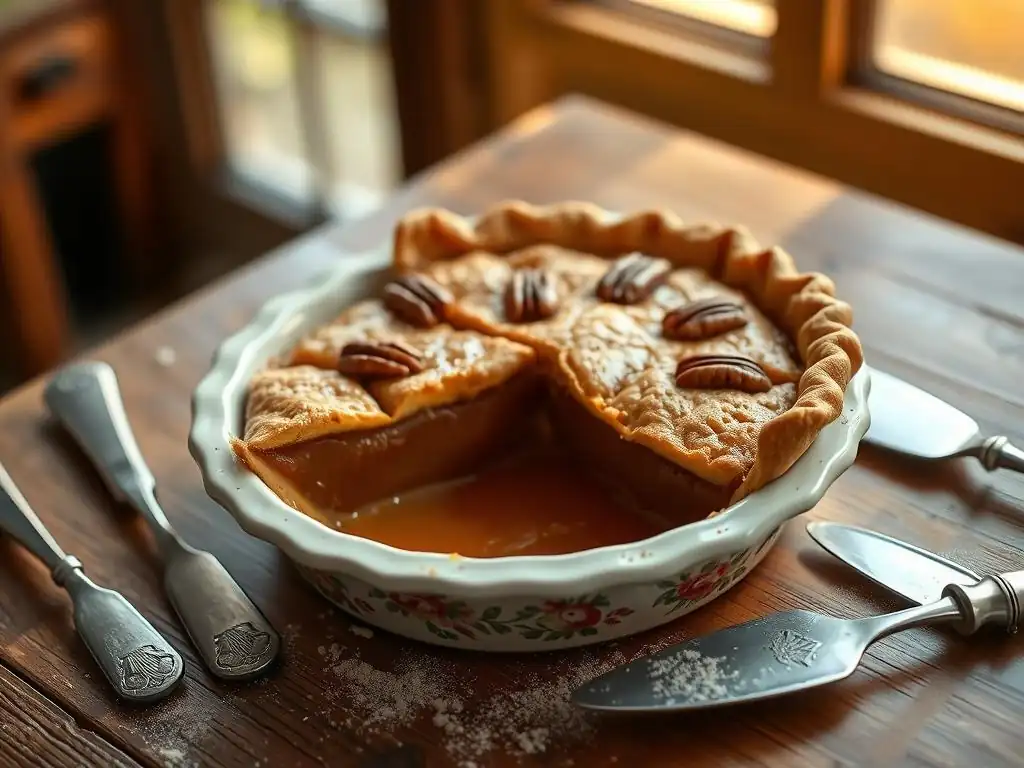
Even experienced bakers can encounter issues when making a chess pie recipe southern baking style. Understanding common problems and how to address them can save your pie and improve your results next time. Don't be discouraged by imperfections; they are part of the learning process in southern baking.
Here are some typical challenges faced when baking a chess pie recipe and practical solutions to help you navigate them.
Addressing a Runny Chess Pie Filling
A runny chess pie filling after baking is a common problem, usually indicating that the pie was underbaked or the filling ratio was off. If your pie is still warm and the center is very liquid or wobbly, you can often return it to the oven. Cover the crust edges with foil to prevent burning and bake for an additional 10-20 minutes at 325-350°F (160-175°C), checking frequently.
To prevent a runny filling in future chess pie recipe southern baking attempts, ensure you are using the correct number of eggs, as they provide much of the structure. Double-check that you included the specified amount of thickener (cornmeal or flour). Ensure your oven is accurately calibrated (an oven thermometer can help). Finally, make sure you are baking the pie until the center is mostly set with only a slight jiggle, not a liquid wave. Allowing the pie to cool completely for several hours is also essential for the filling to finish setting up outside the oven.
Fixing a Burnt or Overcooked Chess Pie
An overcooked chess pie will have a filling that is rubbery or curdled, rather than smooth and creamy. The top may also be excessively dark or burnt, and the crust edges can char. If the crust edges are browning too quickly during baking, cover them with foil strips or use a pie crust shield from the start.
If the top of the filling is getting too dark but the center isn't set, loosely tent the entire pie with foil for the remainder of the baking time. If the filling is significantly overcooked (rubbery/curdled), unfortunately, it's difficult to salvage the texture. To prevent this in the future, pay close attention to the baking time and visual cues.
Start checking for doneness at the lower end of the recipe's time range (e.g., 40 minutes for a recipe suggesting 40-60 minutes). Using an oven thermometer ensures you aren't baking at too high a temperature, which can cause the edges and top to overcook before the center is ready. Accurate timing and temperature control are key to perfecting your chess pie recipe southern baking.
Beyond the Traditional: Modern Twists on Chess Pie
While the classic chess pie recipe southern baking style is a beloved standard, its simple, adaptable base makes it ripe for modern innovation. Contemporary bakers are exploring new flavor combinations and transforming the pie into different dessert formats, keeping the tradition alive while adding exciting new dimensions.
These modern twists showcase the versatility of the chess pie recipe and demonstrate how classic southern baking can evolve to fit contemporary tastes and trends.
Innovative Chess Pie Flavor Combinations: Bourbon Pecan, Lavender Honey
Modern takes on the chess pie recipe often involve infusing the classic custard with new flavors. Bourbon Pecan Chess Pie is a popular example, incorporating a splash of bourbon into the filling and often adding pecans (blurring the line slightly with pecan pie, but maintaining the core chess filling structure) or topping the pie with bourbon-glazed nuts. This adds a sophisticated, warm note to the traditional sweetness.
Other creative combinations include Lavender Honey Chess Pie, where a small amount of culinary lavender and honey are whisked into the filling for a floral and subtly sweet complexity. Spiced Chess Pie might include warm spices like cinnamon, nutmeg, or cardamom, perfect for autumn. Even adding citrus zest beyond lemon, like orange or lime, can offer a refreshing twist on the classic chess pie recipe southern baking.
Chess Pie as a Base for Creative Desserts: Chess Pie Bars, Chess Pie Ice Cream
Beyond just flavor variations, the chess pie recipe filling can be adapted into entirely new dessert forms. Chess Pie Bars are a popular adaptation, where the filling is baked in a rectangular pan over a shortbread or cookie crust base, then cut into squares. This makes the classic southern baking dessert more portable and easier to serve at gatherings.
Another innovative use is Chess Pie Ice Cream. Pieces of baked chess pie (or just the filling base) are swirled into homemade or store-bought vanilla ice cream, creating a frozen treat that captures the essence of the pie's flavor and texture. These creative applications show that the fundamental taste and texture of a good chess pie recipe southern baking can be enjoyed in many different ways, extending its reach beyond the traditional pie plate.
Mastering Chess Pie: Your Journey in Southern Baking
Mastering the chess pie recipe southern baking style is a rewarding step in exploring the rich culinary heritage of the American South. From understanding its mysterious origins and simple yet crucial ingredients to perfecting the baking technique and troubleshooting common issues, each aspect contributes to your skill as a baker.
Whether you stick to the classic chess pie recipe or venture into exciting new variations, the process offers valuable lessons in balancing flavors, achieving desired textures, and appreciating the history behind traditional southern baking. So preheat your oven, gather your simple ingredients, and embark on your journey to bake a truly great chess pie.
Frequently Asked Questions
What exactly is Chess Pie, and what makes it a Southern baking staple?
Chess pie is a traditional Southern dessert known for its sweet, custard-like filling. Its origins are debated, but it's a simple recipe using readily available ingredients, making it a beloved classic.
What are the key ingredients in a Chess Pie recipe from BakeWithEase?
The core ingredients typically include butter, sugar, eggs, flour (or cornmeal), and a touch of acid like vinegar or lemon juice. BakeWithEase emphasizes using easy-to-find ingredients and clear measurements.
How does the BakeWithEase Chess Pie recipe cater to different skill levels, especially beginners?
BakeWithEase offers step-by-step guides with detailed instructions and helpful tips, ensuring even beginners can successfully bake a Chess Pie. The focus is on simplicity and clarity.
Are there variations of Chess Pie, and does BakeWithEase offer any alternative Chess Pie recipes?
Yes, variations exist, such as chocolate, lemon, or buttermilk Chess Pie. BakeWithEase may offer alternative recipes exploring these flavors while maintaining the traditional Southern baking essence.
What are some common mistakes to avoid when baking a Chess Pie, according to BakeWithEase?
Common mistakes include overbaking, which leads to a dry pie, and using incorrect measurements. BakeWithEase provides guidance on achieving the perfect texture and avoiding these common pitfalls.
Final Reflection: Unlocking the Sweet Secrets of Chess Pie
The enduring appeal of Chess pie transcends mere dessert; it's a testament to the power of simple ingredients transformed into something truly extraordinary. This unassuming pie, with its seemingly straightforward recipe, embodies the heart of Southern baking: a celebration of resourcefulness, a testament to the magic found in the ordinary, and a delicious reflection of a rich culinary heritage. Its continued popularity speaks volumes about our collective desire for comfort food that connects us to our past and satisfies our palates in the present.
Chess pie's influence extends beyond the kitchen table; it's a cultural touchstone, a symbol of Southern hospitality and a reminder of simpler times. It's a recipe passed down through generations, whispered secrets shared amongst family and friends, each variation a unique story waiting to be told. Food is symbolic of love when words are inadequate.
– Alan D. Wolfelt. This quote perfectly encapsulates the emotional resonance of Chess pie, a dish that speaks volumes where words often fall short. The subtle variations in sweetness, the creamy texture, the delicate balance of flavors – these are the threads that weave together a tapestry of shared experiences and cherished memories.
Now, it's your turn. Don't just read about Chess pie; bake it. Embrace the simplicity of the recipe, experiment with your own variations, and share the experience with loved ones. Let the aroma of warm spices and sweet butter fill your kitchen, creating a moment of connection and joy. Let the legacy of Chess pie continue, not just as a recipe, but as a symbol of tradition, community, and the enduring power of simple pleasures. The next slice of Chess pie you share might just be the start of a new family tradition.
Unveil Your Inner Pastry Chef: Bake a Slice of History!
Thanks for exploring the fascinating world of Chess Pie with us! You've now unlocked the secrets to this classic Southern dessert – a simple yet delicious treat with a rich history. Ready to put your newfound knowledge to the test?
- Bake your own Chess Pie: Gather your ingredients and follow a trusted recipe. Embrace the imperfections, the slight variations in taste are all part of the charm! This is your chance to create a true taste of the South.
- Share your Chess Pie creations: Snap a picture of your finished pie and share it on social media using #BakeWithEaseChessPie – let's build a community of Chess Pie enthusiasts!
- Explore other Southern baking traditions: Dive deeper into the BakeWithEase archives for more delicious recipes and stories from the heart of the South.
What unique twist will you add to your own Chess Pie masterpiece?