
Baking for Latin American Celebrations & Holidays

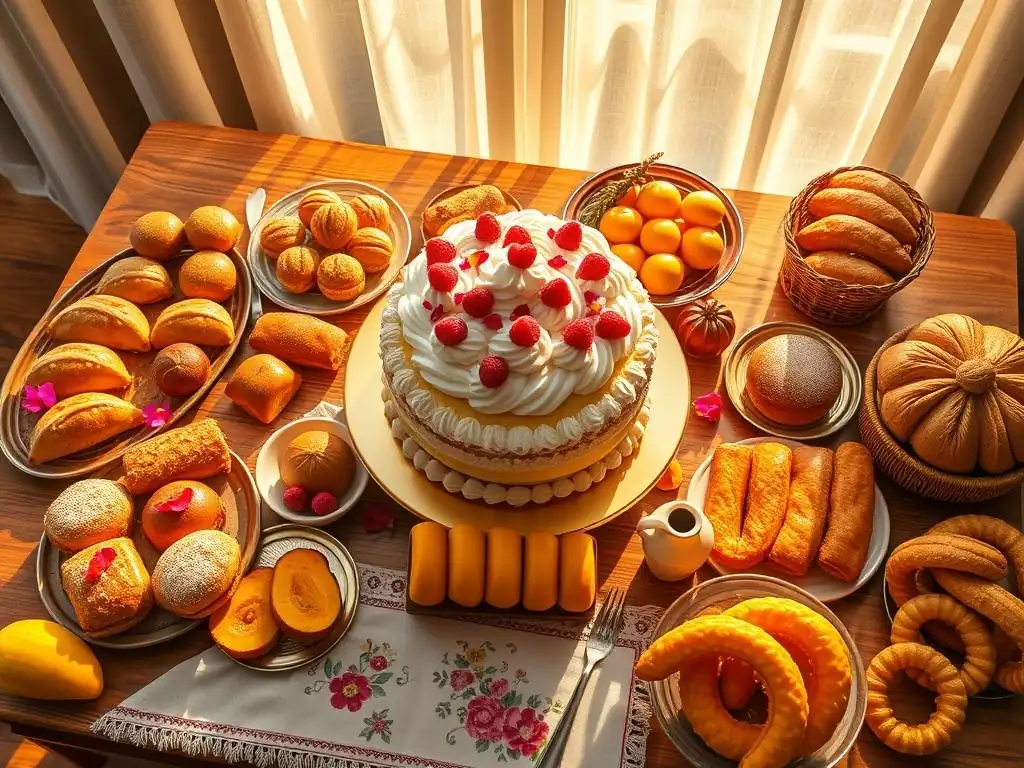
Welcome to BakeWithEase!
Ready to infuse your celebrations with the vibrant flavors of Latin America? Discover authentic and accessible Latin American holiday baking recipes that will transport your taste buds and impress your loved ones. Uncover the secrets to traditional treats, easy-to-follow techniques, and the stories behind each delicious bite. Let's get baking and explore the rich culinary heritage that awaits!
- Baking for Latin American Celebrations & Holidays: BakeWithEase
- Discover Authentic Latin American Holiday Baking Recipes
- Understanding Latin American Baking Traditions for Celebrations
- Essential Ingredients for Latin American Holiday Baking
-
Popular Latin American Holiday Baking Recipes: A Festive Selection
- Rosca de Reyes: The Iconic King's Cake Recipe
- Pan de Muerto: Baking for Day of the Dead
- Empanadas Dulces: Sweet Empanada Recipes for Celebrations
- Alfajores: A Classic Latin American Cookie for Special Occasions
- Tres Leches Cake: The Perfect Celebration Cake
- Cocadas: Chewy Coconut Macaroons for Any Fiesta
- Step-by-Step Guides to Latin American Holiday Baking
- Adapting Latin American Holiday Baking Recipes for Modern Kitchens
- Decorating Your Latin American Holiday Baked Goods
- The Joy of Sharing Latin American Holiday Baking
- Expanding Your Latin American Baking Repertoire
-
Frequently Asked Questions
- What types of Latin American holiday baking recipes can I find on BakeWithEase.com?
- Are the Latin American holiday baking recipes on BakeWithEase.com suitable for beginners?
- Where can I find the ingredients for these Latin American holiday baking recipes?
- Does BakeWithEase.com offer tips and techniques specific to Latin American holiday baking?
- Can I adapt the Latin American holiday baking recipes on BakeWithEase.com to be gluten-free or vegan?
- Final Reflection: The Sweet Legacy of Latin American Baking
- Unlock the Flavors of Latin America!
Baking for Latin American Celebrations & Holidays: BakeWithEase
Discover Authentic Latin American Holiday Baking Recipes
Latin America is a vast and vibrant region, rich in cultural traditions and, perhaps most deliciously, in its approach to food, especially during festive periods. Holiday baking is not just about making sweets; it's a deeply ingrained practice that connects families, preserves heritage, and adds an indispensable layer of joy to celebrations throughout the year.
From Christmas and New Year to Day of the Dead and national independence days, specific baked goods mark these special occasions, each telling a story of history, migration, and local ingredients. Exploring Latin American holiday baking recipes opens a window into this diverse culinary landscape.
At BakeWithEase, we believe that mastering these authentic Latin American holiday baking recipes is achievable for everyone, regardless of your current baking skill level. We'll guide you through the essential ingredients, iconic treats, and helpful techniques to bring the flavors of Latin American holidays into your kitchen. Whether you're craving the rich sweetness of a Tres Leches cake or the comforting aroma of Pan de Muerto, prepare to embark on a delicious journey that celebrates tradition and taste.
Understanding Latin American Baking Traditions for Celebrations
The Significance of Baking in Latin American Culture
Baking holds a profound significance in Latin American culture, extending far beyond mere sustenance. It is intricately woven into the social fabric, serving as a cornerstone for family gatherings, community events, and religious observances. Baked goods often act as edible symbols of celebration, commemoration, and hospitality, passed down through generations. Preparing these traditional Latin American holiday baking recipes becomes a ritual itself, a tangible link to ancestors and cultural identity, particularly during major holidays like Christmas (Navidad) or Day of the Dead (Día de Muertos).
Consider the preparation of roscas or panes dulces for specific holidays; these are not quick tasks but often involve multiple family members sharing the work, stories, and laughter. The act of baking together reinforces familial bonds and transmits culinary knowledge. For instance, during Christmas in many countries, families might spend hours preparing buñuelos or natilla, with children helping shape the dough and elders overseeing the frying. This collective effort highlights how baking is deeply embedded in the cultural practice of togetherness and celebration throughout Latin America.
Regional Variations in Holiday Baking Across Latin America
The vast geographical and cultural diversity of Latin America results in fascinating regional variations in holiday baking. While some treats, like alfajores, are found in many countries, their specific preparation, filling, and appearance can differ significantly from one region to another. Climate, indigenous ingredients, and historical influences from European colonization (especially Spanish, Portuguese, French, and Italian) have all shaped these unique baking traditions. This means that "Latin American holiday baking recipes" isn't a single category, but a mosaic of distinct regional styles.
For example, the Pan de Pascua enjoyed during Christmas in Chile is a dense, fruit and nut bread similar to European fruitcakes, reflecting European influence. In contrast, Mexico's Pan de Muerto for Day of the Dead is a soft, sweet bread often flavored with orange blossom or anise, uniquely adorned with bone-shaped dough pieces.
Peru boasts Panetón (a version of Italian Panettone) as a Christmas staple, while Venezuela features Pan de Jamón, a savory bread rolled with ham, olives, and raisins. Exploring these regional differences reveals the depth and richness of Latin American holiday baking recipes, offering endless possibilities for bakers.
Essential Ingredients for Latin American Holiday Baking
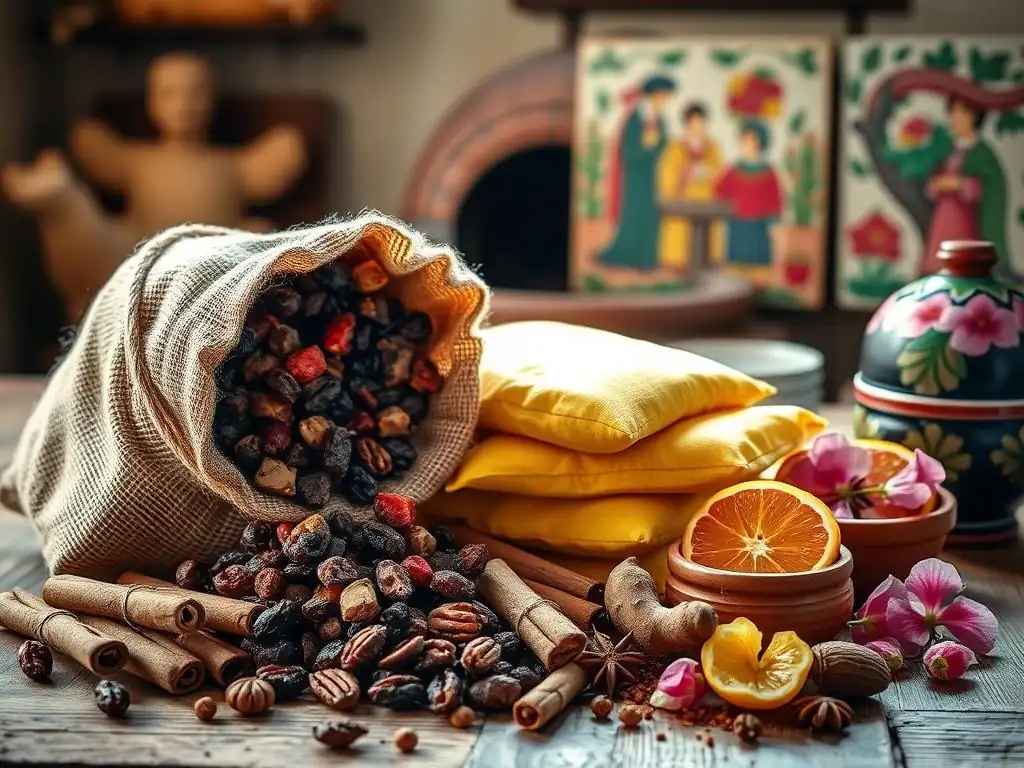
Key Baking Ingredients: From Dulce de Leche to Piloncillo
Latin American holiday baking relies on a pantry of distinct and flavorful ingredients that give these treats their unique character. Understanding these staples is the first step to mastering authentic Latin American holiday baking recipes. One of the most iconic is dulce de leche, a rich, caramelized milk spread or candy, used as a filling for cookies, cakes, and pastries across much of South America. Its smooth, sweet intensity is irreplaceable in many classic recipes like alfajores.
Another crucial sweetener, particularly in Mexico and Central America, is piloncillo (also known as panela, rapadura, or chancaca), which is unrefined whole cane sugar traditionally sold in cones or blocks. Unlike granulated sugar, piloncillo retains more of the natural molasses flavor, adding a depth and warmth to baked goods like buñuelos and empanadas dulces. Other common ingredients include corn flour or masa harina for specific textures, various spices like cinnamon, anise, and cloves, and tropical fruits such as guava, pineapple, and coconut, which feature prominently in fillings and toppings for many festive bakes.
Where to Find Authentic Latin American Baking Supplies
Finding authentic ingredients is key to successfully executing Latin American holiday baking recipes. Fortunately, many essential items are becoming more widely available. Your first stop should be local Latin American grocery stores or mercados. These shops are goldmines for specific flours like masa harina, different types of piloncillo, canned dulce de leche (though making it from scratch is also an option! ), and a variety of dried chiles and spices essential for some savory-sweet applications or glazes.
If a dedicated Latin American market isn't nearby, many larger supermarkets now carry a "Hispanic foods" section where you can often find dulce de leche, piloncillo, and basic spices. Online retailers specializing in international foods are also excellent resources for harder-to-find items or specific regional variations of ingredients. Look for reputable suppliers to ensure quality. Don't forget fresh produce like tropical fruits, which are increasingly available in standard grocery stores. With a little effort, you can stock your pantry with everything needed to dive into these delightful Latin American holiday baking recipes.
Popular Latin American Holiday Baking Recipes: A Festive Selection
Rosca de Reyes: The Iconic King's Cake Recipe
Rosca de Reyes, or King's Cake, is a beloved sweet bread central to the Epiphany (Día de Reyes) celebration on January 6th across many Latin American countries, especially Mexico. This festive ring-shaped bread is typically adorned with candied fruits representing jewels and often flavored with orange blossom water or citrus zest. A small figurine, traditionally representing the baby Jesus, is hidden inside the dough before baking.
The tradition dictates that whoever finds the figurine in their slice becomes the "godparent" of Jesus for the year and is responsible for hosting or providing tamales or other food for Candelaria (Candlemas) on February 2nd. Baking a Rosca de Reyes is a significant event, often involving families gathering to share the bread and anticipate who will find the figurine. The process involves enriched dough, often requiring multiple rises, and careful decoration, making it a rewarding project for those exploring Latin American holiday baking recipes.
Pan de Muerto: Baking for Day of the Dead
Pan de Muerto, or Bread of the Dead, is a quintessential bake for Mexico's Día de Muertos (Day of the Dead) celebrations on November 1st and 2nd. This sweet, soft bread is specifically created to honor deceased loved ones and is a central element placed on ofrendas (altars). The bread is often flavored with orange blossom water or anise and is distinctively decorated.
The decoration typically includes bone-shaped pieces of dough arranged on top, and a small ball or knob representing a skull. The shape and flavor are highly symbolic, intended to nourish the souls of the departed during their visit. Baking Pan de Muerto is a deeply meaningful act, connecting the living with the dead through a shared culinary tradition. The dough is enriched with butter and eggs, resulting in a tender crumb, and it's often finished with a dusting of sugar or a glaze.
Empanadas Dulces: Sweet Empanada Recipes for Celebrations
While savory empanadas are common year-round, empanadas dulces, or sweet empanadas, hold a special place in Latin American holiday baking recipes. These delightful pastries feature sweet fillings encased in a flaky or tender dough, baked or fried, and often dusted with sugar or drizzled with glaze. Fillings vary widely by region and season, but common choices include cajeta (caramelized goat's milk), dulce de leche, guava paste ( ate de guayaba), pineapple, sweet potato, pumpkin ( calabaza en tacha), or fruit preserves.
These sweet parcels are popular during various holidays, including Christmas, national fiestas, or simply as a special treat. Their portability makes them perfect for sharing at gatherings. The dough can range from a simple flour and shortening mix to a richer, egg-based dough. Preparing empanadas dulces allows for creativity in fillings and shapes, making them a fun addition to any collection of Latin American holiday baking recipes.
Alfajores are perhaps one of the most beloved cookies across Latin America, particularly popular in countries like Argentina, Peru, Chile, and Uruguay, and frequently enjoyed during holidays and celebrations. These delicate cookies typically consist of two tender, melt-in-your-mouth shortbread-like biscuits sandwiched together with a generous layer of dulce de leche.
The biscuits are often made with cornstarch ( maicena) in addition to flour, which contributes to their signature tenderness. After filling, the edges are frequently rolled in shredded coconut, powdered sugar, or sometimes dipped partially in chocolate. While simple in concept, perfecting alfajores requires attention to detail in both the biscuit texture and the quality of the dulce de leche. They are a staple for parties, gifts, and holiday platters, representing a classic example of the refined sweetness found in Latin American holiday baking recipes.
Tres Leches Cake: The Perfect Celebration Cake
Tres Leches Cake, meaning "Three Milks Cake," is a moist and decadent sponge cake soaked in a mixture of three types of milk: evaporated milk, condensed milk, and heavy cream. Originating possibly in Nicaragua but popular throughout Latin America, this cake is a go-to dessert for birthdays, anniversaries, and major holidays. Its rich, creamy texture and sweet flavor make it universally appealing.
The process involves baking a light sponge cake (often a bizcocho), allowing it to cool, and then generously pouring the milk mixture over it, letting it soak completely. The cake is typically chilled to allow the flavors to meld and the texture to become incredibly moist. It's traditionally topped with whipped cream and sometimes garnished with fruit like strawberries or peaches, or a dusting of cinnamon. A well-made Tres Leches cake is a showstopper and a quintessential part of many Latin American celebrations.
Cocadas: Chewy Coconut Macaroons for Any Fiesta
Cocadas are delightful, chewy coconut confections enjoyed across many Latin American countries, often found at street stalls, bakeries, and home kitchens alike, especially during festive times. These simple treats are essentially macaroons made primarily from shredded coconut, sugar, and egg whites, sometimes flavored with vanilla or a touch of citrus zest.
The mixture is shaped into mounds or small pyramids and baked until golden brown and slightly caramelized on the outside, while remaining moist and chewy within. Variations exist, with some recipes including condensed milk for added richness or food coloring for vibrant hues. Cocadas are naturally gluten-free and relatively simple to make, offering a quick and satisfying taste of tropical sweetness perfect for adding to a holiday dessert spread or enjoying as a festive snack.
Step-by-Step Guides to Latin American Holiday Baking
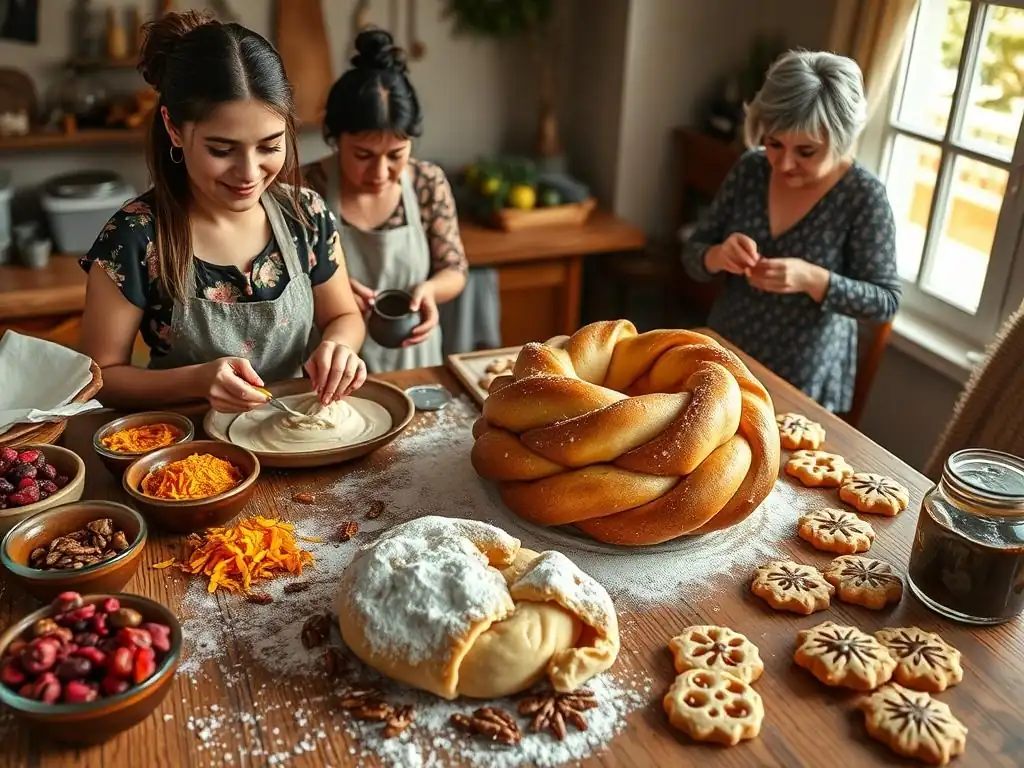
Tips for Mastering Traditional Latin American Baking Techniques
Mastering Latin American holiday baking recipes often involves specific techniques that differ from standard Western baking. One key aspect is understanding the dough consistency for items like empanadas or breads; many traditional recipes rely on feel rather than precise measurements, requiring practice to know when the dough is just right – often soft, pliable, but not sticky. For enriched doughs like rosca de reyes or pan de muerto, patience is crucial during the kneading and multiple proofing stages to develop structure and flavor.
Another important technique is working with fillings, particularly those involving dulce de leche or fruit pastes. Ensuring fillings are the correct consistency – not too runny, not too stiff – is vital for successful assembly of pastries like alfajores or empanadas. When deep-frying items like buñuelos, maintaining the correct oil temperature is paramount to achieve a crispy exterior without burning or resulting in a greasy interior. Learning to work with ingredients like piloncillo, which needs to be dissolved or finely grated, is also essential.
Troubleshooting Common Issues in Latin American Baking
Even experienced bakers can encounter challenges when tackling new Latin American holiday baking recipes. A common issue is dough that is too stiff or too sticky. This often relates to flour absorption, which can vary; adding liquid or flour gradually while kneading can help achieve the desired texture. For yeasted breads, failure to rise might be due to inactive yeast, cold ingredients, or an environment that is too cool for proofing; ensure your yeast is fresh and your proofing spot is warm.
When baking cakes like Tres Leches, the sponge cake can sometimes turn out too dense. This might be caused by overmixing the batter or using incorrect leavening. Gently folding ingredients is key.
For pastries like empanadas or alfajores, fillings leaking during baking or frying is a frequent problem; ensure your dough edges are sealed tightly and avoid overfilling. If dulce de leche is too thick, it can be gently warmed to make it more spreadable. Don't be discouraged by initial setbacks; practice and careful attention to detail will help you troubleshoot these issues and perfect your Latin American holiday baking recipes.
Adapting Latin American Holiday Baking Recipes for Modern Kitchens
Substituting Ingredients: Maintaining Authenticity
Adapting traditional Latin American holiday baking recipes for modern kitchens often involves finding suitable ingredient substitutions while striving to maintain authentic flavors. For instance, if piloncillo is unavailable, a mix of dark brown sugar and a touch of molasses can approximate its rich flavor profile, though the depth won't be exactly the same. If masa harina is required for a specific texture and unavailable, a finely ground corn flour might work in some contexts, but it's important to research if the specific characteristics of masa harina are crucial to the recipe's success.
For fillings, canned dulce de leche is widely available and convenient, though making it from condensed milk at home yields a superior, more authentic flavor. When tropical fruits are out of season or unavailable, high-quality frozen or canned versions can often be used, particularly for fillings or sauces, ensuring you drain them well to avoid excess moisture. While substitutions can be helpful, using authentic ingredients whenever possible is the best way to capture the true spirit and taste of Latin American holiday baking recipes.
Scaling Recipes: Baking for Different Group Sizes
Scaling Latin American holiday baking recipes to bake for different group sizes requires careful calculation to maintain ingredient ratios and ensure successful results. Many traditional recipes are designed for large family gatherings, so you might need to halve or even quarter quantities for smaller groups. When scaling, pay particular attention to leavening agents like baking powder or yeast, as these do not always scale perfectly linearly; sometimes slight adjustments are needed based on observation.
For recipes involving eggs, scaling can be tricky. If a recipe calls for 3 eggs and you need to halve it, you can beat one egg and use half of it (approx. 25g or 2 tablespoons). For liquids and flours, precise measuring by weight is always more accurate than volume when scaling.
Baking times may also need adjustment when scaling, as smaller or larger batches might bake faster or slower. Always start checking for doneness earlier than the original recipe suggests when baking larger quantities, or slightly later for smaller quantities. Careful scaling allows you to enjoy Latin American holiday baking recipes whether you're celebrating with a few friends or a large extended family.
Decorating Your Latin American Holiday Baked Goods
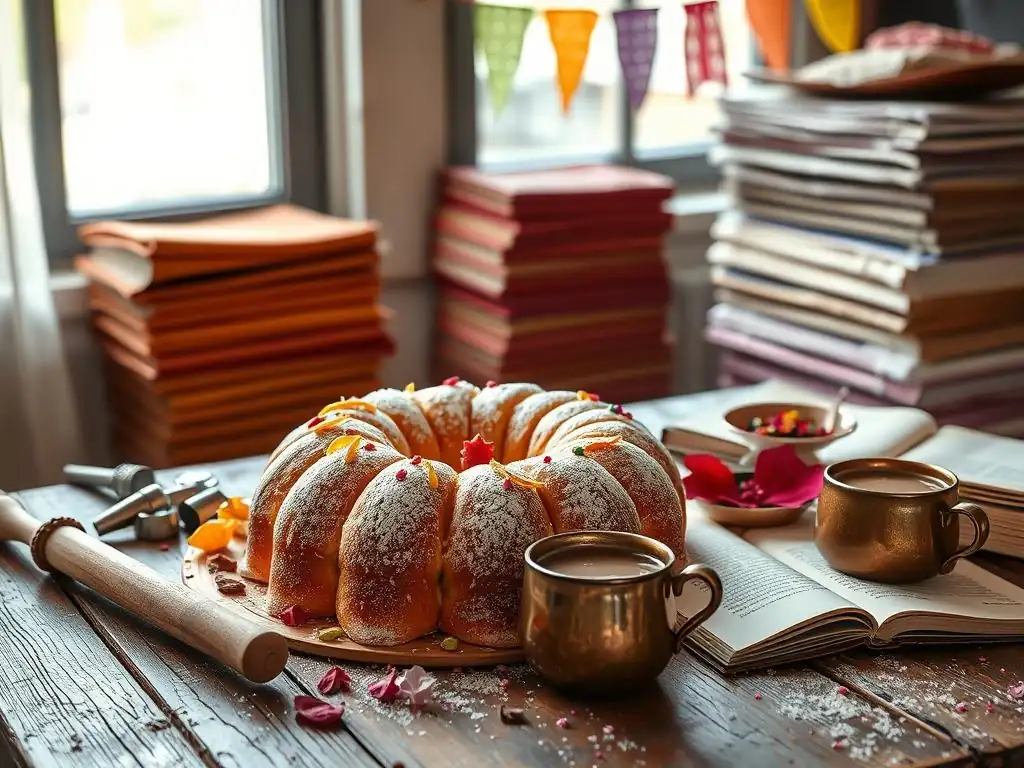
Traditional Decorating Techniques: From Glazes to Toppings
Decorating is an integral part of presenting Latin American holiday baking recipes, adding visual appeal and extra flavor. Traditional techniques often involve simple yet effective methods. Glazes are common, ranging from a simple sugar glaze flavored with citrus or vanilla (used on roscas or some panes dulces) to richer chocolate or dulce de leche glazes. These add sweetness and a glossy finish.
Toppings vary widely. Candied fruits are a signature decoration for Rosca de Reyes, providing vibrant color and chewy texture. A dusting of powdered sugar is classic for alfajores and buñuelos, adding a delicate sweetness. Shredded coconut is frequently used to coat the sides of alfajores or top cocadas. For Pan de Muerto, the iconic bone shapes made from dough are the primary decoration, sometimes finished with a sugar coating. These traditional touches are essential for authentic presentation.
Creative Presentation Ideas for Festive Baking
Beyond traditional methods, there's plenty of room for creative presentation when it comes to Latin American holiday baking recipes. While respecting the core elements of classic bakes, you can enhance their visual appeal. For empanadas dulces, consider using decorative crimping techniques on the edges or cutting small vents in different shapes before baking. For Tres Leches cake, while whipped cream is standard, you could pipe it decoratively or add swirls of dulce de leche or a sprinkle of toasted coconut.
Presenting a platter of assorted small baked goods is also a wonderful way to showcase variety. Arrange a mix of alfajores, cocadas, and mini sweet empanadas on a festive tray. For larger items like Rosca de Reyes, ensure the candied fruit is placed artfully and consider adding extra sugar crystals for sparkle. Simple garnishes like fresh fruit, edible flowers, or a sprinkle of cinnamon can elevate the look of almost any baked good, making your Latin American holiday baking recipes not only delicious but also stunning to behold.
The Joy of Sharing Latin American Holiday Baking
Baking as a Family Tradition
Baking is often a cherished family tradition in Latin America, particularly during holidays. It's an activity that brings generations together in the kitchen, creating lasting memories alongside delicious treats. Grandparents pass down recipes and techniques to their children and grandchildren, preserving culinary heritage. The process of preparing traditional Latin American holiday baking recipes, from mixing dough to decorating the finished products, becomes a shared experience filled with conversation, laughter, and connection.
During Christmas, for instance, families might gather specifically to make dozens of buñuelos or prepare the dough for hallacas (though not strictly baking, the dough is crucial). Children participate by helping with simpler tasks like cutting shapes or dusting sugar. This collaborative effort reinforces family bonds and ensures that the knowledge and love for traditional baking are carried forward. These moments in the kitchen are often as treasured as the holiday feast itself.
Gifting Baked Goods: A Symbol of Love and Celebration
Sharing baked goods is a deeply ingrained custom in Latin America, serving as a tangible expression of love, generosity, and celebration. During holidays, it's common to exchange plates of homemade treats with neighbors, friends, and family. A box of freshly baked alfajores, a slice of homemade Rosca de Reyes, or a selection of empanadas dulces are thoughtful and cherished gifts.
Gifting homemade Latin American holiday baking recipes is more than just offering food; it's sharing the time, effort, and care that went into their creation. It strengthens community ties and spreads festive cheer. This tradition highlights the role of food, and particularly baked goods, as a central element of social connection and celebration throughout Latin America. Preparing extra batches specifically for sharing is a common practice, embodying the spirit of generosity that defines many holiday periods.
Expanding Your Latin American Baking Repertoire
Exploring Other Regional Baking Specialties
The world of Latin American baking is vast and extends far beyond the popular holiday treats mentioned here. Once you've explored some core Latin American holiday baking recipes, consider delving into other regional specialties. Each country and even specific regions within countries boast unique baked goods. For example, explore the diverse pan dulce (sweet bread) culture of Mexico, which includes dozens of varieties like conchas, orejas, and cuernitos.
Venture into the world of South American tortas and cakes beyond Tres Leches, such as the layered Milhojas or the elaborate Selva Negra (Black Forest Cake) with a Latin American twist. Discover regional breads like Colombian Pandebono (cheese bread) or Venezuelan Golfeados (sticky buns with cheese). Researching specific regional bakeries or cookbooks can uncover lesser-known but equally delicious Latin American baking recipes, offering endless opportunities to expand your skills and palate.
Resources for Further Learning about Latin American Baking
To continue your journey into Latin American holiday baking and beyond, seek out reliable resources. Cookbooks specifically focused on Latin American cuisine or regional baking are invaluable. Look for authors who specialize in authentic recipes and provide cultural context. Many excellent books are available that cover everything from basic techniques to intricate pastries from various countries.
Online resources, such as reputable food blogs and websites dedicated to Latin American cooking, can also be great for finding recipes and learning tips. Search for sites that provide clear instructions and ideally have been tested. Consider looking for online baking classes or workshops that might cover specific Latin American techniques or recipes. Engaging with online communities of bakers who share a passion for Latin American cuisine can also provide support, inspiration, and answers to questions as you explore the rich and rewarding world of Latin American holiday baking recipes.
Frequently Asked Questions
What types of Latin American holiday baking recipes can I find on BakeWithEase.com?
BakeWithEase.com offers a diverse range of recipes, including traditional treats like tres leches cake, alfajores, and pan de muerto, all perfect for Latin American holiday celebrations. We provide step-by-step guides for each.
Are the Latin American holiday baking recipes on BakeWithEase.com suitable for beginners?
Yes! We cater to all skill levels. Our recipes feature easy-to-find ingredients and clear, concise instructions, making them accessible for even beginner bakers interested in Latin American holiday baking.
Where can I find the ingredients for these Latin American holiday baking recipes?
Most ingredients are readily available at your local grocery store. For more specialized items, we often provide suggestions for substitutions or online retailers.
Does BakeWithEase.com offer tips and techniques specific to Latin American holiday baking?
Absolutely! We provide tips on using unique ingredients, mastering traditional techniques, and understanding the cultural significance of each baked good in Latin American celebrations.
Can I adapt the Latin American holiday baking recipes on BakeWithEase.com to be gluten-free or vegan?
Many of our recipes can be adapted. We often include substitution suggestions for common allergens or dietary restrictions, allowing you to enjoy delicious and inclusive baking for your Latin American holiday.
Final Reflection: The Sweet Legacy of Latin American Baking
The vibrant flavors and traditions of Latin American baking are not merely recipes; they are living testaments to history, culture, and the enduring power of shared celebrations. These recipes, passed down through generations, continue to bind families and communities, offering a tangible connection to heritage in a rapidly changing world. The sweet aroma of pan de muerto on Día de Muertos, or the rich scent of tres leches cake at a quinceañera, are more than just delicious treats; they are powerful symbols of cultural identity.
The impact of these baking traditions extends far beyond the kitchen table. They represent a vital form of cultural preservation, a way to keep alive the stories and memories embedded within each carefully crafted pastry. Food is symbolic of love when words are inadequate.
- Alan D. Wolfelt. This quote perfectly encapsulates the emotional depth woven into every Latin American baked good, a silent language spoken through flour, sugar, and spice. The recipes shared in this article are not just instructions; they are threads in a rich tapestry of cultural heritage, connecting us to the past and shaping our future.
Consider the ingredients themselves – the spices imported centuries ago, the fruits native to the region, the techniques passed down from grandmother to granddaughter. Each bite is a journey through time and place, a celebration of resilience and adaptation. Now, I invite you to explore these recipes, not just as instructions, but as opportunities for connection and understanding. Bake a pan de yuca, share it with loved ones, and discover the stories it holds. Let the sweet legacy of Latin American baking enrich your life and deepen your appreciation for the diverse cultures that shape our world.
Unlock the Flavors of Latin America!
Thanks for joining us on this delicious journey through the vibrant world of Latin American baking! We hope you’ve discovered some new recipes and traditions to savor. Ready to bring these exciting flavors to life?
- Bake your favorite recipe from today's article! Let us know how it turns out – we love seeing your culinary creations.
- Share this article with friends and family who also love to bake or explore new cultures. Let's spread the joy!
- Explore our website for more Latin American baking inspiration; you might find your new signature dessert!
What unique Latin American ingredient are you most excited to experiment with next?