
Baking Perfect German Crumble Topping (Streusel): An Easy Guide

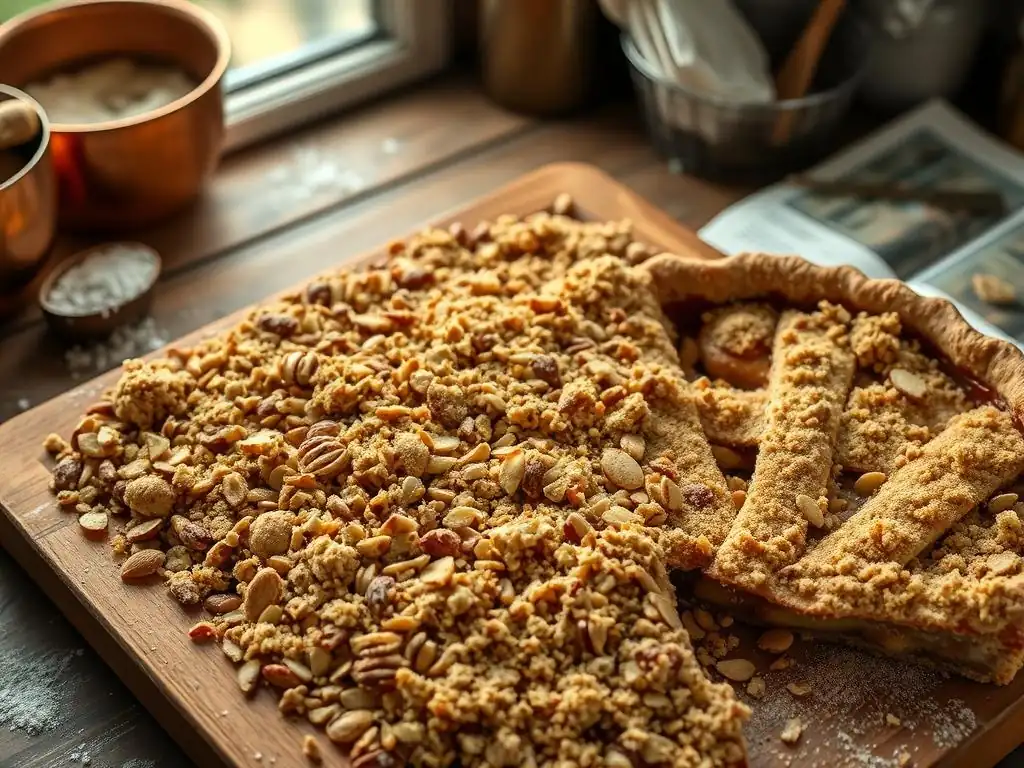
Welcome to BakeWithEase, where baking dreams become a delicious reality! Ever wondered how to achieve that irresistibly crunchy and buttery texture on your favorite desserts? Dive into our guide and unlock the secrets to crafting the perfect Easy German crumble topping (Streusel). But that's just the beginning – discover a world of regional baking secrets and simple techniques that will transform your baking experience. Intrigued? Keep reading to learn how to master this classic topping and so much more!
- Perfect Streusel Topping: A Comprehensive Guide
- Introduction to Streusel Topping
- Key Ingredients for Delicious Streusel
- Step-by-Step Guide to Making Streusel
- Troubleshooting Common Streusel Issues
- Using Your Homemade Streusel Topping
- Storing Streusel Topping
- Streusel Variations
- Tips for Baking with Streusel
- Conclusion: Enjoying Homemade Streusel
-
Frequently Asked Questions
- What exactly is German crumble topping (Streusel)?
- How is "Easy German crumble topping" different from other crumble toppings?
- What kind of flour works best for an Easy German crumble topping?
- Can I make Easy German crumble topping ahead of time?
- What are some examples of baked goods that use Easy German crumble topping?
- Final Reflection: The Enduring Charm of a Simple Streusel
- Unlock Your Inner Bäcker: Master the Perfect Streusel!
Perfect Streusel Topping: A Comprehensive Guide
Introduction to Streusel Topping
What is Streusel and Why It Enhances Baked Goods
Streusel, that delightful crumbly mixture often found atop cakes, muffins, and fruit crisps, is a staple in German baking. At its heart, an easy German crumble topping is a simple combination of flour, sugar, and fat, typically butter, rubbed together until delightful crumbs form. This seemingly humble topping adds a crucial layer of texture and sweetness, transforming simple baked goods into something truly special. The contrast between a soft cake or fruit filling and the crispy, buttery streusel is what makes it so beloved.
Beyond just texture, streusel contributes significantly to flavor. As it bakes, the butter melts and caramelizes the sugar, creating golden-brown crumbs with a rich, nutty aroma and a delightful depth of flavor. This easy German crumble topping isn't just decorative; it plays an active role in the overall taste experience, providing a satisfying crunch and a buttery sweetness that complements a wide variety of bases, from tart berries to moist coffee cakes. It's a simple addition that yields impressive results, making it a favorite for home bakers.
This Guide to Mastering Streusel
Embarking on the journey to master the perfect streusel topping is simpler than you might think. This guide is designed to walk you through every step, from selecting the right ingredients to troubleshooting common issues and exploring delicious variations. Our goal is to demystify the process, ensuring that even beginner bakers can create a consistently excellent easy German crumble topping every time. We'll provide clear instructions and helpful tips to guarantee your streusel is always golden, crumbly, and utterly irresistible.
Whether you're planning to top a classic German apple cake, add flair to your morning muffins, or create a comforting fruit crisp, this guide has you covered. We'll delve into the science behind why certain techniques work best and offer practical advice based on years of baking experience. By the end of this guide, you'll not only know how to make a basic easy German crumble topping but also feel confident experimenting with different flavors and applications, elevating all your baked goods.
Key Ingredients for Delicious Streusel
Flour: Achieving the Right Texture
The type and amount of flour are fundamental to achieving the desired crumbly texture in your easy German crumble topping. All-purpose flour is the most common choice and works wonderfully, providing enough structure to hold the crumbs together while still allowing them to separate easily.
The ratio of flour to other ingredients is key; too little flour can result in a greasy, flat topping, while too much can make it dry and powdery. A typical starting ratio might be 1 part flour to 1 part sugar and 0.5 parts butter by weight or volume, depending on the desired richness and dryness.
For those looking to add a bit more character or nutritional value, a small portion of whole wheat flour or even finely ground nuts can be substituted, though this will change the texture slightly. The key is to ensure the flour is evenly distributed and coats the fat properly during the mixing process. This coating is what prevents the butter from melting too quickly in the oven, allowing the crumbs to crisp up rather than spreading into a solid layer. Using a standard all-purpose flour ensures reliability and is the cornerstone of a classic easy German crumble topping.
Butter: The Role of Fat in Streusel
Butter is arguably the most critical ingredient in a delicious streusel, providing richness, flavor, and the necessary structure for crumbs to form. It's essential that the butter is cold and cut into small pieces before being incorporated. Using cold butter is similar to making pie crust or biscuits; as the butter melts during baking, it creates steam pockets within the flour mixture, which helps to separate the crumbs and make them light and crisp. If the butter is too soft or melted when you start, it will simply mix into a paste rather than forming distinct crumbs.
Unsalted butter is generally preferred as it gives you control over the saltiness, though salted butter can be used if you adjust or omit any added salt in the recipe. The amount of butter dictates how rich and cohesive the streusel will be. A higher butter ratio yields larger, more defined, and richer crumbs, while a lower ratio results in finer, drier crumbs. Finding the right balance, often around 0.5 to 0.75 parts butter to 1 part flour/sugar, is key to a perfect easy German crumble topping.
Sugar: Balancing Sweetness and Texture
Sugar in streusel does more than just add sweetness; it plays a vital role in texture and browning. Granulated sugar is the standard choice, contributing to the crispness of the baked crumbs. As the streusel bakes, the sugar melts and caramelizes, giving the topping its signature golden color and slightly crunchy bite. The ratio of sugar to flour is typically close to 1:1, providing a good balance of sweetness and structure. Too little sugar might result in pale, less flavorful crumbs, while too much can make the topping excessively hard or prone to burning.
Other sugars can be used, such as light or dark brown sugar, which add moisture, a chewier texture, and notes of caramel or molasses (more on this in the variations section). Powdered sugar is generally not recommended as it can dissolve too quickly and lead to a less crumbly texture. The type of sugar significantly impacts the final flavor profile and appearance of your easy German crumble topping, so choosing the right one for your baked good is important.
Optional Additions: Flavor Enhancements
While flour, butter, and sugar form the core of an easy German crumble topping, optional additions can elevate its flavor profile and texture. A pinch of salt is highly recommended, as it balances the sweetness and brings out the other flavors. Just a quarter teaspoon for a standard batch can make a noticeable difference. Spices are another popular addition; ground cinnamon is classic, especially when paired with apple or pear fillings. Nutmeg, cardamom, or ginger can also add warmth and complexity.
For added crunch and flavor, chopped nuts like almonds, walnuts, or pecans can be folded into the mixture after the crumbs have formed. About half a cup of chopped nuts per standard batch works well. Rolled oats are another common addition, particularly in fruit crisps, providing a heartier texture (again, more on this in variations). Vanilla extract can be added to the melted butter before incorporating it, infusing the streusel with its comforting aroma. These simple additions allow you to customize your easy German crumble topping to perfectly complement the specific baked good you are making.
Step-by-Step Guide to Making Streusel
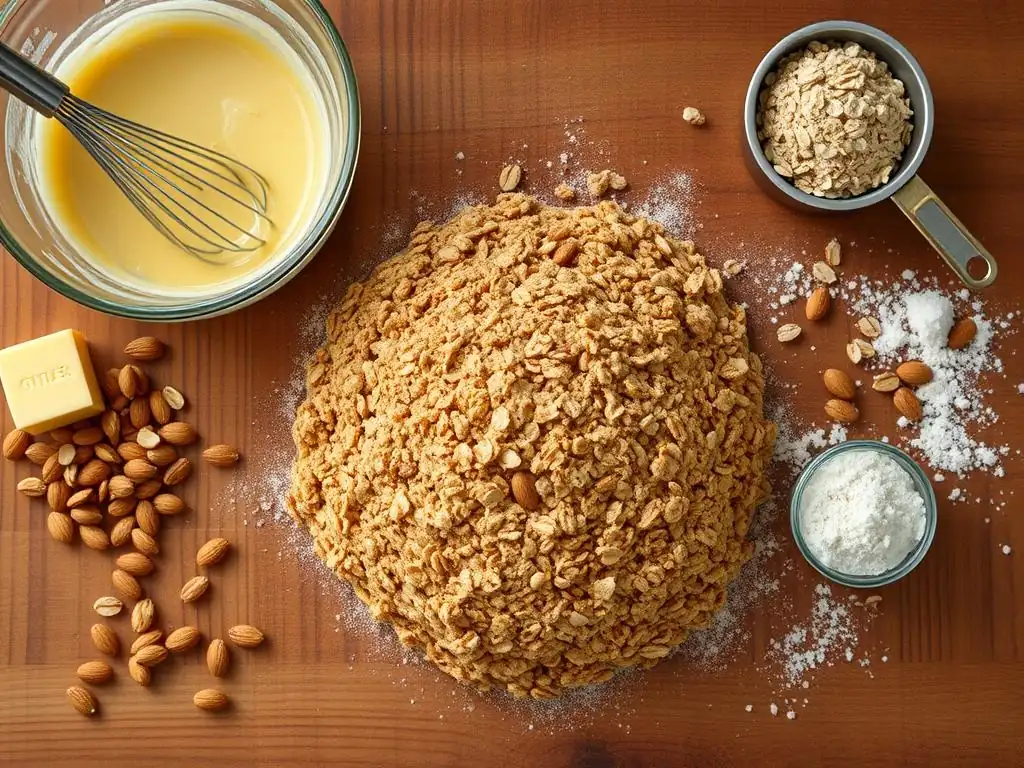
Step 1: Combining Dry Ingredients
The first step in creating a perfect easy German crumble topping is to prepare your dry ingredients. In a medium bowl, measure out your flour and sugar. If using salt and any dry spices like cinnamon or nutmeg, add them to the bowl now. Use a whisk or a fork to thoroughly combine these dry ingredients. This ensures that the sugar, salt, and spices are evenly distributed throughout the flour, which is crucial for consistent flavor and texture in the final streusel.
Ensuring the dry ingredients are well mixed prevents pockets of plain flour or clumps of spice. For a typical batch using 1 cup of flour, you might use 1 cup of sugar, 1/4 teaspoon of salt, and 1/2 teaspoon of cinnamon. Whisking for about 15-20 seconds is usually sufficient to achieve a homogenous mixture. This simple initial step lays the foundation for successfully incorporating the butter and forming those desirable crumbs for your easy German crumble topping.
Step 2: Incorporating Butter for Crumble Formation
This is the step where the magic happens – turning the dry mixture into crumbs. Take your cold, cubed butter and add it to the bowl with the dry ingredients. There are several methods for incorporating the butter: you can use your fingertips, a pastry blender, or even a food processor. The goal is to cut or rub the butter into the dry ingredients until the mixture resembles coarse crumbs, ranging in size from small peas to large crumbs.
Using your fingertips is a classic method, allowing you to feel the consistency as you work. Gently rub the butter cubes between your thumb and fingers, or use a pinching motion, until the butter is broken down and coated with the flour mixture. This process should be done relatively quickly to prevent the butter from warming up too much from the heat of your hands.
For a standard batch with 1 cup of flour and about 1/2 cup of butter, this process might take 2-3 minutes by hand. The butter pieces should be fully coated in the flour mixture, and no large chunks of plain butter should remain visible. This step is vital for developing the signature texture of an easy German crumble topping.
Step 3: Achieving the Ideal Streusel Consistency
After incorporating the butter, you should have a bowl full of crumbly goodness. The ideal consistency for streusel topping is a mix of sizes – some fine, sandy bits, and some larger, irregular clumps. These larger clumps are what give baked streusel its appealing rustic appearance and satisfying crunch. If you used a food processor, pulse the mixture just until crumbs form; over-processing will turn it into a paste. If working by hand or with a pastry blender, continue until you have a variety of crumb sizes.
You can test the consistency by squeezing a handful of the mixture; it should clump together slightly but still be easily broken apart. If it feels too dry and doesn't clump at all, you might need to add a tiny bit more cold butter (cut into even smaller pieces). If it feels too wet and forms a solid ball easily, add a tablespoon or two more flour and gently mix.
Don't overwork the mixture once the crumbs have formed, as this can melt the butter and result in a less desirable texture. This stage is crucial for ensuring your easy German crumble topping bakes up perfectly.
Troubleshooting Common Streusel Issues
Streusel Too Dry: Solutions
If, after incorporating the butter, your streusel mixture feels overly dry and powdery, and doesn't form even small clumps when squeezed, it likely needs more fat. This can happen if your dry ingredients ratio was too high compared to the butter, or if the butter wasn't fully incorporated. The simple solution is to add a little more cold butter, cut into very small pieces (about 1/4-inch cubes). Start by adding just one or two tablespoons.
Gently work the additional butter into the mixture using your fingertips or a pastry blender until it's distributed and the mixture starts to form small clumps. Be careful not to add too much butter at once; it's easier to add more than to correct a mixture that's become too wet. The goal is to reach a state where you have a mix of fine crumbs and larger clumps, and squeezing a handful results in a loose ball that breaks apart easily. This adjustment is key to transforming a dry mixture into a proper easy German crumble topping.
Streusel Too Wet: Adjustments
Conversely, if your streusel mixture feels greasy, forms a solid ball easily when squeezed, or looks more like a paste than crumbs, it's likely too wet, usually from too much butter or the butter being too warm. The fix here is to add more dry ingredients, specifically flour. Start by adding one tablespoon of flour at a time.
Gently stir or lightly rub the added flour into the mixture until it's less sticky and starts to resemble distinct crumbs again. You may need to add two or three tablespoons of flour depending on how wet the mixture was initially. The goal is to absorb the excess fat and create that crumbly texture. Once you reach the desired consistency – a mix of fine and large crumbs that clump loosely – stop adding flour. Correcting a wet mixture ensures your easy German crumble topping bakes up crispy, not greasy.
Streusel Not Clumping: Techniques
Sometimes, even with the right ratios, the streusel might feel dry and resist forming those desirable larger clumps. This can occur if the butter pieces were too large initially, or if the rubbing process wasn't quite sufficient to distribute the butter evenly. While you want a mix of sizes, some clumping is necessary for the classic streusel look.
If your mixture is mostly fine crumbs, you can encourage more clumping by gently squeezing handfuls of the mixture together with your hands over the bowl. This action warms the butter just slightly and helps the crumbs adhere to each other, creating larger clusters. Break these larger clumps apart slightly if they become too big. Alternatively, you can place the mixture in the refrigerator for 10-15 minutes; chilling the butter slightly can sometimes make it easier to form clumps without becoming greasy. Using these techniques helps achieve the perfect texture for your easy German crumble topping.
Using Your Homemade Streusel Topping
Streusel on Coffee Cakes
Coffee cakes are perhaps the most classic canvas for an easy German crumble topping. The rich, moist cake provides a perfect base for the buttery, crunchy streusel. Typically, the streusel is sprinkled generously over the batter before baking. The amount used can vary, but a layer that covers most of the surface, about 1/4 to 1/2 inch thick, is common.
When baking a coffee cake topped with streusel, monitor the baking time carefully. The streusel should turn a beautiful golden brown, which usually takes 25-40 minutes at 350-375°F (175-190°C), depending on the cake's thickness. The streusel not only adds texture and flavor but also creates a lovely visual appeal, making your coffee cake look and taste like it came from a professional bakery. An easy German crumble topping truly elevates a simple coffee cake.
Streusel on Muffins
Adding an easy German crumble topping to muffins transforms them from simple breakfast treats into something more indulgent. Streusel works particularly well on fruit muffins (like blueberry or apple), spice muffins, or even plain vanilla muffins. The streusel is sprinkled generously over the top of each muffin before they go into the oven. A tablespoon or two per muffin is usually sufficient to create a nice domed topping.
Baking muffins with streusel requires attention to the baking time, which is often shorter than for a large cake (typically 18-25 minutes at 375-400°F or 190-200°C). The streusel should become golden and crisp as the muffins bake. The contrast between the tender muffin and the crunchy streusel provides a delightful bite. Using an easy German crumble topping adds an extra layer of flavor and texture that makes homemade muffins feel extra special.
Streusel on Fruit Crisps
Fruit crisps, crumbles, and cobblers are natural partners for an easy German crumble topping. While some crisp recipes use oats or other additions in the topping from the start, a classic streusel made with just flour, sugar, and butter is also a fantastic option. The streusel is scattered over a layer of fruit filling in a baking dish. A thick layer, perhaps 1/2 inch deep, ensures ample crumble in every bite.
Baking a fruit crisp with streusel typically takes longer than cakes or muffins, often 30-50 minutes at 375°F (190°C), to allow the fruit to soften and bubble up and the streusel to become deeply golden and crisp. The buttery streusel absorbs some of the fruit juices as it bakes, creating a wonderful texture and flavor combination. An easy German crumble topping is a perfect complement to the sweet and often slightly tart fruit filling.
Rhubarb Crisp with Streusel Topping
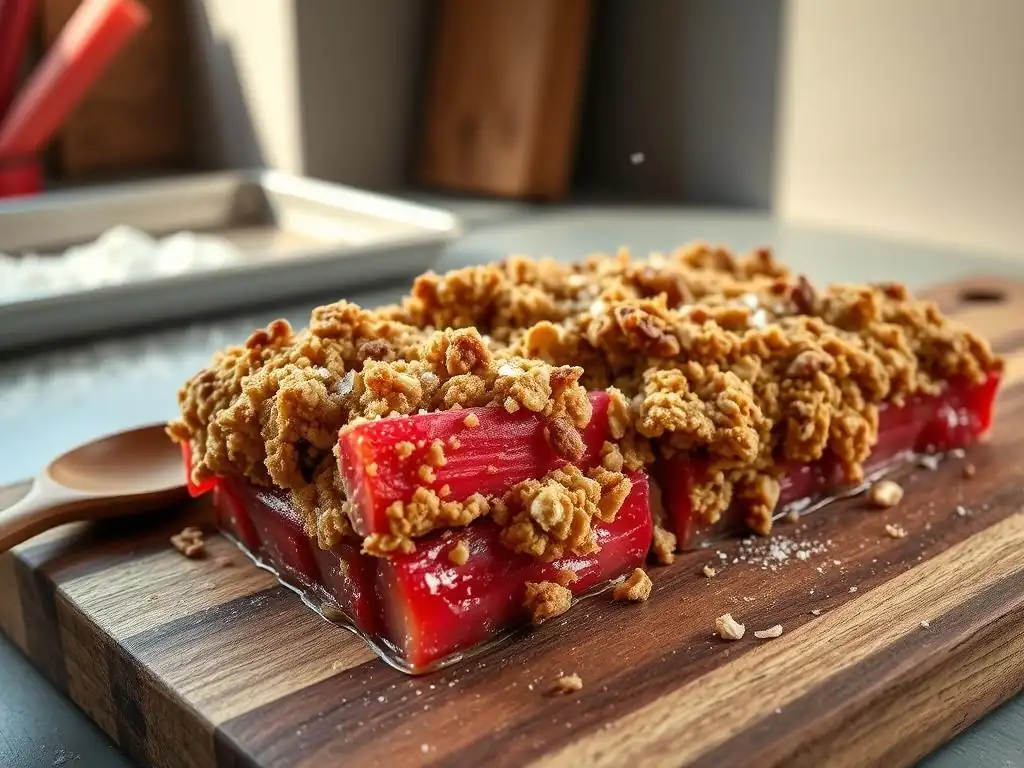
Let's get specific! A Rhubarb Crisp is an excellent example of how an easy German crumble topping shines. The tartness of the rhubarb provides a wonderful contrast to the sweetness and richness of the streusel. You'd typically prepare a rhubarb filling (rhubarb, sugar, maybe a little flour or cornstarch) and pour it into a baking dish.
Then, you'd generously cover the rhubarb mixture with your homemade streusel. Bake at around 375°F (190°C) for 35-45 minutes, or until the rhubarb is tender and bubbling around the edges, and the streusel is golden brown and crispy. Serve warm, perhaps with a scoop of vanilla ice cream. The classic easy German crumble topping is absolutely perfect with the bright, tangy flavor of rhubarb.
Blueberry Muffins with Streusel
Blueberry Muffins are another fantastic application for an easy German crumble topping. Imagine tender, moist muffins studded with juicy blueberries, topped with a sweet, buttery crunch. After filling your muffin cups with batter, sprinkle a generous amount of streusel over the top of each one – aiming for roughly 1.5 to 2 tablespoons per muffin depending on size.
Bake the muffins at a slightly higher temperature, perhaps 375°F to 400°F (190°C to 200°C), for 18-22 minutes, or until a toothpick inserted into the center of a muffin comes out clean and the streusel is golden brown. The streusel not only adds incredible flavor and texture but also gives the muffins a beautiful, bakery-style appearance. An easy German crumble topping truly elevates your homemade blueberry muffins.
Storing Streusel Topping
Storing for Freshness
If you make a batch of easy German crumble topping ahead of time or have leftovers, proper storage is key to maintaining its texture and flavor. Unbaked streusel can be stored in the refrigerator for up to 3-4 days. Place the streusel in an airtight container or a zip-top bag, pressing out as much air as possible.
Storing it in the fridge keeps the butter cold, which is essential for achieving the best texture when you eventually bake it. When you're ready to use it, you can sprinkle it directly onto your baked good from the fridge; there's no need to bring it to room temperature. This convenient storage method makes it easy to have an easy German crumble topping ready whenever the baking mood strikes.
Freezing for Later Use
For longer storage, unbaked streusel freezes beautifully for up to 2-3 months. This is a fantastic way to prep ahead and have easy German crumble topping on hand for spontaneous baking projects. Simply place the prepared streusel in a freezer-safe airtight container or a heavy-duty freezer bag.
Label the container with the date. To use, you can typically sprinkle the frozen streusel directly onto your batter or fruit filling before baking. It might require a minute or two of extra baking time to become fully golden and crisp compared to using chilled streusel, but the convenience is well worth it. Freezing is an excellent strategy for batch-making your favorite easy German crumble topping.
Streusel Variations
Brown Sugar Streusel: Adding Depth of Flavor
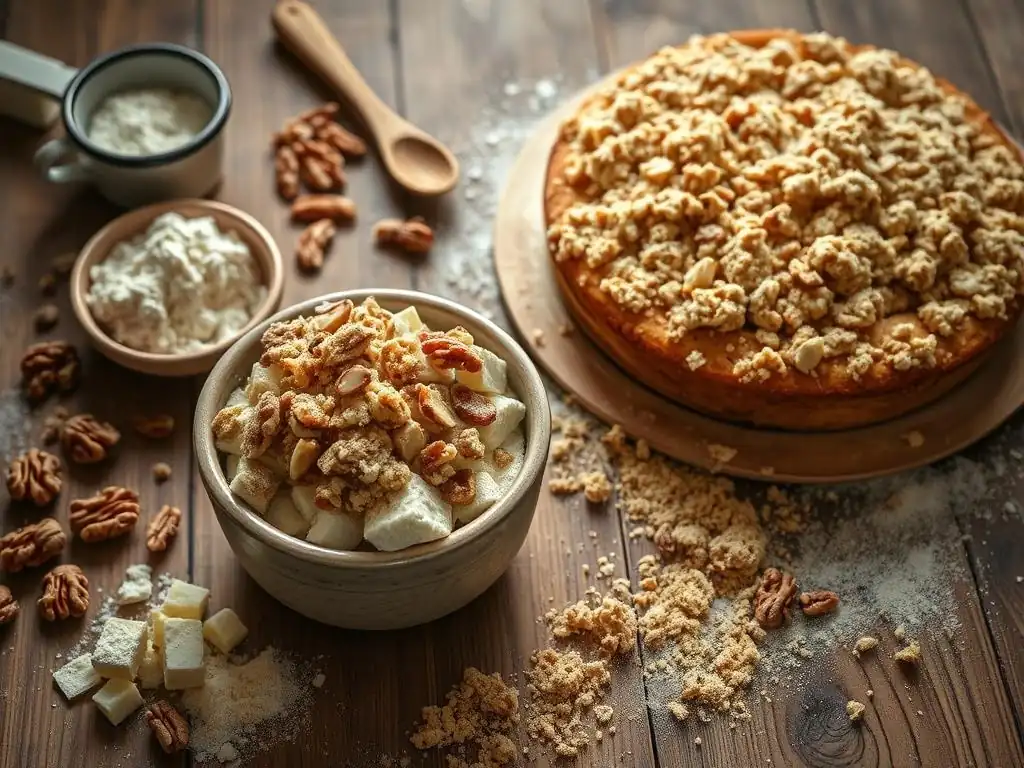
Swapping some or all of the granulated sugar for brown sugar introduces a wonderful depth of flavor and a slightly different texture to your easy German crumble topping. Brown sugar contains molasses, which imparts notes of caramel and toffee. It also adds moisture, often resulting in a slightly chewier, richer crumble compared to using only granulated sugar.
When using brown sugar, you might notice the streusel browns a bit faster due to the molasses content, so keep an eye on it while baking. Light brown sugar provides a milder caramel flavor, while dark brown sugar offers a more intense, molasses-rich taste. A common variation is to use a 50/50 mix of granulated and brown sugar (e.g., 1/2 cup granulated, 1/2 cup brown sugar for a 1-cup flour base), which offers a balance of crispness from the granulated sugar and chewiness/flavor from the brown sugar. This variation is particularly good with apple or pear desserts.
Oat Streusel: A Hearty Texture
Adding rolled oats to your easy German crumble topping provides a heartier texture and a slightly nutty flavor, making it a popular choice for fruit crisps and crumbles. Old-fashioned rolled oats (not instant oats) work best, maintaining their shape and chewiness during baking. A typical ratio might be 1 part flour, 0.5 parts oats, 1 part sugar (often brown sugar here), and 0.5-0.75 parts butter.
The oats absorb some of the butter and moisture, creating a more substantial crumble. They also contribute to a lovely golden-brown color as they toast in the oven. This variation is excellent when you want a topping that feels a bit more rustic and wholesome. Incorporate the oats along with the flour and sugar before adding the butter. Oat streusel is a delicious twist on the classic easy German crumble topping.
Ginger Streusel: A Spicy Kick
For those who enjoy a little warmth and spice, adding ground ginger to your easy German crumble topping can create a vibrant flavor profile. Ginger pairs exceptionally well with fruit like apples, pears, and peaches, and can also add an interesting dimension to spice cakes. Simply add about 1/2 to 1 teaspoon of ground ginger (or a combination of ginger and cinnamon) to your dry ingredients along with the flour and sugar.
The amount of ginger can be adjusted based on your preference for spice. For an extra punch, you could even add a tiny pinch of cayenne pepper, though this is less traditional for German streusel. This variation adds a warm, aromatic note that elevates the simple buttery crumble. A ginger-spiced easy German crumble topping is a fantastic way to add complexity to your baked goods.
Tips for Baking with Streusel
Achieving Even Baking
To ensure your easy German crumble topping bakes evenly and achieves that desirable golden-brown color without burning, distribution is key. Sprinkle the streusel evenly over the surface of the batter or fruit filling. Avoid piling it too high in one spot, as this can lead to uneven baking – the edges might burn while the center remains pale.
For larger surfaces like coffee cakes in a 9x13 inch pan, spreading the streusel gently with your fingers ensures good coverage. If using on muffins, aim for a relatively even layer over the top of each muffin. Baking temperature also plays a role; baking at a moderate temperature (like 350-375°F or 175-190°C) allows the streusel to crisp and brown gradually. If you notice it browning too quickly, you can loosely tent the top with aluminum foil for the remaining baking time. Achieving even baking results in a perfectly crisp easy German crumble topping across the entire surface.
Preventing a Soggy Topping
A common issue when baking with streusel, particularly over moist fillings like fruit, is the streusel becoming soggy on the bottom. This happens when moisture from the filling or batter permeates the streusel before it has a chance to crisp up. Fortunately, there are a few tricks to help prevent this and ensure your easy German crumble topping stays perfectly crunchy.
One method is to add a very thin layer of dry ingredients (like a tablespoon of flour or finely ground nuts) directly onto the batter or fruit filling before adding the streusel. This creates a small barrier that absorbs some initial moisture. Another tip, especially for fruit fillings, is to ensure the fruit is properly prepared (e.g., drained if very juicy) and that the thickener (flour, cornstarch, or tapioca) is adequately mixed with the fruit to minimize excess liquid bubbling up.
Baking at the correct temperature and ensuring the streusel is fully baked and golden brown also helps, as a properly baked streusel is more resistant to moisture absorption. Taking these steps helps guarantee a crispy easy German crumble topping every time.
Conclusion: Enjoying Homemade Streusel
Savoring Your Streusel Creations
Congratulations! You've now mastered the art of making perfect streusel topping. This easy German crumble topping is a versatile and delicious addition to a wide variety of baked goods. From classic coffee cakes and muffins to comforting fruit crisps and even pies, the simple combination of flour, sugar, and butter creates a textural and flavorful contrast that elevates any dessert. The process is straightforward, the ingredients are simple, and the results are consistently delightful.
Take the time to appreciate the golden, crumbly texture and the rich, buttery flavor of your homemade streusel. Whether enjoyed warm from the oven atop a bubbling fruit crisp or as a delightful crunch on a tender muffin, your easy German crumble topping is sure to impress. Experiment with variations, try it on different recipes, and savor the simple pleasure of a perfectly baked streusel. Happy baking!
Frequently Asked Questions
What exactly is German crumble topping (Streusel)?
Streusel is a crispy and buttery crumble topping commonly used in German baking. It's made from flour, butter, sugar, and sometimes spices, providing a delicious textural contrast to soft cakes and fruits.
How is "Easy German crumble topping" different from other crumble toppings?
While similar to other crumbles, German Streusel often uses a higher ratio of butter for a richer flavor. It's also frequently less sweet than some American-style crumble toppings.
What kind of flour works best for an Easy German crumble topping?
All-purpose flour is the most common choice and works perfectly well. You can also use pastry flour for a more tender crumble or a portion of whole wheat flour for a nutty flavor and added texture.
Can I make Easy German crumble topping ahead of time?
Yes, you can! Store the unbaked crumble topping in an airtight container in the refrigerator for up to 3 days or in the freezer for up to 1 month.
What are some examples of baked goods that use Easy German crumble topping?
Streusel is incredibly versatile! It's delicious on top of fruit pies, coffee cakes, muffins, and even used as a topping for simple loaf cakes or quick breads for an extra touch of sweetness and crunch.
Final Reflection: The Enduring Charm of a Simple Streusel
The seemingly simple act of crafting a perfect German crumble topping (Streusel) transcends mere baking; it's a connection to tradition, a celebration of texture, and a testament to the power of uncomplicated pleasures. In a world obsessed with complex recipes and gourmet ingredients, the ease and deliciousness of a well-made Streusel offers a refreshing counterpoint. Its versatility, adaptable to countless desserts and fruit combinations, ensures its continued relevance in modern kitchens.
The enduring appeal of the Streusel lies not just in its taste, but in its ability to evoke feelings of warmth, comfort, and home. It's a recipe passed down through generations, a shared experience connecting bakers across cultures and time. Baking is at once child's play and adult joy. And love, of course.
– This sentiment perfectly captures the essence of the Streusel's charm; it's a simple act imbued with profound meaning. The satisfying crunch, the buttery aroma, the perfect balance of sweet and nutty – these are the sensory experiences that solidify its place in our culinary heritage.
Now, I invite you to consider the possibilities. Don't just bake a Streusel; create a Streusel. Experiment with different nuts, spices, and flours. Share your creations with loved ones, and let the simple act of baking bring you joy and connection. The next time you're looking for a touch of effortless elegance and undeniable deliciousness, remember the magic of the Streusel – a testament to the enduring power of simple perfection.
Unlock Your Inner Bäcker: Master the Perfect Streusel!
Thanks for joining us on this delicious journey into the world of German streusel! We hope you now feel confident in creating this wonderfully crumbly topping. Ready to take your baking to the next level?
- Bake a batch of streusel-topped goodness today! Try the recipe from the article, adapting it to your favorite fruit or cake.
- Share your streusel creations with us on social media – we'd love to see your baking triumphs! Use #BakeWithEaseStreusel.
- Explore other German baking techniques on our website – we have a whole host of delicious recipes waiting for you!
Ready to sprinkle some streusel magic into your life? What delicious treat will you top with your perfectly crafted crumble?