
Storing Meringue: Keep Your Baked Goods Crisp and Fresh for Longer

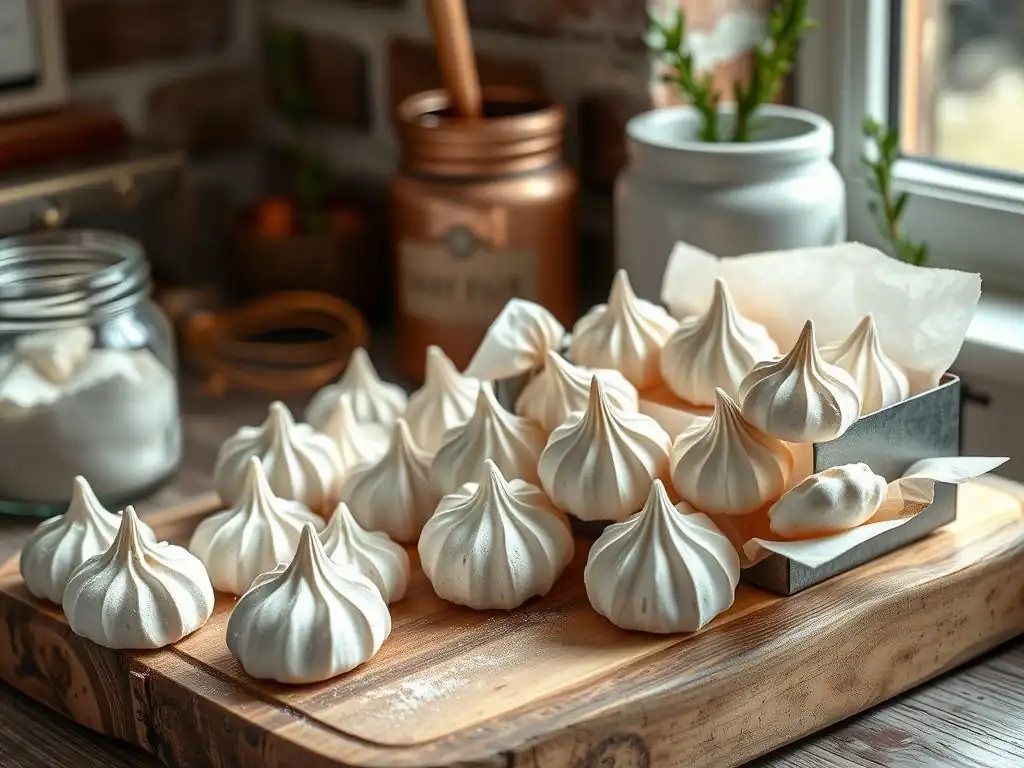
Welcome to BakeWithEase, your trusted guide to the delightful world of baking! Tired of your delicate meringues losing their crispness? Discover the secrets to preserving their perfect texture in our latest article: How to Store Meringue Properly. Unlocking these techniques will elevate your baking game and ensure your sweet treats stay delicious for longer. Intrigued? Let's dive in and learn how to keep your meringues irresistibly fresh!
- Storing Meringue: Keep Your Baked Goods Crisp and Fresh
- Introduction to Meringue Storage
- Understanding Meringue Structure and Spoilage
- Methods for Storing Meringue
- Troubleshooting Meringue Storage Issues
- Tips for Maintaining Meringue Quality During Storage
- Conclusion: Mastering Meringue Storage
- Frequently Asked Questions
- Final Reflection: The Delicate Art of Meringue Preservation
- Unlock the Secrets to Perfectly Crisp Meringues!
Storing Meringue: Keep Your Baked Goods Crisp and Fresh
Introduction to Meringue Storage
Meringue, that ethereal cloud of whipped egg whites and sugar, is a delightful component in countless desserts, from delicate cookies and crisp kisses to fluffy pie toppings and elegant pavlovas. However, its delicate nature means that mastering how to store meringue properly is key to preserving its unique texture and flavor.
Whether you've baked a large batch of meringue cookies or have leftover meringue mixture, knowing the right storage techniques can save your creations from turning into a sticky, chewy, or weeping mess. Proper meringue storage is essential for maintaining its crispness, preventing spoilage, and ensuring your hard work in the kitchen pays off with delicious results every time.
Understanding the science behind meringue and its vulnerabilities is the first step in effective storage. Meringue's primary enemy is moisture – both from the surrounding environment and from within the dessert itself. This article will guide you through the best practices for storing different types of meringue, offering practical tips and troubleshooting advice to help you keep your baked goods crisp, fresh, and utterly delightful for as long as possible.
Understanding Meringue Structure and Spoilage
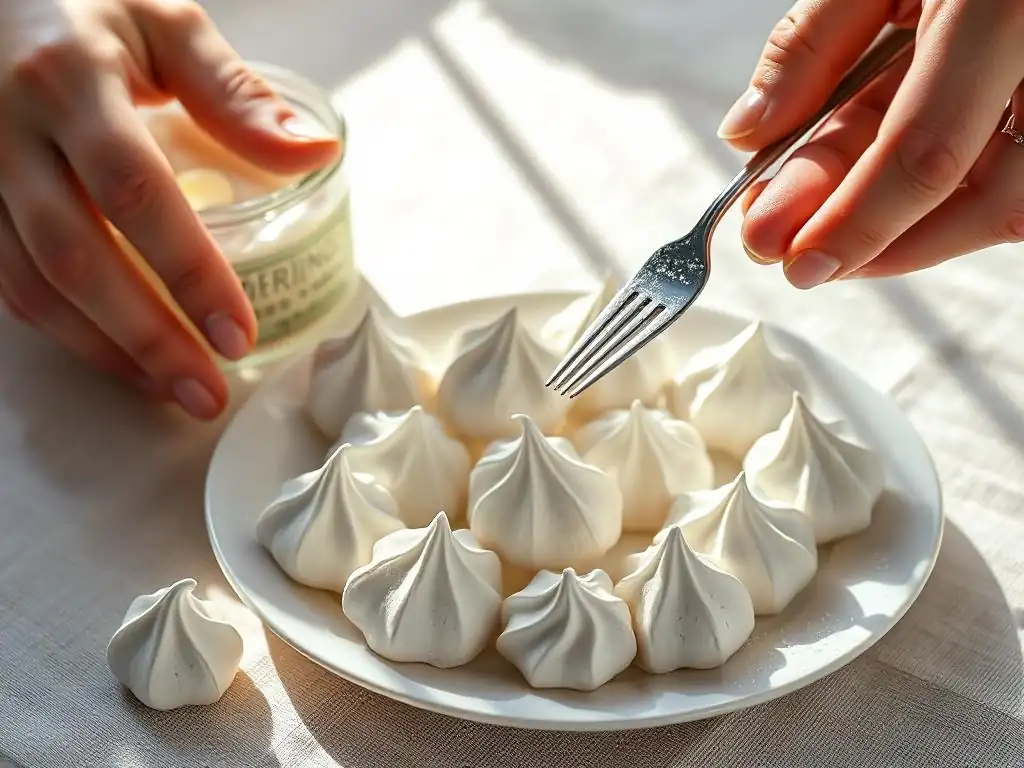
Meringue's unique texture comes from the network of proteins in egg whites that trap air bubbles when whipped, stabilized by the addition of sugar. This structure is incredibly delicate and highly susceptible to environmental factors, primarily humidity. When exposed to moisture, the sugar in the meringue attracts water, causing the structure to break down and the meringue to lose its desired crispness, becoming soft, sticky, or even weeping liquid.
The spoilage of meringue isn't always about mold or bacteria, although those are concerns over longer periods or improper conditions. More often, "spoilage" refers to the degradation of texture and quality. A perfectly crisp meringue kiss that turns soft and chewy after a day is technically "spoiled" in terms of its intended texture. Preventing this textural breakdown is the main goal of effective meringue storage.
Why Meringue Loses its Crispness
Meringue loses its crispness primarily due to humidity. Baked meringue, especially, is essentially a dried foam. The high sugar content is hygroscopic, meaning it readily absorbs moisture from the air. Imagine leaving a piece of hard candy uncovered on a humid day – it becomes sticky. Meringue behaves similarly. As it absorbs moisture, the sugar dissolves slightly, and the delicate protein structure weakens, causing the meringue to soften and become sticky or chewy.
For example, a batch of French meringue cookies baked until completely dry and crisp might have a moisture content of only around 1-2%. If stored in a humid environment, the sugar can absorb moisture, potentially increasing the water content to 5% or more, which is enough to turn that crisp cookie into a soft, sticky one. This is why simply leaving baked meringues out on a counter, even in a relatively dry kitchen, can lead to them losing their texture within hours, particularly in climates with high ambient humidity.
Factors Affecting Meringue Shelf Life
Several factors influence how long meringue remains in good condition, both in terms of texture and safety. The type of meringue (French, Swiss, Italian) plays a role; Italian and Swiss meringues, made with heated sugar syrups, are generally more stable than French meringue. However, once baked, all types are vulnerable to humidity. The baking process itself is crucial; if the meringue isn't baked long enough at a low temperature to dry out completely, it will retain internal moisture, significantly shortening its crisp shelf life.
Storage conditions are paramount. Exposure to air, especially humid air, is the quickest way to degrade baked meringue. Temperature also matters; while refrigeration is necessary for meringues containing dairy or other perishable ingredients (like a pie filling), the cold environment inside a refrigerator is often very humid, which can be detrimental to baked meringue's texture unless it's exceptionally well-sealed. Light and strong odors can also impact flavor over time, though these are less critical than moisture control for textural integrity.
Methods for Storing Meringue
Knowing the right technique is crucial for preserving meringue, whether it's still a raw mixture or a finished baked good. Different forms of meringue require different storage approaches to maintain their quality and safety. Let's explore the best ways to handle unbaked meringue, baked meringue cookies, and meringue-topped desserts.
Choosing the correct method depends on the state of your meringue and how long you need to store it. Improper storage can lead to issues ranging from a loss of crispness to food safety concerns, especially when other ingredients are involved.
Storing Unbaked Meringue
Sometimes you might have leftover meringue mixture or prepare it ahead of time. Storing unbaked meringue requires careful handling to prevent it from deflating or developing a tough skin. While it's generally best to use meringue immediately after whipping, short-term storage is possible.
The primary challenges with storing unbaked meringue are preventing the air bubbles from collapsing (which leads to deflation) and stopping the surface from drying out and forming a rubbery skin. The stability of the unbaked meringue depends on the type; Italian and Swiss meringues are more stable than French meringue due to the heated sugar.
Preparing Unbaked Meringue for Storage
To prepare unbaked meringue for storage, transfer it carefully to an airtight container using a spatula, minimizing deflation. Avoid stirring or excessive handling. Gently smooth the surface. The key is to create a barrier against air circulation. Some bakers recommend placing a piece of plastic wrap directly onto the surface of the meringue before sealing the container, pressing it down gently to eliminate air pockets. This step is particularly helpful in preventing the formation of a skin on French meringue, which is the most prone to drying out.
Ensure the container you choose is truly airtight. A standard plastic container with a snap-on lid can work, but a glass container with a rubber-sealed lid or even a piping bag with the tip tightly twisted and clipped can be more effective. The less air the meringue is exposed to, the better it will hold its structure and moisture balance during storage.
Short-Term Storage of Unbaked Meringue: Refrigeration
Unbaked meringue can be stored in the refrigerator for a short period. French meringue is the least stable and is best used within a few hours, ideally no more than 12 hours, even when refrigerated. Swiss and Italian meringues are more robust and can typically be stored in the refrigerator for up to 24-48 hours. Beyond this, they will start to lose volume and stability.
When storing in the fridge, place the airtight container on a stable shelf where it won't be jostled. The cold temperature helps slow the breakdown of the protein structure. However, refrigeration also means exposure to potentially humid air inside the fridge, which is why an airtight container is non-negotiable. Before using refrigerated meringue, let it sit at room temperature for 10-15 minutes to lose some of its chill, then gently whisk it by hand for a few seconds if needed to restore some uniformity, being careful not to overmix and deflate it.
Long-Term Storage of Unbaked Meringue: Freezing
Freezing unbaked meringue is generally not recommended, as the ice crystals that form can damage the delicate protein structure, causing it to weep and deflate significantly upon thawing. While some recipes might suggest freezing, the resulting meringue will likely have lost substantial volume and might not whip up properly or hold its shape when baked.
If you must attempt to store unbaked meringue for longer periods, freezing is the only option, but manage expectations regarding the final texture. Transfer the meringue to a freezer-safe airtight container or heavy-duty freezer bag, pressing out as much air as possible. Freeze for up to 1-2 months.
Thaw it slowly in the refrigerator overnight. It will likely be more liquid than fresh meringue. You might try gently re-whipping it, but it will rarely regain its original volume or stiffness, making it potentially unsuitable for delicate applications like piping shapes, though it might still work for things like meringue pie topping where some deflation is less critical.
Baked meringues, such as cookies or kisses, are designed to be crisp and dry. Their storage focuses entirely on protecting them from moisture absorption. Proper storage can keep them perfectly crisp for weeks.
The enemy here is humidity. A baked meringue cookie left out on a plate in a moderately humid room (say, 60% relative humidity) can start to absorb enough moisture to become noticeably soft within just a few hours. The goal of storing baked meringue is to isolate it from ambient moisture.
Proper Cooling Techniques Before Storing
Before storing baked meringue cookies or kisses, it is absolutely essential that they are completely cool and dry. Meringues are typically baked at very low temperatures (often around 200-225°F or 90-110°C) for a long time to dry them out rather than brown them. After baking, turn off the oven and often leave the meringues inside with the door ajar to cool down gradually and dry out further.
Once removed from the oven, let them cool completely on the baking sheet or a wire rack at room temperature. Ensure the room is not overly humid. Cooling can take anywhere from 30 minutes to several hours, depending on their size and the ambient conditions. Never store warm or even slightly warm meringues, as they will create condensation inside the container, trapping moisture and ruining their texture instantly. They should be cool to the touch and feel light and dry.
Storing Meringue Cookies at Room Temperature: Airtight Container and Desiccant
The best way to store baked meringue cookies and kisses is at room temperature in an airtight container. Choose a container that seals tightly, like a metal cookie tin with a snug lid, a glass jar with a rubber seal, or a sturdy plastic container with a reliable closure. Avoid flimsy containers or bags that aren't truly airtight.
For extra protection against humidity, especially if you live in a damp climate, consider adding a desiccant packet to the container. Food-safe silica gel packets (often found in packaging for dried foods) can absorb excess moisture within the container. Place the meringues in the container in a single layer or separated by parchment paper if stacking, then add a desiccant packet or two before sealing. Store the container in a cool, dry place away from direct sunlight and heat sources. Stored this way, baked meringues can remain crisp for up to 2-3 weeks, sometimes longer.
Freezing Baked Meringue: Considerations
Freezing baked meringue cookies is possible, but it comes with risks. The main risk is condensation when thawing. If done incorrectly, the meringues will absorb moisture from the air as they come to room temperature, becoming soft and sticky.
To freeze baked meringues, ensure they are completely cool and dry. Place them in a single layer on a baking sheet and freeze until solid (about 1-2 hours). Then, transfer the frozen meringues to a freezer-safe airtight container or a heavy-duty freezer bag. Layer them carefully, perhaps with parchment paper in between, to prevent breakage. Seal tightly, removing as much air as possible.
Freeze for up to 1-2 months. To thaw, transfer the container directly from the freezer to the refrigerator and let it thaw slowly overnight without opening the container. This allows condensation to form on the outside of the container rather than on the meringues themselves. Once fully thawed, take the container out and let it come to room temperature before opening it. This slow, sealed thawing process minimizes moisture exposure.
Storing Meringue-Topped Pies and Desserts
Storing meringues that are part of a larger dessert, particularly meringue-topped pies, presents a different challenge because the filling beneath the meringue often contains moisture and requires refrigeration. This combination of a moisture-sensitive topping and a perishable base makes storage tricky.
The goal here is to protect the meringue from the moisture of the filling and the refrigerator environment while keeping the filling safe. Unfortunately, meringue on a pie topping is unlikely to remain perfectly crisp for long due to moisture migration from the filling.
Storing Meringue Pies: Refrigeration
Meringue-topped pies, such as lemon meringue or chocolate meringue pie, must be stored in the refrigerator due to their perishable fillings, which typically contain eggs, dairy, or fruit. Cover the pie loosely. A pie dome or a large bowl inverted over the pie is often better than plastic wrap pressed directly onto the meringue, as plastic wrap can stick and also trap moisture against the meringue surface.
Refrigerate the pie as soon as it has cooled sufficiently (but within two hours of baking or assembly if the filling is cooked). Stored this way, a meringue pie is typically best consumed within 2-3 days. The meringue topping will gradually soften and may start to weep during this time due to the moisture from the filling and the humid refrigerator environment.
Preventing Weeping Meringue on Pies
Weeping is a common issue with meringue pie toppings, where liquid beads form on the surface or pool between the meringue and the filling. This is often caused by undercooked meringue (sugar not fully dissolved or proteins not set) or moisture migration during cooling and storage. While complete prevention is difficult, especially with refrigeration, you can minimize it.
Ensure your sugar is fully dissolved when making the meringue (using a Swiss or Italian method helps). Apply the meringue to a warm filling; the residual heat can help set the bottom of the meringue layer. Bake the meringue topping until it is lightly browned and appears set all the way through, not just on the surface.
During storage, the loose covering in the refrigerator helps somewhat, but the high humidity of the fridge will still likely cause some weeping over time. Accepting that the meringue topping's texture will change is part of storing meringue pies.
Storing Meringue-Based Desserts
Other desserts featuring meringue, like pavlovas or Eton Mess, have different storage needs. A baked pavlova shell, which should be crisp on the outside and slightly soft and marshmallowy inside, should be stored similarly to baked meringue cookies: in an airtight container at room temperature once completely cool. Do not refrigerate an unfilled pavlova shell, as it will absorb moisture and lose its texture. A large pavlova shell can be stored this way for 2-3 days before filling.
Desserts like Eton Mess, which combine meringue pieces with cream and fruit, cannot be stored for long. The moisture from the cream and fruit will quickly soften the meringue. These desserts are best assembled just before serving. If you have components prepped, store the baked meringue pieces separately (airtight, room temp), the whipped cream ready to go (refrigerated), and the fruit prepared. Combine them right before serving for the best texture. If you have leftovers of an assembled dessert, they can be refrigerated in an airtight container for a day, but the meringue will be soft.
Troubleshooting Meringue Storage Issues
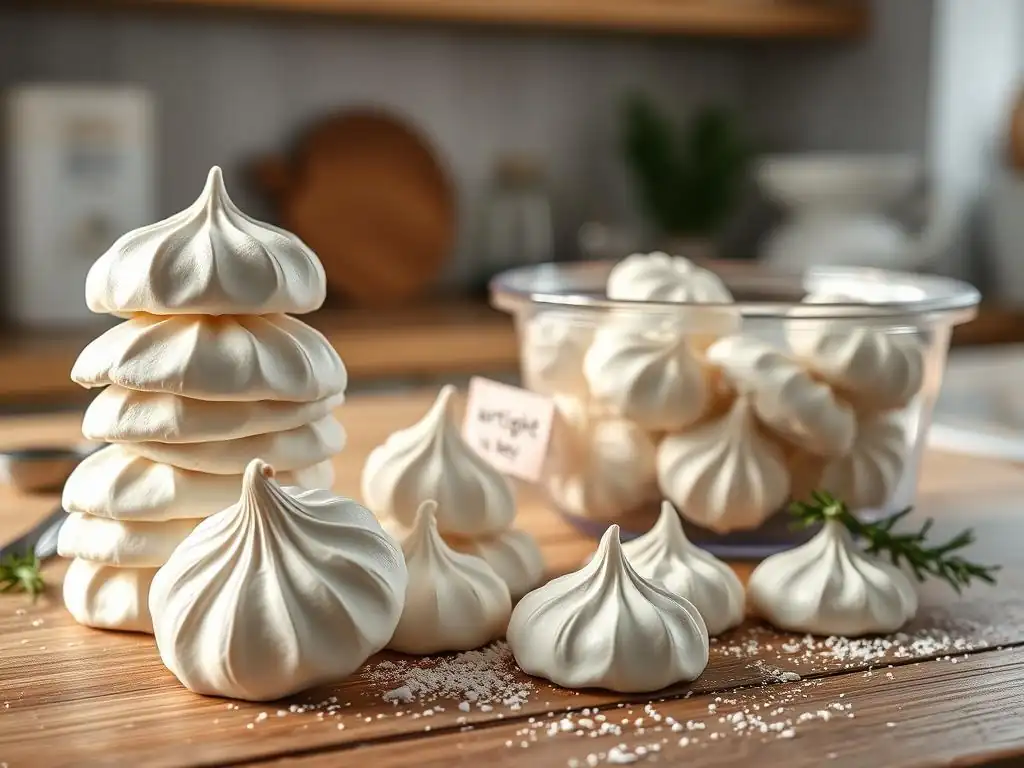
Even with the best storage practices, you might encounter problems with your meringue. Understanding common issues like sogginess, cracking, or staleness can help you salvage your creations or learn how to improve your techniques for next time.
Addressing these problems often involves reversing the effects of moisture or handling the meringue gently. While a completely ruined meringue might be beyond saving, minor issues can sometimes be corrected.
Dealing with Soggy Meringue
Soggy meringue is almost always a result of moisture exposure – either from high ambient humidity during cooling or storage, or from moisture migrating from a filling. If baked meringues have become slightly soft but aren't sticky or dissolved, you might be able to crisp them up again.
Try placing the soft meringues back on a baking sheet lined with parchment paper. Put them in a cool oven (around 200-225°F or 90-110°C) for 15-30 minutes. This low heat can help drive out some of the absorbed moisture. Turn the oven off and let the meringues cool completely inside the oven with the door ajar. This process is similar to the initial drying phase of baking. This method works best for meringues that are just slightly soft; if they are very sticky or gummy, they may not fully recover their crisp texture.
Addressing Cracked Meringue
Cracked meringue, particularly on pies or large pavlova shells, is often caused by rapid temperature changes or uneven drying. While cracking doesn't necessarily affect the taste, it impacts appearance. Storing meringue doesn't cause cracking, but improper handling during storage (like bumping the container) can worsen existing cracks or cause fragile, already-baked meringue to break.
To minimize cracking during baking and cooling, ensure the oven temperature is low and consistent, and avoid opening the oven door frequently. Allow the meringue to cool gradually inside the turned-off oven. Once baked and cooled, handle meringue items very gently. Store them in containers where they are not crammed together or likely to be bumped. For a cracked meringue pie topping, there's little you can do visually after it happens, but understanding the cause can help prevent it next time.
Reviving Stale Meringue: Reheating Techniques
"Stale" in the context of baked meringue usually means it has lost its crispness due to moisture absorption and might also feel a bit dry or less flavorful if it's very old. The primary way to "revive" it is by attempting to remove the absorbed moisture, as described for dealing with sogginess.
Reheating in a low oven (200-225°F / 90-110°C) for 15-30 minutes and then letting it cool completely in the oven is the most effective method. This process essentially re-dries the meringue. While this can restore crispness to slightly stale meringues, it won't fix issues like weeping or significant stickiness, and it won't improve the flavor if the meringue is truly old. This technique is best for meringues that are just a few days old and have become slightly soft.
Tips for Maintaining Meringue Quality During Storage
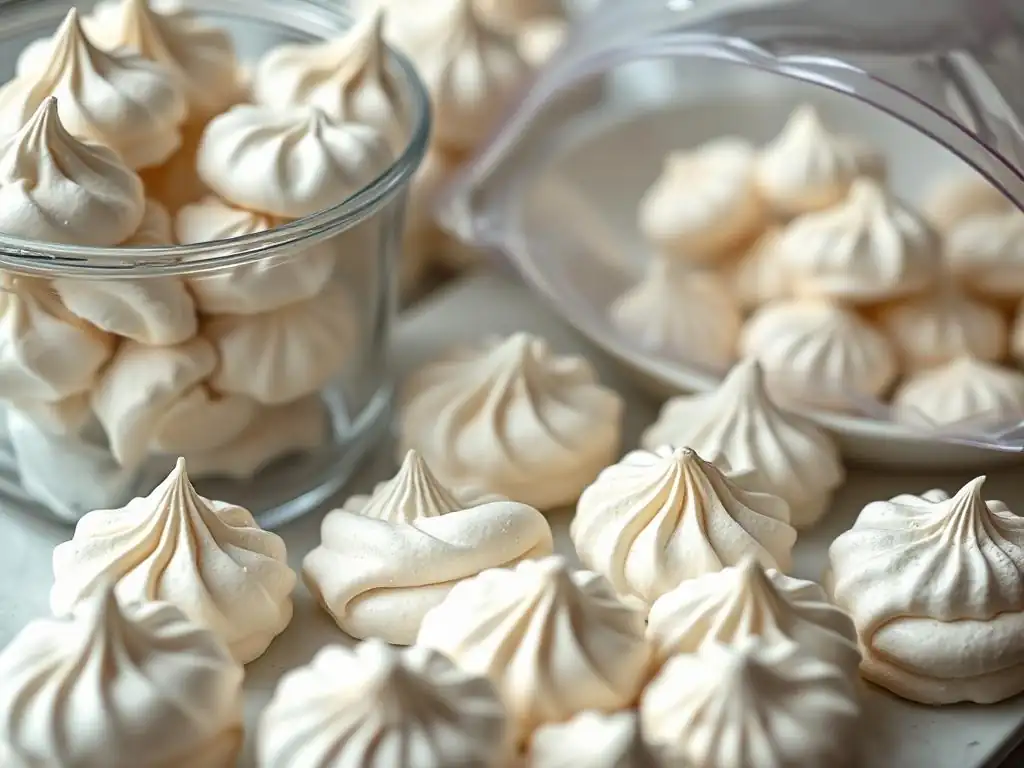
Beyond the specific methods for different meringue types, a few overarching principles apply to storing meringue successfully and keeping it in its best condition. These tips focus on controlling the environment around the meringue.
Remember, the goal is to protect the meringue's delicate structure from its main adversary: moisture. By being mindful of air, humidity, and location, you significantly extend the life and quality of your meringues.
The Importance of Airtight Containers
Using truly airtight containers is perhaps the single most important factor in storing baked meringue successfully. A container that is not airtight allows humid air to circulate around the meringue, leading to rapid moisture absorption and loss of crispness. Even a small gap in the seal can compromise the entire batch.
For example, storing baked meringue cookies in a cardboard box or a loosely covered bowl will result in them becoming soft within hours in a moderately humid kitchen (e.g., 50-60% humidity). Storing the exact same cookies in a glass jar with a tight-fitting rubber seal can keep them crisp for two weeks or more. The difference is the barrier created by the airtight seal, which prevents the exchange of moisture between the meringue and the surrounding air. Invest in good quality storage containers if you bake meringues often.
Controlling Humidity Levels
Controlling the humidity of the storage environment is critical, especially for baked meringue. Room temperature storage in an airtight container is preferred over refrigeration because refrigerators are typically high-humidity environments. Choose a storage location in your home that is cool and dry, such as a pantry or a high shelf away from sinks, dishwashers, and windows where condensation might occur.
In areas with consistently high humidity (e.g., tropical climates), storing baked meringues can be particularly challenging. In such cases, using desiccant packets within the airtight container is highly recommended. You might also find that the shelf life, even with perfect storage, is slightly shorter than in a dry climate. Aim for a storage location where the relative humidity is below 50% if possible, though the airtight container is your primary defense.
Choosing the Right Storage Location
The ideal storage location for baked meringue is a cool, dark, and dry place. Heat can affect the structure of meringue and potentially cause any absorbed moisture to become more problematic. Light, especially direct sunlight, can cause some types of meringue to yellow over time and may also contribute to slight temperature fluctuations within the storage container.
A pantry shelf, a cupboard away from heat-generating appliances (like the oven or refrigerator motor), or a cool, dry basement room are generally good choices. Avoid storing meringues near sources of moisture like sinks, open drains, or in areas prone to temperature swings. The consistency of temperature and low humidity of the location, combined with an airtight container, provides the best environment for preserving the crisp texture of baked meringues.
Conclusion: Mastering Meringue Storage
Mastering how to store meringue properly is a vital skill for any baker who loves working with this delicate ingredient. Whether you're dealing with leftover unbaked mixture or a batch of perfectly baked meringue cookies, understanding the science behind meringue's vulnerability to moisture is key. By using airtight containers, controlling humidity, and choosing the right storage location, you can significantly extend the shelf life and preserve the delightful texture of your meringue creations.
Remember that storage needs vary depending on the type of meringue and whether it's baked or part of a larger dessert like a pie. While unbaked meringue can be refrigerated for a short time, baked meringue thrives in a dry, airtight environment at room temperature. For meringue pies, refrigeration is necessary for food safety, but be prepared for the meringue topping to soften. By following these guidelines and tips, you'll be well-equipped to keep your meringues crisp, fresh, and ready to enjoy whenever the craving strikes. Happy baking and even happier storing!
Frequently Asked Questions
How long can I store meringue at room temperature?
Generally, baked meringue can be stored at room temperature for up to two days, provided it's in an airtight container and away from humidity. High humidity will cause the meringue to become sticky and lose its crispness.
What's the best way to prevent meringue from becoming soggy?
The key is to keep it dry. Store meringue in an airtight container with a desiccant like uncooked rice or silica gel packets. Also, ensure the meringue is completely cooled before storing.
Can I freeze meringue?
While some meringues can be frozen, it's generally not recommended for all types. Italian and Swiss meringues tend to freeze better than French meringue. However, freezing can still alter the texture, making it slightly softer upon thawing.
What type of container is best for storing meringue?
An airtight container is crucial. Avoid plastic containers as they can trap moisture. Glass or metal containers with a tight-fitting lid are ideal for maintaining the meringue's crispness.
How can I refresh meringue that has lost its crispness?
You can try briefly reheating it in a low-temperature oven (around 200°F or 93°C) for a few minutes. Watch it carefully to prevent burning. This can help remove any absorbed moisture and restore some crispness.
Final Reflection: The Delicate Art of Meringue Preservation
The crisp crackle of a perfectly made meringue is a fleeting pleasure, but understanding how to store it properly extends that joy. This seemingly simple act of preservation is, in fact, a testament to our appreciation for culinary artistry and a desire to savor the ephemeral. We've explored the science behind meringue's fragility, the pitfalls of improper storage, and the surprisingly effective methods for keeping these delicate confections at their peak.
The journey of understanding meringue storage has been a personal one, revealing the intricate balance between moisture, temperature, and time. It's a reflection of our broader relationship with food—a desire to not only create but also to preserve and enjoy the fruits of our labor. The best things in life are worth preserving, and a perfectly made meringue is certainly one of them.
This simple truth underscores the importance of the techniques discussed, transforming a seemingly mundane task into a celebration of culinary craftsmanship.
Now, consider your own baking journey. Have you ever experienced the heartbreak of a soggy meringue? Take the knowledge gained here and apply it to your next baking adventure. Experiment with different storage methods, observe the results, and refine your technique. Remember, the perfect meringue is not just about the recipe; it's about the care and attention you give it, from the moment of creation to the final, delightful bite. Embrace the challenge, and savor the sweet reward.
Unlock the Secrets to Perfectly Crisp Meringues!
Thanks for taking the time to explore the art of meringue storage with us! We hope you now feel confident in keeping your delicate creations crisp and delicious for longer. Ready to put your new knowledge into practice?
- Master the art of meringue storage: Try our recommended techniques today and see the difference! Experiment with different containers and storage times to find what works best for you.
- Share your meringue success (or challenges!): We'd love to see your perfectly stored meringues – tag us on social media and inspire others!
- Discover more baking tips and tricks: Explore our website for a wealth of resources to elevate your baking game.
What's your favorite tip for keeping meringues perfectly crisp? Let's share our secrets in the comments below!