
Simple Thai Sticky Rice with Mango (Simplified Method)

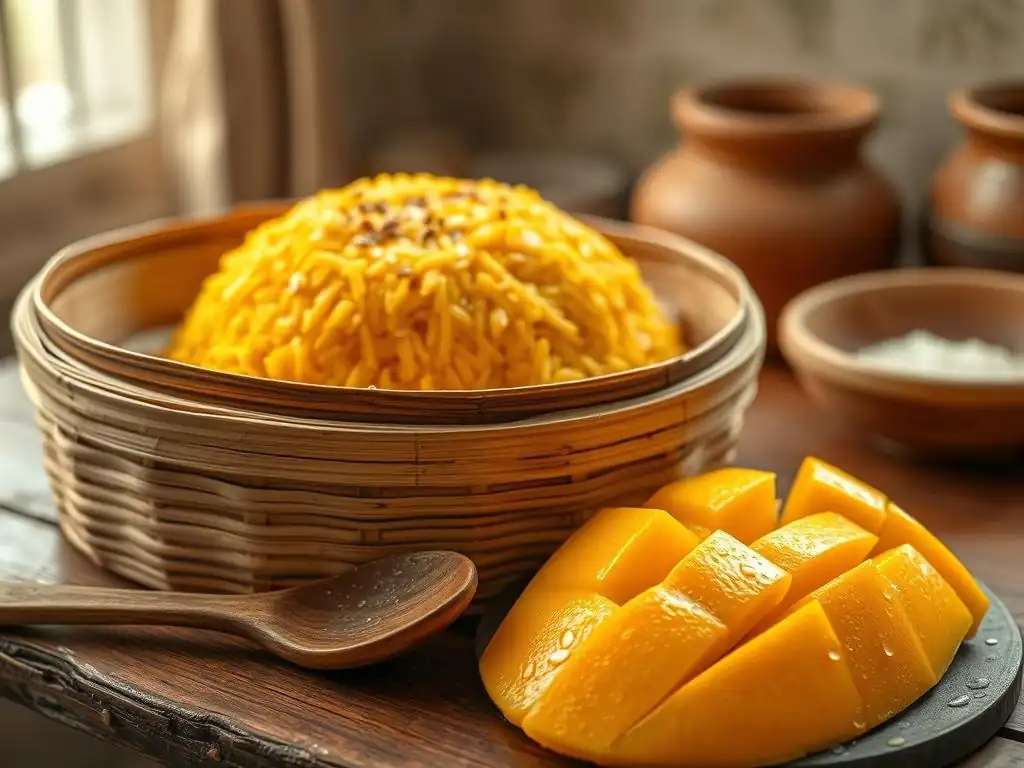
Welcome to BakeWithEase, your passport to a world of delectable baking adventures! Ever dreamt of effortlessly creating authentic flavors at home? Then you're in the right place. Today, we're demystifying a beloved Southeast Asian dessert with our Easy Thai Sticky Rice recipe. Curious how to achieve that perfect, slightly sweet, and wonderfully chewy texture without all the fuss? Keep reading to unlock the secrets and embark on a culinary journey to Thailand, one delicious bite at a time.
- Simple Thai Sticky Rice with Mango (Simplified Method) - BakeWithEase
- Introduction to Easy Thai Sticky Rice with Mango
- Ingredients for Easy Mango Sticky Rice
- Step-by-Step Guide: Making Easy Thai Sticky Rice
- Tips and Tricks for Perfect Thai Sticky Rice
- Troubleshooting Common Issues with Mango Sticky Rice
- Enjoy Your Homemade Easy Thai Sticky Rice!
- Frequently Asked Questions
- Final Reflection: The Sweet Simplicity of Shared Moments
- Unlock the Sweetness: Make Your Own Thai Mango Sticky Rice!
Simple Thai Sticky Rice with Mango (Simplified Method) - BakeWithEase
Introduction to Easy Thai Sticky Rice with Mango
Discover the Delight of Mango Sticky Rice: A Simplified Recipe
Mango sticky rice, or Khao Niao Mamuang, is a beloved Thai dessert that captivates with its harmonious blend of sweet, creamy, and slightly salty flavors. Traditionally, making this dish involves specific techniques for preparing the glutinous rice and infusing it with coconut milk. This simplified recipe aims to bring the magic of this classic dessert into your kitchen with less fuss, making it an accessible treat for home bakers and dessert lovers alike. You'll find that creating delicious, easy Thai sticky rice is well within reach, even if you're new to making Asian-inspired desserts.
This version focuses on streamlining the process without sacrificing authentic taste. We'll guide you through selecting the right ingredients and mastering the key steps, ensuring a successful outcome. By simplifying certain aspects, like the soaking and steaming of the rice, we make the journey to enjoying homemade easy Thai sticky rice a smooth and enjoyable one. Prepare to impress yourself and your loved ones with this delightful and relatively simple dessert.
Why This Easy Thai Sticky Rice Recipe Works
Our simplified approach to making easy Thai sticky rice works because it breaks down the traditional, sometimes intimidating, steps into manageable parts. We focus on the core techniques essential for perfect texture and flavor while offering alternatives or shortcuts where possible. For example, ensuring the rice is properly soaked is crucial, but our method clearly defines the minimum time required, typically around 30 minutes for quick preparation, though longer soaking (2-4 hours) is ideal for the absolute best results.
Furthermore, this recipe highlights the importance of quality ingredients, particularly the sticky rice itself and ripe mangoes, which are key to achieving that authentic taste. By providing clear instructions on integrating the sweet coconut milk into the cooked rice and pairing it with fresh mango, we ensure you get that signature creamy, sweet, and slightly chewy experience. This simplified easy Thai sticky rice recipe is designed for success, even for those who might feel hesitant about trying traditional Asian cooking methods.
Ingredients for Easy Mango Sticky Rice
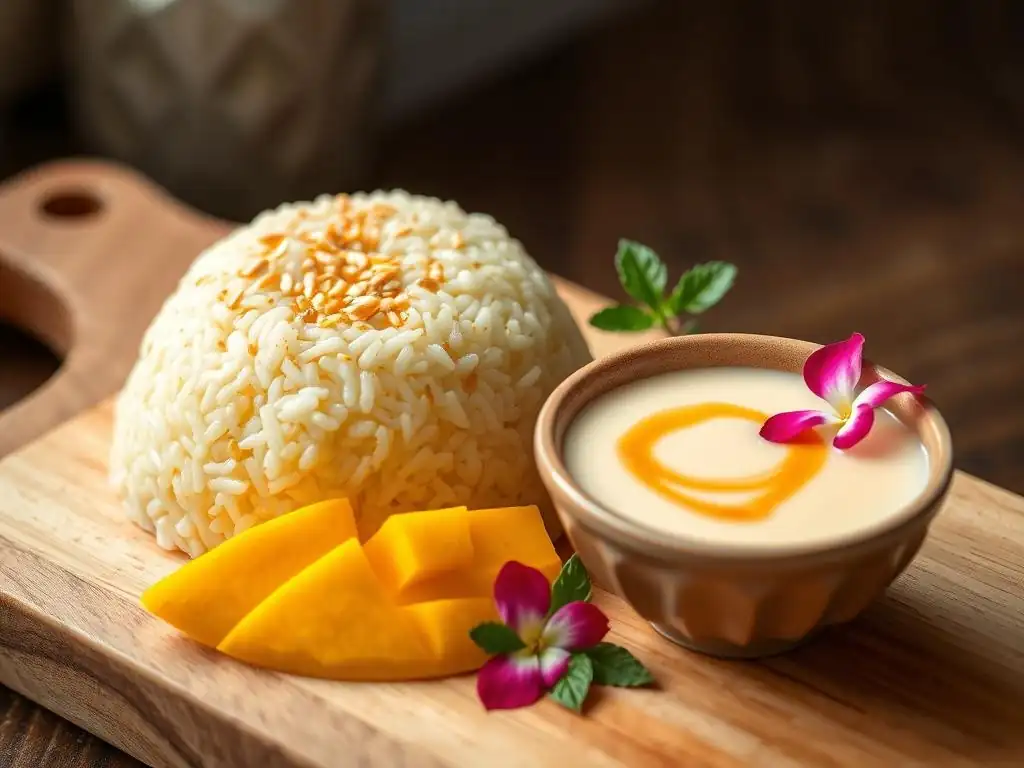
Sticky Rice (Sweet Rice) Essentials
The foundation of easy Thai sticky rice is, of course, the sticky rice itself, also known as glutinous rice or sweet rice. It's crucial to use the correct type of rice; regular long-grain or short-grain rice will not yield the desired sticky, slightly chewy texture. You'll typically find sweet rice in Asian grocery stores or international aisles of larger supermarkets. Look for bags labeled "glutinous rice" or "sweet rice." For a standard recipe serving 2-4 people, you'll likely need about 1 cup (approx. 200g) of dried sticky rice.
Before cooking, sticky rice requires soaking to ensure it cooks evenly and achieves the right consistency. Our simplified method suggests a minimum soak of 30 minutes, but soaking for 2-4 hours yields a more tender result. After soaking, the rice must be thoroughly rinsed until the water runs clear. This step removes excess starch and prevents the rice from becoming too gummy. Using the right amount of sticky rice and preparing it correctly is the first vital step towards delicious easy Thai sticky rice.
The Perfect Mango Variety for Sticky Rice
Choosing the right mango is just as important as the rice for authentic easy Thai sticky rice. The best mangoes are ripe, sweet, and non-fibrous. In Thailand, Nam Dok Mai and Aok Rong varieties are traditionally preferred for their incredible sweetness and smooth texture. When making easy Thai sticky rice elsewhere, look for varieties like Ataulfo (often called honey mangoes, available seasonally) or Keitt (larger, less fibrous) which are widely available and offer a good balance of sweetness and texture.
A ripe mango will yield slightly to gentle pressure and have a sweet, fruity aroma near the stem. Avoid mangoes that are too hard or have green patches, as they won't be sweet enough and might be fibrous. For a recipe using 1 cup of dried rice, you'll typically need 1-2 medium-sized ripe mangoes, depending on their size and your preference. The natural sweetness and slight tang of the perfect mango complement the rich coconut rice beautifully, making the easy Thai sticky rice truly shine.
Coconut Milk and Sugar: The Sweetness of Thai Dessert
The creamy, sweet sauce that infuses the sticky rice is made primarily from coconut milk and sugar. It's essential to use full-fat coconut milk from a can for the richest flavor and texture. "Light" coconut milk or coconut beverages in cartons won't provide the necessary richness. A standard recipe often uses about 1 cup (approx. 240ml) of full-fat coconut milk. The quality of the coconut milk significantly impacts the final taste of your easy Thai sticky rice.
The sweetness comes from sugar, traditionally white sugar or palm sugar. Palm sugar adds a subtle caramel note that many find authentic, but white granulated sugar works perfectly well for this simplified recipe. The amount of sugar can vary, but typically ranges from 1/4 to 1/2 cup (approx. 50-100g) per cup of coconut milk, adjusted to your sweetness preference. This sweet coconut sauce is what transforms plain sticky rice into the decadent base for easy Thai sticky rice with mango.
Other Key Ingredients for Authentic Flavor
Beyond the main components, a pinch of salt is crucial to balance the sweetness of the coconut sauce and enhance the overall flavor profile of your easy Thai sticky rice. Just a small amount, perhaps 1/4 teaspoon per cup of coconut milk, makes a significant difference, adding a subtle savory note that elevates the dessert. Don't skip the salt; it's key to achieving that authentic Thai balance.
Some recipes also include a thickening agent for the sauce, though our simplified method often relies on simmering the sauce briefly to reduce it slightly. However, a tiny amount of cornstarch slurry (1/2 teaspoon cornstarch mixed with 1 tablespoon water) can be used if a thicker sauce is desired for drizzling. Toasted sesame seeds or crispy fried mung beans are traditional garnishes that add texture and a nutty flavor, providing a delightful contrast to the soft rice and mango in easy Thai sticky rice.
Step-by-Step Guide: Making Easy Thai Sticky Rice
Preparing the Sticky Rice: Soaking and Rinsing
The first step in making easy Thai sticky rice is properly preparing the glutinous rice. Measure out your desired amount of sticky rice (e.g., 1 cup). Place the rice in a bowl and cover it with plenty of cool water. Let it soak. While traditional methods call for 4 hours or even overnight, our simplified approach suggests a minimum of 30 minutes. Soaking hydrates the rice grains, ensuring they cook through evenly and become tender, not hard in the center.
After soaking, it's vital to rinse the rice thoroughly. Drain the soaking water and place the rice in a fine-mesh sieve. Rinse under cool running water, agitating the rice gently with your fingers, until the water draining from the sieve runs clear. This process removes excess starch. If you skip this step, your easy Thai sticky rice might turn out gummy or gluey rather than perfectly sticky and separate.
Steaming the Sticky Rice for Perfect Texture
Steaming is the traditional and best method for cooking sticky rice, yielding the ideal texture. You can use a bamboo steamer placed over a pot of simmering water, a metal steamer basket, or even a rice cooker with a steaming function. Line your steamer with cheesecloth or parchment paper poked with holes to prevent the rice from sticking and falling through. Spread the rinsed sticky rice evenly in the prepared steamer.
Steam the rice over medium-high heat for about 20-30 minutes. The exact time depends on the amount of rice and how long it was soaked. You'll know it's done when the grains are translucent and tender throughout, with no hard white core visible when you bite into one. Check the water level in your pot periodically and add more if needed to prevent it from boiling dry. Proper steaming is key to achieving that signature chewy-yet-tender consistency for your easy Thai sticky rice.
Making the Sweet Coconut Sauce: A Simplified Approach
While the rice is steaming, prepare the sweet coconut sauce. In a small saucepan, combine the full-fat coconut milk, sugar, and salt. Use about 1 cup of coconut milk, 1/4 to 1/2 cup sugar (to taste), and 1/4 teaspoon salt. Heat the mixture over medium heat, stirring constantly until the sugar and salt are completely dissolved. Bring the mixture just to a simmer, then immediately remove it from the heat. Avoid boiling vigorously, as this can cause the coconut milk to separate.
Taste the sauce and adjust the sweetness or saltiness if necessary. Some recipes add a knotted pandan leaf during simmering for extra fragrance, but this is optional for a simplified approach. Keep the sauce warm while the rice finishes steaming. This sweet, slightly salty coconut infusion is what gives easy Thai sticky rice its characteristic rich flavor and creamy texture.
Assembling the Easy Mango Sticky Rice: Plating and Serving
Once the sticky rice is steamed and the coconut sauce is ready, it's time to combine them. Transfer the hot, steamed sticky rice to a clean bowl. Pour about two-thirds of the warm coconut sauce over the rice. Using a wooden spoon or spatula, gently fold and stir the rice to distribute the sauce evenly. Cover the bowl and let the rice sit for about 10-15 minutes. This resting period allows the rice grains to fully absorb the liquid, becoming plump, creamy, and infused with flavor – the hallmark of perfect easy Thai sticky rice.
While the rice is absorbing the sauce, peel and slice your ripe mangoes. Traditional presentation involves slicing the mango cheeks and fanning them out, but any neat slices work. To serve, spoon the coconut-infused sticky rice onto plates. Arrange the fresh mango slices alongside the rice. Drizzle the remaining warm coconut sauce over the rice and mango. Garnish with toasted sesame seeds or fried mung beans if desired. Enjoy your delicious homemade easy Thai sticky rice immediately!
Tips and Tricks for Perfect Thai Sticky Rice
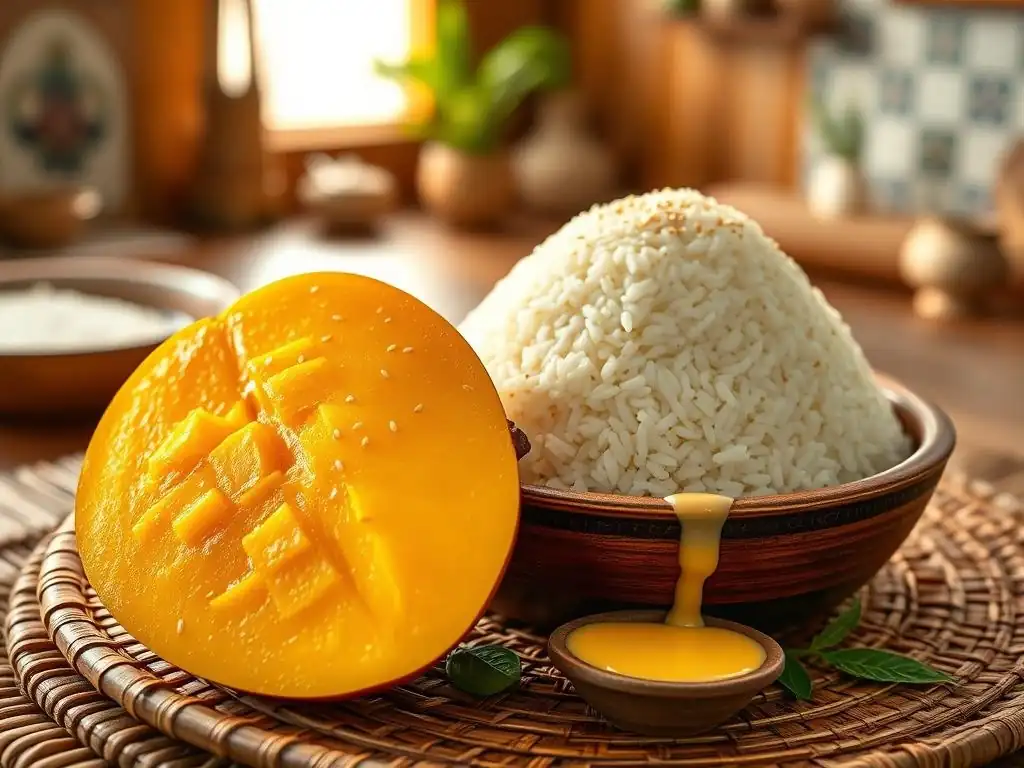
Achieving the Ideal Sticky Rice Consistency
The texture of easy Thai sticky rice is paramount – it should be tender and slightly chewy, not mushy or hard. The key lies in proper soaking and steaming. As mentioned, a 2-4 hour soak is ideal, but a minimum of 30 minutes helps. Ensure the rice is rinsed thoroughly after soaking to remove excess starch. Steaming time is also critical; undercooked rice will have hard centers, while overcooked rice becomes mushy. Steam for the recommended 20-30 minutes and check for doneness.
Another crucial step is allowing the steamed rice to absorb the coconut sauce fully. Resist the urge to serve it immediately after mixing. Letting it rest for 10-15 minutes allows the flavors to meld and the texture to become perfectly creamy yet still defined. If your rice seems a little dry after the first addition of sauce, add a bit more and let it rest again. Mastering these steps ensures your easy Thai sticky rice has that sought-after texture.
Choosing the Ripest Mango for Best Flavor
The mango is the star alongside the rice in easy Thai sticky rice, so selecting a perfectly ripe one is essential for maximum sweetness and flavor. A ripe mango will have vibrant color (though color isn't always the best indicator, as some varieties stay green when ripe) and a sweet, fragrant aroma, especially near the stem. Gently press the mango; it should yield slightly, like a ripe avocado.
Avoid mangoes that are hard, bruised, or have a sour smell. If your mangoes aren't quite ripe, you can try placing them in a paper bag at room temperature for a day or two to speed up ripening. Using a ripe mango ensures a naturally sweet counterpoint to the rich coconut rice, making your easy Thai sticky rice truly authentic and delicious.
Variations and Add-ins for Your Sticky Rice
While classic easy Thai sticky rice with mango is wonderful on its own, you can explore variations. Some people enjoy adding a few drops of vanilla extract or a splash of rosewater to the coconut sauce for a different aromatic profile. A knotted pandan leaf simmered in the coconut milk adds a distinct, fragrant note often found in Thai desserts.
For an extra layer of flavor and texture, consider garnishes beyond sesame seeds. Crispy fried mung beans offer a traditional crunch. Some modern takes include adding slices of other tropical fruits like durian (a popular pairing in Thailand, though its strong smell is divisive) or even fresh berries for a fusion twist. These simple additions can slightly alter the classic easy Thai sticky rice experience.
Storing Leftover Thai Sticky Rice
If you have leftover easy Thai sticky rice (a rare occurrence! ), it's best stored at room temperature for a few hours or in the refrigerator for longer. Sticky rice tends to harden when refrigerated. To reheat, sprinkle a little water over the rice and steam it gently for a few minutes until it becomes soft and pliable again. Avoid microwaving without adding moisture, as it can make the rice tough.
Store leftover mango separately, as it can affect the rice's texture and lifespan. The coconut sauce can also be stored separately and gently reheated before serving. While easy Thai sticky rice is definitely best enjoyed fresh, these storage tips can help you savor the leftovers.
Troubleshooting Common Issues with Mango Sticky Rice
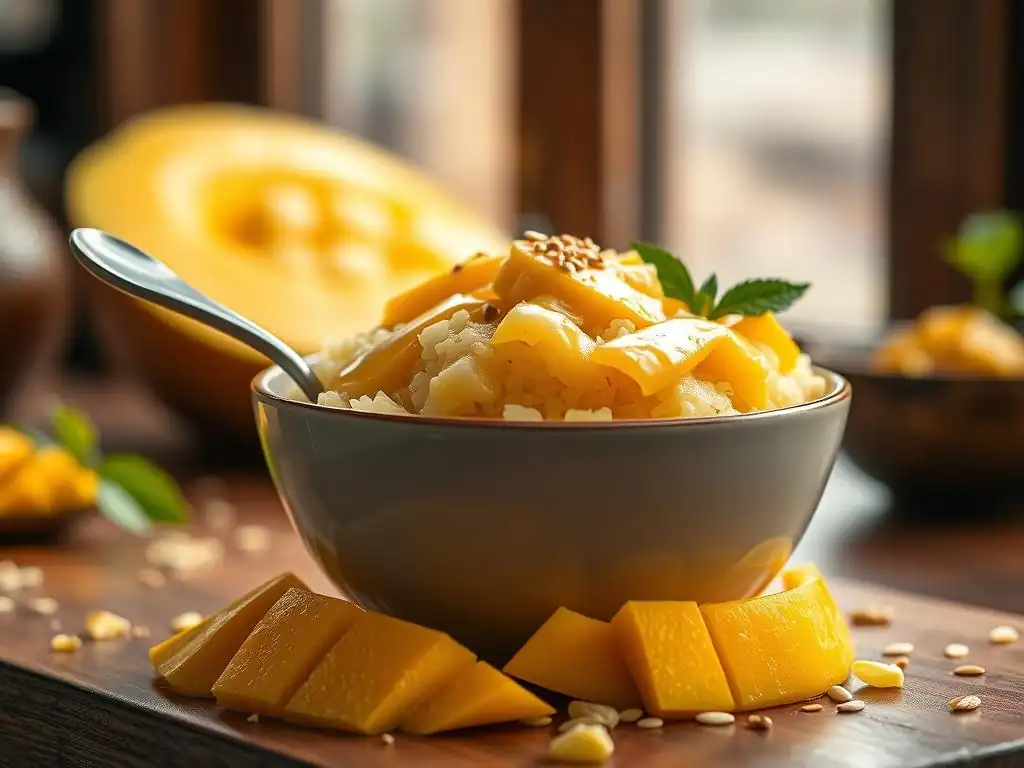
Sticky Rice is Too Hard or Too Soft
If your sticky rice turns out too hard, it's likely due to insufficient soaking or steaming time. Ensure you soak the rice for at least 30 minutes (preferably longer) and rinse it well. Steam it for the full 20-30 minutes, checking a grain for doneness – it should be tender throughout. If it's still hard, add a little more water to your steaming pot and continue steaming for another 5-10 minutes.
If the rice is too soft or mushy, it might have been soaked for too long without proper rinsing, or perhaps too much water condensed into the steamer. Ensure the rice is well-drained and rinsed after soaking. When steaming, make sure the lid is secure but not allowing excessive condensation to drip onto the rice. Properly preparing the rice is key to avoiding these texture issues when making easy Thai sticky rice.
Coconut Sauce is Too Thick or Too Thin
The ideal coconut sauce for easy Thai sticky rice should be rich and pourable, thick enough to coat the rice but thin enough to be absorbed. If your sauce is too thin, it might be because it wasn't heated long enough or the coconut milk wasn't full-fat. Gently heat the sauce again and let it simmer very gently for a few minutes to reduce slightly, stirring constantly. Be careful not to boil vigorously.
If the sauce is too thick, perhaps it reduced too much or you used too little liquid. You can thin it out by stirring in a tablespoon or two of warm water or a little more coconut milk. Adjust sweetness and salt as needed after adding liquid. Getting the sauce consistency right is crucial for the creamy texture of easy Thai sticky rice.
Mango Isn't Ripe Enough
Using an underripe mango will result in a less sweet, potentially sour or fibrous dessert, detracting significantly from the experience of easy Thai sticky rice. If you've cut into a mango and found it's not ripe enough, unfortunately, there's little you can do to sweeten it for this dish. Heating it won't achieve the natural sweetness of a ripe fruit.
Your best option is to serve it anyway, acknowledging the less-than-ideal mango, or ideally, source a riper mango to pair with your perfect easy Thai sticky rice. This highlights the importance of selecting ripe fruit from the start – check for aroma, color, and firmness before purchasing.
Enjoy Your Homemade Easy Thai Sticky Rice!
We love seeing what our community creates! Once you've mastered this easy Thai sticky rice recipe, snap a photo of your beautiful dessert. Share it on social media and tag BakeWithEase. Let us know what you thought of the simplified method and how your sticky rice turned out. Your success is our success, and sharing your creations inspires others to try their hand at making delicious treats like easy Thai sticky rice at home. We can't wait to see your culinary masterpieces!
Other Asian-Inspired Dessert Recipes to Try
If you enjoyed making this easy Thai sticky rice, you might be interested in exploring other delightful Asian-inspired desserts. Consider trying our recipe for Japanese Mochi (a chewy rice cake), Filipino Biko (another type of sweet sticky rice with coconut caramel), or even a simple Chinese Almond Jelly. Each offers a unique taste and texture experience, building on similar core ingredients like rice or coconut milk. Expanding your baking repertoire with these recipes can be a fun and rewarding journey into the world of Asian sweets, following the success of your easy Thai sticky rice.
Frequently Asked Questions
How is this Thai sticky rice recipe considered "easy"?
This recipe simplifies the traditional method by using a microwave or rice cooker, eliminating the need for specialized steaming equipment and reducing the cooking time. It focuses on easy-to-find ingredients.
What kind of rice is best for making Thai sticky rice?
The best rice is glutinous rice, also known as sweet rice or sticky rice. This type of rice has a higher starch content, resulting in the signature sticky texture.
Can I use regular rice instead of glutinous rice?
No, you cannot. Regular rice will not achieve the same sticky consistency that is essential for traditional Thai sticky rice. The starch composition is different.
How long does it take to make this easy Thai sticky rice?
The active preparation time is minimal, usually around 10-15 minutes. The cooking time depends on your chosen method (microwave or rice cooker), but typically takes 30-45 minutes.
What is typically served with Thai sticky rice?
The most popular pairing is ripe mango, creating the classic dessert Khao Niao Mamuang. It can also be served with other sweet coconut milk-based toppings or as a side dish with savory Thai meals.
The seemingly simple act of making Thai sticky rice with mango transcends mere culinary skill; it's a gateway to connection and cultural understanding. This recipe, designed for ease and accessibility, aims to demystify a dish often perceived as intimidating, opening it up to a wider audience eager to experience its unique charm. The ease of preparation, highlighted throughout this article, allows for more time to savor the experience and share it with others.
The enduring appeal of this classic dessert lies not just in its deliciousness, but in its ability to evoke memories and foster community. It's a dish that transcends generations, a sweet reminder of shared meals and cherished moments. Food is symbolic of love when words are inadequate.
– Alan D. Wolfelt. This quote perfectly encapsulates the emotional resonance of preparing and sharing this simple yet profoundly satisfying dessert. The act of creating something delicious, something that brings joy to others, is a powerful act of connection in itself.
Now, I invite you to consider the power of simple pleasures. Don't let the perceived complexity of a dish like Thai sticky rice with mango deter you. Try this simplified recipe, embrace the process, and share the delicious results with someone you care about. Let the sweet aroma and the vibrant colors transport you, not just to Thailand, but to a place of warmth, connection, and shared joy. The experience, I believe, will be far more rewarding than you might imagine.
Unlock the Sweetness: Make Your Own Thai Mango Sticky Rice!
Thanks for taking the time to explore the simple joy of homemade Thai mango sticky rice! We hope you found our simplified recipe both delicious and achievable. Now it’s time to put your newfound skills to the test!
- Master the Art: Try making this recipe again, experimenting with different types of mangoes or adding a sprinkle of toasted sesame seeds for extra flair. This is your chance to truly own this classic dessert!
- Share the Delight: Snap a photo of your creation and share it with your friends and family – let them know about this incredibly simple, yet stunning dessert!
- Explore New Flavors: Use this simplified technique as a springboard to exploring other Asian desserts. What other delightful combinations will you create?
Ready to experience the sweet satisfaction of perfectly made sticky rice? Let us know in the comments below!