
Quick & Easy Asian Fruit Tarts: A Refreshing Twist

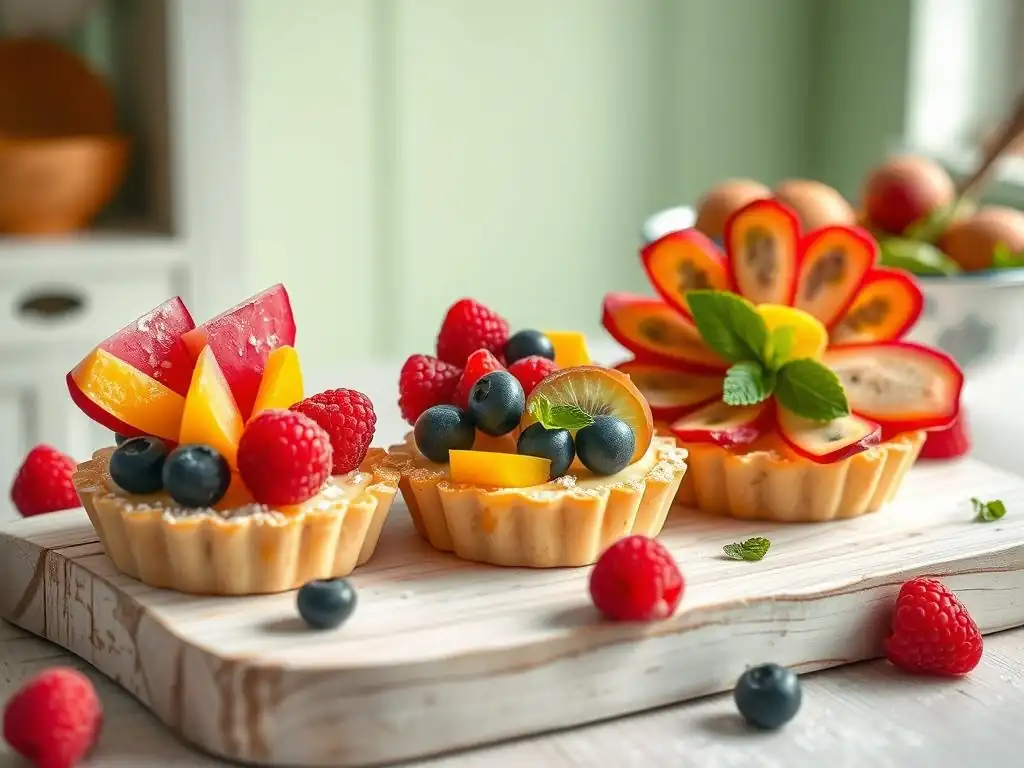
Welcome to BakeWithEase, your guide to unlocking the delicious world of baking! Ever dreamed of creating stunning desserts with minimal fuss? Prepare to be amazed by our collection of easy-to-follow recipes, starting with a delightful exploration into the world of Easy Asian Fruit Tarts. These vibrant and refreshing treats are simpler to make than you might think. Intrigued? Let's dive in and discover the secrets to creating these bite-sized masterpieces!
- Introduction to Easy Asian Fruit Tarts
- Exploring Asian Fruit Tart Flavors and Ingredients
- Easy Asian Fruit Tart Recipe: Step-by-Step Guide
- Baking Your Asian Fruit Tarts to Perfection
- Variations and Customizations for Your Asian Fruit Tarts
- Storing and Serving Your Homemade Asian Fruit Tarts
- Troubleshooting Common Issues in Asian Fruit Tart Baking
- Elevating Your Asian Fruit Tart Game: Advanced Techniques
- Conclusion: Enjoying Your Easy Asian Fruit Tart Creation
- Frequently Asked Questions
- Final Reflection: A Taste of Tradition, A Burst of Innovation
- Unlock Your Inner Pastry Chef: Bake These Tarts Today!
Introduction to Easy Asian Fruit Tarts
Discover the Delight of Asian-Inspired Fruit Tart Baking
Embark on a delightful baking journey with Easy Asian fruit tarts, a refreshing twist on a classic dessert. Unlike some heavier Western pastries, these tarts often feature lighter crusts and fillings, allowing the vibrant flavors of fresh Asian fruits to truly shine. Imagine the sweet, juicy burst of ripe mango or the delicate fragrance of lychee nestled in a creamy, often coconut-infused, base.
This style of tart baking emphasizes balance and freshness, making it a perfect treat for warm weather or anytime you crave something sweet but not overly rich. The simplicity of many recipes makes mastering Easy Asian fruit tarts an achievable goal for bakers at any skill level.
These delightful desserts draw inspiration from the abundance of tropical and subtropical fruits found across Asia, from Southeast Asia to East Asia. While traditional French tarts might rely heavily on butter and thick pastry cream, Easy Asian fruit tarts frequently incorporate ingredients like coconut milk, pandan, or even unique citrus like yuzu, lending them a distinct regional character.
The focus is often on clean flavors and elegant presentation, highlighting the natural beauty and taste of the fruit itself. Learning to make these tarts opens up a world of exciting flavor combinations and baking techniques that are both simple and rewarding.
Why These Easy Fruit Tarts are Perfect for Beginners
If you're new to baking tarts, Easy Asian fruit tarts offer an excellent starting point. Many recipes utilize straightforward techniques for both the crust and the filling, minimizing complexity and increasing your chances of success on your first attempt. The dough is often a simple press-in or basic roll-out pastry that doesn't require intricate folding or chilling cycles like puff pastry. The fillings can range from simple coconut cream blends to basic custard, requiring minimal cooking and whisking.
Furthermore, the visual appeal of these tarts largely comes from the beautiful fruit arrangement on top, which is a fun and forgiving step. You don't need advanced piping skills or complex decorating techniques to create a stunning dessert. Focusing on fresh, colorful fruit makes any tart look impressive. Plus, the ingredient lists for many Easy Asian fruit tarts are relatively short and use components readily available in most supermarkets or Asian grocery stores. This accessibility, combined with simplified steps, makes tackling your first homemade tart feel less daunting and more like an enjoyable creative process.
Exploring Asian Fruit Tart Flavors and Ingredients
Key Ingredients for Authentic Asian Fruit Tart Taste
Achieving the authentic taste of Easy Asian fruit tarts relies on selecting the right core ingredients that are characteristic of Asian culinary traditions. Beyond the standard flour, butter, and sugar, specific fruits and flavorings elevate these tarts into something uniquely Asian. The quality and freshness of these key components are paramount, as they provide the dominant flavors and aromas. Using fresh, ripe fruit is non-negotiable for the vibrant topping that defines these tarts.
Other essential elements often include dairy or non-dairy creams, sweeteners, and sometimes starches or eggs for the filling. However, it's the distinct Asian additions that truly set them apart. Think about the creamy richness of coconut milk, the fragrant, almost vanilla-like notes of pandan leaf extract, or the bright, zesty punch of yuzu. These ingredients, used thoughtfully, transform a simple fruit tart into an Easy Asian fruit tart with depth and regional flair.
Fresh Asian Fruits for Tarts: Mango, Lychee, and More
The star of any Easy Asian fruit tart is, undoubtedly, the fruit. The selection of fresh, ripe fruit is crucial for both flavor and visual appeal. Popular choices often include those readily available and beloved in Asian countries. Ripe mangoes, with their sweet, tropical flavor and vibrant orange hue, are a top contender, offering a smooth texture that pairs wonderfully with creamy fillings. Lychees, small and fragrant with a delicate sweetness, provide a burst of juicy freshness and an exotic touch.
Beyond mangoes and lychees, consider other fantastic options. Dragon fruit, with its striking appearance (either white or pink flesh with tiny black seeds) and subtly sweet flavor, adds a stunning visual element. Kiwis, while not exclusively Asian, are widely consumed and cultivated in parts of Asia and offer a tangy contrast. Rambutans, mangosteens, and even fresh longans can be used, depending on availability, bringing unique textures and flavors. Aim for a variety of colors and shapes for a visually appealing arrangement on your Easy Asian fruit tarts.
Using Coconut Milk and Pandan for a Tropical Twist
To infuse your Easy Asian fruit tarts with unmistakable tropical notes, incorporating coconut milk and pandan is a fantastic approach. Full-fat coconut milk provides a rich, creamy base for fillings that is lighter and has a different flavor profile than traditional dairy cream. It imparts a subtle sweetness and a distinct tropical aroma that complements many Asian fruits beautifully. Using coconut milk is a common technique in Southeast Asian desserts and brings that authentic regional taste to your tart filling.
Pandan, often called the "vanilla of Southeast Asia," is another essential flavoring. Available as an extract or paste, it imparts a unique, fragrant aroma and a gentle green hue to fillings. A small amount of good quality pandan extract can transform a simple coconut cream or custard filling into something truly special and characteristic of Easy Asian fruit tarts. Be mindful that pandan extract can be quite potent, so start with a small amount, perhaps 1/4 to 1/2 teaspoon for a standard tart filling recipe, and add more to taste.
Understanding the Importance of Tart Crust in Asian Desserts
The crust provides the foundation for your Easy Asian fruit tart, offering structure and a textural contrast to the creamy filling and soft fruit. While Western tarts often feature rich, flaky all-butter pastry, the crusts in Asian-inspired desserts can sometimes be slightly different, though flaky and buttery options are still popular. Some variations might use a shortbread-style crust, which is firmer and crumbly, providing a sturdy base that resists getting soggy from the filling or fruit juices.
Regardless of the specific style, the crust must be baked properly to ensure it is crisp and fully cooked. An underbaked or soggy crust can ruin an otherwise perfect Easy Asian fruit tart. Blind baking (partially or fully baking the crust before adding the filling) is a common and highly recommended technique to prevent sogginess, especially when using a moist filling or juicy fruits. A well-executed crust provides a satisfying crunch that balances the smooth textures of the filling and fruit topping.
Easy Asian Fruit Tart Recipe: Step-by-Step Guide
Preparing the Sweet Tart Dough: A Simple Recipe
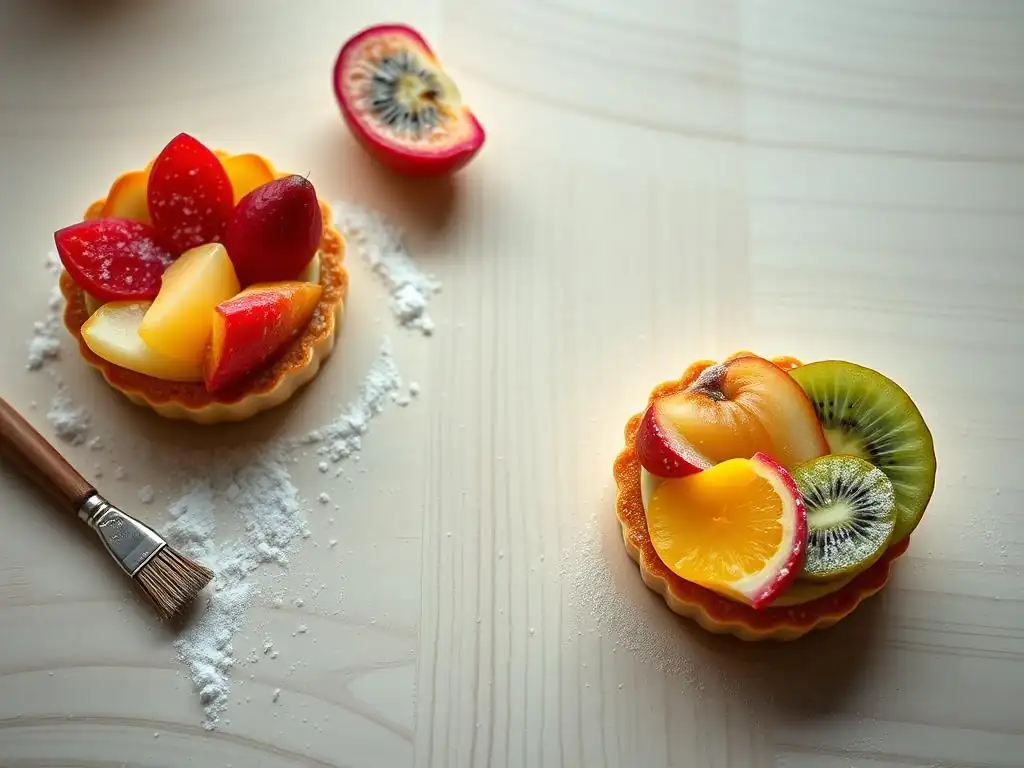
Let's begin crafting your Easy Asian fruit tarts with a simple sweet tart dough. This recipe yields a tender, slightly crumbly crust that's easy to work with. You'll need about 1 1/2 cups (approximately 190g) all-purpose flour, 1/2 cup (approximately 115g) unsalted butter, chilled and cubed, 1/4 cup (approximately 50g) granulated sugar, and 1 large egg yolk. A pinch of salt enhances the flavor. The key to a tender crust is to handle the dough minimally and keep the ingredients cold.
Combine the flour, sugar, and salt in a medium bowl. Cut in the cold butter using a pastry blender or your fingertips until the mixture resembles coarse meal with some pea-sized pieces of butter remaining. In a small bowl, lightly whisk the egg yolk. Add the yolk to the flour mixture and mix gently until the dough just comes together.
Be careful not to overwork the dough. It might seem a bit dry at first, but it will come together as you press it. Form the dough into a flat disk, wrap it in plastic wrap, and chill it in the refrigerator for at least 30 minutes. This chilling period is crucial for making the dough easier to roll or press into your tart pan and helps prevent shrinkage during baking.
Tips for a Flaky and Buttery Tart Crust
Achieving a flaky and buttery crust for your Easy Asian fruit tarts is simpler than you might think with a few key techniques.
- Keep Ingredients Cold: This is perhaps the most important rule. Cold butter cut into the flour creates pockets of fat that melt during baking, producing steam and creating flaky layers. Ensure your butter, and even your flour, are cold.
- Don't Overwork the Dough: Mix the dough just until it comes together. Over-mixing develops gluten, which can result in a tough crust. You want a tender, flaky result.
- Chill the Dough: Chilling allows the gluten to relax and the fat to firm up, making the dough easier to handle and helping it hold its shape in the oven. Chill for at least 30 minutes, but an hour is even better.
- Blind Bake: For most fruit tarts, especially those with wet fillings or juicy fruit, blind baking the crust is essential to prevent a soggy bottom. This involves partially or fully baking the empty crust before adding the filling.
**Blind Baking Steps:**
1.  Press or roll chilled dough into tart pan.
2.  Prick the bottom all over with a fork.
3.  Line the crust with parchment paper or aluminum foil.
4.  Fill with pie weights, dried beans, or rice (approx. 1-2 cups depending on pan size).
5.  Bake at 375°F (190°C) for 15-20 minutes until edges are set.
6.  Remove weights and parchment/foil.
7.  Bake for another 5-10 minutes until the bottom looks dry and lightly golden (for partial bake) or fully golden (for full bake).
Making the Creamy Filling for Asian Fruit Tarts
The filling provides the smooth, creamy base upon which the vibrant fruit rests, making your Easy Asian fruit tarts complete. The type of filling greatly influences the final flavor profile and texture. While classic pastry cream is an option, many Easy Asian variations lean towards lighter or more distinct flavors, often incorporating coconut or other regional ingredients. The key is to create a filling that is smooth, sets well, and complements the sweetness and acidity of the fruit without overpowering it.
Whether you choose a simple no-cook cream or a gently cooked custard, ensure all ingredients are well combined and the mixture is free of lumps. If cooking, stirring constantly over low heat is crucial to prevent scorching or curdling. For no-cook fillings, proper chilling time is needed for them to set firmly. A well-made filling should hold its shape when the tart is sliced, providing a beautiful contrast to the fresh fruit topping.
Coconut Cream Filling: A Light and Refreshing Option
A coconut cream filling is an excellent choice for Easy Asian fruit tarts, offering a wonderfully light, refreshing, and tropical flavor. This type of filling often uses full-fat coconut milk or cream as its base, sometimes thickened with cornstarch, agar-agar (a common plant-based thickener in Asian desserts), or a small amount of gelatin. Sweeteners like sugar, condensed milk, or even palm sugar can be used. A simple no-cook version involves whipping chilled full-fat coconut cream with a sweetener and stabilizer until thick.
For a slightly more stable and richer version, gently heat coconut milk with sugar and a thickener like cornstarch (using approximately 2-3 tablespoons per 1.5 cups of liquid for a pourable but setting consistency). Cook, stirring constantly, until thickened to a pudding-like consistency. You can infuse this with pandan extract or a vanilla bean. Once cooked, cool the filling completely before pouring it into your pre-baked tart shell. Chilling for several hours, typically 2-4 hours or until firm, is essential for the filling to set properly before adding the fruit.
Using Custard for a Classic Fruit Tart
While coconut cream offers a distinct Asian twist, a classic custard filling also works beautifully for Easy Asian fruit tarts, providing a familiar and comforting base. A standard custard involves egg yolks, sugar, milk or cream, and often a thickener like cornstarch or flour. For an Asian-inspired custard, you could infuse the milk with flavors like pandan, green tea (matcha), or ginger before adding it to the egg mixture.
To make a basic custard filling, whisk together egg yolks and sugar until pale. Heat milk (or a mix of milk and cream) in a saucepan with any desired infusions until just simmering. Gradually whisk the hot milk into the egg mixture to temper the yolks.
Return the mixture to the saucepan and cook over low heat, stirring constantly with a wooden spoon or whisk, until the custard thickens enough to coat the back of a spoon (reaching approximately 170°F or 77°C). Strain the custard into a bowl, stir in a little butter or vanilla (or pandan extract), cover the surface directly with plastic wrap to prevent a skin from forming, and chill thoroughly before pouring into the baked tart shell. This classic filling provides a smooth, rich backdrop for the fresh fruit.
Arranging the Fruit: Creating Beautiful Asian Fruit Tart Designs
The fruit topping is where your Easy Asian fruit tarts truly come to life visually. Arranging the fruit is a creative and enjoyable step that allows you to make your tart as simple or as elaborate as you like. The goal is to cover the surface of the set filling completely with fresh, vibrant fruit, creating an appealing pattern. Slice fruits like mangoes, kiwis, or strawberries thinly. Lychees and other small round fruits can be left whole or halved.
Consider color contrast and shape when planning your design. A common technique is to start arranging fruit from the outside edge of the tart and work your way inwards, overlapping slices slightly. You can create concentric circles of different fruits, alternate colors in rows, or build a more freeform, organic pattern. For example, fan out mango slices, arrange kiwi slices in a spiral, or scatter vibrant raspberries and blueberries among larger fruit pieces. Don't be afraid to mix and match shapes and sizes for visual interest. A well-arranged fruit topping makes your Easy Asian fruit tarts look professionally made.
Artistic Fruit Placement Techniques
Elevating your Easy Asian fruit tart's appearance involves a few artistic placement techniques.
- Fanning: Thinly slice fruits like mangoes, peaches, or strawberries and arrange them in overlapping rows or circles to create a fanned effect. This adds texture and elegance.
- Spirals: Arrange circular slices (like kiwi, citrus, or banana) in a spiral pattern starting from the center of the tart and working outwards.
- Layering: Create depth by layering different fruits or shapes on top of each other. For instance, place whole berries on top of a layer of sliced fruit.
- Color Blocking: Arrange groups of similar colored fruits together for bold sections, or alternate colors in stripes or rings for a vibrant, patterned look.
- Centerpiece Focus: Place a particularly attractive piece of fruit or a cluster of berries in the very center of the tart and arrange other fruits around it.
Practice makes perfect, but even a simple arrangement of fresh, colorful fruit will make your Easy Asian fruit tarts look inviting.
Glazing for Shine and Preservation
Once your beautiful fruit arrangement is complete on your Easy Asian fruit tart, applying a glaze adds a professional shine and helps to protect the fruit, keeping it looking fresh longer and preventing it from drying out. A simple glaze is typically made from apricot jam, apple jelly, or a clear fruit glaze. Apricot jam is a classic choice, providing a lovely golden sheen.
To make the glaze, gently heat about 1/4 to 1/2 cup of jam or jelly in a small saucepan over low heat until it becomes liquid and pourable. You can add a tablespoon or two of water or fruit juice to thin it slightly if needed. Strain the melted jam through a fine-mesh sieve to remove any fruit pulp or chunks, resulting in a clear, smooth glaze.
While the glaze is still warm (but not hot enough to cook the fruit), gently brush or spoon it over the surface of the fruit using a pastry brush. Ensure all the fruit is lightly coated. The glaze will set as it cools, leaving a beautiful, glossy finish on your Easy Asian fruit tarts.
Baking Your Asian Fruit Tarts to Perfection
Oven Temperature and Baking Time for Optimal Results
When baking your Easy Asian fruit tarts, the correct oven temperature and baking time are crucial for ensuring a perfectly cooked crust and a set filling (if your filling requires baking). For blind-baking the crust, a slightly higher temperature, around 375°F (190°C), is often used initially to set the dough quickly, as mentioned in the blind-baking steps. However, once the filling is added, the temperature might be adjusted depending on the recipe.
If your filling requires baking (like a custard or frangipane filling), a moderate temperature, typically between 325°F (160°C) and 350°F (175°C), is common. This allows the filling to set gradually without curdling or cracking excessively. The baking time will vary significantly based on the size and depth of your tart, as well as the specific filling. A standard 9-inch tart with a baked filling might take anywhere from 25 to 45 minutes. Always refer to your specific recipe's guidelines, but be prepared to check for doneness as you approach the minimum baking time.
How to Tell When Your Asian Fruit Tarts are Done
Knowing exactly when your Easy Asian fruit tarts are perfectly baked is key to avoiding an undercooked or overcooked result. If your filling requires baking, you're looking for it to be set. For custard-based fillings, the center should appear mostly firm, with perhaps just a slight wobble in the very middle. The edges should be visibly set and may pull slightly away from the crust. Using an instant-read thermometer, the center of the filling should typically reach around 170-175°F (77-79°C).
The crust should also be golden brown and look fully baked, not pale or doughy, especially around the edges. If the crust edges are browning too quickly before the filling is set, you can loosely cover the edges with strips of aluminum foil. If you are adding fresh fruit after baking the crust and setting the filling, the baking process is complete once the crust is golden brown and the filling is fully set and cooled. The fruit itself is not baked.
Variations and Customizations for Your Asian Fruit Tarts
Experimenting with Different Asian Fruit Combinations
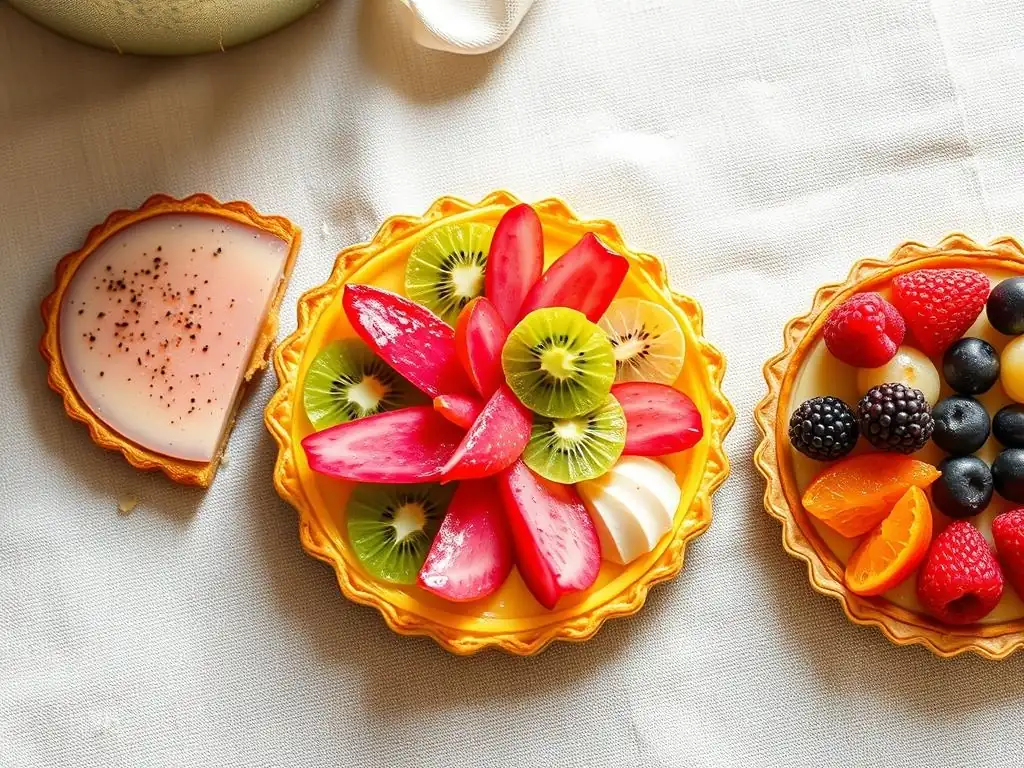
One of the most exciting aspects of making Easy Asian fruit tarts is the opportunity to experiment with a wide array of tropical and subtropical fruits. While mango and lychee are popular starting points, don't limit yourself! Consider what fruits are in season and readily available in your area, particularly those with origins or popularity in Asia. Combining fruits with different textures and flavor profiles can create truly unique and delicious tarts.
Think about pairing sweet fruits with slightly tart ones for balance. For instance, the sweetness of ripe longans could be balanced by the mild tang of star fruit. The soft texture of papaya could be contrasted with the slight bite of rambutan. Get creative with colors too – the vibrant red of dragon fruit, the deep purple of mangosteen, or the sunny yellow of carambola (star fruit) can make your Easy Asian fruit tarts stunning works of edible art.
Dragon Fruit and Kiwi Tart
A dragon fruit and kiwi combination creates a visually striking and refreshing Easy Asian fruit tart. Dragon fruit (pitaya) comes in white or pink-fleshed varieties, both dotted with tiny black seeds. Its flavor is subtly sweet and somewhat melon-like. Kiwi, with its bright green flesh and black seeds, offers a more pronounced tangy flavor.
Arranging slices of pink or white dragon fruit alongside vibrant green kiwi slices creates a beautiful color contrast. You could alternate rings of kiwi and fanned dragon fruit slices, or create a checkerboard pattern. The slight tartness of the kiwi provides a perfect counterpoint to the mild sweetness of the dragon fruit, resulting in a light and refreshing tart that's as lovely to look at as it is to eat. This pairing works well with a simple coconut cream or a light vanilla custard filling.
Yuzu and Mandarin Tart
For a citrus-forward Easy Asian fruit tart, a combination of yuzu and mandarin oranges offers a bright, aromatic, and slightly tangy profile. Yuzu is an East Asian citrus fruit known for its incredibly fragrant zest and sour, complex juice, which tastes like a mix of lemon, grapefruit, and mandarin. Mandarin oranges, widely cultivated in Asia, are sweet, juicy, and easy to segment.
You could use yuzu zest or juice to flavor the tart filling (perhaps a custard or panna cotta style filling) or even the glaze. Top the tart with sweet, juicy segments of mandarin oranges. The intense aroma and sharp tang of the yuzu contrast beautifully with the simple sweetness of the mandarins. This combination results in an Easy Asian fruit tart that is incredibly refreshing, palate-cleansing, and perfumed with delightful citrus notes.
Adding a Touch of Spice: Ginger and Lemongrass Infusion
To add another layer of authentic Asian flavor to your Easy Asian fruit tarts, consider infusing subtle spices like ginger or lemongrass into your filling. These aromatic ingredients can elevate the dessert beyond simple sweetness, adding warmth and complexity. Ginger, with its slightly peppery and warm notes, pairs well with many tropical fruits like mango or pineapple. Lemongrass offers a bright, citrusy, and slightly floral aroma that complements coconut and lime flavors beautifully.
To infuse a filling (like a custard or cooked coconut cream), gently bruise a stalk of lemongrass or slice a piece of fresh ginger (about a 1-inch piece per 2 cups of liquid) and simmer it with the milk or coconut milk before straining it out. For a stronger flavor, you can grate fresh ginger directly into a no-cook filling or add a few drops of food-grade lemongrass essential oil (use sparingly!). These subtle spice infusions add depth and intrigue to your Easy Asian fruit tarts, moving them beyond basic fruit and cream combinations.
Storing and Serving Your Homemade Asian Fruit Tarts
Best Practices for Keeping Your Tarts Fresh
Proper storage is essential to maintain the quality and freshness of your Easy Asian fruit tarts, especially since they feature fresh fruit and often a creamy filling. Once assembled, tarts with fresh fruit toppings and creamy fillings should always be stored in the refrigerator. This slows down fruit degradation and keeps the filling safe and firm.
Store the tart in an airtight container or loosely cover it with plastic wrap or aluminum foil. If the tart is in a pan, you can wrap the entire pan. Ideally, consume the tart within 2-3 days of assembly for the best quality. While it might be safe to eat for a bit longer, the fruit will start to lose its vibrancy and texture, and the crust may begin to soften. If you anticipate leftovers, sometimes it's best to glaze only the portions you plan to serve immediately, glazing the rest just before serving.
Serving Suggestions: Pairings and Presentation
Serving your homemade Easy Asian fruit tarts is the final, rewarding step. For the best flavor and texture, serve the tart chilled, directly from the refrigerator. The cool filling and crisp crust provide a lovely contrast, and the fruit is most refreshing when cold.
Consider pairing your tart with a light accompaniment. A dollop of whipped cream (perhaps infused with a touch of coconut or pandan) or a scoop of complementary sorbet (like mango or passion fruit) can enhance the experience. A light drizzle of fruit coulis or a sprinkle of toasted coconut flakes can add extra flavor and visual appeal.
For presentation, slice the tart using a sharp knife dipped in hot water for clean cuts. Serve each slice on a small plate, perhaps garnished with a mint leaf or a small piece of the featured fruit. Sharing your beautiful and delicious Easy Asian fruit tarts with friends and family is the perfect way to enjoy your baking success.
Troubleshooting Common Issues in Asian Fruit Tart Baking
Preventing a Soggy Tart Crust
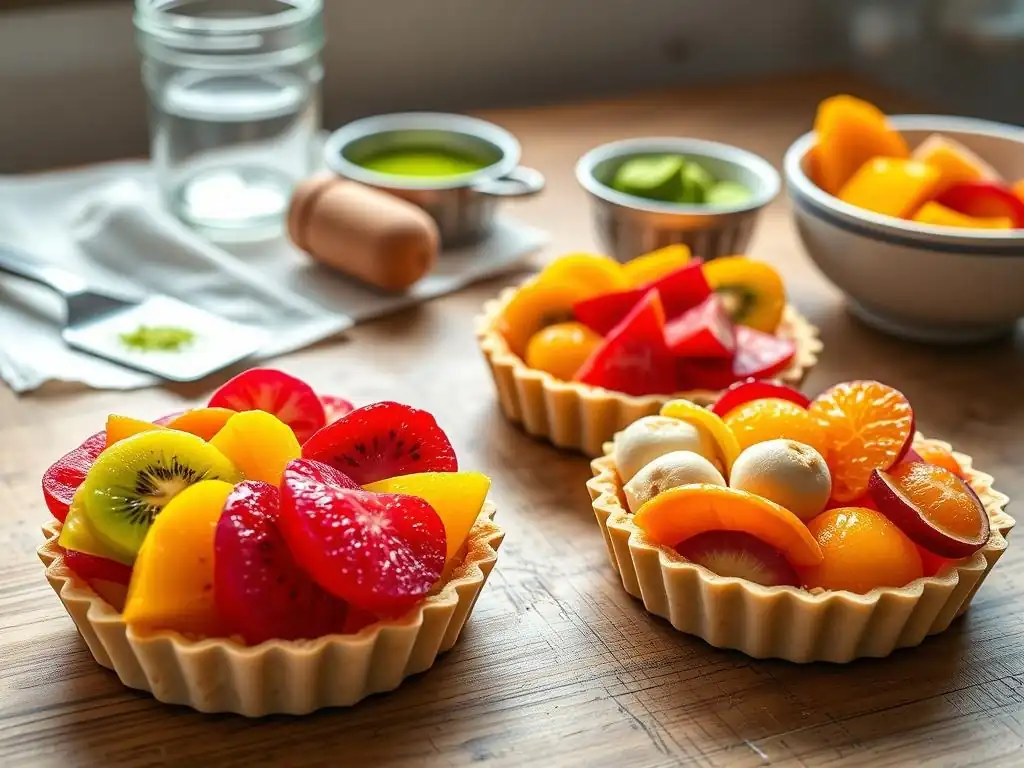
A soggy bottom is a common frustration when making fruit tarts, but it's particularly important to avoid with Easy Asian fruit tarts where a crisp crust provides a crucial textural contrast. The primary cause of a soggy crust is moisture from the filling or fruit soaking into the dough before it has a chance to fully set and crisp up in the oven.
The most effective way to combat this is through blind baking, as detailed earlier. Fully blind baking the crust until it is golden brown before adding the filling creates a barrier that moisture struggles to penetrate. Another tip is to apply a thin layer of egg wash (beaten egg) or melted chocolate (for sweet tarts) to the inside of the fully baked crust immediately after it comes out of the oven.
The residual heat helps set the egg wash or melt the chocolate, creating a seal once cooled. Ensure your filling is completely cooled before adding it to the baked crust, as warm filling can also introduce unwanted moisture.
Dealing with a Cracked Filling
A cracked filling, especially in custard-based Easy Asian fruit tarts, can be disappointing visually, though it doesn't usually affect the taste. Cracking often occurs when the filling bakes too quickly or cools down too rapidly, causing the surface to contract unevenly.
To prevent cracks in baked fillings:
- Don't Overbake: Bake the tart just until the filling is set, with a slight wobble in the center. Overbaking dries out the filling and increases the likelihood of cracking.
- Cool Gradually: Allow the tart to cool slowly. Turn off the oven and leave the tart inside with the door slightly ajar for 15-30 minutes before transferring it to a wire rack to cool completely. Avoid placing the hot tart directly into a cold refrigerator.
- Use a Water Bath: For very delicate fillings, baking the tart in a water bath (placing the tart pan in a larger pan filled with hot water) provides gentle, even heat and helps prevent the edges from setting before the center.
- Fill Cracks (If They Occur): If your filling does crack, don't despair! You can often hide minor cracks by covering the surface completely with fruit or by gently smoothing the surface with a warm spatula if the crack is shallow. A glaze will also help camouflage small imperfections.
Elevating Your Asian Fruit Tart Game: Advanced Techniques
Homemade Fruit Purees for Intense Flavor
While fresh fruit slices are the standard topping, incorporating homemade fruit purees can add an intense burst of flavor and a smooth texture layer to your Easy Asian fruit tarts. Purees can be used as a thin layer beneath the main fruit topping, swirled into the filling, or even used to make a vibrant glaze. Making your own puree allows you to control the sweetness and concentrate the natural fruit flavor.
To make a simple fruit puree, simmer chopped fresh fruit (like mango, passion fruit, or berries) with a little sugar and a squeeze of lemon juice until softened. Mash or blend the mixture until smooth. For a perfectly smooth puree, strain it through a fine-mesh sieve to remove any seeds or fibers. A thick puree can be spread thinly over the set filling before arranging fresh fruit, adding an extra layer of deliciousness and vibrant color to your Easy Asian fruit tarts.
Creating Intricate Fruit Designs
Once you're comfortable with basic fruit arrangement, challenge yourself by creating more intricate designs on your Easy Asian fruit tarts. This is where you can truly showcase your creativity and make your tarts look like professional patisserie creations. Techniques like fanning, layering, and spiraling can be combined and refined.
Consider using cookie cutters to cut shapes out of firmer fruits like melon or pineapple. Use a mandoline or very sharp knife for uniform, super-thin slices perfect for fanning or creating delicate patterns. Think about creating floral patterns using overlapping fruit slices or geometric designs with precisely cut shapes. You can also use smaller fruits like berries or pomegranate seeds to fill in gaps or add fine detail. Practice and patience are key, but the stunning visual impact of an intricately designed Easy Asian fruit tart is well worth the effort.
Conclusion: Enjoying Your Easy Asian Fruit Tart Creation
You've successfully baked a beautiful and delicious Easy Asian fruit tart! From mastering a simple crust and creamy filling to artfully arranging vibrant fresh fruit, you've created a refreshing dessert that perfectly balances sweetness, texture, and the unique flavors of Asian-inspired ingredients. Whether you opted for a classic mango and coconut combination or experimented with yuzu and mandarin, your homemade tart is sure to impress.
These Easy Asian fruit tarts are more than just a dessert; they're a celebration of fresh ingredients and simple, elegant baking. They are perfect for entertaining, a special treat for yourself, or a delightful way to explore new flavors. Each bite offers a taste of sunshine and exotic notes, a testament to the ease and joy of baking with a creative twist.
We love seeing your baking successes! Did you try making an Easy Asian fruit tart using our guide? What fruit combinations did you choose? Did you add any special Asian-inspired touches like pandan or ginger? Share photos of your beautiful creation and tell us about your experience.
Connecting with other bakers is a great way to learn and get inspired. Your delicious Easy Asian fruit tarts could be just the motivation someone else needs to start their own baking adventure. Don't hesitate to showcase your hard work and inspire the BakeWithEase community!
Frequently Asked Questions
What makes these fruit tarts "Asian"?
The "Asian" twist comes from the use of Asian fruits like mango, lychee, and kiwi, and sometimes a lightly sweetened cream filling inspired by Asian desserts.
Are these fruit tarts difficult to make for a beginner baker?
No, these tarts are designed to be easy to make. The recipe focuses on simple techniques and readily available ingredients, making it perfect for beginner bakers.
What kind of crust is best for these Asian fruit tarts?
A shortbread crust or a graham cracker crust are both excellent choices. You can even use a pre-made tart shell for extra convenience and speed.
Can I substitute the fruits mentioned in the recipe with other fruits?
Yes, you can! Feel free to experiment with other seasonal fruits or fruits you particularly enjoy. Consider fruits like dragon fruit, persimmon, or star fruit.
How long will these Asian fruit tarts last in the refrigerator?
These tarts are best enjoyed fresh, but they can be stored in the refrigerator for up to 2-3 days. Ensure they are stored in an airtight container to prevent the crust from becoming soggy.
Final Reflection: A Taste of Tradition, A Burst of Innovation
The vibrant fusion of Asian fruits and classic tart pastry represents more than just a delicious dessert; it symbolizes the ever-evolving culinary landscape. These easy-to-make tarts bridge the gap between traditional flavors and modern convenience, offering a refreshing alternative to more complicated baking projects. Their accessibility makes them perfect for both seasoned bakers and enthusiastic beginners alike.
The enduring appeal of fruit tarts lies in their ability to showcase the beauty and bounty of nature, a sentiment deeply rooted in many Asian cultures. From the meticulous arrangement of the fruit to the delicate balance of sweet and tart, each tart tells a story. Food is symbolic of love when words are inadequate.
– Alan D. Wolfelt. This quote perfectly encapsulates the emotional connection we forge with food, and these tarts, with their bright colors and delightful flavors, are no exception. Their simplicity allows for personal creativity and expression, making each tart a unique reflection of the baker's own style and preferences.
Now, it's your turn. Consider the simple joy of creating something beautiful and delicious with your own hands. Experiment with different Asian fruits, explore variations in pastry crusts, and most importantly, share the experience with loved ones. Let the vibrant colors and tantalizing aromas of these easy Asian fruit tarts inspire you to embrace both tradition and innovation in your own kitchen. The possibilities are as endless as your imagination!
Unlock Your Inner Pastry Chef: Bake These Tarts Today!
Thanks for joining us on this fruity adventure! We hope you’ve gained some delicious inspiration and discovered how easy it is to create these stunning Asian Fruit Tarts. Ready to put your new skills to the test?
- Bake your own masterpiece: Grab your ingredients and follow the recipe – we bet you’ll surprise yourself with the results! Don't forget to adapt it with your favorite fruits.
- Share your creation: Post a picture of your tarts on social media and tag us! We love seeing your baking triumphs! #BakeWithEase #AsianFruitTarts
- Explore other recipes: Dive deeper into our collection of quick and easy desserts – you might discover your new favorite recipe!
What unique twist will you add to your Asian Fruit Tarts? Let us know in the comments!