
Simple Steps to Perfect Baked Cheesecakes

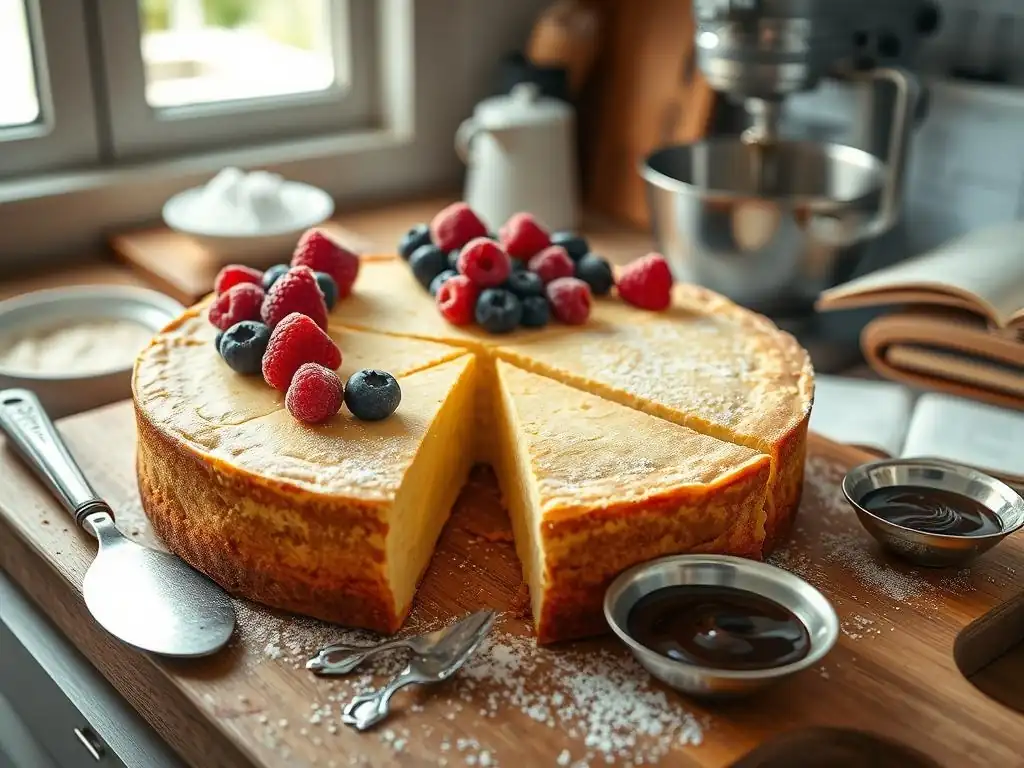
Welcome to BakeWithEase, your kitchen companion for conquering the world of baking! Ever dreamed of creating a lusciously smooth, perfectly baked cheesecake? Imagine, sinking your fork into a creamy slice of heaven, made entirely by you. Our featured article reveals an easy baked cheesecake recipe that's surprisingly simple, even for beginners. Intrigued? Discover the secrets to baking perfection, step-by-step, and unlock your inner pastry chef!
- Simple Steps to Perfect Baked Cheesecakes: An Easy Baked Cheesecake Recipe
- BakeWithEase' Guide to Mastering the Perfect Baked Cheesecake
- Mastering the Easy Baked Cheesecake Recipe: Step-by-Step
- Troubleshooting Common Baked Cheesecake Problems
- Variations and Flavor Ideas for Your Easy Baked Cheesecake Recipe
- Serving and Storing Your Perfect Baked Cheesecake
- Enjoy Your Delicious, Easy Baked Cheesecake!
-
Frequently Asked Questions
- What makes BakeWithEase's baked cheesecake recipe "easy"?
- What are some common mistakes to avoid when making a baked cheesecake?
- Can I substitute ingredients in the BakeWithEase baked cheesecake recipe?
- How long does it take to bake the BakeWithEase baked cheesecake?
- What is a water bath and why is it important for baking cheesecakes?
- Final Reflection: The Enduring Allure of the Perfect Baked Cheesecake
- Unlock Your Inner Cheesecake Master!
Simple Steps to Perfect Baked Cheesecakes: An Easy Baked Cheesecake Recipe
BakeWithEase' Guide to Mastering the Perfect Baked Cheesecake
The Rich Flavor Profile of Baked Cheesecakes
Baking a cheesecake transforms simple ingredients into a dessert with a depth of flavor that's hard to beat. The gentle heat of the oven encourages the Maillard reaction, a chemical process that browns the surface slightly and develops complex, toasted notes in the cream cheese, sugar, and eggs. This reaction, combined with the inherent tanginess of the cream cheese and the sweetness of the sugar, creates a harmonious balance that is both comforting and sophisticated. A classic easy baked cheesecake recipe relies on these fundamental flavors to build its character, providing a foundation for endless variations.
Beyond the chemical reactions, the quality of your ingredients significantly impacts the final flavor. Using full-fat cream cheese, for instance, provides a richer, creamier base compared to reduced-fat versions, which can sometimes result in a less intense flavor profile. Similarly, using pure vanilla extract instead of imitation vanilla adds a layer of aromatic complexity. When following an easy baked cheesecake recipe, paying attention to ingredient quality ensures that the inherent richness and nuanced flavors of the baked dessert truly shine through, making each bite a decadent experience.
The Satisfying Texture: Creamy and Decadent
One of the defining characteristics of a perfect baked cheesecake is its texture: incredibly smooth, dense, and creamy, almost melting in your mouth. This luxurious texture is achieved through careful baking, which sets the custard-like batter without allowing it to become dry or crumbly. Unlike no-bake cheesecakes that rely on gelatin or other thickeners for structure, a baked cheesecake achieves its set through the coagulation of egg proteins under controlled heat, resulting in a firmer yet still incredibly luscious consistency.
Achieving this ideal texture is a key goal of any good easy baked cheesecake recipe. Proper mixing techniques, such as not over-beating the batter, help prevent incorporating too much air, which can lead to a cakier texture. The baking method, particularly the use of a water bath (which we'll discuss later), plays a crucial role in ensuring gentle, even cooking from the edges to the center. This slow, consistent heat allows the cheesecake to set beautifully, yielding that signature smooth, dense, and utterly satisfying texture that makes baked cheesecake a perennial favorite.
Impress Your Guests with this Easy Dessert
Presenting a homemade baked cheesecake is a wonderful way to impress friends and family, and surprisingly, an easy baked cheesecake recipe makes this achievable for bakers of all skill levels. The visual appeal of a beautifully baked cheesecake, whether served plain or adorned with simple toppings, speaks volumes about the care and effort put into it. Guests appreciate the classic elegance and rich taste of this dessert, making it a perfect centerpiece for special occasions or even just a lovely weekend treat.
Furthermore, mastering an easy baked cheesecake recipe gives you a versatile base to experiment with. Once you've perfected the basic technique, you can easily introduce new flavors, swirls, or toppings to customize it for different tastes and occasions. This ability to personalize a classic dessert, combined with the relatively straightforward steps outlined in an easy baked cheesecake recipe, makes it a rewarding project that consistently delivers impressive results, earning you accolades from those lucky enough to enjoy a slice.
Mastering the Easy Baked Cheesecake Recipe: Step-by-Step
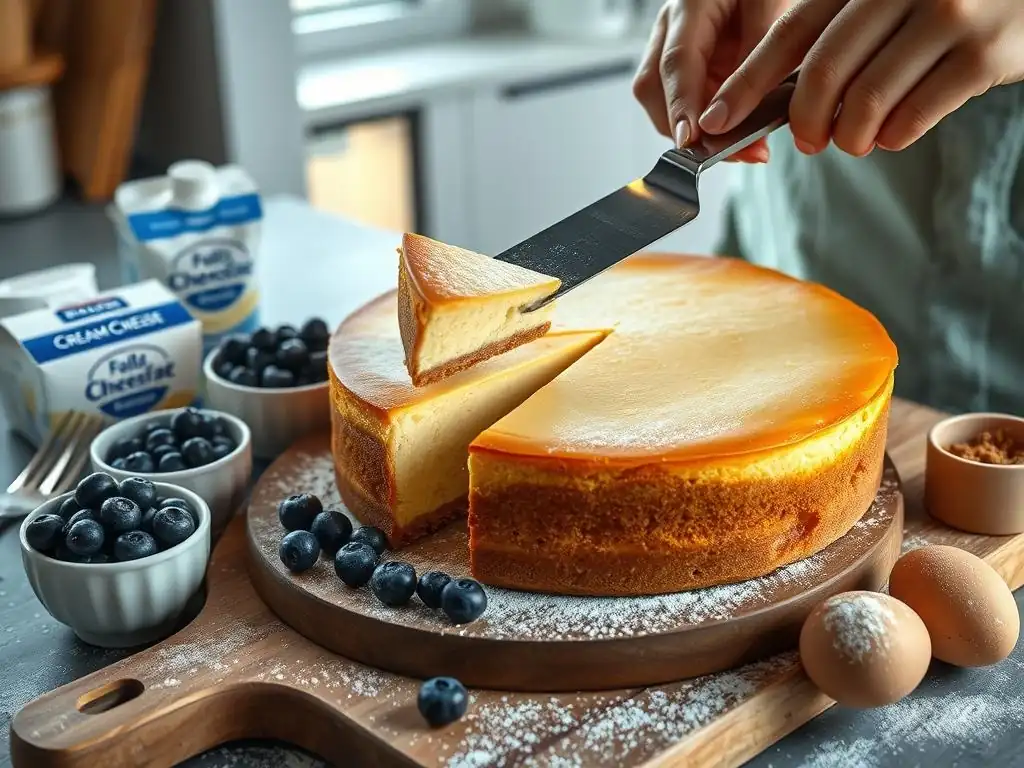
Gather Your Ingredients: The Key to Cheesecake Success
Having all your ingredients ready and at the correct temperature before you start mixing is a critical step for any easy baked cheesecake recipe. This mise en place ensures a smooth process and, crucially, contributes to the final texture of your cheesecake.
For a standard 9-inch cheesecake, you'll typically need about 3-4 (8 oz) blocks of full-fat cream cheese, around 1 to 1.5 cups of sugar, 3-4 large eggs, about 1/2 cup of sour cream or Greek yogurt, a teaspoon or two of vanilla extract, and ingredients for the crust like graham crackers, butter, and sugar. Ensure your dairy ingredients and eggs are at room temperature – this is vital for achieving a smooth, lump-free batter.
Using ingredients at room temperature allows them to emulsify properly, meaning they combine into a smooth, uniform mixture. Cold cream cheese, for example, will be difficult to beat until smooth and can leave small, hard lumps in your batter, which will remain even after baking. Eggs at room temperature incorporate more easily and contribute to a creamier texture. Taking just 30-60 minutes to let your ingredients sit out before beginning your easy baked cheesecake recipe can make a significant difference in the final outcome, ensuring a perfectly smooth and creamy filling.
Cream Cheese: The Foundation of Your Cheesecake
Full-fat cream cheese is the cornerstone of any classic easy baked cheesecake recipe, providing the essential tangy flavor and rich, dense texture. Using high-quality, block-style cream cheese (not the spreadable kind in tubs) is crucial because it contains less added water and stabilizers, resulting in a firmer, more stable batter and a better final texture. You'll typically need 3 to 4 standard 8-ounce blocks for a cheesecake that serves 8-12 people.
It is imperative that the cream cheese is completely softened to room temperature before you begin mixing. This usually takes about 1-2 hours out of the refrigerator. Trying to beat cold cream cheese will result in a lumpy batter that is impossible to smooth out later, no matter how long you mix. So, planning ahead to ensure your cream cheese is properly softened is a simple yet vital step for achieving that signature smooth, creamy texture in your easy baked cheesecake recipe.
Sugar: Sweetness and Structure
Sugar in a baked cheesecake does more than just sweeten the dessert; it also plays a role in the structure and texture. Granulated sugar is the most common choice for an easy baked cheesecake recipe. It dissolves easily into the cream cheese mixture, contributing to the smooth consistency. The amount of sugar can vary, but typically ranges from 1 cup to 1.5 cups for a standard recipe, balancing the tang of the cream cheese.
Sugar also interacts with the proteins in the eggs and cream cheese during baking. It helps to tenderize the batter and prevents it from becoming tough. While it might be tempting to drastically reduce the sugar for dietary reasons, be aware that very low sugar content can affect the texture and how the cheesecake sets. Using the amount specified in your easy baked cheesecake recipe, or making only slight adjustments, is recommended for the best results.
Eggs: Binding and Richness
Eggs are essential binding agents in any baked cheesecake recipe. They are primarily responsible for setting the batter into a solid, sliceable form during baking. As the eggs heat up, their proteins coagulate, creating a network that holds the creamy mixture together. Eggs also contribute significantly to the richness and smooth mouthfeel of the cheesecake.
For a standard 9-inch cheesecake, an easy baked cheesecake recipe typically calls for 3 to 4 large eggs. It's important to add them one at a time and mix just until each egg is incorporated. Overmixing after adding the eggs can incorporate too much air into the batter, which can cause the cheesecake to puff up excessively while baking and then crack as it cools. Using room temperature eggs also helps them blend more seamlessly into the batter.
Sour Cream or Greek Yogurt: Tang and Moisture
Adding sour cream or Greek yogurt is a common technique in many easy baked cheesecake recipes to enhance both flavor and texture. These dairy additions contribute a pleasant tanginess that balances the sweetness of the sugar and the richness of the cream cheese. They also add moisture and help create an even creamier texture.
About 1/4 to 1/2 cup is typically used in a standard recipe. Full-fat sour cream or Greek yogurt will yield the best results in terms of richness and texture. Like the cream cheese and eggs, ensuring the sour cream or yogurt is at room temperature helps it blend smoothly into the batter, preventing lumps and contributing to the overall creamy consistency of your easy baked cheesecake.
Vanilla Extract: Enhancing the Flavor
Vanilla extract is a crucial flavor enhancer in almost any dessert, and an easy baked cheesecake recipe is no exception. It adds a warm, aromatic note that complements the rich dairy base and brings out the other flavors. Pure vanilla extract is recommended over imitation vanilla for a cleaner, more authentic taste.
Typically, 1 to 2 teaspoons of vanilla extract are sufficient for a standard cheesecake. Add it towards the end of mixing the batter to preserve its delicate aroma. While a small amount, vanilla extract plays a significant role in the overall deliciousness of your easy baked cheesecake, providing that familiar, comforting flavor that makes it so appealing.
Graham Crackers, Butter, Sugar: For the Crust
The classic crust for an easy baked cheesecake recipe is made from graham cracker crumbs, melted butter, and a little sugar. This simple combination creates a slightly sweet, buttery, and crumbly base that perfectly complements the smooth filling. You'll need about 1.5 cups of graham cracker crumbs (roughly one standard box of graham crackers), 1/4 to 1/3 cup of melted unsalted butter, and 1-2 tablespoons of sugar.
The melted butter binds the crumbs together, while the sugar adds a touch of sweetness and helps the crust crisp slightly when baked. Some recipes might use other cookies like digestive biscuits or Oreos, but graham crackers remain the most popular choice for their classic flavor and texture in an easy baked cheesecake. Getting the right ratio of crumbs to butter is key to a crust that holds together but isn't greasy.
Preparing the Crust: The Foundation of Your Cheesecake
The crust is the essential base for your easy baked cheesecake, providing structure and a textural contrast to the creamy filling. While various crusts can be used, a simple graham cracker crust is the most popular and easiest to prepare. It requires minimal ingredients and comes together quickly, making it a perfect fit for an easy baked cheesecake recipe.
Properly preparing and pressing the crust ensures it stays intact when slicing and doesn't become soggy from the filling. This section covers the steps to create a classic graham cracker crust that provides a sturdy and flavorful foundation for your delicious baked cheesecake.
Making a Graham Cracker Crust: A Classic Choice
Creating a graham cracker crust is straightforward. Start by finely crushing graham crackers into crumbs. This can be done using a food processor, blender, or by placing the crackers in a zip-top bag and crushing them with a rolling pin. Aim for fine, uniform crumbs, about 1.5 cups worth.
Next, combine the graham cracker crumbs with 1-2 tablespoons of sugar and 1/4 to 1/3 cup of melted unsalted butter. Mix these ingredients thoroughly until the crumbs are evenly coated with the butter and resemble wet sand. This mixture is now ready to be pressed into your springform pan, forming the base and sides of your easy baked cheesecake.
Pressing the Crust: Achieving an Even Base
Once the graham cracker mixture is ready, pour it into the bottom of your springform pan. Use the bottom of a glass or a flat-bottomed measuring cup to firmly and evenly press the crumbs onto the bottom of the pan and about halfway up the sides. Ensure the base is compact and even – this prevents crumbling when you slice the finished cheesecake.
Pressing the crust firmly is crucial for a sturdy base. Pay special attention to the point where the bottom meets the sides, pressing the crumbs into a nice, tight corner. An evenly pressed crust not only provides a stable foundation for your easy baked cheesecake but also ensures a consistent texture throughout the base.
Pre-Baking the Crust: Preventing a Soggy Bottom
While some easy baked cheesecake recipes skip this step, pre-baking the graham cracker crust for about 8-10 minutes at 350°F (175°C) is highly recommended. Pre-baking helps to set the crust and makes it less likely to become soggy once the moist cheesecake batter is added. It also enhances the flavor slightly, giving the butter and sugar a chance to caramelize a little.
After pre-baking, let the crust cool completely before adding the cheesecake batter. This cooling step further helps prevent the crust from absorbing too much moisture from the filling. Taking this extra step in your easy baked cheesecake recipe ensures you have a perfectly crisp and flavorful crust to complement your creamy filling.
Mixing the Cheesecake Batter: Achieving a Smooth and Creamy Texture
Mixing the cheesecake batter is arguably the most crucial step for achieving that signature smooth, creamy texture. The goal is to combine the ingredients thoroughly but gently, without incorporating excess air. Following the steps in order and paying attention to ingredient temperature will lead to a perfectly smooth batter for your easy baked cheesecake recipe.
Using an electric mixer (stand or hand mixer) is helpful, but be mindful of the speed and duration of mixing, especially after adding the eggs. Overmixing is a common pitfall that can lead to cracks, so gentle handling is key to a successful baked cheesecake.
Creaming the Cream Cheese: The Most Important Step
Start by beating the softened, room-temperature cream cheese in a large bowl using an electric mixer on medium speed. Beat it until it is completely smooth and fluffy, with no lumps whatsoever. This initial creaming step is paramount – if your cream cheese isn't smooth now, it won't be smooth in the finished cheesecake. This process typically takes 2-3 minutes, depending on the mixer.
Ensure you scrape down the sides and bottom of the bowl frequently with a spatula to make sure all the cream cheese is getting beaten evenly. A perfectly creamed base is the foundation for a smooth and creamy texture in your easy baked cheesecake recipe. Don't rush this step!
Adding Sugar Gradually: Avoiding Lumps
Once the cream cheese is smooth, gradually add the sugar to the bowl while continuing to beat on low speed. Add the sugar in stages, allowing it to incorporate fully before adding more. Continue mixing until the sugar is completely dissolved and the mixture is smooth and glossy. This usually takes another 2-3 minutes.
Adding sugar gradually helps it dissolve more effectively and prevents the mixture from becoming grainy. Scrape down the bowl as needed. The mixture should be smooth and slightly lighter in color after the sugar is fully incorporated, ready for the next ingredients in your easy baked cheesecake recipe.
Incorporating Eggs: One at a Time
This step is critical for preventing cracks. Add the eggs one at a time to the cream cheese and sugar mixture. Mix on the lowest speed just until each egg is incorporated and no streaks of yolk are visible. Do not overmix!
Adding eggs one by one allows them to be gently incorporated without developing too much gluten or incorporating excess air. Overmixing after adding eggs can cause the cheesecake to rise too quickly and unevenly in the oven, leading to cracks as it cools. Aim for minimal mixing, just enough to combine, when following your easy baked cheesecake recipe.
Blending in Sour Cream/Greek Yogurt: For Tang and Moisture
After the eggs are just incorporated, gently mix in the room-temperature sour cream or Greek yogurt. Mix on the lowest speed or even by hand with a whisk or spatula, just until it is evenly blended into the batter.
This addition adds moisture and a lovely tang. Again, avoid overmixing. The goal is a smooth, uniform batter. This step completes the main liquid components of your easy baked cheesecake batter, preparing it for the final flavorings.
Adding Vanilla Extract: The Final Touch of Flavor
Finally, add the vanilla extract to the batter. Mix on the lowest speed or stir by hand just until it's combined. This is the last ingredient added before pouring the batter into the crust.
A quick, gentle mix is all that's needed here. The goal remains to keep the batter smooth and free of excess air. Your creamy, flavorful batter for the easy baked cheesecake recipe is now ready to bake!
Avoiding Overmixing: Preventing Cracks
Overmixing is the nemesis of a smooth, crack-free baked cheesecake. Excessive beating, especially after adding the eggs, develops gluten in the small amount of flour often present (even if just from the graham cracker crumbs transferred from your hands) and incorporates too much air. This causes the cheesecake to rise dramatically in the oven, much like a cake.
As the cheesecake cools, this airy structure collapses, often resulting in significant cracks across the surface. To avoid this, use the lowest speed on your mixer once the cream cheese and sugar are combined, and mix only until each subsequent ingredient is just incorporated. Gentle handling is key to a flawless top on your easy baked cheesecake.
Baking the Cheesecake: The Secret to a Perfect Texture
Baking is where the magic happens, transforming the liquid batter into a firm, creamy dessert. The method used significantly impacts the final texture and appearance. A water bath is a technique highly recommended for an easy baked cheesecake recipe to ensure even cooking and prevent the dreaded cracks.
Controlling the oven temperature and knowing when the cheesecake is done are also crucial steps. Baking too hot or too long can lead to a dry, cracked cheesecake, while underbaking results in a runny center.
Water Bath Baking: Preventing Cracks and Ensuring Even Baking
A water bath (or bain-marie) is the secret weapon for achieving a smooth, crack-free, and perfectly creamy baked cheesecake. To set up a water bath, wrap the outside of your springform pan securely with several layers of heavy-duty aluminum foil to prevent water from seeping in. Place the foil-wrapped pan in a larger roasting pan.
Carefully pour hot water into the roasting pan around the cheesecake, filling it about halfway up the sides of the springform pan. The water bath provides gentle, even heat from all sides and creates a moist environment in the oven, which helps the cheesecake bake slowly and evenly, preventing the edges from setting faster than the center and thus avoiding cracks. This step is a game-changer for any easy baked cheesecake recipe aiming for perfection.
Oven Temperature: The Ideal Baking Temperature for Cheesecakes
Baking cheesecake requires a relatively low and consistent oven temperature. High heat will cause the cheesecake to bake too quickly, leading to cracking and a less creamy texture. A common temperature range for baking cheesecake is between 300°F (150°C) and 350°F (175°C).
Some recipes even recommend starting at a slightly higher temperature for a short time (e.g., 15 minutes at 350°F) before reducing it to a lower temperature (e.g., 325°F or 300°F) for the remainder of the baking time. This helps set the edges initially. Using an oven thermometer is advisable to ensure your oven maintains the correct temperature consistently, which is vital for the success of your easy baked cheesecake recipe.
Checking for Doneness: Jiggle Test and Visual Cues
Knowing exactly when your baked cheesecake is done is key. It should be set but still slightly wobbly in the center. The "jiggle test" is the most reliable method: gently nudge the pan. The edges of the cheesecake should appear set and slightly puffed, while the center (an area about 2-3 inches in diameter) should still have a slight jiggle to it, like firm jelly.
The cheesecake will continue to set as it cools. If there is a significant wave or liquid-like movement in the center, it needs more time. If the entire surface is firm and cracked, it's likely overbaked. Aim for that subtle jiggle in the middle when you take it out of the oven, a sign of a perfectly baked, creamy easy baked cheesecake.
Cooling the Cheesecake: Preventing Cracks and Shrinkage
Proper cooling is just as important as proper baking for preventing cracks and ensuring your baked cheesecake sets correctly. Sudden temperature changes are a major cause of cracking and shrinkage. Patience during the cooling process will be rewarded with a beautiful, smooth-topped cheesecake.
Allowing the cheesecake to cool gradually, first in the oven and then at room temperature, helps it transition from hot to cool without the stress that causes cracks. Refrigeration is then needed to allow the cheesecake to firm up completely.
Gradual Cooling: Preventing Temperature Shock
Once your cheesecake passes the jiggle test, turn off the oven but leave the cheesecake inside with the oven door propped open slightly (you can use a wooden spoon). Let it cool in the cooling oven for about 60 minutes. This slow, gradual decrease in temperature prevents the dramatic temperature shock that can cause the cheesecake to crack.
After the hour in the oven, remove the cheesecake (still in its water bath, if used) from the oven and place it on a wire rack. Carefully remove the foil from the springform pan. Let it cool completely at room temperature for another 1-2 hours. The cheesecake will settle and firm up further during this stage. This gradual cooling is a non-negotiable step for a perfect easy baked cheesecake.
Refrigerating the Cheesecake: Allowing it to Set
Once the cheesecake is completely cool to the touch, cover it loosely with plastic wrap. Then, transfer it to the refrigerator to chill and set completely. This usually takes at least 4-6 hours, but ideally, refrigerate it overnight.
Refrigeration allows the fats and proteins in the cheesecake to firm up fully, resulting in that dense, creamy, and sliceable texture. Trying to slice a cheesecake before it is fully chilled will result in a gooey mess. Patience during refrigeration is key to enjoying the full potential of your easy baked cheesecake recipe.
Troubleshooting Common Baked Cheesecake Problems
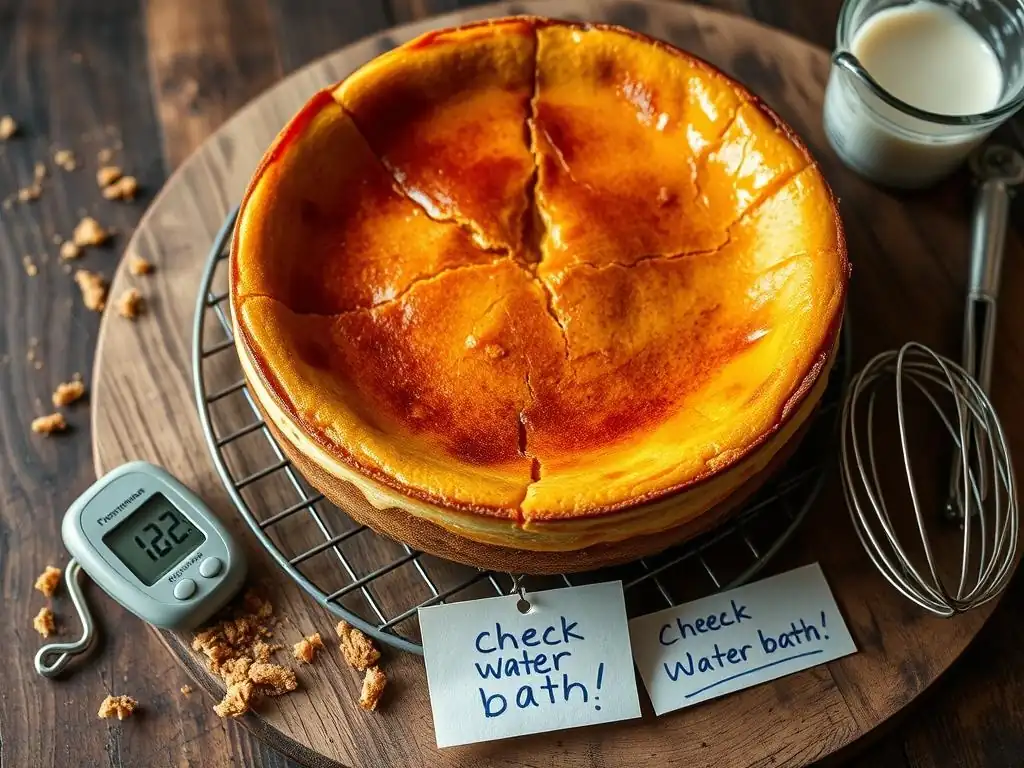
Even with an easy baked cheesecake recipe, sometimes things don't go perfectly. Understanding common issues like cracks or a soggy crust and knowing how to prevent or fix them can save your dessert (and your sanity!). Most problems stem from temperature issues or overmixing.
Don't be discouraged if your first baked cheesecake isn't absolutely flawless. Baking is a skill that improves with practice. By addressing these common troubleshooting points, you'll increase your chances of success with every easy baked cheesecake you make.
Preventing Cracks in Your Cheesecake
Cracks are perhaps the most common and frustrating issue when baking a cheesecake. They typically occur due to uneven baking, overbaking, or sudden temperature changes during cooling. Fortunately, there are several steps you can take to significantly reduce the likelihood of cracks.
Following these prevention tips is much easier than trying to fix a crack after it happens (though a crack can often be hidden with toppings!). Incorporating these practices into your routine will lead to smoother, more beautiful results from your easy baked cheesecake recipe.
The Importance of a Water Bath
As mentioned earlier, a water bath is one of the most effective ways to prevent cracks. It provides gentle, moist heat, ensuring the cheesecake bakes evenly from the edges to the center. This prevents the outer edges from setting and shrinking while the center is still baking and expanding.
Using a properly set up water bath (with securely foiled pan) helps maintain a consistent internal temperature within the cheesecake batter throughout the baking process. This slow, even cooking minimizes stress on the developing structure, greatly reducing the chance of surface cracks on your easy baked cheesecake.
Avoiding Overbaking
Overbaking is a primary culprit behind cracks. When a cheesecake bakes too long or at too high a temperature, the egg proteins tighten excessively, and moisture is lost, causing the cheesecake to shrink and pull away from the sides of the pan. This tension often results in cracks across the surface.
Use the jiggle test to determine doneness rather than relying solely on time. Remember, the center should still be slightly wobbly. Removing the cheesecake when it's just set in the center is crucial for a creamy texture and a crack-free top in your easy baked cheesecake.
Gradual Cooling Techniques
Sudden temperature changes are a major stressor for a delicate baked cheesecake. Taking a hot cheesecake directly from the oven into a cool kitchen causes it to contract too quickly, leading to cracks.
Always cool your cheesecake gradually. First, let it cool in the turned-off oven with the door propped open for about an hour. Then, remove it and let it cool completely at room temperature before refrigerating. This slow transition allows the cheesecake to settle gently and prevents the rapid contraction that causes cracks, perfecting your easy baked cheesecake cooling process.
Dealing with a Soggy Crust
A soggy crust can be disappointing after achieving a creamy filling. This typically happens when moisture from the cheesecake batter seeps into the crust during baking. Luckily, there are simple ways to prevent this issue in your easy baked cheesecake recipe.
Ensuring the crust is properly prepared and potentially sealed can create a barrier against moisture migration, leaving you with a crisp base that perfectly complements the creamy filling.
Pre-Baking the Crust
Pre-baking the graham cracker crust for 8-10 minutes before adding the filling is the most effective way to prevent a soggy bottom. This initial bake helps set the crumbs and makes the crust less absorbent.
Allow the pre-baked crust to cool completely before pouring in the batter. This step creates a firmer barrier that is less likely to absorb moisture during the long baking time required for the easy baked cheesecake filling.
Sealing the Crust with Chocolate (Optional)
For extra insurance against a soggy crust, you can brush a thin layer of melted chocolate (white or dark, depending on your flavor profile) onto the cooled, pre-baked crust. Let the chocolate set completely before adding the cheesecake batter.
The hardened chocolate creates an impermeable barrier that completely prevents moisture from the filling from reaching the crust. While this adds an extra step (and a hint of chocolate flavor), it's a foolproof method for ensuring a crisp base for your easy baked cheesecake, especially if you've struggled with soggy crusts in the past.
Achieving the Perfect Creamy Texture
The hallmark of a great baked cheesecake is its smooth, dense, and creamy texture. Issues like a grainy or rubbery texture usually stem from improper mixing or ingredient temperature.
Paying attention to a couple of key steps during the mixing process will greatly increase your chances of achieving that desirable creamy consistency in your easy baked cheesecake.
Using Room Temperature Ingredients
As emphasized earlier, using room-temperature cream cheese, eggs, sour cream, and yogurt is crucial. Cold ingredients do not emulsify properly, leading to a lumpy batter that will result in a grainy or inconsistent texture in the baked cheesecake.
Allowing ingredients like cream cheese to sit out for 1-2 hours ensures they are soft and pliable, making it easy to beat them smooth before adding other ingredients. This simple step is fundamental to achieving a perfectly smooth and creamy batter for your easy baked cheesecake recipe.
Avoiding Overmixing
While you need to beat the cream cheese until smooth initially, overmixing the batter, especially after adding the eggs, can negatively impact the texture. Excessive mixing incorporates too much air and can overdevelop the proteins, leading to a texture that is more like a cake or sponge than a dense, creamy cheesecake.
Mix only until each ingredient is just incorporated, using the lowest speed on your mixer (or mixing gently by hand). The goal is a smooth, cohesive batter, not a light and airy one. Gentle handling ensures the delicate structure needed for a creamy texture in your easy baked cheesecake.
Variations and Flavor Ideas for Your Easy Baked Cheesecake Recipe
Once you've mastered the basic easy baked cheesecake recipe, the possibilities for flavor variations are nearly endless! The classic vanilla base is delicious on its own, but it also serves as a perfect canvas for incorporating other ingredients. Here are a few popular ideas to inspire your next baking project.
From rich chocolate to bright lemon or fruity swirls, you can easily adapt your simple baked cheesecake recipe to create stunning and flavorful desserts that cater to different tastes. Experimenting with additions is part of the fun of baking!
Classic Vanilla Cheesecake: A Timeless Delight
The classic vanilla baked cheesecake is a testament to the beauty of simple, high-quality ingredients. With its rich, creamy texture and pure vanilla flavor, it's a universally loved dessert. This is the foundational easy baked cheesecake recipe that most bakers start with.
Served plain or with a simple fruit compote, whipped cream, or chocolate shavings, the classic vanilla cheesecake offers a comforting and sophisticated taste experience. Its simplicity allows the quality of the cream cheese and the perfection of the texture to truly shine.
Chocolate Cheesecake: Indulge in Richness
For chocolate lovers, transforming your easy baked cheesecake recipe into a chocolate version is a must. This typically involves incorporating melted chocolate (bittersweet or semi-sweet works well) or cocoa powder into the cream cheese batter.
A common ratio is to add about 6-8 ounces of melted, cooled chocolate per 3 blocks of cream cheese, or replace a few tablespoons of flour (if your recipe uses it) with cocoa powder. The result is a decadent, deeply flavored cheesecake that is wonderfully rich and satisfying.
Lemon Cheesecake: A Zesty Twist
Brighten up your easy baked cheesecake with the refreshing flavor of lemon. Lemon zest and juice can be added to the batter to create a tangy, vibrant dessert that is perfect for spring or summer.
Typically, the zest of 1-2 lemons and a few tablespoons of fresh lemon juice are incorporated into the batter. Be mindful that adding too much liquid can affect the texture, so follow a recipe specifically designed for lemon cheesecake or add the juice cautiously. The citrus cuts through the richness of the cream cheese beautifully.
Salted Caramel Cheesecake: A Sweet and Savory Delight
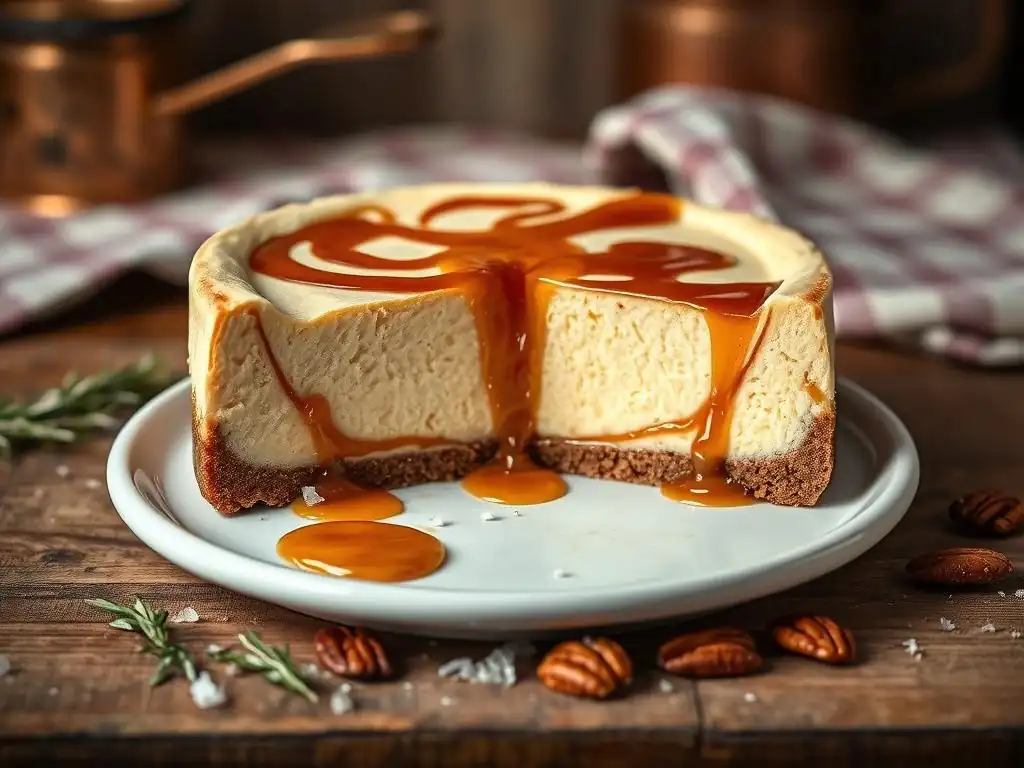
Combining the sweetness of caramel with a hint of salt creates a wonderfully complex flavor profile. A salted caramel variation of your easy baked cheesecake recipe can be achieved by swirling homemade or store-bought salted caramel sauce into the batter before baking, or by topping the finished cheesecake with the sauce.
For a swirl, pour about 1/2 to 3/4 cup of cooled salted caramel sauce over the plain batter in the pan and gently swirl it in with a knife or skewer. The salt enhances the richness of the cheesecake and the sweetness of the caramel, creating an addictive combination.
Raspberry Swirl Cheesecake: A Fruity and Elegant Dessert
Adding a fruit swirl, such as raspberry, provides both beautiful visual appeal and a burst of fresh, tart flavor that contrasts nicely with the creamy cheesecake. A raspberry swirl is a popular and elegant variation of the easy baked cheesecake recipe.
To create a raspberry swirl, cook down about 1-2 cups of fresh or frozen raspberries with a tablespoon or two of sugar and a splash of lemon juice until thickened into a sauce. Strain out the seeds if desired, and cool the sauce completely. Swirl about 1/2 cup of the cooled sauce into the plain cheesecake batter before baking, using a knife to create patterns.
Serving and Storing Your Perfect Baked Cheesecake
Once your easy baked cheesecake has been baked, cooled, and thoroughly chilled, it's ready to be enjoyed! Proper slicing and storage will ensure that every piece is as delicious as the first and that your hard work lasts as long as possible.
Taking care when slicing and storing ensures that the texture and flavor of your beautifully made baked cheesecake are preserved, allowing you to savor it over several days.
Slicing the Cheesecake: Tips for Clean Cuts
Slicing a dense, creamy baked cheesecake cleanly can be tricky. The key is to use a sharp knife and clean it between each slice. Dip a long, sharp knife in hot water, wipe it dry, and then make a clean cut through the cheesecake.
Repeat this process for each slice: dip the knife in hot water, wipe it clean, and slice. This prevents the cheesecake from sticking to the knife and dragging, resulting in perfectly clean, smooth slices that showcase the creamy texture of your easy baked cheesecake.
Garnishing Ideas: Adding Visual Appeal
While a plain baked cheesecake is lovely, garnishes can add both visual appeal and complementary flavors. Simple options include a dollop of whipped cream, fresh berries (like raspberries or strawberries), chocolate shavings, or a dusting of cocoa powder.
More elaborate garnishes could include fruit compotes (cherry, blueberry, or raspberry are popular), caramel or chocolate sauce drizzles, or candied nuts. Choose garnishes that complement the flavor profile of your easy baked cheesecake, turning it into an even more impressive dessert.
Proper Storage: Keeping Your Cheesecake Fresh
To keep your baked cheesecake fresh, cover it tightly with plastic wrap or store it in an airtight container in the refrigerator. Proper storage prevents the cheesecake from drying out or absorbing odors from other foods in the fridge.
A properly stored cheesecake will typically last for 4-5 days in the refrigerator. If you need to store it longer, cheesecake freezes well. Wrap individual slices or the whole cheesecake (without toppings) tightly in plastic wrap, then in aluminum foil, and freeze for up to 1-2 months. Thaw overnight in the refrigerator before serving.
Enjoy Your Delicious, Easy Baked Cheesecake!
Frequently Asked Questions
What makes BakeWithEase's baked cheesecake recipe "easy"?
Our recipe focuses on simple instructions and readily available ingredients, making it accessible even for beginner bakers. We break down each step to ensure success.
What are some common mistakes to avoid when making a baked cheesecake?
Overbaking is a major culprit! Avoid cracks by using a water bath and cooling the cheesecake slowly in the oven. Also, avoid overmixing the batter.
Can I substitute ingredients in the BakeWithEase baked cheesecake recipe?
While we recommend sticking to the recipe for best results, some substitutions are possible. For example, you might use different extracts for flavoring, but avoid altering the core ingredients significantly.
How long does it take to bake the BakeWithEase baked cheesecake?
Baking time can vary depending on your oven, but typically it takes around 55-70 minutes. The cheesecake should be slightly jiggly in the center when done.
What is a water bath and why is it important for baking cheesecakes?
A water bath involves placing the cheesecake in a larger pan filled with hot water. This creates a moist, even baking environment, preventing the cheesecake from cracking and ensuring a creamy texture.
Final Reflection: The Enduring Allure of the Perfect Baked Cheesecake
The pursuit of the perfect baked cheesecake transcends mere culinary skill; it's a journey into the heart of comfort and celebration. This article has explored simple, accessible steps to achieve that creamy, dreamy texture and rich, satisfying flavor, proving that creating a show-stopping dessert doesn't require years of pastry school. The ease of these techniques makes this classic dessert attainable for everyone, regardless of baking experience.
The enduring popularity of cheesecake, in all its variations, speaks volumes about its ability to connect us to cherished memories and moments of joy. It's a dessert that effortlessly bridges generations, evoking feelings of warmth and togetherness. A slice of cheesecake is a little bit of heaven on earth.
– While I don't know the origin of this quote, its sentiment perfectly encapsulates the emotional resonance of this beloved dessert. From family gatherings to quiet nights in, cheesecake consistently delivers a sense of comfort and indulgence that few other desserts can match.
Now, I invite you to step into your kitchen, armed with newfound confidence and the knowledge gained from this article. Don't be afraid to experiment, to personalize the recipe, and to savor the process of creating something delicious and beautiful. The journey to your perfect baked cheesecake is a personal one, filled with the promise of sweet success and the satisfaction of sharing your culinary creation with loved ones. Embrace the challenge, and let the creamy, tangy goodness transport you to a place of pure delight.
Unlock Your Inner Cheesecake Master!
Thanks for taking the time to explore the delightful world of baked cheesecakes! We hope you've gained some valuable tips and tricks to create creamy, dreamy perfection. Now it's time to put your new knowledge into practice!
- Bake your dream cheesecake: Grab those ingredients and start baking! Follow your favorite recipe (or the one you just learned about! ), and let us know how it turns out.
- Share your masterpiece: Snap a photo of your finished creation and share it on social media – tag us! Let's inspire other aspiring bakers.
- Explore more cheesecake adventures: Dive deeper into our cheesecake recipe collection for new flavors and techniques. You might just discover your new signature dessert!
Ready to create your most delicious cheesecake yet? What unique flavor combination will you try first?