
Baking with Corn Flour: Essential Latin American Recipes

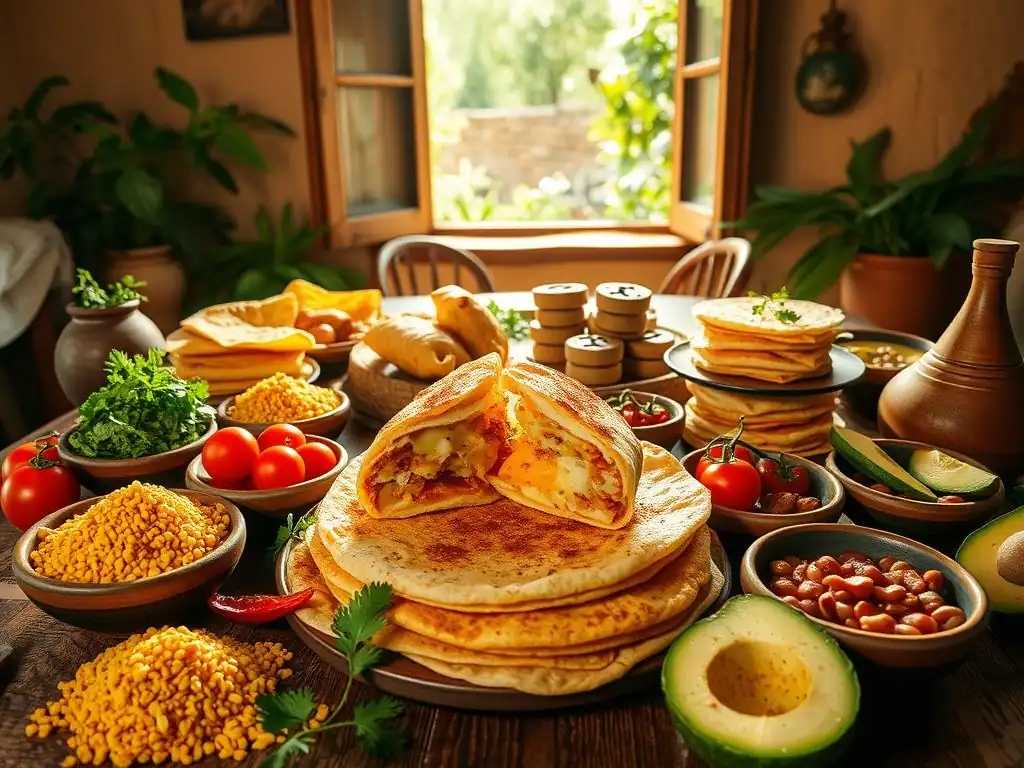
Welcome to BakeWithEase, your trusted guide to the delightful world of baking!
Ever wondered how to unlock the vibrant flavors and textures of Latin America through the magic of your oven? Get ready to embark on a culinary journey as we delve into the fascinating realm of Latin American corn flour recipes. Discover the secrets behind authentic dishes, from savory arepas to sweet cornbreads, and learn how this humble ingredient can transform your baking repertoire. Intrigued? Let's explore the delicious possibilities!
- Discover the Versatility of Corn Flour in Latin American Baking
- Understanding Corn Flour: A Baker's Guide
-
Essential Latin American Corn Flour Recipes to Bake at Home
- Arepas: A Staple Venezuelan and Colombian Corn Cake Recipe
- Pupusas: Savory Salvadoran Corn Flour Cakes Filled with Goodness
- Empanadas de Maíz: Delicious Corn Flour Turnovers from Latin America
- Tamales: A Festive Latin American Corn Flour Dish
- Cornbread Variations: Latin American Inspired Cornbread Recipes
- Tips and Tricks for Baking Success with Corn Flour
- Storing and Serving Your Latin American Corn Flour Creations
- Conclusion: Embrace the Flavors of Latin America with Corn Flour
-
Frequently Asked Questions
- What exactly is Latin American corn flour, and how does it differ from other types of corn flour?
- What are some common Latin American dishes that utilize corn flour?
- Where can I typically purchase Latin American corn flour?
- Are Latin American corn flour recipes gluten-free?
- What are some tips for achieving the best results when baking with Latin American corn flour?
- Final Reflection: The Enduring Legacy of Corn Flour in Latin America
- Unlock the Secrets of Corn Flour Baking!
Discover the Versatility of Corn Flour in Latin American Baking
Latin America boasts a rich culinary heritage, and at the heart of many traditional dishes lies corn. From savory street foods to comforting baked goods, corn flour plays a pivotal role, offering a unique texture, subtle sweetness, and a beautiful golden hue. Exploring Latin American corn flour recipes is a delicious journey into history, culture, and flavor. These recipes often highlight simple ingredients transformed through technique, showcasing the ingenuity of regional cuisines. Whether you're new to baking or looking to expand your repertoire, the world of Latin American baking with corn flour offers endless possibilities.
The versatility of corn flour makes it a staple across numerous Latin American countries, each with its own distinct use. Unlike wheat flour, corn flour provides structure without gluten, making it a fantastic option for many people. Its fine texture allows it to blend seamlessly into doughs and batters, creating everything from sturdy cakes to delicate pastries. Mastering the hydration and handling of corn flour doughs is key to unlocking the secrets of these delicious Latin American corn flour recipes.
Understanding Corn Flour: A Baker's Guide
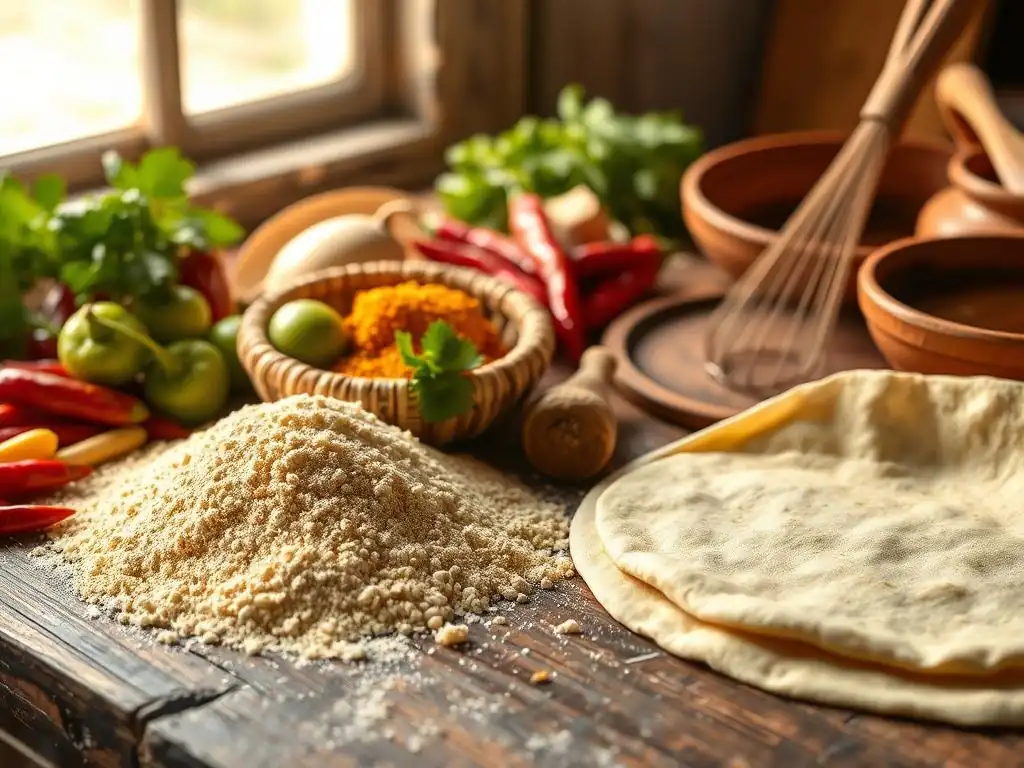
What is Corn Flour? Different Types Explained
Corn flour is a finely ground flour made from dried corn kernels. The process involves milling the entire kernel, including the germ, endosperm, and bran. This results in a flour that retains more of the corn's natural nutrients and flavor compared to cornstarch.
The texture of corn flour can vary depending on the milling process, from a fine powder to a slightly coarser meal. It's important to note that in some regions, "corn flour" might refer specifically to masa harina, which is processed differently, or even cornstarch. Always check the product description to ensure you have the right type for your Latin American corn flour recipes.
Globally, what's labeled "corn flour" is typically a fine, yellow or white flour milled from dried corn. It's distinct from cornmeal, which is coarser. The color depends on whether white or yellow corn was used.
While general corn flour is widely available, specific Latin American corn flour recipes often call for masa harina, which is corn flour made from corn kernels that have been cooked and soaked in a limewater solution (a process called nixtamalization) before being ground. This process changes the corn's nutritional profile and makes it easier to digest, while also imparting a unique flavor and dough-like consistency crucial for many traditional dishes.
Nutritional Benefits of Corn Flour in Baking
Corn flour offers several nutritional advantages, making it a wholesome choice for baking. It is a good source of dietary fiber, which aids digestion and helps maintain a feeling of fullness. Fiber content varies slightly depending on the milling process and whether masa harina is used, but generally, a quarter cup (about 30g) can provide around 2-3 grams of fiber. Additionally, corn flour contains essential minerals like phosphorus, magnesium, and zinc, contributing to overall health.
Furthermore, corn flour is naturally gluten-free, making it an excellent alternative for individuals with celiac disease or gluten sensitivity. While not a complete protein source like wheat, it does contain some protein. Masa harina, specifically, has the added benefit of increased calcium bioavailability due to the nixtamalization process, which incorporates calcium from the limewater. Incorporating corn flour into your Latin American corn flour recipes can thus add both flavor and nutritional value to your baked goods.
Corn Flour vs. Cornstarch vs. Masa Harina: Key Differences for Recipes
While all derived from corn, corn flour, cornstarch, and masa harina are distinct products with different properties and uses in baking and cooking. Corn flour, as discussed, is finely ground whole dried corn. It's used as a flour substitute, thickener, or coating, providing structure and flavor. Cornstarch, on the other hand, is the pure starch extracted from the corn kernel's endosperm. It's a very fine white powder primarily used as a thickening agent for sauces, gravies, and pie fillings, and in baking, it can tenderize cakes and cookies, but it provides no structure on its own.
Masa harina is perhaps the most crucial distinction when discussing Latin American corn flour recipes. As mentioned, it's nixtamalized corn flour. This alkaline treatment gelatinizes the starches and changes the corn's composition, allowing the dough to be pliable and hold its shape without cracking, which is essential for dishes like tortillas, tamales, and pupusas. While regular corn flour can sometimes be substituted in a pinch for certain recipes (like some cornbreads), achieving the authentic texture and flavor of many traditional Latin American dishes absolutely requires masa harina. Understanding these differences is vital for successful Latin American corn flour recipes.
Essential Latin American Corn Flour Recipes to Bake at Home
Arepas: A Staple Venezuelan and Colombian Corn Cake Recipe
Arepas are foundational to the cuisines of Venezuela and Colombia, simple yet incredibly versatile corn cakes made from a dough of pre-cooked corn flour (often specifically masa arepa, a type of instant masa flour), salt, and water. They are typically grilled, baked, or fried until golden brown and slightly crispy on the outside, while remaining soft and fluffy on the inside. Arepas serve as a bread substitute, a base for toppings, or most famously, split open and stuffed with a myriad of fillings. Their simple composition highlights the pure flavor and texture of the corn flour.
The beauty of arepas lies in their adaptability. While the basic dough is consistent, the method of cooking and the chosen filling transform the arepa into a completely different experience. From a quick breakfast with butter and cheese to a hearty dinner stuffed with slow-cooked meats and avocado, arepas are a beloved comfort food. Making arepas at home using Latin American corn flour is a rewarding experience, connecting you directly to a vibrant culinary tradition.
How to Make Traditional Arepas with Corn Flour: Step-by-Step
Making traditional arepas requires just a few ingredients: pre-cooked white or yellow corn flour (like P.A.N. or Harina Pan), warm water, and salt. The typical ratio is roughly 1 cup of corn flour to 1 cup of warm water, plus about half a teaspoon of salt per cup of flour, though this can vary slightly based on the brand of flour.
Here’s a general process:
- Combine the warm water and salt in a bowl.
- Gradually add the pre-cooked corn flour, mixing with your hands.
- Knead the mixture gently for about 2-3 minutes until a smooth, soft, and pliable dough forms. It should not be sticky. If it feels too dry, add a tablespoon of water; if too wet, add a tablespoon of flour.
- Let the dough rest for 5-10 minutes to allow the flour to fully hydrate.
- Divide the dough into equal portions (about the size of a golf ball or slightly larger).
- Shape each portion into a round, flat patty about 1/2 to 3/4 inch thick. Ensure the edges are smooth to prevent cracking.
- Cook the arepas on a hot griddle or skillet (medium heat) for 5-8 minutes per side, or until they develop a golden crust and sound hollow when tapped. Alternatively, they can be pan-fried or baked after searing for a few minutes per side.
Arepas Variations: Exploring Different Fillings and Flavors
Once your arepas are cooked, the real fun begins: filling them! The possibilities are virtually endless, showcasing the incredible diversity within Latin American corn flour recipes. In Venezuela, popular fillings include the "Reina Pepiada" (a creamy chicken and avocado salad), pernil (roasted pork), or queso de mano (a soft white cheese). Colombian arepas are often served split open with butter and cheese, or topped with eggs, meat, or vegetables.
Beyond savory options, arepas can also be enjoyed simply with butter and cheese, or even made with cheese mixed directly into the dough (Arepa de Queso). Some variations incorporate other ingredients into the dough itself, like chicharrón (pork rinds) or sweet corn kernels. Experimenting with different fillings and additions is a fantastic way to explore the versatility of this fundamental Latin American corn flour recipe.
Pupusas: Savory Salvadoran Corn Flour Cakes Filled with Goodness
Pupusas are thick, savory griddle cakes originating from El Salvador, made from masa harina (nixtamalized corn flour dough) and stuffed with a variety of delicious fillings. They are a beloved national dish, typically served with curtido (a fermented cabbage slaw) and a mild tomato salsa. Pupusas are a prime example of how simple ingredients and the unique properties of masa harina combine to create something truly special and satisfying within the realm of Latin American corn flour recipes.
The key to a great pupusa is the balance between the soft, slightly chewy masa dough and the flavorful, molten filling. The process of forming and filling pupusas is an art form, often requiring practice to get just right. When cooked on a hot griddle, the outside crisps up while the inside remains tender and the filling warms through, creating a delightful texture contrast that is characteristic of this Salvadoran staple.
Preparing Pupusas Dough: The Secret to a Perfect Texture
The dough for pupusas is made from masa harina, warm water, and salt. The quality and consistency of the masa dough are crucial for successful pupusas. A common starting ratio is 2 cups of masa harina to 1.5 to 2 cups of warm water, plus about 1 teaspoon of salt.
Here’s how to prepare the dough:
- In a large bowl, combine the masa harina and salt.
- Gradually add the warm water while mixing with your hands.
- Knead the dough for about 5-10 minutes until it is smooth, soft, and pliable. It should feel like modeling clay – not sticky, but moist enough that it doesn't crack when you try to form a ball.
- Cover the dough with a damp cloth or plastic wrap and let it rest for at least 15-20 minutes. This allows the masa harina to fully hydrate and makes the dough easier to work with when filling. Proper hydration is essential for preventing the pupusas from cracking during cooking.
Popular Pupusas Fillings: From Cheese and Beans to Pork
Pupusas are traditionally filled with a variety of savory ingredients. The most classic fillings include queso (cheese, often a blend of mozzarella and Oaxacan cheese or a specific pupusa cheese), frijoles (refried beans), and chicharrón (finely ground cooked pork). The most popular combination is the pupusa revuelta, which is filled with a mix of cheese, beans, and chicharrón.
Other popular fillings include queso con loroco (cheese with loroco flower buds, a flavorful Salvadoran ingredient), queso con ayote (cheese with squash), or even spinach and cheese. The filling should be moist but not too wet, and finely chopped or mashed so it doesn't puncture the dough when you are forming the pupusas. Mastering the art of filling and shaping pupusas is a key step in creating these authentic Latin American corn flour recipes.
Empanadas de Maíz: Delicious Corn Flour Turnovers from Latin America
Empanadas are found throughout Latin America, but "empanadas de maíz" specifically refer to those made with a corn flour dough, as opposed to the more common wheat flour versions. These turnovers are typically fried, resulting in a crispy, golden shell that encases a variety of savory or sweet fillings. The corn flour dough gives them a distinct texture and flavor that is different from wheat-based empanadas, making them a unique and beloved part of Latin American corn flour recipes.
The dough for corn empanadas often uses masa arepa or similar pre-cooked yellow or white corn flour, combined with water, salt, and sometimes a little oil or butter for richness and tenderness. The result is a dough that is pliable enough to shape and fill, and which fries up beautifully crispy. They are a popular snack or appetizer, enjoyed hot and fresh.
Corn Flour Empanada Dough Recipe: A Beginner's Guide
Making the dough for corn flour empanadas is straightforward, similar to making arepas dough but often aiming for a slightly softer consistency that is easier to roll or press thin. A typical starting point is 2 cups of pre-cooked corn flour (yellow is common for its color), about 2.5 cups of warm water, half a teaspoon of salt, and perhaps 1-2 tablespoons of oil or melted butter.
Steps for the dough:
- In a bowl, combine the warm water, salt, and oil/butter.
- Gradually add the corn flour while mixing with your hands until a soft, manageable dough forms. It should be soft enough to flatten easily without cracking but not sticky.
- Let the dough rest for 10-15 minutes, covered.
- To form the empanadas, take a portion of dough (about the size of a golf ball). You can either flatten it between two pieces of plastic wrap using a rolling pin or a tortilla press, or simply shape it by hand into a disc about 4-5 inches in diameter and about 1/8 inch thick.
- Place a spoonful of filling on one half of the disc, leaving a border.
- Fold the other half over the filling to create a half-moon shape.
- Seal the edges by pressing with your fingers or crimping with a fork.
- Fry the empanadas in hot oil (around 350-375°F or 175-190°C) for 3-5 minutes per side, or until golden brown and crispy.
Empanada Filling Ideas: Sweet and Savory Options
The fillings for corn flour empanadas offer incredible variety, reflecting regional tastes and available ingredients. Savory options are very popular and can include seasoned ground beef (like picadillo), shredded chicken, cheese (such as queso fresco or a blend), ham and cheese, or even vegetarian fillings like potatoes and peas, or black beans. The filling should be cooked and cooled before being placed in the raw dough.
Sweet corn empanadas are also a delightful option. Fillings might include sweet plantains, dulce de leche (caramelized milk), guava paste and cheese, or fruit compotes. When making sweet fillings, ensure they are not too liquidy, as this can make the empanada burst during frying. Exploring these filling combinations is a delicious way to dive deeper into Latin American corn flour recipes.
Tamales: A Festive Latin American Corn Flour Dish
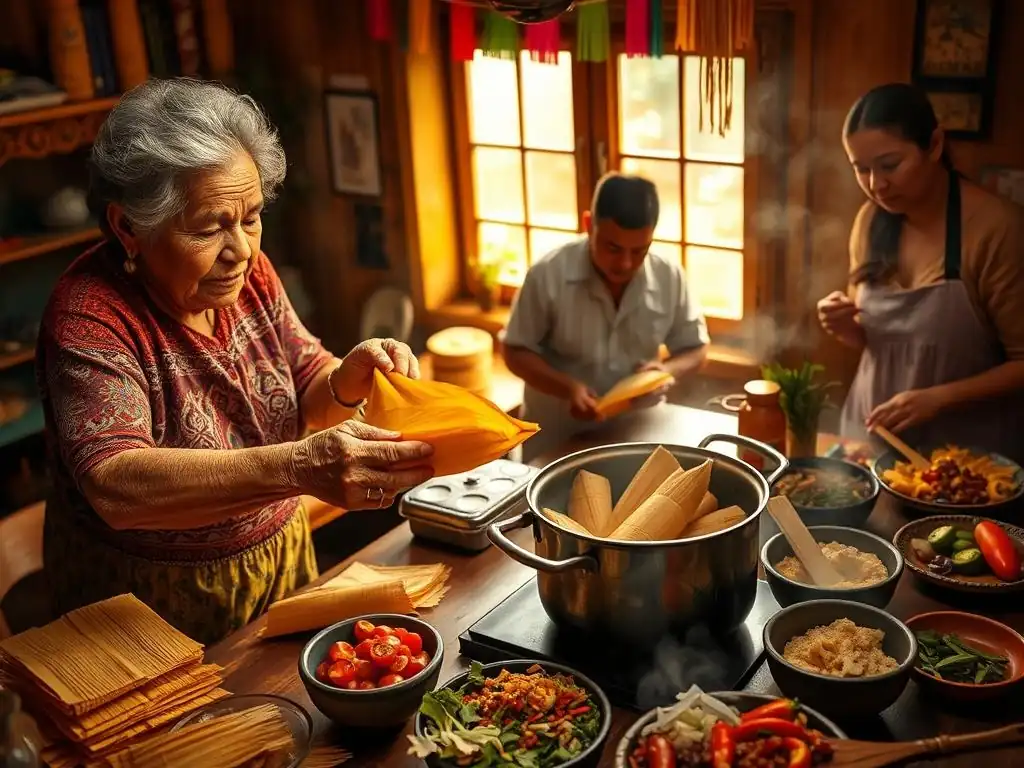
Tamales are perhaps one of the most iconic and festive Latin American dishes made with corn flour, specifically masa harina. They consist of a dough (masa) wrapped around a filling, enclosed in a corn husk or banana leaf, and then steamed. Tamales are deeply rooted in Mesoamerican history and are traditionally prepared for holidays, celebrations, and family gatherings, making them a symbol of community and tradition within Latin American corn flour recipes.
The process of making tamales can be time-consuming, often involving multiple family members or friends working together, which adds to their communal significance. The masa dough, known as masa para tamales, is specially prepared, usually incorporating lard or vegetable shortening and leavening agents like baking powder to make it light and fluffy when steamed. The fillings vary immensely by region and personal preference, offering a vast landscape of flavors to explore.
Making Tamales Dough with Corn Flour: A Detailed Process
The masa dough for tamales is the foundation of this dish. It's made from masa harina para tamales (a specific grind of masa harina), lard or shortening, broth (chicken, vegetable, or pork), and salt, often with the addition of baking powder. A common starting point is 2 cups of masa harina, about 1 cup of lard or shortening, 2 cups of broth, and 1-2 teaspoons of salt, plus 1 teaspoon of baking powder.
The process involves creaming the fat:
- In a large bowl, beat the softened lard or shortening until it is light and fluffy, almost like whipped cream. This step is crucial for creating a tender tamale texture.
- In a separate bowl, whisk together the masa harina, salt, and baking powder.
- Gradually add the masa mixture and the warm broth alternately to the creamed fat, mixing until a soft, moist dough forms. The consistency should be spreadable, like thick hummus or peanut butter, but not too wet. A traditional test is to drop a small piece of dough into a cup of cold water; if it floats, it has enough air incorporated and is ready.
- The dough is then spread onto prepared corn husks (soaked and softened) or banana leaves, filled, folded, and steamed.
Different Types of Tamales: Regional Variations and Fillings
Tamales showcase incredible regional diversity across Latin America, both in their masa preparation and their fillings. In Mexico, common fillings include mole poblano, salsa verde with chicken or pork, rajas con queso (poblano strips with cheese), and sweet tamales filled with fruit or pinole (toasted corn flour). Mexican tamales are often wrapped in corn husks.
Further south, in countries like Peru or Colombia, tamales (or tamales and pasteles, respectively) are often larger, wrapped in banana leaves, and can contain a more complex filling that might include rice, peas, carrots, olives, and various meats. Cuban tamales are typically made with fresh corn masa rather than dried. Exploring these regional variations highlights the breadth and depth of Latin American corn flour recipes.
Cornbread Variations: Latin American Inspired Cornbread Recipes
While cornbread is often associated with the Southern United States, many Latin American countries have their own versions of baked goods incorporating cornmeal or corn flour, sometimes leaning towards sweeter or more savory profiles. These variations often use finer corn flour or a mix with other flours, and incorporate ingredients typical of Latin American cuisine, offering a unique twist on the concept of cornbread within the world of Latin American corn flour recipes.
These baked goods can range from dense, cake-like loaves to lighter, muffin-like textures. They often incorporate fresh corn kernels, cheese, or even spicy elements like jalapeños, creating flavors distinct from their North American counterparts. Exploring these recipes allows you to see how corn flour is adapted in different cultural contexts.
Mexican Cornbread with Jalapeños and Cheese
A popular Latin American inspired cornbread variation is a savory Mexican cornbread, often incorporating ingredients like jalapeños and cheese. This version typically uses a mix of cornmeal (often finer ground) and wheat flour, or sometimes corn flour, combined with eggs, milk, butter, and leavening agents like baking powder. The addition of chopped pickled or fresh jalapeños and shredded cheese (like cheddar or Monterey Jack, or a Mexican blend) infuses the bread with heat and savory richness.
The batter is usually simple to mix – dry ingredients are combined, wet ingredients are mixed separately, and then the two are combined with the jalapeños and cheese. The mixture is poured into a baking pan and baked until golden brown and set. This spicy, cheesy cornbread is a flavorful side dish that pairs well with chili or other hearty meals, showcasing a savory application of corn flour in Latin American inspired baking.
South American Cornbread with Sweet Plantains
In some South American countries, cornbread-like preparations might lean towards the sweeter side and incorporate local ingredients like plantains. A South American inspired cornbread could use corn flour or fine cornmeal along with wheat flour, sugar, eggs, milk, and butter, but include mashed or diced sweet plantains (plátanos maduros) in the batter.
The sweet plantains add moisture, natural sweetness, and a unique tropical flavor to the bread. Sometimes, cheese might also be included in a sweet and savory combination. This type of cornbread is often denser and more cake-like than typical North American versions. Baking times and temperatures are similar to standard cornbread recipes, typically around 375°F (190°C) for 25-40 minutes depending on the size of the pan. These sweet variations highlight another facet of Latin American corn flour recipes.
Tips and Tricks for Baking Success with Corn Flour
Choosing the Right Corn Flour for Your Latin American Recipes
Selecting the appropriate type of corn flour is paramount for achieving authentic results in Latin American corn flour recipes. As discussed, "corn flour" can mean different things. For dishes like arepas or certain empanadas, pre-cooked corn flour (like masa arepa) is essential. This flour has already been cooked and dried, allowing for quick dough preparation by simply adding water. Using regular corn flour here will not work.
For tamales, masa harina para tamales is required. This is nixtamalized corn flour specifically prepared to yield a light, porous texture when steamed after fat and leavening are added. For other baked goods or coatings, general fine corn flour might be suitable, but always check the recipe's specific requirements. If a recipe calls for masa harina (for tortillas, pupusas, etc. ), ensure you buy the nixtamalized version. Reading ingredient lists and recipe notes carefully is key to choosing correctly and ensuring your Latin American corn flour recipes turn out perfectly.
Hydration is Key: Mastering the Corn Flour Dough Texture
Unlike wheat flour, corn flour and masa harina absorb water differently and do not develop gluten. This means mastering hydration is critical to prevent doughs from being crumbly or too sticky. Corn flour doughs, especially those made with masa harina or pre-cooked corn flour, need sufficient hydration to become pliable and hold their shape without cracking, but too much water results in a sticky, unworkable mess.
When making doughs for arepas, pupusas, or tamales, add warm water gradually and mix thoroughly with your hands. Knead the dough for several minutes to ensure the flour fully hydrates. The dough should feel soft, smooth, and slightly moist, like playdough.
Letting the dough rest for 10-20 minutes after mixing is also important, as the flour continues to absorb liquid during this time. If the dough dries out while you are working with it, keep a bowl of warm water nearby to moisten your hands periodically. Proper hydration is the secret to tender and well-formed results in most Latin American corn flour recipes.
Gluten-Free Baking with Corn Flour: Achieving the Best Results
Corn flour is naturally gluten-free, making it a valuable ingredient for gluten-free baking, especially in Latin American corn flour recipes which often use it as the primary or sole flour. However, because it lacks gluten, corn flour doughs require different handling than wheat doughs. They won't stretch or become elastic. Instead, they rely on proper hydration and sometimes binders or fats for structure and tenderness.
When adapting recipes or creating new gluten-free baked goods using corn flour, consider combining it with other gluten-free flours or starches (like rice flour, tapioca starch, or potato starch) to improve texture and binding, unless the recipe is traditionally 100% corn-based (like arepas or pupusas). Fats like lard, shortening, or butter are often incorporated, particularly in tamales, to add tenderness and richness. For dishes that require shaping, ensuring the dough is adequately hydrated and rested helps prevent cracking.
Working with moist hands can also make shaping easier. Embracing the unique properties of corn flour is key to successful gluten-free Latin American corn flour recipes.
Storing and Serving Your Latin American Corn Flour Creations
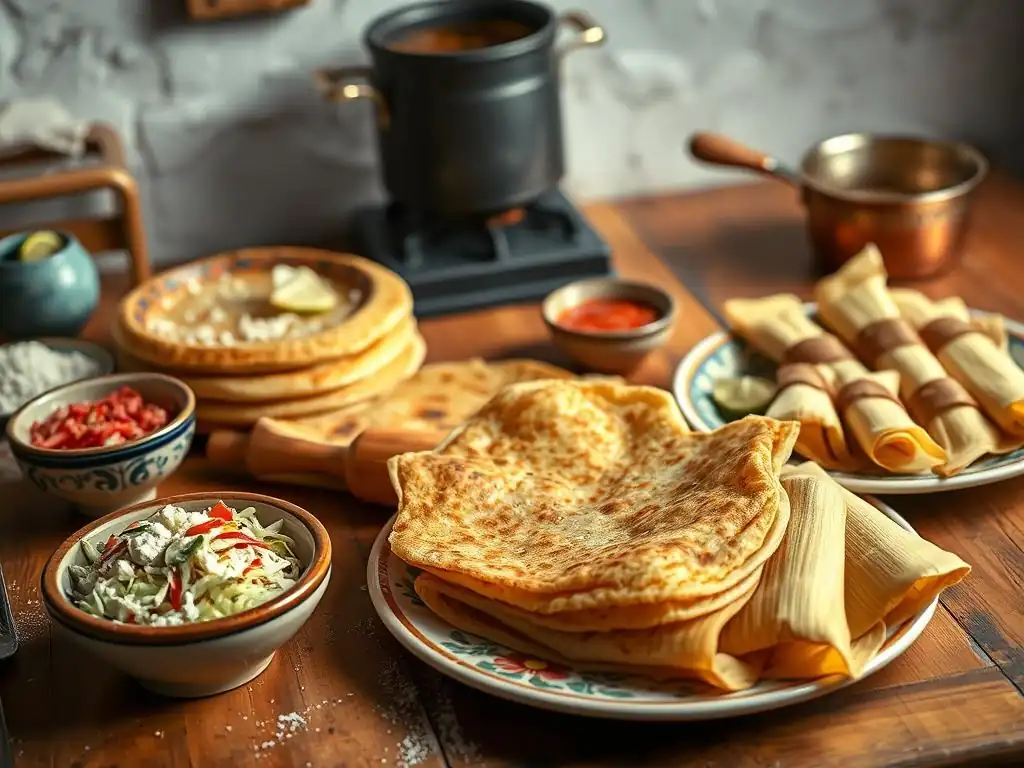
Best Practices for Storing Corn Flour Baked Goods
Proper storage is essential to maintain the freshness and texture of your Latin American corn flour recipes. Baked goods made primarily with corn flour, like cornbread or arepas, can dry out more quickly than wheat-based items. Once cooled completely, store them in an airtight container at room temperature for 1-2 days. For longer storage, refrigeration is best and can extend their shelf life for up to a week.
Pupusas and tamales, especially with their fillings, should always be refrigerated if not consumed immediately after cooking. Store them in airtight containers or wrapped well in plastic wrap and foil. They will keep in the refrigerator for 3-4 days. For longer storage (up to 2-3 months), pupusas and tamales can be frozen. Wrap them individually or in small batches before placing them in a freezer-safe container or bag. Thaw in the refrigerator overnight and reheat gently.
Serving Suggestions and Pairing Ideas for Latin American Dishes
Serving Latin American corn flour recipes often involves pairing them with complementary sauces, sides, and drinks to create a complete meal experience. Arepas are fantastic stuffed or served alongside grilled meats, beans, or scrambled eggs. Pupusas are traditionally served with curtido (a tangy cabbage slaw) and mild tomato salsa, with salsa roja (red salsa) or salsa verde (green salsa) also being popular additions.
Empanadas de maíz are perfect on their own as a snack, or served with a dipping sauce like ají (a spicy Colombian sauce), chimichurri, or simple salsa. Tamales are often served with salsa, mole, or crema (Mexican sour cream), and are a staple at festive meals alongside rice, beans, and other main dishes. Sweet corn variations like cornbread can be served with butter, honey, or a sprinkle of cinnamon. Pairing these dishes with traditional Latin American beverages like aguas frescas or coffee enhances the authentic experience.
Conclusion: Embrace the Flavors of Latin America with Corn Flour
Embarking on the journey of baking with corn flour, especially through the lens of Latin American corn flour recipes, is a rewarding culinary adventure. From the simple elegance of arepas and the comforting embrace of pupusas to the festive tradition of tamales and the diverse world of corn-based baked goods, corn flour unlocks a universe of textures and tastes deeply rooted in history and culture. Mastering the nuances of different corn flour types and understanding the importance of hydration and technique are key steps in bringing these authentic flavors into your kitchen.
Whether you are experimenting with your first batch of arepas or perfecting your tamale-making skills, working with Latin American corn flour recipes offers a unique connection to the vibrant culinary landscapes of countries like Venezuela, Colombia, El Salvador, and Mexico. These dishes are more than just food; they are expressions of heritage, community, and the enduring versatility of corn. So grab your corn flour, gather your ingredients, and get ready to bake some incredible Latin American corn flour recipes that will delight your senses and transport you south of the border.
Frequently Asked Questions
What exactly is Latin American corn flour, and how does it differ from other types of corn flour?
Latin American corn flour, like masa harina or harina P.A.N., is specifically treated with an alkaline solution (nixtamalization). This process makes the corn more nutritious and easier to digest, unlike regular corn flour which isn't processed this way.
What are some common Latin American dishes that utilize corn flour?
Many delicious dishes rely on Latin American corn flour. Think of arepas, pupusas, tortillas, and empanadas, all staple foods throughout the region.
Where can I typically purchase Latin American corn flour?
You can usually find it at Latin American grocery stores, international food aisles in major supermarkets, or online retailers specializing in Latin American ingredients. Harina P.A.N. is a very common brand.
Are Latin American corn flour recipes gluten-free?
Yes, most recipes using masa harina or harina P.A.N. are naturally gluten-free, making them a great option for those with dietary restrictions. However, always check the specific recipe to ensure no other gluten-containing ingredients are added.
What are some tips for achieving the best results when baking with Latin American corn flour?
Hydration is key! Follow the recipe closely regarding water ratios and allow the dough to rest adequately. Experiment with different fillings and cooking methods to find your favorite variations.
Final Reflection: The Enduring Legacy of Corn Flour in Latin America
The vibrant tapestry of Latin American cuisine is inextricably woven with the humble corn flour, a staple that transcends mere ingredient status to become a symbol of cultural heritage and culinary ingenuity. From the simplest arepa to the most elaborate tamale, corn flour's versatility continues to shape the flavors and traditions of countless communities across the continent. Its enduring presence is a testament to its nutritional value and its ability to adapt to diverse regional tastes and techniques.
The journey through these recipes has been a personal exploration of not just culinary techniques, but also of the rich history and cultural significance embedded within each dish. The process of researching and preparing these recipes revealed the deep-rooted connection between people and their food, a connection that transcends generations. Food is symbolic of love when words are inadequate.
– Alan D. Wolfelt. This quote perfectly encapsulates the emotional weight and cultural significance carried by these simple yet profound recipes. The act of sharing these dishes is an act of sharing a piece of one's heritage, a tradition passed down through countless hands.
Now, I invite you to step into your own kitchen and embark on a culinary adventure. Don't just follow these recipes; let them inspire you to explore the boundless possibilities of corn flour. Experiment with different techniques, adapt them to your own tastes, and most importantly, share the joy of these delicious creations with your loved ones. By embracing the legacy of corn flour, you're not just making a meal; you're participating in a centuries-old tradition, a vibrant cultural exchange, and a celebration of the heart of Latin America.
Unlock the Secrets of Corn Flour Baking!
Thanks for exploring the wonderful world of corn flour baking with us! You've just discovered a treasure trove of delicious Latin American flavors and techniques. Ready to put your new knowledge to the test?
- Master your first arepa: This is the perfect next step to put your learning into practice. Find a simple recipe online and give it a go!
- Share your baking journey: Snap a picture of your creation and share it on social media using #BakeWithEaseCornFlour. Let's build a community of corn flour enthusiasts!
- Explore other corn flour treats: From empanadas to tortillas, the possibilities are endless! Dive deeper into regional variations and experiment with different recipes.
What unique corn flour recipe are you most excited to try next?