
The Intriguing History Behind Your Favorite Custard Tart

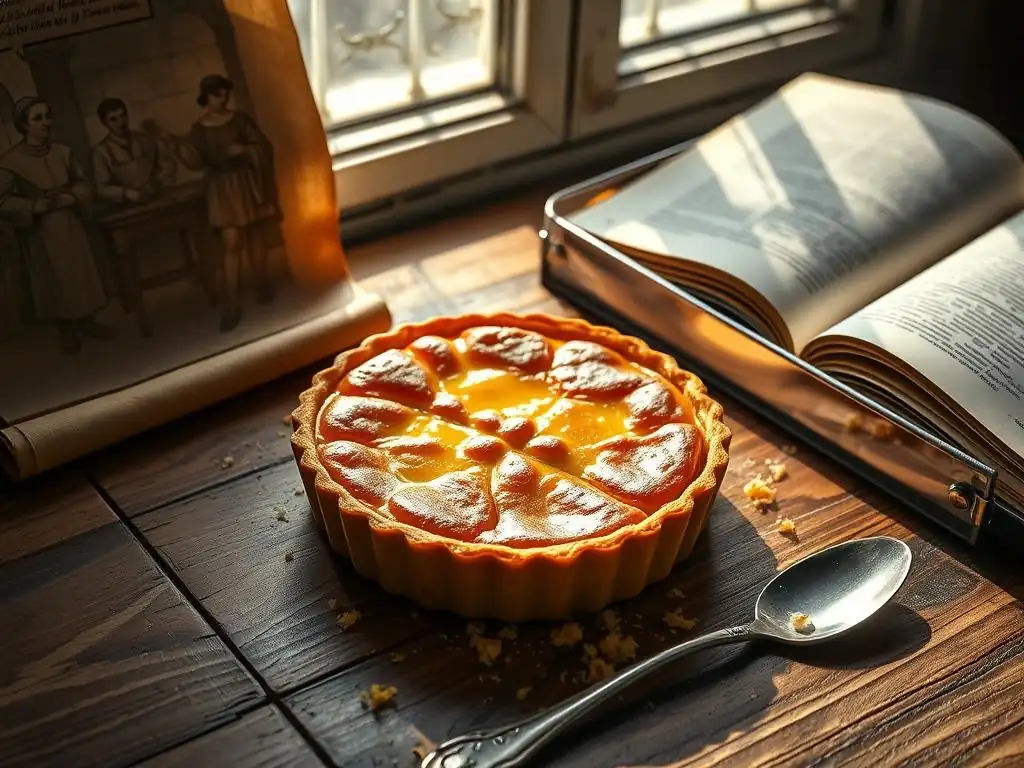
Welcome to BakeWithEase, your trusted guide to baking bliss! Ever wondered about the origins of that creamy, dreamy dessert you adore? Delve into the surprising and delicious custard tart history explained in our latest article. Prepare to be amazed as we uncover the fascinating journey of this classic pastry, sparking a newfound appreciation with every bite. Ready to explore? Let's get started!
- The Intriguing History Behind Pastel de Nata
- A Deep Dive into Pastel de Nata History Explained
- Origins of the Pastel de Nata: Tracing its Monastic Roots
- Pastel de Nata in Belém: A Royal and Religious Affair
- The Evolution of Pastel de Nata Recipes: Maintaining Tradition
- Pastel de Nata in the 20th and 21st Centuries: A National Icon
- Regional Variations of the Pastel de Nata: Exploring Local Twists
- The Modern Pastel de Nata: A Timeless Classic
- Mastering the Art of Pastel de Nata Baking Today
- Conclusion: Celebrating the Legacy of the Pastel de Nata
- Frequently Asked Questions
- Final Reflection: A Sweet Legacy, A Lasting Taste
- Unlock the Secrets of Custard Tart Mastery!
The Intriguing History Behind Pastel de Nata
A Deep Dive into Pastel de Nata History Explained
Introduction: More Than Just a Sweet Treat
The Pastel de Nata, with its flaky crust and rich, creamy custard filling, is far more than just a simple dessert. It's a cultural icon, a taste of history, and a symbol of Portugal's rich culinary heritage. Understanding the custard tart history explained takes us on a journey through centuries, revealing how humble ingredients transformed into a globally celebrated pastry. From its monastic origins to its status as a modern-day sensation, the story of the Pastel de Nata is intertwined with the social and economic fabric of Portugal.
This beloved tart represents a fascinating intersection of practicality and piety, born from necessity and refined over time. Its enduring appeal lies not only in its exquisite taste but also in the narrative it carries – a tale of ingenuity, tradition, and the accidental creation of perfection. Exploring its past provides a deeper appreciation for every bite of this golden, caramelized delight.
Why Pastel de Nata Holds a Special Place in Baking History
The Pastel de Nata holds a unique position in baking history due to its specific origin story and its remarkable global spread from a relatively small country. Unlike many pastries with less clear lineages, the Pastel de Nata can be traced back to a very specific time and place, linking it directly to the practices of religious orders in Portugal. Its survival through periods of significant social change, including the dissolution of monasteries, speaks volumes about its inherent quality and popularity.
Furthermore, the Pastel de Nata exemplifies how simple, readily available ingredients – eggs, sugar, milk, flour – can be combined through precise techniques to create something truly extraordinary. It showcases a specific style of custard development and pastry handling that has been perfected over centuries. Its global recognition, far exceeding that of many other national pastries, highlights its universal appeal and its success as a culinary export, solidifying its special place not just in Portuguese baking, but in world pastry history.
Origins of the Pastel de Nata: Tracing its Monastic Roots
Early Egg-Based Desserts: Precursors to the Modern Tart
Before the Pastel de Nata as we know it existed, various egg-based desserts were common across Europe, often linked to religious institutions. Monasteries and convents frequently had access to abundant supplies of eggs, milk, and sugar, making them natural centers for developing sweet dishes. These early desserts might have included simple custards, baked puddings, or rudimentary tarts using available grains for crusts. The use of eggs, particularly yolks, was prominent, partly due to practical reasons within the monastic lifestyle.
Monks and nuns used egg whites extensively for tasks like starching religious habits and vestments, a practice that left them with a significant surplus of egg yolks. This surplus became a driving force behind the creation of rich, yolk-heavy recipes. While not yet the Pastel de Nata, these early creations demonstrated a foundational understanding of combining yolks, sugar, and heat to create delicious, set custards, laying the groundwork for future developments in custard tart history explained.
The Role of Portuguese Monasteries in Custard Development
Portuguese monasteries, particularly those with wealth and resources like the Jerónimos Monastery in Belém, were central to the development of many traditional Portuguese sweets, including those based on eggs. The surplus egg yolks from starching clothes were seen not as waste, but as a valuable resource to be utilized. This practical necessity spurred innovation in the monastic kitchens, leading to the creation of numerous pastries and desserts designed specifically to use these yolks.
It's believed that the monks at the Jerónimos Monastery were among the first to create a tart closely resembling the modern Pastel de Nata sometime in the 18th century. They developed a rich, smooth custard and paired it with a delicate, flaky pastry crust. This specific combination, perfected within the monastery walls, is widely considered the direct ancestor of the iconic tart. The techniques developed there, involving careful control of heat and ingredients, were crucial in creating the signature texture and caramelized top.
Pastel de Nata in Belém: A Royal and Religious Affair
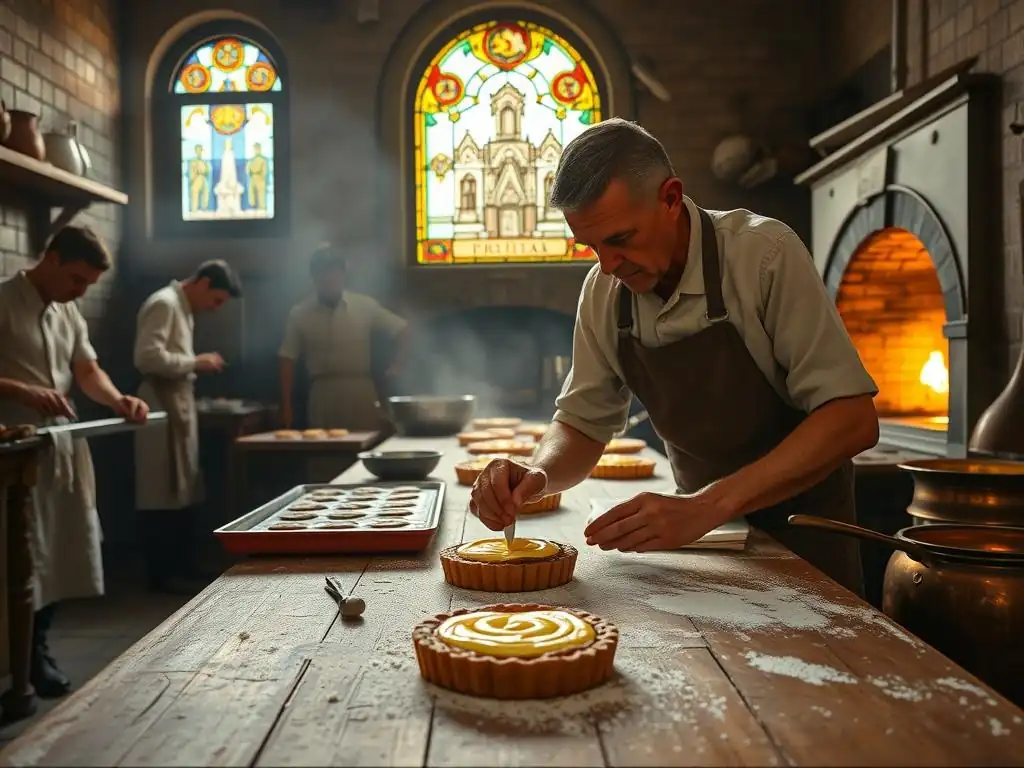
Pastel de Nata in 18th Century Lisbon: A Solution for Surplus Egg Yolks
In 18th century Lisbon, the economic activities of monasteries were significant. The practice of using egg whites for laundry, common across Europe but particularly prevalent in Portugal due to its textile industry and religious institutions, resulted in a consistent surplus of egg yolks. Rather than discarding them, resourceful monks and nuns incorporated these yolks into various culinary creations, many of which were sold to supplement their income or for charitable purposes. The Jerónimos Monastery in Belém, a prominent and wealthy institution near Lisbon, was at the forefront of this trend.
Facing financial pressures, especially during political upheavals, the monks sought ways to generate revenue. Selling small, delicious tarts made from their surplus yolks, sugar, and other available ingredients proved to be a successful venture. These tarts quickly gained popularity among the local populace and visitors alike, establishing a reputation that would eventually lead to their commercial production outside the monastery walls. This period solidified the tart's identity as a distinct pastry from the Belém area.
Original Pastel de Belém Recipe (Secret): An Example of Early Pastel de Nata Making
The original recipe for the tarts made at the Jerónimos Monastery, now known as Pastel de Belém, is famously a closely guarded secret. While the precise details remain confidential, we can infer much about early Pastel de Nata making from descriptions and the characteristics of the tarts produced today by the Fábrica de Pastéis de Belém, the only place authorized to use the "Pastel de Belém" name. These early tarts likely featured a very rich custard, high in egg yolks, cooked at a high temperature to achieve the characteristic caramelized spots on top.
The pastry would have been a labor-intensive, flaky dough, possibly made with butter or lard, folded multiple times to create layers. The monks would have possessed skills in both pastry making and custard preparation, honed over years of practice. The secrecy surrounding the recipe, beginning in the 19th century when it was sold, highlights its perceived value and uniqueness. It wasn't just a simple list of ingredients, but a specific method and proportion that yielded a result distinct from other custard tarts, contributing significantly to the narrative of custard tart history explained.
The Evolution of Pastel de Nata Recipes: Maintaining Tradition
The 19th Century and the Secularization of the Recipe
The 19th century marked a pivotal period for the Pastel de Nata, driven by significant political and social changes in Portugal. In 1834, following the Liberal Revolution, all religious orders in Portugal were dissolved, and their properties confiscated. This event directly impacted the monasteries that had been producing these popular tarts. Faced with the closure of the Jerónimos Monastery, the monks reportedly sold the secret recipe for their tarts to a sugar refinery owner.
This act marked the secularization of the Pastel de Nata recipe. The sugar refinery owner, Domingos Rafael Alves, recognized the commercial potential of the tarts. In 1837, he opened the Fábrica de Pastéis de Belém, located near the former monastery, to produce and sell the tarts using the original recipe. This transition from a monastic kitchen to a commercial bakery ensured the survival of the recipe and the tart itself, allowing it to reach a wider audience beyond the religious community and setting the stage for its future popularity.
The Preservation of Traditional Ingredients and Techniques
Despite the secularization and the passage of time, the core ingredients and techniques used in making Pastel de Nata have remained remarkably consistent, especially at the Fábrica de Pastéis de Belém. The recipe still relies on simple components: egg yolks, sugar, milk, flour, and butter (or a similar fat) for the pastry. The emphasis is on the quality of these ingredients and, crucially, the precise method of preparation.
The technique involves creating a very rich, smooth custard and using a specific method for the puff pastry that results in numerous thin, crispy layers. The high-temperature baking process is essential for achieving the signature dark caramel spots on the custard surface without burning the pastry. This dedication to preserving the original methods, even as production scaled up, underscores the importance of tradition in the custard tart history explained. It's this adherence to tried-and-true techniques that maintains the authentic taste and texture that fans expect.
Pastel de Nata in the 20th and 21st Centuries: A National Icon
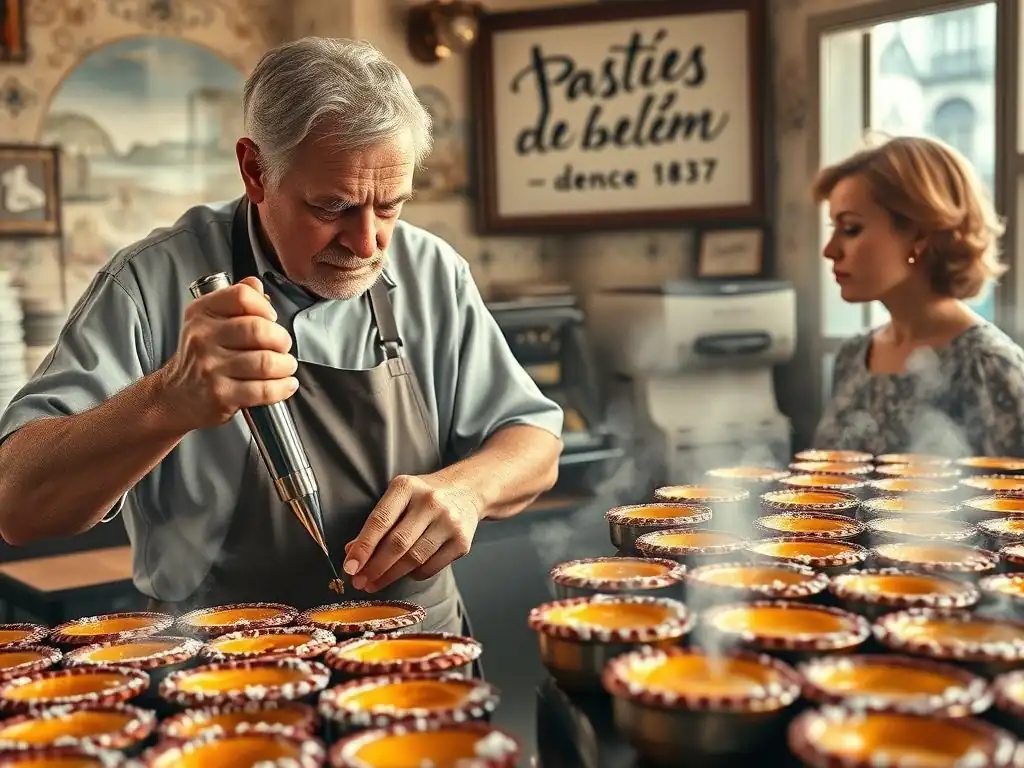
Portuguese Cafés and the Rise of the Pastel de Nata
The 20th century saw the Pastel de Nata transition from a specialty of Belém to a ubiquitous presence across Portugal. The rise of the Portuguese café culture played a crucial role in this transformation. Cafés became central social hubs in towns and cities, and the Pastel de Nata became the quintessential accompaniment to a morning coffee or an afternoon break. Bakeries and pastelarias (pastry shops) across the country began producing their own versions of the tart.
While the Fábrica de Pastéis de Belém held the original secret recipe, other bakeries developed their own interpretations, leading to slight variations in sweetness, custard texture, and pastry flakiness. However, the core concept remained the same. The sheer number of cafés and bakeries selling Pastel de Nata ensured its availability and cemented its status as a national pastry. It became an affordable luxury, enjoyed by people from all walks of life, further solidifying its place in the national consciousness.
Innovations in Baking Equipment, Maintaining the Classic Taste
As the popularity of Pastel de Nata soared in the 20th and 21st centuries, bakeries needed to scale up production while maintaining quality. This led to innovations in baking equipment specifically designed for these tarts. High-speed mixers for the custard, specialized pastry sheeters for creating uniform layers, and powerful ovens capable of reaching the high temperatures needed for caramelization became standard in commercial bakeries.
Despite these technological advancements, the goal has always been to replicate the characteristics of the traditional tart. The focus remains on achieving a perfectly flaky crust and a rich, creamy custard with the signature blistered top. Modern equipment allows bakeries to produce thousands of tarts daily, meeting the immense demand both domestically and internationally, without compromising the essential elements that define the Pastel de Nata, a testament to how its custard tart history explained continues to influence production today.
Regional Variations of the Pastel de Nata: Exploring Local Twists
Different Custard Tart Styles Inspired by the Original
While the Pastel de Nata from Belém is the most famous, the concept of a small, egg-based custard tart in a pastry shell exists in various forms, both within Portugal and internationally. Within Portugal itself, bakeries in different regions or even different neighborhoods of the same city might have slight variations in their recipes or techniques. Some might use more cinnamon in the custard, others might bake them slightly longer for a darker top, or use a different type of fat in the pastry.
These local adaptations, while maintaining the core idea of the Portuguese tart, reflect regional preferences and available ingredients. They demonstrate how a successful culinary concept can inspire diversity while retaining a recognizable identity. Exploring these variations offers a broader perspective on the evolution and spread of the pastel de nata idea beyond its birthplace.
Hong Kong Egg Tart: A Unique Custard Tart Tradition
One of the most well-known international relatives of the Pastel de Nata is the Hong Kong egg tart (蛋撻, daan tat). Introduced to Hong Kong, likely via Macau (a former Portuguese colony), the egg tart developed its own distinct characteristics. While sharing the core concept of a custard filling in a pastry shell, Hong Kong egg tarts typically feature a brighter yellow custard that is less caramelized on top and has a smoother, sometimes jelly-like texture.
The pastry base also differs significantly. Hong Kong egg tarts commonly use two types of crusts: a crumbly, shortbread-like crust or a flaky puff pastry that is often less laminated than the Portuguese version. This adaptation highlights how cultural exchange and local tastes can transform a foreign pastry into something uniquely its own, contributing another chapter to custard tart history explained across the globe.
British Custard Tart: Another Distinctive Approach
The British custard tart is another example of a distinct custard tart history explained tradition, predating the widespread popularity of the Pastel de Nata outside Portugal. British custard tarts, often larger than their Portuguese counterparts, typically feature a shortcrust pastry base rather than puff pastry. The custard filling is usually flavored with nutmeg and is baked until set but without the intense caramelization seen on a Pastel de Nata.
Historically, British custard tarts date back centuries, with recipes appearing in early English cookbooks. They represent a parallel development in custard baking, utilizing different pastry techniques and flavor profiles compared to the Portuguese version. While both are delightful custard tarts, their differences underscore the diverse culinary paths taken in different regions when working with similar core ingredients.
The Modern Pastel de Nata: A Timeless Classic
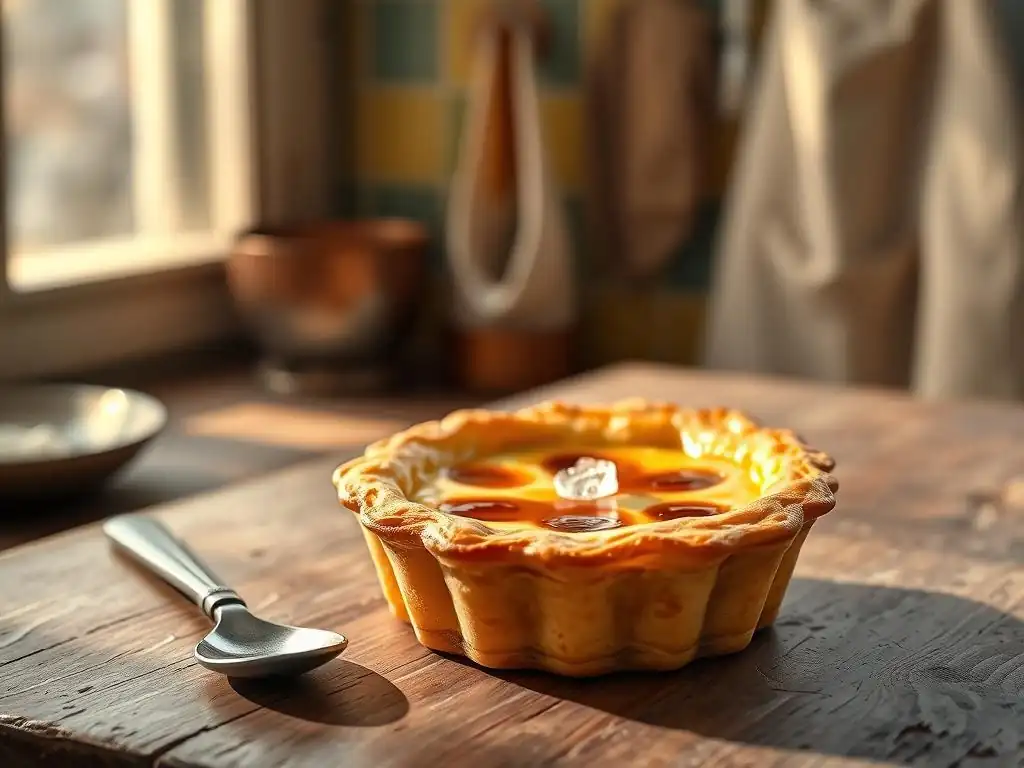
Contemporary Pastel de Nata Recipes: Adaptations and Interpretations
Today, the Pastel de Nata is enjoyed worldwide, leading to numerous contemporary adaptations and interpretations. While traditionalists seek out bakeries adhering closely to the classic methods, home bakers and professional chefs alike experiment with the recipe. This includes variations like adding citrus zest to the custard, infusing the milk with spices like cardamom or star anise, or even creating vegan versions using plant-based milk and egg substitutes.
Some modern bakeries might use slightly different types of flour or fat for the pastry to achieve specific textures, or adjust sugar levels. While these adaptations move away from the strict definition of the original, they demonstrate the enduring appeal and versatility of the Pastel de Nata concept. They show that this classic pastry continues to inspire creativity in the kitchen.
The Enduring Appeal of the Pastel de Nata: Why We Still Love It
The Pastel de Nata's enduring appeal lies in its perfect balance of textures and flavors. The contrast between the shatteringly crisp, flaky pastry and the smooth, warm, slightly sweet custard is simply irresistible. The caramelized top adds a subtle bitterness that cuts through the richness. It's a pastry that is simple yet sophisticated, comforting yet exciting.
Its rich custard tart history explained also adds to its charm. Knowing its journey from monastic kitchens to global phenomenon gives each bite a sense of connection to the past. Whether enjoyed hot from the oven dusted with cinnamon and powdered sugar or at room temperature, the Pastel de Nata offers a moment of pure, unadulterated pleasure that transcends cultural boundaries and continues to captivate taste buds around the world.
Mastering the Art of Pastel de Nata Baking Today
Tips for Perfecting Your Own Pastel de Nata
Baking your own Pastel de Nata at home can be a rewarding experience. It requires attention to detail, but the results are well worth the effort. Here are some tips to help you achieve that authentic taste and texture:
- Use high-quality puff pastry. While making it from scratch is traditional, good store-bought all-butter puff pastry can yield excellent results.
- Don't overmix the custard. You want it smooth, not frothy.
- Bake at a very high temperature (often 250-280°C or 500-530°F) for a short time to get the signature caramelized spots quickly.
- Fill the pastry shells almost to the brim – the custard shouldn't rise significantly.
- Serve them warm! A brief reheat in a hot oven (around 200°C or 400°F) for 5-10 minutes can revive their texture and warmth.
Quick Tip 1 about Puff Pastry: Achieving Flakiness
Achieving that signature flakiness in your Pastel de Nata pastry is crucial. The key lies in proper lamination – creating many thin layers of dough and butter.
- [ ] Use cold butter and cold dough. Warmth makes the butter melt into the dough instead of staying in distinct layers.
- [ ] Roll the dough evenly and thinly during each fold. Aim for smooth, consistent thickness.
- [ ] Give the dough adequate chilling time between folds (at least 30 minutes). This allows the gluten to relax and the butter to firm up.
- [ ] When cutting the pastry rounds, use a sharp cutter and press straight down without twisting. Twisting can seal the edges and prevent rising.
- [ ] Press the pastry gently into the muffin tin wells, ensuring the bottom is thin and the sides are slightly thicker to hold the custard.
Quick Tip 2 about Custard: Preventing a Soggy Bottom
A soggy bottom is the nemesis of any tart, including the Pastel de Nata. Preventing it requires attention to both the pastry and the custard.
- [ ] Ensure your pastry is properly blind-baked or that the oven is hot enough to cook the base quickly before the custard soaks in too much.
- [ ] Make sure the custard is cooked to the correct consistency before pouring it into the shells. It should be smooth but relatively thick.
- [ ] Bake at a very high temperature. The intense heat helps set the base pastry rapidly and caramelize the top of the custard, minimizing the time the liquid custard is in contact with the raw pastry base.
- [ ] Don't overfill the tarts. While you want them full, overfilling can cause spillage and make the base soggy.
- [ ] Allow the tarts to cool slightly in the tin before removing them. This helps them set and prevents breakage, which could expose the base to moisture.
Conclusion: Celebrating the Legacy of the Pastel de Nata
The journey of the Pastel de Nata from the quiet kitchens of a Portuguese monastery to bustling bakeries and tables worldwide is a captivating tale. Its custard tart history explained reveals a pastry born of necessity, refined by tradition, and propelled to international fame by its undeniable deliciousness. It stands as a testament to the power of simple ingredients transformed by skilled hands and the enduring appeal of a well-made dessert.
Every bite connects us to centuries of culinary heritage and the dedicated individuals who perfected this iconic treat. As you savor the flaky crust and warm, sweet custard, you're not just enjoying a pastry; you're participating in a delicious piece of history.
Frequently Asked Questions
What are the earliest known origins of custard tarts?
Custard tarts have a surprisingly long history, with roots tracing back to medieval times. Early versions were often savory, featuring ingredients like meat and spices, not just the sweet treat we know today.
How did the custard tart evolve from savory to sweet?
The shift from savory to sweet custard tarts occurred gradually over centuries. Sugar became more accessible, leading to its increased use in desserts. Refinement of recipes and the addition of fruits and spices contributed to the sweet transformation.
What role did royal kitchens play in the development of custard tarts?
Royal kitchens significantly influenced custard tart development. Chefs experimented with flavors and textures to impress royalty. Elaborate presentations and luxurious ingredients became associated with custard tarts served at royal feasts.
Are there regional variations in custard tart recipes?
Yes, there are numerous regional variations. Different cultures have adapted custard tart recipes using local ingredients and spices. Examples include the Portuguese Pastel de Nata and variations found throughout Europe, reflecting local culinary traditions.
What makes a "perfect" custard tart according to BakeWithEase?
According to BakeWithEase, a perfect custard tart has a crisp, buttery crust and a smooth, creamy custard filling. A slightly wobbly texture and a hint of vanilla are also key indicators of a well-made tart.
Final Reflection: A Sweet Legacy, A Lasting Taste
The enduring popularity of the custard tart isn't merely a matter of deliciousness; it's a testament to the power of culinary history to shape our cultural landscape. This seemingly simple dessert carries within its creamy depths centuries of tradition, innovation, and cross-cultural exchange, a journey we've traced from its humble beginnings to its modern iterations. The evolution of the custard tart reflects not only changes in culinary techniques but also the shifting tides of global trade and cultural interaction.
The custard tart's influence extends far beyond the simple pleasure of its consumption. It's a symbol of comfort, nostalgia, and shared experience, a sweet thread connecting generations and cultures. Food is symbolic of love when words are inadequate.
- Alan D. Wolfelt. This quote perfectly encapsulates the emotional resonance the custard tart holds, transcending its simple ingredients to become a vehicle for memories and connections. Its enduring presence on menus worldwide speaks volumes about its ability to adapt and evolve while retaining its core essence.
Consider, for a moment, the next time you savor a custard tart. Think about the rich history woven into each bite, the countless hands that have crafted its variations throughout time. Let this knowledge enrich your experience, transforming a simple treat into a journey through culinary history. Embrace the opportunity to explore other traditional desserts, to understand their origins, and to appreciate the cultural significance embedded within each delicious bite. The world of food history is vast and waiting to be discovered; your next culinary adventure awaits.
Unlock the Secrets of Custard Tart Mastery!
Thanks for joining us on a delicious journey through the history of the custard tart! We hope you’ve gained a new appreciation for this classic treat. Ready to take your baking skills to the next level?
- Master the perfect custard: Try our exclusive recipe for a flawlessly smooth and creamy custard – it's the key to a truly exceptional tart! (Find the recipe in our members-only section!)
- Share your custard tart creations: Post a picture of your masterpiece on social media and tag us – we'd love to see your baking prowess! Use #BakeWithEaseCustardTart.
- Experiment with unique flavor combinations: What exciting twists could you add to a traditional custard tart? Think lavender, cardamom, or even a hint of chili!
So, what unexpected flavor profile will you unveil in your next custard tart adventure?