
Sourdough Discard Croutons: Crispy & Flavorful Addition

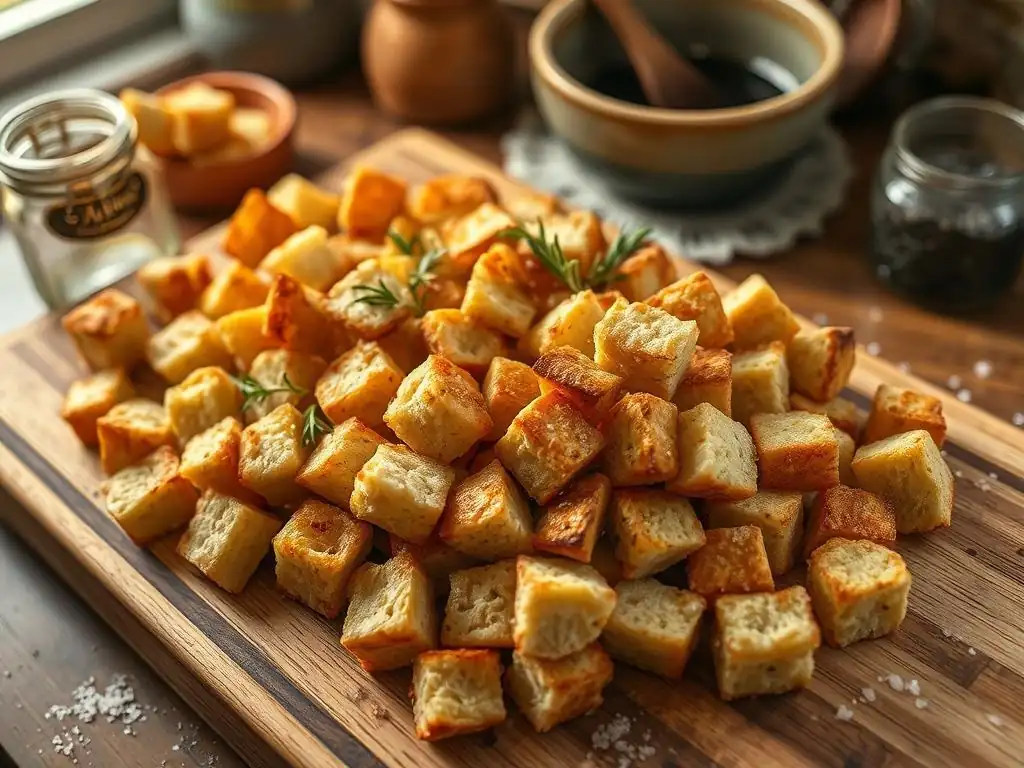
Welcome to BakeWithEase, your companion in the delightful journey of baking! Ever wondered what to do with that sourdough discard? Don't toss it! Transform it into something incredible. Get ready to discover a Sourdough Discard Croutons Recipe that will revolutionize your soups, salads, and snacking. These aren't just any croutons; they're a testament to flavor and resourcefulness. Intrigued? Let's unlock the secrets to crispy, flavorful croutons, one delicious bite at a time...
- Sourdough Discard Croutons: Crispy & Flavorful Addition to BakeWithEase
- Introduction to Sourdough Discard Croutons
- Mastering the Sourdough Discard Croutons Recipe
- Flavor Variations for Your Sourdough Croutons
- Serving Suggestions: How to Enjoy Your Sourdough Discard Croutons
- Storing Your Homemade Sourdough Discard Croutons
- Troubleshooting Common Issues When Making Sourdough Croutons
- Sourdough Discard Recipes: Exploring Other Baking Opportunities
- Frequently Asked Questions
- Final Reflection: The Humble Crouton, a Testament to Waste Not, Want Not
- Unleash the Crouton Power of Your Discard!
Sourdough Discard Croutons: Crispy & Flavorful Addition to BakeWithEase
Introduction to Sourdough Discard Croutons
What are Sourdough Discard Croutons? A Delicious Way to Reduce Waste
Sourdough discard croutons are a fantastic way to transform leftover sourdough bread or even just the discard from your sourdough starter maintenance into a crispy, flavorful topping or snack. When you feed your sourdough starter regularly, you often have a portion of the starter you don't use for baking a full loaf – this is the "discard."
While many recipes exist for using the discard itself (like pancakes or crackers), this recipe focuses on using bread made with sourdough, or even regular bread, and giving it that distinct sourdough tang and texture if you incorporate a bit of discard into the coating mixture. It's an incredibly simple yet effective method to prevent food waste, turning slightly stale bread into a gourmet ingredient.
The beauty of this approach lies in its flexibility. You can use a loaf of sourdough bread that's a day or two old and starting to dry out, which is actually ideal for making croutons. The slight dryness helps them crisp up beautifully in the oven.
Instead of letting that perfectly good bread go to waste, cubing it and baking it with seasonings creates a versatile ingredient ready to elevate soups, salads, and more. This method is not only economical but also environmentally conscious, aligning with the growing interest in sustainable kitchen practices by giving new life to bread that might otherwise be thrown away.
Why You'll Love This Sourdough Discard Croutons Recipe
You'll absolutely love this sourdough discard croutons recipe because it's incredibly easy, forgiving, and yields delicious results every time. Unlike store-bought versions that can sometimes taste artificial or overly hard, homemade sourdough croutons offer a superior texture and a depth of flavor, especially with that subtle tang from the sourdough if using sourdough bread.
It's a quick project, typically taking less than 30 minutes from start to finish, making it perfect for a last-minute addition to dinner or lunch. Plus, the basic recipe is a blank canvas, allowing you to customize the seasonings to your heart's content, from classic garlic and herbs to spicy or cheesy variations.
Furthermore, mastering this sourdough discard croutons recipe provides a practical skill for reducing food waste in your own kitchen. Approximately 15-20% of bread purchased is wasted in many households, according to various food waste studies. By having a reliable recipe like this in your repertoire, you can significantly cut down on that waste, saving money and making the most of your baking efforts. It’s a simple act with a positive impact, transforming something often discarded into a culinary highlight.
Mastering the Sourdough Discard Croutons Recipe
Ingredients for Perfect Sourdough Croutons
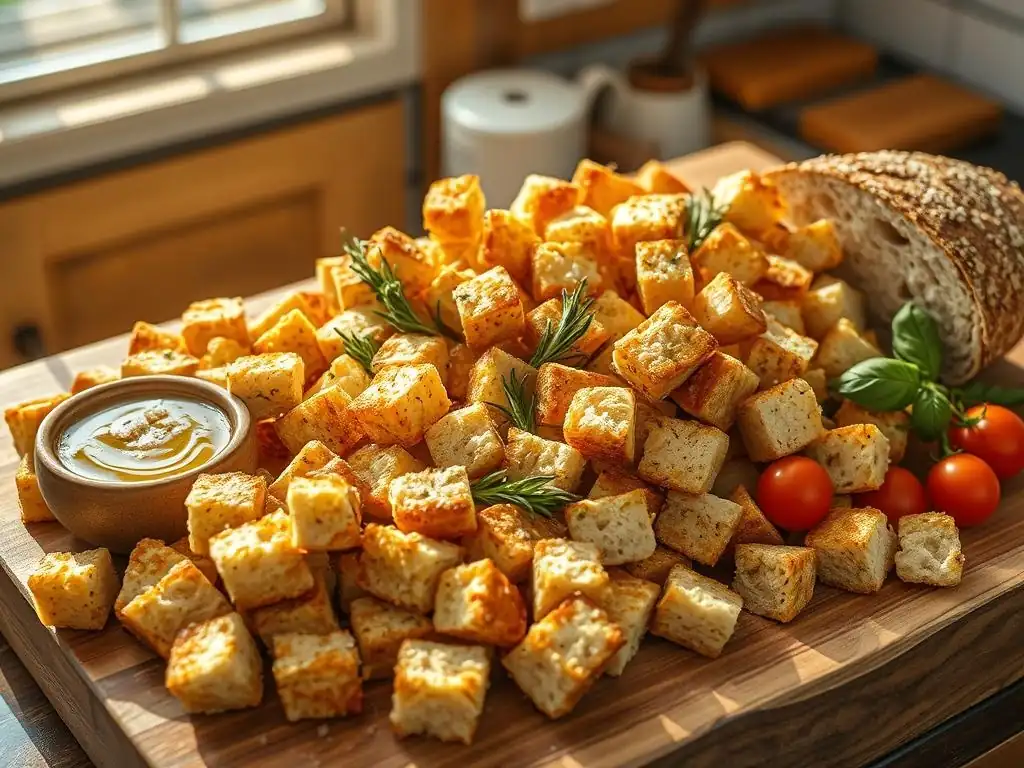
Creating perfect sourdough croutons starts with selecting the right base and complementary flavors. The primary ingredient is, of course, bread, ideally sourdough bread that is a day or two old. For a standard batch yielding about 4-6 cups of croutons, you'll typically need about half a loaf of medium-sized sourdough bread, roughly equivalent to 6-8 cups of cubed bread.
You'll also need a source of fat, such as olive oil or melted butter, usually around 1/4 to 1/3 cup, to help the croutons crisp and carry the flavors. The seasoning is key: common additions include salt, black pepper, garlic powder, and dried herbs like oregano, basil, or thyme.
For those looking to truly utilize sourdough discard and impart its unique flavor even if not using sourdough bread, you can whisk a few tablespoons (say, 2-4 tablespoons) of active or inactive sourdough discard into the oil mixture before tossing with the bread cubes. This adds an extra layer of tanginess and helps create an even crispier exterior.
Don't hesitate to adjust the quantities of oil and seasonings based on the exact amount of bread you have; the goal is to lightly coat all the cubes without making them soggy. A good rule of thumb is about 1-2 tablespoons of fat per 2 cups of bread cubes, adjusted for desired richness.
Choosing the Right Bread for Sourdough Discard Croutons
Selecting the right bread is crucial for achieving the best texture and flavor in your sourdough discard croutons. While any bread can be used, sourdough bread itself is the ideal choice for this recipe, offering that signature tangy depth. A rustic loaf with a good crust and a slightly chewy interior works wonderfully. Bread that is a day or two old is preferred because it has lost some moisture, which allows it to dry out and crisp up more effectively in the oven. Fresh, very soft bread tends to become chewy rather than crispy.
Avoid breads that are overly soft or have a very tight crumb, as they may not absorb the oil and seasonings as well or achieve the desired crunch. For instance, a very soft sandwich loaf might not yield the same results as a hearty country sourdough. If using non-sourdough bread but wanting the sourdough flavor, ensure your sourdough discard is relatively potent and integrate it well into the oil mixture. Cubing the bread into uniform pieces, typically around 3/4 to 1 inch in size, is also important for even baking and consistent texture.
Essential Seasonings for Flavorful Croutons
The seasonings are what transform plain bread cubes into irresistible sourdough discard croutons. A simple yet effective baseline involves salt, black pepper, and garlic powder. For approximately 6 cups of bread cubes, you might start with 1 teaspoon of salt, 1/2 teaspoon of black pepper, and 1 teaspoon of garlic powder. These foundational spices enhance the bread's natural flavor and provide a classic savory profile that pairs well with almost anything.
To elevate the flavor profile, incorporating dried herbs is highly recommended. A mix of Italian herbs, such as oregano, basil, and thyme (about 1-2 teaspoons total), brings a robust, aromatic quality. Smoked paprika can add a subtle smokiness, while a pinch of cayenne pepper introduces a hint of heat.
Don't be afraid to experiment! Some recipes even call for onion powder, nutritional yeast for a cheesy flavor, or specialty spice blends. The key is to toss the bread cubes thoroughly with the oil and seasonings to ensure every piece is evenly coated, promising a burst of flavor in every bite.
Step-by-Step Guide: Baking Sourdough Discard Croutons
Baking sourdough discard croutons is a straightforward process that yields impressive results. It involves simple preparation steps followed by baking until golden and crispy. The entire active process usually takes no more than 10-15 minutes before they go into the oven. This makes it a perfect task to do while preparing other parts of your meal, utilizing oven space efficiently.
The general method involves cubing your bread, tossing it with a seasoned oil mixture, and then baking. The exact timing can vary slightly depending on your oven and the moisture content of your bread, but the visual cues of golden-brown edges and a firm texture are reliable indicators of doneness. Following a few simple guidelines ensures success and a batch of perfectly crunchy sourdough discard croutons ready to enhance your favorite dishes.
Preparing the Bread: Cubing and Seasoning
The first step in making delicious sourdough discard croutons is properly preparing the bread. Begin by cutting your chosen sourdough bread into uniform cubes, ideally about 3/4 to 1 inch in size. Consistency in size is important because it ensures all the croutons bake evenly; smaller pieces might burn while larger ones remain soft in the center. If your bread is very fresh, you might find it easier to cut if you chill it in the refrigerator for 30 minutes first.
Once cubed, transfer the bread to a large bowl. In a separate small bowl, whisk together your chosen fat (like olive oil) and seasonings. If using sourdough discard, whisk it into this liquid mixture until well combined. Pour the seasoned oil mixture over the bread cubes and toss gently but thoroughly. You can use a spatula or your hands for this. The goal is to lightly coat each cube; you don't want them swimming in oil, just glistening evenly. Spreading the seasoned cubes onto a baking sheet in a single layer is crucial for achieving maximum crispness.
Baking Time and Temperature for Optimal Crispness
Achieving optimal crispness in your sourdough discard croutons depends on the correct baking time and temperature. A commonly recommended temperature is 350°F (175°C). This moderate heat allows the croutons to dry out and brown gradually without burning too quickly. If the temperature is too high, the outsides can char before the insides are fully dried and crispy.
Baking time typically ranges from 10 to 20 minutes, though this can vary. Start checking at 10 minutes. The croutons should be golden brown and feel firm and dry to the touch. Stirring the croutons halfway through the baking time (around the 5-10 minute mark) is essential. This promotes even browning and crisping on all sides. If after 15-20 minutes they aren't quite as crispy as you like, you can turn off the oven and leave them inside for another 5-10 minutes as the oven cools down; this residual heat helps them crisp further without risking burning.
Tips for Achieving Extra Crispy Sourdough Croutons
Everyone loves extra crispy croutons! There are a few key techniques you can employ to ensure your sourdough discard croutons reach peak crunchiness. These tips focus on moisture management and even heat distribution during the baking process. Implementing them can make the difference between good croutons and truly exceptional ones.
One of the most effective methods is starting with slightly dry bread, as mentioned earlier. If your bread is very fresh, you can cube it and leave it out on the counter for a few hours, or even overnight, to let it air dry slightly before proceeding with the recipe. This pre-drying step significantly reduces the moisture content, allowing the croutons to become crispier faster and more evenly in the oven.
Ensuring Even Baking for Consistent Results
Even baking is paramount for consistent results across your entire batch of sourdough discard croutons. The primary way to ensure this is to spread the seasoned bread cubes in a single layer on your baking sheet. Overcrowding the pan will cause the croutons to steam rather than bake, resulting in soft, chewy spots instead of uniform crispness. If you have a large amount of bread, use two baking sheets rather than piling the cubes high on one.
Furthermore, stirring the croutons halfway through the baking time is non-negotiable. This simple action exposes different sides of the cubes to the direct heat of the oven, promoting even browning and crisping on all surfaces. Use a spatula or tongs to gently turn and redistribute the croutons on the pan. Pay attention to the croutons around the edges of the pan; they tend to brown faster, so shuffling them towards the center can help maintain uniformity.
The Secret to Long-Lasting Crispness
The secret to long-lasting crispness in your sourdough discard croutons lies mainly in proper cooling and storage. After baking, it's absolutely crucial to let the croutons cool completely on the baking sheet before storing them. Transferring warm croutons to an airtight container will trap steam, making them soft and potentially moldy. Allow them to cool uncovered for at least 30-60 minutes, or until they are completely at room temperature.
Once fully cooled, store the croutons in an airtight container, such as a glass jar or a plastic container with a tight-fitting lid, at room temperature. Avoid storing them in the refrigerator, as this can introduce moisture and make them soggy. Stored properly, homemade sourdough discard croutons can maintain their crispness for 5-7 days. If they do lose a bit of their crunch over time, you can often refresh them by baking them in a single layer on a baking sheet at 300°F (150°C) for 5-10 minutes until crispy again.
Flavor Variations for Your Sourdough Croutons
The basic sourdough discard croutons recipe is fantastic on its own, but it's also incredibly adaptable. Once you've mastered the simple salt, pepper, and garlic version, you can easily experiment with different seasonings to create unique flavor profiles. These variations allow you to tailor your croutons to specific dishes or simply satisfy different cravings.
From savory and herbaceous to spicy and even sweet, the possibilities for flavoring your sourdough discard croutons are vast. Simply swap out or add different dried or fresh herbs, spices, cheeses, or even a touch of sugar to the oil mixture before tossing with the bread cubes. Remember to adjust quantities based on your personal taste preferences and the amount of bread you are using.
Garlic and Herb Sourdough Croutons: A Classic Combination
Garlic and herb is arguably the most classic and universally loved flavor combination for croutons, and it pairs exceptionally well with the tang of sourdough. To make garlic and herb sourdough discard croutons, follow the basic recipe, but be generous with the garlic and add a mix of dried herbs. For approximately 6 cups of bread cubes, use 1.5 to 2 teaspoons of garlic powder and 2 teaspoons of a dried Italian herb blend (containing oregano, basil, rosemary, and thyme).
For an extra punch of garlic flavor, you can also mince 1-2 cloves of fresh garlic and sauté them briefly in the olive oil over low heat for about 30 seconds before tossing with the bread cubes. Be careful not to burn the fresh garlic. This method infuses the oil with a deeper garlic aroma. This classic variation is perfect for topping Caesar salads, tomato soup, or minestrone, providing a familiar and comforting flavor boost.
Spicy Sourdough Croutons: Adding a Kick
For those who enjoy a bit of heat, spicy sourdough croutons are a fantastic option. Adding a kick is as simple as incorporating chili flakes, cayenne pepper, or smoked paprika with a hint of heat into your seasoning mix. For a moderate level of spice with about 6 cups of bread cubes, start with 1/4 to 1/2 teaspoon of cayenne pepper or red pepper flakes, adjusting up or down based on your heat tolerance.
Smoked paprika not only adds a subtle smokiness but many varieties also have a gentle heat, contributing to the spicy profile. Consider adding 1 teaspoon of smoked paprika alongside the cayenne. These spicy sourdough discard croutons are excellent sprinkled over chili, lentil soup, or even on salads where you want an extra layer of flavor and warmth. They also make a surprisingly addictive spicy snack on their own.
Parmesan and Black Pepper Sourdough Croutons: A Savory Delight
Parmesan and black pepper create a savory, slightly sharp flavor profile that is incredibly delicious on sourdough croutons. The nutty, salty flavor of Parmesan cheese complements the tangy sourdough bread beautifully. To make this variation with approximately 6 cups of bread cubes, you'll need about 1/4 cup of finely grated Parmesan cheese and 1/2 to 1 teaspoon of freshly cracked black pepper.
Toss the bread cubes with the olive oil, salt, and pepper first. Then, sprinkle the finely grated Parmesan cheese over the coated bread cubes and toss again gently to distribute the cheese as evenly as possible. Bake as directed, keeping an eye on them as the cheese can brown quickly. The resulting croutons have pockets of crispy, cheesy goodness and a pungent peppery bite. These are divine on green salads, pasta dishes, or vegetable soups.
Sweet Sourdough Croutons: A Unique Twist
While savory croutons are most common, sweet sourdough croutons offer a unique and surprisingly delightful twist. The tang of the sourdough provides a counterbalance to the sweetness, creating a complex flavor. This variation is perfect for topping yogurt parfaits, fruit salads, baked apples, or even certain dessert soups.
To make sweet sourdough discard croutons with about 6 cups of bread cubes, you'll use melted butter instead of olive oil, about 1/4 cup. Whisk in 2-3 tablespoons of sugar (brown sugar or granulated), 1 teaspoon of cinnamon, and a pinch of nutmeg. Toss the bread cubes with this sweet butter mixture and bake at a slightly lower temperature, around 325°F (160°C), for a bit longer (15-25 minutes), stirring frequently, to prevent the sugar from burning. The result is a crispy, sweet, and tangy treat.
Serving Suggestions: How to Enjoy Your Sourdough Discard Croutons
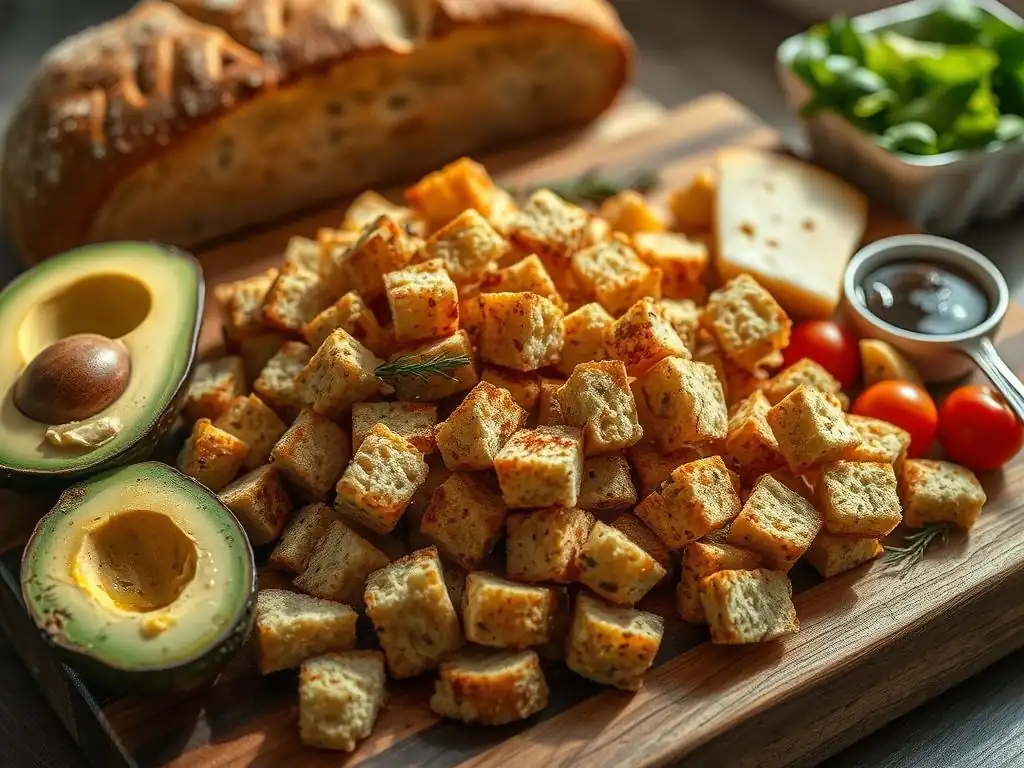
Once you've baked a batch of crispy, flavorful sourdough discard croutons, the possibilities for using them are almost endless. They are incredibly versatile and can add texture, flavor, and visual appeal to a wide variety of dishes. Don't limit yourself to just one application; experiment and see how they can elevate your meals.
From classic uses like topping soups and salads to more creative applications, these homemade croutons are far superior to anything you'll find in a bag at the grocery store. Keep a batch on hand, stored properly, and you'll always have a delicious ingredient ready to go.
Croutons in Soups: Adding Texture and Flavor
Adding sourdough discard croutons to soups is perhaps one of the most popular ways to enjoy them. They provide a wonderful textural contrast to smooth, creamy soups like tomato, butternut squash, or cream of mushroom. A handful of crispy croutons sprinkled just before serving adds a satisfying crunch that transforms a simple bowl of soup into a more substantial and interesting meal.
Beyond creamy soups, croutons are also excellent in heartier, broth-based soups or stews, such as French onion soup (where they are traditionally used), minestrone, or lentil soup. They soak up some of the broth, becoming slightly softened on the bottom while retaining crispness on top. The flavor they impart also enhances the overall taste of the soup. Just be sure to add them right before serving to prevent them from becoming completely soggy.
Croutons on Salads: The Perfect Crunchy Topping
Sourdough discard croutons are a quintessential salad topping, adding that necessary crunch that elevates a fresh salad from good to great. They are a non-negotiable component of a classic Caesar salad, providing texture and absorbing some of the creamy dressing. However, their use extends far beyond Caesar.
Sprinkle them over mixed green salads, spinach salads, or even grain bowls. The savory, often garlicky and herbaceous flavors of the croutons complement fresh vegetables and vinaigrettes beautifully. A typical serving size for a side salad might be about 1/4 to 1/2 cup of croutons per person. The texture contrast is key, providing a satisfying counterpoint to soft greens and other salad ingredients.
Croutons as a Snack: A Satisfying Bite
While primarily thought of as a garnish, sourdough discard croutons, especially the more flavorful variations like spicy or Parmesan, make a surprisingly satisfying snack on their own. Their crisp texture and concentrated flavor make them quite addictive. They offer a more substantial bite than chips or crackers.
Keep a small bowl of seasoned croutons on hand for when snack cravings strike. They are much healthier than many processed snack foods, especially when made with wholesome sourdough bread and olive oil. A handful (perhaps 1/2 cup) can be a great way to stave off hunger between meals. This is where experimenting with bold flavors like extra garlic, herbs, or spice really shines.
Using Sourdough Croutons in Stuffing: Elevating Holiday Dishes
Using homemade sourdough croutons in stuffing (or dressing) is a fantastic way to add depth of flavor and superior texture to a holiday classic. Instead of using store-bought bread cubes, which can sometimes be bland and dry, using your own seasoned sourdough discard croutons brings a richer taste and a slightly chewier, more interesting texture to the finished dish.
For a standard stuffing recipe requiring about 8-10 cups of bread cubes, you would simply substitute your homemade sourdough croutons. The pre-seasoning on the croutons means you might need to adjust the amount of salt and other seasonings you add to the overall stuffing mixture. The tangy flavor of the sourdough bread holds up well against the richness of the other stuffing ingredients like butter, herbs, and broth, creating a more complex and delicious side dish.
Storing Your Homemade Sourdough Discard Croutons
Proper storage is essential to maintain the crispness and freshness of your homemade sourdough discard croutons. If stored correctly, they can last for up to a week, providing a convenient, ready-to-use ingredient. Incorrect storage, particularly exposure to moisture, is the quickest way to turn your crunchy croutons into soggy, unappetizing pieces.
Following a few simple guidelines will ensure that each time you reach for your croutons, they are just as crispy as the day you baked them. This not only preserves their texture but also prevents spoilage, further reducing food waste in your kitchen.
Keeping Croutons Fresh for Longer
To keep your sourdough discard croutons fresh and crispy for as long as possible, the key is to protect them from moisture and air. As mentioned earlier, ensure they are completely cooled before storage. Any residual warmth will create condensation inside the container, leading to sogginess.
Store the cooled croutons in an airtight container. Glass jars with tight-fitting lids, food storage containers with secure seals, or even heavy-duty zip-top bags with all the air squeezed out are good options. Place the container in a cool, dry place, such as a pantry or cupboard, away from direct sunlight or heat sources which can create warmth and condensation. Avoid storing them in the refrigerator, as the humid environment can make them soft.
Best Storage Practices to Prevent Soggy Croutons
Preventing soggy croutons comes down to minimizing moisture contact during storage. Always use an airtight container to prevent humidity from the air from reaching the croutons. Ensure the container is completely dry before adding the cooled croutons.
If you live in a particularly humid climate, you might consider adding a small food-safe desiccant packet (like those found in jerky or vitamin bottles) to the container, placed on top of the croutons, to absorb any stray moisture. However, for most environments, a properly sealed container in a dry location is sufficient. Remember, the enemies of crispy croutons are warmth, humidity, and air exposure. By controlling these factors, you can enjoy your crispy sourdough discard croutons for up to seven days.
Troubleshooting Common Issues When Making Sourdough Croutons
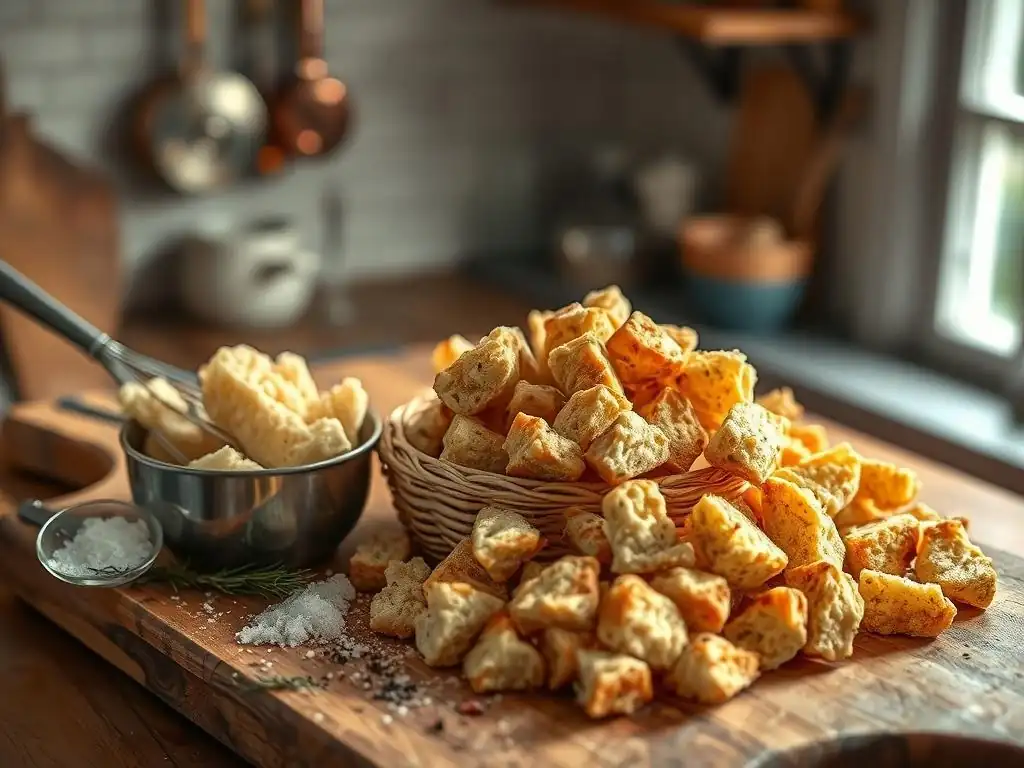
Even with a simple recipe like sourdough discard croutons, you might occasionally encounter minor issues. The two most common problems are burning the croutons and ending up with soggy ones. Fortunately, both are relatively easy to prevent or fix with a little attention to detail during the baking process.
Understanding the causes behind these issues will help you adjust your technique and consistently produce perfect, crispy sourdough discard croutons every time. Don's be discouraged by a less-than-perfect batch; baking is a learning process!
Avoiding Burnt Croutons: Temperature Control
Burnt croutons are usually a result of the oven temperature being too high or the baking time being too long without adequate stirring. The edges of the bread cubes are thin and can quickly go from golden brown to black if exposed to excessive heat for too long. While 350°F (175°C) is a standard temperature, ovens can vary, so it's helpful to know your oven's tendencies.
Always preheat your oven fully before putting the croutons in. Use an oven thermometer if you suspect your oven runs hot or cold. Most importantly, watch your croutons closely, especially during the last few minutes of baking. Start checking them at the lower end of the recommended time range (e.g., 10 minutes for a 10-20 minute range). If they are browning too quickly, you can reduce the oven temperature slightly for the remainder of the baking time. Stirring halfway through also helps prevent localized burning by redistributing the heat.
Preventing Soggy Croutons: Proper Drying Techniques
Soggy croutons are typically caused by insufficient drying during baking or improper cooling and storage afterward. If the bread cubes retain too much moisture when they go into the oven, they will steam internally rather than crisping up. Using slightly stale bread helps with this, but if your bread is very fresh, consider the pre-drying step mentioned earlier (leaving cubes out for a few hours).
Ensuring the bread cubes are coated with just enough oil – not too much – is also important; excess oil can make them greasy and less likely to crisp. During baking, spreading the cubes in a single layer and stirring ensures good air circulation around each piece, allowing moisture to escape. Finally, never skip the complete cooling step on the baking sheet before storing. Trapped steam is the number one cause of post-bake sogginess.
Sourdough Discard Recipes: Exploring Other Baking Opportunities
Making sourdough discard croutons is just one of many ways to utilize that tangy, bubbly byproduct of maintaining a sourdough starter. The world of sourdough discard recipes is vast and offers countless opportunities to create delicious baked goods and savory items without wasting your discard.
Embracing sourdough discard recipes is a core part of sustainable sourdough baking. It encourages creativity in the kitchen and allows you to make the most of your starter's activity beyond just baking loaves of bread.
Beyond Croutons: Utilizing Your Sourdough Discard
Your sourdough discard is a versatile ingredient that can be incorporated into a wide array of recipes. Its natural acidity adds a unique tang and can sometimes help with leavening, depending on the recipe and the discard's activity level. Popular uses include incorporating it into batters for pancakes, waffles, muffins, and quick breads, where it adds flavor and can tenderize the crumb.
Savory applications are also abundant. Sourdough discard crackers are a favorite, offering a crispy, tangy snack. You can also add discard to pizza dough, focaccia, biscuits, or even savory scones. Some bakers even incorporate it into meatloaf or meatballs for added depth of flavor. The key is to find recipes specifically designed for discard, as they often account for its hydration level and potential acidity.
BakeWithEase: Your Resource for Sourdough Baking Mastery
At BakeWithEase, we are dedicated to helping you master all aspects of baking, including the wonderful world of sourdough. From nurturing your starter to baking your first loaf and utilizing your sourdough discard in creative ways like this sourdough discard croutons recipe, we provide the guidance and inspiration you need.
Our site offers a wealth of resources, including detailed guides on starting and maintaining a sourdough starter, troubleshooting common sourdough issues, and a growing collection of sourdough discard recipes. Whether you're a beginner just dipping your toes into sourdough or looking to expand your repertoire of discard uses, BakeWithEase is here to support your baking journey with clear instructions, helpful tips, and a friendly approach. Explore our articles and recipes to make the most of your sourdough adventures!
Frequently Asked Questions
What exactly is sourdough discard, and why use it for croutons?
Sourdough discard is the portion of sourdough starter removed during feeding. Using it for croutons is a fantastic way to reduce waste and add tangy flavor.
Can I use any type of bread for this sourdough discard croutons recipe?
While any bread can work, using a sturdy bread like day-old baguette or sourdough is best. This ensures they hold their shape and become extra crispy during baking.
What kind of oil and seasonings should I use?
Olive oil is a classic choice, but any neutral-flavored oil like avocado or vegetable oil works well. As for seasonings, keep it simple with salt, pepper, and garlic powder, or get creative with Italian herbs or chili flakes.
How do I store sourdough discard croutons to keep them crispy?
Store cooled croutons in an airtight container at room temperature. They should stay crispy for up to a week, though their freshness and crispness will diminish over time.
Can I freeze sourdough discard croutons?
Yes, you can freeze them! Spread them out on a baking sheet to freeze individually before transferring to a freezer bag. This prevents them from sticking together and ensures you can grab just the amount you need.
Final Reflection: The Humble Crouton, a Testament to Waste Not, Want Not
The seemingly insignificant sourdough discard, often destined for the trash, transforms into a culinary delight—crispy, flavorful croutons—highlighting the power of resourcefulness in the kitchen. This simple recipe isn't just about adding crunch to your soup; it's a powerful statement about minimizing food waste and maximizing flavor, a message that resonates deeply in our increasingly conscious culinary landscape.
The journey from discarded sourdough to golden-brown crouton underscores a larger cultural shift towards sustainability and mindful consumption. We're moving away from a "use it or lose it" mentality towards a more creative approach to food management, where even the "leftovers" become stars in their own right. Waste not, want not
– this age-old adage takes on new meaning when we consider the potential hidden within seemingly unusable ingredients. The simple act of transforming discard into croutons is a small but significant step towards a more responsible and resourceful relationship with food.
Now, consider your own kitchen. What seemingly insignificant ingredients are you discarding? What creative culinary adventures await, waiting to be unlocked? I encourage you to experiment, to embrace the unexpected, and to discover the hidden potential within your own culinary waste stream. Let the humble sourdough discard crouton inspire you to transform your kitchen scraps into delicious and meaningful creations. The rewards—both culinary and environmental—are well worth the effort.
Unleash the Crouton Power of Your Discard!
Thanks for joining us on this sourdough journey! You've just unlocked a secret weapon in the kitchen – transforming your discarded sourdough starter into incredibly flavorful and crispy croutons. Ready to take your culinary skills to the next level?
- Make a batch of these amazing croutons today! The recipe is easy, and the results are incredibly rewarding. Imagine the satisfying crunch in your next salad or soup!
- Share your crouton creations with us on social media – we’d love to see what you make! Use #BakeWithEaseCroutons.
- Experiment with different herbs and spices to find your perfect crouton flavor profile. Get creative!
What unexpected flavor combination will you try in your next batch of sourdough discard croutons?