
Bake Like a Brit: Essential Recipes You Must Try

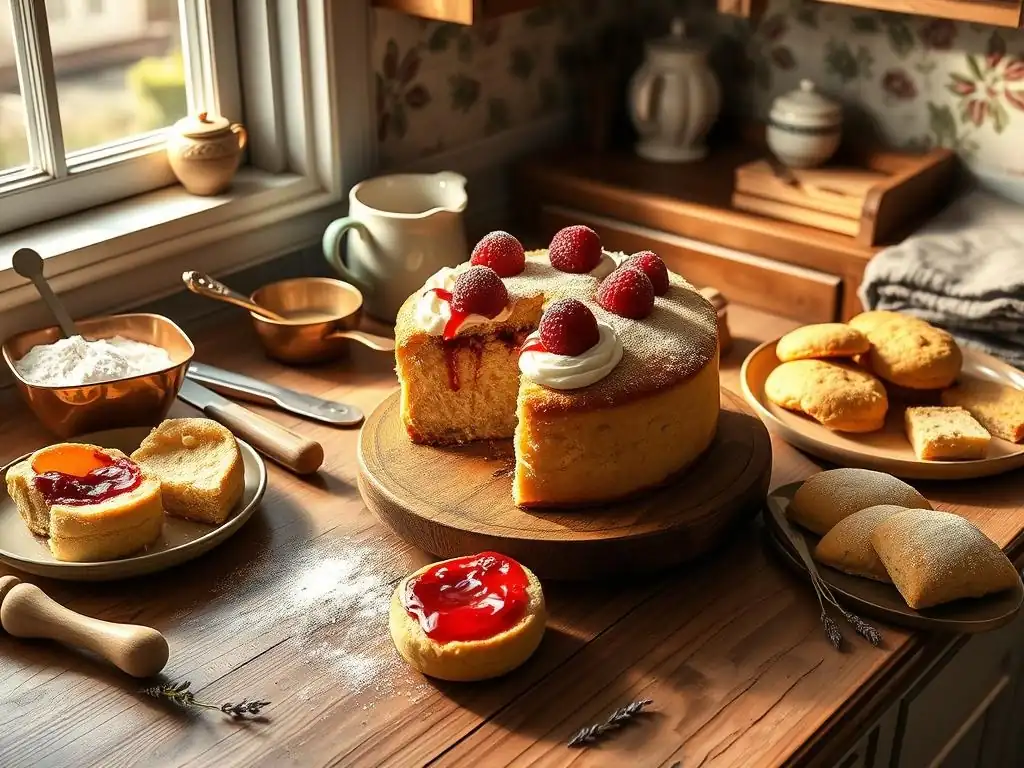
Welcome to BakeWithEase, your kitchen companion for unlocking the joys of baking! Ever wondered how to recreate those charming treats from across the pond? This week, we're diving into Regional & Cultural Baking with a special focus on British baking recipes for beginners. Get ready to discover classic flavors and simple techniques that will have you baking like a true Brit in no time. Intrigued? Keep reading to unravel the secrets to baking success!
- Essential British Baking Recipes
- Introduction to British Baking
- Essential British Baking Recipes: Step-by-Step
- British Baking Techniques: Tips
- Expanding Your Baking Repertoire
- Conclusion: Enjoying British Baking
-
Frequently Asked Questions
- What makes British baking recipes good for beginners?
- What are some essential British baking recipes a beginner should try first?
- Where can I find reliable British baking recipes specifically designed for beginners?
- What key differences exist between British and American baking?
- What essential equipment do I need to start baking British recipes?
- Final Reflection: The Enduring Allure of British Baking
- Unlock Your Inner Baker: Taste the Tradition!
Essential British Baking Recipes
Introduction to British Baking
The Appeal of British Baking
British baking holds a special place in the hearts of many, evoking images of cozy kitchens, afternoon tea, and comforting treats. Its appeal lies in its simplicity, reliance on quality ingredients, and timeless techniques passed down through generations. These are recipes that are not only delicious but also deeply woven into the cultural fabric of the UK, offering a taste of tradition with every bite. For anyone looking for British baking recipes for beginners, these classics provide a perfect starting point, building confidence with straightforward methods that yield impressive results.
Furthermore, the charm of British baking is its accessibility. Many iconic recipes, like scones or shortbread, require just a handful of common pantry staples – flour, sugar, butter, eggs. This makes them incredibly approachable for novice bakers. The focus is often on mastering fundamental techniques, such as creaming butter and sugar or achieving the perfect crumb texture, rather than complex processes. This emphasis on foundational skills makes exploring easy British baking recipes a rewarding journey for anyone starting their baking adventure.
A Brief History of British Baking
The history of British baking is rich and varied, shaped by centuries of culinary evolution, trade, and social customs. From medieval times, baked goods were staples, evolving from simple bread and pies to more elaborate pastries and cakes as ingredients like sugar and spices became more accessible through trade routes. The Victorian era, in particular, saw a flourishing of baking as an art form, with the rise of afternoon tea becoming a popular social event, demanding a variety of cakes, biscuits, and pastries, many of which are still enjoyed today.
This era also cemented the popularity of certain key ingredients and techniques that define British baking. The widespread use of butter for richness, the preference for light, airy textures in cakes and sponges, and the development of specific regional specialities all contributed to the distinct character of British bakes. Exploring classic British baking recipes offers a direct connection to this history, allowing modern bakers to replicate the flavours and textures that have delighted people for generations. These traditional methods are often surprisingly simple, making many British baking recipes for beginners rooted in these historical practices.
Essential British Baking Recipes: Step-by-Step
Classic Victoria Sponge Cake
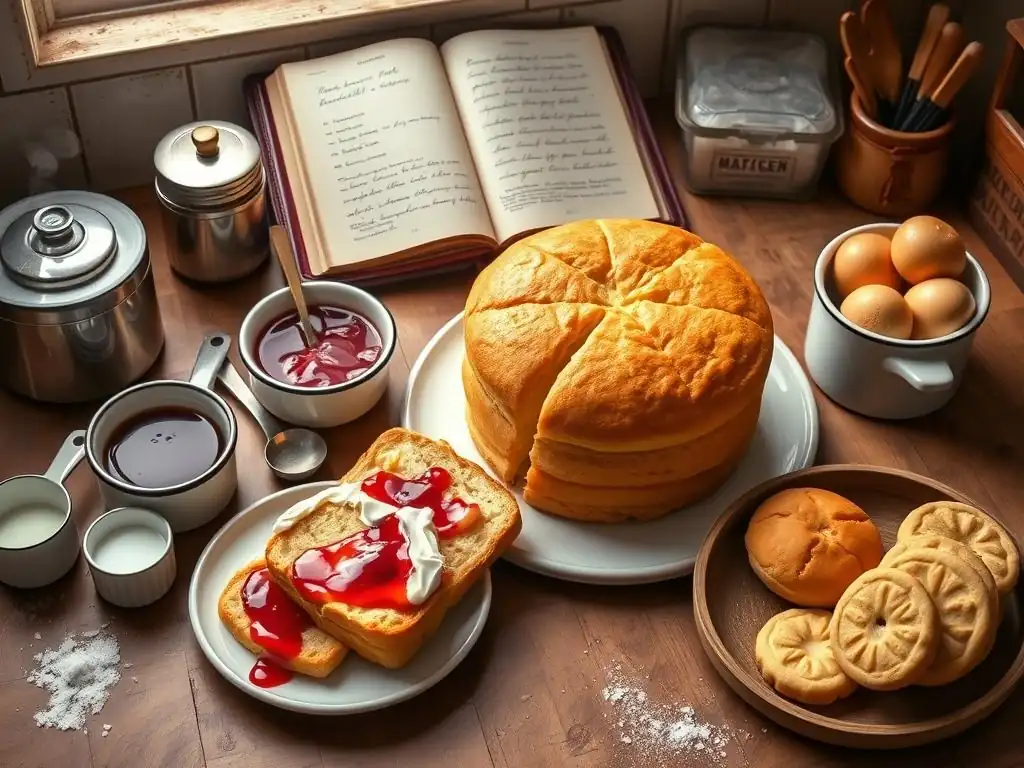
The Victoria Sponge is arguably the queen of British cakes, named in honour of Queen Victoria who was said to enjoy a slice with her afternoon tea. It's a simple yet elegant cake consisting of two light sponge layers sandwiched together with strawberry jam and whipped cream or buttercream. Its beauty lies in its understated perfection – the delicate crumb of the sponge contrasting with the sweet filling. Mastering this basic recipe is a fundamental step for anyone exploring British baking recipes for beginners.
Achieving the perfect Victoria Sponge requires attention to detail, particularly in the mixing of the batter and the baking temperature. The traditional method often involves creaming butter and sugar together until light and fluffy, then gradually incorporating eggs and flour. This technique creates a tender, airy crumb. Baking at a moderate temperature ensures the cake rises evenly and cooks through without drying out, resulting in those lovely golden sponges ready to be filled.
Victoria Sponge Ingredients
A classic Victoria Sponge uses equal weights of butter, caster sugar, eggs, and self-raising flour. For example, a standard recipe might call for 200g unsalted butter, 200g caster sugar, 4 large eggs, and 200g self-raising flour. A splash of vanilla extract is often added for flavour.
For the filling, you'll need good quality strawberry jam and either whipped double cream (about 300ml) or a simple buttercream made from 100g softened butter, 200g icing sugar, and a little milk. Using self-raising flour is key as it contains a leavening agent, helping the cake rise without needing baking powder, though some recipes add a little extra for a lighter lift.
Baking Instructions for Victoria Sponge
Preheat your oven to 180°C (160°C fan/Gas Mark 4) and grease and line two 20cm round cake tins. Cream the softened butter and caster sugar together in a large bowl until the mixture is pale and fluffy. This creaming process is crucial for incorporating air, which gives the sponge its light texture. Gradually beat in the eggs, one at a time, adding a tablespoon of flour with each egg to prevent the mixture from curdling.
Sift the self-raising flour into the bowl and gently fold it in using a metal spoon until just combined. Be careful not to overmix, as this can develop the gluten and result in a tough cake. Divide the batter evenly between the prepared tins and smooth the tops.
Bake for 20-25 minutes, or until the cakes are golden, have shrunk slightly from the sides of the tin, and a skewer inserted into the centre comes out clean. Let them cool in the tins for a few minutes before turning them out onto a wire rack to cool completely. Once cooled, spread jam on one sponge, top with whipped cream or buttercream, and place the second sponge on top.
Tips for a Perfect Victoria Sponge
- Ensure all your ingredients, especially the butter and eggs, are at room temperature before you start. This helps them emulsify properly and creates a smoother batter. Cold ingredients can lead to a curdled mixture.
- Use caster sugar rather than granulated sugar. Its finer texture dissolves more easily, resulting in a lighter, more even crumb. Granulated sugar can sometimes leave a slightly gritty texture.
- Do not overmix the batter once the flour is added. Overmixing develops gluten, which can make the cake tough. Fold gently until the flour is just incorporated.
- Resist the urge to open the oven door during the first 15-20 minutes of baking. Sudden changes in temperature can cause the cake to sink in the middle.
- For the filling, use a good quality strawberry jam with plenty of fruit. If using whipped cream, whip it just until stiff peaks form – over-whipping can result in a grainy texture.
Scottish Shortbread
Scottish Shortbread is a beloved biscuit known for its rich, buttery flavour and crumbly texture. Traditionally made with just three ingredients – butter, sugar, and flour – it's a testament to the power of simple, high-quality components. There are various forms, from the classic round shortbread "petticoat tails" cut into wedges, to rectangular fingers, or individual rounds. It's one of the most straightforward British baking recipes for beginners due to its minimal ingredients and simple mixing method.
The secret to great shortbread lies in the quality of the butter and the technique of mixing. Unlike many other biscuits, shortbread dough is not kneaded extensively; overworking the dough develops gluten, which would result in a tough biscuit rather than the desired melt-in-the-mouth crumb. The ratio of ingredients is also crucial, typically featuring a high proportion of butter to flour, which contributes to its signature richness and texture.
Shortbread Ingredients
The traditional ratio for shortbread is often cited as 1 part sugar, 2 parts butter, and 3 parts flour (by weight). A common recipe might use 100g caster sugar, 200g unsalted butter, and 300g plain flour. Some recipes also include a small amount of rice flour or cornflour (cornstarch) to enhance the crumbly texture.
Using high-quality unsalted butter is essential for the best flavour. Caster sugar is preferred for its fine texture, which helps it dissolve easily into the dough without leaving a grainy feel. Plain flour (all-purpose flour) is standard; there's no need for leavening agents as shortbread is not meant to rise.
Baking Shortbread: A Step-by-Step Guide
Preheat your oven to 160°C (140°C fan/Gas Mark 3). Cream the softened butter and caster sugar together in a bowl until light and fluffy. Gradually sift in the plain flour (and rice flour/cornflour if using) and mix until the ingredients just come together to form a dough. Be careful not to overwork it.
Turn the dough out onto a lightly floured surface and gently press or roll it out to about 1-1.5 cm thickness. Cut into desired shapes – fingers, rounds, or press into a shortbread mould or tin. Prick the surface all over with a fork (this helps prevent bubbling and ensures even baking). Bake for 30-40 minutes, or until pale golden brown. The low temperature and longer baking time help achieve the desired texture without browning too much. Let the shortbread cool slightly on the baking sheet before transferring to a wire rack to cool completely.
Shortbread Variations
While the classic recipe is simple and perfect, shortbread can be easily adapted with flavour variations. Adding a teaspoon of vanilla extract to the dough before adding the flour is a popular choice that enhances the buttery flavour. Another common addition is a pinch of salt, which balances the sweetness.
For a citrus twist, you can incorporate the finely grated zest of half a lemon or orange into the butter and sugar mixture. Chocolate chips or cocoa powder can be added for chocolate shortbread. For a nuttier flavour, finely chopped nuts like almonds or pecans can be folded into the dough. Shortbread is also often dipped in or drizzled with melted chocolate once cooled. These simple modifications demonstrate the versatility of this fundamental British baking recipe.
Scones with Clotted Cream and Jam
Scones are a cornerstone of the traditional British cream tea, typically served warm with clotted cream and jam. They are relatively quick and easy to make, featuring a light, slightly crumbly texture. The debate rages (good-naturedly) across the UK about the correct way to assemble a scone – is it jam first, then cream (the Cornish way), or cream first, then jam (the Devonshire way)? Regardless of your preference, mastering the scone is a key skill for anyone trying British baking recipes for beginners.
The key to light scones lies in handling the dough minimally and ensuring the ingredients are cold. The fat (butter) is rubbed into the flour until it resembles breadcrumbs, creating pockets of fat that melt during baking, producing a tender texture. Adding milk (or buttermilk) brings the dough together quickly. The less you handle the dough after adding the liquid, the lighter your scones will be. Baking at a high temperature also contributes to a good rise and golden crust.
Scone Ingredients
A basic scone recipe usually includes plain flour, a leavening agent (baking powder), butter, sugar, and milk. A typical quantity might be 225g plain flour, 1 tsp baking powder, 1 tbsp caster sugar, 50g cold butter (cubed), and approximately 150ml milk. An egg wash (beaten egg with a splash of milk) is often used to brush the tops for a golden finish.
Some recipes use self-raising flour instead of plain flour and baking powder; if so, you'd omit the separate baking powder. Using cold butter is crucial, and some bakers swear by using buttermilk for a tangier flavour and lighter texture. The amount of milk needed can vary slightly depending on the flour and humidity, so it's best to add it gradually until the dough just comes together.
How to Make Scones
Preheat your oven to 220°C (200°C fan/Gas Mark 7) and lightly grease a baking tray. Sift the flour and baking powder into a large bowl and add the sugar. Rub the cold, cubed butter into the dry ingredients using your fingertips until the mixture resembles coarse breadcrumbs. Try to work quickly to prevent the butter from melting. Make a well in the centre of the mixture.
Pour most of the milk into the well. Using a knife or a round-bladed palette knife, mix everything together to form a soft, slightly sticky dough, adding a little more milk if needed. Turn the dough out onto a lightly floured surface and gently bring it together; do not knead. Pat or lightly roll the dough to about 2.5cm thickness.
Use a sharp round cutter (about 5-6cm diameter) to cut out scones. Avoid twisting the cutter, as this can seal the edges and prevent a good rise. Place the scones on the baking tray, brush the tops with egg wash (avoiding the sides), and bake for 10-12 minutes, or until well-risen and golden brown.
Serving Suggestions
Scones are traditionally served warm, ideally fresh from the oven. Slice them horizontally using a bread knife or simply break them open gently by hand. The classic accompaniment is clotted cream and strawberry jam.
Clotted cream is a thick, rich cream made by indirectly heating full-cream cow's milk and leaving it in shallow pans to cool slowly, causing the cream to coagulate or "clot" on the surface. It has a minimum fat content of 55%. If clotted cream is unavailable, whipped double cream or even mascarpone can be used as alternatives, though they won't replicate the unique texture and richness of clotted cream. Serve with a pot of tea for the perfect cream tea experience.
Oat Flapjacks
Oat Flapjacks are dense, chewy bars made primarily from rolled oats, butter, sugar, and a liquid sweetener like golden syrup or honey. They are a popular snack in the UK, often found in lunchboxes or served with a cup of tea. Flapjacks are incredibly simple to make, requiring no special techniques or equipment, making them an ideal addition to a list of British baking recipes for beginners. Their forgiving nature means even slight variations in timing or ingredients usually result in a tasty treat.
Unlike many baked goods that rely on precise measurements and delicate handling, flapjacks are quite robust. The mixture is simply melted together, combined with oats, pressed into a tin, and baked. The ratio of ingredients can be adjusted to create chewier or firmer bars, and the baking time determines their final texture – shorter times result in a softer, chewier flapjack, while longer times produce a firmer, slightly crispier bar.
Flapjack Ingredients
The core ingredients for flapjacks are rolled oats, butter, a sweetener (often golden syrup or a mix of golden syrup and sugar), and sometimes a little brown sugar for added moisture and flavour. A typical recipe might use 125g butter, 125g golden syrup, 50g soft brown sugar, and 250g rolled oats.
Using traditional rolled oats (like porridge oats) is best, rather than instant oats, as they provide better texture and structure. Golden syrup is a key ingredient in classic British flapjacks, providing a unique caramel-like flavour and helping to bind the mixture. If golden syrup is unavailable, a combination of honey and a little extra sugar can be used, though the flavour will differ slightly.
Baking Flapjacks: A Quick Guide
Preheat your oven to 180°C (160°C fan/Gas Mark 4). Lightly grease and line a 20cm square baking tin with baking parchment. Melt the butter, golden syrup, and soft brown sugar together in a saucepan over a low heat, stirring occasionally, until the butter has melted and the sugar has dissolved. Be careful not to let the mixture boil vigorously.
Remove the pan from the heat and stir in the rolled oats until they are completely coated in the syrup mixture. Pour the mixture into the prepared baking tin and press it down firmly and evenly with the back of a spoon or a spatula. This step is important for ensuring the flapjacks hold together once baked.
Bake for 15-20 minutes, or until golden brown around the edges but still slightly soft in the centre (they will firm up as they cool). Let the flapjack cool completely in the tin before cutting into squares or bars. Cutting while still warm can cause them to crumble.
Flapjack Customization
Flapjacks are incredibly versatile and can be customized with various additions. Dried fruit such as raisins, sultanas, cranberries, or chopped apricots can be stirred into the oat mixture before baking. Nuts or seeds like pumpkin seeds, sunflower seeds, or chopped almonds add crunch and nutritional value.
For a more indulgent treat, chocolate chips can be added, or the cooled flapjack can be drizzled with or coated in melted chocolate. Spices like cinnamon or mixed spice can also be incorporated for warmth. These simple additions allow bakers to experiment and personalize this easy British baking recipe, making it even more appealing for beginners.
British Baking Techniques: Tips
Understanding British Baking Ingredients
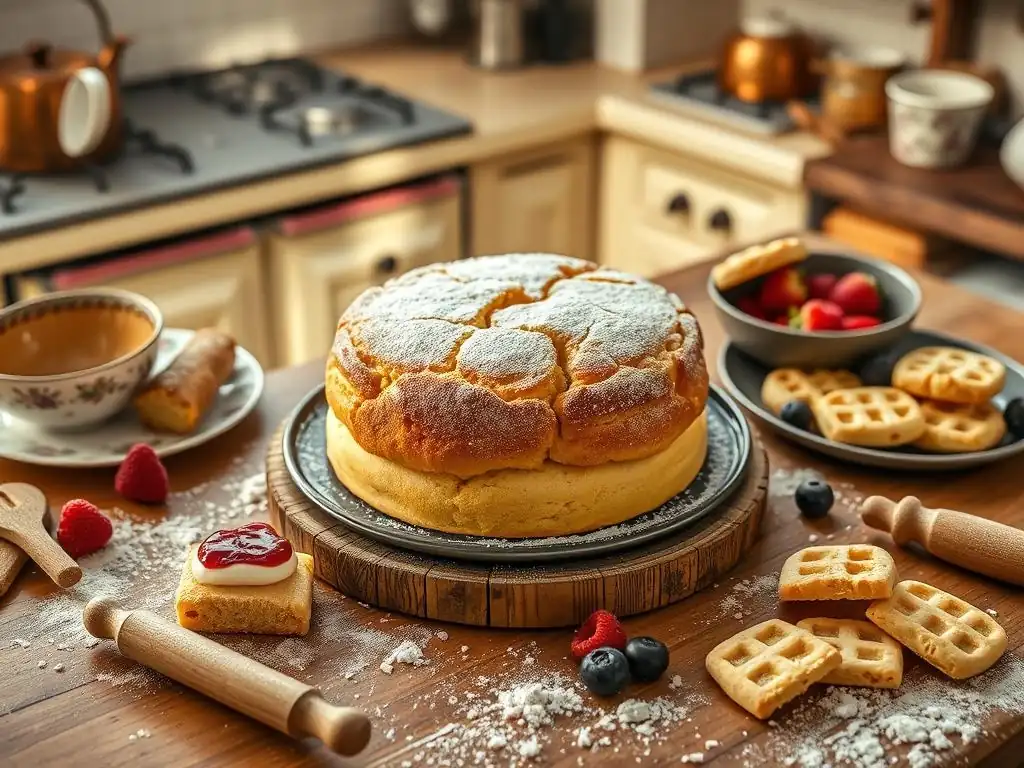
British baking often relies on a few specific ingredients and types of flour that might differ slightly from those used elsewhere. Understanding these can significantly improve your results when following British baking recipes for beginners. For instance, "plain flour" is equivalent to all-purpose flour, while "self-raising flour" is plain flour with baking powder already added. Using the correct type of flour specified in a recipe is crucial for achieving the right texture and rise.
Another key ingredient is caster sugar, which is finer than granulated sugar but not as fine as icing sugar (powdered sugar). Its fine crystals dissolve quickly, leading to a smoother batter and lighter texture in cakes and biscuits. Golden syrup, a British staple, is an inverted sugar syrup with a distinct rich flavour and viscous consistency, commonly used in flapjacks, tarts, and puddings. Familiarizing yourself with these common ingredients and their properties will help you confidently tackle classic easy British baking recipes.
Essential Baking Tools
While you don't need a professional kitchen setup to enjoy British baking recipes for beginners, having a few essential tools can make the process much smoother. Standard equipment includes measuring scales (many British recipes use weight rather than volume), measuring jugs, mixing bowls of various sizes, a whisk, a wooden spoon or spatula, and baking tins (like a 20cm round cake tin, a square tin for flapjacks, and a baking tray for scones/shortbread).
Other useful tools might include a sifter for flour, a pastry blender or your fingertips for rubbing in butter, and cookie cutters for shaping biscuits or scones. An electric hand mixer or stand mixer can be helpful for creaming butter and sugar or whisking eggs, but many traditional classic British baking recipes can be made perfectly well by hand. Investing in an oven thermometer can also be beneficial, as oven temperatures can vary, and accurate temperature is key for successful baking.
Troubleshooting Baking Problems
Even with the simplest British baking recipes for beginners, things can occasionally go wrong. Common problems include cakes that sink in the middle (often due to oven door opening too early, incorrect temperature, or underbaking), tough textures (usually from overmixing the dough), or biscuits that spread too much (often due to butter being too soft or incorrect oven temperature).
If a cake sinks, ensure your oven temperature is accurate and avoid opening the door during baking. For tough bakes, remember to handle the dough or batter minimally, especially after adding flour; mix only until just combined. If biscuits spread, try chilling the dough before baking and ensure your oven is hot enough. Don't be discouraged by initial setbacks; baking is a skill that improves with practice. Learning from mistakes is part of the process of mastering easy British baking recipes.
Expanding Your Baking Repertoire
Advanced Baking: Layer Cakes and Pastries
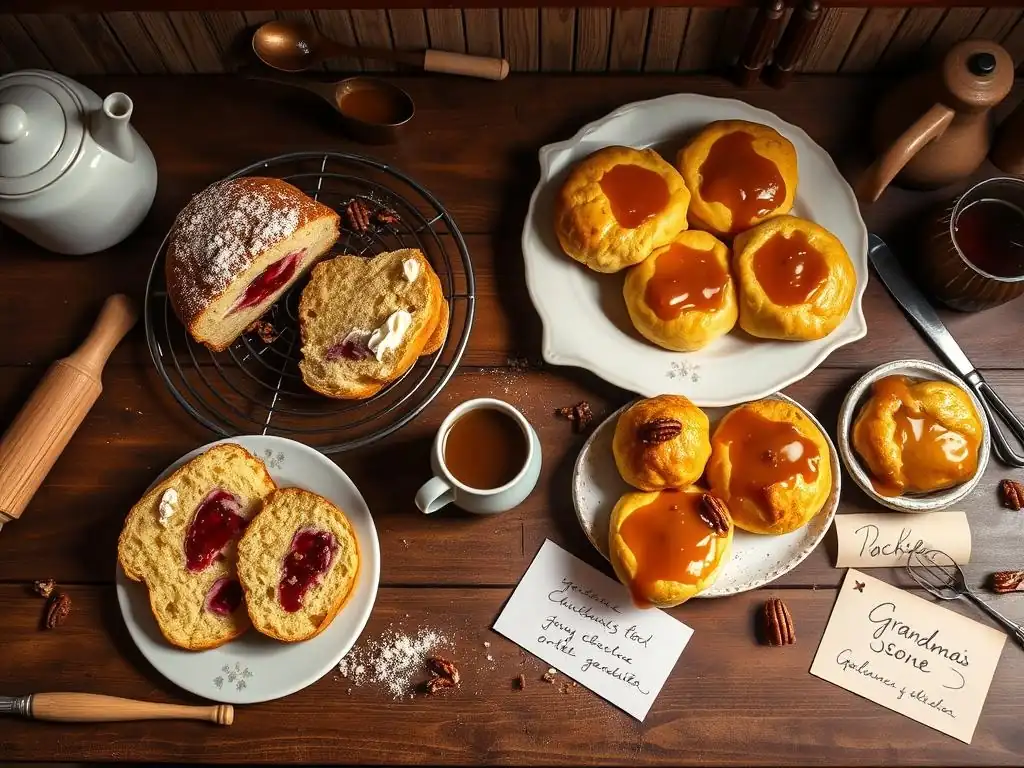
Once you've mastered the fundamentals with British baking recipes for beginners, you might feel ready to tackle more complex bakes. British baking offers a wealth of more advanced challenges, from multi-layered celebration cakes like the Battenberg or Lemon Drizzle Cake to intricate pastries such as Eccles cakes or Bakewell tarts. These often involve more steps, like making pastry from scratch, preparing curd fillings, or assembling multiple components.
Moving into advanced British baking might require learning techniques such as blind baking pastry cases, creating stable buttercreams suitable for decorating, or working with choux pastry for items like éclairs. While more demanding, these recipes build upon the basic skills learned from simpler bakes. For instance, the creaming method used in a simple Victoria Sponge is foundational for many richer layer cakes. Exploring these advanced recipes allows you to deepen your understanding and appreciation for the breadth of British baking traditions.
Bread Baking: From Soda Bread to Sourdough
British baking isn't just about cakes and biscuits; it also encompasses a strong tradition of bread making. For beginners, Irish Soda Bread (often considered part of the broader British Isles baking tradition) is a fantastic starting point as it uses baking soda as a leavening agent rather than yeast, making it quick and easy. It requires minimal kneading and bakes relatively fast.
Moving beyond soda bread, you can explore yeasted British loaves like a classic white sandwich loaf, wholemeal bread, or regional specialities. The ultimate challenge for many bakers is mastering sourdough, which involves cultivating a natural yeast starter. While sourdough is a global phenomenon, British bakers have their own approaches and traditions. Experimenting with different types of flour, hydration levels, and fermentation times allows for endless possibilities. Embracing bread making is a rewarding way to expand your skills beyond sweet treats and delve into another fundamental aspect of British baking recipes.
Conclusion: Enjoying British Baking
Embarking on the journey of baking classic British baking recipes for beginners is a delightful experience. From the comforting simplicity of a Victoria Sponge to the buttery richness of Shortbread and the quick satisfaction of Flapjacks, these recipes offer accessible entry points into a rich culinary heritage. Each bake provides an opportunity to learn fundamental techniques and understand the role of quality ingredients in creating delicious results. Don't be afraid to start with the easiest recipes and gradually work your way up; every successful bake builds confidence.
The true joy of British baking often lies not just in the baking itself, but in the sharing. These are recipes designed to be enjoyed with others, whether over an afternoon tea spread, as a treat in a lunchbox, or shared with friends and family. Presenting a plate of warm scones or a perfectly baked Victoria Sponge is a simple act that brings people together. So, preheat your oven, gather your ingredients, and start exploring the wonderful world of easy British baking recipes.
Sharing the results of your baking efforts is one of the most rewarding parts of the process. Whether you've baked a batch of shortbread to give as a gift, brought flapjacks into the office, or laid out a full cream tea spread for guests, the act of sharing homemade treats is a wonderful way to connect with people. Many British baking recipes for beginners are perfect for sharing because they are relatively quick to make and yield multiple portions.
Consider hosting an informal afternoon tea for friends, showcasing your freshly baked scones, a simple sponge cake, and some homemade jam. Or pack up individual flapjacks or shortbread fingers for colleagues or schoolmates. The simple pleasure derived from someone enjoying something you've made from scratch is immense. Don't hesitate to share photos of your creations online or swap recipes with fellow baking enthusiasts – it's all part of the friendly baking community.
Resources for Continued Learning
To continue developing your skills in British baking recipes for beginners and beyond, there are numerous resources available. Cookbooks dedicated to British baking are a fantastic source of authentic recipes and techniques, often including historical context and regional variations. Many reputable baking websites and blogs offer step-by-step guides and video tutorials for classic British bakes.
Consider joining online baking communities or forums where you can ask questions, share tips, and get inspiration from other bakers. Watching baking shows (like The Great British Bake Off, for inspiration!) can also provide valuable insights into techniques and presentation. Practice is key; the more you bake, the more intuitive the processes will become. Don't be afraid to try new easy British baking recipes and adapt them to your taste as you gain confidence.
Frequently Asked Questions
What makes British baking recipes good for beginners?
British baking recipes often use simple ingredients and have straightforward instructions, making them ideal for those new to baking. Many classics, like scones, are relatively quick and easy to master.
What are some essential British baking recipes a beginner should try first?
Good starting points include scones, shortbread, and Victoria sponge cake. These recipes are fundamental and build a strong foundation in basic baking techniques.
Where can I find reliable British baking recipes specifically designed for beginners?
Websites like BakeWithEase.com offer step-by-step guides and easy-to-find ingredients tailored for beginner bakers interested in British baking.
What key differences exist between British and American baking?
British baking often emphasizes simplicity and traditional flavors, while American baking may lean towards more elaborate recipes and sweeter profiles. Ingredient measurements can also sometimes differ.
What essential equipment do I need to start baking British recipes?
Basic equipment includes measuring cups and spoons, a mixing bowl, a baking tray, and an oven. More specialized equipment can be added as your skills progress.
Final Reflection: The Enduring Allure of British Baking
The simple act of baking, particularly in the British tradition, transcends mere culinary practice; it's a comforting ritual, a celebration of shared history, and a gateway to deliciousness. From the humble scone to the majestic Victoria sponge, these recipes offer more than just instructions; they offer a connection to a rich cultural heritage and a chance to create something truly special. The enduring popularity of British baking, evident in its continued presence in modern kitchens and on social media, speaks volumes about its timeless appeal.
British baking, for me, has always represented more than just a hobby; it's a link to my family history, a way to connect with generations past through the shared experience of creating these classic treats. Baking is at once child's play and adult joy. And love, of course.
This quote perfectly encapsulates the emotional resonance of the craft, a sentiment echoed in countless kitchens worldwide as people discover the joy of creating these iconic recipes. The comforting aroma of freshly baked goods, the satisfaction of a perfectly risen loaf, these are experiences that transcend cultural boundaries and speak to a universal human need for connection and comfort.
Now, it's your turn. Don't just read these recipes; experience them. Gather your ingredients, preheat your oven, and embark on a culinary journey through the heart of British baking. Let the process be as much a source of enjoyment as the final product. Share your creations, your triumphs, and even your mishaps – because even in the kitchen, the most memorable moments often come from the unexpected. Embrace the tradition, personalize the recipes, and discover the joy of creating something delicious and deeply personal. Happy baking!
Unlock Your Inner Baker: Taste the Tradition!
Thanks for joining us on this delicious journey through British baking! We hope you've discovered some new favorite recipes and techniques. Ready to take your baking skills to the next level?
- Master a Classic: Try out the Victoria Sponge recipe – it’s easier than you think! This is your chance to truly experience the magic of traditional British baking.
- Share Your Success: Post a photo of your creation on social media and tag us! Let's celebrate the joy of baking together.
- Explore Further: Browse our other recipes on BakeWithEase.com – we've got tons more delightful treats waiting for you!
So, what British baking masterpiece will you conquer first?