
Making Maillard Work for You: Practical Tips for Every Baker

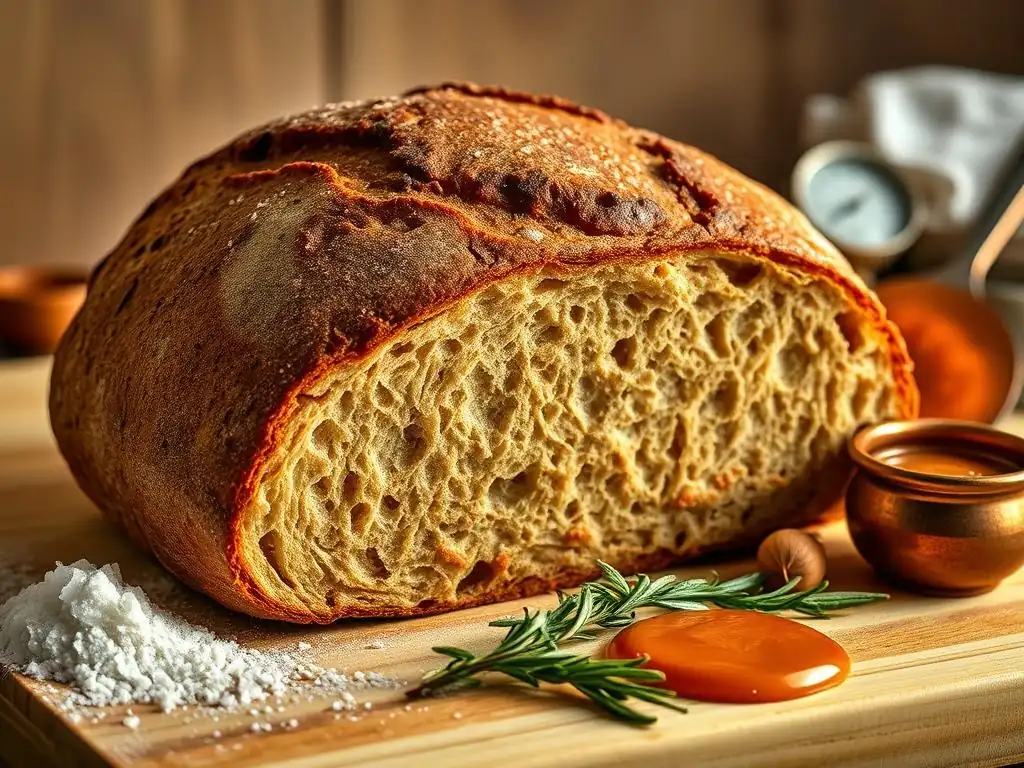
Welcome to BakeWithEase, your trusted companion in the delightful world of baking! Ever wondered how to consistently achieve that perfect golden-brown crust and irresistible flavor in your baked goods? Delve into the fascinating science behind the Maillard reaction and discover practical baking tips that will elevate your creations from ordinary to extraordinary. Get ready to unlock the secrets of this essential browning process and transform your baking game, one delicious recipe at a time!
- Understanding the Maillard Reaction in Baking
- Practical Maillard Reaction Baking Tips for Enhanced Flavor and Color
- Specific Baking Applications and Maillard Reaction Techniques
- Troubleshooting Maillard Reaction Issues in Baking
- Advanced Maillard Reaction Techniques for Expert Bakers
- Bake With Ease: Mastering the Maillard Reaction for Baking Success
-
Frequently Asked Questions
- What exactly is the Maillard reaction and why is it important in baking?
- How can I encourage the Maillard reaction in my baking?
- What ingredients contribute most to the Maillard reaction?
- Can the Maillard reaction be too strong, and how can I prevent that?
- Are there any specific Maillard reaction baking tips for different types of baked goods (e.g., bread vs. cookies)?
- Final Reflection: The Golden Promise of the Maillard Reaction
- Unlock Your Baking Potential: Mastering the Maillard Reaction!
Understanding the Maillard Reaction in Baking
What is the Maillard Reaction and Why Does it Matter for Bakers?
The Maillard reaction is a complex chemical process that occurs when amino acids and reducing sugars react together under heat. It's not just about browning; this reaction is responsible for the incredible depth of flavor and aroma we associate with so many delicious baked goods. Think of the golden crust on a loaf of sourdough, the rich, toasted notes in a chocolate chip cookie, or the savory complexity of a pastry brushed with egg wash – that's the Maillard reaction at work. Without it, our baked treats would be pale, bland, and lack that satisfying toasted quality.
For bakers, understanding the Maillard reaction baking tips is crucial because it allows for greater control over the final product. By manipulating variables like temperature, time, and ingredients, you can influence the degree of browning and the specific flavor compounds that develop. This knowledge empowers you to consistently achieve the desired color, aroma, and taste profiles in everything from delicate financiers to robust rye bread. Mastering the Maillard reaction is truly a cornerstone of successful baking, transforming simple ingredients into culinary delights.
The Science Behind the Browning: Amino Acids and Sugars
At its core, the Maillard reaction involves a series of intricate chemical steps between proteins (specifically the amino acids they contain) and reducing sugars. Unlike sucrose (common table sugar), which is a non-reducing sugar, sugars like glucose, fructose, and lactose have a chemical structure that allows them to readily react with amino acids when heated. This initial reaction triggers a cascade of subsequent reactions, breaking down and rearranging molecules into hundreds of different compounds.
These newly formed compounds are what give baked goods their characteristic brown color and complex flavors. The reaction typically begins to occur noticeably above 140°C (284°F), accelerating rapidly as the temperature increases.
Moisture content also plays a role; the reaction proceeds best when there is some moisture present, but not so much that the temperature is held at the boiling point (100°C / 212°F), as this limits the temperature the ingredients can reach. The specific combination of amino acids and sugars, along with the temperature and time, determines the unique flavor profile that develops – from nutty and toasted to savory and even slightly chocolatey notes.
Maillard Reaction vs. Caramelization: Knowing the Difference
While both the Maillard reaction and caramelization result in browning and create delicious flavors, they are distinct chemical processes. Caramelization involves only the heating of sugars themselves, typically occurring at higher temperatures than the Maillard reaction. Sucrose, for instance, begins to caramelize around 160°C (320°F), while fructose can caramelize at slightly lower temperatures, around 110°C (230°F). As sugars are heated past their melting point, they decompose and polymerize, forming new compounds responsible for the characteristic sweet, nutty, and sometimes slightly bitter flavors of caramel.
The key difference lies in the reactants. Caramelization is purely sugar-driven, whereas the Maillard reaction requires both sugars (specifically reducing sugars) and amino acids (from proteins). This difference in chemistry leads to different flavor profiles.
Caramelization tends to produce flavors primarily associated with burnt sugar – think classic caramel candies or the top of a crème brûlée. The Maillard reaction, on the other hand, yields a far broader and more complex range of flavors, including roasted, savory, meaty, and toasted notes, in addition to some sweet ones. Knowing which reaction is dominant helps bakers understand and control the flavors and colors they achieve.
Practical Maillard Reaction Baking Tips for Enhanced Flavor and Color
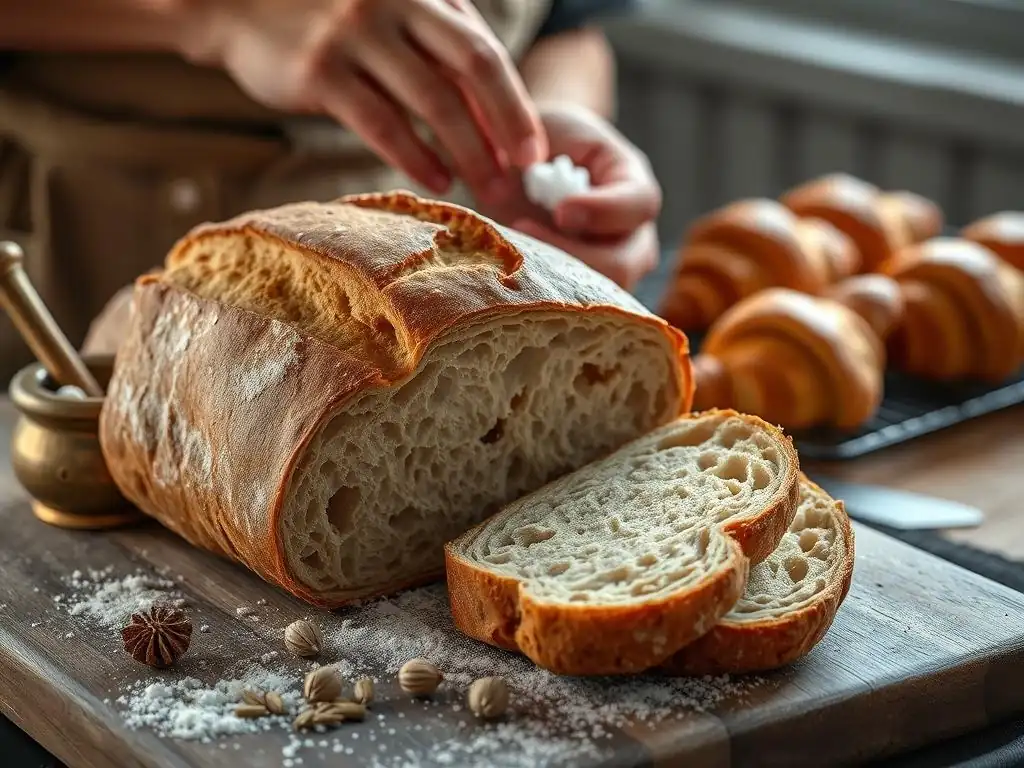
Controlling Oven Temperature for Optimal Maillard Browning
Oven temperature is one of the most critical factors influencing the rate and outcome of the Maillard reaction. The reaction typically kicks into high gear above 140°C (284°F). Baking at too low a temperature might result in a pale crust and underdeveloped flavor, as the surface doesn't reach the necessary heat threshold for long enough. Conversely, baking at too high a temperature can cause the exterior to brown too quickly, potentially burning before the interior is fully cooked, or leading to a tough crust with less complex internal flavor development.
For most baked goods aiming for good Maillard browning, temperatures commonly range from 175°C (350°F) to 230°C (450°F) or even higher for initial phases of bread baking. A common strategy is to start baking at a higher temperature (e.g., 220°C / 425°F) for the first 10-15 minutes to initiate rapid surface browning via the Maillard reaction, then reduce the temperature to allow the interior to cook through without the crust burning. This staggered temperature approach is particularly effective for items like rustic bread loaves, ensuring a beautiful, flavorful crust and a properly cooked interior.
Adjusting pH Levels to Influence Maillard Reaction Speed
The pH level of your dough or batter significantly impacts the speed of the Maillard reaction. The reaction proceeds much faster in alkaline (higher pH) conditions and is slowed down in acidic (lower pH) environments. This is why ingredients like baking soda, which is alkaline (pH typically around 8-9 in solution), are sometimes used in small amounts to promote faster and darker browning, particularly on the surface of baked goods. Think of the deep brown color of pretzels or bagels, often achieved by briefly boiling them in an alkaline solution before baking.
Conversely, acidic ingredients like buttermilk, yogurt, vinegar, or cream of tartar (which lower pH) will slow down the Maillard reaction. While this might seem undesirable for browning, it can be beneficial in certain recipes. For example, in some cakes or muffins, a slightly lower pH can help tenderize the crumb and prevent the crust from becoming too hard or dark before the inside is cooked. Understanding this pH sensitivity allows bakers to fine-tune their recipes, achieving the desired balance of browning, texture, and flavor.
Using Sugars and Starches to Enhance Maillard Browning in Baked Goods
The Role of Different Sugars (e.g., Honey, Molasses)
Not all sugars participate equally in the Maillard reaction. Reducing sugars like glucose and fructose are highly reactive, while sucrose (common granulated sugar) must first break down into its constituent reducing sugars to participate fully.
Ingredients containing high amounts of reducing sugars, such as honey (rich in fructose and glucose), molasses (containing fructose, glucose, and sucrose), brown sugar (sucrose plus molasses), and corn syrup (glucose), are excellent for promoting Maillard browning. Using brown sugar instead of white sugar in a cookie recipe, for example, will yield a richer color and deeper, more complex flavors due to the presence of molasses and its reducing sugars.
Consider a standard chocolate chip cookie recipe. Swapping a portion of white sugar for brown sugar or adding a tablespoon of molasses not only changes the moisture content and texture but dramatically boosts the Maillard reaction. The fructose and glucose in the molasses react readily with proteins in the flour and eggs, contributing to that desirable chewy texture and intense, caramelized flavor profile often sought in classic cookies. Experimenting with different sugar sources is a fantastic way to manipulate Maillard reaction baking tips for enhanced results.
The Impact of Starch Content on Maillard Browning
While starch itself (a complex carbohydrate) does not directly participate in the Maillard reaction, it plays an indirect role by affecting the overall moisture content and structure of the dough or batter. Flours with higher starch content might absorb more water, which can influence how heat is transferred and how quickly the surface dries out. A drier surface reaches higher temperatures faster, promoting Maillard, but excessive dryness can also lead to premature crust formation, potentially hindering expansion.
In some cases, enzymes present in flour or added as ingredients (like malt) can break down starch into simpler reducing sugars over time, especially during fermentation. This process provides more fuel for the Maillard reaction during baking. For instance, bread flours with higher enzyme activity or recipes incorporating diastatic malt powder will often develop darker, more flavorful crusts due to this increased availability of reducing sugars derived from starch breakdown.
Mastering the Use of Dairy and Eggs for Richer Maillard Flavor
Milk Solids and the Maillard Reaction
Dairy products are fantastic contributors to the Maillard reaction in baking because they contain both lactose (a reducing sugar) and proteins (casein and whey). When milk, butter, or milk powder are present in a recipe, these components readily react under heat, producing a wide array of flavorful compounds. Think of the rich, golden crust on a brioche or challah, which often contains significant amounts of milk and butter; the browning is intensified by these dairy solids.
Brushing the surface of baked goods with milk or melted butter before baking is a simple yet effective Maillard reaction baking tip. The lactose and proteins on the surface react with the direct heat, creating a beautiful golden-brown color and adding a layer of subtle, toasted flavor. Even the small amount of lactose in butter contributes to the browning process, especially when butter is browned separately before being added to a recipe, as seen in brown butter cookies.
Egg Yolks and Their Contribution to Browning
Eggs, particularly egg yolks, also play a significant role in the Maillard reaction due to their protein and fat content, and the presence of some inherent sugars. Egg washes, typically a mixture of beaten egg with water or milk, are a classic technique used to enhance the color and sheen of pastry crusts, bread rolls, and pies. The proteins and sugars in the egg wash react rapidly on the hot surface of the oven, creating a thin, glossy, golden-brown layer.
Egg yolks contribute more significantly to browning than egg whites alone because they contain more fat and a higher concentration of certain amino acids. Recipes for rich doughs like challah or enriched bread often include multiple egg yolks, contributing not only to the dough's richness and texture but also promoting a beautiful, deep Maillard browning during baking. Using a whole egg wash or an egg yolk-heavy wash will yield a darker, richer color compared to a simple milk wash.
Specific Baking Applications and Maillard Reaction Techniques
Achieving Perfect Crusts on Bread Through Maillard Reaction
A perfect bread crust is the epitome of the Maillard reaction in action. It's the part of the loaf that reaches the highest temperatures and experiences the most intense browning. Achieving that ideal balance of crispness, color, and complex flavor involves several techniques that optimize the Maillard reaction. The surface of the dough must be moist initially to allow for oven spring, but then dry out sufficiently and reach temperatures well above 100°C (212°F) for the reaction to occur effectively.
High initial oven temperatures, often between 230°C and 260°C (450°F and 500°F), are crucial for jump-starting the Maillard reaction on the surface. Baking on a preheated baking stone or in a Dutch oven helps transfer heat efficiently to the bottom of the loaf, promoting even browning. The transition from a moist, expandable surface to a hot, dry one is key to developing a thin, crispy crust with maximum Maillard flavor development.
Scoring Techniques to Maximize Crust Development
Scoring, or making cuts on the surface of the dough just before baking, is not just for aesthetics; it's a functional technique that directly impacts crust development and the Maillard reaction. As the bread bakes and expands during oven spring, the scores provide weak points for the dough to tear in a controlled manner. This controlled tearing exposes fresh, moist surface area to the intense heat of the oven.
This newly exposed surface quickly dries out and reaches the high temperatures required for the Maillard reaction. Scoring helps create the desirable 'ears' or ridges on rustic loaves, which are areas of concentrated Maillard browning and crispness. Different scoring patterns can influence the shape of the loaf and the distribution of the intensely browned, flavorful crust.
Steam Injection and its Effect on Maillard
Introducing steam into the oven during the initial phase of bread baking is a highly effective method for enhancing the Maillard reaction and crust quality. Steam keeps the surface of the dough moist for longer. This extended moisture allows the dough to expand more fully before a hard crust forms, contributing to better oven spring and a more open crumb structure.
Once the steam dissipates (either naturally as the water evaporates or by venting the oven), the surface, which has now expanded significantly, is exposed to the high, dry heat. This rapid transition from a moist, pliable state to a hot, dry one accelerates the Maillard reaction on the surface, leading to a thinner, crispier, and more evenly browned crust with rich flavor. Many home bakers achieve this by baking in a Dutch oven or by placing a tray of hot water at the bottom of the oven.
Cookies are another fantastic example of how the Maillard reaction contributes significantly to both texture and flavor. The browning that occurs on the edges and bottoms of cookies, along with the subtle color change throughout the dough, is largely due to the Maillard reaction between proteins in the flour and eggs and the various sugars present. This browning doesn't just add color; it develops nutty, toasted, and caramelized notes that are essential to a good cookie.
Achieving the perfect balance of chewiness and deep flavor often involves techniques that promote the Maillard reaction without over-browning or burning. Factors like baking time, temperature, the type of sugar used, and even the state of the butter all play a role in how the Maillard reaction unfolds in your cookie dough.
Chilling Dough to Enhance Maillard Browning
Chilling cookie dough before baking is a common and effective technique for improving texture and deepening flavor through the Maillard reaction. When dough is chilled, several things happen: fats solidify, which slows down the rate at which the cookies spread during baking; flavors meld; and importantly, enzymes in the flour and eggs have more time to break down complex carbohydrates (like sucrose) into simpler reducing sugars (glucose and fructose).
With more reducing sugars available and a slower spread rate (meaning the dough stays thicker for longer in the heat), the Maillard reaction proceeds more effectively and evenly throughout the cookie. This results in cookies that are thicker, chewier, and have a more pronounced, complex flavor profile with richer brown tones compared to cookies baked immediately after mixing. A chill time of at least 24 hours, or even up to 72 hours, can dramatically enhance the Maillard reaction baking tips outcome.
Using Brown Butter for Intense Maillard Flavor
Brown butter (beurre noisette) is essentially butter that has undergone a controlled Maillard reaction. When butter is heated, the water evaporates, and the milk solids (which contain proteins and lactose) begin to brown as they react. This process develops intense nutty, toasty, and caramelized flavors. Incorporating brown butter into cookie dough is a direct way to infuse those pre-developed Maillard flavors throughout the cookie.
Replacing some or all of the solid butter in a cookie recipe with cooled brown butter adds a layer of complexity and depth that regular butter cannot provide. The browning process concentrates the milk solids' flavor and introduces new flavor compounds created by the Maillard reaction. This technique is a powerful Maillard reaction baking tip for achieving cookies with exceptional richness and a gourmet flavor profile.
Enhancing Cake Flavors and Colors with Maillard Reaction
While the Maillard reaction is perhaps less visually dramatic in cakes compared to bread crusts or cookies, it still plays a vital role in developing flavor and contributing to the color of the crust and crumb. Cakes typically bake at lower temperatures (often 160-180°C / 325-350°F) and have higher moisture content, which limits the extent of intense surface browning. However, the reaction still occurs, particularly on the exterior surfaces that reach higher temperatures and towards the end of the baking time as moisture evaporates.
The subtle golden-brown hue on the top and sides of a cake, and the slight toasty notes in its flavor, are products of the Maillard reaction between proteins in the flour and eggs and the sugars present in the batter. While the focus in cakes is often on texture and crumb, understanding how to encourage a moderate Maillard reaction can significantly enhance the overall taste experience.
Adjusting Baking Time for Desired Browning
Adjusting baking time is a primary way to control the extent of the Maillard reaction in cakes. Baking for the minimum required time might result in a pale crust, while extending the baking time slightly (without drying out the cake) can lead to deeper color and more developed flavors on the exterior. The Maillard reaction continues as long as the temperature on the surface is high enough and there are reactive ingredients present.
For a richer cake crust, you might bake slightly longer, keeping a close eye to prevent burning. Conversely, if you prefer a softer, less-browned crust (perhaps for frosting), you might stick to the shorter end of the baking time range. Monitoring the color of the cake's surface as it bakes is a practical Maillard reaction baking tip to achieve your desired result.
Utilizing Ingredients Like Brown Sugar and Spices
The choice of ingredients significantly influences the Maillard reaction and the resulting flavors in cakes. Using brown sugar instead of white sugar, for example, directly introduces molasses, which contains reducing sugars that readily participate in the Maillard reaction, contributing both color and complex flavors (caramel, toffee). A cake made with brown sugar will naturally have a darker crumb and a richer taste profile than one made solely with white sugar.
Spices like cinnamon, nutmeg, and cloves contain compounds that can interact with the products of the Maillard reaction, creating even more complex and nuanced flavors. While not directly participating in the initial Maillard process, they contribute to the overall flavor matrix that develops during baking. Combining ingredients that promote Maillard (like brown sugar, milk solids, eggs) with complementary spices is an effective way to create deeply flavorful cakes.
Troubleshooting Maillard Reaction Issues in Baking
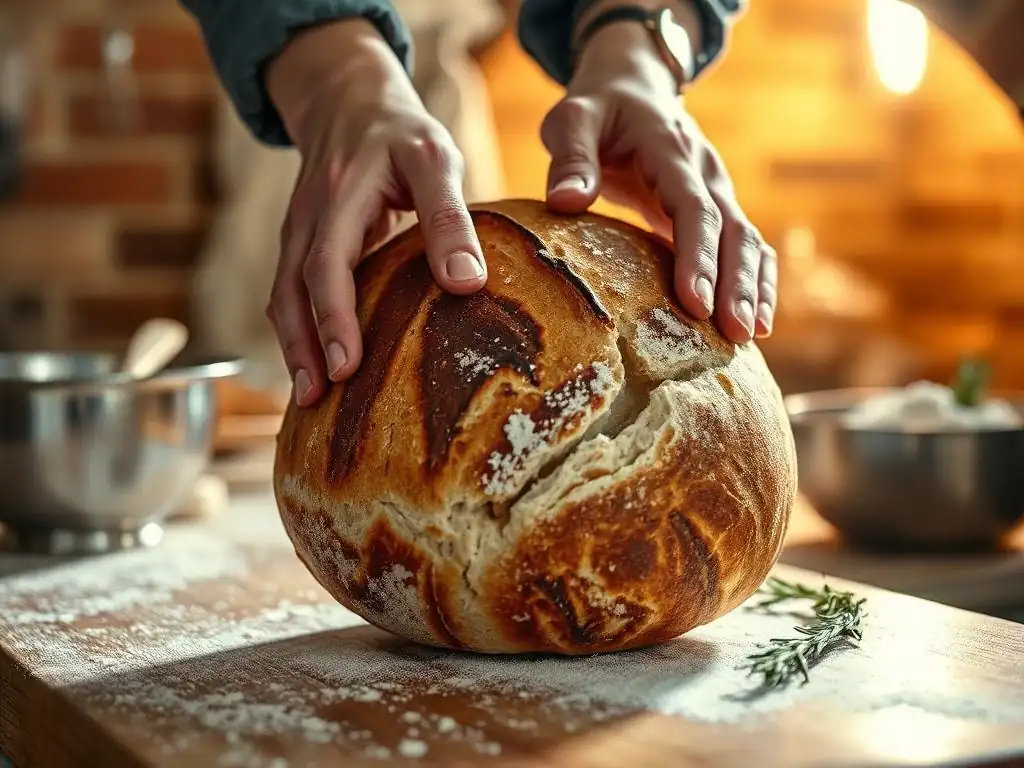
Even with a good understanding of the Maillard reaction baking tips, things don't always go perfectly. Sometimes baked goods brown too quickly, resulting in burnt exteriors and raw interiors. Other times, they remain stubbornly pale, lacking that desirable depth of flavor and color. Identifying the root cause of these issues is the first step to correcting them and achieving consistent results.
Common problems often relate back to the key variables: temperature, time, ingredient ratios (especially sugars and proteins), and moisture levels. By systematically evaluating which of these factors might be off, you can adjust your technique or recipe to better control the Maillard reaction and achieve the desired outcome in your baking.
Preventing Over-Browning and Burnt Flavors
Over-browning, where the exterior becomes excessively dark or even burnt before the interior is cooked, is a common Maillard reaction issue. This usually happens when the surface temperature gets too high too quickly or is exposed to high heat for too long. It can also occur if there's too much sugar or an alkaline ingredient concentrated on the surface.
To prevent over-browning:
- Lower the oven temperature slightly.
- Reduce baking time.
- If the top is browning too fast, loosely tent the baked good with aluminum foil for the remainder of the baking time. This reflects radiant heat away from the surface.
- Ensure your oven temperature is accurate; consider using an oven thermometer. An oven running hotter than its setting is a frequent culprit.
Addressing Pale or Under-Browned Baked Goods
On the other end of the spectrum is under-browning, resulting in baked goods that are pale, lack flavor depth, and may have a soft, underdeveloped crust. This indicates that the Maillard reaction did not proceed sufficiently. Common causes include baking at too low a temperature, for too short a time, insufficient reducing sugars, or excess moisture on the surface preventing it from reaching the necessary temperature.
To encourage more Maillard browning:
- Increase the oven temperature slightly (within the recipe's guidelines).
- Extend the baking time until the desired color is achieved, ensuring the interior is not overcooked.
- Ensure the oven is properly preheated.
- Consider adding a small amount of a reducing sugar source like honey or brown sugar if appropriate for the recipe.
- If baking bread, ensure adequate steam is used initially, then vented to allow the surface to dry and brown.
- For pastries or rolls, use an egg wash or milk wash to provide reactive compounds on the surface.
Understanding Altitude Adjustments and Their Effect on Maillard
Baking at high altitudes (typically above 3,000 feet) presents unique challenges that can affect the Maillard reaction. Lower atmospheric pressure causes liquids to boil at lower temperatures (e.g., water boils around 93°C/199°F at 5,000 feet instead of 100°C/212°F). This lower boiling point means that moisture evaporates faster from baked goods at high altitudes.
Faster moisture evaporation can lead to a drier surface earlier in the baking process. While a dry surface is needed for Maillard, premature drying can result in a thicker, tougher crust that forms before the interior has fully expanded, potentially hindering even browning. High altitude recipes often require adjustments like increasing liquid, decreasing leavening, and sometimes adjusting temperature or baking time to compensate for these effects and ensure optimal Maillard development alongside proper interior cooking.
Advanced Maillard Reaction Techniques for Expert Bakers
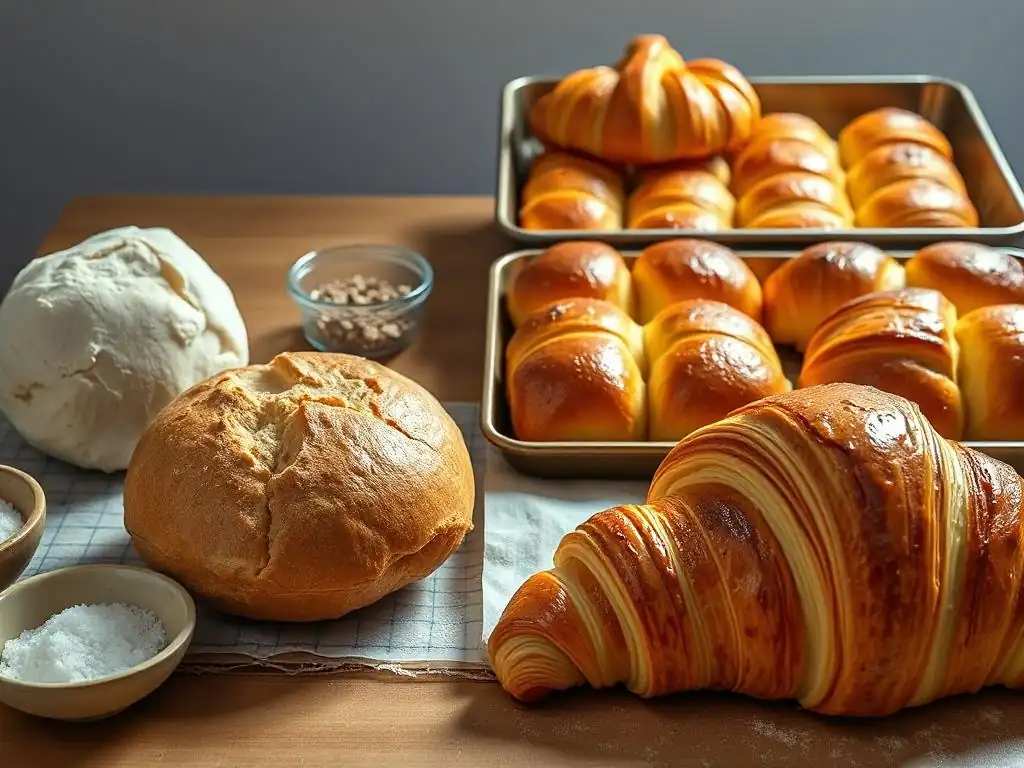
For those looking to push their baking skills further, exploring advanced Maillard reaction baking tips can unlock even deeper flavors and textures. These techniques often involve manipulating ingredients and processes in ways that maximize the availability of reactive compounds or control the conditions for the reaction with greater precision.
From incorporating specific ingredients known to boost Maillard to employing less traditional methods, these approaches allow expert bakers to achieve nuanced results that elevate their creations. While some require specialized ingredients or equipment, others are variations on classic techniques, applied with a deeper understanding of the underlying chemistry.
Exploring Maillard Reaction Enhancers: Malt Extract, Baking Soda
Certain ingredients can act as powerful catalysts or providers of reactants for the Maillard reaction. Diastatic malt extract, commonly used in bread baking, contains enzymes (amylase) that break down starch into fermentable sugars, including reducing sugars. Adding a small amount (often 0.5% to 1% of flour weight) provides a readily available supply of these sugars, resulting in more vigorous fermentation and significantly darker, more flavorful crusts due to enhanced Maillard browning.
As mentioned earlier, alkaline conditions speed up the Maillard reaction. A small pinch of baking soda (sodium bicarbonate) can be added to certain doughs or used in a wash (like for pretzels or bagels) to raise the surface pH. This alkalinity dramatically accelerates surface browning, leading to the characteristic deep brown color and unique crust texture of these items. Even a tiny amount can make a noticeable difference in crust color on rolls or biscuits.
Using Sous Vide for Precise Maillard Control
While not a primary baking technique itself, sous vide can be used to prepare components that will later be incorporated into baked goods, leveraging precise temperature control to develop early Maillard flavors. For instance, onions or garlic can be cooked sous vide at temperatures around 80-90°C (175-195°F) for several hours. While not hot enough for significant browning, these temperatures are ideal for initiating the early stages of the Maillard reaction, developing complex savory, roasted, and sweet notes without the risk of burning that comes with sautéing.
These 'pre-Maillarded' ingredients can then be added to savory bread doughs, quiche fillings, or pastry components, contributing a depth of flavor that would be difficult to achieve otherwise. This technique allows for controlled flavor development before the final baking process, which then focuses on structure, texture, and final crust browning.
Experimenting with Fermentation to Boost Maillard Flavors
Long fermentation, particularly in sourdough baking or doughs with minimal yeast and long proofing times, is a natural way to enhance the potential for the Maillard reaction and develop complex flavors. During extended fermentation, enzymes (both from the flour and yeast/sourdough culture) work to break down complex carbohydrates and proteins into simpler sugars (including reducing sugars) and amino acids.
This breakdown process creates a larger pool of the necessary reactants for the Maillard reaction. When the dough is finally baked, the increased presence of reducing sugars and amino acids leads to more intense and complex Maillard browning, contributing to the signature deep color and multifaceted flavor profile characteristic of well-fermented bread. Comparing a quick-rise loaf to a naturally leavened sourdough highlights this effect – the sourdough typically boasts a darker crust and more profound flavor due to the extended fermentation's impact on Maillard potential.
Bake With Ease: Mastering the Maillard Reaction for Baking Success
Mastering the Maillard reaction is like having a secret ingredient in your baking arsenal. It's the science behind the irresistible aromas, rich colors, and deep, complex flavors that make baked goods so satisfying. By understanding how temperature, time, pH, and ingredients like sugars, dairy, and eggs influence this chemical dance, you gain the ability to control the outcome in your own kitchen.
Whether you're aiming for a perfectly crisp bread crust, chewy cookies with notes of caramel, or a cake with a wonderfully toasted exterior, applying Maillard reaction baking tips will elevate your results. Don't be afraid to experiment – adjust your oven temperature, try chilling your cookie dough, or brush that pastry with a little milk. With practice, you'll develop an intuitive sense for how to make the Maillard reaction work for you, transforming simple recipes into truly extraordinary baked creations, all with Bake With Ease.
Frequently Asked Questions
What exactly is the Maillard reaction and why is it important in baking?
The Maillard reaction is a chemical process that occurs between amino acids and reducing sugars when heated. It's vital because it's responsible for the browning and flavor development in baked goods.
How can I encourage the Maillard reaction in my baking?
You can encourage it by ensuring there are enough sugars and proteins in your recipe. Also, baking at a higher temperature and using an alkaline environment (like adding a pinch of baking soda) can help.
What ingredients contribute most to the Maillard reaction?
Ingredients rich in proteins, like eggs and milk, and those high in reducing sugars, like honey or malt extract, contribute significantly. Dairy products in general, enhance browning.
Can the Maillard reaction be too strong, and how can I prevent that?
Yes, over-browning can occur. Prevent this by lowering the oven temperature, using a baking sheet to shield the bottom, or tenting the top with foil.
For bread, steam injection can initially delay browning, allowing for a good rise before the crust forms. For cookies, chilling the dough can control spread and browning, contributing to a more even result.
Final Reflection: The Golden Promise of the Maillard Reaction
Understanding the Maillard reaction isn't just about achieving a beautiful brown crust; it's about unlocking a world of flavor and texture in your baking. The principles discussed throughout this article—from controlling temperature and moisture to selecting the right ingredients—are crucial for any baker aiming to elevate their craft, regardless of skill level. Mastering these techniques allows you to move beyond simply following recipes and truly understand the transformative power of heat on your ingredients.
The Maillard reaction's influence on the culinary landscape is undeniable. From the deep brown crust of a perfectly baked loaf to the rich aroma of roasted coffee beans, this chemical process shapes our sensory experience of food. It's a fundamental principle that underpins countless recipes and techniques, yet its intricacies are often overlooked. As Julia Child once said, Find something you're passionate about and keep tremendously interested in it.
For me, that passion lies in unlocking the secrets of the Maillard reaction and sharing that knowledge with others. It's a journey of continuous learning and experimentation, and I hope this article has inspired you to embark on it too.
Now, I invite you to take what you've learned and apply it to your next baking project. Don't be afraid to experiment! Try adjusting your oven temperature, playing with different sugars, or exploring new combinations of ingredients. Each experiment, each success, and even each failure, will bring you closer to a deeper understanding of the Maillard reaction and its potential. The golden-brown crust is just the beginning; the true reward lies in the journey of discovery and the delicious results that await.
Unlock Your Baking Potential: Mastering the Maillard Reaction!
Thanks for taking the time to explore the wonders of the Maillard reaction! We hope you now feel empowered to create even more delicious baked goods. Ready to put your new knowledge into practice?
- Experiment with different sugars and amino acids: Try substituting different types of sugar (honey, maple syrup, etc.) in your favorite recipes to see how it affects the browning and flavor. Note the results! This is where the real magic happens.
- Share your Maillard masterpieces: Show off your perfectly browned creations on social media using #BakeWithEaseMaillard – let's inspire each other!
- Dive deeper: Explore more advanced techniques related to the Maillard reaction on our blog for even more baking insights.
What innovative baking creation will you Maillard-ize next?