
The Ultimate Guide to Measuring Carbs in Your Keto Bakes

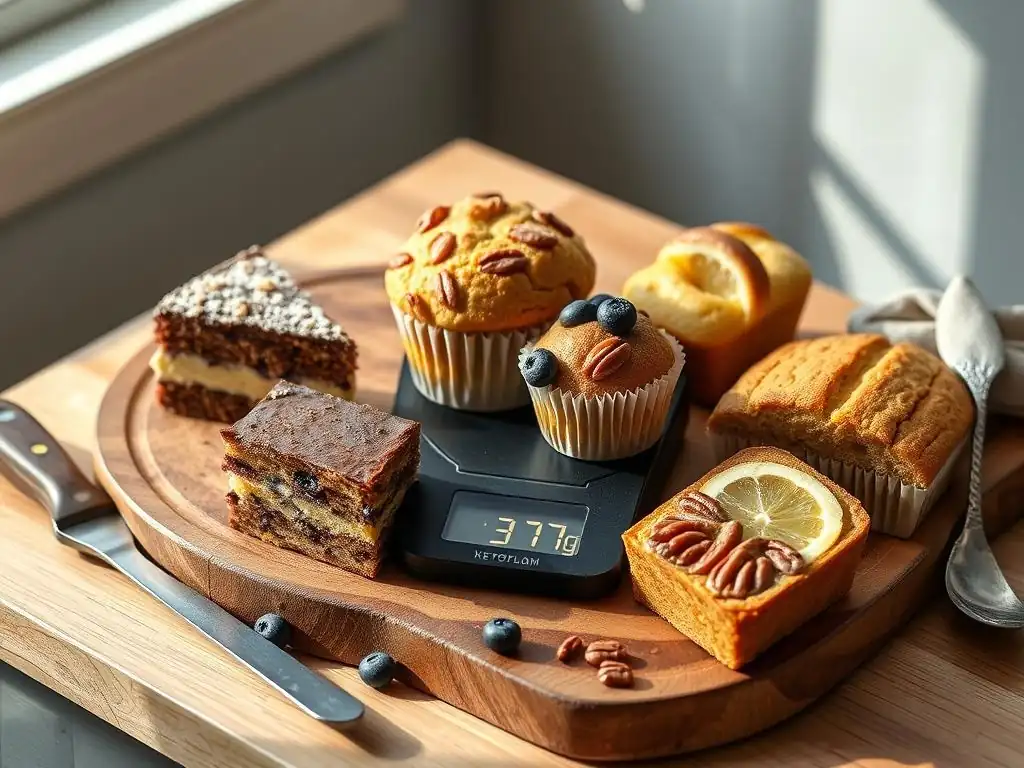
Welcome to BakeWithEase, your haven for effortless baking! Ever wondered how to navigate the tricky world of keto baking and ensure accurate carbohydrate measurement? This ultimate guide unlocks the secrets to creating delicious, guilt-free treats. Prepare to dive into precise techniques and expert tips that will transform your keto baking experience. Intrigued? Let's unravel the mysteries of low-carb baking together and discover how easy it can be to bake with confidence!
-
Measuring Different Types of Keto Baking Ingredients
- Flour Alternatives: Carb Counts and Measurement Tips for Almond Flour
- Coconut Flour Carbohydrate Content and Baking Considerations
- Understanding Carb Values in Sweeteners: Erythritol, Stevia, and Monk Fruit
- Nuts and Seeds: Measuring Carbs in Common Keto Baking Additions
- Dairy and Eggs: Carb Considerations for Keto Baking Staples
-
Frequently Asked Questions
- How is carbohydrate measurement different in keto baking compared to regular baking?
- Why is accurate carbohydrate measurement so important for successful keto baking?
- What are some common mistakes people make when measuring carbs in keto baking?
- Where can I find reliable carbohydrate information for keto-friendly baking ingredients?
- How does fiber content affect carbohydrate calculations in keto recipes?
- Final Reflection: Mastering the Art of Low-Carb Baking
- Unlock Your Keto Baking Potential!
Measuring Different Types of Keto Baking Ingredients
Precise keto baking carbohydrate measurement is paramount when working with the diverse array of ingredients used in low-carb recipes. Unlike traditional baking, where flour and sugar are primary carb sources, keto baking relies on alternatives, each with its unique carbohydrate profile that must be accurately accounted for to stay within your daily carb limit. Understanding how to measure and calculate the net carbs for these specific ingredients is a core skill for successful keto baking. This section delves into the specifics of measuring the carb content of common keto baking staples, providing practical tips for accuracy.
Navigating the carbohydrate values of different flours, sweeteners, nuts, seeds, and dairy requires attention to detail. Even small measurement errors can significantly impact the final carb count of your baked goods. Therefore, mastering the specific techniques for measuring each type of ingredient is crucial for achieving reliable results in your keto baking carbohydrate measurement efforts.
Flour Alternatives: Carb Counts and Measurement Tips for Almond Flour
Almond flour is a cornerstone of many keto baking recipes due to its low net carb count and versatility. Typically made from blanched, ground almonds, its carbohydrate content varies slightly depending on the brand and fineness. A common approximation for blanched almond flour is about 6 grams of total carbohydrates and 3 grams of fiber per quarter cup (around 28-30 grams by weight).
This yields approximately 3 grams of net carbs per quarter cup. When measuring almond flour, it's best to use the "spoon and level" method or, even better, weigh it using a digital food scale for the most accurate keto baking carbohydrate measurement. Scooping directly from the bag can compact the flour, leading to more flour (and thus more carbs) than intended.
The texture of almond flour can range from very fine, almost like wheat flour, to slightly coarser. Finer grinds pack more densely, so weighing is especially important for consistency between batches and recipes. For instance, a recipe calling for 1 cup of almond flour might assume a certain weight (often around 112-120 grams).
Relying solely on volume measurement (cups) without considering density or using proper technique can easily result in adding an extra 10-20% of the ingredient, throwing off not just the texture but also the critical keto baking carbohydrate measurement for the entire batch. Always check the nutrition label of your specific brand as values can differ.
Coconut Flour Carbohydrate Content and Baking Considerations
Coconut flour is another popular low-carb alternative, known for its high fiber content and absorbency. It behaves very differently from almond flour and wheat flour, requiring significantly more liquid in recipes.
Its carbohydrate profile is also distinct: a typical serving of quarter cup (around 28-30 grams by weight) contains approximately 16 grams of total carbohydrates and a remarkable 10 grams of fiber, resulting in only about 6 grams of net carbs. While the net carb count per serving is relatively low, its absorbency means you use much less of it compared to almond or wheat flour, often just a fraction of the amount.
Because coconut flour is so absorbent, accurate measurement is absolutely critical for both recipe success and precise keto baking carbohydrate measurement. Using too much can result in extremely dry, dense baked goods. Like almond flour, weighing coconut flour provides the most reliable measurement. If using volume, spoon the flour lightly into the measuring cup and level it off without packing. Never scoop directly from the bag. Pay close attention to recipe instructions regarding measurement, as using a scale is almost always recommended for consistent results with this unique ingredient.
Understanding Carb Values in Sweeteners: Erythritol, Stevia, and Monk Fruit
Sweeteners are a vital component of keto baking, but their carbohydrate impact varies greatly. Polyols, such as erythritol, are sugar alcohols that are minimally absorbed by the body. While they are listed under total carbohydrates on a nutrition label, they typically have little to no impact on blood sugar and are often subtracted when calculating net carbs.
Erythritol, for example, contains about 4 grams of total carbohydrates per teaspoon (approx. 4 grams), but its net carb count is often considered close to zero or very low (some sources count 0.2g net carbs per gram) because most of it is excreted. Other polyols like maltitol do have a greater impact and are less commonly used in strict keto baking.
High-intensity sweeteners like stevia and monk fruit extract are derived from plants and provide sweetness without significant calories or carbohydrates. In their pure extract forms, they contain virtually zero carbohydrates. However, they are often sold mixed with bulking agents like erythritol or dextrose (a sugar). It is crucial to check the nutrition label of blended sweeteners.
A blend primarily using erythritol will have negligible net carbs, but blends using dextrose will add carbs. For liquid stevia or monk fruit drops, the carb count is typically negligible per serving (a few drops). When measuring, pay attention to whether the recipe specifies weight, volume (teaspoons, cups), or drops, and ensure your chosen sweetener form matches or can be accurately converted for proper keto baking carbohydrate measurement.
Nuts and Seeds: Measuring Carbs in Common Keto Baking Additions
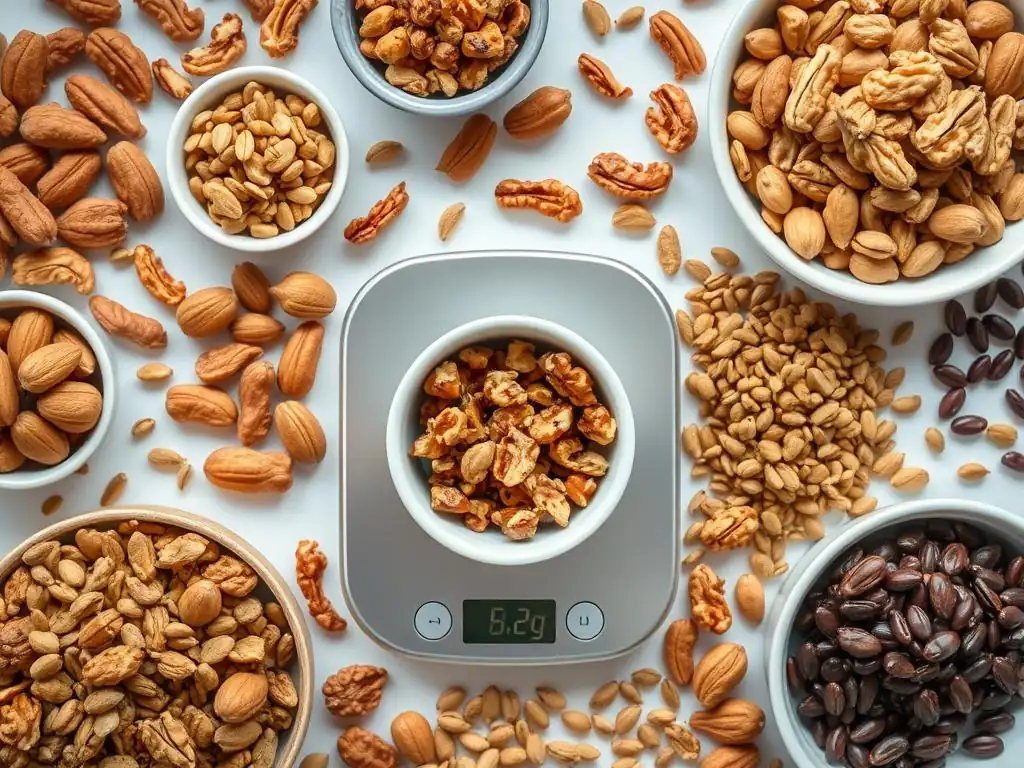
Nuts and seeds add flavor, texture, and healthy fats to keto baked goods, but they also contribute carbohydrates that must be measured accurately. Their carb counts vary widely. For example, almonds contain approximately 6 grams of total carbs and 3 grams of fiber per ounce (about 23 whole almonds or 28 grams), resulting in 3 grams of net carbs.
Walnuts are slightly lower, with about 4 grams of total carbs and 2 grams of fiber per ounce, yielding 2 grams of net carbs. Pecans are among the lowest, with roughly 4 grams of total carbs and 3 grams of fiber per ounce, for just 1 gram of net carbs.
Seeds like chia seeds and flax seeds are high in fiber, making their net carb count relatively low despite a higher total carb number. An ounce (about 2 tablespoons) of chia seeds contains approximately 12 grams of total carbs and 10 grams of fiber, resulting in 2 grams of net carbs. Ground flaxseed (flax meal) is similar, with about 8 grams of total carbs and 7 grams of fiber per ounce (approx.
4 tablespoons), for 1 gram of net carbs. For accurate keto baking carbohydrate measurement, especially with chopped or ground nuts and seeds, weighing is the most reliable method. Volume measurements can be inconsistent depending on how finely they are chopped or ground.
Dairy and Eggs: Carb Considerations for Keto Baking Staples
Dairy and eggs are common ingredients in keto baking, and their carbohydrate content is generally low, but it's still important to account for them in your overall keto baking carbohydrate measurement. Large eggs contain less than 1 gram of carbohydrate each, making their contribution almost negligible in most recipes. They primarily provide protein and fat.
For dairy, the carb content depends on the type. Heavy cream (or heavy whipping cream) is very low in carbs, typically containing about 0.5 grams of carbohydrate per tablespoon (15ml). Butter is essentially pure fat and contains zero carbohydrates. Cream cheese, another keto staple, usually contains about 1 gram of carbohydrate per ounce (28 grams).
However, liquid dairy like milk is much higher in lactose (a sugar), so traditional milk is avoided on keto. Unsweetened nut milks (like almond or coconut milk) are used as alternatives and typically contain only 1-2 grams of carbohydrate per cup (240ml), which should be included in your total carb calculation for the recipe. Always check the nutrition labels of your specific dairy products and unsweetened milk alternatives, as carb counts can vary by brand and additives.
Frequently Asked Questions
How is carbohydrate measurement different in keto baking compared to regular baking?
In keto baking, net carbs are crucial. We focus on subtracting fiber and sugar alcohols from total carbohydrates, as these have minimal impact on blood sugar. Regular baking typically considers total carbs only.
Why is accurate carbohydrate measurement so important for successful keto baking?
Precise measurement is essential for maintaining ketosis, the metabolic state where your body burns fat for fuel. Inaccurate measurements can lead to consuming too many carbs, kicking you out of ketosis and hindering weight loss.
What are some common mistakes people make when measuring carbs in keto baking?
A frequent error is failing to account for the carbs in all ingredients, including seemingly low-carb options like nuts or seeds. Also, not using a reliable carb counter or database can lead to inaccuracies.
Where can I find reliable carbohydrate information for keto-friendly baking ingredients?
Reputable online databases like the USDA FoodData Central and specialized keto recipe sites, like BakeWithEase.com, provide accurate information. Always double-check labels for the most up-to-date values.
How does fiber content affect carbohydrate calculations in keto recipes?
Fiber is a type of carbohydrate that the body doesn't digest. Therefore, in keto baking, we subtract the grams of fiber from the total grams of carbohydrates to determine the net carbohydrate count, which is the key metric for keto compliance.
Final Reflection: Mastering the Art of Low-Carb Baking
Precise carbohydrate measurement is no longer a hurdle, but a key to unlocking the delicious world of keto baking. This guide has equipped you with the tools and knowledge to confidently navigate the complexities of carbohydrate counting, transforming your keto baking journey from frustrating to fulfilling. The ability to accurately measure carbs allows for consistent results, paving the way for delicious and successful keto-friendly treats.
The impact of accurate carb measurement extends far beyond the kitchen; it empowers individuals on a ketogenic diet to maintain control over their health and well-being. It's about more than just following a diet; it's about understanding the science behind it and taking ownership of your culinary creations. As one keto baker wisely stated, The joy of keto baking isn't just about the taste, it's about the freedom to indulge responsibly.
This sentiment resonates deeply, highlighting the importance of informed choices and the satisfaction of mastering a skill that directly impacts health and happiness.
Now, it's your turn. Take the knowledge you've gained and experiment! Don't be afraid to adjust recipes, try new ingredients, and most importantly, enjoy the process. The journey of mastering keto baking is a continuous one, filled with delicious discoveries and the satisfaction of creating healthy, satisfying treats. Embrace the challenge, refine your techniques, and share your keto baking triumphs with others. The possibilities are endless, and your culinary adventures await.
Unlock Your Keto Baking Potential!
Thanks for diving into the world of keto baking with us! We hope you gained valuable insights into accurately measuring carbs in your favorite treats. Now it's time to put that knowledge into practice!
- Master your keto baking: Start experimenting with your favorite recipes, using the techniques you learned today to ensure they’re perfectly keto-friendly. Try substituting different keto-friendly flours for a surprising new texture!
- Share your keto baking journey: Tag us on social media with your creations and use #BakeWithEaseKeto. Let's inspire each other!
- Explore our other keto resources: Dive into more of our recipes and guides to expand your keto baking repertoire.
Ready to transform your baking and embrace the delicious possibilities of keto? What exciting keto recipe are you going to tackle first?