
Vegan Butter vs. Oil in Bread Baking: Which is Best?

Welcome to BakeWithEase, your guide to confident baking! Ever wondered if vegan bread baking oil can truly replace butter in your favorite loaf? This article delves into the surprising science and delicious differences, helping you choose the perfect fat for every bake. Prepare to unlock a new level of flavor and texture!
- Vegan Baking Fats: Butter Alternatives vs. Oil in Bread
- Introduction: Plant-Based Fats in Bread Baking
- Vegan Butter Alternatives: Characteristics and Applications
- Oil in Bread Baking: Types and Effects
- Side-by-Side Comparison: Vegan Butter Alternatives vs. Oil
- Selecting the Right Fat: Key Considerations for Vegan Bread
- Troubleshooting: Common Issues and Solutions
- Expert Tips: Mastering Vegan Bread with Fat
- Conclusion: Choosing the Best Fat for Vegan Bread
-
Frequently Asked Questions
- What are the main differences between using vegan butter and vegan bread baking oil in bread recipes?
- Can I substitute vegan butter for vegan bread baking oil (or vice-versa) directly in any bread recipe?
- What types of vegan bread baking oil are recommended for bread making, and why?
- Does using vegan bread baking oil affect the crust of the bread compared to using vegan butter?
- How does the use of vegan bread baking oil impact the overall healthiness of the bread compared to using vegan butter?
- Final Reflection: The Golden Ratio of Vegan Bread Baking
- Unleash Your Inner Baker: Take the Next Step!
Vegan Baking Fats: Butter Alternatives vs. Oil in Bread
Introduction: Plant-Based Fats in Bread Baking
Embarking on the journey of vegan bread baking opens up a world of possibilities, moving beyond traditional dairy fats. Choosing the right plant-based fat is crucial, as it significantly influences the final texture, flavor, and overall success of your loaf. Understanding the characteristics of different vegan fat options, particularly vegan butter alternatives and various oils, is key to achieving the desired results in your kitchen.
This article delves into the specifics of using vegan butter alternatives compared to various types of oil in vegan bread baking. We'll explore their unique properties, how they interact with dough, and the distinct outcomes they produce, helping you make informed decisions for your next baking project.
Exploring Vegan Baking: Fat Options
Vegan baking requires substituting dairy ingredients with plant-based alternatives. When it comes to fats, the primary contenders are solid vegan butter alternatives and liquid vegetable oils. Vegan butter alternatives are formulated to mimic the properties of dairy butter, typically being solid or semi-solid at room temperature and melting when heated. They are often made from a blend of vegetable oils, water, and emulsifiers.
Oils, on the other hand, are liquid at room temperature (with exceptions like coconut oil, depending on temperature) and come from various plant sources such as olives, sunflowers, canola, and coconuts. Each type of oil brings its own flavor profile and physical properties to the dough, influencing everything from the crumb structure to the crust development in vegan bread. Mastering the use of vegan bread baking oil is a valuable skill for any plant-based baker.
The Role of Fat: Texture, Flavor, and Structure
Fat plays several vital roles in bread baking, regardless of whether it's dairy or plant-based. It coats gluten strands, inhibiting their development and leading to a more tender crumb. In enriched breads, fat adds richness and moisture, contributing to a softer texture and extending shelf life. Fat also carries and enhances flavors, both from the ingredients themselves and through the browning reactions during baking.
Furthermore, fat aids in leavening by trapping air bubbles during mixing and expanding during baking. While lean breads like baguettes use minimal or no fat, enriched doughs for brioche, challah, or soft sandwich loaves rely heavily on fat for their characteristic texture and flavor. The specific type of fat used – whether it's a vegan butter alternative or a particular vegan bread baking oil – dictates how these roles are fulfilled.
Vegan Butter Alternatives: Characteristics and Applications
Vegan butter alternatives are engineered to behave much like dairy butter, making them a popular choice for recipes originally developed with traditional butter. They offer versatility and can often be substituted cup-for-cup in many baking recipes. Their solid state at room temperature is key to certain techniques like creaming with sugar or creating flaky layers.
These products are suitable for a wide range of vegan bread applications, from soft rolls and enriched loaves to laminated doughs like croissants (though the latter requires specific formulations). Their ability to melt and solidify contributes uniquely to texture development during mixing, proofing, and baking.
Composition and Ingredients: Understanding Vegan Butter
Most vegan butter alternatives are composed primarily of a blend of vegetable oils (such as palm, soy, canola, or coconut oil), water, salt, emulsifiers (like lecithin), and sometimes flavorings or colorings. The specific blend of oils and the water content (typically around 16-20%, similar to dairy butter) determine the product's consistency and melting point. Some varieties use shea butter or cocoa butter for firmness.
The emulsifiers help to bind the oil and water together, creating a stable, spreadable product. Additives like nutritional yeast or natural flavors might be included to impart a buttery taste. Understanding this composition helps predict how a specific vegan butter alternative will perform in dough compared to a pure vegan bread baking oil, which is 100% fat.
Benefits in Bread Baking: Flavor and Texture
Using vegan butter alternatives in bread baking often imparts a familiar richness and depth of flavor reminiscent of dairy butter. Many brands are specifically formulated to have a buttery taste, which enhances the overall sensory experience of the bread. This is particularly desirable in enriched doughs where fat is a prominent flavor component.
In terms of texture, vegan butter alternatives contribute to tenderness by coating gluten strands effectively. Their solid state allows them to be cut into flour for flaky results (though less common in standard bread recipes than pastries). When creamed with sugar (in sweet doughs), they help create air pockets, contributing to a lighter texture. Their melting behavior during baking also affects crust formation and browning.
Impact on Bread: Texture, Flavor, and Rise
The impact of vegan butter alternatives on bread is multifaceted. They tend to produce a bread with a softer crumb and a richer flavor than using a neutral oil. Because they contain water, they contribute to steam during baking, which can slightly affect crust development compared to pure oil. The way they disperse through the dough affects gluten development; they can shorten gluten strands, leading to a more tender bite, which is excellent for sandwich loaves or rolls.
- Texture: Softer, more tender crumb; contributes to richness.
- Flavor: Often imparts a buttery taste; enhances overall richness.
- Rise: Supports a good rise by tenderizing the crumb structure, allowing for better oven spring in enriched doughs.
Consider a vegan brioche: vegan butter is essential for achieving its characteristic rich, soft, and slightly dense texture. Using a vegan bread baking oil instead would result in a different crumb structure, likely less rich and potentially more oily.
Oil in Bread Baking: Types and Effects
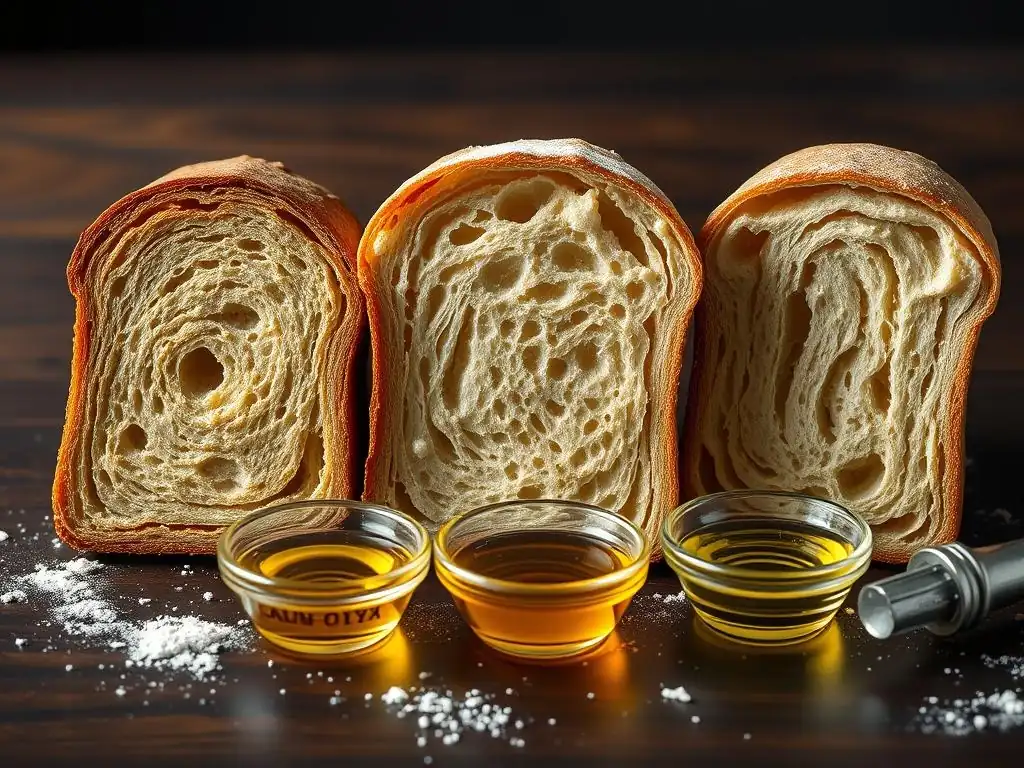
Oil, being a liquid fat at room temperature (for most types used in baking), interacts with dough differently than solid fats like vegan butter alternatives. It disperses very easily and coats gluten strands thoroughly from the start of mixing. This property makes oil particularly effective at tenderizing dough and keeping baked goods moist.
Various oils can be used in vegan bread baking, each offering unique characteristics. The choice of oil will influence the flavor, moisture content, and softness of the final loaf. Incorporating vegan bread baking oil is a straightforward way to add tenderness and moisture to your recipes.
Suitable Oils: Flavor Profiles and Properties
A wide variety of oils are suitable for vegan bread baking, depending on the desired outcome.
- Neutral Oils: Canola, sunflower, grapeseed, or refined coconut oil have minimal flavor and are excellent when you don't want the fat to contribute significantly to the taste, allowing other ingredients to shine. They are often used in standard loaf bread or rolls.
- Flavorful Oils: Extra virgin olive oil adds a distinct fruity or peppery note, perfect for savory breads like focaccia or ciabatta. Unrefined coconut oil imparts a noticeable coconut flavor, which can be interesting in certain sweet or tropical-inspired breads. Sesame oil offers a nutty, aromatic profile, suitable for specific ethnic breads.
The fatty acid composition of the oil affects its properties, such as smoke point and how it behaves at different temperatures, though these are less critical factors in standard bread dough compared to frying.
Advantages of Using Oil: Simplicity and Moistness
One of the primary advantages of using oil in vegan bread baking is its simplicity. It's easy to measure and mix into dough without the need for creaming or softening. This makes oil a convenient choice, especially for no-knead or quick bread recipes.
Oil is also highly effective at contributing to moistness and tenderness. Because it's liquid, it coats gluten strands more uniformly and extensively than solid fat, leading to a very soft crumb. Breads made with oil tend to stay moist longer than those made with solid fats, extending their shelf life slightly. Using vegan bread baking oil can be particularly beneficial in recipes where a very soft, tender crumb is the main goal.
Effect on Bread: Crumb, Texture, and Crust
The effect of oil on bread is distinct. It results in a very tender, often slightly dense crumb structure due to its efficient gluten-shortening properties. The texture is typically soft and moist. Oil also contributes to a softer crust compared to breads made with solid fat or no fat.
- Crumb: Very tender, soft, often slightly tighter than with solid fat.
- Texture: Moist, soft, stays fresh longer.
- Crust: Softer, less crisp than lean breads or those made with solid fat.
For example, many sandwich bread recipes benefit from using vegan bread baking oil to achieve that signature soft, pillowy texture. A typical recipe might use 5-10% oil based on flour weight for a soft crumb. A focaccia might use 10-15% olive oil for richness, flavor, and a moist, open crumb structure.
Side-by-Side Comparison: Vegan Butter Alternatives vs. Oil
Choosing between vegan butter alternatives and oil for your vegan bread baking depends heavily on the desired outcome. Both have merits and drawbacks, influencing everything from flavor and texture to practical considerations like ease of use and cost. Understanding these differences is key to selecting the best fat for your specific recipe.
Let's break down the comparison across several key aspects.
Flavor Impact: Nuance and Intensity
Vegan butter alternatives are often designed to mimic the flavor of dairy butter, providing a rich, sometimes slightly tangy note to the bread. The intensity of this flavor can vary between brands and the specific oils used in the alternative.
Oils offer a wider spectrum of flavor possibilities, from completely neutral (like canola) to intensely flavored (like olive or unrefined coconut). Using vegan bread baking oil allows you to either let the bread's natural flavors dominate or introduce specific aromatic notes depending on the oil chosen.
Texture and Crumb: Achieving Desired Results
This is where the physical state of the fat makes a significant difference.
- Vegan Butter Alternatives: Their solid state at room temperature contributes to tenderness by interfering with gluten development as they melt during baking. They often result in a crumb that feels rich and slightly more structured than oil-based breads. Useful for recipes where creaming is involved or a slightly firmer crumb is desired.
- Oil: Being liquid, oil disperses more evenly from the start, leading to maximum gluten inhibition and thus a very tender, soft crumb. This is ideal for achieving that melt-in-your-mouth softness in sandwich loaves or rolls. Using vegan bread baking oil is the go-to for ultra-soft textures.
Consider the typical crumb structure: vegan butter alternatives might yield a crumb similar to traditional enriched bread, while oil often produces a crumb akin to many commercial soft loaves.
Ease of Use and Availability: Practical Considerations
Oil generally wins on ease of use. It's liquid and can be poured and measured easily, often simply whisked into wet ingredients. Vegan butter alternatives, being solid, require softening or melting depending on the recipe step, which adds a minor extra step.
Availability is usually good for both. Most supermarkets carry a variety of vegan butter alternatives and a wide selection of oils suitable for vegan bread baking. Specific or artisan vegan butter brands might be harder to find, but basic options are widely available. Similarly, common cooking oils are ubiquitous.
Cost Analysis: Budget-Friendly Baking
Cost can vary. Generic vegetable oils (like canola or sunflower) are typically among the most cost-effective fat options available for vegan bread baking. More specialized oils (like extra virgin olive oil or unrefined coconut oil) can be more expensive.
Vegan butter alternatives generally cost more per pound than common cooking oils. The price varies depending on the brand, ingredients (e.g., those using shea or cocoa butter might be pricier), and whether they are organic or specialty formulations. If budget is a primary concern, using vegan bread baking oil, particularly a neutral vegetable oil, is often the cheaper route.
Here's a simple task list comparison:
- Flavor:
- [ ] Vegan Butter: Buttery, rich.
- [ ] Oil: Neutral to specific (olive, coconut, etc. ).
- Texture:
- [ ] Vegan Butter: Tender, rich, slightly structured crumb.
- [ ] Oil: Very soft, moist, tender crumb.
- Ease of Use:
- [ ] Vegan Butter: Requires softening/melting.
- [ ] Oil: Easy liquid measurement.
- Cost:
- [ ] Vegan Butter: Generally higher.
- [ ] Oil: Generally lower (especially neutral oils).
Selecting the Right Fat: Key Considerations for Vegan Bread
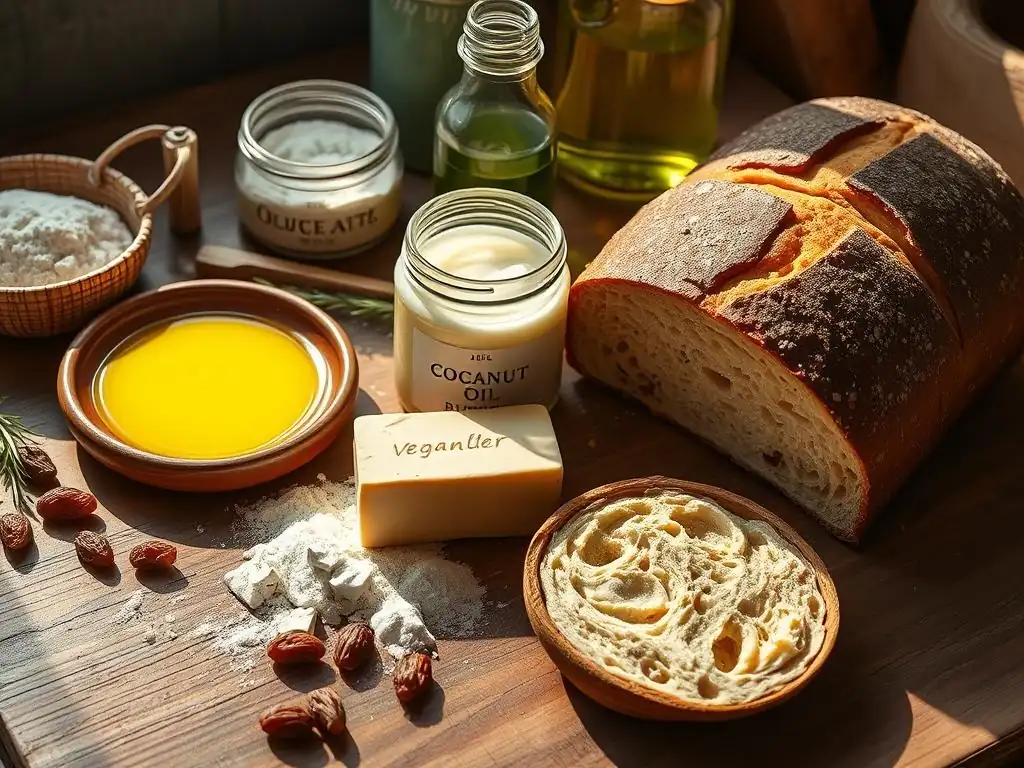
Choosing between vegan butter alternatives and oil is not about declaring one definitively "better" than the other. It's about understanding their properties and matching them to the specific requirements of your recipe and your desired outcome. The "best" fat is the one that helps you achieve the texture, flavor, and structure you envision for your vegan bread.
Several factors should guide your decision-making process when selecting a fat for vegan bread baking. Considering the type of bread you are making, your texture goals, and your flavor preferences will lead you to the optimal choice.
Recipe Matching: Fat to Bread Type
Certain types of bread traditionally call for specific kinds of fat, and these roles translate well to vegan alternatives.
- Enriched Breads (Brioche, Challah, Sweet Rolls): These often require a solid fat like vegan butter alternatives to achieve their characteristic richness, structure, and ability to be kneaded extensively without becoming tough. The creaming method (if used in a sweet dough) also necessitates a solid fat.
- Soft Loaf Breads and Rolls: These benefit greatly from the tenderness and moisture provided by oil. Using vegan bread baking oil is excellent for achieving that desired soft, pillowy crumb.
- Savory Breads (Focaccia, Some Rustic Loaves): Often call for olive oil, which provides both moisture and a distinctive flavor.
- Lean Breads (Baguettes, Ciabatta): Traditionally use minimal or no fat, relying on hydration and fermentation for texture. Adding significant fat (either vegan butter or oil) would fundamentally change their character.
Matching the fat type to the bread's traditional style or the recipe's design is a strong starting point.
Texture Goals: Desired Crumb Structure
Think about the texture you want to achieve. Do you want a bread with a rich, slightly structured crumb that holds up well when sliced, perhaps for French toast or sandwiches with substantial fillings? A vegan butter alternative might be the better choice.
Or are you aiming for an incredibly soft, tender, and moist crumb that compresses easily and is perfect for delicate sandwiches or simply enjoying on its own? In this case, using vegan bread baking oil is likely the way to go. For example, a soft dinner roll recipe would benefit from the tenderness oil provides, while a vegan babka would rely on vegan butter for richness and workability.
Flavor Preferences: Complementing Ingredients
Consider the flavor profile you are building. If you want a classic "buttery" taste to be part of the bread's identity, a good quality vegan butter alternative is necessary. This is especially true in sweet enriched doughs where butter flavor is expected.
If you prefer a neutral base that allows the flavor of the flour, yeast, or other additions (like herbs, cheese alternatives, or spices) to stand out, a neutral vegan bread baking oil like canola or sunflower is ideal. Alternatively, if you want to introduce a specific flavor, such as the robust taste of olive oil in a Mediterranean loaf or the subtle sweetness of coconut oil, choose that specific oil.
Recipe Recommendations: Specific Fat Pairings
Based on common bread types and desired outcomes, here are some general recommendations:
- Soft Sandwich Loaves/Rolls: Neutral oil (canola, sunflower) - typically 5-10% of flour weight. Using vegan bread baking oil ensures maximum tenderness and moisture.
- Enriched Sweet Doughs (Brioche, Challah, Cinnamon Rolls): Vegan Butter Alternative - often 15-25% or more of flour weight for richness and structure.
- Focaccia/Ciabatta: Extra Virgin Olive Oil - can be 10-20% or more, incorporated into the dough and drizzled on top for flavor and texture.
- Muffins/Quick Breads (often categorized with bread): Oil is very common for moisture and tender crumb, typically 10-20% of flour weight or based on volume.
- Rustic Artisan Loaves: Often minimal or no fat.
These are general guidelines; specific recipes will provide precise quantities. Experimentation with vegan bread baking oil and vegan butter alternatives within these types can help you find your favorite results.
Troubleshooting: Common Issues and Solutions
Even with the right ingredients, baking can sometimes present challenges. When working with vegan fats in bread dough, specific issues can arise related to their unique properties. Knowing how to identify and address these problems is crucial for consistent success in your vegan bread baking endeavors.
Common issues might include dough that is too sticky or too dry, bread that doesn't rise properly, or undesirable textures in the final crumb or crust. Understanding the role of fat in these scenarios helps in diagnosing and fixing the problem.
Vegan Butter Alternative Issues: Solutions and Tips
- Dough too stiff/hard to knead: If your vegan butter alternative was too cold when added, it might not incorporate properly, leading to a lumpy or stiff dough. Solution: Ensure the vegan butter is at the temperature specified in the recipe (softened, melted, or chilled) before adding. If adding solid pieces (like for biscuits or pastries), ensure it's cold but not frozen solid.
- Lack of richness or flavor: Not all vegan butter alternatives are created equal in terms of flavor. Solution: Try a different brand known for a good buttery taste. Ensure you are using enough fat for the type of enriched bread you are making; recipes often specify percentages relative to flour weight (e.g., 10-25%).
- Dough feels greasy: Using too much vegan butter alternative or not incorporating it properly can result in a greasy dough. Solution: Measure accurately. If adding softened butter, ensure it is fully incorporated before proceeding. If the dough feels excessively greasy, it might be over-fatted for the recipe type. Consider reducing the fat slightly in future attempts (e.g., by 10-15%).
Oil Issues: Prevention and Remedies
- Dough too sticky or oily: While oil makes dough tender, too much can make it unmanageably sticky or result in a greasy baked product. Prevention: Measure your vegan bread baking oil accurately. Oil is 100% fat, unlike vegan butter which contains water, so substituting oil directly for softened butter (especially by volume) might require adjustment – often slightly less oil is needed by weight compared to butter. Remedy: If the dough is too sticky, gradually add small amounts of flour during kneading until it reaches the desired consistency, being careful not to add too much.
- Bread lacks structure/is too dense: While oil tenderizes, excessive oil or insufficient gluten development can lead to a dense loaf that doesn't hold its structure well. Solution: Ensure adequate kneading time to develop gluten, which provides the necessary structure to support the rise. Check your recipe's fat percentage; for standard loaf bread, staying within the 5-10% range (based on flour weight) is common to balance tenderness and structure.
- Undesirable oil flavor: Using an oil with a strong flavor profile where a neutral one was intended can ruin the bread's taste. Prevention: Pay attention to the type of vegan bread baking oil specified or implied by the recipe and bread type. Use neutral oils for recipes where a clean flavor is desired.
Recipe Adjustments: Optimizing Results
Sometimes, a recipe might need slight adjustments based on the specific vegan fat you are using or your environment (humidity, altitude).
- If substituting oil for solid vegan butter in a recipe not designed for it: Start by using about 80-85% the weight of oil compared to the called-for butter, accounting for the water content in butter. Monitor the dough consistency and adjust liquid slightly if needed.
- If substituting solid vegan butter for oil: You might need to slightly increase the liquid in the recipe to compensate for the water content in the butter. Also, consider if the recipe technique (e.g., creaming) is suitable for solid fat.
Keep a baking journal to note adjustments and results, helping you refine your vegan bread baking oil and vegan butter usage over time.
Expert Tips: Mastering Vegan Bread with Fat
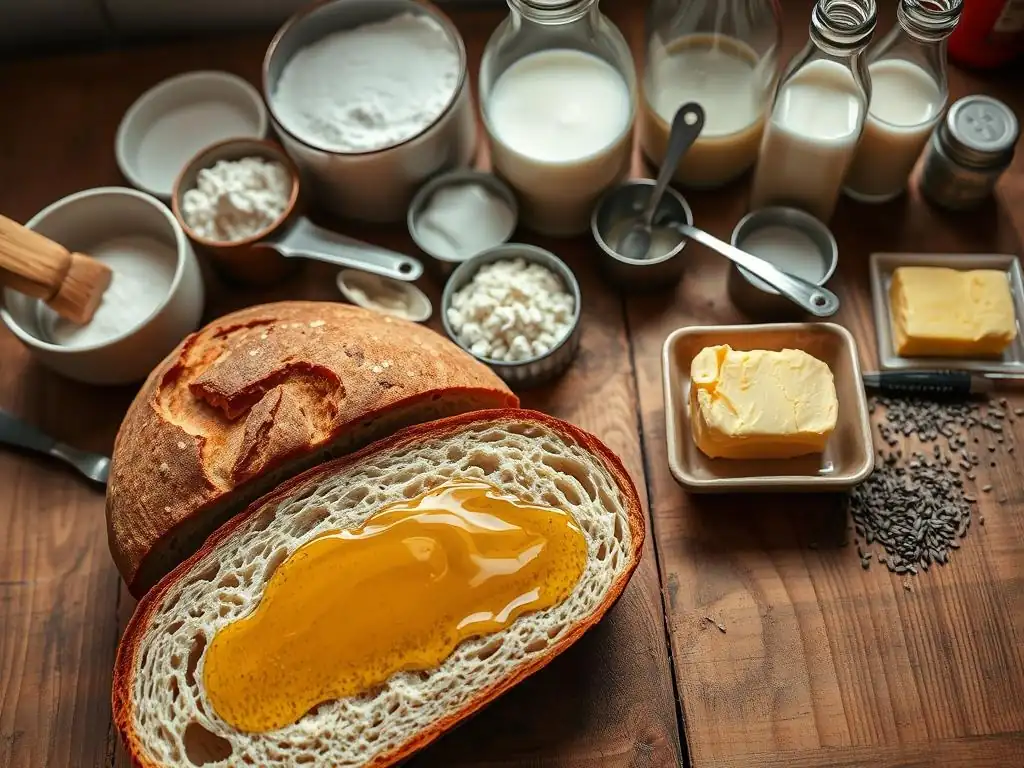
Achieving consistently excellent results in vegan bread baking, especially when working with fats, comes with practice and attention to detail. Experienced bakers understand how small adjustments can significantly impact the final loaf. These tips focus on refining your technique and understanding the nuances of how different fats behave in dough.
By paying attention to ingredient temperatures, mixing techniques, and the characteristics of your chosen fat, you can elevate your vegan bread baking from good to truly exceptional.
Achieving Professional Results: Advanced Techniques
- Temperature Control: Just as with traditional baking, temperature matters. Ensure vegan butter alternatives are at the correct consistency (softened, chilled, melted) as specified by the recipe step. For oil, using it at room temperature is usually fine, but ensure other ingredients like liquids aren't excessively cold, which can stiffen the dough.
- Proper Incorporation: Whether using solid or liquid fat, ensure it is fully incorporated into the dough. For vegan butter alternatives added as softened chunks, knead until smooth. For vegan bread baking oil, ensure it's evenly distributed during the initial mixing phase. Proper fat distribution prevents greasy spots or uneven texture.
- Understanding Gluten Development: Fat inhibits gluten. In enriched doughs with high fat content (like vegan brioche with lots of vegan butter), gluten development will be slower and require more careful kneading (or longer resting periods) compared to lean doughs. Don't be discouraged if a high-fat dough feels different or takes longer to become smooth and elastic.
Optimizing Flavor and Texture: Enhancing Quality
- Taste Test Your Fat: Before using a new vegan butter alternative or vegan bread baking oil, taste it! Does the vegan butter taste truly buttery? Does the oil have a neutral or pleasant flavor? This simple step helps avoid disappointment.
- Consider Fat Percentage: Be mindful of the fat percentage relative to the flour. More fat generally means a richer, more tender crumb. Lean breads (0-5% fat) are chewy and crusty. Soft loaves (5-10% fat) use oil for tenderness. Enriched breads (10-25%+ fat) use solid fat for richness and structure. Adjusting within these ranges can fine-tune texture.
- Don't Skimp on Quality (Within Reason): While budget is a factor, using rancid oil or a poor-quality vegan butter alternative will negatively impact flavor. Store fats properly (oils away from light/heat, vegan butter refrigerated) to maintain freshness. A slightly higher investment in a good vegan bread baking oil or butter alternative can pay off in taste.
Storing Vegan Bread: Maintaining Freshness
The type of fat used can influence how well your vegan bread stores. Breads made with a good amount of fat, especially oil, tend to stay moist longer than lean breads.
- Storage Method: Store bread in a bread box, paper bag, or wrapped loosely at room temperature. For longer storage, slice and freeze cooled bread in airtight bags.
- Reheating: Reheating slices in a toaster or warming a whole loaf gently in the oven can refresh the texture, especially for breads made with solid fat. Oil-based breads tend to remain softer even when cool.
Proper storage helps maintain the texture and flavor imparted by your carefully chosen vegan bread baking oil or vegan butter alternative.
Conclusion: Choosing the Best Fat for Vegan Bread
Navigating the world of vegan bread baking fats involves understanding the distinct properties of vegan butter alternatives and various oils. Neither is universally superior; the best choice depends entirely on the specific bread recipe, the desired texture, and the flavor profile you aim to achieve. Making informed decisions about your vegan bread baking oil and vegan butter usage is key to successful plant-based baking.
By considering the characteristics of each fat, matching it to the recipe type, and understanding its impact on crumb, crust, and flavor, you can consistently bake delicious vegan bread.
Recap: Key Considerations
We've explored the roles of fat in bread, the composition and effects of vegan butter alternatives, and the types and impacts of using oil in vegan bread baking. Key takeaways include:
- Vegan butter alternatives are good for richness, buttery flavor, and structured, tender crumbs in enriched doughs.
- Oil is excellent for achieving maximum tenderness, moistness, and a soft crumb, especially in soft loaf breads and rolls.
- The choice of specific oil offers a range of flavor profiles, from neutral to distinct.
- Ease of use and cost often favor oil, while specific techniques like creaming necessitate solid fat.
- Matching the fat to the recipe type and your texture/flavor goals is paramount.
Final Thoughts: Vegan Butter Alternatives vs. Oil
Ultimately, the choice between vegan butter alternatives and oil for vegan bread baking is a powerful lever for controlling the final product. Experimentation is encouraged! Try baking the same recipe with both types of fat (adjusting quantities if necessary) to see and taste the difference firsthand. This hands-on experience is invaluable for becoming a confident vegan baker. Embrace the versatility that plant-based fats offer in creating a diverse range of delicious vegan breads, from crusty focaccia made with olive oil to soft sandwich loaves perfected with vegan bread baking oil.
Further Resources: Recipe Collections and Guides
To continue your vegan bread baking journey, explore recipes specifically designed for plant-based ingredients. Look for guides that explain the science behind vegan substitutions and how different fats perform in various contexts. Many online resources and cookbooks offer collections of vegan bread recipes that utilize both vegan butter alternatives and various types of vegan bread baking oil, providing tested ratios and techniques. Happy baking!
Frequently Asked Questions
What are the main differences between using vegan butter and vegan bread baking oil in bread recipes?
Vegan butter often contributes a richer flavor and softer texture, while vegan bread baking oil provides a lighter crumb and longer shelf life. The choice depends on your desired outcome.
Can I substitute vegan butter for vegan bread baking oil (or vice-versa) directly in any bread recipe?
Not always. You may need to adjust the liquid content in the recipe because vegan butter contains water, unlike vegan bread baking oil.
What types of vegan bread baking oil are recommended for bread making, and why?
Neutral-flavored oils like canola, sunflower, or grapeseed oil are generally recommended as they don't overpower the bread's flavor. Olive oil can be used for a distinct taste.
Does using vegan bread baking oil affect the crust of the bread compared to using vegan butter?
Yes, vegan bread baking oil often results in a crispier crust, while vegan butter can lead to a softer, more tender crust.
How does the use of vegan bread baking oil impact the overall healthiness of the bread compared to using vegan butter?
Vegan bread baking oil, especially unsaturated varieties, can be a healthier option due to its lower saturated fat content compared to some vegan butter alternatives.
Final Reflection: The Golden Ratio of Vegan Bread Baking
The quest for the perfect vegan loaf hinges on more than just flour and water; the choice between vegan butter and oil profoundly impacts texture, flavor, and overall baking success. This exploration into the nuances of vegan butter and oil in bread baking reveals a surprising complexity, challenging the notion of a single "best" option. The ideal choice, as we've seen, depends heavily on the desired outcome and the baker's individual preferences.
The impact of this seemingly simple decision extends beyond the individual kitchen. As veganism continues to grow in popularity, the demand for accessible and delicious vegan baked goods increases exponentially. This necessitates a deeper understanding of ingredient functionality, pushing innovation within the vegan baking community. The most beautiful discovery true friends make is that they can grow separately without growing apart.
– Elisabeth Foley. This quote, while not directly about baking, resonates with the diverse approaches to vegan bread baking; different methods can coexist and contribute to a richer culinary landscape.
Now, consider your own baking journey. What have you learned about the subtle interplay of ingredients? Will you experiment with both vegan butter and oil in your next loaf, embracing the unique qualities each brings? Perhaps you'll discover your own "golden ratio," a perfect balance tailored to your taste and baking style. The world of vegan baking is vast and exciting; let this exploration be a springboard for your own creative endeavors in the kitchen. Embrace the experimentation, savor the results, and share your discoveries with others.
Unleash Your Inner Baker: Take the Next Step!
Thanks for exploring the world of vegan baking with us! You've now learned the key differences between using vegan butter and oil in bread—powerful knowledge for your next baking adventure. Ready to put this newfound expertise to the test?
- Bake your dream loaf: Choose your favorite bread recipe and substitute either vegan butter or oil based on your preferred texture and outcome, then share your results with us!
- Experiment with different brands: Try substituting different brands of vegan butter or oil to see how they affect the final product.
- Join our baking community: Share your experiences and recipes on our social media channels! Let's inspire each other!
What unique twist will you add to your next vegan bread creation?