
Emulsification Myths Debunked for the Home Baker

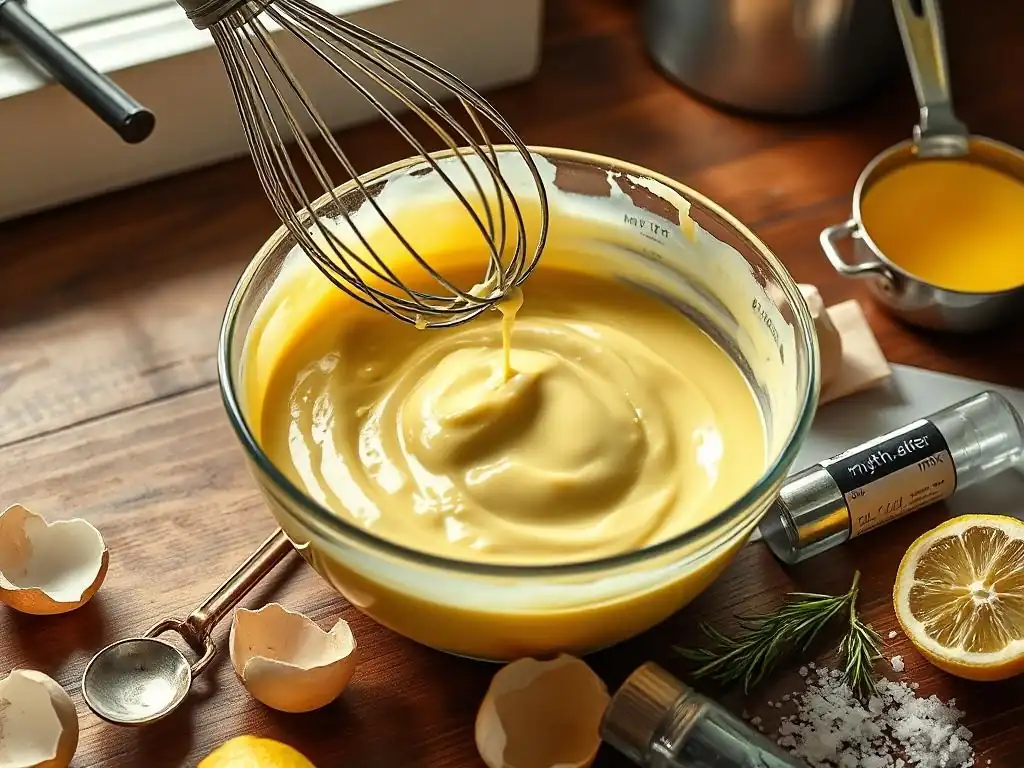
Welcome to BakeWithEase, your culinary sanctuary for all things baking! Ever wondered if everything you know about emulsification in baking is actually true? Prepare to have your assumptions challenged. We're diving deep into the science behind this essential technique, debunking common myths and revealing the secrets to achieving perfectly smooth batters and flawless textures. Get ready to unlock a new level of baking confidence – the truth about emulsification baking myths explained is just a scroll away!
- Emulsification Baking Myths Explained for the Home Baker: BakeWithEase
- Introduction to Emulsification in Baking: Separating Fact from Fiction
- Myth #1: All Fats and Liquids Mix Easily in Baking
- Myth #2: Emulsification Only Matters in Cakes
- Myth #3: A Mixer is Always Required for Proper Emulsification
- Myth #4: Over-Emulsifying is Impossible
- Myth #5: Emulsifiers are Always Artificial Additives
- Myth #6: Temperature Doesn't Affect Emulsification
- Myth #7: Emulsification Problems Are Always Due to the Recipe
- Conclusion: Mastering Emulsification for Baking Perfection
-
Frequently Asked Questions
- What exactly is emulsification in baking, and why is it important?
- Is it true that you always need a specialized emulsifier like lecithin for successful baking emulsifications?
- What happens if an emulsion "breaks" or separates during baking?
- Is it essential to bring ingredients to room temperature for proper emulsification?
- Are there specific techniques that improve emulsification when making cakes or pastries?
- Final Reflection: The Delicious Truth About Emulsions
- Unlock Your Baking Potential: Master Emulsification Today!
Emulsification Baking Myths Explained for the Home Baker: BakeWithEase
Introduction to Emulsification in Baking: Separating Fact from Fiction
Baking is often described as a science, and at its heart lies the fascinating process of emulsification. Simply put, emulsification is the act of forcing two things that don't naturally mix – like oil and water – to combine and stay combined. In the world of baked goods, mastering this technique is crucial for achieving desirable textures, flavors, and stability.
Without proper emulsification, you might end up with a greasy cake, a crumbly cookie, or a separated sauce. Understanding this fundamental concept is key to elevating your baking skills from following a recipe to truly understanding why it works. Let's explore some common misconceptions about emulsification in baking and set the record straight.
This article aims to debunk popular emulsification baking myths explained in simple terms for the home baker. We'll dive into the science without getting bogged down in jargon, providing practical insights and tips you can use in your kitchen. Whether you're tackling a complex pastry cream or just trying to get your cake batter perfectly smooth, understanding the role of emulsification is essential for consistent, delicious results. By separating fact from fiction, you'll gain confidence and control over your baking processes.
Why Understanding Emulsification Matters for Baking Success
Understanding emulsification isn't just academic; it has a direct impact on the quality of your baked goods. A stable emulsion ensures that fats and liquids are evenly distributed throughout your batter or dough. This even distribution is vital for creating the proper structure and texture. For example, in a cake batter, a well-emulsified mixture leads to a finer, more tender crumb structure because the fat coats the flour particles evenly, inhibiting gluten development while keeping the mixture cohesive. Conversely, poor emulsification can result in tunneling, a dense texture, or a greasy mouthfeel.
Beyond texture, emulsification also affects flavor and appearance. Fats carry many flavor compounds, and their even distribution ensures that taste is consistent throughout the bite. In glazes or sauces, a stable emulsion provides a smooth, glossy finish that is visually appealing and pleasant on the palate. Think of a perfectly smooth hollandaise sauce or a rich ganache – both are classic examples of successful emulsifications. Mastering the principles behind emulsification baking myths explained helps you troubleshoot issues and consistently produce high-quality results.
Common Misconceptions About Emulsification in Home Baking
Many home bakers encounter challenges with emulsification without even realizing it. There are several prevalent myths that can lead to frustration and inconsistent outcomes. One common misconception is that simply mixing ingredients together is enough to create a stable emulsion, overlooking the need for specific techniques or ingredients. Another myth is that emulsification is only relevant for certain types of bakes, like mayonnaise or hollandaise, when in reality, it plays a critical role in nearly all baked goods, from breads to cookies.
Other misunderstandings revolve around the tools and ingredients used. Some believe a powerful stand mixer is always necessary, while others might think adding any fat or liquid will inevitably lead to separation if not mixed perfectly. We'll address these and other common emulsification baking myths explained in detail, providing you with accurate information and practical strategies to improve your baking.
Myth #1: All Fats and Liquids Mix Easily in Baking
One of the most fundamental emulsification baking myths explained is the idea that fats and liquids will naturally combine with simple mixing. This is inherently false. Fats, like oils and melted butter, and liquids, like water, milk, or eggs, are fundamentally different substances that do not dissolve in each other. When left undisturbed, they will always separate into distinct layers, with the less dense substance (usually fat) floating on top. This is easily observed when making a simple vinaigrette dressing, which requires vigorous whisking to temporarily combine the oil and vinegar before they quickly separate again.
The natural incompatibility of fats and liquids is due to their chemical structures. Fats are non-polar, meaning their molecules have an even distribution of electrical charge. Water and many other liquids used in baking (like milk or egg whites) are polar, meaning their molecules have uneven charge distribution, creating positive and negative poles. Polar substances are attracted to other polar substances, and non-polar substances are attracted to other non-polar substances. However, there's little attraction between polar and non-polar molecules, causing them to repel each other.
The Reality: The Science Behind Fat and Liquid Separation
The scientific principle behind fat and liquid separation is based on their molecular polarity and the concept of solubility. As mentioned, polar liquids like water are excellent solvents for other polar substances (like salt or sugar) because their charged molecules can interact and bond. Non-polar fats are good solvents for other non-polar substances.
However, when you mix a polar liquid and a non-polar fat, the polar molecules are much more attracted to each other than to the non-polar fat molecules. They essentially push the fat molecules out of the way, causing them to clump together and separate from the liquid phase.
This separation is why simply pouring oil into water and stirring briefly doesn't create a stable mixture. To overcome this natural tendency, we need to introduce a third component: an emulsifier. An emulsifier is a substance with molecules that have both a polar (hydrophilic, or water-attracting) end and a non-polar (hydrophobic, or fat-attracting) end. These unique molecules act as intermediaries, bridging the gap between the fat and liquid phases and allowing them to disperse evenly within each other, forming a stable emulsion.
Understanding Polar and Non-Polar Substances in Baking
Identifying the polar and non-polar components in your baking ingredients is crucial for understanding how they interact and how emulsification works.
- Polar (Hydrophilic) Substances:
- Water
- Milk (contains mostly water)
- Egg whites
- Sugar
- Salt
- Honey (contains mostly sugar and water)
- Buttermilk
- Non-Polar (Hydrophobic) Substances:
- Oils (vegetable oil, olive oil, etc.)
- Melted butter (fat portion)
- Shortening
- Lard
- Chocolate (cocoa butter fat)
Ingredients like whole eggs and butter are interesting because they contain both polar and non-polar components, along with natural emulsifiers. Whole eggs contain water (polar), fat in the yolk (non-polar), and lecithin (an emulsifier) primarily in the yolk. Butter contains butterfat (non-polar), water (polar), and milk solids, which contain some emulsifying proteins. Understanding these properties helps explain why creaming butter and sugar (polar and non-polar with some emulsification help from butter solids) is a foundational step in many cake recipes – it starts building an emulsion structure early on.
Myth #2: Emulsification Only Matters in Cakes
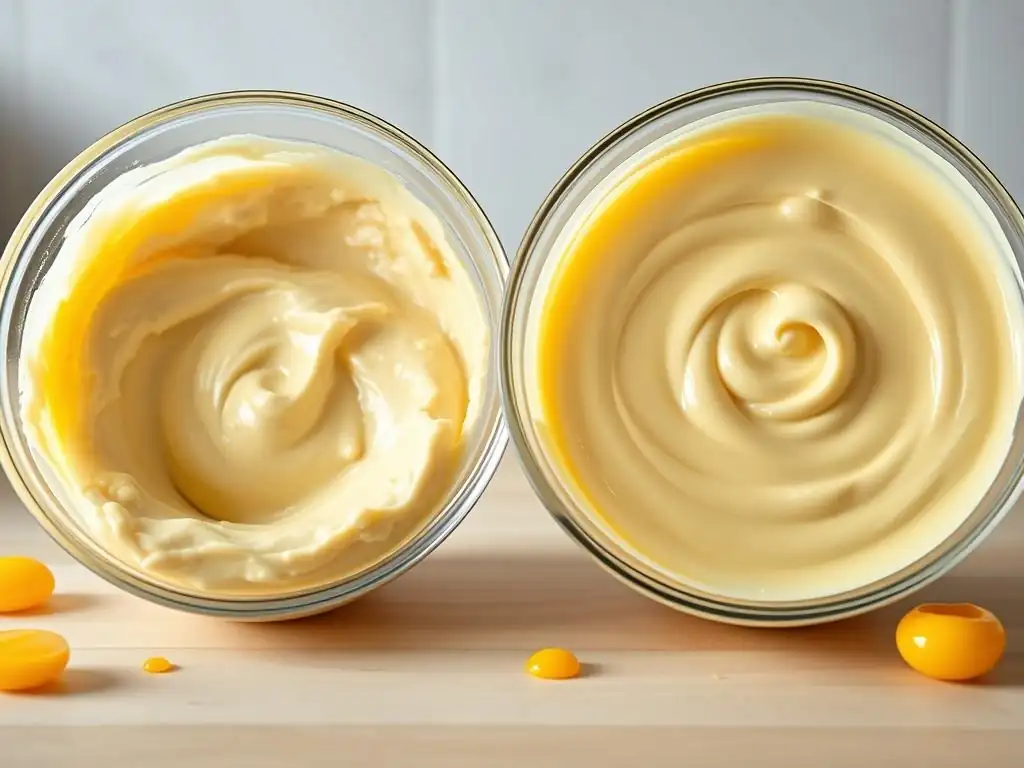
While emulsification is undeniably critical for achieving the fine, tender crumb characteristic of many cakes, it's a misconception that its importance stops there. Emulsification plays a vital, though sometimes less obvious, role in almost every category of baked goods. From creating flaky layers in pastries to ensuring a smooth texture in custards and improving the structure of certain breads, understanding emulsification baking myths explained reveals its pervasive influence. Dismissing its importance outside of cakes limits a baker's ability to troubleshoot and optimize other recipes.
Consider cookies, for example. While some cookies rely on minimal mixing for a more rustic texture, many, especially those aiming for a chewy or slightly tender result, benefit significantly from proper emulsification during the creaming stage of butter and sugar. The emulsion helps distribute the fat evenly, which affects spread and texture. In breads, while gluten development is primary, incorporating fats or enriching ingredients like eggs or milk requires emulsification to integrate them smoothly into the dough without hindering gluten formation or creating greasy pockets.
Emulsification is fundamental to the structure and texture of many non-cake items. In pastries like croissants or puff pastry, while the distinct layers are created by folding fat (often butter) into dough, the quality of the initial dough and the ability of the small amount of fat within the dough itself to be integrated smoothly relies on emulsification principles. A well-emulsified dough is smoother and more extensible, making it easier to work with and contributing to a more even rise and flakiness during baking.
In enriched breads, such as challah or brioche, which contain significant amounts of eggs, milk, and butter, emulsification is essential for incorporating these rich ingredients into the lean dough structure. The emulsifiers present in eggs and milk help bind the fats to the dough's water, preventing greasiness and contributing to a soft, tender crumb and a richer flavor. Without proper emulsification, the fat could separate, interfering with gluten development and leading to a heavy, dense loaf.
Examples of Emulsification in Different Baked Goods
Let's look at specific examples to highlight where emulsification is key:
- Pie Crusts: While flakiness comes from layers of fat melting, the dough itself needs a degree of emulsification. The water added must interact with the flour and a small portion of the fat to form a cohesive dough without becoming greasy. Using cold fat and minimal handling helps control this process, preventing the fat from fully emulsifying, which would result in a mealy, rather than flaky, crust.
- Custards and Curds: Lemon curd or pastry cream are classic emulsions. Egg yolks, containing lecithin, act as the primary emulsifier, binding the fat (often butter or cream) with the liquid (juice, milk, or water) and sugar. Heating and stirring are crucial to help the emulsifiers do their job and create a smooth, stable, thickened mixture that doesn't separate upon cooling. A broken custard is a prime example of failed emulsification.
- Chocolate Ganache: This simple mixture of chocolate and cream is a beautiful emulsion. The cocoa butter in the chocolate is the fat, and the cream contains water and milkfat, along with proteins and phospholipids from the milk that act as emulsifiers. The process of melting the chocolate into the hot cream and whisking creates a stable, glossy emulsion. If the ratio is off or it's not mixed correctly, the ganache can "break," becoming greasy and separated.
These examples illustrate that understanding emulsification baking myths explained is valuable across the baking spectrum, not just for cakes.
Myth #3: A Mixer is Always Required for Proper Emulsification
While modern stand mixers and hand mixers certainly make the process faster and easier, it is a myth that they are strictly necessary for achieving proper emulsification in baking. Skilled bakers have been creating stable emulsions by hand for centuries using simple tools like whisks, spoons, and spatulas. The key isn't the electric appliance itself, but the technique used to apply mechanical energy to the mixture, breaking down the fat into tiny droplets and dispersing them evenly within the liquid phase with the help of an emulsifier.
Manual emulsification requires consistent effort and technique. The goal is to apply shear force – a kind of tearing or spreading action – to the mixture. A whisk is particularly effective because its wires cut through the mixture repeatedly, creating turbulence and breaking down fat globules. A spoon or spatula can also work, especially when pressing ingredients against the side of a bowl, though it generally requires more time and exertion to achieve the same level of dispersion as a whisk or mixer. Understanding emulsification baking myths explained includes knowing that the action is more important than the tool.
Achieving Emulsification by Hand: Techniques and Tips
Achieving a stable emulsion manually is entirely possible and often preferred for certain tasks or smaller batches. Here are some techniques and tips:
- Gradual Addition: This is perhaps the most critical technique. When combining oil and a liquid (like in a mayonnaise base or adding oil to a dough), add the non-polar substance (fat) very slowly in a thin, steady stream while continuously and vigorously whisking the polar substance (liquid). This gives the emulsifier time to surround the tiny fat droplets as they are introduced, preventing them from clumping together.
- Vigorous Whisking: Use a balloon whisk and whisk with rapid, circular motions, ensuring the whisk reaches all parts of the bowl. For thicker mixtures, a sturdy wire whisk is better.
- Temperature Control: As we'll discuss further, temperature is important. Ingredients at the right temperature (often room temperature for cake batters or specific temperatures for sauces) emulsify more readily by hand.
- Starting with the Emulsifier: Often, you'll start by whisking the emulsifier (like egg yolks) with a small amount of the liquid before beginning the slow addition of the fat. This helps activate the emulsifier. For example, when making hollandaise, you start with egg yolks and lemon juice before slowly whisking in melted butter.
[ ] Gather ingredients at correct temperatures.
[ ] Prepare your whisk and bowl.
[ ] Combine initial emulsifier and liquid.
[ ] Slowly drizzle in fat while whisking vigorously.
[ ] Continue whisking until mixture is thickened and stable.
When to Use a Mixer vs. Manual Emulsification
The choice between using a mixer and emulsifying by hand often comes down to volume, viscosity, and desired outcome.
- Use a Mixer When:
- Dealing with large volumes of batter or dough (e.g., a large cake recipe).
- Working with stiff mixtures that require significant force (e.g., creaming cold butter and sugar).
- Speed and consistency are paramount (e.g., commercial baking or complex recipes with multiple steps).
- Incorporating a lot of air while emulsifying (e.g., whipping egg yolks or making a light, airy batter).
- Example: Creaming 1 cup of butter with 2 cups of sugar for a large butter cake recipe is significantly easier and more effective with a stand mixer over 5-7 minutes than attempting it by hand, which would take much longer and be physically demanding.
- Use Manual Emulsification When:
- Working with small volumes (e.g., a single serving of mayonnaise or a small amount of glaze).
- Making delicate sauces or custards where precise control over texture is needed.
- Incorporating ingredients very slowly into an existing mixture.
- You don't have access to a mixer.
- Example: Whisking a small amount of oil into egg yolks for a binding agent in a sauce, or making a quick vinaigrette, is perfectly suited for manual whisking.
Both methods are valid; understanding the principles behind emulsification baking myths explained allows you to choose the best tool for the job.
Myth #4: Over-Emulsifying is Impossible
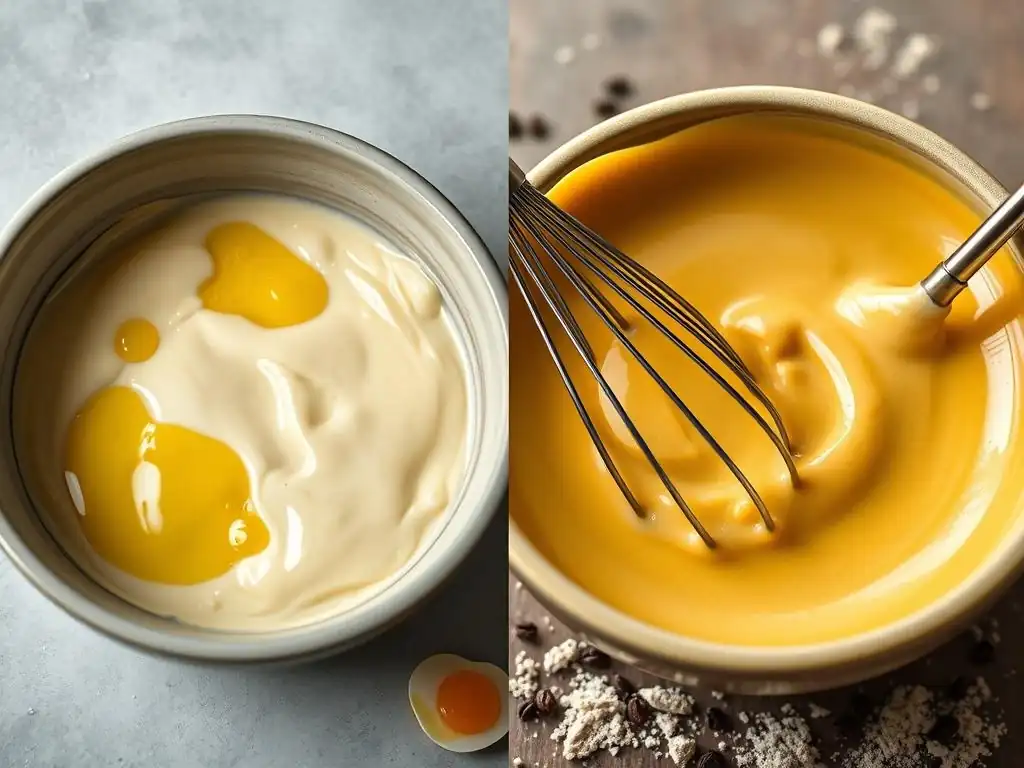
While the goal of emulsification is to create a stable mixture, it is indeed possible to over-emulsify, or more accurately, to over-mix a batter or dough during the emulsification process, leading to undesirable results. This is particularly relevant in baking where ingredients like flour and eggs are present, as over-mixing can have consequences beyond just the emulsion's stability. The idea that "more mixing is always better" is a harmful emulsification baking myth explained here.
Over-mixing a batter containing flour can lead to excessive gluten development. While some gluten is necessary for structure in things like bread, too much gluten in a cake or muffin batter results in a tough, chewy texture, tunnels, and a less tender crumb. When you mix vigorously, you're not just dispersing fat and liquid; you're also developing gluten strands from the flour proteins when moisture is present. The mechanical action that aids emulsification also promotes gluten formation.
The Dangers of Over-Emulsification in Baking: Texture and Flavor Impacts
Over-mixing, especially after flour has been added to a batter, has several negative consequences:
- Tough Texture: As mentioned, excessive gluten development creates a dense, rubbery texture, ruining the desired tenderness of cakes, muffins, or quick breads. Imagine a muffin that bounces back when squeezed – that's often a sign of over-mixing and too much gluten.
- Tunnels: Over-mixing creates elongated air pockets or tunnels within the baked good, particularly noticeable in muffins and loaves. This is a visual indicator of poor texture caused by overdeveloped gluten trapping gases unevenly.
- Reduced Volume: A tough, over-mixed batter doesn't rise as well because the rigid gluten structure inhibits the expansion caused by leavening agents.
- Dryness: Over-mixing can sometimes lead to a perception of dryness, even if the moisture content is correct, because the texture is dense and less crumbly.
- Potential Flavor Issues: While less direct, a poor texture can negatively impact the perception of flavor. A tough bite distracts from the intended taste.
Consider a standard muffin recipe. Mixing until just combined (around 10-15 seconds after adding dry ingredients) results in a tender, slightly crumbly texture. Over-mixing for 30-45 seconds or longer will likely produce muffins with a tough, chewy interior and noticeable tunnels.
Identifying and Preventing Over-Emulsification
Identifying over-mixing is often easier in hindsight after the item is baked, but there are signs during the process:
- Batter Appearance: The batter becomes smooth, elastic, and shiny, losing its lumpy or slightly textured appearance typical of a properly mixed quick bread or muffin batter.
- Resistance: The batter will feel thicker and more resistant as you mix, indicating gluten development.
Preventing over-mixing, and thus issues related to 'over-emulsification' in the context of batter, is straightforward:
[ ] Follow recipe instructions regarding mixing time/method *precisely*.
[ ] Mix wet and dry ingredients *only* until just combined. A few small lumps are acceptable and often desirable in muffins and quick breads.
[ ] Use the correct speed on your mixer – often low speed after flour is added.
[ ] Scrape down the bowl sides frequently to ensure even mixing without overworking the whole batch.
[ ] Understand the stages of mixing: creaming (emulsification focus, can mix longer), adding eggs (emulsification), adding dry/wet (incorporation focus, mix minimally).
By being mindful of mixing times, especially after adding flour, you can achieve the necessary emulsification for structure and texture without developing excessive gluten. This is a key part of mastering emulsification baking myths explained for practical application.
Myth #5: Emulsifiers are Always Artificial Additives
When discussing emulsification, some people picture laboratory-created substances with complex names. While artificial emulsifiers (like polysorbates or diglycerides) are used in commercial baking to extend shelf life and improve texture consistency on a large scale, it is a significant myth that emulsifiers are always artificial additives. Nature provides powerful and effective emulsifiers that have been used in home baking for centuries. Understanding these natural emulsifiers is key to appreciating the simplicity and effectiveness of traditional baking methods and debunking emulsification baking myths explained.
Many common baking ingredients contain natural compounds that act as emulsifiers. These ingredients not only help bind fats and liquids together but also contribute flavor, moisture, and structure to the baked good. Relying on natural emulsifiers is fundamental to many classic recipes and aligns perfectly with simple, home-based baking.
Natural Emulsifiers in Baking: Eggs, Honey, and More
Several everyday ingredients found in your pantry are natural emulsifiers:
- Eggs: This is arguably the most important natural emulsifier in baking. Egg yolks, in particular, are rich in lecithin (phosphatidylcholine), a phospholipid that is an excellent emulsifier. The lecithin molecule has a portion that is attracted to water and a portion that is attracted to fat, allowing it to bridge the gap between the two. Egg whites also contain proteins that have some emulsifying properties, though less potent than yolk lecithin.
- Example: The stability of mayonnaise (an oil-in-water emulsion) relies almost entirely on the lecithin in egg yolks. In cakes, eggs help create a smooth batter by binding the fat and liquid, contributing to a fine crumb.
- Honey: Honey contains small amounts of proteins and gums that act as natural emulsifiers. Its hydrophilic (water-attracting) properties also help it bind with fats, contributing to moisture and tenderness in baked goods.
- Example: Using honey in bread dough or muffins can help keep them moist and prevent fats from separating.
- Mustard: While not a typical baking ingredient for sweet goods, mustard is a potent emulsifier (due to mucilage and proteins) often used in savory applications like vinaigrettes.
- Buttermilk: Contains proteins (casein) and phospholipids from the milkfat globule membrane that have emulsifying capabilities.
- Cocoa Powder: Contains lecithin and other compounds that can help stabilize emulsions in chocolate baked goods.
- Nut Butters: The natural oils are kept somewhat suspended by the protein and fiber in the nuts, acting as a form of natural emulsification.
Utilizing Natural Emulsifiers for Improved Baking Results
Leveraging the power of natural emulsifiers is straightforward and often integral to traditional baking techniques.
- Creaming Method: The classic method of beating butter and sugar together relies on the small amount of water and milk solids (containing proteins and phospholipids) in the butter acting as emulsifiers, binding with the fat and sugar. Adding eggs one at a time introduces powerful lecithin, further stabilizing the emulsion and allowing the mixture to hold more air. Beating until light and fluffy, a process that can take 5-7 minutes for half a cup of butter and a cup of sugar, visually shows the emulsion forming.
- Adding Eggs: Always add eggs gradually to a fat-based mixture (like creamed butter and sugar or melted chocolate), beating well after each addition. This gives the lecithin time to work and integrate the egg's moisture and fat into the existing emulsion, preventing curdling.
- Using Whole Eggs vs. Yolks/Whites: Understand that yolks provide stronger emulsification power due to lecithin content (approx. 10-15% of yolk solids are lecithin), while whites contribute structure and moisture but are weaker emulsifiers. Recipes specify based on desired outcome.
- Incorporating Liquids into Fat: When adding milk, buttermilk, or other liquids to a batter containing fat, alternate adding small amounts of the liquid with additions of dry ingredients. This helps the emulsifiers (from eggs, butter, etc.) handle the liquid in smaller, more manageable portions, maintaining a stable mixture.
By recognizing the natural emulsifiers in your ingredients and using appropriate techniques, you can achieve excellent emulsification without relying on artificial additives, effectively addressing another common emulsification baking myth explained.
Myth #6: Temperature Doesn't Affect Emulsification
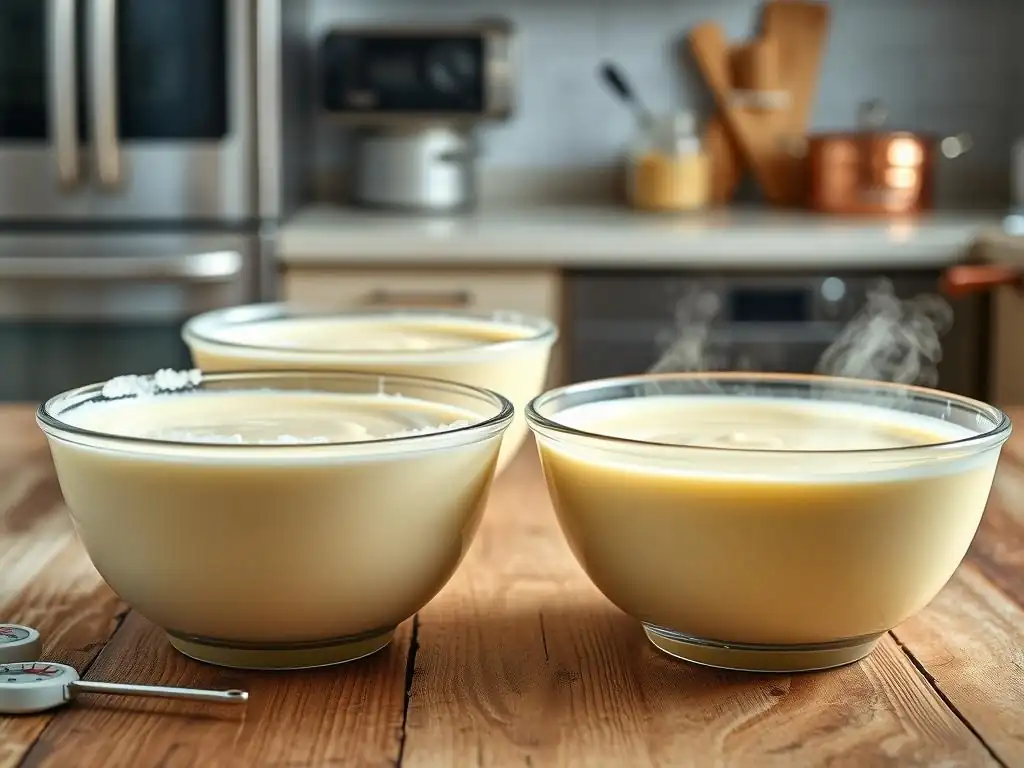
Temperature plays a crucial, often overlooked, role in the success of emulsification in baking. The idea that temperature is irrelevant is one of the key emulsification baking myths explained here. The temperature of your ingredients directly impacts their viscosity, the state of fats (solid, softened, or liquid), and the activity of natural emulsifiers, all of which significantly influence the ease and stability of emulsion formation.
Consider butter: it's solid when cold, pliable when softened, and liquid when melted. These different states behave very differently when mixed with other ingredients. Cold, solid butter incorporates into flour in discrete pieces, essential for creating flaky layers in pastry. Softened butter creams with sugar, allowing air pockets to form and creating a stable base for cake batter emulsion. Melted butter integrates quickly, leading to a denser, more uniform texture. The temperature dictates how the fat interacts with other components.
The Role of Temperature in Creating Stable Emulsions
Temperature affects emulsification in several ways:
- Viscosity: Liquids and melted fats become less viscous (thinner) when warm and more viscous (thicker) when cold. Emulsifying thin liquids is generally easier as the fat droplets can be dispersed more readily. However, in some cases, a certain viscosity is needed for the emulsion to hold.
- State of Fat: As mentioned, the solid, softened, or liquid state of fat dictates its interaction with other ingredients. For creaming butter and sugar, softened butter (around 65-70°F / 18-21°C) is ideal because it's pliable enough to incorporate sugar crystals and trap air, while the milk solids and water within the butter can begin forming an emulsion. Cold butter (below 40°F / 4°C) is too hard, and melted butter (above 90°F / 32°C) won't hold air and integrates too fully, leading to a denser product.
- Emulsifier Activity: While not as sensitive to temperature as enzymes, the effectiveness of some natural emulsifiers, like those in eggs, can be influenced by temperature. Using room temperature eggs (around 68-70°F / 20-21°C) in a batter allows the lecithin to work more effectively and integrate smoothly with other room temperature ingredients, leading to a more stable emulsion than using cold eggs.
- Solubility: Sugar dissolves better in warm liquids than cold ones. Proper sugar dissolution is sometimes linked to successful emulsification outcomes in batters.
Temperature Control Tips for Successful Emulsification
Controlling ingredient temperatures is a simple yet powerful way to improve your emulsification success:
[ ] Bring cold ingredients like butter and eggs to room temperature before creaming or adding to batters, unless the recipe specifically states otherwise (e.g., for flaky pastries).
[ ] For creaming butter and sugar, ensure the butter is softened but not melted. It should yield slightly when pressed but not be greasy. This typically takes 30-60 minutes out of the refrigerator.
[ ] When making warm emulsions like ganache or hollandaise, heat the liquid/fat gently and maintain the correct temperature range specified in the recipe to facilitate emulsion formation and prevent breaking.
[ ] If a mixture starts to curdle (break emulsion) due to temperature shock or incorrect addition speed, sometimes gently warming it slightly (if appropriate for the recipe) while whisking vigorously can help bring it back together.
Paying attention to the temperature cues in a recipe, such as "softened butter" or "room temperature eggs," isn't just a suggestion; it's critical for achieving the proper emulsification and resulting texture. This understanding is vital when addressing emulsification baking myths explained.
Myth #7: Emulsification Problems Are Always Due to the Recipe
It's easy to blame a failed bake on the recipe itself, especially when dealing with tricky processes like emulsification. However, while a poorly written or unbalanced recipe can certainly cause issues, attributing all emulsification problems solely to the recipe is another common myth. Often, the root cause lies in factors controlled by the baker, such as ingredient quality, temperature, mixing technique, or even the order in which ingredients are combined. Understanding these other variables is crucial for effective troubleshooting and mastering emulsification baking myths explained.
Even a perfect recipe relies on the baker executing it correctly using appropriate ingredients. If a recipe calls for "softened butter," but you use melted butter, the resulting texture will be completely different because the emulsification process (creaming air into the mixture with the help of butter's components) cannot happen correctly with liquid fat. Similarly, using ingredients that are past their prime or have been stored improperly can affect their ability to emulsify.
Ingredient Quality and Its Impact on Emulsification
The quality and condition of your ingredients significantly impact emulsification:
- Eggs: Fresh eggs, particularly the yolks, have the strongest emulsifying power due to the quality and amount of lecithin. Older eggs may have less effective emulsifying capabilities. Using the correct size egg (large is standard unless otherwise specified) is also important for the fat/liquid balance.
- Butter: The ratio of fat, water, and milk solids in butter can vary slightly between brands (e.g., European butter often has higher fat content). While usually not a major issue for standard recipes, significant variations or using substitutes like margarine (which has a different composition) can affect emulsification outcomes. The temperature and state of the butter are even more critical than the brand.
- Dairy: The fat content of milk or cream used matters. Whole milk (approx. 3.5% fat) behaves differently than skim milk (virtually no fat) or heavy cream (35-40% fat) in terms of contributing fat and milk solids that aid emulsification. Using the specified type is important.
- Oil: Using rancid oil can not only introduce off-flavors but also potentially affect its interaction with other ingredients, although oil's primary role in emulsification is being the phase that needs dispersing, not providing emulsifiers itself (unless it's something like nut butter).
Using fresh, high-quality ingredients and ensuring they are at the correct temperature and state are foundational steps for successful emulsification, regardless of the recipe.
Troubleshooting Emulsification Issues: A Checklist for Home Bakers
When your emulsion breaks (curdles or separates), don't immediately blame the recipe. Run through this troubleshooting checklist:
[ ] Were all ingredients at the temperature specified by the recipe (e.g., room temperature eggs and butter)?
[ ] Was the fat added gradually and slowly to the liquid/emulsifier base?
[ ] Was sufficient mechanical energy applied (whisking/mixing speed and duration)?
[ ] Were the ingredients fresh and of good quality?
[ ] Was the correct type of ingredient used (e.g., whole milk vs. skim, softened butter vs. melted)?
[ ] Was the ambient kitchen temperature affecting ingredient temperatures (e.g., a very hot kitchen melting butter too quickly)?
[ ] Was the mixture over-mixed after incorporating dry ingredients (if applicable)?
[ ] Was the recipe followed precisely regarding ingredient ratios and method steps?
If you can answer "yes" to most of these, then you might consider if the recipe itself could be problematic. However, more often than not, adjusting your technique or ingredient handling will solve the issue. For a broken emulsion like curdled cake batter, sometimes adding a tablespoon of flour or a small amount of the liquid component and whisking vigorously can help bring it back together, provided it wasn't over-mixed with the flour already. Understanding emulsification baking myths explained empowers you to troubleshoot effectively.
Conclusion: Mastering Emulsification for Baking Perfection
Debunking these common emulsification baking myths explained provides a clearer understanding of this essential process. Emulsification is not a magical, complex phenomenon reserved for pastry chefs or industrial food production. It's a fundamental principle of chemistry that plays a vital role in the texture, appearance, and stability of nearly everything we bake at home, from the simplest cookie to the most elaborate cake. By understanding why fats and liquids separate and how emulsifiers, temperature, and technique bring them together, you gain greater control over your baking results.
Moving beyond the myths that emulsification only matters in cakes, always requires a mixer, or that problems are solely the recipe's fault, allows you to approach baking with more confidence and knowledge. You now know that natural ingredients like eggs are powerful emulsifiers, that temperature is a critical factor, and that over-mixing can be just as detrimental as under-mixing at certain stages. This deeper understanding transforms you from a recipe follower into a true baker who understands the science behind the craft.
Key Takeaways: Debunking Emulsification Myths
Let's summarize the key points about emulsification baking myths explained:
- Myth #1 Debunked: Fats and liquids do not mix easily; they require mechanical force and an emulsifier to stay combined.
- Myth #2 Debunked: Emulsification is crucial in many baked goods, not just cakes, affecting pastries, cookies, breads, and more.
- Myth #3 Debunked: Proper emulsification can be achieved by hand with the right technique and tools like a whisk.
- Myth #4 Debunked: It is possible to over-mix, leading to tough textures and other undesirable outcomes, especially after adding flour.
- Myth #5 Debunked: Many common baking ingredients like eggs and honey are powerful natural emulsifiers.
- Myth #6 Debunked: Temperature significantly impacts emulsification success, affecting ingredient state and viscosity.
- Myth #7 Debunked: Emulsification problems are often due to technique or ingredient handling, not just the recipe itself.
By internalizing these realities, you are well on your way to mastering one of baking's most important scientific principles.
Further Resources for Understanding Emulsification in Baking (BakeWithEase)
For those eager to delve even deeper into the science of baking and continue exploring emulsification baking myths explained, BakeWithEase offers a wealth of resources. Explore our "Baking Science Deep Dive" category for more articles on topics like gluten development, leavening agents, and the Maillard reaction. Our extensive recipe collection provides practical applications for the techniques discussed here, with detailed instructions designed to help you achieve perfect results. Look for recipes that highlight emulsification, such as classic butter cakes, stable chocolate ganaches, or rich custards, and practice applying the principles you've learned. Happy baking!
Frequently Asked Questions
What exactly is emulsification in baking, and why is it important?
Emulsification is the process of combining two unmixable liquids, like oil and water, into a stable mixture. It's crucial because it affects the texture and consistency of baked goods, leading to a smoother and more appealing result.
Is it true that you always need a specialized emulsifier like lecithin for successful baking emulsifications?
No, that's a common myth! While lecithin can help, many recipes rely on natural emulsifiers already present in ingredients like egg yolks or mustard. These provide sufficient emulsification for most home baking needs.
What happens if an emulsion "breaks" or separates during baking?
A broken emulsion usually results in a greasy or curdled batter, leading to a finished product with an undesirable texture. This can cause uneven rising and a dense or oily final baked good.
Is it essential to bring ingredients to room temperature for proper emulsification?
Yes, bringing ingredients to room temperature is generally recommended. Warm ingredients blend more easily, promoting a more stable and uniform emulsion, especially when working with butter and eggs.
Are there specific techniques that improve emulsification when making cakes or pastries?
Yes! Adding liquids gradually, using a high-speed mixer, and incorporating dry ingredients alternately with wet ingredients can all significantly improve emulsification, leading to a smoother batter and a better final product.
Final Reflection: The Delicious Truth About Emulsions
Understanding emulsification is no longer a culinary mystery, but a key to unlocking baking mastery. This article has debunked common myths surrounding this crucial process, revealing the simple science behind creating smooth, stable, and delicious baked goods. The impact of these clarified concepts extends far beyond the kitchen, highlighting the power of understanding fundamental principles to achieve exceptional results.
The journey of exploring emulsification has been a personal one, revealing how seemingly complex techniques can be demystified with a little knowledge and practice. I've found that the more I understand the "why" behind baking techniques, the more confident and creative I become in the kitchen. The most beautiful thing we can experience is the mysterious. It is the source of all true art and science.
- Albert Einstein. This quote perfectly encapsulates the joy of unraveling the mysteries of emulsification and applying that knowledge to create something truly special.
Now, it's your turn. Don't be intimidated by the seemingly complex world of emulsions. Experiment with different fats and liquids, observe the results, and most importantly, enjoy the process of learning and creating. The next time you face a recipe that calls for an emulsion, remember the principles discussed here, and embrace the opportunity to elevate your baking to a new level of deliciousness. The journey of mastering emulsification is a rewarding one, filled with delicious discoveries and the satisfaction of creating truly exceptional baked goods.
Unlock Your Baking Potential: Master Emulsification Today!
Thanks for taking the time to explore the fascinating world of emulsification! You've now gained valuable insights into creating perfectly smooth and stable batters and sauces. Ready to put your newfound knowledge into practice?
- Whip up your favorite recipe using the techniques discussed – and notice the difference! This is your chance to experiment and experience the superior results of proper emulsification firsthand.
- Share your baking triumphs (or even your challenges!) with fellow BakeWithEase enthusiasts in the comments below. Let's build a supportive community of bakers who are passionate about mastering the art of emulsification.
- Consider documenting your baking journey – a before-and-after photo showcasing the impact of your improved emulsification techniques would be amazing!
So, what delicious creation will you tackle first to showcase your newly honed emulsification skills?