
Navigating Germany's Bakeries: How to Find the Best Brot

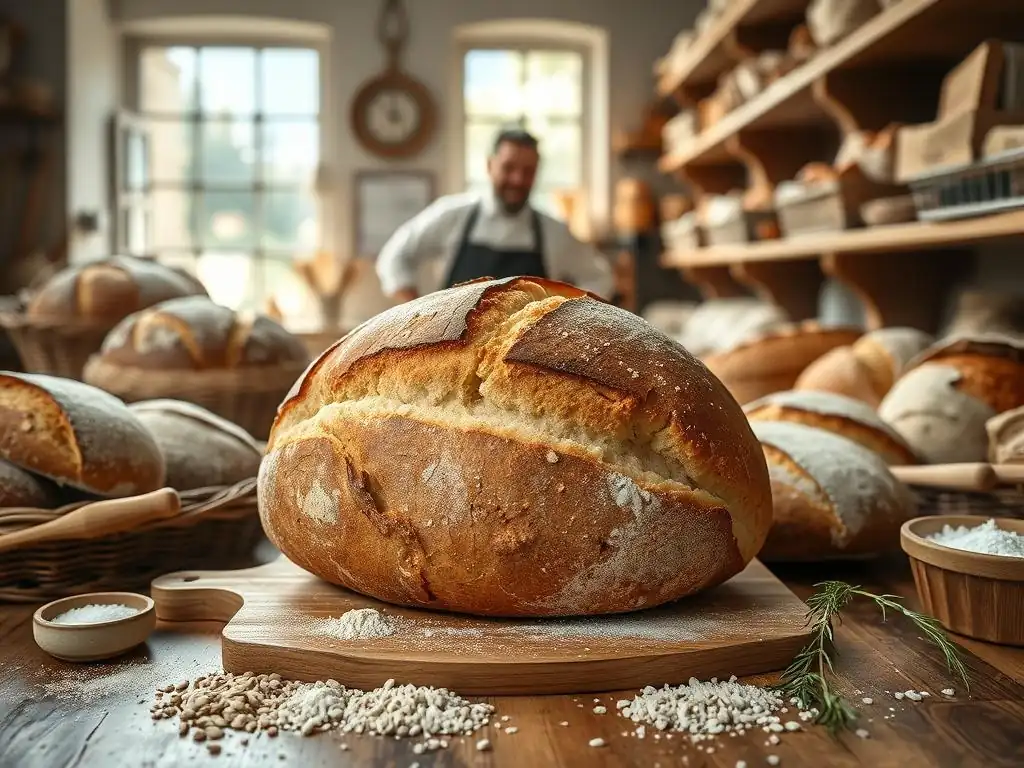
Welcome to BakeWithEase, your passport to the delightful world of baking! Ever wondered what makes German bread so irresistibly good? Navigating Germany's Bakeries is your guide to unlocking the secrets of authentic Brot. Prepare to embark on a culinary journey, and perhaps even discover the best German sourdough bread recipe you've ever tasted. Intrigued? Let's explore the heart of German baking together...
- Understanding German Bread Culture
- Finding Authentic German Sourdough Bread
- Exploring Regional Bread Specialties
- How to Spot an Authentic German Bakery
- Crafting Your Own German Sourdough
- Enjoying Your Brot with German Cuisine
- Maintaining the Quality of Your German Bread
- Resources for German Bread Enthusiasts
-
Frequently Asked Questions
- What makes German sourdough bread (Brot) unique?
- Where can I find the best "Brot" in Germany?
- What are some common ingredients in authentic German sourdough bread?
- How does the German baking style differ from other sourdough bread traditions?
- Is it difficult to bake German sourdough bread at home, especially the "Best German sourdough bread recipe"?
- Final Reflection: The Enduring Allure of German Bread
- Unlock Germany's Bread Secrets: Your Next Baking Adventure Awaits!
Understanding German Bread Culture
The Importance of Brot in German Cuisine
Bread, or "Brot," holds a profoundly significant place in German cuisine and daily life, far exceeding its role in many other cultures. It's not merely a side dish but a central component of meals, often forming the foundation for breakfast ("Frühstück"), the traditional cold lunch ("Brotzeit" or "Abendbrot"), and even dinner.
The sheer variety is staggering; estimates often place the number of distinct German bread types well over 300, ranging from dense rye loaves to light wheat rolls, each with its own history and regional identity. This deep appreciation is reflected in the cultural landscape, where local bakeries ("Bäckereien") are cherished community hubs, often passed down through generations.
This cultural emphasis on bread stems partly from historical factors, including agricultural practices that favored rye in certain climates and historical periods where bread was the primary source of calories. Today, it's about quality, variety, and tradition. Germans consume a substantial amount of bread per capita annually, far more than many European neighbors.
This constant demand supports a vibrant artisan baking scene, focused on natural ingredients, long fermentation times (especially for sourdoughs), and traditional techniques. Finding the best German sourdough bread recipe or the perfect loaf from a local bakery is a genuine pursuit for many, highlighting bread's status as a staple and a source of national pride.
Regional Variations in German Bread
Germany's federal structure and diverse geography have fostered distinct regional bread traditions, resulting in a fascinating tapestry of flavors and textures across the country. Southern Germany, particularly Bavaria and Baden-Württemberg, is famous for its Laugengebäck (lye pastries) like the iconic pretzel ("Brezel"), often softer inside with a characteristic dark, chewy crust. Rye and mixed wheat-rye breads ("Mischbrot") are also common, often lighter than their northern counterparts. Heading north, the climate historically favored rye cultivation, leading to a prevalence of dense, dark rye breads ("Roggenbrot"), with Westphalia's almost black, long-steamed Pumpernickel being a prime example.
In the east, influenced by historical connections, you find unique specialties like the Spreewälder Gurkenbrot (cucumber bread) or regional variations of sourdough rye. Central Germany offers a mix, often featuring robust sourdoughs and breads incorporating potatoes or other regional produce.
Each region boasts its specific flours, leavening agents (including diverse sourdough starters), and shaping methods, making a culinary tour of Germany's bread culture a truly rewarding experience. Understanding these regional nuances is key to appreciating the full spectrum of German Brot and helps guide you in your quest for the best German sourdough bread recipe or loaf specific to a location.
Unique Ingredients and Baking Techniques
German bread's distinctive character is largely attributed to its unique blend of ingredients and time-honored baking techniques. Unlike many countries where wheat is dominant, German bread often heavily utilizes rye flour, either solely or mixed with wheat. Rye flour, being lower in gluten, requires different handling and often relies on sourdough starters ("Sauerteig") for leavening and structure, contributing to the bread's characteristic tang and dense crumb.
Other grains like spelt ("Dinkel") are also increasingly popular. Seeds such as sunflower, pumpkin, poppy, and sesame are frequently incorporated, adding flavor, texture, and nutritional value. Various types of coarse meal ("Schrot") and cracked grains ("Grieß") are also common, giving many loaves a hearty, rustic texture.
Beyond ingredients, the baking process itself employs specific techniques. Long fermentation times, especially with sourdough, are crucial for developing complex flavors and improving digestibility. Many traditional bakeries use stone ovens, which provide consistent, high heat and create a perfect crust.
Steaming is often used at the beginning of the bake to help the dough expand and achieve a desirable crust texture. Some regional breads, like Pumpernickel, are not baked but steamed for many hours at low temperatures. These methods, combined with the careful selection and blending of flours and starters, are what give German Brot its unparalleled depth of flavor and satisfying texture, whether you're seeking the best German sourdough bread recipe to bake at home or buying a loaf from a master baker.
Finding Authentic German Sourdough Bread
Decoding German Bread Labels
Navigating a German bakery can be an adventure, especially when faced with dozens of different loaves. Understanding common German bread terms on labels is crucial to finding the authentic sourdough you seek. Look for terms like "Sauerteigbrot" (sourdough bread), which indicates the bread is leavened primarily or entirely with sourdough.
"Roggenmischbrot" (rye mixed bread) or "Weizenmischbrot" (wheat mixed bread) signify a mix of rye and wheat, with the dominant flour listed first. A high percentage of rye often means a denser, tangier loaf, typical of traditional German sourdough. Terms like "Vollkornbrot" indicate whole grain bread, which can also be made with sourdough.
Pay attention to ingredients listed, though sometimes only key components are highlighted. A genuinely authentic sourdough relies on flour, water, salt, and the starter itself. If you see a long list of additives or commercial yeast listed high up, it might not be a pure sourdough or made using traditional long fermentation.
Bakeries often display small signs or labels detailing the primary flours used (e.g., "70% Roggen, 30% Weizen") and the leavening method. Don't hesitate to ask the baker ("Bäcker" or "Bäckerin") for recommendations or explanations; they are usually proud of their craft and happy to guide you to their best German sourdough bread recipe variation.
Key Characteristics of Authentic German Sourdough
Authentic German sourdough bread possesses several defining characteristics that set it apart. Firstly, the flavor profile is typically complex, featuring a distinct tanginess that ranges from mild to pronounced, depending on the starter's acidity and the fermentation time. This tang is a hallmark of the lactic and acetic acids produced by the wild yeasts and bacteria in the sourdough starter. Secondly, the crumb structure is often dense and moist, especially in rye-heavy loaves, rather than having large, open holes commonly found in some wheat-based sourdoughs like French pain au levain. This density contributes to its satisfying chewiness and longevity.
Furthermore, the crust is usually substantial and often thick, ranging in color from golden brown to deep reddish-brown or even black for very dark rye sourdoughs. It provides a crucial textural contrast to the moist interior.
The aroma is another key indicator – a good German sourdough will have a rich, fermented, slightly malty scent, perhaps with earthy undertones from the rye. These sensory cues – the tangy flavor, dense crumb, robust crust, and complex aroma – are the signs you've found a truly authentic loaf made with care and traditional methods, potentially even the best German sourdough bread recipe executed perfectly.
Identifying High-Quality Brot: Texture, Crust, and Aroma
When evaluating the quality of German Brot, especially sourdough, engaging your senses is paramount. Start with the appearance: does the loaf have a deep, rich color? Are there visible grains or seeds if expected for the type? A well-baked crust should feel firm and substantial when you tap it, producing a hollow sound. This indicates a good bake and a satisfying crunch. The texture of the crust is also important – it should have some resistance and chewiness, not be overly soft or brittle.
Upon slicing, examine the crumb. For sourdough, expect a relatively dense, even texture, particularly in rye or mixed-grain varieties. It should feel moist but not gummy. Avoid loaves with a pale, uniform, or overly dry interior.
Finally, and perhaps most importantly, inhale the aroma. A high-quality loaf, especially sourdough, will have a complex, inviting smell – earthy, tangy, perhaps slightly sweet or malty depending on the grains. A weak or bland aroma often signals a rushed fermentation or lack of quality ingredients. Trust your senses; they are your best guide to finding exceptional German Brot, whether it's a simple roll or a loaf baked from the best German sourdough bread recipe.
Exploring Regional Bread Specialties
Southern Germany: Pretzels and Lye Breads
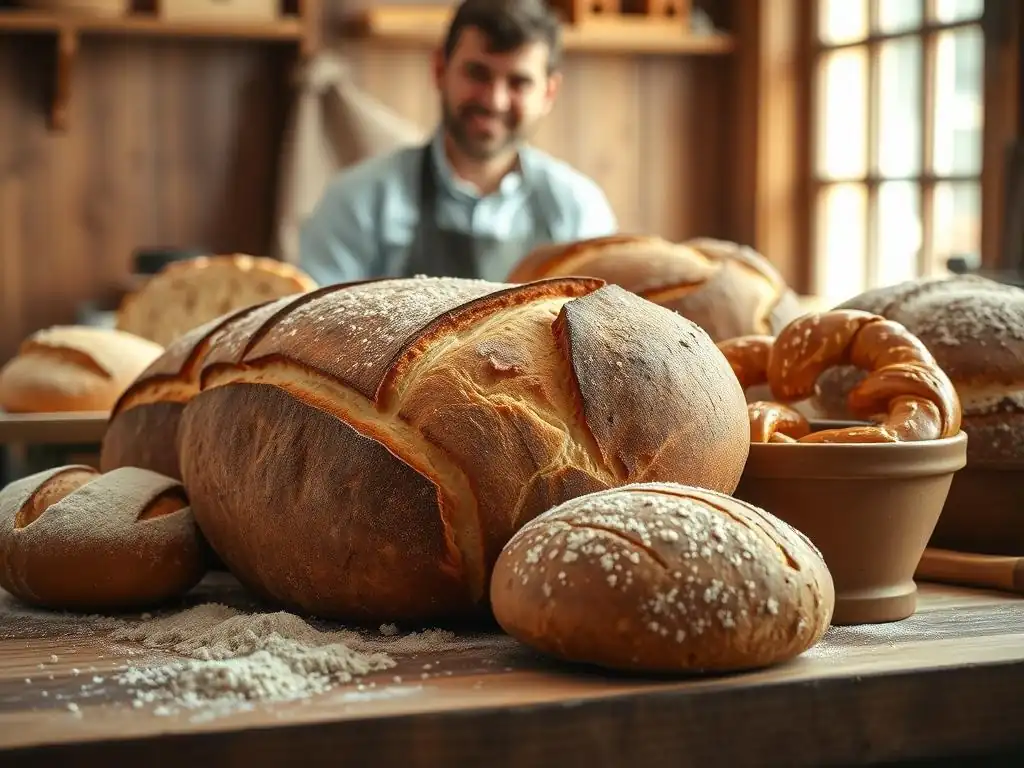
Southern Germany, particularly Bavaria and Baden-Württemberg, is synonymous with Laugengebäck, baked goods treated with a lye solution before baking. The most famous example is the Brezel (pretzel), a culinary icon. Authentic Southern German pretzels are not uniform; they have a thick "belly" that's soft and fluffy inside and thin, crispy arms. The lye dip gives them their signature dark, shiny, mahogany-colored crust and unique slightly soapy, alkaline flavor, beautifully contrasted with coarse salt crystals. They are typically made from wheat flour.
Beyond pretzels, other lye-treated items are popular, such as Laugenstangen (lye sticks) and Laugenbrötchen (lye rolls). These share the characteristic dark crust and flavor of the pretzel but come in different shapes and textures. While often made with yeast, some regional variations might incorporate a touch of sourdough for added depth. These lye breads are a staple for "Brotzeit" (a cold meal, often dinner) or as a snack, often accompanied by butter, cheese, or traditional Bavarian Weisswurst. Their unique preparation method makes them a must-try when exploring Southern German bakeries.
Northern Germany: Pumpernickel and Rye Breads
Northern Germany, historically reliant on rye cultivation, is the heartland of dense, dark rye breads. The most iconic is Pumpernickel, originating from the Westphalia region. True Pumpernickel is made primarily from coarse rye meal (Schrot) and is not baked in the traditional sense but steamed for 16 to 24 hours at low temperatures (around 100-120°C or 212-250°F). This slow process caramelizes the sugars in the rye, giving Pumpernickel its signature dark color, slightly sweet flavor, and incredibly dense, moist texture. It has a long shelf life and is often sold pre-sliced and vacuum-sealed.
Other Northern German rye breads, like Roggenbrot or Schwarzbrot (black bread), while perhaps not steamed as long as Pumpernickel, are still characterized by a high percentage of rye (often 90-100%) and are typically leavened with sourdough. They are dense, hearty, and have a pronounced tangy flavor. These breads pair wonderfully with smoked meats, fish, and strong cheeses, reflecting the region's culinary traditions. Experiencing these robust rye loaves is essential for understanding the full spectrum of German bread, a stark contrast to the lighter wheat breads found elsewhere.
Eastern Germany: Regional Baked Goods
Eastern Germany, encompassing states like Saxony, Brandenburg, and Thuringia, offers a fascinating blend of bread traditions, often showing influences from neighboring Slavic countries alongside classic German styles. Sourdough rye and mixed breads ("Mischbrot") are staples, similar to other parts of Germany, but often with unique local twists in flour blends or starter profiles. For example, the Lausitzer Roggenbrot from the Lusatia region is a dark, dense rye bread known for its specific sourdough culture.
Beyond standard loaves, Eastern Germany is known for some distinct baked goods. Spreewälder Gurkenbrot from the Spreewald region (famous for pickles) incorporates finely chopped pickles into the dough, resulting in a surprisingly moist and flavorful bread. Thüringer Mohnkuchen (Poppy Seed Cake) and Eierschecke (a layered cheesecake-like pastry from Saxony) are popular sweet baked goods, though perhaps not "Brot" in the strict sense, they are integral to the bakery landscape. Exploring bakeries in this region reveals a rich heritage of both savory breads and sweet pastries, reflecting a unique cultural history.
How to Spot an Authentic German Bakery
Traditional Baking Methods
Identifying an authentic German bakery ("Bäckerei") goes beyond just seeing pretzels in the window. A key indicator is their commitment to traditional baking methods. Look for signs that suggest the bread is made in-house, ideally from scratch, rather than baked from frozen or pre-mixed dough. Many traditional bakeries will proudly display their history, mentioning how long they've been in business (some date back centuries!) or highlighting their use of age-old techniques. The presence of a visible stone oven or indications of using one is a strong positive sign, as stone ovens contribute significantly to crust development and even baking.
Furthermore, observe the variety and specialization. While larger bakeries might offer a wide range, smaller, truly artisanal ones often specialize in a few types of bread, particularly sourdoughs, which require significant time and expertise. The process of making sourdough, for instance, involves maintaining a starter, careful fermentation schedules (often over many hours or even days), and skilled shaping and baking. Bakeries dedicated to these methods prioritize quality over mass production, often resulting in loaves that are superior in flavor, texture, and digestibility, embodying the effort put into creating the best German sourdough bread recipe in a commercial setting.
Locally Sourced Ingredients
A hallmark of many high-quality German bakeries is their emphasis on using locally sourced or regional ingredients. This commitment supports local farmers and mills and often results in fresher, more flavorful bread. Bakeries might advertise using flour from a specific regional mill (e.g., "Mehl aus der Region") or grains grown nearby. They might also highlight using local seeds, potatoes, or other additions characteristic of their area. This focus on provenance connects the bread to its geographical and agricultural roots.
Using regional flour, especially different types of rye and wheat varieties specific to Germany, contributes to the unique character of the bread. For example, rye grown in cooler climates might have different protein structures and enzymatic activity compared to rye from warmer regions, affecting how it behaves in sourdough fermentation.
Inquire if the bakery uses its own sourdough starter that has been maintained for a long time; some starters are legendary and have been kept alive for decades, even centuries, contributing a unique microbial profile. This dedication to local, quality ingredients is a strong indicator of a bakery striving for excellence and producing bread potentially based on a cherished best German sourdough bread recipe passed down through generations.
Signs of Freshness
While some German breads, like Pumpernickel, are designed for longevity, most loaves are best enjoyed fresh. Recognizing signs of freshness is key to getting the best experience. In a good bakery, bread is baked throughout the day, not just in the morning. You might see bakers bringing out new batches. A fresh loaf will typically have a warm, inviting aroma. The crust, especially on rustic or sourdough loaves, should have a pleasant crispness (though this varies by bread type; a Mischbrot crust is different from a Brötchen crust).
The texture of a fresh loaf is also telling. It should have a satisfying weight for its size and feel substantial. When you gently press the crust, it should spring back slightly (again, this varies; a Pumpernickel won't spring back).
If slicing is available, the crumb should look moist and uniform (for the specific bread type) – not dry or crumbly. While German bread is known for keeping well, buying a loaf baked within the last few hours ensures you experience its peak flavor and texture. Don't be afraid to ask the baker about when a particular type of bread was baked; they appreciate customers who care about quality.
Crafting Your Own German Sourdough
Essential Equipment
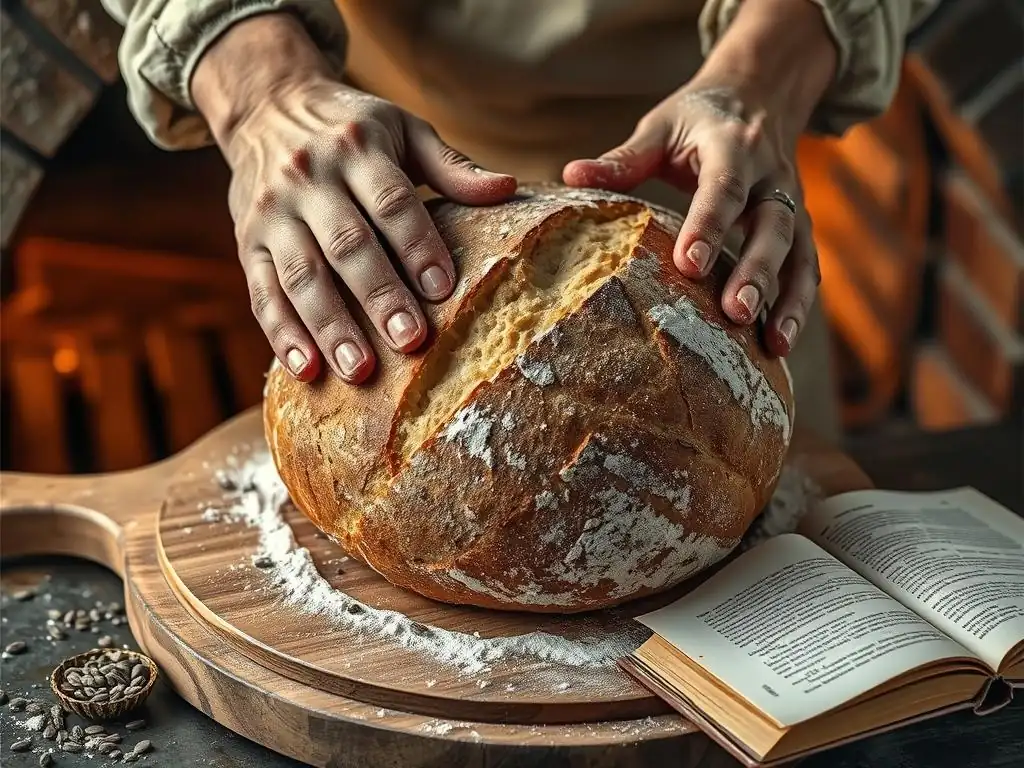
Embarking on the journey to bake your own German sourdough bread requires a few essential pieces of equipment to achieve results comparable to those from a traditional bakery. Firstly, you'll need a reliable kitchen scale; measuring ingredients by weight, especially flour and water for your starter and dough, is far more accurate than using volume measurements, which is critical for sourdough success.
A large mixing bowl is necessary for combining ingredients and the initial stages of fermentation. For kneading, a sturdy surface or a stand mixer with a dough hook will be helpful, although hand kneading is also traditional and rewarding.
To achieve that signature crust and ensure proper oven spring, baking in a hot environment with steam is crucial. A Dutch oven or a baking stone with a steam setup (like a tray of water) is highly recommended. A bread lame or sharp razor blade is needed for scoring the dough before baking, allowing it to expand properly.
You'll also need proofing baskets (bannetons), traditionally made from rattan or wood pulp, to hold the dough while it rises for the final time; these impart a lovely pattern and help maintain the loaf's shape. Finally, a cooling rack is essential for allowing the bread to cool completely before slicing, preventing a gummy interior. Having these tools on hand sets you up for success in mastering the best German sourdough bread recipe.
German Sourdough Bread Recipe: Step-by-Step
Creating the best German sourdough bread recipe at home involves patience and following a few key steps. This general guide focuses on a classic Mixed Rye-Wheat Sourdough (Mischbrot), a staple in Germany.
Preparing the Sourdough Starter (Sauerteig)
The heart of German sourdough is the active starter, or Sauerteig. If you don't have one, you'll need to create and maintain it over about a week or two, feeding it daily with rye and/or wheat flour and water until it's bubbly and active. For baking, you need a portion of this mature starter. The day before baking, refresh a portion of your starter (e.g., 50g starter, 100g rye flour, 100g water) and let it ferment at room temperature until it's active and bubbly, typically 8-12 hours. This is your "levain" or refreshed starter ready for the dough.
Mixing and Kneading the Dough
Combine the active starter (e.g., 200g) with warm water (e.g., 350g) in your mixing bowl, stirring to disperse the starter. Add the flours – a common German mix might be 300g rye flour and 400g strong bread flour (wheat). Add salt (e.g., 14g). Mix initially with a spoon or spatula until just combined, forming a shaggy dough.
Let it rest for 20-30 minutes (autolyse) to allow the flour to hydrate. Then, knead the dough. Rye-heavy doughs are often stickier and less elastic than pure wheat doughs. Knead for 5-10 minutes by hand or mixer until the dough is smoother and slightly developed, though it won't pass the windowpane test like a pure wheat dough.
Shaping and Proofing
After kneading, the dough undergoes bulk fermentation. This can take 2-4 hours at room temperature, or longer in a cooler spot (like the fridge for 12-24 hours) for more flavor development. During this time, perform 1-2 sets of stretch and folds in the first hour if using wheat flour, which helps build structure. After bulk fermentation, gently shape the dough into a round or oval loaf. Rye doughs are less amenable to tight shaping than wheat.
Place the shaped dough seam-side up into a floured proofing basket. Cover and let it proof. This final rise can take 1-3 hours at room temperature or 8-16 hours in the refrigerator. The dough should increase in volume but not double, and feel light but still have some resistance when gently poked.
Baking the Bread
Preheat your oven with your Dutch oven or baking stone inside to a high temperature, typically 230-250°C (450-480°F), for at least 30-45 minutes. Carefully invert the proofed dough onto parchment paper or directly into the hot Dutch oven. Score the top of the loaf with your lame. If using a Dutch oven, cover it.
If using a baking stone, create steam by pouring a cup of hot water into a preheated tray at the bottom of the oven. Bake covered (or with steam) for 20-25 minutes. Then, remove the lid (or steam tray) and reduce the temperature slightly (e.g., to 220°C or 430°F).
Continue baking for another 20-30 minutes, or until the crust is deep golden brown and the internal temperature reaches 96-100°C (205-210°F). Let the bread cool completely on a wire rack for at least 1-2 hours before slicing – this is crucial for the crumb structure to set, especially in rye breads. Following these steps diligently increases your chances of baking the best German sourdough bread recipe result in your own kitchen.
Troubleshooting Your German Sourdough
Baking sourdough isn't always straightforward, and encountering issues is part of the learning process. If your dough isn't rising, your starter might not be active enough; ensure it's regularly fed and bubbly before use. Environmental temperature also plays a big role; colder temperatures slow fermentation significantly. A dense, gummy crumb can result from insufficient baking time, slicing the bread too soon before it cools, or using a starter that is too acidic (which can degrade the gluten). Ensure your oven is accurately preheated and you bake until the internal temperature is correct.
A pale, soft crust might indicate a lack of steam during the initial bake or insufficient oven temperature. Ensure you create plenty of steam and preheat thoroughly. If your loaf spreads flat instead of rising upwards, it might be over-proofed, or the dough didn't have enough strength (due to insufficient kneading or weak flour/starter). Shaping technique also matters; a tighter shape helps the loaf hold its form. Keep a baking journal to track temperatures, timings, and observations – this is invaluable for diagnosing issues and refining your technique to consistently bake the best German sourdough bread recipe.
Enjoying Your Brot with German Cuisine
Pairing German Bread with Traditional Dishes
German bread is designed to complement hearty German cuisine. The density and tanginess of rye or mixed-grain sourdoughs stand up beautifully to rich, savory dishes. A slice of robust Roggenbrot is the perfect accompaniment to a plate of Wurst (sausage), Sauerkraut, or Schweinebraten (roast pork). The firm structure prevents it from becoming soggy and its flavor cuts through the richness of the food. Lighter Mischbrot or wheat rolls pair well with soups and stews or are used to soak up gravies.
Pretzels and lye rolls are classic partners for Bavarian specialties like Weisswurst (white sausage) and sweet mustard, or simply enjoyed with a cold beer. Darker, sweeter breads like Pumpernickel are traditionally served with smoked fish (like herring) or strong cheeses, as their unique flavor profile complements these ingredients. Understanding the regional pairings can enhance your enjoyment; for instance, serving Westphalian Pumpernickel with Westphalian ham is a classic combination. Finding the best German sourdough bread recipe to bake means having the perfect foundation for countless traditional German meals.
Creating a German-Inspired Brotzeit
The "Brotzeit" (literally "bread time") is a quintessential German meal, typically enjoyed in the evening or as a substantial snack. It's a cold platter centered around bread, showcasing its importance. To create your own German-inspired Brotzeit, start with a selection of different German breads – perhaps a slice of dark rye, a piece of mixed-grain sourdough, and a hearty wheat roll. Arrange them on a wooden board or platter.
Accompany the bread with a variety of cold cuts (various types of Wurst, ham, cold roasts), cheeses (like Emmentaler, Gouda, or regional specialties), pickles (gherkins, pickled onions), hard-boiled eggs, and perhaps some radishes or tomatoes. Mustard (sweet, medium, or spicy) and horseradish are essential condiments. Butter is a must-have spread. This simple yet satisfying meal highlights the quality and variety of the bread, allowing each person to build their perfect bite. It's a communal, relaxed way to enjoy the fruits of the bakery or your own efforts in baking the best German sourdough bread recipe.
Exploring German Bread Spreads
Beyond butter, Germans enjoy a variety of spreads ("Aufstriche") on their bread, turning a simple slice into a flavorful bite. Savory options include Quark (a fresh cheese similar to cottage cheese) mixed with herbs, Schmalz (rendered pork fat, sometimes with cracklings), and various meat or liver pâtés ( Leberwurst). Vegetable-based spreads like Griebenschmalz (rendered fat with crispy fried onions or apple) or simple herb butter are also popular.
Sweet spreads are common for breakfast or afternoon coffee. Jams ("Marmelade"), honey ("Honig"), and chocolate-hazelnut spreads are staples. A unique German spread is Zuckerrübensirup (sugar beet syrup), a dark, sticky, treacle-like syrup with an earthy sweetness, particularly popular in the Rhineland. Exploring these different spreads offers countless ways to enjoy the varied textures and flavors of German Brot, whether it's a store-bought loaf or the culmination of your efforts to bake the best German sourdough bread recipe.
Maintaining the Quality of Your German Bread
Proper Bread Storage Techniques
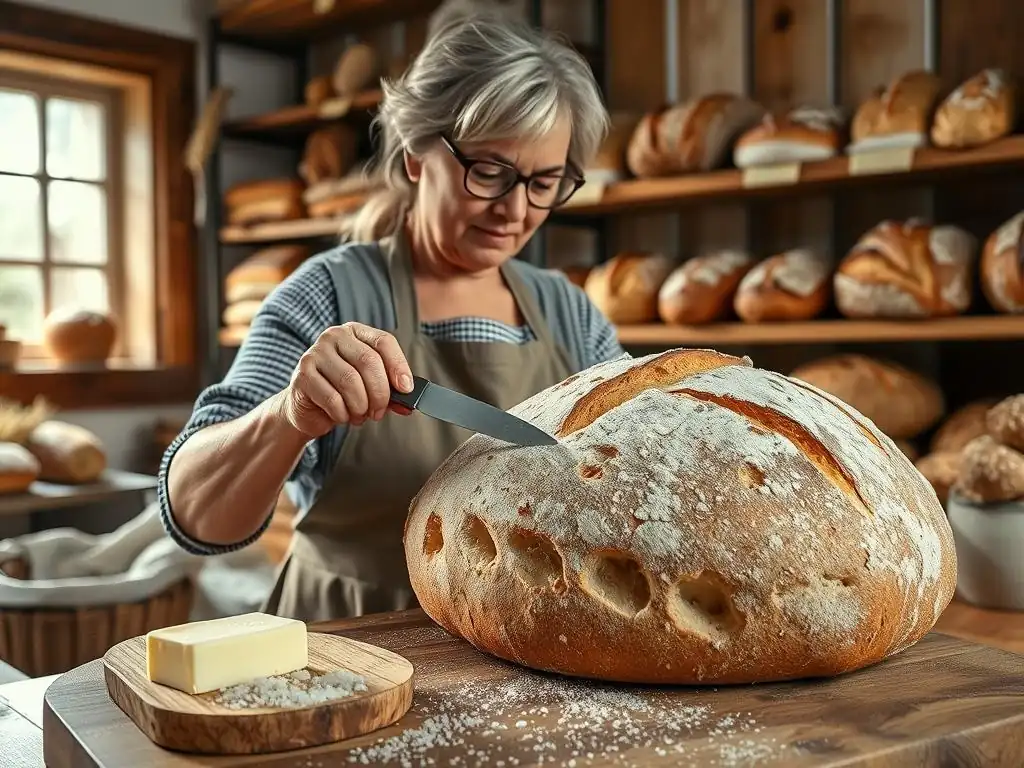
Proper storage is key to keeping German bread fresh for as long as possible, given its often dense and moist nature. Unlike lighter, airy breads, many German loaves benefit from being stored at room temperature rather than in the refrigerator, which can dry them out quickly. The best option is a traditional bread box made of ceramic, clay, or wood. These allow for some air circulation while preventing the bread from drying out too fast or becoming moldy. Avoid storing bread in plastic bags, especially if it's still warm, as this traps moisture and encourages mold growth.
If you don't have a bread box, wrapping the cooled bread in a clean linen towel or placing it in a paper bag works well for a day or two. For longer storage, especially for larger loaves, consider cutting the loaf in half and storing the cut side down on a cutting board, covered loosely. Some dense rye breads can last for a week or more stored correctly at room temperature. Understanding the best way to store your loaf helps preserve the quality you sought when finding the best German sourdough bread recipe or bakery.
Reviving Stale Bread
Even with the best storage, German bread can eventually become a bit stale or firm, especially the crust. However, thanks to its hearty nature, it often doesn't go rock hard like some other breads and can be easily revived. One simple method is to lightly dampen the crust of the entire loaf or a large piece under running water (just a quick pass, don't soak it). Then, place it in a preheated oven at around 180-200°C (350-400°F) for 5-10 minutes. The moisture turns to steam, softening the interior while crisping up the crust, bringing it back to life.
Another technique for smaller pieces or rolls is to wrap them loosely in damp paper towels and microwave for 10-30 seconds, though this is less effective for a whole loaf and the effect is temporary. Stale bread is also perfect for making other dishes. It can be cubed and toasted for croutons, used to make breadcrumbs, or incorporated into savory bread dumplings ( Semmelknödel) or bread pudding. Don't let that loaf from the best German sourdough bread recipe go to waste!
Freezing German Sourdough
Freezing is an excellent option for preserving German sourdough bread for longer periods, especially if you buy a large loaf or bake a batch from the best German sourdough bread recipe at home. To freeze, ensure the bread is completely cooled.
For best results, freeze the loaf whole or in large pieces (halves or quarters) rather than slicing it beforehand, as slicing exposes more surface area to air and can lead to freezer burn. Wrap the bread tightly in plastic wrap, ensuring no air pockets, and then add a layer of aluminum foil or place it in a freezer-safe bag.
Properly wrapped, sourdough bread can be kept in the freezer for up to 3-4 months. To thaw, remove the wrapping and let the bread thaw at room temperature. This can take several hours for a whole loaf. For a quicker thaw and to revive the crust, you can place the frozen loaf directly into a cold oven, then set the temperature to around 180-200°C (350-400°F) and bake for 20-30 minutes until heated through and the crust is crisp again. Freezing allows you to enjoy the quality of a great German sourdough whenever you like.
Resources for German Bread Enthusiasts
Online Communities and Forums
The passion for German bread extends far beyond Germany's borders, and a wealth of knowledge is shared within online communities and forums dedicated to baking. Websites and forums focused on sourdough baking often have specific sections or threads discussing German styles, flours, and techniques. Platforms like The Fresh Loaf or dedicated sourdough forums host experienced bakers who share their best German sourdough bread recipe variations, troubleshoot issues, and discuss regional differences.
Joining these communities can provide invaluable insights, practical tips, and encouragement as you explore German bread. You can ask questions about sourcing specific flours (like dark rye or specific German wheat types), maintaining a high-hydration rye starter, or achieving the perfect crust on a Mischbrot. Engaging with fellow enthusiasts is a fantastic way to deepen your understanding and skill, whether you're trying to replicate a loaf you loved in Germany or perfect your own best German sourdough bread recipe.
German Baking Cookbooks
For those serious about recreating authentic German bread at home, investing in good German baking cookbooks is highly recommended. Many excellent books are available, some translated into English, offering traditional recipes and insights into German baking philosophy. Look for books by authors with German heritage or those specifically focusing on regional German baking.
These cookbooks often provide detailed instructions on managing rye sourdough starters, working with high-percentage rye doughs (which handle differently than wheat doughs), and recipes for a wide variety of German breads, from classic sourdoughs and mixed loaves to regional specialties like Roggenbrot, Vollkornbrot, and various rolls. They can be an indispensable resource for understanding the nuances of German flour types, fermentation times, and shaping techniques necessary to bake the best German sourdough bread recipe and many others.
German Baking Courses and Workshops
For a more hands-on learning experience, consider attending German baking courses or workshops. If you're in Germany, many traditional bakeries ("Bäckereien") or culinary schools offer classes teaching specific German bread-making techniques. These courses provide direct instruction from experienced bakers, allowing you to learn by doing and receive immediate feedback. You can learn the feel of a proper rye dough, practice traditional shaping methods, and understand the intricacies of managing a German sourdough starter firsthand.
Even outside of Germany, you might find specialized workshops focusing on European or German bread styles. Online courses are also becoming increasingly available, offering demonstrations and guidance from experts. While not a substitute for being in a German bakery, these courses can significantly accelerate your learning curve and help you master the techniques required to consistently produce high-quality German bread, including your own version of the best German sourdough bread recipe.
Frequently Asked Questions
What makes German sourdough bread (Brot) unique?
German sourdough bread stands out due to its use of rye flour and sourdough starter, resulting in a tangy flavor and dense texture. It often incorporates different grains and seeds for added complexity.
Where can I find the best "Brot" in Germany?
While subjective, many bakeries in smaller towns and villages are known for their traditional methods and high-quality ingredients. Look for bakeries with long histories and local recommendations.
What are some common ingredients in authentic German sourdough bread?
Common ingredients include rye flour, wheat flour, water, salt, and a sourdough starter. Some recipes may also incorporate seeds like sunflower or pumpkin.
How does the German baking style differ from other sourdough bread traditions?
German baking often uses a higher proportion of rye flour compared to other sourdough traditions. This contributes to the bread's characteristic dense texture and earthy flavor profile.
Is it difficult to bake German sourdough bread at home, especially the "Best German sourdough bread recipe"?
Baking German sourdough bread requires patience and attention to detail, especially when using a sourdough starter. However, with BakeWithEase's simple recipes and step-by-step guides, even beginners can succeed.
Final Reflection: The Enduring Allure of German Bread
The pursuit of the perfect loaf transcends mere culinary curiosity; it's a journey into the heart of German culture and tradition. While this article focused on navigating the landscape of German bakeries to find the best Brot, the search itself reveals a deeper appreciation for the artistry and dedication behind this iconic food. The quest for the perfect sourdough, whether store-bought or homemade, speaks to a universal desire for quality, authenticity, and the simple pleasure of a truly exceptional bread.
The enduring legacy of German baking techniques, passed down through generations, continues to shape our culinary landscape. The meticulous processes, the careful selection of ingredients, and the unwavering commitment to quality are all testaments to a rich history. This dedication isn't just about creating a delicious product; it's about preserving a cultural heritage. As the renowned baker, Lionel Poilane, once said: Bread is the staff of life, but it is also a work of art.
This sentiment perfectly encapsulates the passion and skill involved in crafting truly exceptional bread, whether in a small village bakery or a home kitchen.
Consider the impact of your next slice of bread. Take a moment to appreciate the history, the craftsmanship, and the simple joy that goes into each loaf. Whether you choose to embark on the adventure of baking your own German sourdough or simply savor the next perfectly crafted loaf you encounter, remember the dedication and artistry behind this timeless food. Let the experience inspire you to seek out quality, authenticity, and the simple pleasures in life, just as the search for the perfect Brot has done for so many.
Unlock Germany's Bread Secrets: Your Next Baking Adventure Awaits!
Thanks for exploring the wonderful world of German bread with us! You've now got the insider knowledge to find the most amazing brot on your next trip (or even in your own kitchen!). Ready to put your newfound expertise to the test?
- Embark on a Brot-Finding Mission: Plan your next German bakery adventure, armed with your new knowledge of regional specialties and baking styles. Challenge yourself to try something completely new!
- Share Your Discoveries: Tell us about your favorite bakery finds! Post a picture of your best brot discovery on social media and tag us – we’d love to see your culinary journey!
- Experiment with a New Recipe: Inspired to bake your own German bread? Explore our website for authentic recipes and baking techniques that will take your baking skills to a new level.
So, what unique German bread are you most excited to discover (or bake) next?