
The Science Behind Basic White Bread Rising

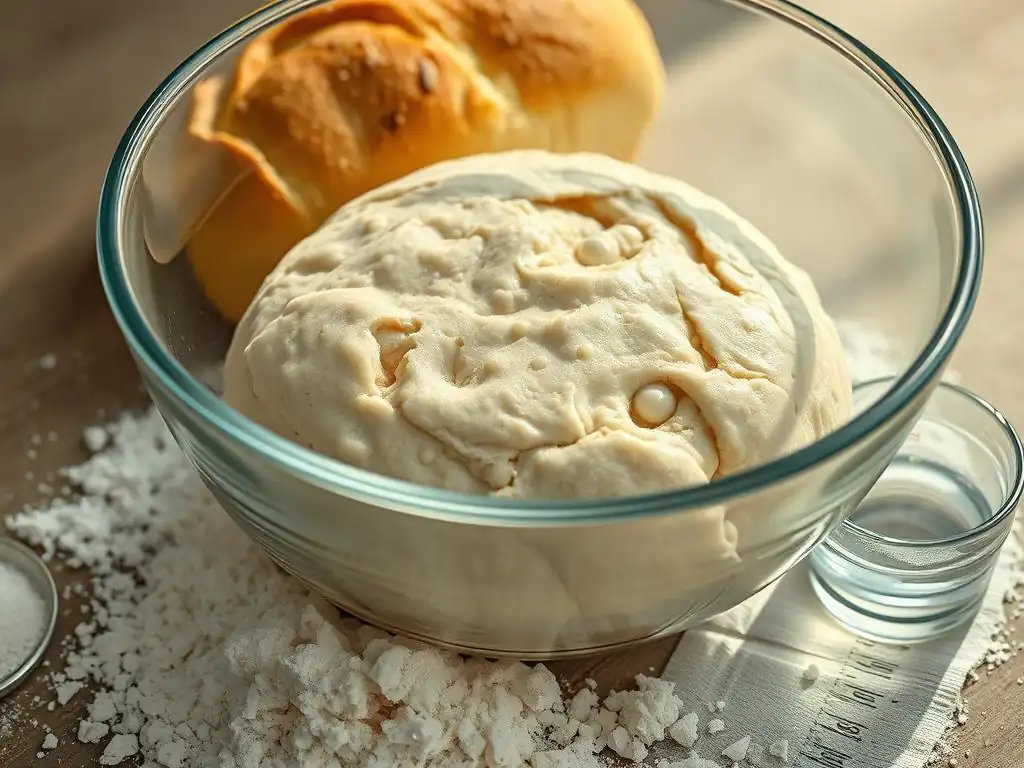
Welcome to BakeWithEase, your haven for unlocking baking brilliance! Ever wondered exactly why white bread rises so beautifully? We'll demystify the science behind this baking staple, revealing the secrets that transform simple ingredients into fluffy, delicious loaves. Prepare to expand your baking knowledge and elevate your bread-making game—the journey starts here!
- The Science Behind Basic White Bread Rising: A BakeWithEase Guide
- Understanding the Rise: Why White Bread Rises Explained
- The Fermentation Process: Unlocking White Bread's Potential
- Key Ingredients and Their Impact on Bread Rise
- Troubleshooting White Bread Rising Issues
- The Baking Process: Setting the Rise in Stone
- Tips for Achieving the Perfect White Bread Rise Every Time
- Beyond the Basics: Exploring Variations in White Bread Rise
- Conclusion: Mastering the Art and Science of White Bread Rising
- Frequently Asked Questions
- Final Reflection: The Humble Rise of Understanding
- Unlock the Secrets of Perfect Bread Rising!
The Science Behind Basic White Bread Rising: A BakeWithEase Guide
Understanding why white bread rises is fundamental to achieving that perfect, airy loaf. It's not magic, but a fascinating interplay of biology, chemistry, and physics happening right in your mixing bowl and oven. At its heart, the rise is about creating gas within the dough and trapping it until baking sets the structure.
The journey begins with simple ingredients – flour, water, yeast, and salt – but their combination and interaction unlock the potential for significant volume increase. By delving into the science, you gain control over the process, allowing you to consistently bake delicious white bread with a beautiful rise.
Understanding the Rise: Why White Bread Rises Explained
The primary reason why white bread rises is the production and trapping of gas within the dough structure. This process is driven by microscopic organisms and the unique properties of wheat flour. When these elements come together under the right conditions, the dough expands, creating the light texture we love in bread.
Essentially, the rise is a direct result of fermentation, where yeast converts sugars into carbon dioxide gas and alcohol. This gas gets caught in a network formed by proteins in the flour, causing the dough to inflate like a balloon. Understanding these core mechanisms is the first step to mastering your loaf.
The Crucial Role of Yeast in White Bread's Rise
Yeast, typically Saccharomyces cerevisiae in bread baking, is the biological engine behind why white bread rises. These tiny, single-celled fungi are dormant when dry but become active when introduced to moisture and a food source, like sugars present in the flour or added to the dough.
Once active, yeast begins to metabolize these sugars through a process called fermentation. The key byproducts for bread baking are ethanol (alcohol) and carbon dioxide (CO₂). The CO₂ gas is what creates the bubbles within the dough, causing it to expand and lighten. Different types of yeast, such as active dry or instant, simply differ in how they are processed and activated, but their fundamental role in producing CO₂ remains the same, directly impacting why white bread rises.
Gluten Development: The Foundation for a Light and Airy Loaf
While yeast produces the gas, gluten is what traps it, providing the structure necessary for why white bread rises and holds its shape. Gluten is a protein network formed when two proteins found in wheat flour, gliadin and glutenin, combine with water and are developed through kneading.
Kneading aligns these protein strands, creating a strong, elastic, and extensible matrix. Think of it as building a microscopic net throughout the dough. As the yeast produces CO₂ bubbles, this gluten network stretches and expands around them. A well-developed gluten structure is crucial; without it, the gas would simply escape, resulting in a dense, flat loaf rather than a lofty one, explaining a key part of why white bread rises.
The Fermentation Process: Unlocking White Bread's Potential
Fermentation is the period where the yeast is most active, consuming sugars and producing the gas that inflates the dough. This stage is often referred to as "proofing" or "rising." It's a critical phase that not only impacts the volume of the bread but also contributes significantly to its flavor and aroma.
Allowing sufficient fermentation time gives the yeast ample opportunity to work, while also allowing other complex chemical reactions to occur that develop desirable compounds. Controlling the conditions during this phase is key to achieving optimal results and understanding why white bread rises properly.
What Happens During White Bread Fermentation?
During fermentation, yeast consumes simple sugars (like glucose and fructose) that are either naturally present in the flour or created by enzymes breaking down starches. This metabolic process yields carbon dioxide gas, which inflates the dough, and ethanol alcohol, which evaporates during baking but contributes to flavor development.
Simultaneously, other enzymatic activities continue within the dough, breaking down proteins and starches further, which affects dough handling and the final texture. Acids are also produced during fermentation, contributing to the bread's characteristic slightly tangy flavor and helping to condition the gluten, making it more extensible. The ideal temperature for yeast activity during bulk fermentation and proofing is typically between 75°F and 80°F (24°C - 27°C). At temperatures below 50°F (10°C), yeast activity slows significantly, while temperatures above 130°F (54°C) can kill the yeast.
Controlling Fermentation for Optimal Rise and Flavor
Managing the rate and duration of fermentation is vital for both the rise and the final flavor profile of white bread. The primary levers for control are temperature, the amount of yeast used, and the amount of sugar available. A warmer temperature speeds up yeast activity, leading to a faster rise, while cooler temperatures slow it down.
Using more yeast will also result in a faster rise, while less yeast requires more time but often allows for more complex flavor development. Similarly, providing more sugar initially gives the yeast more fuel, but excessive sugar can actually slow down fermentation by drawing water out of the yeast cells through osmosis. By adjusting these factors, bakers can manipulate the process to achieve anything from a quick, simple rise to a long, slow fermentation that builds deeper flavors, demonstrating precise control over why white bread rises as it does.
Key Ingredients and Their Impact on Bread Rise
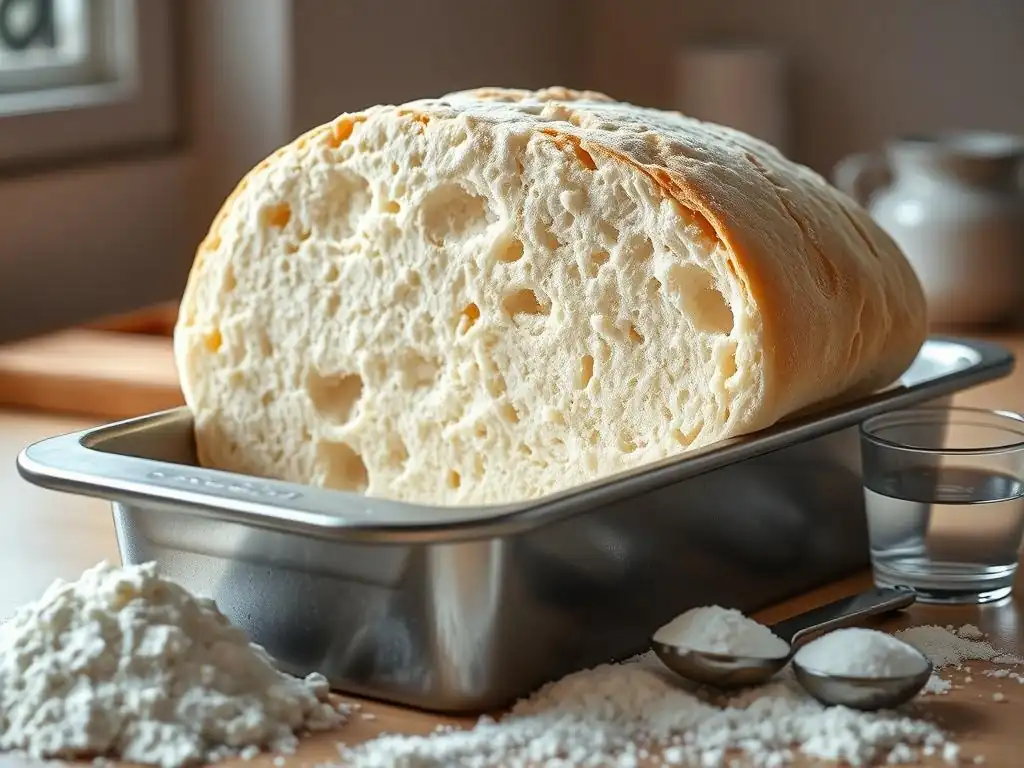
Every ingredient in a basic white bread recipe plays a specific role in the rising process and the final outcome. It's the synergy between flour, water, yeast, salt, and often sugar that dictates how well the dough will rise, its texture, and its flavor.
Understanding the function of each component allows you to troubleshoot issues and make informed choices when adjusting recipes. Here's a breakdown of how the core ingredients contribute to why white bread rises.
Flour Power: Selecting the Right Flour for White Bread
The type of flour is paramount because it provides the proteins needed for gluten development, which is essential for trapping the gas produced by yeast. White bread typically uses wheat flour, specifically varieties with a moderate to high protein content.
All-Purpose flour works well for many recipes, containing around 10.5% to 12% protein. However, Bread Flour, which often contains 12% to 14% protein, is preferred by many bakers because its higher protein content leads to stronger gluten development. This results in a more robust network capable of trapping larger volumes of CO₂ gas, leading to a higher and more airy loaf. Using flour with too little protein, like cake flour (around 7-9% protein), would result in a weaker gluten structure and a significantly reduced rise, illustrating flour's impact on why white bread rises.
Water's Role in Hydration and Gluten Development
Water is arguably the most critical ingredient after flour and yeast for understanding why white bread rises effectively. It serves several essential functions: activating the dormant yeast, dissolving sugar and salt so they can be used by the yeast and distributed throughout the dough, and, crucially, hydrating the flour proteins (gliadin and glutenin) to enable gluten formation.
The amount of water, expressed as a hydration percentage (water weight divided by flour weight), significantly impacts dough consistency and the ease of gluten development. Basic white bread doughs typically have a hydration of 60% to 70%. Higher hydration doughs are stickier but can potentially achieve a more open crumb structure because the extra water allows for greater expansion of the gluten network around the gas bubbles during fermentation and baking.
Salt's Influence: Controlling Yeast Activity and Strengthening Gluten
While salt (sodium chloride) adds flavor, it also plays a vital technical role in bread dough, particularly in regulating yeast activity and strengthening the gluten structure. Salt slows down fermentation by drawing water out of the yeast cells through osmosis, preventing the yeast from working too quickly.
This regulatory effect is important because it allows for slower, more controlled fermentation, which contributes to better flavor development and a more manageable dough. Furthermore, salt tightens the gluten network, making it stronger and more elastic. This increased strength helps the dough hold onto the CO₂ gas more effectively, contributing to a better rise and a more stable structure during baking. Typical salt levels in white bread dough range from 1.5% to 2% of the flour weight.
Sugar's Sweet Contribution: Fueling Yeast and Enhancing Flavor
Sugar, whether added explicitly or derived from the flour's starches, acts as a primary food source for the yeast, especially in the initial stages of fermentation. Providing readily available sugar gives the yeast a quick start, helping to kick off the gas production that is fundamental to why white bread rises.
Beyond feeding the yeast, sugar contributes to the browning of the crust through caramelization and the Maillard reaction during baking. It also adds a subtle sweetness and helps keep the finished bread soft and moist. While a little sugar boosts yeast activity, too much sugar (above 5-10% of flour weight, depending on the recipe) can actually inhibit the yeast by creating an osmotic effect, competing with the yeast for water and potentially leading to a slower rise.
Troubleshooting White Bread Rising Issues
Even with a good recipe, sometimes your white bread doesn't rise as expected. It's a common frustration for bakers, but understanding the potential culprits makes it easier to diagnose and fix the problem. Most rising issues stem from problems with the yeast, the dough's structure, or the environmental conditions.
Identifying the specific issue is key to preventing it from happening again. Let's look at some of the most common reasons why white bread rises poorly and how to address them.
Why Isn't My White Bread Rising? Common Problems and Solutions
There are several potential reasons why your white bread dough isn't rising. The most frequent issue is inactive or dead yeast. This can happen if your yeast is old, was stored improperly, or was killed by using water that was too hot during activation (above 130°F/54°C).
- Check Yeast Viability: Dissolve yeast in warm water (105-115°F / 40-46°C) with a pinch of sugar. If it doesn't bubble and foam within 5-10 minutes, the yeast is likely dead and you need new yeast.
- Water Temperature: Ensure your water is the correct temperature for activating yeast, typically between 105-115°F (40-46°C) for active dry yeast, or room temperature to 130°F (20-54°C) for instant yeast depending on the recipe.
- Environmental Temperature: The proofing environment might be too cold. Yeast activity slows drastically below 70°F (21°C). Find a warm, draft-free spot, ideally 75-80°F (24-27°C).
- Not Enough Kneading: Insufficient gluten development means the dough can't trap gas. Knead until the dough is smooth, elastic, and passes the windowpane test.
- Too Much Salt or Sugar: Excessive amounts of salt or sugar can inhibit yeast activity. Ensure you've measured accurately.
Over-Proofing vs. Under-Proofing: Identifying the Signs
The duration of fermentation (proofing) is crucial, and getting it wrong can negatively impact the final rise and texture. Under-proofed dough hasn't had enough time for the yeast to produce sufficient gas. It will feel dense and tight, might spring back too quickly when poked, and will result in a loaf with poor volume and a dense, tight crumb.
Over-proofed dough, on the other hand, has fermented for too long. The yeast has consumed most of the available sugars, and the gluten structure may have weakened under the pressure of the gas. Over-proofed dough will often look significantly larger than doubled, may have started to collapse slightly, feel very soft, and deflate easily when touched. It can result in a loaf with a poor oven spring, a slightly alcoholic smell, and sometimes a gummy texture. Learning to recognize the visual cues and feel of properly proofed dough is a key skill in understanding why white bread rises successfully.
Too Much Salt: Inhibiting Yeast Activity
As mentioned earlier, salt regulates yeast activity. However, using too much salt can severely inhibit or even kill the yeast, providing a clear explanation for why white bread rises poorly in such cases. Salt creates an osmotic pressure outside the yeast cells, drawing out water and disrupting their metabolic processes.
Even slightly exceeding the typical 1.5-2% salt ratio can noticeably slow down the rise. If you suspect your dough isn't rising because of excessive salt, check your measurements carefully against the recipe. A dough with too much salt will often feel dense and tight and show little to no expansion, regardless of temperature or time.
Insufficient Kneading: Weak Gluten Structure
Kneading is essential for developing the gluten network that traps the CO₂ gas. If the dough is not kneaded enough, the gluten proteins remain tangled and disorganized. This weak structure cannot effectively hold onto the gas bubbles produced by the yeast.
A dough that hasn't been kneaded sufficiently will feel sticky or rough, tear easily when stretched, and won't hold a smooth, rounded shape. When baked, it will result in a dense, heavy loaf with a crumb that is tight and lacks the open, airy texture characteristic of well-risen white bread. Adequate kneading is a non-negotiable step in ensuring why white bread rises properly.
The Baking Process: Setting the Rise in Stone
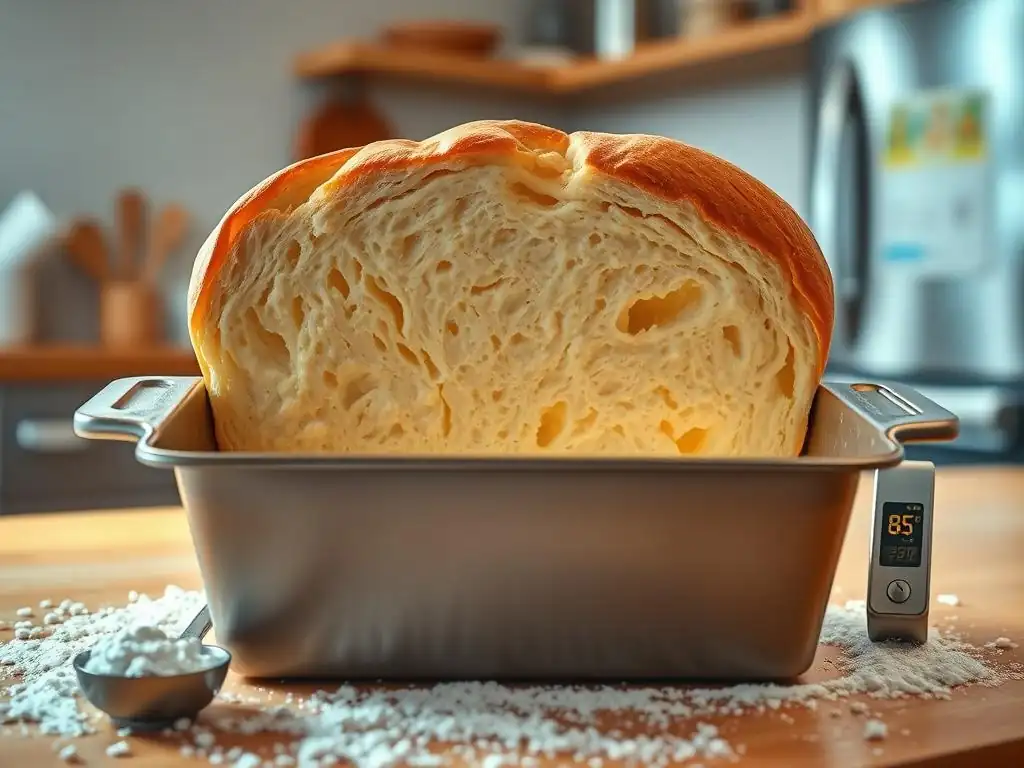
The journey of the rise doesn't end when the dough goes into the oven; in fact, the oven environment triggers a final, dramatic burst of expansion known as "oven spring." The heat of the oven is crucial for this phase and for setting the dough's structure permanently.
Understanding what happens to the dough inside the hot oven helps explain the final phase of why white bread rises and achieves its final volume and shape.
Oven Temperature and Its Effect on Bread Expansion
The initial temperature of the oven has a profound impact on the final rise. When the dough is placed in a hot oven (typically preheated to 375-425°F or 190-220°C for white bread), the heat causes several things to happen rapidly. First, any remaining active yeast experiences a surge of activity in the rising heat, producing a final burst of CO₂ gas before the yeast cells die at around 140°F (60°C).
Second, and more importantly, the gases (CO₂ and ethanol vapor) already trapped within the gluten network expand dramatically as they heat up. This rapid expansion, combined with the still-pliable gluten structure, causes the dough to puff up significantly in the first few minutes of baking. The high heat also causes the water in the dough to turn into steam, which further contributes to expansion, especially in the crust.
The Science of Oven Spring: The Final Burst of Rise
Oven spring is the rapid increase in volume that occurs during the first 10 to 15 minutes of baking. It's the final, dramatic act in why white bread rises. This phenomenon is primarily driven by the rapid expansion of trapped gases (CO₂ and steam) within the dough as they are heated.
During this phase, the gluten network is still flexible enough to stretch, allowing the dough to inflate. As the baking continues, the heat causes the gluten proteins to coagulate and the starches to gelatinize, setting the structure of the loaf. Once the crust begins to harden (usually around 15-20 minutes into baking), the dough can no longer expand significantly, and the oven spring is complete. Maximizing oven spring is a key goal for achieving a light, airy loaf.
Tips for Achieving the Perfect White Bread Rise Every Time
Consistently achieving a great rise in your white bread involves mastering a few key techniques and understanding the conditions that yeast and gluten thrive in. It's about providing the right environment for the biological and chemical processes to occur optimally.
Paying attention to dough development and proofing conditions will significantly improve your baking results and ensure why white bread rises beautifully for you.
Mastering the Dough: Kneading Techniques for Optimal Rise
Proper kneading is fundamental to developing the strong, elastic gluten network needed to trap gas and ensure why white bread rises well. Whether kneading by hand or using a stand mixer, the goal is to work the dough until it is smooth, pliable, and elastic.
A good test for sufficient kneading is the "windowpane test": gently stretch a small piece of dough. If you can stretch it thin enough to see light through it without it tearing, the gluten is well-developed. This strong network is capable of holding onto the CO₂ produced during fermentation and expanding gracefully in the oven.
Proofing Perfection: Creating the Ideal Environment for Rising
The environment during proofing is just as important as the dough itself. Yeast is sensitive to temperature and humidity. An environment that is too cold slows yeast activity to a crawl, while one that is too hot can over-activate or even kill the yeast.
Aim for a consistent, warm, and draft-free location. The ideal temperature range for proofing white bread dough is typically between 75°F and 80°F (24°C - 27°C). This range encourages steady, active fermentation without being too rapid.
Warm Environment: Maintaining a Consistent Temperature of 75-80°F
Maintaining a consistent temperature of 75-80°F (24-27°C) is optimal for yeast activity in white bread dough. Temperatures lower than this will significantly slow down the rise, potentially requiring hours longer than a recipe suggests.
Practical ways to achieve this include placing the covered dough in a turned-off oven with only the light on (which often provides enough warmth), using a proofing box, or finding a warm spot in your kitchen away from drafts. Consistency is key; fluctuating temperatures can stress the yeast and lead to uneven rising.
Humid Environment: Using a Damp Towel or Proofing Box
Humidity during proofing is important to prevent the surface of the dough from drying out and forming a skin. A dry skin hardens and restricts the dough's ability to expand freely as the yeast produces gas, negatively impacting why white bread rises.
To create a humid environment, you can cover the dough bowl with a damp cloth or plastic wrap lightly greased with oil or cooking spray. Another effective method is to place the dough in a warm oven (turned off) with a pan of hot water on the rack below it. The steam from the water creates a moist atmosphere that keeps the dough surface supple.
Beyond the Basics: Exploring Variations in White Bread Rise
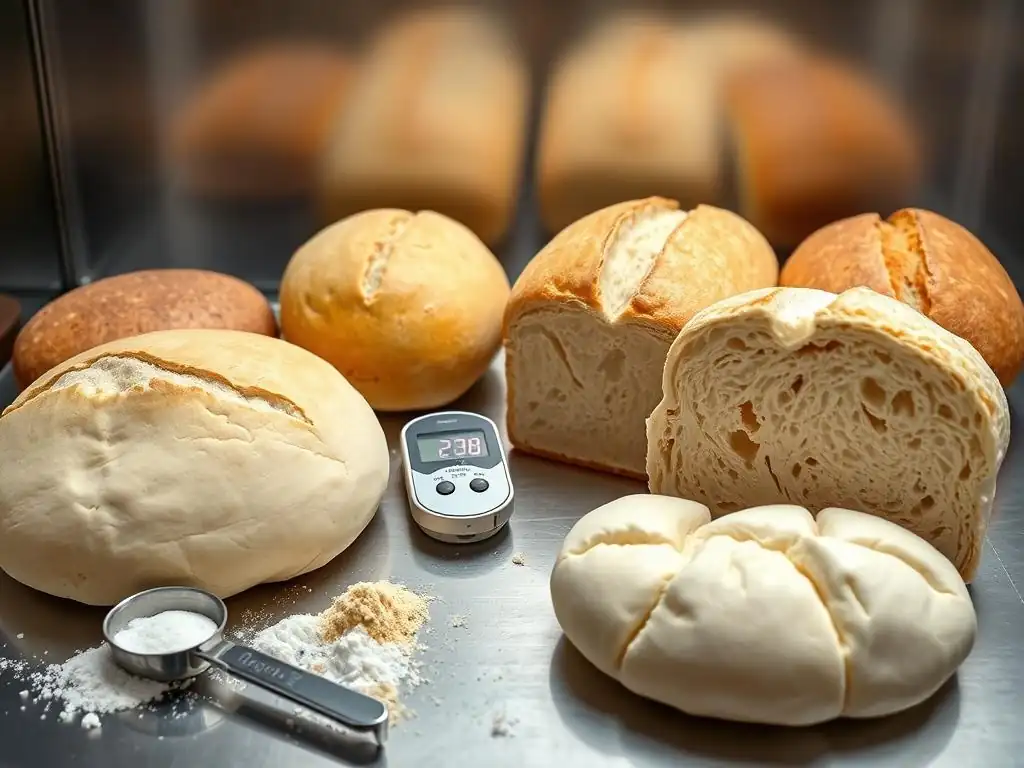
While the fundamental principles of why white bread rises remain constant, different techniques and ingredients can be used to influence the process and the final characteristics of the bread. Experimenting with these variations can lead to exciting discoveries in flavor and texture.
These methods often manipulate the fermentation time, yeast activity, or dough handling to achieve unique results, demonstrating the versatility within the science of why white bread rises.
Different Types of Yeast and Their Impact
The type of yeast used directly impacts the speed and flavor profile of the rise. Active dry yeast requires activation in warm water before being added to the dough, typically resulting in a steady rise. Instant yeast, on the other hand, can be added directly to the dry ingredients and generally ferments more quickly.
Using less yeast, regardless of type, and allowing for a longer, slower fermentation (especially in a cooler environment like the refrigerator) encourages the development of more complex flavors as the yeast and enzymes have more time to work. Fresh yeast is another option, known for its robust activity and subtle flavor, though it has a shorter shelf life. The choice of yeast affects the timeline and subtle characteristics of why white bread rises.
Poolish Bread: Using a Pre-Ferment for Enhanced Flavor and Rise
A poolish is a type of pre-ferment (or preferment) often used in bread making, including white bread, to boost flavor and improve the rise. It's typically made by combining equal parts flour and water (by weight) with a very small amount of yeast, then allowing it to ferment for several hours (often 8-12 hours) at room temperature or longer in the refrigerator.
Adding this bubbly, active mixture to the final dough introduces a large population of active yeast cells and adds acidity and flavor compounds developed during the long, slow fermentation of the poolish. This contributes to a more vigorous final rise and a more complex, aromatic loaf compared to using yeast directly in the main dough, providing an advanced explanation for why white bread rises with enhanced qualities.
No-Knead Bread: Utilizing a Long, Slow Rise
No-knead bread recipes, popularized by Jim Lahey, demonstrate that significant kneading isn't the only way to develop gluten for a good rise. These recipes typically use a very wet dough (high hydration, often 75-80% or higher) and a minimal amount of yeast, followed by a very long fermentation period (often 12-18 hours) at room temperature.
Over this extended time, the combination of high hydration and enzymatic activity allows the gluten network to develop naturally through a process called autolysis, without the need for mechanical kneading. The long, slow fermentation also builds deep flavor. The dough still rises significantly due to the yeast producing CO₂, trapped by the passively developed gluten, offering an alternative perspective on why white bread rises.
Conclusion: Mastering the Art and Science of White Bread Rising
Understanding the science behind why white bread rises transforms baking from following instructions to actively managing a fascinating process. From the metabolic magic of yeast converting sugar to gas, to the structural strength provided by the gluten network, each element plays a vital role.
By controlling factors like ingredient ratios, kneading technique, and proofing conditions (temperature and humidity), you gain the power to consistently achieve that beautiful rise and delightful texture. Troubleshooting becomes easier when you know what could be inhibiting the yeast or weakening the gluten. Embrace the science, experiment with the variables, and enjoy the rewarding experience of baking perfectly risen white bread with BakeWithEase!
Frequently Asked Questions
Why does white bread rise?
White bread rises because of the carbon dioxide produced by yeast fermentation. The yeast consumes sugars in the dough and releases this gas, which gets trapped within the gluten structure, causing the bread to expand.
What role does gluten play in white bread rising?
Gluten is the protein network formed when flour is mixed with water. This network is essential for trapping the carbon dioxide produced by the yeast, giving the bread its structure and allowing it to rise.
What happens if I don't knead my white bread dough enough?
Insufficient kneading means the gluten network won't be properly developed. This results in a weaker structure that can't effectively trap gas, leading to a flat and dense loaf.
How does temperature affect the rising of white bread?
Yeast is sensitive to temperature. Warm temperatures (around 75-85°F) are ideal for yeast activity and optimal rising. Too cold, and the yeast becomes sluggish; too hot, and it dies, preventing the bread from rising.
Can I use too much yeast when making white bread?
Yes, using too much yeast can lead to a rapid rise followed by a collapse of the bread. It can also impart an undesirable yeasty flavor to the finished product.
Final Reflection: The Humble Rise of Understanding
The science behind bread rising, seemingly simple, holds a mirror to the complexities of nature and the power of human ingenuity. Understanding the precise interplay of yeast, flour, and water isn't just about baking a loaf; it's about appreciating the fundamental processes that underpin so much of our food production and even our understanding of biology. This intricate dance of fermentation and expansion is a testament to the power of observation and scientific inquiry.
The journey from a simple mixture of ingredients to a fluffy, golden-brown loaf has captivated humanity for millennia. This process, so deeply ingrained in our culinary history and cultural traditions, continues to fascinate and inspire. Bread is the staff of life,
a simple phrase that encapsulates its profound importance across cultures and time. The seemingly mundane act of bread-making reveals a deeper appreciation for the natural world and the scientific principles that govern it, principles that extend far beyond the kitchen. This understanding, I believe, fosters a greater respect for the food we consume and the processes that bring it to our tables.
Now, consider the next time you see a loaf of bread rising. Don't just see a simple expansion; see the intricate biological processes at work, the delicate balance of yeast activity and gluten formation. Take a moment to appreciate the science, the history, and the artistry involved in this everyday miracle.
Let this understanding inspire you to explore the hidden wonders within the seemingly ordinary, to question, to learn, and to appreciate the interconnectedness of all things. The next time you bake, or even just eat a slice of bread, remember the journey of understanding that brought you to this moment.
Unlock the Secrets of Perfect Bread Rising!
Thanks for diving deep into the science of bread rising! We hope you now feel empowered to tackle even the most challenging doughs. Ready to put your newfound knowledge to the test?
- Bake your own loaf today! Experiment with different flours or hydration levels to see how it affects your rise. This is the best way to truly master the process.
- Share your baking journey! Post a picture of your masterpiece on social media and tag us – we'd love to see your results!
- Join our baking community forum! Ask questions, share tips, and connect with other bread enthusiasts. Let's learn and grow together!
What's your next bread-baking adventure?