
The Best Nut & Seed Combinations for Ultimate Baking Flavors

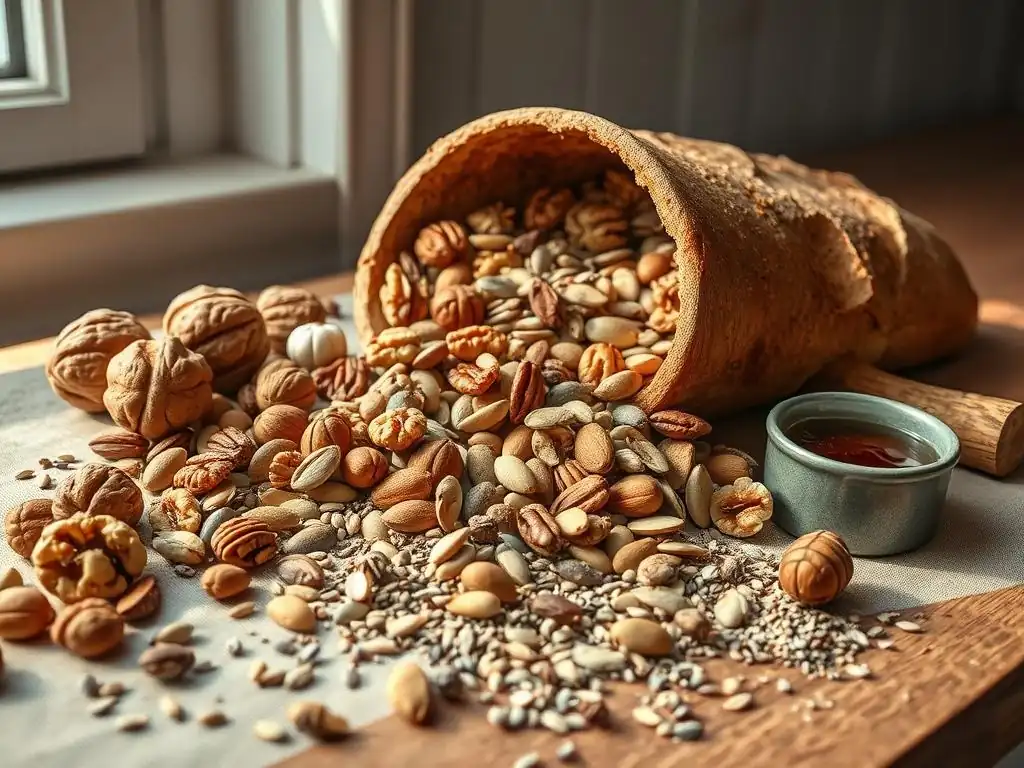
Welcome to BakeWithEase, your secret ingredient to baking brilliance! Ever wondered how to unlock the ultimate flavor profile in your baked goods? This week, we're diving deep into the world of nut and seed baking flavors. Prepare to discover the most delicious and surprising combinations that will elevate your pastries, breads, and more beyond the ordinary. Intrigued? Let's get baking!
- Elevating Baking with Nut & Seed Pairings
- Understanding Nut & Seed Flavor Profiles
- Top Nut & Seed Combinations for Baking
- Creating Unique Nut & Seed Blends
- Recipes Featuring Nut & Seed Combinations
- Storing Nuts and Seeds for Freshness
- Mastering Nut & Seed Baking
-
Frequently Asked Questions
- What are some popular nut and seed combinations to enhance baking flavor?
- How does toasting nuts and seeds affect their flavor in baking?
- What are some tips for incorporating nuts and seeds into different types of baked goods?
- Can I use nut and seed butters to enhance baking flavor?
- How do I store nuts and seeds to maintain their freshness and flavor for baking?
- Final Reflection: Unleashing the Symphony of Nuts and Seeds in Baking
- Unleash Your Inner Baking Maestro!
Elevating Baking with Nut & Seed Pairings
Nuts and seeds are powerhouses of flavor, texture, and nutrition in the world of baking. They can transform a simple batter into a culinary masterpiece, adding depth, crunch, and aroma that elevate the final product from good to unforgettable. Understanding how different nuts and seeds interact and complement each other is key to unlocking exciting new dimensions in your baked goods and mastering the art of nut seed baking flavor.
Whether you're aiming for a rustic loaf of bread, delicate cookies, or a rich cake, the right combination of nuts and seeds can make all the difference. Their natural oils contribute moisture and richness, while their inherent flavors range from sweet and buttery to earthy and robust. Exploring these possibilities opens up a world of creative baking.
Understanding Nut & Seed Flavor Profiles
Before diving into specific pairings, it's helpful to understand the individual characteristics that nuts and seeds bring to the table. Each type has a distinct flavor profile, texture, and fat content, all of which impact the final baked good. Knowing these profiles allows you to make informed decisions about which nuts and seeds will best enhance your recipe and contribute to the desired nut seed baking flavor.
This foundational knowledge helps prevent flavor clashes and ensures that the chosen combination complements the other ingredients in your recipe, such as fruits, spices, or chocolate. It's about creating harmony, not just adding ingredients.
Exploring Nutty Flavors in Baking
Nuts bring a rich, often buttery, and sometimes slightly sweet or bitter note to baking. Almonds, for instance, offer a delicate, slightly sweet flavor and a crisp texture, making them versatile in everything from macarons to tarts. They typically contain around 50-60% fat, contributing moisture and tenderness to baked goods. Walnuts, on the other hand, have a more robust, earthy, and slightly bitter profile, pairing wonderfully with spices like cinnamon and nutmeg, commonly found in quick breads and muffins. Their fat content is often slightly higher than almonds, around 65%.
Pecans are known for their sweet, buttery richness, making them stars in pies and sticky buns. Hazelnuts boast a distinct, toasted flavor, especially when roasted, and are famously paired with chocolate. Macadamia nuts are exceptionally buttery and creamy, perfect for adding a luxurious texture to cookies and white chocolate pairings. Each nut contributes a unique aspect to the overall nut seed baking flavor profile.
Unlocking Unique Seed Tastes
Seeds, while often smaller than nuts, pack a significant punch in terms of flavor, texture, and nutritional value. Poppy seeds, for example, have a subtle, slightly nutty flavor and provide a delightful crunch, often used in cakes and muffins, particularly those with citrus notes. Chia seeds are relatively neutral in flavor but become gelatinous when wet, acting as a binder and adding fiber (around 34% fiber) and omega-3 fatty acids; they are great in power bars or added to bread dough for texture.
Sunflower seeds offer a mild, nutty flavor and a satisfying crunch, commonly used in bread and granola bars. Pumpkin seeds (pepitas), especially when roasted, have a distinct, slightly sweet and earthy taste, adding a lovely green hue and texture to baked goods like scones or savory muffins. Sesame seeds, particularly toasted sesame seeds, provide a nutty, slightly smoky depth of flavor, often used as a topping for bread or incorporated into crackers, enhancing the overall nut seed baking flavor experience.
Top Nut & Seed Combinations for Baking
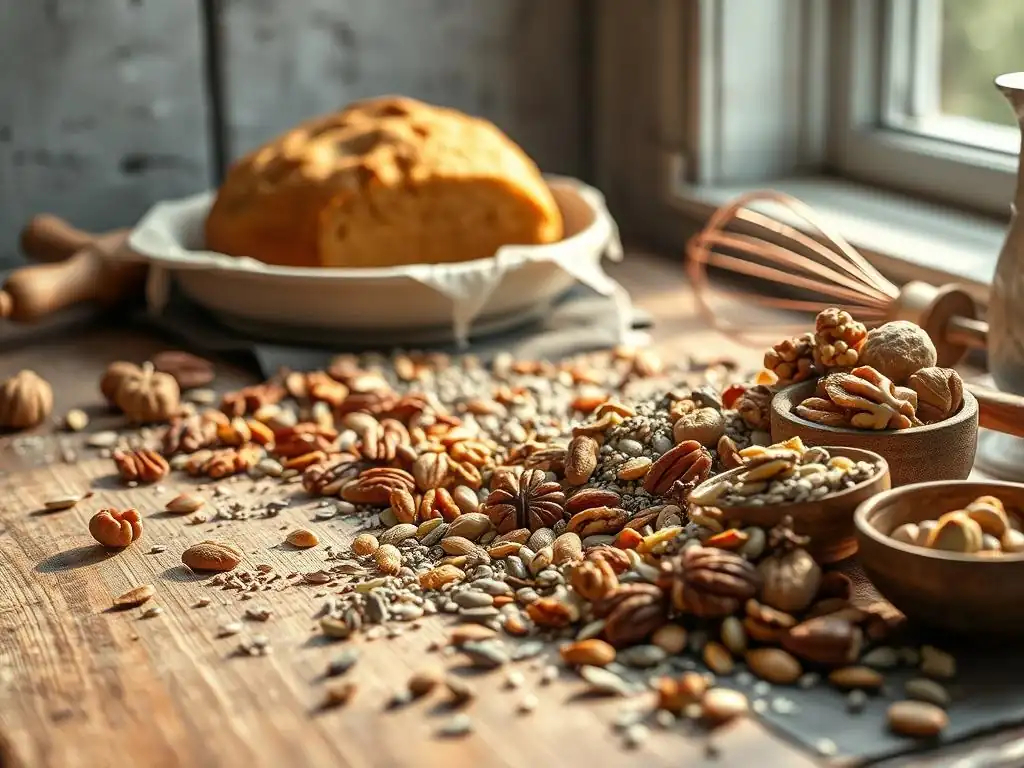
Pairing nuts and seeds thoughtfully can create synergy, where the combined flavors are even better than the sum of their parts. These combinations are often based on complementary flavor profiles, textures, or traditional culinary pairings that have proven successful over time. Experimenting with these tried-and-true duos is a great starting point for mastering nut seed baking flavor.
Understanding why certain pairings work well can also inspire you to create your own unique blends. Consider the balance of richness from nuts with the crunch or subtle flavor notes from seeds.
Almond & Poppy Seed: A Baking Staple
The combination of almond and poppy seed is a classic for a reason. Almonds offer a delicate sweetness and a tender crumb when ground or a pleasant crunch when sliced, while poppy seeds provide a subtle nutty note and a distinct, satisfying texture. This pairing is particularly popular in cakes, muffins, and quick breads, often enhanced by citrus flavors like lemon or orange.
A common application is the lemon almond poppy seed cake. The bright acidity of the lemon cuts through the richness of the almond, and the tiny poppy seeds are dispersed throughout, offering bursts of texture in every bite. This combination results in a light, fragrant, and visually appealing baked good that highlights a delightful nut seed baking flavor.
Walnut & Sunflower Seed: Earthy Flavors
Walnuts and sunflower seeds create a robust, earthy combination perfect for rustic breads, savory muffins, or granola. Walnuts contribute their signature slightly bitter, rich flavor and softer texture, while sunflower seeds add a milder nuttiness and a firmer crunch. This pairing works well in baked goods where a hearty, wholesome flavor is desired.
Consider a walnut and sunflower seed sourdough bread. The tangy notes of the sourdough complement the earthy flavors of the nuts and seeds. The combination provides a wonderful interior texture with soft walnut pieces and crunchy sunflower seeds embedded in the crumb, offering a complex and satisfying nut seed baking flavor profile.
Hazelnut & Chia Seed: Nutty-Healthy Delight
Combining the rich, toasted flavor of hazelnuts with the subtle texture and nutritional boost of chia seeds offers a modern, health-conscious twist on nut seed baking flavor. Roasted hazelnuts provide deep flavor and a satisfying crunch, while chia seeds add fiber and omega-3s without overpowering the taste. This pairing is excellent in biscotti, power bars, or added to cookie dough.
Hazelnut chia seed biscotti, for example, benefits from the intense hazelnut flavor that develops during baking and the subtle crunch and nutritional value from the chia seeds. The chia seeds also help bind the ingredients slightly, contributing to a desirable texture. This combination is perfect for a treat that feels both indulgent and nourishing.
Pecan & Pumpkin Seed: Autumnal Harmony
Pecans and pumpkin seeds evoke the warm, comforting flavors of autumn. Pecans offer their signature buttery sweetness, while pumpkin seeds (pepitas) provide a slightly earthy, toasty flavor and a vibrant green color. This pairing is a natural fit for fall-themed baked goods like muffins, scones, or quick breads, especially when combined with spices like cinnamon, ginger, and clove.
Imagine pecan and pumpkin seed scones. The sweetness of the pecans complements the subtle earthiness of the pumpkin seeds. When baked, both nuts and seeds toast beautifully, enhancing their individual flavors and contributing a delightful texture contrast to the tender scone crumb, embodying a perfect autumnal nut seed baking flavor.
Macadamia & Sesame Seed: Tropical Twist
This less common but intriguing pairing brings together the creamy richness of macadamia nuts with the distinct, slightly smoky flavor of toasted sesame seeds. Macadamia nuts offer a smooth, buttery texture and sweet flavor, while toasted sesame seeds add a nutty, slightly bitter, and aromatic counterpoint. This combination can add an unexpected tropical-inspired nut seed baking flavor to cookies, shortbread, or even savory crackers.
Consider macadamia and toasted sesame seed cookies. The luxurious texture of the macadamia nuts pairs unexpectedly well with the intense aroma and slight bitterness of the sesame seeds. This creates a complex flavor profile – sweet and buttery from the macadamia, with an intriguing nutty depth from the sesame – offering a sophisticated take on a classic cookie.
Creating Unique Nut & Seed Blends
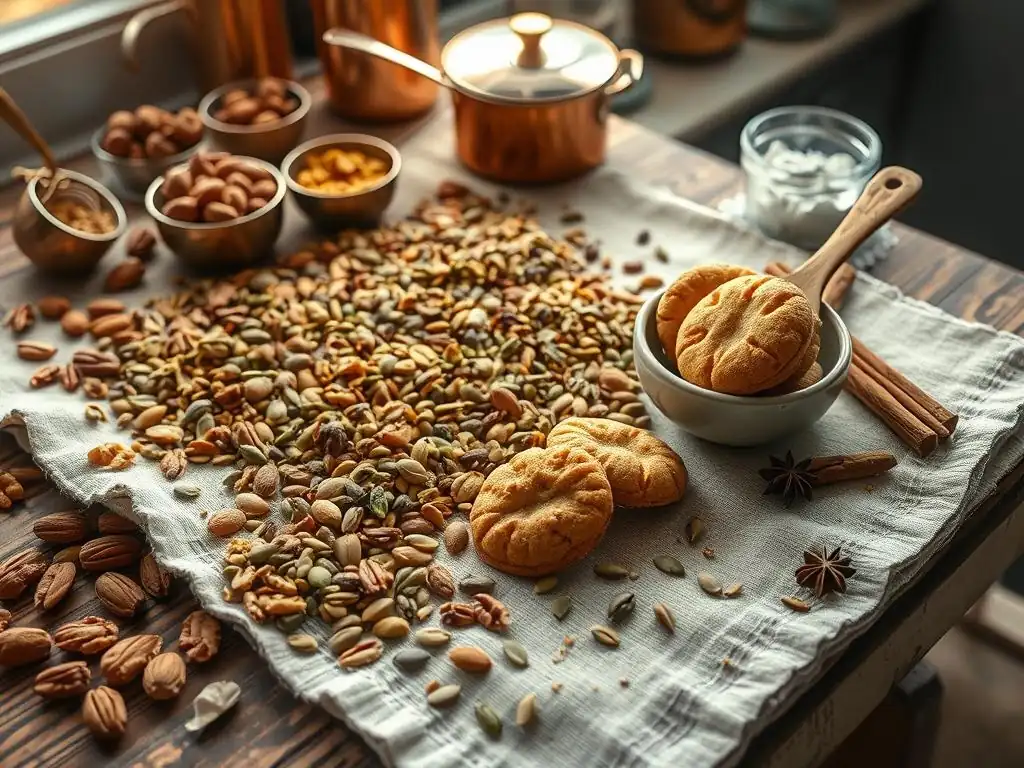
Moving beyond standard pairings, you can create your own unique nut seed baking flavor blends tailored to specific recipes. This involves experimenting with different types of nuts and seeds, adjusting their ratios, and considering preparation techniques like toasting and grinding.
The possibilities are vast, limited only by your creativity. Think about the desired texture and flavor profile of your final baked good and select nuts and seeds that will contribute positively to those characteristics.
Experimenting with Ratios
The ratio of nuts to seeds, and the ratio of the blend to the total dough or batter, significantly impacts the final outcome. A higher proportion of nuts will contribute more richness and a softer texture, while a higher proportion of seeds will add more crunch and potentially fiber. For instance, in a bread recipe, using 15-20% of the total flour weight in a nut and seed blend is a common starting point, but this can be adjusted based on preference.
For cookies, the ratio might be lower, perhaps 10-15% of the total dry ingredients, to ensure the cookies hold their shape while still providing ample nut seed baking flavor and texture. Experimenting with small batches allows you to find the perfect balance for your specific recipe and desired outcome.
Toasting for Maximum Flavor
Toasting nuts and seeds is a crucial step in enhancing their nut seed baking flavor. Heat helps release their natural oils, intensifying their aroma and deepening their flavor profile. Nuts often become richer and nuttier, while seeds can develop a pleasant toastiness or smokiness.
You can toast nuts and seeds in a dry pan over medium heat, stirring frequently until fragrant, or spread them in a single layer on a baking sheet and bake at around 300-325°F (150-160°C) for 8-15 minutes, depending on the size and type, until golden brown and aromatic. Always let them cool completely before adding them to your batter or dough.
Grinding for Texture
How you prepare your nuts and seeds – whole, chopped, or ground – dramatically affects the texture of the final baked good. Whole nuts and seeds offer distinct pockets of crunch. Coarsely chopped pieces provide a more integrated but still noticeable texture. Finely ground nuts (like almond flour) can replace a portion of the flour, adding tenderness and richness, while finely ground seeds can add density and nutrition.
Consider grinding some of your nuts and seeds for a finer texture that disperses more evenly, while keeping some whole or roughly chopped for distinct textural elements. This layered approach can create a more complex and enjoyable mouthfeel in your baked goods, contributing significantly to the overall nut seed baking flavor and experience.
Recipes Featuring Nut & Seed Combinations
Applying these nut and seed combinations in actual recipes brings the nut seed baking flavor concepts to life. Here are a few examples showcasing how specific pairings can be used effectively in different types of baked goods.
These examples demonstrate the versatility of nuts and seeds and how they can transform classic recipes into something special.
Lemon Almond Poppy Seed Cake
This classic cake highlights the bright, fresh nut seed baking flavor of lemon, almond, and poppy seed.
Yields: 8-10 servings
Prep time: 20 minutes
Bake time: 45-55 minutes

Ingredients:
- 1 1/2 cups all-purpose flour
- 1 tsp baking powder
- 1/2 tsp salt
- 1 cup granulated sugar
- 1/2 cup unsalted butter, softened
- 2 large eggs
- 1 tsp vanilla extract
- 1/2 cup milk
- 1/4 cup fresh lemon juice
- 2 tbsp lemon zest
- 1/4 cup poppy seeds
- 1/2 cup finely ground almonds (almond flour)
- 1/4 cup sliced almonds, for topping (optional)
The ground almonds contribute tenderness and a subtle nutty base, while the poppy seeds add their characteristic texture and mild flavor throughout the cake. The sliced almonds on top provide a lovely crunch and visual appeal, enhancing the overall nut seed baking flavor experience.
Walnut Sunflower Seed Sourdough Bread
Adding walnuts and sunflower seeds to sourdough bread creates a hearty loaf with wonderful texture and earthy nut seed baking flavor.
Yields: 1 large loaf
Prep time: 24 hours (including proofing)
Bake time: 40-50 minutes

Ingredients:
- 500g strong bread flour
- 350g water
- 100g active sourdough starter
- 10g salt
- 75g chopped walnuts
- 50g sunflower seeds (untoasted or lightly toasted)
The walnuts soften slightly during baking, adding pockets of richness, while the sunflower seeds maintain their crunch, providing textural contrast. Both contribute their earthy, nutty notes, complementing the tangy sourdough and creating a complex and satisfying nut seed baking flavor.
Hazelnut Chia Seed Biscotti
These crunchy Italian cookies are perfect for dipping and showcase the rich nut seed baking flavor of hazelnuts combined with the subtle texture and health benefits of chia seeds.
Yields: Approx. 24 biscotti
Prep time: 20 minutes
Bake time: 25-35 minutes (first bake) + 15-20 minutes (second bake)

Ingredients:
- 1 3/4 cups all-purpose flour
- 1 tsp baking powder
- 1/4 tsp salt
- 3/4 cup granulated sugar
- 2 large eggs
- 1 tsp vanilla extract
- 1/2 cup whole roasted hazelnuts, roughly chopped
- 2 tbsp chia seeds
The roasted hazelnuts provide intense flavor and crunch, which is amplified during the double baking process of biscotti. The chia seeds are less noticeable in flavor but add a subtle texture and density, contributing to the overall nut seed baking flavor and making these biscotti a delightful treat.
Storing Nuts and Seeds for Freshness
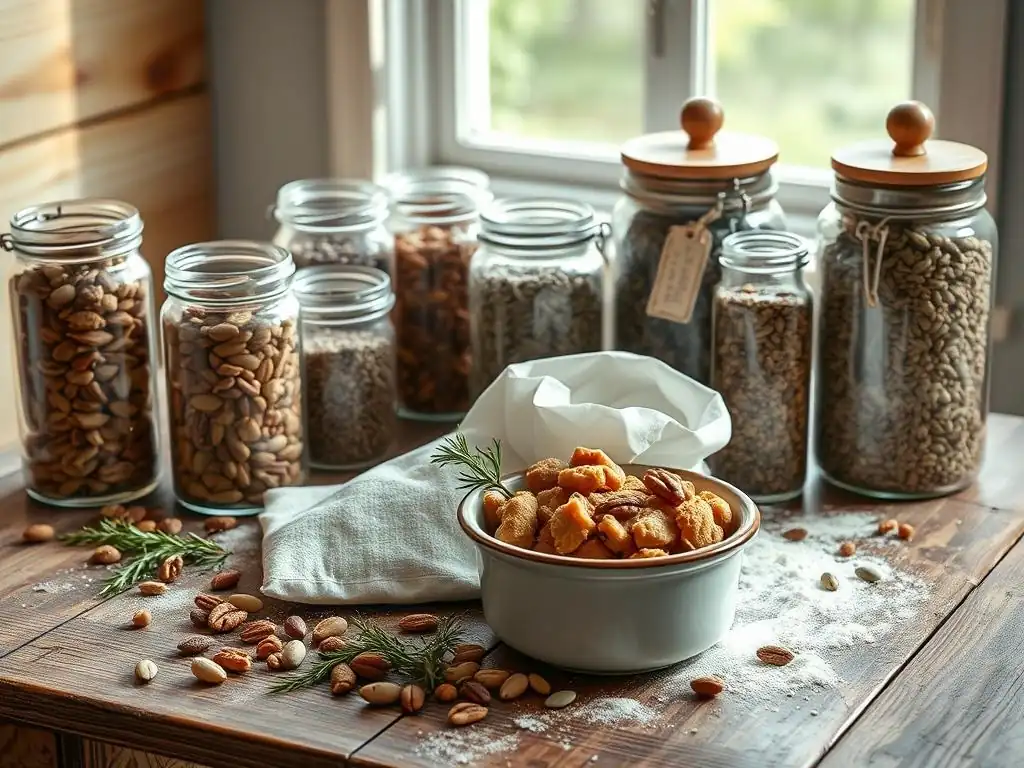
Proper storage is essential to maintain the quality, flavor, and nutritional value of nuts and seeds. Due to their high oil content, nuts and seeds can easily go rancid, developing an unpleasant bitter or "off" flavor that can ruin your baked goods and negatively impact the nut seed baking flavor.
Taking a few simple steps to store them correctly will ensure they stay fresh and flavorful, ready to use whenever inspiration strikes.
Proper Storage Techniques
The best way to store nuts and seeds is in airtight containers away from heat, light, and moisture. Oxygen, light, and warmth are the primary culprits that cause the oils within them to oxidize and turn rancid. Glass jars with tight-fitting lids or heavy-duty resealable plastic bags are excellent choices.
For longer storage, especially for larger quantities or types with higher fat content like walnuts and pecans (which can contain over 60% fat), the refrigerator or freezer is ideal. Refrigerated nuts and seeds can last for several months, while freezing can extend their shelf life to a year or more. Just be sure they are sealed well to prevent them from absorbing odors from other foods.
Avoiding Rancidity
Rancidity is easy to detect by smell – rancid nuts and seeds will have a paint-like or stale odor. They may also taste bitter or soapy. Once rancid, they are not suitable for baking as the off-flavors will permeate your entire dish, ruining the desired nut seed baking flavor.
To avoid rancidity, always buy nuts and seeds from sources with high turnover to ensure freshness. Store them properly as described above, and only toast the amount you plan to use relatively soon, as toasting can sometimes speed up the oxidation process if not stored correctly afterward. When in doubt, give them a smell test before adding them to your recipe.
Mastering Nut & Seed Baking
Incorporating nuts and seeds into your baking is a rewarding endeavor that adds layers of flavor, texture, and nutrition. By understanding the unique characteristics of different nuts and seeds and how they interact, you can elevate your baked goods and consistently achieve outstanding nut seed baking flavor.
Experimenting with classic combinations and creating your own blends allows for endless creativity in the kitchen.
Recap of Combinations
We've explored several delightful combinations, each offering a unique nut seed baking flavor:
- Almond & Poppy Seed: Delicate, slightly sweet, and crunchy.
- Walnut & Sunflower Seed: Earthy, robust, and hearty.
- Hazelnut & Chia Seed: Rich, nutty, and subtly textured.
- Pecan & Pumpkin Seed: Sweet, buttery, and autumnal.
- Macadamia & Sesame Seed: Creamy, tropical, and aromatic.
Remember that these are just starting points. Feel free to mix and match based on your preferences and the requirements of your recipe.
Sourcing High-Quality Nuts and Seeds
The quality of your ingredients directly impacts the final nut seed baking flavor. Source fresh, high-quality nuts and seeds from reputable suppliers. Look for nuts that appear plump and uniform in color. For seeds, ensure they are clean and free from debris.
Purchasing from bulk bins can be cost-effective, but ensure the bins are covered and the store has good turnover to guarantee freshness. Alternatively, buying pre-packaged nuts and seeds from trusted brands provides assurance of quality and often includes "best by" dates, helping you maintain optimal freshness for your baking projects.
Frequently Asked Questions
What are some popular nut and seed combinations to enhance baking flavor?
Some popular combinations include almonds and poppy seeds for a subtle, nutty taste, or walnuts and sunflower seeds for a richer, more robust flavor. You can also try pecans and pumpkin seeds for a seasonal twist.
How does toasting nuts and seeds affect their flavor in baking?
Toasting nuts and seeds intensifies their natural flavors by bringing out their oils and creating a richer, more aromatic profile. This results in a more pronounced and delicious flavor in your baked goods.
What are some tips for incorporating nuts and seeds into different types of baked goods?
For breads and muffins, try mixing nuts and seeds directly into the batter. For cookies and cakes, consider using them as a topping for visual appeal and added texture. Don't forget to adjust baking times if adding a significant amount of nuts/seeds.
Can I use nut and seed butters to enhance baking flavor?
Yes! Nut and seed butters like almond butter or tahini (sesame seed butter) add moisture, flavor, and richness to baked goods. They can also be used as a healthier alternative to butter or oil in some recipes.
How do I store nuts and seeds to maintain their freshness and flavor for baking?
Store nuts and seeds in an airtight container in the refrigerator or freezer to prevent them from going rancid. This helps to preserve their flavor and extend their shelf life, ensuring they're ready for your next baking adventure.
Final Reflection: Unleashing the Symphony of Nuts and Seeds in Baking
The art of baking lies not just in technique, but in the harmonious blend of flavors, and the exploration of nut and seed combinations unlocks a world of previously unimagined possibilities. This article has explored the diverse profiles of various nuts and seeds, demonstrating how their unique textures and tastes can elevate even the simplest baked goods to extraordinary heights. The current resurgence of interest in artisanal baking and conscious food choices makes understanding these flavor pairings more relevant than ever.
The journey through different nut and seed combinations has been a personal revelation, highlighting the subtle nuances that can transform a recipe from good to unforgettable. The best things in life are simple, but not easy.
This quote perfectly encapsulates the effort involved in perfecting a recipe, but also the rewarding simplicity of the final product when the right ingredients are combined. The exploration of these flavor profiles isn't just about creating delicious treats; it's about understanding the intricate dance of taste and texture, a dance that continues to evolve and inspire bakers worldwide.
Now, it's your turn. Consider the recipes you already love. Think about how a simple substitution of nuts or seeds—almonds for pecans, sunflower seeds for pumpkin—might unlock a new dimension of flavor. Don't be afraid to experiment, to deviate from traditional pairings, and to discover your own unique symphony of tastes. The world of nut and seed combinations in baking is vast and waiting to be explored; your culinary journey begins now.
Unleash Your Inner Baking Maestro!
Thanks for joining us on this flavorful journey through the world of nuts and seeds! We hope you discovered some exciting new combinations to elevate your baking game. Now it's time to put your newfound knowledge into action.
- Experiment with a new nut-seed blend: Choose one of the pairings we highlighted and try it in your next batch of cookies, muffins, or bread. We'd love to hear how it turned out!
- Share your baking creations: Show off your delicious results on social media using #BakeWithEaseNuttyDelights and tag us! Let's inspire each other.
- Leave a comment below: Tell us which nut and seed combination is your new favorite – or share a unique blend you've created!
Ready to transform your baking? What surprising flavor combinations will you create next?