
From Italy to Japan: WorldRenowned Baking Schools to Visit

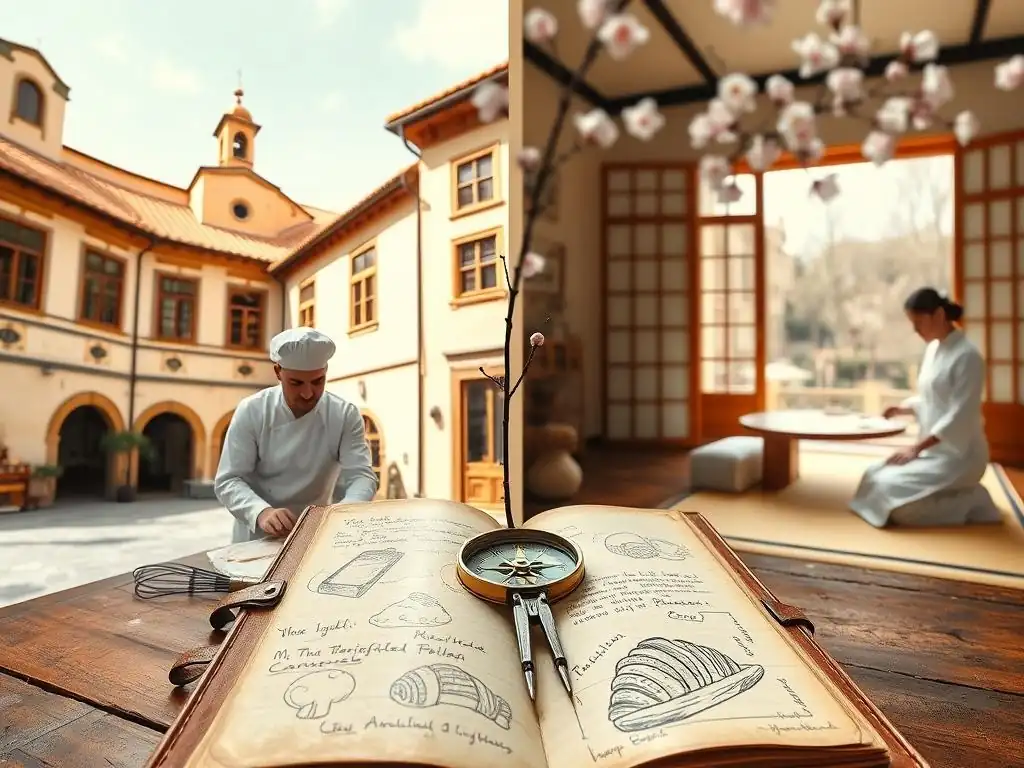
Welcome to BakeWithEase, your passport to a world of baking adventures! Ever dreamed of perfecting your pâtisserie in Paris or crafting authentic ciabatta in Italy? Our guide to the world's best baking schools is your first step. Get ready to explore our International Baking School Travel Guide and discover where your culinary dreams can take flight. Intrigued? Let's begin your journey!
- Your International Baking School Travel Guide: A Baker's Dream
- Immerse Yourself in Italian Baking Traditions: Top Schools in Italy
- Exploring Japanese Baking Innovations: Premier Schools in Japan
- Comparing Baking Schools: Italy vs. Japan
- Essential Baking Travel Gear: What to Pack for Your Culinary Adventure
- Continuing Your Baking Education: Beyond the Classroom
-
Frequently Asked Questions
- What makes a baking school "world-renowned" according to BakeWithEase?
- Does BakeWithEase's "International Baking School Travel Guide" cater only to professional bakers?
- What types of baking specialties might I find at these international baking schools?
- How can this "International Baking School Travel Guide" help me plan my baking-focused trip?
- Are the recipes taught at these schools readily replicable at home with easy-to-find ingredients, as emphasized by BakeWithEase?
- Final Reflection: The Sweet Journey of Global Baking Education
- Unleash Your Inner Pastry Chef: Take the Next Step!
Your International Baking School Travel Guide: A Baker's Dream
Embarking on a journey to learn baking in another country is more than just attending classes; it's a deep dive into different cultures, ingredients, and techniques that have been honed over centuries. For anyone passionate about dough, pastries, and all things baked, an international baking school travel guide can open up a world of possibilities. Imagine mastering the delicate art of Italian sfogliatella in Florence or perfecting the intricate designs of Japanese wagashi in Tokyo.
This kind of culinary travel experience offers unique insights that you simply can't get from a cookbook or local class. It's about understanding the why behind the techniques, often rooted in local history, climate, and available ingredients.
Planning such a trip requires careful consideration, from choosing the right school and program to sorting out accommodation and travel logistics. Whether you're a seasoned baker looking to specialize or a complete beginner eager to learn the fundamentals in an inspiring setting, there's an international baking school out there for you. This guide focuses on two culinary powerhouses, Italy and Japan, offering a glimpse into some renowned institutions and what makes them special. It's your starting point for transforming your love for baking into an unforgettable educational adventure, truly making it a baker's dream come true.
Immerse Yourself in Italian Baking Traditions: Top Schools in Italy
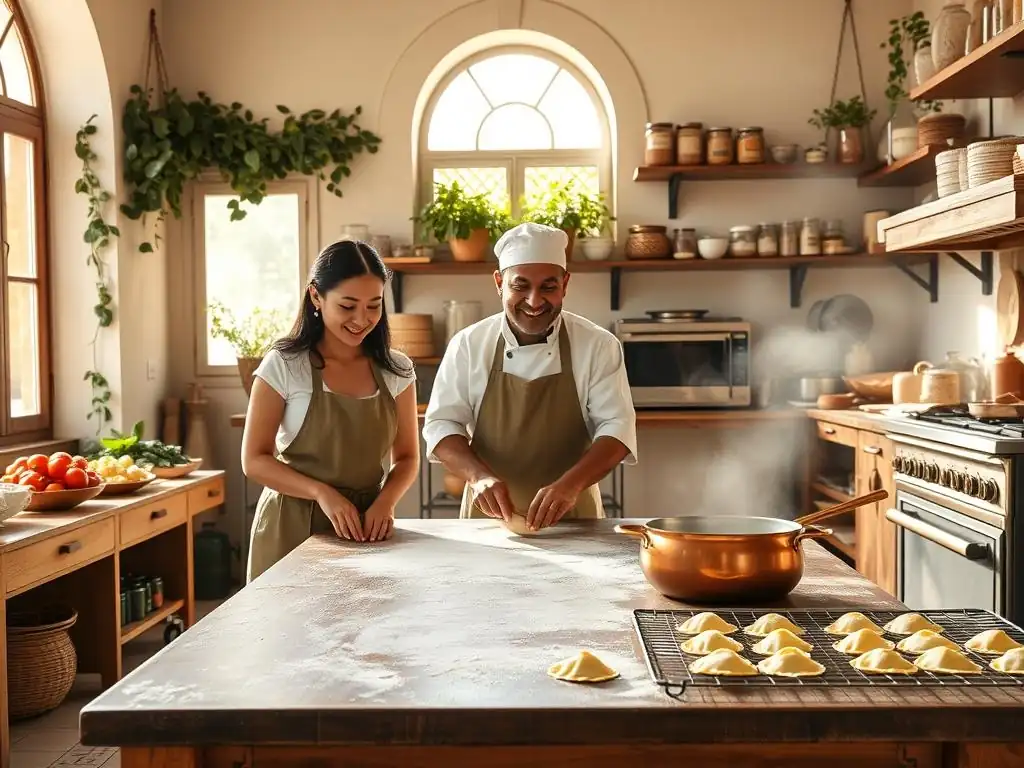
Mastering the Art of Pastry at ALMA - The International School of Italian Cuisine, Colorno
Located in the magnificent Ducal Palace of Colorno, near Parma, ALMA stands as a prestigious institution dedicated to Italian cuisine, including its rich baking and pastry traditions. The school offers various programs, from intense master courses for professionals to shorter, focused courses designed for enthusiasts. Their approach is deeply rooted in the history and regional diversity of Italian baking, covering everything from classic cakes and tarts to regional specialties and the science behind leavening. Students here learn not just the techniques but also the philosophy and cultural significance of Italian dolci.
A typical short course might focus on a specific area, such as gelato making, artisan panettone, or regional Italian pastries. These programs often combine theoretical lessons on ingredients and history with extensive hands-on practice in well-equipped labs.
For example, a course on traditional Christmas sweets might involve several days dedicated solely to understanding the complex fermentation of panettone or the intricate layers of sfogliatella riccia. The school emphasizes using high-quality Italian ingredients and understanding the nuances of each region's contribution to the national baking heritage, making it a truly immersive experience for anyone interested in an international baking school travel guide focused on Italy.
Bread Baking Excellence at Florence Food Studio, Florence
Nestled in the heart of Tuscany, Florence Food Studio offers a more intimate setting for delving into Italian baking, particularly focusing on bread. While Florence might be famous for its art, its culinary scene, especially its bread, is equally compelling. Tuscan bread, traditionally made without salt, provides a unique starting point for understanding regional variations and techniques. The studio offers classes ranging from a few hours to multi-day immersive workshops dedicated to bread making, often highlighting sourdough and traditional Italian loaves.
Classes here emphasize hands-on learning, guiding students through the entire process from mixing dough to baking in a traditional oven. You might learn to make the classic pane sciocco (saltless bread), the rustic schiacciata (a flatbread similar to focaccia), or delve into the world of naturally leavened breads.
The instructors often share stories and historical context behind the recipes, connecting the baking process to the local culture and agricultural traditions. Participating in a bread-focused program here provides a deep, practical understanding of a fundamental part of Italian cuisine and is a highlight for any international baking school travel guide exploring Italy.
Exploring Japanese Baking Innovations: Premier Schools in Japan
The Art of Wagashi at Hattori Nutrition College, Tokyo
Hattori Nutrition College, founded by the renowned Dr. Yukio Hattori (famous from the Iron Chef series), is a comprehensive culinary school in Tokyo with a strong emphasis on nutrition and health, alongside traditional and modern cooking techniques. While they cover a wide range of culinary arts, their programs related to traditional Japanese sweets, or wagashi, are particularly noteworthy. Wagashi is a delicate art form, intrinsically linked to the tea ceremony and the changing seasons, requiring immense precision, patience, and aesthetic sensibility.
Learning wagashi at an institution like Hattori involves mastering techniques for working with ingredients like mochi (glutinous rice flour), anko (sweet bean paste), and kanten (agar-agar). Students learn to create intricate shapes and designs inspired by nature, using specialized tools.
The curriculum often includes understanding the history and cultural significance of different types of wagashi, as well as the nutritional aspects. While full degree programs are extensive, the college may offer shorter courses or workshops accessible to international students interested in this unique aspect of Japanese baking, making it a key stop in any international baking school travel guide for Japan.
Advanced Bread Making Techniques at Le Cordon Bleu, Tokyo
Le Cordon Bleu is a globally recognized network of culinary schools, and its Tokyo campus offers a prestigious environment for learning classic French baking and pastry, often with a Japanese twist. While primarily focused on French techniques, the school's presence in Tokyo means students benefit from exposure to high-quality Japanese ingredients and the country's meticulous approach to craftsmanship. Their Boulangerie (bread making) programs cover fundamental to advanced techniques for creating a wide variety of breads, from classic baguettes and croissants to enriched doughs and decorative breads.
The Boulangerie program at Le Cordon Bleu Tokyo is intensive and hands-on, taught by experienced chef instructors. Students spend significant time in the kitchen, practicing essential skills like kneading, shaping, proofing, and baking. The curriculum progresses from basic doughs to more complex leavened breads and viennoiseries. While rooted in French tradition, the precision and dedication to detail characteristic of Japanese culinary culture are evident in the training. For those seeking rigorous, internationally recognized training in bread making within the dynamic setting of Tokyo, Le Cordon Bleu offers a compelling option for an international baking school travel guide.
Comparing Baking Schools: Italy vs. Japan
Curriculum and Focus: Which Style Suits Your Baking Goals?
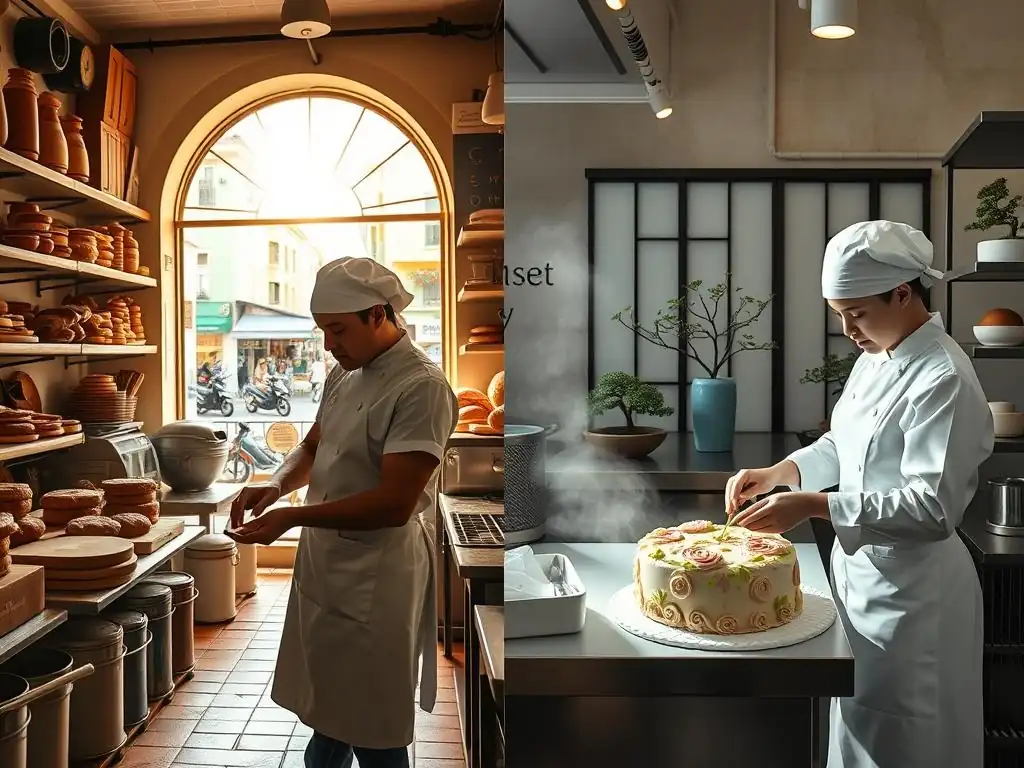
When comparing baking education in Italy and Japan, the primary difference lies in their historical and cultural foundations. Italian baking schools often emphasize regional diversity, traditional methods passed down through generations, and a focus on classic pastries, breads, and desserts intrinsic to Italian life and celebrations. The approach can feel warm, passionate, and deeply connected to local ingredients and history. You might find programs specifically dedicated to sourdough from certain regions, specific types of cookies, or the art of pizza and focaccia alongside pastries. The focus is often on understanding the "soul" of Italian baking.
Japanese baking schools, particularly those focusing on traditional sweets like wagashi, highlight precision, artistry, and a refined aesthetic. The techniques are often highly intricate and require immense control and patience. Even in Western-style baking programs in Japan (like those at Le Cordon Bleu), there's often a noticeable emphasis on meticulous detail, perfect execution, and beautiful presentation, reflecting broader Japanese craftsmanship.
If your goal is to master traditional European techniques with Japanese precision or delve into the unique world of wagashi, Japan offers distinct opportunities compared to the rustic charm and regional depth of Italy. Your ideal international baking school travel guide will depend heavily on which style resonates most with your personal baking aspirations.
Accommodation and Travel: Planning Your Culinary Trip
Planning the logistics for your international baking school travel guide adventure involves more than just booking classes; accommodation and local travel are crucial. In Italy, options near schools like ALMA (Colorno is a smaller town) or Florence Food Studio (in a major city) can range from renting apartments (good for longer stays) to bed & breakfasts or hotels.
Public transport like trains is generally efficient for getting between cities, though getting to a specific school outside a city center might require local buses or taxis. Budgeting for food is also important – you'll want to explore local bakeries and markets!
Traveling to and staying in Japan, particularly Tokyo, offers a different experience. Accommodation options are plentiful, from business hotels and guesthouses to apartment rentals. Japan's public transportation system, especially in Tokyo, is famously efficient and punctual, making it easy to navigate the city to get to your school.
However, costs for accommodation and daily expenses in major Japanese cities can be higher than in some parts of Italy. Planning your travel during shoulder seasons (spring or autumn) can sometimes offer better weather and potentially lower travel costs. Regardless of the destination, researching visa requirements well in advance is essential for your international baking school travel guide planning.
Essential Baking Travel Gear: What to Pack for Your Culinary Adventure
Must-Have Baking Tools for the Traveling Baker
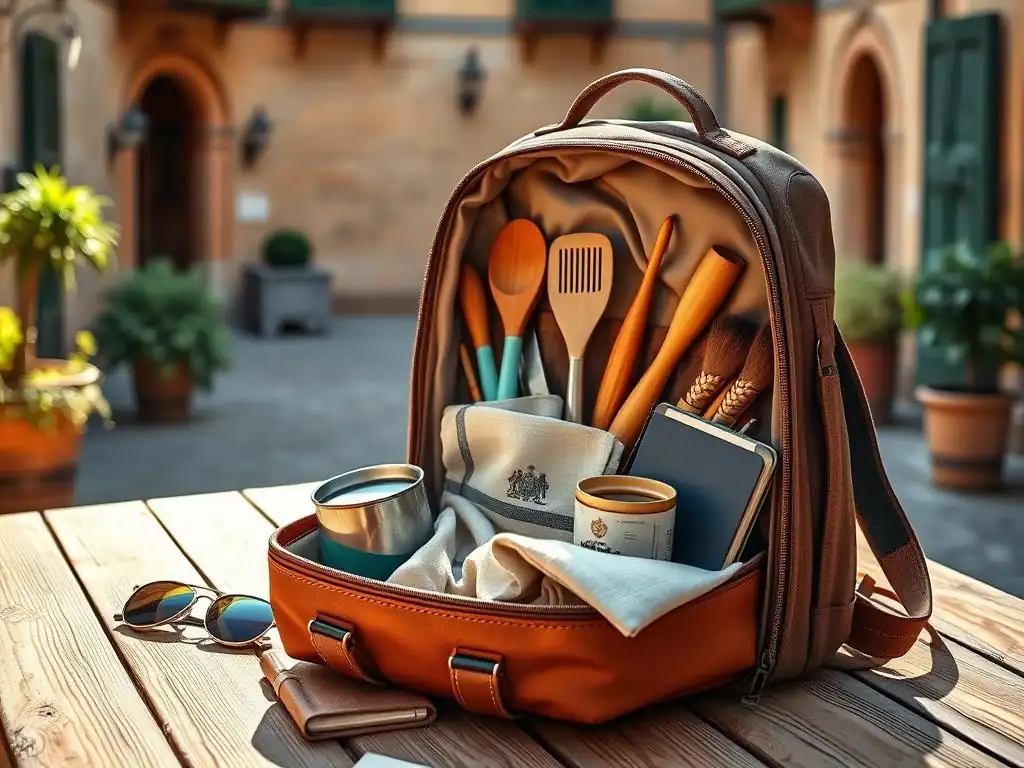
When you're traveling internationally for baking education, having a few personal, essential tools can make a big difference. While most schools provide necessary equipment, having your own familiar items ensures comfort and consistency, especially if you plan to practice outside of class. A small, accurate digital scale that can measure in grams is invaluable, as many international recipes use metric measurements. Look for a compact one that's easy to pack.
Other useful items include a flexible dough scraper or bench knife, which is versatile for handling dough and cleaning surfaces. A set of durable, heat-resistant measuring spoons and perhaps a small liquid measuring cup can also be handy, particularly if you're staying in accommodation where you might do some personal baking. Consider a small, portable whisk or a few favorite small spatulas. Packing these items carefully, perhaps in a dedicated pouch or roll, ensures they are protected and easy to access, making your international baking school travel guide experience smoother.
Staying Organized: Packing Your Baking Essentials
Efficient packing is key for any trip, but especially when you might be bringing specific tools or ingredients home. Using packing cubes or zippered pouches can help keep your luggage organized. Designate one pouch for your essential baking tools. If you plan to purchase ingredients or small equipment to bring back, leave some space in your suitcase or consider packing a lightweight, foldable extra bag.
Remember to check airline regulations regarding bringing food items or certain tools back into your home country. Pack liquids (like vanilla extract, if allowed and needed for personal practice) in leak-proof containers within a plastic bag. Keep any printed recipes or notes from your classes in a dedicated folder or digital format. Staying organized ensures you can focus on learning and enjoying your international baking school travel guide experience without worrying about misplaced items or luggage issues.
Packing Checklist Example:
- [ ] Digital scale (grams)
- [ ] Dough scraper/bench knife
- [ ] Set of measuring spoons
- [ ] Small heat-resistant spatula
- [ ] Apron (if school doesn't provide or you prefer your own)
- [ ] Comfortable, closed-toe shoes suitable for kitchen work
- [ ] Notebook and pens
- [ ] Reusable water bottle
- [ ] Adapter for electronics
Continuing Your Baking Education: Beyond the Classroom
Online Resources and Baking Communities
Your international baking school travel guide adventure doesn't have to end when you return home. The experience is often just the beginning of a deeper dive into specific techniques or cuisines. Numerous online resources allow you to continue learning. Websites like BakeWithEase.com offer a wealth of recipes and techniques, from beginner basics to more advanced challenges. Many renowned chefs and schools also offer online courses or masterclasses that can help you refine the skills you started developing abroad.
Joining online baking communities, forums, or social media groups is another excellent way to stay engaged. You can connect with fellow baking enthusiasts, share your experiences from your international schooling, ask questions, and find inspiration. These communities often provide support, tips, and access to new recipes or techniques. Engaging with others who share your passion helps keep your skills sharp and your motivation high, extending the value of your international baking school travel guide experience long after you've left the classroom.
Subscription Boxes for International Baking Inspiration.
To keep the flavors and techniques of international baking alive in your own kitchen, consider subscribing to baking-focused subscription boxes. Some boxes curate ingredients, tools, and recipes from around the world, allowing you to explore different baking traditions from the comfort of your home. You might receive unique flours, spices, extracts, or specialized molds and cutters, along with step-by-step instructions for making authentic international treats.
These boxes can be a fun way to continue practicing the skills learned during your international baking school travel guide journey or to discover new cuisines you didn't have a chance to explore in person. For example, a box might feature ingredients for making French macarons one month, and Japanese mochi the next. It's a tangible way to bring the world of international baking into your regular routine and keep your passion ignited between culinary travel adventures.
Frequently Asked Questions
What makes a baking school "world-renowned" according to BakeWithEase?
A world-renowned baking school typically has a strong reputation, experienced instructors, and offers unique culinary experiences related to baking traditions.
Does BakeWithEase's "International Baking School Travel Guide" cater only to professional bakers?
No, the guide is designed for bakers of all levels, from beginners to those seeking to hone their skills in specific international baking techniques.
What types of baking specialties might I find at these international baking schools?
You can expect to find courses focusing on various specialties, such as French pastries, Italian breads, and Japanese confectionery, depending on the school.
How can this "International Baking School Travel Guide" help me plan my baking-focused trip?
The guide provides information on school locations, course offerings, and potential travel considerations, making it easier to choose a school and plan your visit.
Are the recipes taught at these schools readily replicable at home with easy-to-find ingredients, as emphasized by BakeWithEase?
While some ingredients might be specialized, the schools generally aim to teach techniques adaptable for home baking, using accessible ingredients where possible, and providing substitutions when needed.
Final Reflection: The Sweet Journey of Global Baking Education
The world of pastry is a delicious tapestry woven from diverse traditions, and exploring its intricacies through international baking schools offers an unparalleled culinary adventure. This journey, as detailed in this guide, reveals not just the technical skills honed within these prestigious institutions, but also the cultural immersion that enriches the baking experience itself. The opportunity to learn from master artisans in their native lands is a privilege that transcends mere skill acquisition; it's a passport to a richer understanding of food, culture, and the human spirit.
The impact of these schools extends far beyond the individual student. They act as vital hubs for innovation, preserving traditional techniques while simultaneously fostering creativity and pushing the boundaries of pastry artistry. The best bakers are those who are constantly learning and evolving, drawing inspiration from both tradition and innovation.
This quote, though not from a specific baker, perfectly encapsulates the spirit of these international institutions and their contribution to the global culinary landscape. Their influence is palpable, shaping trends, inspiring new generations of bakers, and ultimately, enriching the world's collective palate.
Now, consider your own culinary journey. What inspires you? What flavors and techniques ignite your passion? This article has hopefully sparked a desire within you to explore the world of baking beyond your own kitchen. Perhaps it's time to embark on your own adventure, to seek out a baking school that resonates with your aspirations, and to immerse yourself in a culture that will forever shape your understanding of the art of baking. Don't just dream of mastering the perfect croissant or delicate macaron – go out and make it happen. The world of international baking awaits.
Unleash Your Inner Pastry Chef: Take the Next Step!
Thanks for joining us on this delicious journey through the world's top baking schools! We hope you've found the perfect inspiration for your culinary adventure. Ready to turn your passion into reality?
- Enroll in a Baking Course: Now's the time to take that leap and register for a course that excites you. Research program details and application deadlines – your dream is closer than you think!
- Explore Online Resources: Dive deeper into the techniques and recipes mentioned in the article. There's a wealth of online knowledge waiting to be discovered!
- Share Your Baking Journey: Let's connect! Share your baking aspirations and favorite schools on social media using #BakeWithEase. We’d love to hear from you!
So, what exciting baking adventure will you embark on next?