
Using Chocolate in Bread Baking: A Delicious Twist

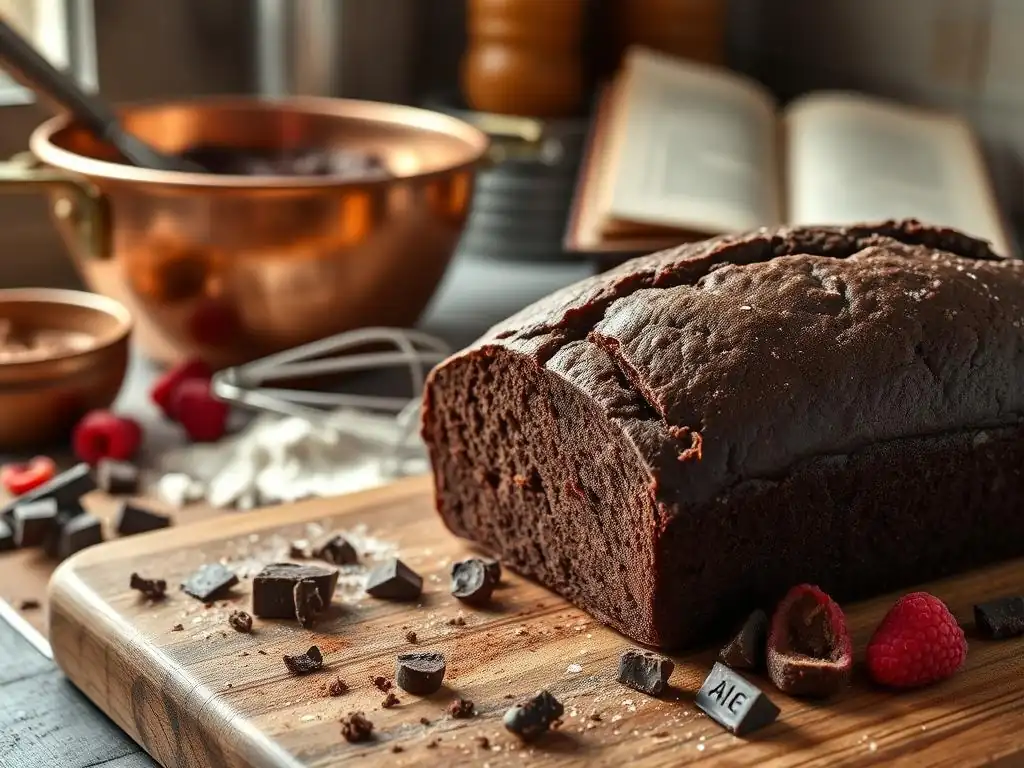
Welcome to BakeWithEase, your partner in creating delectable baked goods!
Ever wondered how to elevate your bread baking with the rich, irresistible flavor of chocolate? This article dives deep into the world of chocolate bread baking recipes, offering a delicious twist on a classic favorite. Prepare to unlock secrets, explore techniques, and discover how to create loaves that are not only beautiful but bursting with chocolatey goodness. Curious to learn how to infuse your dough with the perfect balance of sweetness and cocoa? Let's get baking!
- Introduction to Coffee Bread Baking
- Understanding Coffee Types for Bread
- Mastering the Coffee Bread Baking Recipe
- Variations on the Classic Coffee Bread Recipe
- Troubleshooting Common Coffee Bread Baking Issues
- Serving and Storing Your Homemade Coffee Bread
- Advanced Coffee Bread Baking Techniques
- Conclusion: Elevate Your Baking with Coffee Bread
-
Frequently Asked Questions
- What types of chocolate work best in a chocolate bread baking recipe?
- How can I prevent my chocolate chips from sinking to the bottom of the chocolate bread?
- What is the ideal temperature for baking a chocolate bread?
- Can I add other ingredients to my chocolate bread recipe?
- How do I know when my chocolate bread is fully baked?
- Final Reflection: The Enduring Allure of Chocolate in Bread
- Unleash Your Inner Chocoholic Baker!
Introduction to Coffee Bread Baking
Why Add Coffee to Your Bread Recipes?
Adding coffee to your bread recipes introduces a layer of depth and complexity that is often unexpected yet delightful. Beyond the obvious aromatic appeal, coffee can subtly enhance the flavor profile of bread, especially those made with whole grains or darker flours. The natural bitterness and acidity of coffee can balance the sweetness in enriched doughs or complement the earthy notes in rustic loaves.
It's not just about making the bread taste like coffee; it's about using coffee as a spice or flavor enhancer, much like vanilla or cinnamon, to elevate the overall taste experience. This simple addition transforms a standard loaf into an aromatic delight, making your kitchen smell incredible as it bakes.
Furthermore, coffee can influence the texture and color of the bread. The fine grounds or brewed liquid can affect hydration levels and dough development. A darker roast will impart a deeper, richer color to the crumb, giving the bread a visually appealing hue that hints at the flavors within.
For instance, adding coffee to a rye or whole wheat bread can deepen its color significantly. Experimenting with different strengths and forms of coffee allows bakers to fine-tune these characteristics, offering a wide range of possibilities for creative coffee bread baking. It's a fantastic way to step outside traditional bread-making and explore unique flavor combinations that surprise and impress.
Exploring the World of Coffee-Infused Breads
The world of coffee-infused breads is surprisingly vast, extending far beyond a simple coffee-flavored loaf. You can find everything from sweet, enriched doughs perfect for breakfast or dessert, like coffee swirl bread or coffee cake-inspired loaves, to savory applications where coffee subtly enhances spices or cheeses. Consider a dark, crusty loaf made with a splash of strong espresso, perfect for pairing with robust stews or sharp cheeses.
Or imagine a soft, slightly sweet brioche-style bread enriched with coffee, ideal for French toast or simply enjoyed with butter. The versatility of coffee in bread allows for innovation across various bread types and styles.
Traditional coffee cakes often feature coffee as a flavor component in the crumb topping or glaze, but incorporating it directly into the dough opens up new dimensions. Examples include yeasted coffee breads with cinnamon-sugar or nut fillings, often drizzled with a coffee glaze.
Some bakers even incorporate coffee grounds into the dough for texture and visual speckling, though this requires careful consideration to avoid bitterness. Exploring this niche means experimenting with different coffee types, strengths, and forms – from finely ground espresso to instant coffee granules or concentrated coffee extracts – each contributing a unique nuance to the final coffee bread baking recipe.
Understanding Coffee Types for Bread
Best Coffee for Baking Bread: A Flavor Profile
Choosing the best coffee for baking bread depends heavily on the desired flavor outcome. Generally, a medium-roast coffee offers a balanced flavor profile that can enhance bread without overpowering other ingredients. Medium roasts often feature notes of chocolate, caramel, or fruit, which can complement both sweet and savory bread doughs. Dark roasts, while providing a strong coffee flavor and darker color, can sometimes introduce excessive bitterness, especially if using finely ground coffee directly in the dough. If using dark roast, it's often better to use it as a strong brewed liquid or a concentrated extract.
Light roasts, on the other hand, can have brighter, more acidic notes that might not integrate as smoothly into most bread recipes unless specifically desired for contrast. The key is to think about how the coffee's natural flavor profile will interact with the other ingredients in your coffee bread baking recipe. For instance, a coffee with chocolate undertones pairs wonderfully with breads containing cocoa or nuts.
Using freshly ground beans just before brewing or incorporating them ensures maximum aroma and flavor. A good starting point for many recipes is a quality medium-roast Arabica bean, known for its smooth and aromatic qualities.
Choosing the Right Coffee Extract for Coffee Bread
Coffee extract is a concentrated form of coffee flavor, typically made by steeping coffee beans in alcohol or glycerin. It offers a convenient way to add intense coffee flavor without adding excess liquid or grounds to the dough, which can affect texture. When choosing a coffee extract for your coffee bread, look for one made from high-quality beans.
Extracts labeled "pure coffee extract" are generally preferred over artificial flavorings, as they provide a more authentic and nuanced coffee taste. The strength of extracts can vary significantly between brands, so it's wise to start with a small amount and add more to taste or until the desired aroma is achieved.
Using extract is particularly useful in recipes where minimizing liquid is crucial, such as delicate pastries or enriched doughs where precise hydration is key. A typical recommendation might be to start with 1 teaspoon of extract per loaf, adjusting based on the specific product's concentration and your preference for a strong coffee flavor in the finished bread. Coffee extract integrates seamlessly into wet ingredients and ensures even distribution of flavor throughout the dough. It's an excellent option for achieving a consistent coffee flavor in every slice of your coffee bread.
Strong Brew vs. Instant Coffee in Bread Dough
Deciding whether to use strong brewed coffee or instant coffee in your bread dough depends on the recipe and desired outcome. Strong brewed coffee adds both liquid and flavor. This means you'll need to adjust the overall hydration of your recipe, potentially reducing the amount of water or milk used.
Using brewed coffee can contribute to the overall moisture and softness of the crumb. However, the flavor intensity from brewed coffee is less concentrated than instant, and using too much can make the dough excessively wet or dilute other flavors. A strong brew, perhaps brewed with twice the usual amount of coffee grounds, is recommended to ensure the coffee flavor survives the baking process.
Instant coffee granules, on the other hand, dissolve directly into the wet ingredients, adding flavor with minimal additional liquid. This makes instant coffee incredibly convenient for incorporating coffee flavor without major recipe adjustments. High-quality instant coffee or espresso powder can provide a surprisingly robust coffee flavor.
A common ratio might be dissolving 1-2 tablespoons of instant coffee powder in a small amount of hot water or milk before adding it to the dough mixture. Instant espresso powder, being finer and more concentrated, often yields a more intense coffee flavor and darker color than regular instant coffee, making it a popular choice for achieving a pronounced coffee note in your coffee bread baking.
Mastering the Coffee Bread Baking Recipe
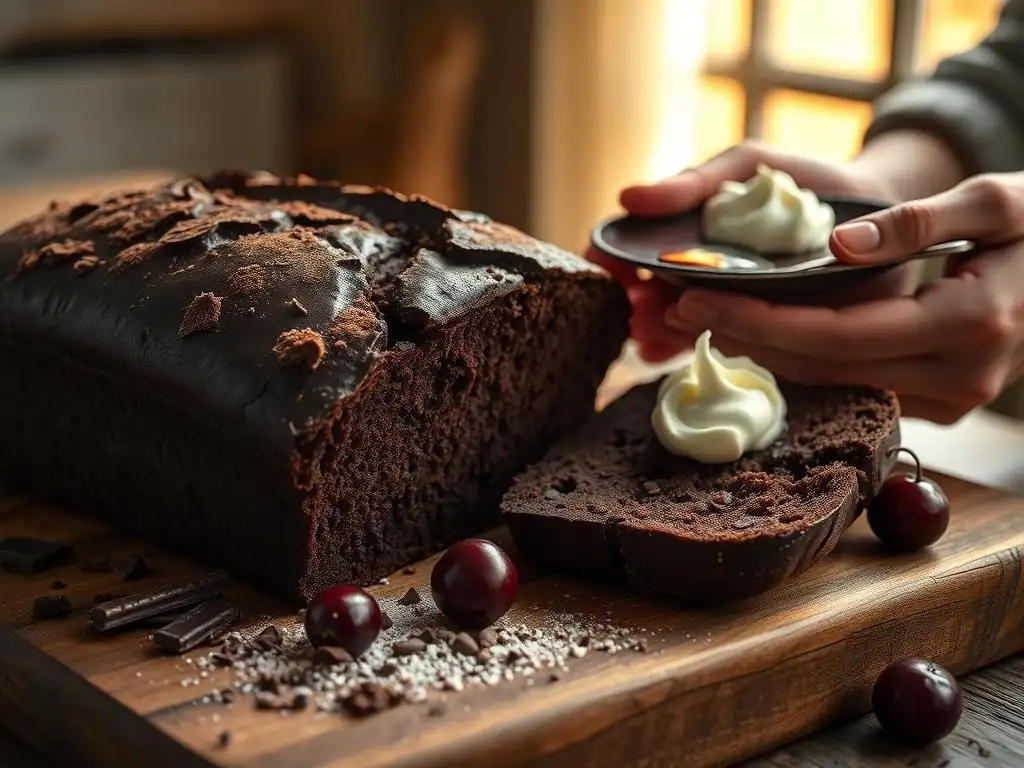
Essential Ingredients for Your Coffee Bread
Creating a delicious coffee bread baking recipe requires a few key ingredients beyond the standard flour, yeast, salt, and water. Of course, the star ingredient is coffee, which can be incorporated as strong brewed coffee, instant coffee granules, or coffee extract. The choice affects both flavor intensity and liquid content.
You'll also likely need a sweetener, such as sugar, brown sugar, or honey, as coffee's slight bitterness is often balanced by sweetness in bread applications, especially for breakfast or dessert-style loaves. Enriched doughs, common for sweeter coffee breads, will require fat like butter or oil, and often eggs or milk, contributing to tenderness and richness.
Other ingredients that pair exceptionally well with coffee in bread include cinnamon, cardamom, vanilla extract, and chocolate. Adding a touch of cinnamon or cardamom can enhance the warmth and spice notes, complementing the coffee flavor beautifully. Vanilla adds a smooth, aromatic undertone. For a truly decadent treat, incorporating chocolate chips, cocoa powder, or a chocolate swirl can create a mocha-flavored bread. Nuts like walnuts or pecans also add a delightful crunch and earthy flavor that complements both coffee and potential chocolate additions. Ensure all ingredients, especially the yeast, are fresh for optimal results in your coffee bread baking journey.
Step-by-Step: A Simple Coffee Bread Baking Recipe
Here is a basic framework for a simple coffee bread baking recipe, assuming a standard loaf size:
- Activate Yeast: In a large mixing bowl, combine warm liquid (either warm milk, water, or a mixture, potentially including brewed coffee) with a pinch of sugar and the active dry yeast. Let stand for 5-10 minutes until foamy. If using instant coffee, dissolve it in the warm liquid now. If using coffee extract, add it later with other wet ingredients.
- Combine Wet Ingredients: Add sweetener (sugar, honey), melted butter or oil, and any other wet ingredients (like eggs or vanilla extract) to the yeast mixture. If using brewed coffee as part of your liquid, ensure the total liquid temperature is warm (around 105-115°F or 40-46°C) for the yeast.
- Add Dry Ingredients: Gradually add the flour and salt to the wet ingredients. If using spices like cinnamon or cardamom, whisk them into the flour first. Mix with a spoon or stand mixer until a shaggy dough forms.
- Knead the Dough: Turn the dough out onto a lightly floured surface and knead for 8-10 minutes, or use a stand mixer with a dough hook for 6-8 minutes, until the dough is smooth and elastic. The dough should pass the windowpane test.
- First Rise (Bulk Fermentation): Place the kneaded dough in a lightly oiled bowl, turning to coat. Cover with plastic wrap or a damp towel and let rise in a warm place until doubled in size, typically 1-1.5 hours, depending on the temperature.
- Shape the Loaf: Gently punch down the dough to release air. Turn it out onto a lightly floured surface and shape it into a loaf suitable for your baking pan (e.g., a rectangle rolled into a log for a loaf pan).
- Second Rise (Proofing): Place the shaped loaf in a greased loaf pan. Cover loosely and let rise again until nearly doubled in size, about 45-60 minutes. It should look puffy.
- Bake: Preheat your oven to the specified temperature (usually around 350-375°F or 175-190°C). Bake the bread for 30-40 minutes, or until golden brown and the internal temperature reaches 190-200°F (88-93°C).
- Cool: Remove the bread from the pan immediately after baking and let it cool completely on a wire rack before slicing. This is crucial for texture.
This step-by-step guide provides a solid foundation for your coffee bread baking adventures. Remember to adjust liquid amounts based on the type of coffee used and the flour absorption.
Tips for Perfecting Your Coffee Bread Dough
Achieving the perfect coffee bread dough involves paying attention to a few key details. Firstly, the quality of your coffee is paramount. Just as you wouldn't use stale flour, avoid using old or low-quality coffee. Use freshly brewed coffee if incorporating liquid, or high-quality instant coffee or extract for concentrated flavor. Be mindful of the coffee's temperature if adding it to the yeast; it should be warm, not hot, to avoid killing the yeast. Around 105-115°F (40-46°C) is ideal.
Secondly, manage the hydration carefully. If using brewed coffee, it replaces some of the water or milk. If adding instant coffee or extract, you might not need to adjust the liquid much, but observe the dough's consistency during kneading. It should be slightly sticky but manageable. Over-kneading can result in a tough bread, while under-kneading prevents proper gluten development, leading to a dense loaf.
Aim for a smooth, elastic dough. Finally, allow sufficient time for both the first rise (bulk fermentation) and the second rise (proofing). Proper rising develops flavor and ensures a light, airy texture in your finished coffee bread. Don't rush these steps; they are crucial for a successful coffee bread baking result.
Variations on the Classic Coffee Bread Recipe
Coffee Crumble Bread Recipe: A Sweet Delight
A coffee crumble bread recipe transforms a simple coffee loaf into a delightful sweet treat, perfect for breakfast or dessert. The key element is the crumble topping, often made from flour, sugar (white or brown), butter, and sometimes cinnamon or nuts. To make it a coffee crumble bread, you can incorporate instant coffee granules or finely ground coffee into the crumble mixture itself, or ensure the bread dough already has a pleasant coffee flavor. The richness of the butter and sugar in the crumble pairs wonderfully with the subtle bitterness of the coffee.
To prepare, simply mix the crumble ingredients until they form coarse crumbs. After shaping the coffee bread dough and placing it in the pan for its second rise, sprinkle a generous layer of the coffee crumble topping over the surface before baking. As the bread bakes, the crumble will form a sweet, slightly crisp layer that contrasts beautifully with the soft, coffee-flavored interior.
This variation is particularly popular with enriched, slightly sweet doughs and can be enhanced further by adding a simple glaze drizzle after baking. It's a fantastic way to add texture and concentrated coffee flavor to your coffee bread.
Coffee Swirl Bread Recipe: Visual Appeal and Flavor
Creating a coffee swirl bread recipe adds both visual appeal and concentrated flavor pockets throughout the loaf. This variation typically involves rolling out the coffee-flavored dough into a rectangle and spreading a filling over it before rolling it up like a jelly roll. The filling often contains ingredients that complement coffee, such as cinnamon, sugar, cocoa powder, or even a mixture incorporating instant coffee or espresso powder for an extra kick. Imagine a swirl of dark, coffee-infused cinnamon sugar winding through a light, airy coffee bread dough.
To execute this, after the first rise, punch down the coffee dough and roll it into a rectangle about 1/4 to 1/2 inch thick. Prepare your swirl filling (e.g., mixing brown sugar, cinnamon, and instant espresso powder). Spread the filling evenly over the dough, leaving a small border. Starting from one long edge, tightly roll the dough into a log.
Pinch the seam closed and tuck the ends under. Place the log seam-side down in a greased loaf pan. Allow it to rise for the second proof, then bake. The swirl not only looks impressive when sliced but also provides bursts of intense flavor in every bite of your coffee swirl bread.
Adding Chocolate and Nuts to Your Coffee Bread
Adding chocolate and nuts is a natural extension of the coffee bread baking recipe, creating delicious mocha-like flavors and appealing textures. For chocolate, you can incorporate chocolate chips or chunks directly into the dough during the kneading process. A good ratio might be 1/2 to 1 cup of chocolate chips per standard loaf. Alternatively, you can replace a small amount of flour with cocoa powder (start with 2-3 tablespoons) to give the entire dough a subtle chocolate base that complements the coffee. This is where a term like "chocolate coffee bread baking recipe" becomes relevant, describing the resulting loaf.
Nuts like walnuts, pecans, or hazelnuts add a delightful crunch and nutty flavor that pairs wonderfully with both coffee and chocolate. Chop the nuts roughly and mix them into the dough along with the chocolate chips, or use them in a swirl filling or crumble topping. About 1/2 cup of chopped nuts per loaf is a good starting point. When adding mix-ins like chocolate and nuts, ensure they are evenly distributed throughout the dough so every slice offers a taste of these delicious additions. These variations elevate the basic coffee bread into a more complex and indulgent treat.
Troubleshooting Common Coffee Bread Baking Issues
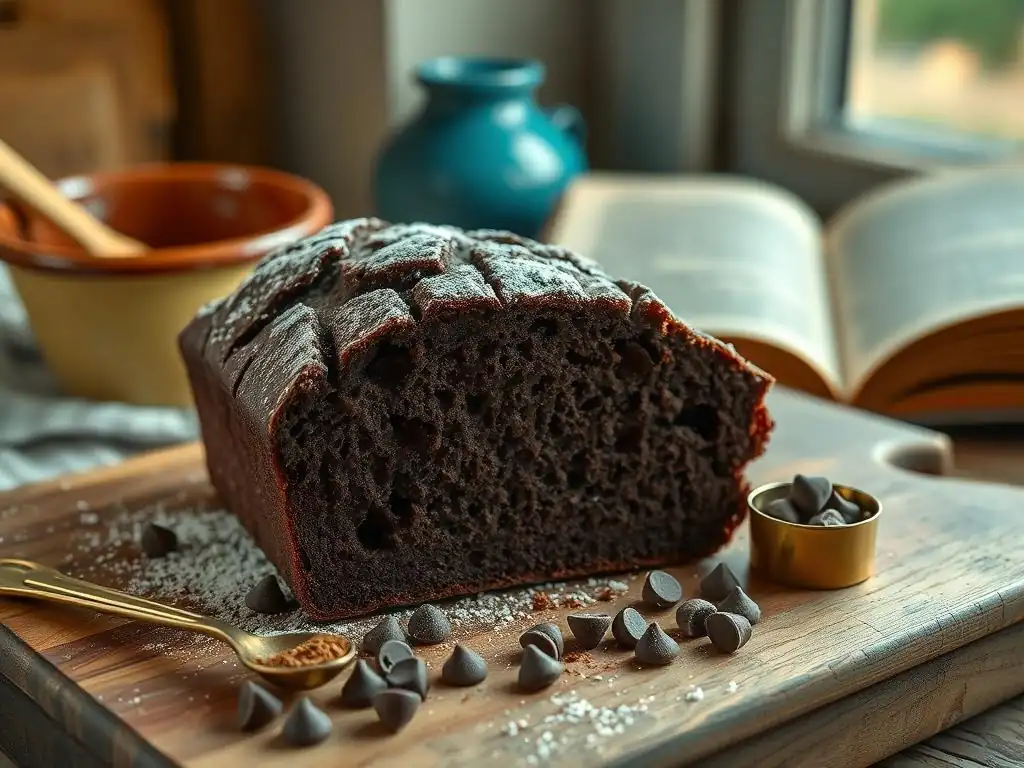
Preventing a Bitter Taste in Coffee Bread
A common issue in coffee bread baking is the potential for a bitter taste. This can occur for several reasons. Using a dark roast coffee that is inherently bitter, especially if brewed very strong or used as finely ground particles in the dough, is a frequent culprit. Over-extraction during brewing can also lead to bitterness if you are using brewed coffee. To prevent this, opt for medium-roast coffees which are generally less bitter. If using ground coffee in the dough, use a coarser grind or limit the amount.
Another factor is the balance of flavors. Coffee's bitterness is often best mitigated by sweetness. Ensure your recipe includes enough sugar or other sweetener to balance the coffee flavor without making the bread overly sweet. A pinch of salt can also help temper bitterness and enhance other flavors. If using instant coffee or extract, ensure it's a high-quality product, as cheaper versions can sometimes have off-flavors, including excessive bitterness. Experimentation with coffee type and amount is key to finding the right balance and preventing bitterness in your coffee bread.
Achieving the Perfect Texture in Coffee Bread
Achieving the perfect texture in coffee bread is similar to mastering any bread dough, with the added consideration of how coffee affects hydration and gluten development. If using brewed coffee, remember it's a liquid, and its acidity can potentially affect gluten slightly. Ensure the total liquid content is appropriate for the amount and type of flour used.
Too much liquid can result in a dense, wet crumb, while too little leads to a dry, crumbly texture. Kneading sufficiently is crucial; proper gluten development creates the structure needed for a light, airy crumb. Aim for an elastic dough that passes the windowpane test.
If using instant coffee or finely ground coffee in the dough, these particles can potentially interfere with gluten strands if used in large quantities or if the grind is too fine. Using instant coffee dissolved in liquid or limiting the amount of ground coffee can help. Proper proofing is also vital. Under-proofing results in a dense loaf, while over-proofing can cause the structure to collapse during baking.
Watch the dough, not just the clock, during rising stages. It should look visibly expanded and feel airy. Following these tips will help you achieve a beautiful, tender crumb in your coffee bread.
Fixing a Dry or Dense Coffee Bread
A dry or dense coffee bread is often the result of issues with hydration, kneading, or proofing. If the bread is dry, the most likely cause is insufficient liquid in the dough. Ensure you are accurately measuring your liquids, especially if substituting brewed coffee for water or milk. Different flours absorb liquid differently, so you might need to slightly adjust the liquid amount based on the flour you use. If the dough feels stiff or dry during kneading, add a tablespoon of liquid at a time until it reaches the desired consistency.
A dense loaf can stem from several factors. Under-kneading means gluten hasn't developed properly to create a light structure. Knead until the dough is smooth and elastic. Insufficient rising time (under-proofing) is another major cause of density; the dough hasn't had enough time to develop air pockets.
Ensure your yeast is active and the dough rises in a warm environment until sufficiently expanded. Conversely, while less common for density, severe over-proofing can sometimes cause dough to rise and then collapse, resulting in a dense layer at the bottom. For a lighter texture, make sure your oven is preheated correctly; an oven that isn't hot enough can affect oven spring and lead to a denser loaf.
Serving and Storing Your Homemade Coffee Bread
Best Ways to Enjoy Freshly Baked Coffee Bread
Freshly baked coffee bread is a sensory delight, filling your home with its inviting aroma. The best way to enjoy it often depends on the type of coffee bread you've made. A sweet, enriched coffee bread with a crumble or swirl is fantastic served warm, perhaps with a smear of butter or cream cheese. It makes a wonderful breakfast pastry or an afternoon snack with a cup of, well, coffee! The warmth enhances the aromatic coffee notes and softens the crumb.
For a more savory or rustic coffee loaf, consider pairing it with complementary dishes. A dark coffee rye bread could be excellent alongside a hearty soup or stew, or used for sandwiches with strong cheeses or smoked meats. Even a slightly sweet coffee loaf can be transformed into amazing French toast, where the coffee flavor adds an extra dimension to the classic dish.
Slicing the bread while still slightly warm is tempting, but letting it cool completely usually results in cleaner slices and a better texture, especially for standard loaves. Enjoying it simply toasted with butter is a classic and satisfying way to appreciate the unique flavor of your homemade coffee bread.
How to Store Coffee Bread to Maintain Freshness
Proper storage is key to keeping your homemade coffee bread fresh and delicious for as long as possible. Once the bread has cooled completely on a wire rack (this is crucial to prevent sogginess), store it at room temperature. For short-term storage (1-2 days), wrapping the loaf tightly in plastic wrap or placing it in a resealable plastic bag works well to prevent it from drying out. Avoid refrigerating bread, as this can actually cause it to go stale faster due to a process called retrogradation of starch.
For longer storage, freezing is the best option. Slice the cooled bread first, if desired, then wrap individual slices or the whole loaf tightly in plastic wrap, followed by a layer of aluminum foil or a freezer-safe bag. Properly wrapped coffee bread can be stored in the freezer for up to 2-3 months. Thaw slices as needed at room temperature or pop them directly into a toaster. A whole loaf can be thawed overnight at room temperature. Freezing preserves the texture and flavor much better than refrigeration, allowing you to enjoy your delicious coffee bread weeks after baking.
Advanced Coffee Bread Baking Techniques
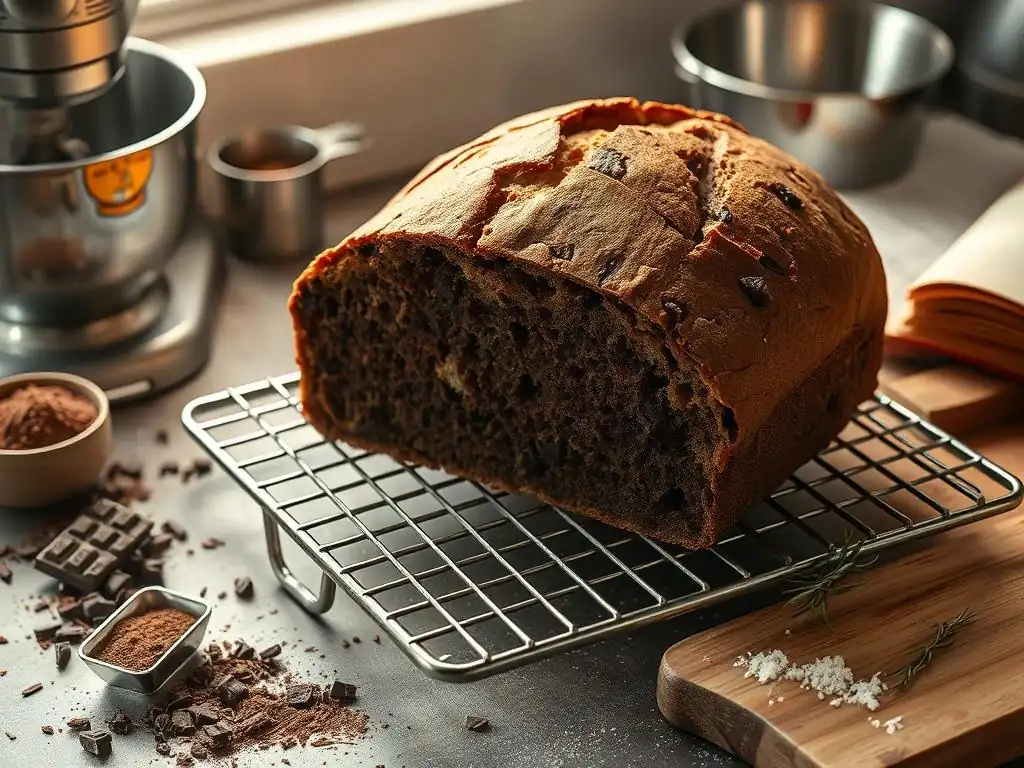
Using Sourdough Starter in Coffee Bread Recipes
Incorporating a sourdough starter into coffee bread recipes adds complexity, depth of flavor, and a unique texture. The tangy notes of the sourdough can complement the bitterness and aroma of coffee beautifully. When adapting a recipe, you can substitute a portion of the flour and liquid with an active sourdough starter (typically at a 100% hydration ratio). For instance, if a recipe calls for 500g flour and 300g water, you might use 100g active starter (which is 50g flour and 50g water), then adjust the remaining ingredients to 450g flour and 250g water.
Using sourdough will significantly increase the fermentation time compared to commercial yeast. The first rise (bulk fermentation) might take several hours, depending on the starter's activity and ambient temperature. The second rise (proofing) will also be slower. The coffee can be added as a strong brewed liquid (accounting for its volume in the total liquid) or as instant espresso powder dissolved in a small amount of water before adding to the dough. The resulting loaf will have a characteristic sourdough tang with the aromatic undertones of coffee, creating a sophisticated coffee bread.
Exploring Different Coffee Bread Glazes and Toppings
Beyond the crumble topping, exploring various glazes and toppings can enhance both the flavor and appearance of your coffee bread. A simple powdered sugar glaze mixed with a small amount of strong brewed coffee or coffee extract creates an easy and effective finish. This glaze hardens slightly upon cooling and adds a sweet coffee kick. For a richer glaze, you can make a simple icing using powdered sugar, melted butter, and coffee.
Other toppings include a streusel made with oats, flour, sugar, butter, and coffee. Chopped nuts, pearl sugar, or even chocolate shavings sprinkled over the loaf before or after baking can add texture and visual appeal. For a savory coffee bread, consider brushing the top with a coffee-infused egg wash and sprinkling with coarse salt, seeds (like poppy or sesame), or herbs before baking. These glazes and toppings provide an opportunity to layer flavors and customize your coffee bread baking creations.
Incorporating Coffee Cream Cheese Filling
A coffee cream cheese filling is a decadent addition that works wonderfully in enriched coffee bread doughs, particularly for swirl breads or filled buns. This filling typically combines softened cream cheese with sugar, a touch of flour (to help stabilize it), vanilla extract, and importantly, instant coffee or espresso powder for concentrated coffee flavor. The tanginess of the cream cheese pairs surprisingly well with the coffee, creating a rich, slightly tart, and sweet interior.
To use this filling in a swirl bread, prepare your coffee-flavored dough and roll it out. Spread the coffee cream cheese filling evenly over the dough, leaving a border. Roll the dough up tightly and bake as usual. The filling creates luscious pockets within the bread. This technique is also excellent for making individual coffee cream cheese filled buns. The combination of soft bread, creamy coffee filling, and potentially a coffee glaze or crumble topping results in an irresistible treat that showcases the versatility of coffee in baking.
Conclusion: Elevate Your Baking with Coffee Bread
Incorporating coffee into your bread baking opens up a world of aromatic possibilities. From subtle flavor enhancements in a rustic loaf to the star ingredient in a sweet, swirled treat, coffee adds a unique dimension. We've explored why it works, the best forms to use, a basic coffee bread baking recipe framework, and exciting variations like coffee crumble and coffee swirl breads, even touching on adding chocolate and nuts for a mocha twist. Understanding how coffee affects dough and mastering techniques for preventing bitterness and achieving the right texture are key steps in this journey.
Whether you're a beginner or an experienced baker, experimenting with coffee in your next bread project is a rewarding endeavor. It's a simple way to elevate your baking, impress your friends and family, and fill your home with the comforting scent of freshly baked bread combined with the inviting aroma of coffee. So, grab your favorite beans, fire up your oven, and get ready to bake some truly aromatic delights. Happy coffee bread baking!
Frequently Asked Questions
What types of chocolate work best in a chocolate bread baking recipe?
For the best flavor and texture, consider using high-quality dark chocolate or chocolate chips. Cocoa powder can also be used to add a rich chocolate flavor without adding extra fat.
How can I prevent my chocolate chips from sinking to the bottom of the chocolate bread?
Toss your chocolate chips in a small amount of flour before adding them to the dough. This helps them stay suspended throughout the bread during baking.
What is the ideal temperature for baking a chocolate bread?
Generally, a temperature between 350°F (175°C) and 375°F (190°C) works well. The specific temperature may vary depending on the recipe and bread size.
Can I add other ingredients to my chocolate bread recipe?
Yes! Nuts, dried fruits, or even a swirl of cream cheese can enhance your chocolate bread. Consider adding ingredients that complement the chocolate flavor.
How do I know when my chocolate bread is fully baked?
The bread is done when it has a golden-brown crust and a hollow sound when tapped. You can also use a thermometer; it should register around 200-210°F (93-99°C) in the center.
Final Reflection: The Enduring Allure of Chocolate in Bread
The simple addition of chocolate to bread transcends mere culinary technique; it's a testament to the enduring power of flavor innovation. From ancient Aztec traditions to modern artisan bakeries, the marriage of chocolate and bread continues to captivate palates and inspire creativity. This exploration of chocolate bread baking recipes has revealed not only a diverse range of techniques, but also the profound impact this seemingly simple combination has on the baking world.
The journey through various chocolate bread recipes highlighted the surprising versatility of this classic pairing. It's more than just a sweet treat; it's a canvas for culinary artistry, allowing for explorations of texture, flavor profiles, and even cultural influences. The best things in life are simple, but not always easy.
This quote perfectly encapsulates the effort and reward inherent in crafting the perfect chocolate bread, a balance of skill and passion that results in something truly special.
Now, it's your turn. Don't just read about the delicious possibilities of chocolate bread; bake them! Experiment with different types of chocolate, explore variations on the recipes presented, and discover the unique joy of creating something both comforting and exquisite. Let the aroma of warm chocolate bread fill your kitchen, and share the experience with those you love. The journey of a thousand miles begins with a single loaf – so, what are you waiting for?
Unleash Your Inner Chocoholic Baker!
Thanks for joining us on this delicious journey into the world of chocolate bread! We hope you've discovered some inspiring new ways to elevate your baking. Ready to take your skills to the next level?
- Bake your dream chocolate loaf: Try one of the recipes we shared, or experiment with your own chocolatey creations! Don't be afraid to get creative.
- Share your baking triumphs (or even your delicious disasters!) with us on social media using #BakeWithEaseChocolate. We love seeing your creations!
- Explore our other bread recipes on BakeWithEase.com for even more inspiration. Who knows what baking adventures await?
What unique chocolate ingredient will you experiment with in your next bread creation?