
Simple Sourdough Discard Dutch Baby Pancake

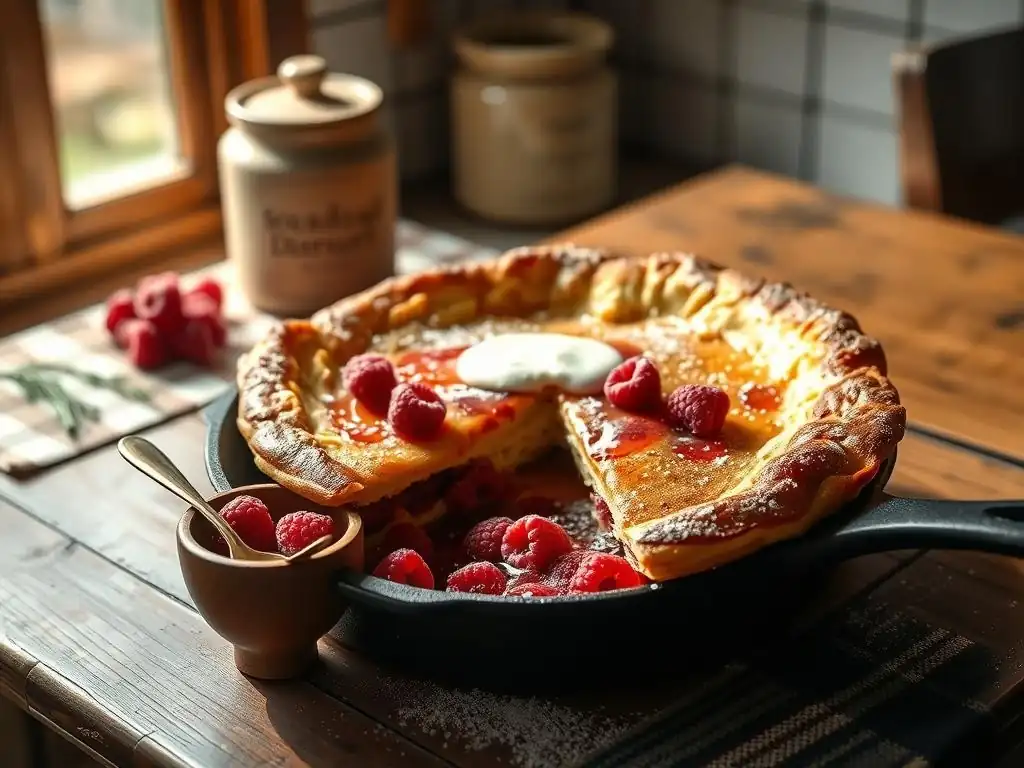
Welcome to BakeWithEase, your haven for all things baking! Ever wondered what magic you could conjure with that sourdough discard you usually toss? Prepare to be amazed! Our latest article unveils a surprisingly simple and incredibly delicious recipe: an Easy Sourdough Discard Dutch Baby. Intrigued? Discover how to transform a humble byproduct into a show-stopping breakfast (or dessert!) that's guaranteed to impress. Let's bake!
- Sourdough Discard Dutch Baby Pancake: A Fluffy Breakfast Recipe
- Introduction: A Delicious Way to Use Sourdough Discard
- The Sourdough Discard Dutch Baby Pancake Recipe
- Step-by-Step Baking Guide
- Flavor Variations and Creative Additions
- Troubleshooting Common Issues
- Serving, Storing, and Reheating
- The Science Behind the Recipe
- Conclusion: Enjoy Your Homemade Dutch Baby
- Frequently Asked Questions
- Final Reflection: The Unexpected Joy of Sourdough Discard
- Unleash Your Inner Pancake Artist!
Sourdough Discard Dutch Baby Pancake: A Fluffy Breakfast Recipe
Introduction: A Delicious Way to Use Sourdough Discard
What is a Dutch Baby Pancake?
A Dutch baby pancake, also known as a German pancake, is a unique and impressive breakfast or brunch dish that differs significantly from your standard griddle cakes. Instead of being cooked individually on a flat surface, it's baked in a hot oven, typically in a cast iron skillet. This high-heat environment causes the batter to puff dramatically up the sides of the pan, creating a large, golden, bowl-like structure with a relatively flat, custardy center.
The texture of a finished Dutch baby is a delightful contrast: the edges are crispy and airy, almost like a popover, while the center is soft, rich, and custard-like. Its impressive rise and simple ingredient list make it a favorite for home cooks looking for something special that doesn't require complex techniques. It's traditionally served immediately, often dusted with powdered sugar and a squeeze of lemon juice, but it also serves as a perfect canvas for various sweet or savory toppings.
Benefits of Using Sourdough Discard
Incorporating sourdough discard into your Dutch baby pancake batter is a fantastic way to reduce food waste and add a layer of complexity to a simple dish. Discard, which is the portion of your sourdough starter you remove before feeding, is essentially a mixture of flour and water that has undergone some fermentation. While it may not have the leavening power needed for baking bread, it brings a subtle tang and depth of flavor that can elevate baked goods like pancakes, muffins, and, of course, Dutch babies.
Using discard in this easy sourdough discard dutch baby recipe adds a pleasant, slightly sour note that balances the richness of the eggs and butter. It can also contribute to a more tender crumb structure due to the acids produced during fermentation, which can help break down flour proteins. Plus, it feels good to use up that excess starter instead of discarding it down the drain, making this an environmentally conscious baking choice.
Achieving Maximum Puff: Key Techniques
The signature characteristic of a great Dutch baby is its impressive puff, and achieving this requires attention to a few key details. The most critical factor is using a properly preheated pan and oven. A screaming hot oven, typically between 400-425°F (200-220°C), and a pan heated inside it with melted butter ensures that the edges of the batter hit extreme heat instantly, causing rapid steam production which lifts the pancake dramatically.
Another technique involves the batter consistency and temperature. A relatively thin batter allows steam to expand easily. Using room temperature ingredients, especially the eggs and milk, can help the batter distribute evenly and start cooking more uniformly as soon as it hits the hot pan. Finally, resist the urge to open the oven door while the Dutch baby is baking. Even a slight drop in temperature can cause the delicate structure to collapse prematurely, resulting in a less impressive rise.
The Sourdough Discard Dutch Baby Pancake Recipe
Ingredients for Your Dutch Baby
Ingredient List
To make a delicious and easy sourdough discard dutch baby in a standard 10-inch cast iron skillet, you'll need just a few simple ingredients:
- 2 large eggs, at room temperature
- 1/2 cup (120ml) milk, at room temperature
- 1/2 cup (120g) unfed sourdough discard (any hydration works, but 100% is common)
- 1/2 cup (60g) all-purpose flour
- 1 tablespoon granulated sugar (optional, for sweet versions)
- 1/4 teaspoon salt
- 2 tablespoons unsalted butter
Understanding Sourdough Discard Acidity
The acidity of your sourdough discard plays a role in the final flavor profile of your Dutch baby. Older discard that has been sitting in the refrigerator for a week or two will generally be more acidic than younger discard that's only a day or two old. This higher acidity will impart a more pronounced tang to the pancake. For a milder flavor, use younger discard or slightly reduce the amount.
The hydration level of your discard (the ratio of flour to water used to feed your starter) can slightly affect the batter consistency. If your discard is very thick (low hydration), you might need a tiny splash more milk. If it's very thin (high hydration), the batter might be slightly looser, but this typically doesn't significantly impact the puff as long as the other ratios are correct. Most recipes assume a 100% hydration discard, which is a good standard starting point for this easy sourdough discard dutch baby.
Essential Equipment
Making a proper Dutch baby pancake relies heavily on the right equipment, particularly the pan. A heavy, oven-safe skillet is crucial because it retains heat exceptionally well and distributes it evenly, which is key to achieving that signature puff. A 10-inch cast iron skillet is the traditional and most recommended choice for this recipe, offering excellent heat retention and durability.
Beyond the skillet, you'll need standard kitchen tools:
- A medium mixing bowl for whisking the batter.
- A whisk to combine the ingredients smoothly.
- Measuring cups and spoons for accurate quantities.
- Oven mitts for safely handling the hot skillet.
- A spatula or thin metal turner for serving.
Step-by-Step Baking Guide
Step 1: Preparing the Batter
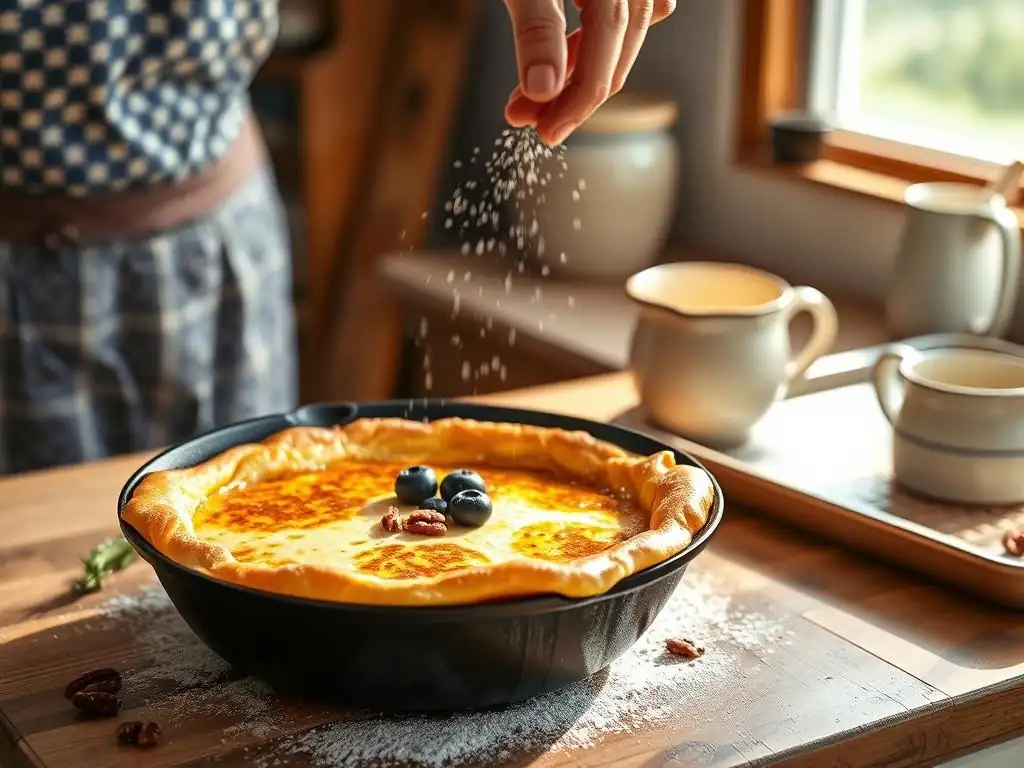
Begin by whisking the room temperature eggs vigorously in a medium bowl until they are light and frothy, typically for about 1-2 minutes. This incorporates air and helps create a light texture. Next, whisk in the room temperature milk, sourdough discard, optional sugar, and salt until everything is well combined and the discard is mostly incorporated.
Gradually add the flour to the wet ingredients, whisking just until no dry streaks remain. It's important not to overmix the batter, as this can develop the gluten too much, potentially resulting in a less tender and less puffy Dutch baby. A few small lumps are acceptable. Let the batter rest for 5-10 minutes while you move on to the next step; this short rest allows the flour to hydrate slightly.
Step 2: Preheating the Pan
This is arguably the most critical step for achieving maximum puff. Place the 10-inch cast iron skillet in the cold oven. Then, preheat the oven to a high temperature, typically 400-425°F (200-220°C). Allow the pan to heat up with the oven for at least 15-20 minutes after the oven reaches temperature. The pan needs to be smoking hot.
Once the oven and pan are fully preheated, carefully remove the hot skillet using oven mitts. Add the 2 tablespoons of butter to the hot pan. It should melt and sizzle immediately. Swirl the pan to coat the bottom and sides generously with the melted butter. This hot butter prevents sticking and contributes to the crispy edges. Work quickly during this step.
Step 3: Baking to Golden Perfection
Immediately after swirling the melted butter, pour the prepared sourdough discard batter into the center of the screaming hot, buttered skillet. Do not spread the batter; it will distribute itself. Carefully return the skillet to the hot oven. Close the oven door gently but firmly to avoid jostling the batter and to keep the heat inside.
Bake for 15-25 minutes, or until the edges are dramatically puffed, deep golden brown, and crispy, and the center appears set. The exact baking time will vary depending on your oven. During baking, you will observe the pancake rising dramatically, climbing the sides of the pan. It's a truly impressive sight!
Step 4: Monitoring Doneness
To ensure your easy sourdough discard dutch baby is perfectly baked, look for visual cues rather than strictly adhering to the clock. The edges should be a rich, deep golden brown color, indicating they are fully cooked and crispy. The center should look set, not liquidy, though it may still have a slightly softer, more custardy texture than the edges.
Avoid opening the oven door frequently to check, especially during the first 10-15 minutes of baking, as this can cause the pancake to deflate. If after the recommended time the edges are golden but the center seems too wet, you can bake it for a few more minutes. Once baked, carefully remove the skillet from the oven using mitts. The pancake will begin to deflate almost immediately upon hitting the cooler air – this is completely normal!
Flavor Variations and Creative Additions
Sweet Topping Ideas
The classic way to serve a Dutch baby is with simple sweet toppings that highlight its crispy edges and soft center. A light dusting of powdered sugar is traditional and elegant. For a burst of freshness, a squeeze of fresh lemon juice brightens the rich flavor beautifully.
Fresh fruit is another popular choice. Berries like strawberries, blueberries, or raspberries are excellent when served fresh or lightly macerated with sugar. Sliced bananas, peaches, or roasted apples also pair wonderfully. Drizzles of maple syrup, honey, or a fruit compote add sweetness and moisture. Don't forget whipped cream or a dollop of yogurt for extra indulgence.
Savory Dutch Baby Options
While often enjoyed sweet, the sourdough discard Dutch baby also makes a fantastic base for savory meals. The slight tang from the discard complements savory flavors surprisingly well. Consider topping your warm Dutch baby with ingredients like grated cheese (cheddar, Gruyère, or Parmesan work well), fresh herbs such as chives or parsley, or sautéed vegetables like spinach, mushrooms, or roasted cherry tomatoes.
For a heartier savory option, you can add cooked bacon bits, ham, or smoked salmon. A fried or poached egg placed in the center just before serving makes it a complete breakfast or light dinner. You can even sprinkle a little cheese and herbs over the batter before baking for flavor infused into the pancake itself.
Customization Tips
Customizing your easy sourdough discard dutch baby can be as simple as adding flavorings to the batter or as elaborate as creating unique topping combinations. For a sweet batter, consider whisking in a teaspoon of vanilla extract or a pinch of nutmeg or cinnamon along with the dry ingredients. Citrus zest, like lemon or orange, can also add a fragrant note.
If you're planning a savory version, you can omit the sugar from the batter and add a pinch of black pepper or garlic powder. While it's best to add most toppings after baking to preserve the dramatic puff, ingredients that benefit from baking heat, like cheese or sturdy herbs, can be sprinkled over the batter just before it goes into the oven. Experimentation is part of the fun!
Troubleshooting Common Issues
Addressing Baking Problems
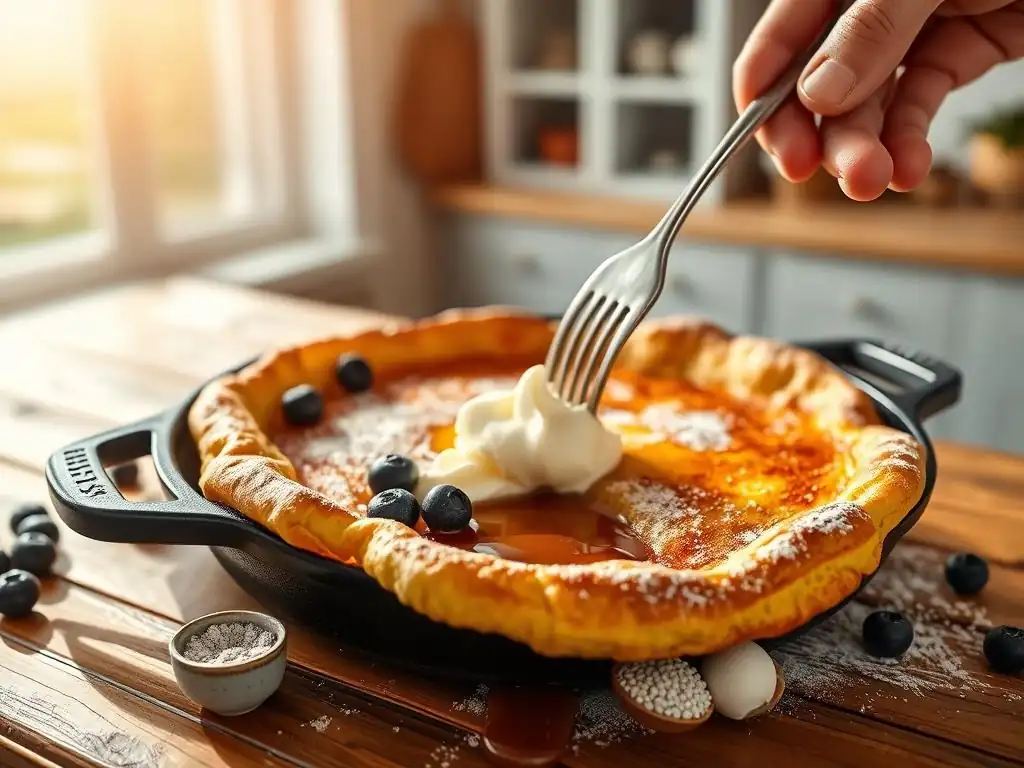
Even with a simple recipe, sometimes things don't go exactly as planned. Addressing common baking problems helps ensure you achieve that impressive result the next time you make your easy sourdough discard dutch baby. Understanding why an issue occurs is the first step to fixing it.
Insufficient Puff
If your Dutch baby doesn't puff up dramatically or collapses immediately upon leaving the oven, several factors could be at play. The most common culprits are an oven that wasn't hot enough, a pan that wasn't sufficiently preheated with butter, or opening the oven door during baking. The rapid steam created by hitting extreme heat is essential for the initial rise. Ensure your oven is accurately calibrated and give the pan ample time to heat up inside the oven before adding the batter. Also, resist the urge to peek!
Dense Texture
A dense or rubbery texture in the center, rather than a light and custardy one, is often caused by overmixing the batter. Excessive whisking after adding the flour develops the gluten, leading to a tougher result. Mix only until the flour is just incorporated. Another reason could be insufficient liquid or using cold ingredients, which can affect how the batter cooks. Ensure eggs and milk are at room temperature and use the correct measurements.
Uneven Cooking
If one side of your Dutch baby is significantly more cooked or darker than the other, it's likely due to uneven heat distribution in your oven. Ovens often have hot spots. To mitigate this, you can try rotating the pan halfway through the baking time, but be aware that opening the oven door can cause some deflation. Knowing your oven's quirks is key; some bakers find placing the skillet on a specific rack or position yields the best results.
Serving, Storing, and Reheating
Serving Suggestions
The moment your sourdough discard Dutch baby comes out of the oven is the peak of its visual appeal with maximum puff. It's best served immediately to fully appreciate the contrast between the crispy, airy edges and the soft, rich center before it inevitably begins to deflate. Place the hot skillet directly on a trivet or heatproof surface at the table for a rustic presentation.
Allow guests to serve themselves by spooning toppings into the sunken center or cutting wedges. Provide a variety of sweet or savory toppings so everyone can customize their slice. A dusting of powdered sugar and a squeeze of lemon is the classic finishing touch that complements the rich flavor beautifully.
Optimal Storage Methods
While a Dutch baby is best enjoyed fresh, leftovers can be stored. Once completely cooled, slide the remaining pancake out of the skillet and transfer it to an airtight container. It will lose its dramatic puff as it cools, becoming more like a thick crepe or a dense pancake.
Store the container in the refrigerator for up to 2-3 days. The texture will change, becoming less crispy and more uniformly soft. Separate any leftover toppings and store them separately if possible, especially wet toppings like fruit compotes, to prevent the pancake from becoming soggy.
Reheating for Best Results
To reheat leftover sourdough discard Dutch baby and bring back some semblance of its original texture, the oven or a toaster oven is the preferred method over a microwave. Preheat your oven or toaster oven to around 300-350°F (150-175°C). Place the leftover pancake piece on a baking sheet or directly on the oven rack.
Heat for 5-10 minutes, or until warmed through. This method helps to crisp up the edges again, although it won't regain its full puffy shape. A microwave will heat it quickly but will result in a softer, potentially chewier texture. Avoid overcrowding the oven when reheating multiple pieces.
The Science Behind the Recipe
The Role of Heat and Batter Composition
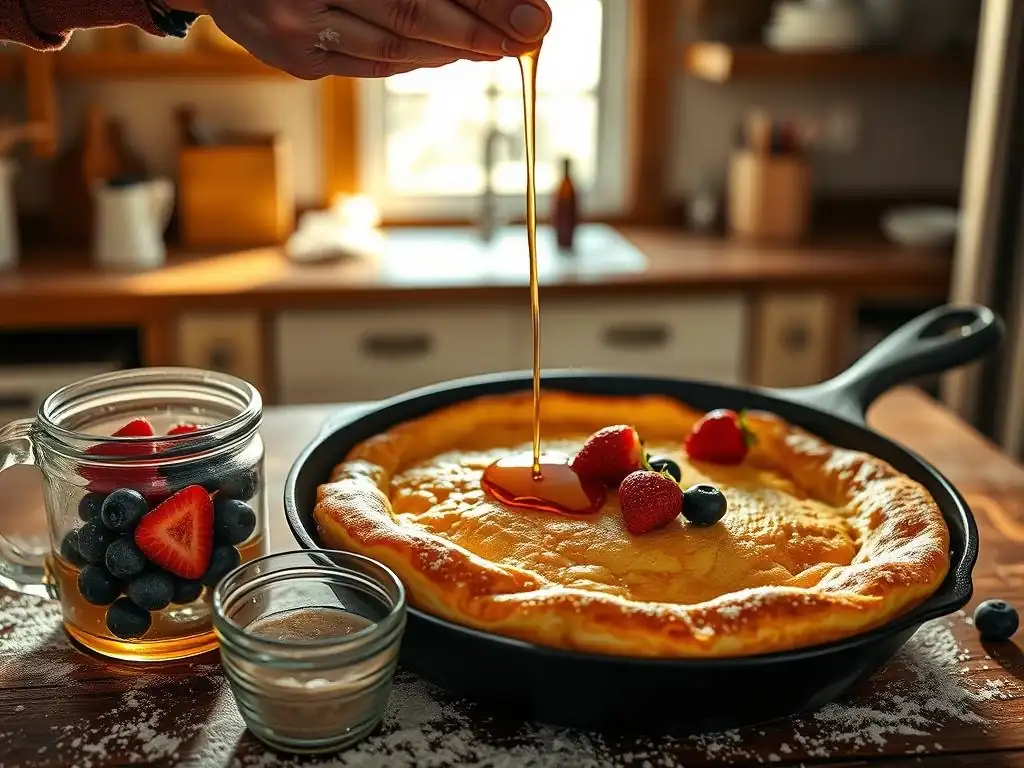
The dramatic rise of a Dutch baby, including one made with sourdough discard, is primarily a result of physics, specifically the power of steam combined with a simple batter structure. When the thin, liquid-rich batter hits the intense heat of the preheated pan and oven (400-425°F or 200-220°C), the water in the milk, eggs, and discard rapidly turns into steam. This steam expands forcefully, pushing the relatively light batter mixture upwards and outwards.
The batter itself is composed mainly of eggs, flour, and liquid. The proteins in the eggs and flour (gluten) coagulate and set quickly in the high heat, creating a structure that traps the expanding steam and holds the shape of the puff. Unlike leavened pancakes that rely on baking powder or soda for lift throughout the cooking process, the Dutch baby's puff is an initial, explosive event driven by steam, followed by the setting of the structure.
Flavor Enhancement from Sourdough Discard
While discard doesn't provide significant leavening in this recipe, its contribution to flavor is notable. Sourdough discard, even unfed, contains organic acids (like lactic and acetic acid) and other fermentation byproducts produced by the wild yeasts and bacteria in the starter. These compounds add a subtle yet complex tangy flavor that provides a pleasing contrast to the richness of the butter and eggs in the pancake.
The level of tang depends on the age and acidity of your discard. Older, unrefrigerated discard will have a more pronounced sourness than fresh discard. This acidity can also have a minor tenderizing effect on the flour proteins, potentially contributing to the desirable custardy texture in the center of the easy sourdough discard dutch baby.
Recipe Development and Testing
Developing a recipe like this easy sourdough discard dutch baby involves testing various ratios of ingredients to find the optimal balance for flavor, texture, and puff. A standard Dutch baby recipe typically uses a ratio close to equal parts flour and liquid (milk), with a significant amount of egg (often two large eggs per 1/2 cup flour/liquid). When incorporating sourdough discard, recipe developers must consider its hydration and acidity.
For example, if using 100% hydration discard (equal parts flour and water), substituting 1/2 cup of discard means you are adding roughly 1/4 cup flour and 1/4 cup water/liquid. This needs to be balanced with the other flour and milk amounts to maintain the correct overall batter consistency – usually by slightly reducing the amount of added flour and milk compared to a non-discard recipe.
Testing ensures the batter is thin enough for steam expansion but has enough structure from flour and egg to hold the puff. Different discard hydrations or ages might require slight tweaks to the liquid content for consistent results.
Conclusion: Enjoy Your Homemade Dutch Baby
Making an easy sourdough discard dutch baby is a rewarding way to use up your discard and create a truly impressive breakfast or brunch dish. With just a few common ingredients and a hot oven, you can achieve that signature dramatic puff and enjoy a pancake that's crispy on the edges and custardy in the center, with a delightful hint of tang from the sourdough.
This simple sourdough discard dutch baby recipe is versatile, serving as a perfect canvas for everything from fresh berries and powdered sugar to savory cheese and herbs. It proves that using discard isn't just about reducing waste; it's about enhancing flavor and exploring new possibilities in your baking. Don't be intimidated by the puff – follow the steps, especially the pan preheating, and you'll be enjoying this delightful treat in no time.
Frequently Asked Questions
What exactly is a sourdough discard Dutch baby pancake?
It's a variation on a classic Dutch baby pancake that utilizes sourdough discard – the portion of your sourdough starter you remove before feeding it. This reduces waste and adds a subtle tangy flavor to the pancake.
Why use sourdough discard in a Dutch baby?
Using sourdough discard is a great way to reduce food waste and add a slightly sour and complex flavor to your Dutch baby, without the need for active starter.
What if I don't have sourdough discard? Can I still make this recipe?
While the recipe is designed for discard, you can make it without. You might need to adjust the liquid slightly and consider adding a touch of lemon juice or vinegar for a similar tang.
What kind of pan is best for baking a Dutch baby?
A cast iron skillet is ideal because it retains heat well and helps the Dutch baby puff up beautifully. You can also use an oven-safe skillet or baking dish, but the rise might not be as dramatic.
How do I know when the Dutch baby is done?
The Dutch baby is done when it's puffed up and golden brown around the edges and set in the middle. A toothpick inserted into the center should come out mostly clean.
Final Reflection: The Unexpected Joy of Sourdough Discard
The humble sourdough discard, once a kitchen nuisance, has been transformed into a culinary delight. This simple Dutch baby recipe proves that even the most overlooked ingredients can yield extraordinary results, offering a delicious and easy way to minimize food waste and maximize flavor. The ease of this recipe makes it accessible to even the most novice bakers, proving that gourmet baking doesn't have to be complicated.
The impact of this recipe extends beyond the individual kitchen; it speaks to a growing awareness of sustainability and resourcefulness. We're increasingly conscious of reducing food waste, and this recipe offers a practical and delicious solution. It's a small step, but it's a step in the right direction. Waste not, want not,
an old adage, rings truer than ever in our modern world. This recipe embodies that spirit, turning a byproduct into a beautiful and satisfying breakfast.
Now, I invite you to try this recipe yourself. Don't be intimidated by the seemingly complex world of sourdough; this recipe is a testament to the fact that delicious baking can be simple and rewarding. Embrace the unexpected joy of transforming your sourdough discard into a fluffy, golden-brown Dutch baby pancake. Share your creations, and let's continue to explore the creative possibilities of minimizing waste and maximizing flavor in our kitchens.
Unleash Your Inner Pancake Artist!
Thanks for joining us on this delicious sourdough journey! You've just learned how to transform your discarded starter into a fluffy, flavorful Dutch baby pancake. Ready to take your baking skills to the next level?
- Master the art of the Dutch baby: Experiment with different additions like fruit, chocolate chips, or nuts to create your signature pancake masterpiece. Don't be afraid to get creative!
- Share your creation: Tag us on social media (@BakeWithEase – find us on Instagram and Facebook!) with a picture of your stunning Dutch baby. We'd love to see your culinary triumphs!
- Explore more sourdough recipes: Dive into our extensive recipe library on BakeWithEase.com for more inspiration using that precious sourdough starter.
What unique topping will you try on your next sourdough discard Dutch baby? Let us know in the comments below!