
Basic Sourdough: From Mixing to Oven (Quick Guide)

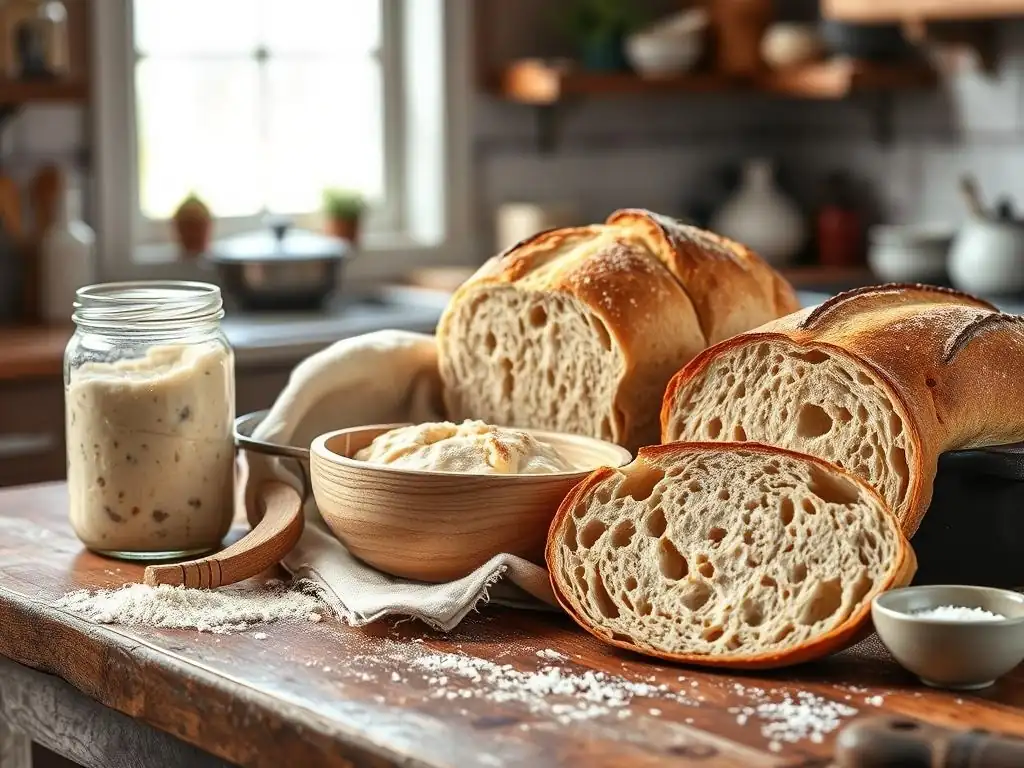
Welcome to BakeWithEase, where your baking dreams become delicious realities! Ever wondered how to maintain a thriving sourdough starter without the fuss? Basic Sourdough: From Mixing to Oven (Quick Guide) unlocks the secrets to creating incredible loaves with minimal effort. Discover easy sourdough starter maintenance tips and simplified techniques that will have you baking like a pro in no time. Ready to transform simple ingredients into irresistible sourdough masterpieces? Let's get started!
- Easy Sourdough Starter Maintenance Tips for Beginners
-
Frequently Asked Questions
- What exactly is a sourdough starter and why is it so important in sourdough baking?
- How often do I need to feed my sourdough starter according to BakeWithEase's "Basic Sourdough" guide?
- What are some signs that my sourdough starter is ready to use for baking?
- What happens if I accidentally skip a feeding of my sourdough starter?
- Can I use different types of flour to feed my sourdough starter, and will that affect its performance?
- Final Reflection: The Enduring Allure of Simple Sourdough
- Unleash Your Inner Baker: Craft Your First Perfect Loaf!
Easy Sourdough Starter Maintenance Tips for Beginners
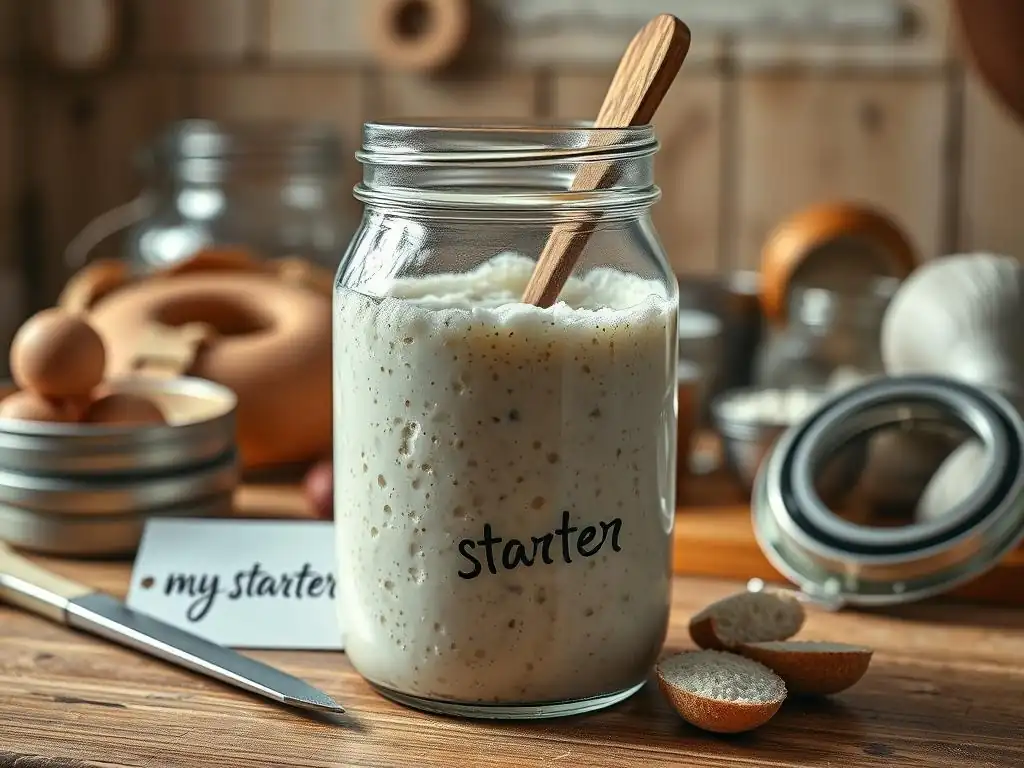
Feeding Your Sourdough Starter: A Simple Routine
Maintaining an active and healthy sourdough starter is fundamental to successful baking, and it doesn't have to be complicated. The core of easy sourdough starter maintenance tips lies in consistent feeding. Think of your starter as a living organism that needs nourishment – specifically, flour and water.
A common ratio is 1:1:1 by weight (starter:water:flour). For example, if you keep 50 grams of starter, you would feed it with 50 grams of water and 50 grams of flour. This simple ratio provides plenty of food for the wild yeasts and bacteria, encouraging robust activity and a reliable rise for your bread.
Consistency is key to an easy sourdough starter maintenance routine. If you keep your starter at room temperature, feeding it once every 24 hours is generally recommended. This schedule ensures the microbes always have fresh food available, preventing them from becoming sluggish.
Before feeding, it's standard practice to discard a portion of the starter – this helps manage the volume and ensures that the fresh food is consumed by a concentrated population of active microbes. While the amount to discard can vary, leaving just a small amount, perhaps 20-30 grams, before feeding the 1:1:1 ratio is a common and effective method.
Storing Your Sourdough Starter: Fridge or Counter?
Where you store your sourdough starter significantly impacts how often you need to feed it, directly influencing your easy sourdough starter maintenance. Storing it at room temperature requires daily feeding, as the warmer environment promotes rapid microbial activity. This is ideal if you bake frequently, perhaps several times a week, as your starter will always be vibrant and ready to use with minimal preparation time. Keeping it on the counter allows you to observe its activity closely – you'll see it bubble up and double (or even triple) in size within hours of feeding, a clear sign of health.
For those who bake less often, perhaps once a week or less, storing your starter in the refrigerator is an excellent strategy for easy sourdough starter maintenance. The cold temperature drastically slows down the microbial activity, meaning it requires feeding much less frequently.
Typically, a starter stored in the fridge only needs to be fed once every 7-10 days. Before using it for baking after refrigeration, it's best practice to take it out, let it come to room temperature for a few hours, and give it one or two feedings over 12-24 hours to revitalize it and ensure it's strong enough to leaven your dough effectively.
Troubleshooting Starter Problems: Common Issues and Solutions
Even with the best easy sourdough starter maintenance tips, you might encounter a few common issues. One frequent observation is a layer of liquid forming on top of the starter; this is called "hooch." Hooch is simply alcohol produced by the yeast when they've run out of food. It's a sign your starter is hungry. You can either stir it back in (which adds a tangy flavor) or pour it off before feeding. It's generally harmless and easily fixed by feeding your starter more frequently or using a higher ratio of flour to water in your feedings.
Another concern can be a lack of activity or a weak rise after feeding. This might happen if the starter hasn't been fed consistently or if the environment is too cold. To revive a sluggish starter, try feeding it more often, perhaps twice a day for a couple of days, and ensure it's kept in a warm spot, ideally between 75-80°F (24-27°C).
A more serious issue is mold, which appears as fuzzy, colored spots (often green, black, or orange). Unlike hooch, mold means the starter is contaminated and should be discarded entirely to avoid introducing harmful bacteria or spores into your baking. Starting fresh is the safest approach if mold appears, ensuring your ongoing easy sourdough starter maintenance is based on a healthy foundation.
Discard Sourdough Recipes: Minimizing Waste and Maximizing Flavor
A byproduct of regular easy sourdough starter maintenance is the "discard" – the portion you remove before feeding. While it's necessary for managing starter volume and health, it doesn't have to go to waste! Sourdough discard, especially when unfed or past its peak activity, is still packed with flavor and leavening potential (though less vigorous than active starter). Utilizing discard is a fantastic way to minimize waste and add a unique tang to various recipes.
Many delicious recipes specifically call for sourdough discard. Unlike recipes using active starter for primary leavening, discard recipes often rely on baking soda or baking powder for the main rise, with the discard contributing flavor and a tender texture. Popular examples include sourdough discard pancakes or waffles, which get a delightful tang.
Sourdough crackers are another favorite, resulting in crispy, savory snacks. Even simple things like adding a bit of discard to muffin or quick bread batters can enhance the flavor profile. Keeping a small container of discard in the fridge allows you to easily incorporate it into these recipes throughout the week, making your easy sourdough starter maintenance even more rewarding.
Frequently Asked Questions
What exactly is a sourdough starter and why is it so important in sourdough baking?
A sourdough starter is a live culture of wild yeasts and bacteria used to leaven bread. It's important because it provides the unique flavor and texture characteristic of sourdough. Without it, you can't make true sourdough bread.
How often do I need to feed my sourdough starter according to BakeWithEase's "Basic Sourdough" guide?
The frequency depends on storage. If kept at room temperature, feed it once or twice a day. If stored in the refrigerator, you can feed it once a week.
What are some signs that my sourdough starter is ready to use for baking?
Signs include doubling in size after feeding, a bubbly and airy texture, and a slightly tangy aroma. These indicate active fermentation.
What happens if I accidentally skip a feeding of my sourdough starter?
Missing a feeding occasionally is usually fine. The starter might become more acidic. Just feed it and observe for a few days; it usually bounces back.
Can I use different types of flour to feed my sourdough starter, and will that affect its performance?
Yes, you can! Whole wheat flour often boosts activity and flavor. However, stick to unbleached flour types for consistent results and quality.
Final Reflection: The Enduring Allure of Simple Sourdough
The humble sourdough starter, once a culinary enigma, is experiencing a remarkable resurgence, proving that timeless techniques can thrive in our fast-paced world. This renewed interest highlights a growing desire for connection to traditional food practices and a deeper understanding of where our food comes from. The ease of sourdough starter maintenance, as explored in this guide, is a key factor in this accessibility.
Maintaining a sourdough starter is more than just a baking task; it's a daily ritual, a small act of nurturing that yields surprisingly large rewards. The rhythmic feeding, the satisfying rise, the subtle changes in the starter's activity – these are all moments of mindful connection to the process. As Wendell Berry so eloquently put it, Eating is an agricultural act.
And in the case of sourdough, that agricultural act begins with the humble starter, a living testament to the power of simple ingredients and patient care.
Now, consider your own kitchen. Imagine the possibilities: the crusty loaves, the tangy aroma, the satisfaction of creating something delicious and wholesome from scratch. Don't let the perceived complexity of sourdough deter you. This guide has shown you that consistent, simple care is all it takes to maintain a thriving starter. Embrace the journey, experiment with different flours, and savor the unique character of your own sourdough creations. The rewards – both culinary and personal – are well worth the effort.
Unleash Your Inner Baker: Craft Your First Perfect Loaf!
Thanks for joining us on this sourdough journey! We hope you now feel confident in tackling this classic bread. Ready to take your baking to the next level?
- Bake your own sourdough loaf today! Use the techniques outlined above to create a delicious, tangy loaf – the aroma alone is worth it!
- Share your sourdough success! Snap a picture of your finished loaf and tag us on social media – we'd love to see your creations.
- Explore our other baking guides for more inspiration and tips. From advanced techniques to simple everyday recipes, there’s something for every baker!
What unique twist will you add to your first sourdough masterpiece? Let us know in the comments below!