
Bake Authentic French Crème Pâtissière (Pastry Cream)

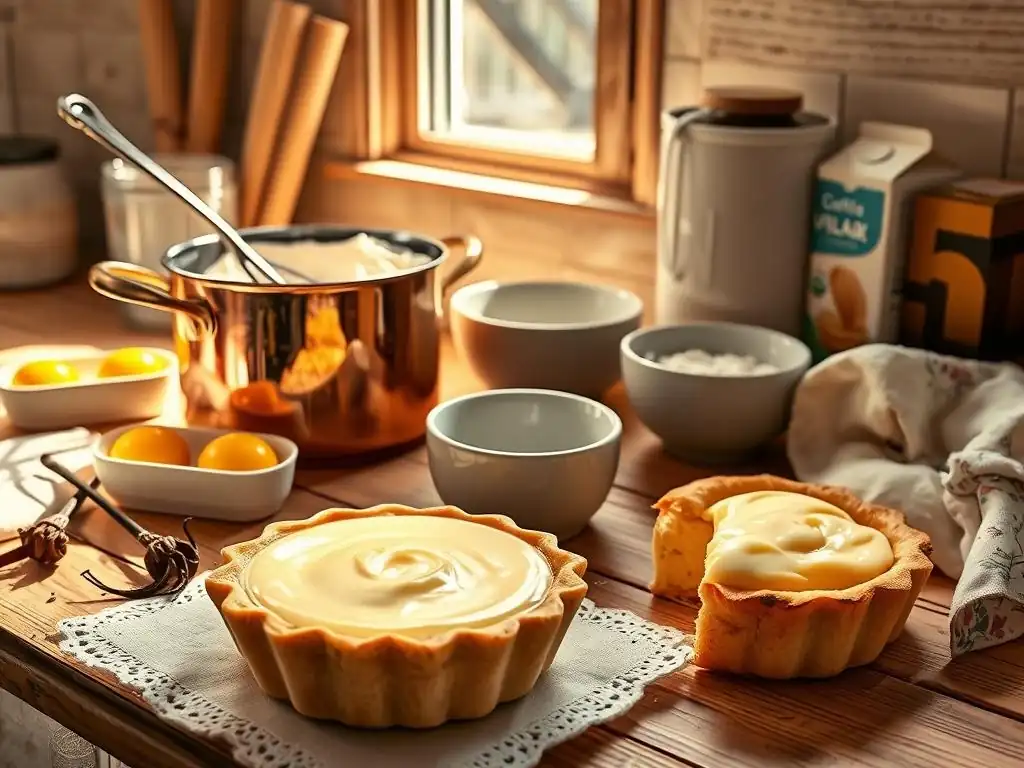
Welcome to BakeWithEase, where baking dreams become delicious reality! Ever wondered how to create that perfectly smooth and decadent filling found in authentic French pastries? Dive into our guide and discover the secrets to crafting Easy Authentic French Pastry Cream that will elevate your baking to a whole new level. Get ready to impress with this surprisingly simple recipe – the secret ingredient to countless delectable desserts awaits!
- Authentic French Crème Pâtissière (Pastry Cream) Recipe
- Introduction
- Ingredients and Equipment
- Step-by-Step Instructions
- Tips for Perfect Crème Pâtissière
- Troubleshooting
- Recipe Ideas
- Mastering Crème Pâtissière and Beyond
-
Frequently Asked Questions
- What makes this crème pâtissière recipe "easy" and "authentic"?
- What are the key ingredients needed to make authentic French pastry cream?
- What is the most common mistake people make when baking pastry cream, and how can I avoid it?
- Can I use this pastry cream in different types of pastries, like éclairs or fruit tarts?
- How long can I store the homemade pastry cream, and what's the best way to do so?
- Final Reflection: The Enduring Allure of Authentic French Pastry Cream
- Unlock Your Inner Pâtissier: Master the Art of Crème Pâtissière!
Authentic French Crème Pâtissière (Pastry Cream) Recipe
Introduction
Why Master Crème Pâtissière?
Mastering crème pâtissière, the classic French pastry cream, unlocks a world of delightful desserts. This silky-smooth, rich custard is a fundamental building block in countless French pastries, from the humble éclair to the elegant fruit tart. Learning to make this versatile cream from scratch allows you to elevate your baking creations, giving them that authentic patisserie quality that store-bought fillings simply can't replicate. It's a skill that, once learned, becomes second nature and incredibly rewarding.
Beyond its use in traditional French baking, crème pâtissière is surprisingly adaptable. You can use it as a filling for cakes, a base for mousses, or even enjoy it on its own with fresh berries. Understanding the simple process behind this classic enables you to tackle more complex recipes with confidence, making your journey into the art of baking even more exciting and delicious. It's a foundational technique worth investing your time in, promising delicious returns.
Our Promise: Simplified French Baking
At BakeWithEase, our mission is to demystify French baking, making seemingly complicated recipes accessible to everyone. We believe that creating authentic French pastry cream shouldn't be intimidating. This guide breaks down the process into clear, manageable steps, focusing on the essential techniques that guarantee success. We'll walk you through each stage, explaining the 'why' behind the 'how,' so you not only follow the recipe but also understand the science and art of pastry cream.
We promise to provide you with an easy authentic French pastry cream recipe that delivers consistent, delicious results every time. Forget overly complex instructions or hard-to-find ingredients. We focus on simple methods and readily available staples, ensuring you can achieve that perfect, smooth, and flavorful crème pâtissière in your own kitchen. Get ready to bake with ease and impress yourself and others with your newfound French baking skills!
Ingredients and Equipment
Essential Ingredients
Creating a truly authentic and easy authentic French pastry cream relies on just a few basic ingredients. The quality of these components is key to the final flavor and texture of your crème. Using fresh, high-quality items will make a significant difference in achieving that classic richness and smoothness. Pay attention to the details when selecting your ingredients.
Each ingredient plays a specific role in the chemistry of the custard. From providing structure and richness to adding flavor and binding the mixture, understanding the function of each helps ensure success. We've outlined the crucial elements you'll need to gather before you begin your pastry cream adventure.
Whole Milk
Whole milk provides the necessary liquid base and contributes significantly to the creaminess and richness of the crème pâtissière. Its higher fat content, typically around 3.5%, results in a smoother, more luxurious texture compared to lower-fat options. Using cold milk is generally recommended as it helps distribute the starch more evenly during the initial mixing stages, preventing lumps.
For this recipe, you will need 500 ml of whole milk. Ensure it is fresh and kept refrigerated until ready to use. The quality of your milk directly impacts the overall flavor profile of the finished pastry cream, so opt for the best quality you can find.
Egg Yolks
Egg yolks are the primary thickening agent (along with cornstarch) and provide the classic rich, yellow color and distinct flavor of crème pâtissière. The proteins in the yolks coagulate when heated, setting the custard. They also contribute essential fat, adding to the creaminess and mouthfeel. Separating yolks from whites requires care to avoid any white contaminating the yolks, as egg whites can affect the texture.
You will need 6 large egg yolks for this recipe. Save the egg whites for another use, such as meringues or macarons. Ensure your eggs are fresh, as freshness impacts both flavor and thickening power.
Granulated Sugar
Granulated sugar sweetens the pastry cream and also plays a role in tenderizing the egg proteins, preventing them from becoming tough when heated. It also helps create a smooth texture by interfering with the coagulation process slightly. The amount of sugar can be adjusted slightly based on personal preference, but the quantity specified is balanced for classic French recipes.
Use 150 grams of granulated sugar. This amount provides a pleasant sweetness that complements the richness of the yolks and milk without being overly sugary. Weighing your sugar is more accurate than using volume measurements, especially in baking.
Cornstarch
Cornstarch is a crucial thickening agent that stabilizes the crème pâtissière, making it robust enough to hold its shape when used as a filling. Unlike flour, cornstarch provides a smoother, glossier finish and a cleaner flavor. It works by gelatinizing when heated in the presence of liquid, creating a stable network that thickens the mixture. Using the correct amount is key to achieving the desired consistency – too little results in a thin cream, too much makes it pasty.
You will need 40 grams of cornstarch. Sifting the cornstarch before use can help prevent lumps when mixing it with the sugar and egg yolks. Ensure your cornstarch is fresh and free-flowing.
Vanilla Extract
Vanilla extract adds the signature aroma and flavor to classic crème pâtissière. While vanilla beans provide the most authentic and intense flavor, good quality pure vanilla extract is a readily available and effective alternative. It enhances the richness of the custard and provides a warm, comforting note. Adding it towards the end of cooking preserves its delicate aroma.
Use 1 teaspoon of good quality pure vanilla extract. Avoid artificial vanilla flavoring if possible, as it lacks the complexity of real vanilla. Alternatively, you could infuse the milk with a split vanilla bean pod for even deeper flavor (see optional step).
Required Equipment
Having the right tools at hand makes the process of making easy authentic French pastry cream much smoother and more successful. You don't need specialized equipment, but a few standard kitchen items are essential. Gathering everything before you start ensures you can move through the steps efficiently without interruption.
The tools listed below are commonly found in most kitchens and are perfectly suited for making a perfect batch of pastry cream. Using the appropriate equipment helps control temperature, ensures proper mixing, and allows for achieving that desired smooth, lump-free texture.
Heavy-Bottomed Saucepan
A heavy-bottomed saucepan is crucial for cooking crème pâtissière because it distributes heat more evenly than thin-bottomed pans. This even heat distribution significantly reduces the risk of scorching the bottom of the cream, which can ruin the flavor and texture. The weight of the pan helps maintain a consistent temperature, which is vital for cooking the custard properly without overheating.
Choose a saucepan with a capacity of at least 1.5 to 2 liters to comfortably hold the mixture as it thickens. A pan with sloped sides can also make whisking easier.
Whisk
A balloon whisk is essential for incorporating ingredients smoothly and preventing lumps. It helps aerate the egg mixture initially and is indispensable for continuous stirring while cooking the custard. Constant whisking prevents the bottom from sticking and ensures the cream thickens evenly and smoothly.
Use a sturdy whisk that feels comfortable in your hand and is appropriately sized for your saucepan. A silicone-coated whisk can be gentler on non-stick surfaces if you are using such a pan, although stainless steel is standard.
Fine-Mesh Sieve
A fine-mesh sieve is a baker's best friend for achieving silky-smooth textures. Passing the cooked crème pâtissière through a sieve removes any potential lumps, bits of cooked egg, or vanilla bean pieces (if using a pod). This step is key to ensuring your pastry cream has that professional, velvety consistency that is characteristic of authentic French preparations.
Have a clean sieve ready over your heat-resistant bowl before you finish cooking the cream. Pushing the warm cream through the sieve with a spatula or whisk is quick and effective.
Heat-Resistant Bowl
A heat-resistant bowl, such as one made of glass or stainless steel, is needed to receive the cooked crème pâtissière after it's strained. This bowl will also be used for chilling the cream. It's important that the bowl can withstand the heat of the freshly cooked custard.
Choose a bowl large enough to hold the entire batch of pastry cream comfortably, allowing space for expansion if covering directly with plastic wrap. A wide, shallow bowl will help the cream cool down faster.
Step-by-Step Instructions
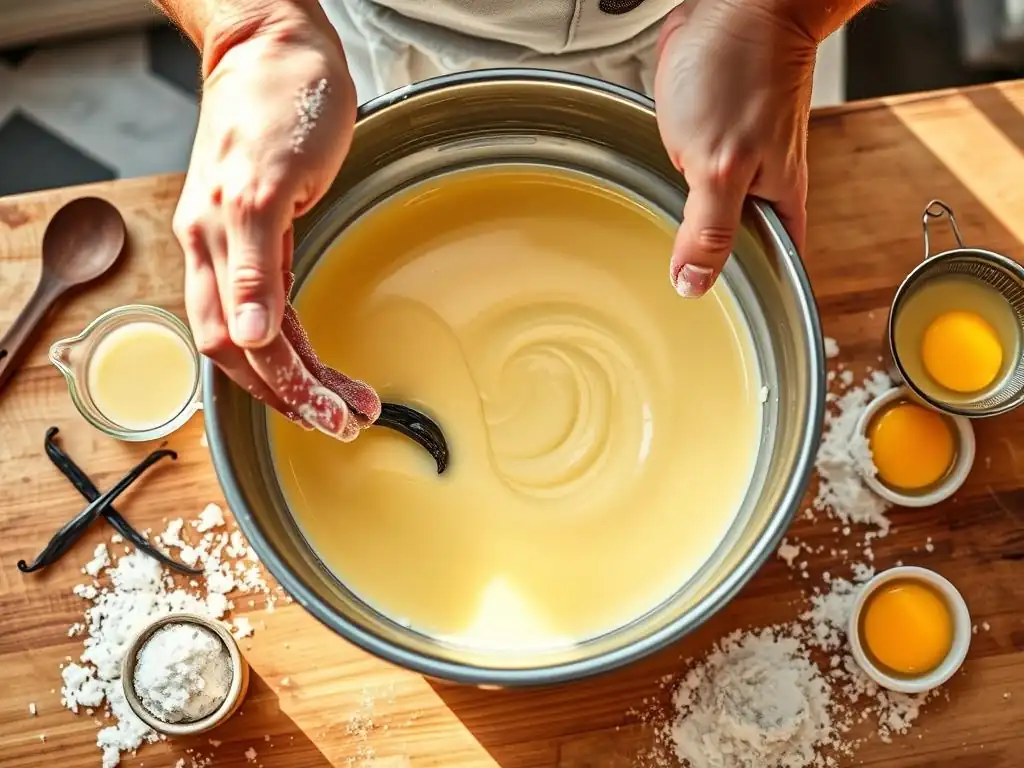
Making easy authentic French pastry cream involves a few key stages, each building upon the last. Following these steps carefully will lead you to a perfectly smooth and delicious custard. The process is more about technique and timing than it is about complexity.
We've broken down the method into six simple steps. Read through them before you start to familiarize yourself with the process. Having all your ingredients measured and equipment ready (mise en place) will make the cooking process flow seamlessly.
Step 1: Infusing the Milk (Optional)
This optional but highly recommended step adds a deeper layer of flavor to your pastry cream, especially if using a vanilla bean. Gently heating the milk with flavorings allows their aromas to infuse into the liquid before being combined with the egg mixture. This technique is common in classic French patisserie for a reason – it significantly enhances the final taste.
To infuse the milk, pour the measured 500 ml whole milk into your heavy-bottomed saucepan. If using a vanilla bean pod, split it lengthwise, scrape out the seeds with the back of a knife, and add both the seeds and the pod to the milk. Heat the milk over medium heat just until small bubbles appear around the edge – do not boil. Remove from the heat, cover, and let steep for 10-15 minutes. If using only vanilla extract, you will skip this infusion step and add the extract later.
Step 2: Combining Egg Yolks and Sugar
While the milk is infusing or warming, prepare your egg mixture. This step involves whisking together the egg yolks and sugar until they are well combined and slightly lighter in color. This process is sometimes referred to as "blanching" the yolks, although they don't truly blanch; the sugar helps break down the proteins and prevents them from curdling too quickly later.
In your heat-resistant bowl, combine the 6 large egg yolks and 150 grams granulated sugar. Whisk vigorously for 1-2 minutes until the mixture is smooth, pale yellow, and slightly thickened. The sugar should be mostly dissolved into the yolks.
Step 3: Adding Cornstarch
Now, we add the primary thickening agent to the egg and sugar mixture. Cornstarch needs to be thoroughly combined with the yolks and sugar before adding any hot liquid. This prevents the starch granules from clumping when they hit the heat, which is a common cause of lumpy pastry cream. Ensure there are no dry pockets of cornstarch.
Add the 40 grams cornstarch to the egg and sugar mixture. Whisk until completely smooth and no lumps of cornstarch are visible. The mixture will be thick and pasty. This is your base for the pastry cream before the hot milk is introduced.
Step 4: Tempering the Egg Mixture
Tempering is a crucial step that gradually raises the temperature of the egg mixture before adding it to the hot milk. Pouring hot milk directly onto cold egg yolks would cause them to scramble instantly. By slowly whisking a small amount of hot milk into the egg mixture first, you gently warm the yolks, preventing this shock and ensuring a smooth transition when the rest of the milk is added.
If you infused your milk, remove the vanilla pod (scrape any clinging seeds back into the milk). Reheat the milk gently if it has cooled too much, until it's hot but not boiling. While whisking the egg mixture constantly, slowly ladle about one-third of the hot milk into the bowl in a thin stream. Whisk until fully combined. This tempered mixture is now ready to be added back to the saucepan.
Step 5: Cooking the Crème Pâtissière
This is where the magic happens – the mixture thickens into luscious pastry cream. This step requires constant attention and vigorous whisking to prevent scorching and ensure even cooking. The starch needs to reach a high enough temperature (just below boiling) for its thickening properties to fully activate. Don't rush this stage; proper cooking is key to a stable cream.
Pour the tempered egg mixture back into the saucepan with the remaining hot milk. Place the saucepan over medium heat. Whisk constantly, scraping the bottom and sides of the pan. Initially, the mixture will be thin, but after a few minutes, you will feel it start to thicken. Keep whisking vigorously as it thickens. Bring the mixture to a gentle boil, whisking constantly. Once it reaches a boil, continue to whisk and cook for another 1-2 minutes to ensure the cornstarch is fully cooked and the cream is stable. It should be very thick and smooth.
Step 6: Cooling the Pastry Cream
Proper cooling is essential for both hygiene and texture. Crème pâtissière needs to cool quickly to prevent bacterial growth and to develop its final consistency. Covering it correctly prevents a skin from forming on the surface, which can lead to lumps. Chilling also allows the flavors to meld and the cream to set firmly.
Immediately remove the cooked crème pâtissière from the heat and, if desired, strain it through a fine-mesh sieve into your heat-resistant bowl for extra smoothness. Whisk in the 1 teaspoon vanilla extract at this point. To prevent a skin from forming, cover the surface of the cream directly with plastic wrap, pressing it down so it touches the entire surface. Allow it to cool at room temperature for a short time, then refrigerate for at least 2-3 hours, or until thoroughly chilled and set.
Tips for Perfect Crème Pâtissière
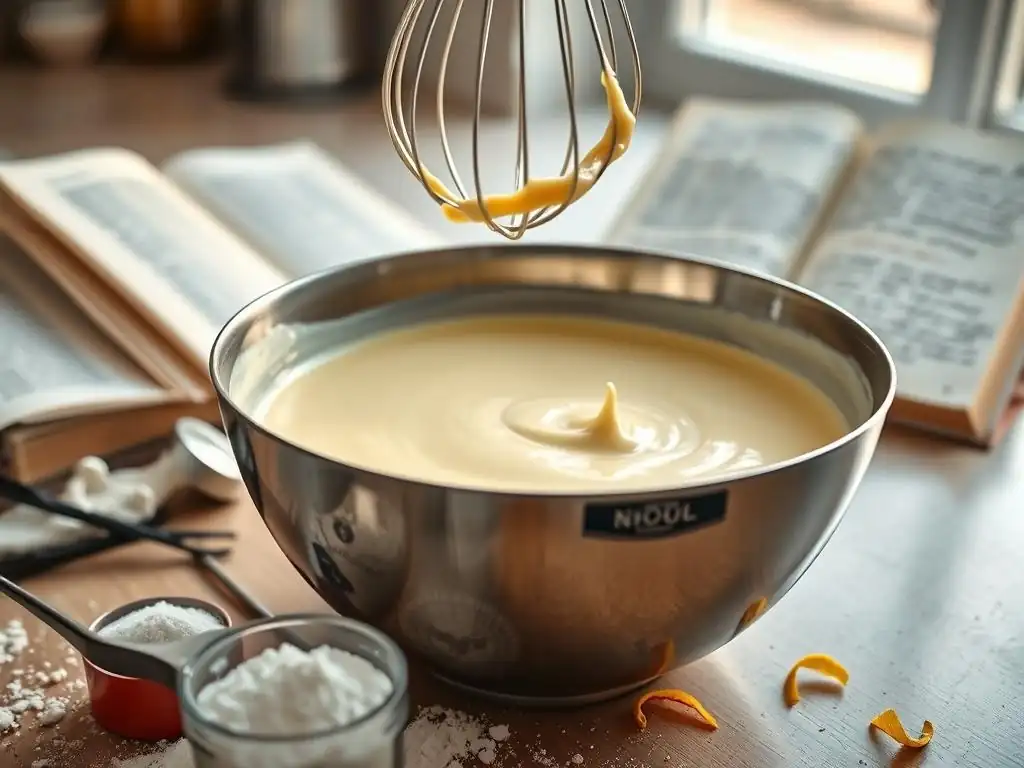
Achieving consistently perfect crème pâtissière is rewarding. While the basic steps are straightforward, a few insider tips can elevate your results from good to exceptional. These tips address common pitfalls and offer ways to enhance your easy authentic French pastry cream.
Paying attention to these details can make a significant difference in the texture, flavor, and shelf life of your custard. They are simple adjustments or considerations that can save you from common issues faced by bakers.
Achieving a Smooth Texture
A truly perfect crème pâtissière is wonderfully smooth and velvety, free from any graininess or lumps. This ideal texture is primarily achieved through careful whisking during cooking and straining afterward. Whisking constantly ensures even heat distribution and prevents the proteins and starch from clumping. The vigorous motion helps break down any potential lumps as they form.
After cooking, straining the hot cream through a fine-mesh sieve is your final insurance policy against lumps. This step removes any small bits of cooked egg or starch that might have formed despite your best whisking efforts. Pressing the cream through the sieve with a spatula helps to smooth it out even further before chilling.
Preventing Scorching
Scorching is a common issue when cooking custards and can impart an unpleasant burnt taste to your entire batch of pastry cream. It occurs when the bottom layer of the cream overheats and sticks to the pan. Using a heavy-bottomed saucepan, as recommended, is the first line of defense against this. Heavy pans distribute heat more evenly, reducing hot spots.
However, even with a good pan, constant and vigorous whisking is essential. Ensure your whisk reaches into the corners and scrapes the entire bottom surface of the pan continuously while the cream is cooking and thickening. Never leave the saucepan unattended during the cooking phase. If you do notice any slight sticking, immediately remove the pan from the heat and whisk vigorously before returning it.
Storing Pastry Cream
Proper storage is vital for maintaining the quality and safety of your crème pâtissière. Because it contains eggs and milk, it is highly perishable. Once cooked and cooled, it must be refrigerated promptly. The most effective way to store it and prevent a skin from forming is to cover the surface directly with plastic wrap.
Press the plastic wrap onto the surface of the chilled cream, ensuring no air pockets are trapped between the cream and the wrap. Store in an airtight container in the refrigerator for up to 3-4 days. Before using, give it a good whisk to restore its smooth consistency, as it will set quite firmly when cold.
Flavor Variations
While classic vanilla is delicious, crème pâtissière is an excellent base for incorporating other flavors. Once you've mastered the basic easy authentic French pastry cream recipe, you can easily adapt it to create exciting variations. The key is to add flavorings in a way that doesn't disrupt the texture or consistency of the cream.
Adding flavorings towards the end of the cooking process or during the cooling stage often works best. This prevents delicate aromas from being lost during heating and allows certain ingredients, like chocolate, to melt smoothly into the warm custard.
Chocolate Crème Pâtissière
Transform your vanilla pastry cream into a rich chocolate version by adding finely chopped chocolate to the hot, cooked cream.
For approximately 500ml of vanilla pastry cream, whisk in about 100-150 grams of finely chopped dark or milk chocolate immediately after removing it from the heat. Stir until the chocolate is completely melted and the cream is smooth and uniformly colored. Strain through a sieve if necessary before chilling.
Coffee Crème Pâtissière
Infuse your cream with the bold flavor of coffee for a sophisticated twist.
Add 1-2 tablespoons of instant espresso powder or very strong coffee concentrate to the hot milk at the beginning of Step 1 (infusing the milk). Proceed with the recipe as usual. The coffee flavor will deepen as the cream cools and sets.
Citrus Crème Pâtissière
Brighten up your pastry cream with the zesty aroma of citrus.
Finely grate the zest of one large lemon or orange and add it to the milk during the optional infusion step (Step 1). Strain the milk before adding it to the egg mixture in Step 4 to remove the zest solids, leaving behind a subtle citrus flavor.
Troubleshooting
Even experienced bakers occasionally encounter issues when making crème pâtissière. Don't be discouraged if your first attempt isn't absolutely perfect. Understanding common problems and how to fix them is part of the learning process. Here are some solutions for typical challenges when making easy authentic French pastry cream.
Most issues relate to texture – lumps, thinness, or graininess. These are often solvable with a few simple techniques or adjustments.
Lumpy Crème Pâtissière
Lumps typically occur if the cornstarch wasn't fully incorporated into the egg mixture before adding the hot milk, or if the cream wasn't whisked constantly and vigorously enough during cooking. Starch granules can clump together when they hit hot liquid directly.
If your crème pâtissière is lumpy after cooking, the easiest fix is to pass it through a fine-mesh sieve while it's still hot. Use a spatula or whisk to push the cream through the sieve. For stubborn lumps, you can also try using an immersion blender for a few seconds, being careful not to incorporate too much air, which can make it foamy.
Thin Crème Pâtissière
If your pastry cream doesn't thicken sufficiently while cooking or remains too thin after chilling, it could be due to several reasons. The most common are not cooking it long enough or not reaching a high enough temperature to fully activate the cornstarch. Sometimes, inaccurate measurements, particularly of cornstarch or egg yolks, can also be the cause.
Ensure you bring the mixture to a gentle boil while whisking and continue cooking for at least 1-2 minutes at this temperature. If it's still too thin after chilling, you can try reheating it gently over medium-low heat, whisking constantly, and letting it boil for another minute or two. Be careful not to scorch it during this reheating process. Adding a tiny bit more cornstarch (slurried in cold milk) might work, but it's risky and can affect the texture. Proper cooking the first time is best.
Scorched Crème Pâtissière
Scorching, unfortunately, is difficult to fix once it happens, as the burnt flavor permeates the cream. It results from the bottom of the cream sticking and burning on the pan, usually due to uneven heat or insufficient whisking.
If you notice a slight scorching smell or see dark spots on the bottom of the pan, immediately remove the cream from the heat. Do not scrape the burnt bits from the bottom into the cream. Carefully transfer the unscorched cream from the top layers to a clean bowl. While you might salvage some of the batch, the burnt flavor might still be present. Prevention through constant whisking and using a heavy-bottomed pan is key here.
Recipe Ideas
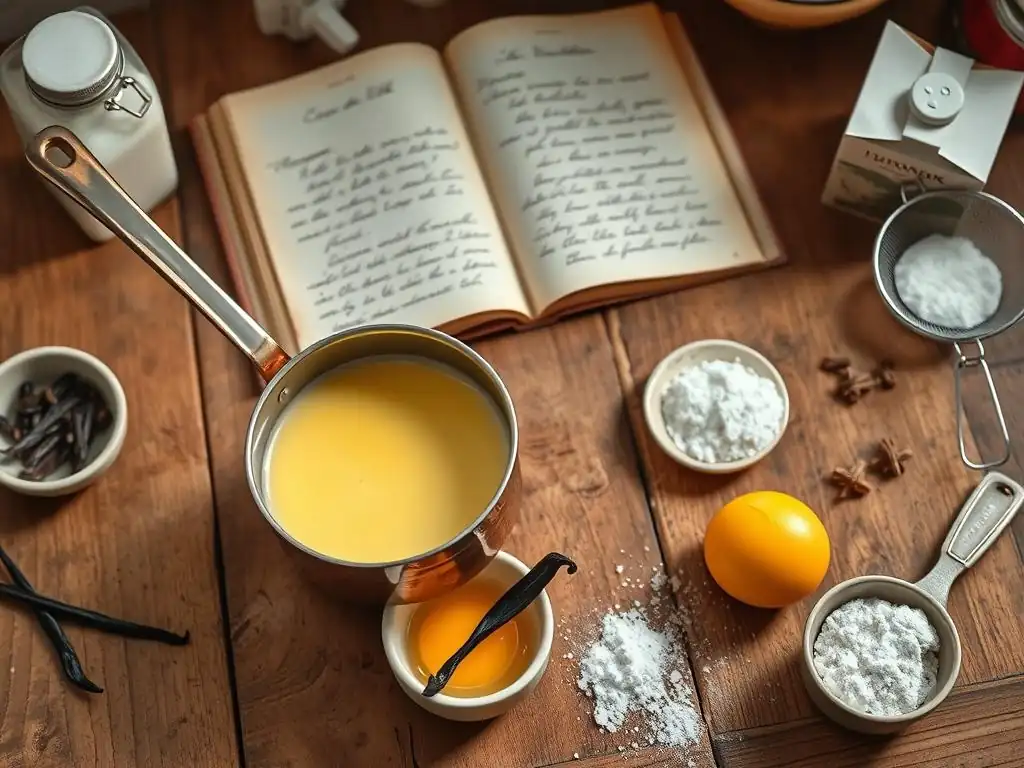
Once you have a batch of easy authentic French pastry cream ready, a world of delicious dessert possibilities opens up! This versatile custard is a staple filling in many classic pastries. Its rich, smooth texture and delightful flavor pair beautifully with various components.
Here are just a few ideas to get you started on how to use your homemade crème pâtissière. Each application showcases the cream's ability to elevate simple ingredients into elegant desserts.
Éclairs and Cream Puffs
Perhaps the most iconic use of crème pâtissière is as the filling for delicate choux pastry. Whether piped into elongated éclairs and topped with chocolate glaze or used to fill round cream puffs, the rich custard contrasts beautifully with the light, airy shell.
To fill éclairs or cream puffs, ensure your pastry cream is well chilled and has been whisked smooth. Use a piping bag fitted with a plain or star tip to fill the cooled choux shells generously. The cream's stability allows it to hold its shape within the pastry.
Fruit Tarts
Crème pâtissière provides a perfect smooth base for fresh fruit in classic French fruit tarts. It's typically spread into a pre-baked tart shell (often made from Pâte Sucrée, a sweet shortcrust pastry) before being artfully arranged with seasonal fruits like strawberries, raspberries, kiwis, or peaches.
The richness of the cream balances the tartness of the fruit, and its firm texture holds the fruit in place. Often, the fruit is brushed with a clear glaze for shine and protection after being placed on the cream.
Mille-Feuille
Meaning "thousand leaves," the mille-feuille is an impressive dessert constructed from layers of crisp puff pastry alternating with layers of smooth crème pâtissière. The contrast between the flaky pastry and the soft cream is what makes this dessert so beloved.
Making a mille-feuille requires precise layering and cutting of puff pastry sheets, which are baked until golden and caramelized. The chilled pastry cream is then spread between the layers, and the top layer is often decorated with fondant icing or a dusting of powdered sugar.
Cake Filling
Crème pâtissière makes a luxurious and flavorful filling for cakes, offering a lighter alternative to buttercream in some instances. It can be used on its own between cake layers or combined with other elements like whipped cream (creating Crème Diplomate) or fruit.
Ensure your cake layers are completely cooled before filling. Spread an even layer of whisked, chilled pastry cream between the layers using an offset spatula. It pairs particularly well with sponge cakes, génoise, or even lighter butter cakes.
Mastering Crème Pâtissière and Beyond
Congratulations on mastering the art of making easy authentic French pastry cream! This fundamental skill is a significant step in your baking journey. Crème pâtissière is more than just a recipe; it's a foundation that opens doors to countless classic and contemporary desserts. The confidence gained from successfully preparing this versatile custard will serve you well as you explore further.
Keep practicing this recipe; the more you make it, the more intuitive the process will become. Pay attention to the feel of the cream as it thickens and learn to recognize when it's cooked just right. This sensory understanding is a hallmark of a skilled baker.
Explore More Recipes
Now that you have this essential custard in your repertoire, you are equipped to tackle a wide array of French pastries that rely on it. Look for recipes for éclairs, St. Honoré cake, Paris-Brest, or various fruit tarts. Many dessert recipes call for pastry cream as a component, and you can now make it from scratch, guaranteeing superior flavor and quality.
Don't stop at French classics! Crème pâtissière is also used in other cuisines and modern dessert creations. Use it as a filling for doughnuts, chouxnuts, or even as a base for trifles and parfaits. Its adaptability makes it a valuable asset in your baking arsenal.
Expanding Your Baking Skills
Learning to make easy authentic French pastry cream is just one step in expanding your baking skills. Each new technique you master builds your confidence and capability in the kitchen. Consider learning other foundational elements of French patisserie, such as different types of pastry dough (like Pâte Sucrée, Pâte Brisée, or Pâte Sablée) or classic sauces and glazes.
The world of baking is vast and exciting. Continue to experiment with new recipes, refine your techniques, and don't be afraid to try challenging bakes. Every successful bake is a triumph, and every less-than-perfect one is a valuable learning opportunity. Enjoy the process of creating delicious things from simple ingredients!
Frequently Asked Questions
What makes this crème pâtissière recipe "easy" and "authentic"?
This recipe simplifies the traditional process by using easily accessible ingredients and clear, step-by-step instructions. While simplified, it maintains the essential techniques that define an authentic French pastry cream.
What are the key ingredients needed to make authentic French pastry cream?
You'll primarily need milk, sugar, egg yolks, cornstarch, vanilla extract, and butter. The quality of these ingredients, especially the vanilla extract, significantly impacts the final flavor.
What is the most common mistake people make when baking pastry cream, and how can I avoid it?
The most common mistake is scorching the cream or having it not thicken properly. Avoid this by using a heavy-bottomed saucepan, constantly whisking, and ensuring the mixture reaches a simmer before removing from heat.
Can I use this pastry cream in different types of pastries, like éclairs or fruit tarts?
Absolutely! Crème pâtissière is incredibly versatile and is a classic filling for éclairs, cream puffs, fruit tarts, and many other pastries. Its smooth texture and rich flavor make it a perfect complement.
How long can I store the homemade pastry cream, and what's the best way to do so?
You can store homemade pastry cream in the refrigerator for up to 3 days. Cover it tightly with plastic wrap, pressing the wrap directly onto the surface to prevent a skin from forming.
Final Reflection: The Enduring Allure of Authentic French Pastry Cream
The pursuit of easy, authentic French pastry cream isn't just about a recipe; it's about connecting with a culinary tradition that transcends generations. This seemingly simple dessert element holds within it the weight of history, the artistry of technique, and the pure joy of a perfectly executed classic. The ease with which you can now create this creamy delight at home belies the depth of its impact on the world of pastry.
The enduring appeal of French pastry cream lies in its versatility and its ability to evoke a sense of nostalgia and refined elegance. It's more than just a filling; it's a foundation for countless desserts, a testament to the power of simple ingredients transformed by skillful technique. As Julia Child once said, Find something you're passionate about and keep tremendously interested in it.
This passion for perfecting a classic recipe, for understanding the nuances of its creation, is what truly elevates the experience beyond mere consumption.
Now, consider your own culinary journey. Have you ever experienced the satisfaction of mastering a challenging recipe? Perhaps this exploration of French pastry cream has ignited a spark within you, a desire to delve deeper into the world of baking and explore other classic techniques. I encourage you to embrace that spark, to experiment with variations, and to share the joy of this delicious creation with those you love. The journey of culinary discovery is a lifelong adventure, and this is just the beginning.
Unlock Your Inner Pâtissier: Master the Art of Crème Pâtissière!
Thanks for joining us on this delicious journey into the world of French pastry! You've just learned to create a truly authentic crème pâtissière – a skill that will elevate your baking to new heights. Ready to put your new knowledge to the test?
- Whip up a batch of éclairs: This classic pastry is the perfect showcase for your freshly made crème pâtissière. The creamy, subtly sweet filling is the star of the show!
- Share your creation: Post a picture of your delectable éclairs (or other crème pâtissière creations!) on social media and tag us @BakeWithEase – we’d love to see your masterpiece!
- Experiment with flavors: Try adding a touch of vanilla bean paste, espresso powder, or even a hint of citrus zest to your next batch – the possibilities are endless!
So, what exciting flavor combination will you create with your perfectly smooth crème pâtissière?