
How to Store Whole Wheat Bread to Keep it Fresh Longer


Welcome to BakeWithEase, your trusted guide to baking bliss! Ever wondered how to keep that delicious, nutritious loaf of homemade bread from going stale too quickly? You've come to the right place. Discover our expert whole wheat bread storage tips and unlock the secrets to preserving its freshness, flavor, and texture. Intrigued? Keep reading to learn how to enjoy your perfect slice, day after day!
- How to Store Whole Wheat Bread to Keep it Fresh Longer: BakeWithEase Guide
- Introduction: Maximizing the Freshness of Your Homemade Whole Wheat Bread
- Understanding Whole Wheat Bread and its Freshness Challenges
- The Best Whole Wheat Bread Storage Tips: A Comprehensive Guide
- Step-by-Step Guide: Freezing Whole Wheat Bread for Long-Term Storage
- Reviving Stale Whole Wheat Bread: Simple Techniques
- Troubleshooting Common Whole Wheat Bread Storage Issues
- Conclusion: Enjoying Fresh, Delicious Whole Wheat Bread Every Time
- Frequently Asked Questions
- Final Reflection: The Enduring Crust: Preserving the Goodness of Whole Wheat Bread
- Unlock the Secret to Perfectly Fresh Bread!
How to Store Whole Wheat Bread to Keep it Fresh Longer: BakeWithEase Guide
Introduction: Maximizing the Freshness of Your Homemade Whole Wheat Bread
There's nothing quite like the aroma and taste of a freshly baked loaf of whole wheat bread. It's wholesome, hearty, and a staple in many kitchens. However, if you've ever baked a beautiful loaf only to find it hard or stale after just a day or two, you know that keeping whole wheat bread fresh can be a bit of a challenge. Unlike some store-bought varieties loaded with preservatives, homemade bread has a shorter natural shelf life.
But don't despair! With the right whole wheat bread storage tips and techniques, you can significantly extend the freshness of your delicious loaf, ensuring you get to enjoy its wonderful texture and flavor for as long as possible. This guide will walk you through the best practices, from cooling to freezing, so you can savor every slice.
Understanding Whole Wheat Bread and its Freshness Challenges
Whole wheat bread, made primarily with whole wheat flour, offers fantastic nutritional benefits thanks to the presence of the bran, germ, and endosperm of the wheat kernel. While this makes it healthier, these components also influence how the bread ages compared to bread made with refined white flour. Understanding these differences is the first step to mastering whole wheat bread storage tips.
Its unique composition means it interacts differently with moisture and air. The structure is often denser, and the presence of the bran and germ can affect gluten development, leading to a crumb that might feel drier or harder faster than a soft white loaf. This inherent difference requires specific whole wheat bread storage tips to combat its tendencies.
Why Whole Wheat Bread Dries Out Faster Than White Bread
Whole wheat flour contains the bran and germ, which are removed in the processing of white flour. These components are rich in oils and fiber, which can interfere with gluten development. Gluten forms the elastic network that traps moisture and gives bread its soft, airy texture. With less developed gluten structure compared to white bread, whole wheat bread often has a crumb that releases moisture more readily into the air.
Furthermore, the presence of bran particles can physically disrupt the starch network within the bread. Starch retrogradation, the process where starch molecules recrystallize and push water out, happens in all bread, causing staling. However, the structure of whole wheat bread can sometimes accelerate this process, making the bread feel dry and hard more quickly. Effective whole wheat bread storage tips are crucial for slowing this down.
Factors Affecting the Shelf Life of Whole Wheat Bread
Several factors influence how long your whole wheat bread stays fresh. The recipe itself plays a big role – loaves with higher fat content (like added butter or oil) or those with ingredients like milk or eggs tend to stay softer longer than lean loaves made only with flour, water, salt, and yeast. The humidity in your kitchen also matters; drier air will pull moisture out of the bread faster.
The baking process is another factor. Ensuring the bread is baked through to the proper internal temperature (around 190-200°F or 88-93°C for lean loaves) is important. Undercooked bread can become gummy and mold quickly, while slightly overbaked bread might start drier. Finally, how you handle and store the bread immediately after baking is arguably the most critical factor, making good whole wheat bread storage tips indispensable.
The Best Whole Wheat Bread Storage Tips: A Comprehensive Guide
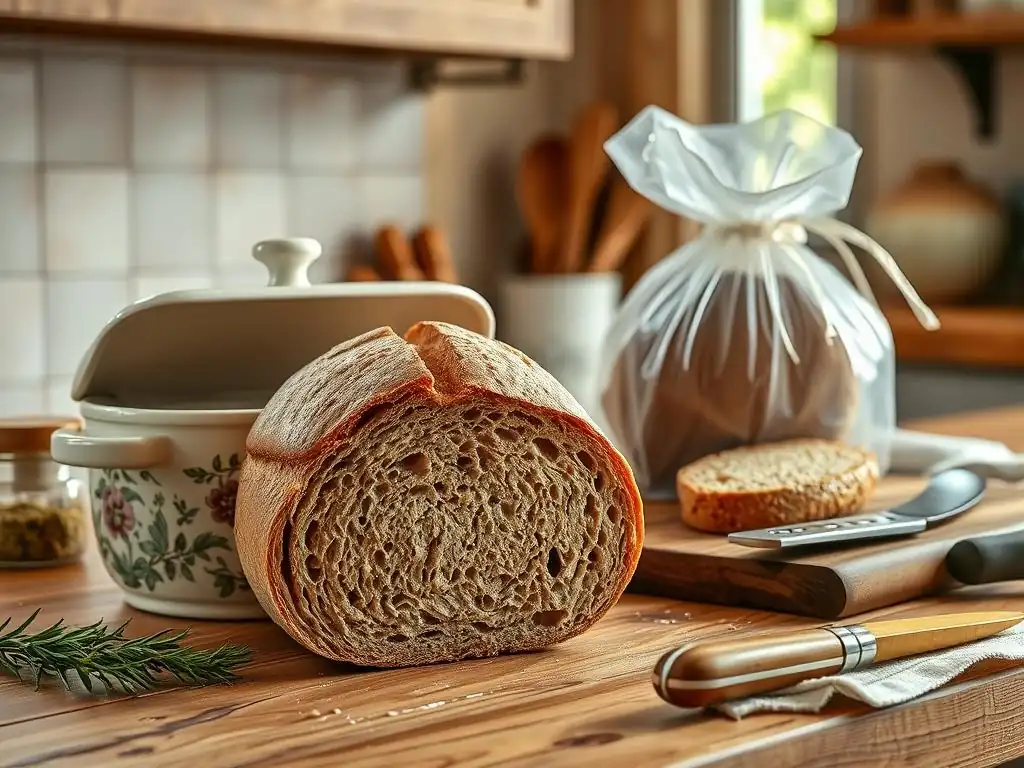
Mastering whole wheat bread storage tips is key to enjoying your homemade loaves days after they come out of the oven. These methods focus on controlling moisture and preventing mold growth, the two main culprits behind stale bread. Let's dive into the most effective strategies.
Implementing a combination of these whole wheat bread storage tips based on how quickly you plan to eat the bread will yield the best results. From counter-top solutions for immediate consumption to freezing for longer periods, there's a storage method suited for every situation.
Tip 1: Cooling Your Whole Wheat Bread Completely Before Storing
This is perhaps the single most important step in whole wheat bread storage tips. After baking, bread continues to cook internally and release steam. It must be cooled completely on a wire rack, allowing air circulation around the entire loaf. This process, called "curing," allows the internal moisture to redistribute evenly and the crust to set properly.
Storing warm or even slightly warm bread traps the steam inside the storage container. This creates a humid environment which is the perfect breeding ground for mold spores. While it might be tempting to wrap that beautiful warm loaf, patience here is paramount for successful whole wheat bread storage. Allow your loaf to cool for at least 2-3 hours, sometimes longer for larger loaves, until it is completely cool to the touch, even in the center.
Why Cooling is Crucial for Preventing Mold
As warm bread sits in an enclosed space, the heat causes moisture within the bread to turn into steam. This steam condenses on the cooler interior surfaces of the storage container and the bread itself. Mold requires moisture to grow, and this condensation provides exactly the damp conditions that mold spores need to germinate and spread rapidly across the bread's surface and within its crumb.
Furthermore, storing warm bread before it has finished the curing process can result in a gummy or dense texture inside. The internal structure hasn't fully set. Proper cooling allows the starches to stabilize and the moisture content to equalize throughout the loaf, contributing to better texture and inhibiting the conditions favorable for mold growth. It's a non-negotiable first step in effective whole wheat bread storage tips.
Tip 2: Choosing the Right Storage Container for Whole Wheat Bread
The container you choose has a significant impact on how long your whole wheat bread stays fresh. Different options offer varying levels of breathability, which affects moisture retention and air exposure. Selecting the right container is one of the essential whole wheat bread storage tips.
Consider the ambient conditions in your home and how quickly you eat bread when choosing a container. What works best for one baker might not be ideal for another. Experimenting slightly with different types can help you find the optimal whole wheat bread storage tips for your environment.
Bread Box: A Classic Choice for Whole Wheat Bread Storage
A bread box is a traditional and often excellent choice for storing whole wheat bread at room temperature for a few days. A good bread box provides a dark, relatively cool environment while allowing for a small amount of air circulation. This balance helps prevent the crust from becoming too soft (as in a sealed plastic bag) or the crumb from drying out too quickly (as when left completely exposed).
Many bread boxes are made of wood or metal. Wooden boxes can absorb some excess moisture, while metal ones tend to be more durable. A typical loaf stored in a bread box might stay fresh and palatable for 2-4 days, depending on the humidity and the recipe. It's a time-tested solution among whole wheat bread storage tips for short-term keeping.
Plastic Bags: A Convenient Option (with Considerations)
Storing whole wheat bread in a plastic bag, such as a resealable freezer bag or a dedicated bread bag, is very effective at preventing moisture loss from the crumb. This helps keep the interior of the bread soft. However, this lack of breathability can also be a downside, especially if the bread wasn't perfectly cool or if there's high humidity.
The main consideration with plastic bags is the potential for trapping moisture, which, as we've discussed, leads to mold. If you choose a plastic bag, ensure the bread is completely cool and try to press out as much air as possible before sealing. Bread stored this way might stay soft for 3-5 days, but vigilance for mold is necessary, making it a good choice among whole wheat bread storage tips if you plan to eat the loaf within a few days.
Linen or Cloth Bags: Allowing Breathability
Linen or cotton bread bags offer the most breathability among common storage options. They allow air to circulate freely around the loaf, which helps maintain a crispier crust, especially important for rustic whole wheat loaves. This breathability also reduces the risk of mold formation compared to sealed plastic.
The trade-off with cloth bags is that they don't prevent moisture loss from the crumb as effectively as plastic. This means the interior of the bread may dry out faster. A loaf stored in a cloth bag might stay fresh for 1-3 days before the crumb starts to feel dry. These bags are a great option for whole wheat bread storage tips if you prioritize crust texture or live in a very dry climate, or if you plan to consume the bread very quickly.
Tip 3: Optimal Storage Locations for Whole Wheat Bread
Where you store your whole wheat bread is just as important as what you store it in. Temperature and light conditions play a significant role in preserving freshness and preventing spoilage. Choosing the right location is a key part of effective whole wheat bread storage tips.
Understanding the impact of temperature helps you decide whether counter storage, refrigeration, or freezing is the best approach for your loaf. Each location offers distinct advantages and disadvantages for maintaining quality.
Room Temperature Storage: Best Practices for Short-Term Freshness
For whole wheat bread that will be eaten within a few days (typically 2-5 days depending on the method and recipe), storing it at room temperature is usually the best option for maintaining optimal texture. Ideal room temperature is generally considered to be between 68-72°F (20-22°C). Avoid storing bread in direct sunlight or near heat sources like ovens or radiators, as warmth accelerates staling and mold growth.
A dark, cool pantry or a dedicated bread box on the counter away from heat sources is perfect. As mentioned earlier, the type of container (bread box, plastic bag, cloth bag) will then dictate how the crust and crumb hold up within this room temperature environment. These are fundamental whole wheat bread storage tips for everyday use.
Freezing Whole Wheat Bread: Extending Shelf Life Significantly
Freezing is by far the best method for long-term whole wheat bread storage. It effectively halts the staling process and prevents mold growth. Properly frozen whole wheat bread can maintain excellent quality for several months, typically 3-6 months, although it remains safe to eat beyond that, potentially with some decline in texture.
Freezing is ideal for loaves you won't finish within 3-5 days. It requires specific preparation steps to protect the bread from freezer burn and maintain its texture upon thawing. We'll cover a step-by-step guide to freezing later, as it's one of the most valuable whole wheat bread storage tips for minimizing waste.
Tip 4: Slicing vs. Unsliced Whole Wheat Bread for Storage
Whether to slice your whole wheat loaf before storing it is a common question. Each approach has pros and cons related to surface area exposure and convenience, impacting how quickly the bread might lose moisture or become susceptible to mold.
Considering your typical consumption pattern will help you decide the best approach for your whole wheat bread storage tips. If you use just a slice or two at a time, pre-slicing might be convenient, but requires careful storage.
Does Slicing Affect Bread Freshness?
Slicing a loaf significantly increases the surface area exposed to the air. Each cut side is a new surface from which moisture can escape, potentially causing the bread to dry out faster than an unsliced loaf. When a loaf is whole, only the crust is exposed, which acts as a natural barrier.
However, slicing before freezing can be a huge convenience, allowing you to grab just a few slices at a time without having to thaw the entire loaf. If you choose to slice before storing at room temperature, ensure the bread is stored in a highly effective moisture barrier like a well-sealed plastic bag or airtight container to minimize drying. For unsliced loaves at room temperature, a bread box or cloth bag might suffice for a few days. These considerations are important whole wheat bread storage tips.
Tip 5: Preventing Mold Growth in Whole Wheat Bread
Mold is the enemy of fresh bread, and it can appear surprisingly quickly, especially in warm, humid conditions. Preventing mold is a critical aspect of whole wheat bread storage tips. Mold spores are everywhere in the air, and they just need the right conditions – moisture, food (the bread! ), and a suitable temperature – to grow.
While you can't eliminate mold spores from the air entirely, you can control the conditions that allow them to thrive. Following proper cooling and storage practices is your best defense against fuzzy green or white spots appearing on your beautiful loaf.
Signs of Mold and How to Avoid It
The most obvious sign of mold is visible fuzzy or powdery growth on the surface of the bread, which can be green, white, black, or blue. However, mold can also have roots (hyphae) that penetrate deep into the bread, even if you only see a small spot on the surface. Because of this, it's generally recommended to discard the entire loaf if you see any mold, as cutting off the visible part may not remove all of it.
To avoid mold, always ensure your bread is completely cool before storing. Use clean storage containers. Avoid storing bread in warm, humid places like above the stove or near a window where sunlight hits it directly. If you live in a very humid climate, consider shorter room-temperature storage or freezing as your primary whole wheat bread storage tips.
Step-by-Step Guide: Freezing Whole Wheat Bread for Long-Term Storage

Freezing is an excellent way to preserve the quality of whole wheat bread for months. Follow these steps for the best results when using freezing as one of your whole wheat bread storage tips.
Proper preparation before freezing makes a significant difference in the bread's texture and flavor once thawed. Skipping steps can lead to freezer burn or a dry, unpleasant loaf.
Step 1: Preparing Your Whole Wheat Bread for Freezing
Ensure your whole wheat bread is completely cool before you even think about wrapping it for the freezer. As discussed, warm bread will create condensation and ice crystals in the freezer bag, leading to freezer burn and a soggy texture upon thawing.
Decide whether you want to freeze the loaf whole, in half, or sliced. Slicing allows for easy access to individual portions, which is often the most convenient option for busy households. If slicing, use a sharp bread knife to get clean cuts without squishing the loaf.
Step 2: Wrapping the Bread Properly
Effective wrapping is crucial to protect the bread from freezer burn, which occurs when air comes into contact with the food's surface, causing dehydration and oxidation. Start by wrapping the bread tightly in a layer of plastic wrap or aluminum foil. Ensure the wrap adheres closely to the bread's surface, minimizing air pockets.
For extra protection, especially if freezing for more than a month or two, add a second layer of wrapping. This double layer acts as an additional barrier against the dry freezer air, making this a vital step in whole wheat bread storage tips for freezing.
Step 3: Choosing the Right Freezer Bag or Container
After wrapping, place the wrapped bread into a high-quality freezer bag or an airtight freezer-safe container. Freezer bags are thicker than standard food storage bags and are designed to prevent freezer burn. Squeeze out as much air as possible before sealing the bag.
If using a container, ensure the bread fits snugly without being crushed and that the lid seals tightly. This final protective layer is key to maintaining quality during long-term whole wheat bread storage in the freezer.
Step 4: Labeling and Dating Your Frozen Bread
Don't skip this simple but important step! Use a permanent marker to clearly label the freezer bag or container with the type of bread (e.g., "Homemade Whole Wheat") and the date it was frozen.
This helps you keep track of how long the bread has been in the freezer and ensures you use older loaves first, following good food storage practices. While bread is safe indefinitely if kept frozen, its quality is best within 3-6 months.
Step 5: Thawing Whole Wheat Bread for Optimal Taste and Texture
The best way to thaw frozen whole wheat bread is slowly at room temperature. If the loaf is whole or a half, remove it from the freezer bag but keep it wrapped in its inner layer (plastic wrap or foil) to prevent condensation from making the crust soggy as it thaws. Place it on the counter for several hours until completely thawed – a whole loaf can take 4-8 hours or longer.
For pre-sliced bread, you can often take slices directly from the freezer and toast them immediately, or let them thaw on a plate for 20-30 minutes. Avoid thawing bread in the microwave, as this can make it tough and dry. Once thawed, treat the bread like fresh bread and plan to use it within a day or two.
Reviving Stale Whole Wheat Bread: Simple Techniques

Even with the best whole wheat bread storage tips, you might occasionally find yourself with a loaf that's gone a bit hard or dry. Don't throw it away! Stale bread isn't spoiled bread, and there are several easy ways to bring it back to life or repurpose it creatively.
These techniques can salvage a loaf that's just slightly past its prime, giving it a second chance before resorting to discard. They are useful additions to your knowledge of whole wheat bread storage tips.
Rehydrating Stale Bread in the Oven
If your whole wheat loaf is just a little hard, particularly the crust, you can often refresh it in the oven. Lightly dampen the crust of the entire loaf by quickly running it under cool water or misting it with a spray bottle. Be careful not to soak it.
Place the slightly damp loaf directly on the oven rack in a preheated oven at around 300-350°F (150-175°C) for 5-10 minutes. The moisture on the crust will turn to steam, rehydrating the crust and warming the interior. Let it cool slightly before slicing. This works best for loaves that are only 1-2 days stale.
When bread is too stale to be easily revived for slicing, it's perfect for transforming into other delicious forms. Cutting stale whole wheat bread into cubes and toasting them makes fantastic croutons for salads or soups. These can be seasoned with herbs, garlic powder, and olive oil.
Another classic use is making breadcrumbs. Simply pulse dried stale bread in a food processor until fine crumbs form. Spread them on a baking sheet and bake at a low temperature (around 250°F or 120°C) for about 15-20 minutes until completely dry and crisp. Store in an airtight container. Stale whole wheat bread is also excellent in dishes like French toast, bread pudding, or Panzanella salad, where its dry texture can absorb liquids beautifully.
Troubleshooting Common Whole Wheat Bread Storage Issues
Even when following whole wheat bread storage tips, you might encounter specific problems. Understanding the causes behind issues like a hard crust or a soggy texture can help you adjust your storage methods for better results next time.
Addressing these common issues ensures you get the most out of your homemade whole wheat bread and refine your whole wheat bread storage tips.
Dealing with a Hard Crust
A hard, overly tough crust often results from the bread drying out too quickly, usually due to excessive air exposure during storage. This is common when bread is stored in a cloth bag in a dry environment or left partially unwrapped on the counter.
To prevent this, ensure your storage method adequately protects the crust from drying air. If you prefer a soft crust, a well-sealed plastic bag or airtight container is best. If you prefer some crispness but not hardness, a bread box offers a good balance. For slightly hardened crusts, the oven rehydration trick mentioned earlier can help.
Preventing a Soggy Texture
A soggy or gummy texture, especially near the crust, is typically caused by trapping too much moisture with insufficient cooling before storage or by storing in a completely airtight container when the bread is still warm. High humidity in the storage location can also contribute.
Always prioritize cooling your bread completely before storing it in any container. If you live in a very humid area, consider storing the bread cut-side down on a cutting board for the first day before transferring it to a storage container, or opt for a more breathable option like a cloth bag, even if it means the crumb dries slightly faster.
Maintaining the Flavor of Whole Wheat Bread During Storage
While texture changes are the most obvious signs of staling, the flavor of whole wheat bread can also diminish over time. The complex, nutty notes can fade, and sometimes off-flavors can develop if stored improperly or for too long. Proper storage minimizes these flavor losses.
Storing bread away from strong odors (like onions or garlic) is important, as bread can absorb smells. Freezing preserves flavor much better than room temperature storage over extended periods. Using high-quality ingredients and ensuring proper baking also contribute to a loaf that holds its flavor longer when stored correctly using effective whole wheat bread storage tips.
Conclusion: Enjoying Fresh, Delicious Whole Wheat Bread Every Time
Baking your own whole wheat bread is a rewarding experience, offering superior taste and nutrition compared to many store-bought options. By implementing effective whole wheat bread storage tips, you can protect your culinary creation and ensure you get to enjoy its deliciousness for days, or even months, after it comes out of the oven.
From the crucial first step of complete cooling to choosing the right container and knowing when to freeze, these strategies empower you to combat the natural staling process. Don't let your beautiful loaves go to waste; embrace these whole wheat bread storage tips and savor every wholesome slice.
Key Takeaways for Optimal Whole Wheat Bread Storage
- Cool Completely: Always wait until the bread is entirely cool before storing to prevent mold and sogginess.
- Choose Wisely: Select a storage container (bread box, plastic bag, cloth bag) based on how quickly you'll eat the bread and your desired crust texture.
- Mind the Location: Store bread at room temperature away from heat and sunlight for short-term use, or freeze for long-term preservation.
- Consider Slicing: Slice before freezing for convenience, but be mindful that slicing before room-temperature storage can speed up drying if not sealed properly.
- Prevent Mold: Focus on dryness and air circulation (or airtight sealing once completely cool) to inhibit mold growth.
- Freeze Smart: Wrap bread tightly in multiple layers before freezing for best quality over several months.
- Revive or Reuse: Don't discard stale bread; refresh it in the oven or repurpose it in delicious recipes like croutons or breadcrumbs.
Following these comprehensive whole wheat bread storage tips will help you keep your homemade loaves wonderfully fresh and enjoyable. Happy baking and happy storing!
Frequently Asked Questions
How long does whole wheat bread typically stay fresh?
Whole wheat bread usually stays fresh for about 3-5 days at room temperature. Proper storage can help extend this period, preventing mold growth and stale bread.
What is the best way to store whole wheat bread at room temperature?
The best method is to store it in a bread box or an airtight plastic bag. This minimizes air exposure, which helps prevent it from drying out too quickly.
Can I store whole wheat bread in the refrigerator?
While possible, refrigeration is generally not recommended. It can actually make the bread stale faster due to starch retrogradation, although some people refrigerate it to prevent mold.
Is freezing whole wheat bread a good option for long-term storage?
Yes, freezing is a great option for long-term storage. Wrap the bread tightly in plastic wrap or foil, and then place it in a freezer bag. It can last for 2-3 months in the freezer.
How should I thaw frozen whole wheat bread?
You can thaw it at room temperature for a few hours. Alternatively, you can thaw slices directly in a toaster or warm oven for a quicker solution.
Final Reflection: The Enduring Crust: Preserving the Goodness of Whole Wheat Bread
The quest for perfectly preserved whole wheat bread is more than just a culinary pursuit; it's a commitment to minimizing food waste and maximizing the enjoyment of a wholesome staple. In a world increasingly focused on sustainability and mindful consumption, understanding how to properly store this nutritious bread becomes a crucial skill, impacting both our wallets and our planet.
The journey of discovering optimal whole wheat bread storage methods has been a personal one, revealing the surprising impact small changes can have on the longevity and quality of this everyday food. Waste not, want not
– this age-old adage rings truer than ever when considering the resources invested in producing our food. Understanding the science behind bread staling, and the simple techniques to combat it, allows us to appreciate the effort that goes into each loaf and to respect the ingredients used. This extends beyond just bread; it encourages a mindful approach to food preservation across the board.
Now, consider your own kitchen. What changes can you implement to ensure your whole wheat bread stays fresh for longer? Will you try freezing slices for future use? Will you experiment with different storage containers to find what works best for your lifestyle? Take the knowledge gained here and apply it – not just to your bread, but to your overall approach to food storage and reducing waste. The small act of preserving a loaf of bread can be a powerful step towards a more sustainable and fulfilling life.
Unlock the Secret to Perfectly Fresh Bread!
Thanks for taking the time to learn how to keep your whole wheat bread tasting its best! You've now got the tools to avoid that dreaded stale loaf. Ready to put your new knowledge into practice?
- Try our recommended storage methods: Put your newfound wisdom to the test! Experiment with freezing, wrapping, or storing in the fridge and see which method works best for you. Note the difference!
- Share your bread-keeping secrets: Do you have any other tricks for keeping whole wheat bread fresh? Share your tips in the comments below – let's build a community of bread-loving experts!
- Bake another loaf (and conquer stale bread forever!): This time, armed with this knowledge, you can confidently bake a new loaf knowing exactly how to preserve its deliciousness.
So, what's your favorite way to keep whole wheat bread fresh? Let's discuss!