
Creating Delicious Vegan Multigrain Bread

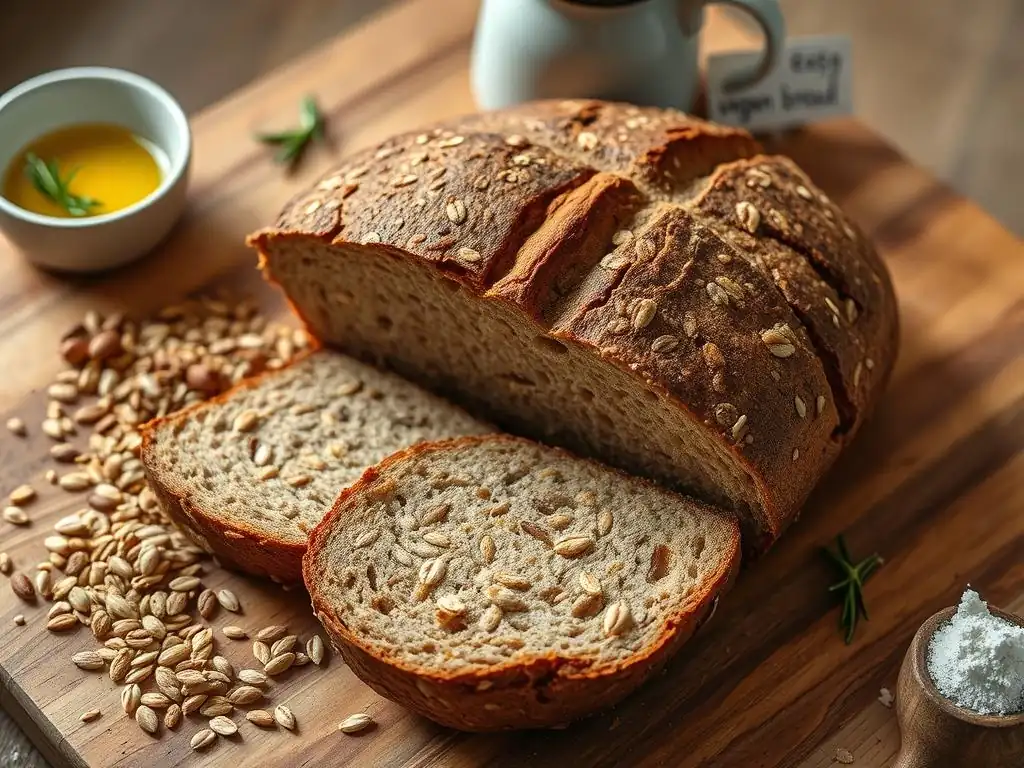
Welcome to BakeWithEase, your guide to unlocking the joy of baking! Ready to embark on a delicious journey? This week, we're diving into the world of wholesome goodness with our Vegan Multigrain Bread Recipe. Discover how simple it is to create a flavorful and nutritious loaf from scratch, even if you're new to bread baking. Curious about the secret to that perfect crumb and irresistible crust? Let's get started!
- Creating Delicious Vegan Multigrain Bread: An Easy Recipe from BakeWithEase
- Introduction: Bake Delicious Vegan Multigrain Bread at Home
- Understanding Vegan Multigrain Bread Ingredients
-
Vegan Multigrain Bread Recipe: Step-by-Step Instructions
- Preparing Your Ingredients for Vegan Multigrain Bread
- Mixing the Dough: Achieving the Perfect Consistency
- Kneading the Dough: Developing Gluten for a Chewy Texture
- First Proofing: Letting the Dough Rise
- Shaping the Loaf: Creating the Perfect Vegan Multigrain Bread Shape
- Second Proofing: The Final Rise
- Baking Your Vegan Multigrain Bread: Oven Temperature and Time
- Cooling and Slicing: Enjoying Your Homemade Bread
- Tips for Baking the Best Vegan Multigrain Bread
- Storing Your Homemade Vegan Multigrain Bread
- Enjoy Your Delicious Vegan Multigrain Bread!
-
Frequently Asked Questions
- How difficult is it to make a vegan multigrain bread recipe from BakeWithEase?
- What are the key ingredients needed for your vegan multigrain bread recipe?
- Can I substitute any of the grains in your vegan multigrain bread recipe?
- How long does it take to bake your vegan multigrain bread?
- Is there a specific type of yeast recommended for this vegan multigrain bread recipe?
- Final Reflection: The Humble Loaf, a World of Flavor
- Unleash Your Inner Baker: Craft the Perfect Vegan Loaf!
Creating Delicious Vegan Multigrain Bread: An Easy Recipe from BakeWithEase
Introduction: Bake Delicious Vegan Multigrain Bread at Home
Welcome to BakeWithEase! We believe that baking delicious, wholesome bread at home should be simple and enjoyable, even when exploring vegan options. This guide will walk you through creating a fantastic vegan multigrain bread right in your own kitchen. You'll discover that mastering a vegan multigrain bread recipe easy enough for anyone is well within reach.
Why Bake Your Own Vegan Multigrain Bread?
Baking your own vegan multigrain bread offers numerous benefits beyond just the incredible aroma filling your home. Firstly, cost savings can be significant. A loaf of quality store-bought vegan multigrain bread often ranges from $5 to $8 or even more, especially if it's organic or artisan. By contrast, the ingredients for a homemade loaf typically cost less than half of that, potentially saving you hundreds of dollars a year if you're a regular bread consumer.
Secondly, baking at home gives you complete control over the ingredients. You can choose organic flours and grains, avoid artificial preservatives, and tailor the mix to your specific dietary needs or preferences, such as adding extra omega-3 rich flax seeds or ensuring there are no hidden animal products. This control is invaluable for those managing allergies or seeking the purest ingredients. Plus, there's an undeniable satisfaction in pulling a warm, golden-brown loaf of homemade vegan multigrain bread from the oven.
BakeWithEase's Guide to Easy Vegan Bread Baking
At BakeWithEase, our philosophy is to demystify baking and make it accessible to everyone. Our approach to a vegan multigrain bread recipe easy to follow focuses on clear instructions, understanding the role of each ingredient, and simple techniques that yield impressive results. We break down the process into manageable steps, ensuring that even if you've never baked bread before, you can confidently create a beautiful loaf.
This guide specifically focuses on the nuances of vegan bread baking, addressing common questions about egg substitutes and dairy alternatives. We'll provide a reliable framework that you can adapt and build upon, encouraging you to experiment with different grains and flavors once you've mastered the basic vegan multigrain bread recipe. Get ready to discover how straightforward and rewarding baking delicious vegan bread can be!
Understanding Vegan Multigrain Bread Ingredients
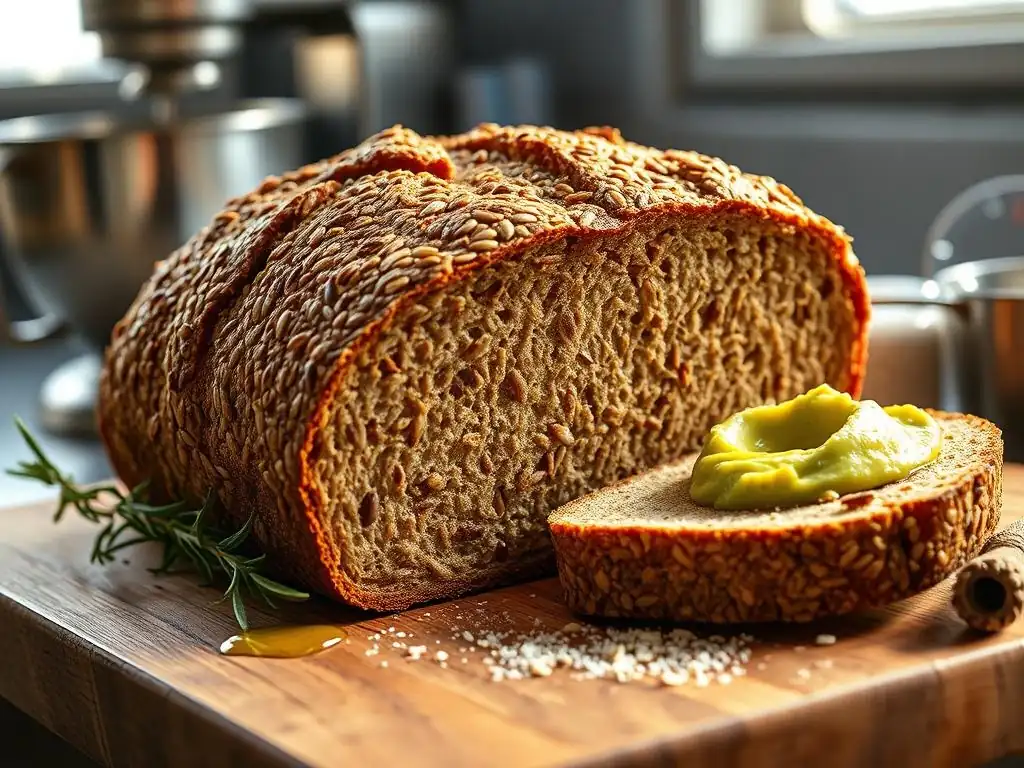
Crafting a truly delicious vegan multigrain bread starts with selecting the right components. Unlike traditional bread, vegan baking requires thoughtful substitutions to achieve structure, flavor, and texture without animal products. Understanding the role of each ingredient is key to a successful loaf.
The Importance of Quality Ingredients for Vegan Bread
The quality of your ingredients profoundly impacts the final outcome of your vegan multigrain bread. Using fresh yeast, for instance, is crucial; old or inactive yeast simply won't provide the necessary lift, resulting in a dense loaf. You can test yeast viability by dissolving it in warm water (around 105-115°F or 40-46°C) with a pinch of sugar; it should become foamy within 5-10 minutes, indicating it's active and ready to work.
Similarly, the type and quality of flour make a significant difference. Bread flour, with its higher protein content (typically 12-14%), develops stronger gluten strands essential for a chewy texture and good rise. While an all-purpose flour (around 10-12% protein) can work, it may require more careful handling during kneading and result in a slightly less structured crumb. The freshness and quality of your grains and seeds also contribute significantly to the flavor and nutritional value of your easy vegan multigrain bread.
Key Ingredients for a Perfect Vegan Multigrain Bread Recipe
Creating a wonderful vegan multigrain bread involves a careful selection of plant-based ingredients that work together to create structure, flavor, and texture. This easy vegan multigrain bread recipe relies on common items you can find at most grocery stores.
Here are the core components you'll need:
- Flour: A blend of all-purpose or bread flour with whole wheat flour is common.
- Grains & Seeds: Rolled oats, flax seeds, chia seeds, sunflower seeds, sesame seeds, etc.
- Yeast: Active dry yeast or instant yeast.
- Liquid: Warm plant-based milk (soy, almond, oat) or water.
- Sweetener: Maple syrup, agave nectar, or sugar.
- Fat: Vegetable oil or melted vegan butter.
- Salt: Essential for flavor and regulating yeast activity.
- Binding Agent: Ground flaxseed (flax egg) or psyllium husk.
Flour Power: Choosing the Right Flour Blend
The foundation of any bread is flour, and for vegan multigrain bread, a blend often works best. Combining a strong white flour, like bread flour, with whole wheat flour provides both structure and nutritional depth. Bread flour's higher protein content helps develop robust gluten, which traps the carbon dioxide produced by the yeast, allowing the bread to rise high and maintain its shape.
Adding whole wheat flour contributes fiber, nutrients, and a heartier flavor profile that complements the grains. You might use a ratio like 2 parts white bread flour to 1 part whole wheat flour, or even a 1:1 ratio depending on how dense you want the loaf. Some bakers also like to incorporate a small amount of rye or spelt flour for added complexity, but for an easy vegan multigrain bread recipe, starting with white and whole wheat is recommended.
The Role of Grains: Selecting Your Multigrain Mix
The "multigrain" aspect comes from incorporating a variety of whole grains and seeds into the dough. These additions not only boost the nutritional content with fiber, vitamins, and minerals but also add wonderful texture and nutty flavors. Common additions include rolled oats, flax seeds, chia seeds, sunflower seeds, and sesame seeds.
It's important to consider how different grains absorb liquid. For instance, flax seeds and chia seeds absorb a significant amount of water and help create a slightly denser, moister crumb, while oats add a pleasant chewiness. Using a mix, perhaps 1/2 cup to 1 cup total per loaf, provides a balanced texture. Soaking some of the harder grains or seeds in a little warm water before adding them to the dough can help prevent them from stealing moisture from the dough during baking.
Sweetness and Moisture: Natural Vegan Sweeteners and Liquids
In vegan bread baking, natural sweeteners like maple syrup or agave nectar provide food for the yeast, aiding fermentation, and contribute to browning and flavor. Unlike granulated sugar, these liquid sweeteners also add a touch of moisture. A typical recipe might use 1-2 tablespoons of sweetener.
The primary liquid in vegan bread is often warm plant-based milk (like soy, almond, or oat) or simply warm water. Plant milk adds richness and helps achieve a softer crust due to its fat and protein content compared to water. The temperature of the liquid is critical for activating yeast; it should be comfortably warm, around 105-115°F (40-46°C). Too hot, and it kills the yeast; too cool, and the yeast won't activate properly, hindering the rise of your easy vegan multigrain bread.
Binding Agents: Replacing Eggs in Vegan Bread Baking
Traditional bread recipes often use eggs for binding, richness, and structure. In an easy vegan multigrain bread recipe, plant-based binders are necessary. The most common and effective is a "flax egg," made by mixing 1 tablespoon of ground flaxseed meal with 3 tablespoons of water and letting it sit for 5-10 minutes until it forms a gel-like consistency. This gel mimics some of the binding properties of eggs.
Another excellent binder is psyllium husk powder. Just a teaspoon or two mixed with water creates a potent gel that provides structure and elasticity to the dough. Using these binders helps hold the multigrain mix within the loaf and gives the bread a better crumb structure without relying on animal products.
Vegan Multigrain Bread Recipe: Step-by-Step Instructions
Ready to bake? Follow these simple steps to create your own delicious vegan multigrain bread at home. This easy vegan multigrain bread recipe is designed for success!
Preparing Your Ingredients for Vegan Multigrain Bread
Before you begin mixing, it's crucial to have all your ingredients measured out and ready. This mise en place approach ensures you don't forget anything and helps the baking process flow smoothly.
Here's a quick checklist:
- Measure flours accurately (using the spoon-and-level method).
- Measure grains and seeds.
- Warm your liquid (plant milk or water) to the correct temperature (105-115°F / 40-46°C).
- Prepare your flax egg or psyllium gel if using.
- Measure yeast, sweetener, salt, and fat.
Having everything prepared beforehand significantly reduces stress and potential errors during the mixing phase. For instance, yeast activity is time-sensitive; having warm liquid ready means you can activate the yeast immediately without delays.
Mixing the Dough: Achieving the Perfect Consistency
Combining your ingredients is the first step in bringing your vegan multigrain bread to life. In a large mixing bowl, dissolve the yeast and sweetener in the warm liquid. Let it sit for 5-10 minutes until foamy. This confirms your yeast is active.
In a separate bowl, whisk together the flours, salt, and your chosen multigrain mix. Once the yeast mixture is foamy, add the prepared binder (flax egg or psyllium gel) and the melted fat to the liquid mixture. Pour the wet ingredients into the dry ingredients and mix with a sturdy spoon or a stand mixer fitted with a dough hook until a shaggy dough forms. At this stage, the dough might seem a bit sticky, which is normal, especially with the added grains and the hydration level needed for a soft crumb.
Kneading the Dough: Developing Gluten for a Chewy Texture
Kneading is essential for developing the gluten network in the flour, which gives bread its structure and chewy texture. For this easy vegan multigrain bread recipe, you can knead by hand or use a stand mixer. If kneading by hand, turn the dough out onto a lightly floured surface and fold it towards you, push it away with the heels of your hands, rotate, and repeat. Knead for about 8-10 minutes.
If using a stand mixer, knead with the dough hook on medium speed for about 6-8 minutes. The dough should become smooth, elastic, and less sticky, though it will likely still feel slightly tacky due to the grains. You can test for sufficient kneading by performing the "windowpane test": pinch off a small piece of dough and gently stretch it. If you can stretch it thin enough to see light through it without it tearing, the gluten is well-developed.
First Proofing: Letting the Dough Rise
The first proofing (or fermentation) allows the yeast to work its magic, producing carbon dioxide gas that makes the dough rise. Lightly grease a clean bowl with oil, place the kneaded dough inside, and turn to coat. Cover the bowl tightly with plastic wrap or a damp kitchen towel.
Place the bowl in a warm, draft-free spot. An oven with just the light on is often ideal, maintaining a temperature around 75-85°F (24-29°C). The dough should typically double in size in about 60-90 minutes, though this time can vary significantly based on the temperature of your environment and the activity of your yeast. This slow rise is crucial for developing flavor in your easy vegan multigrain bread.
Shaping the Loaf: Creating the Perfect Vegan Multigrain Bread Shape
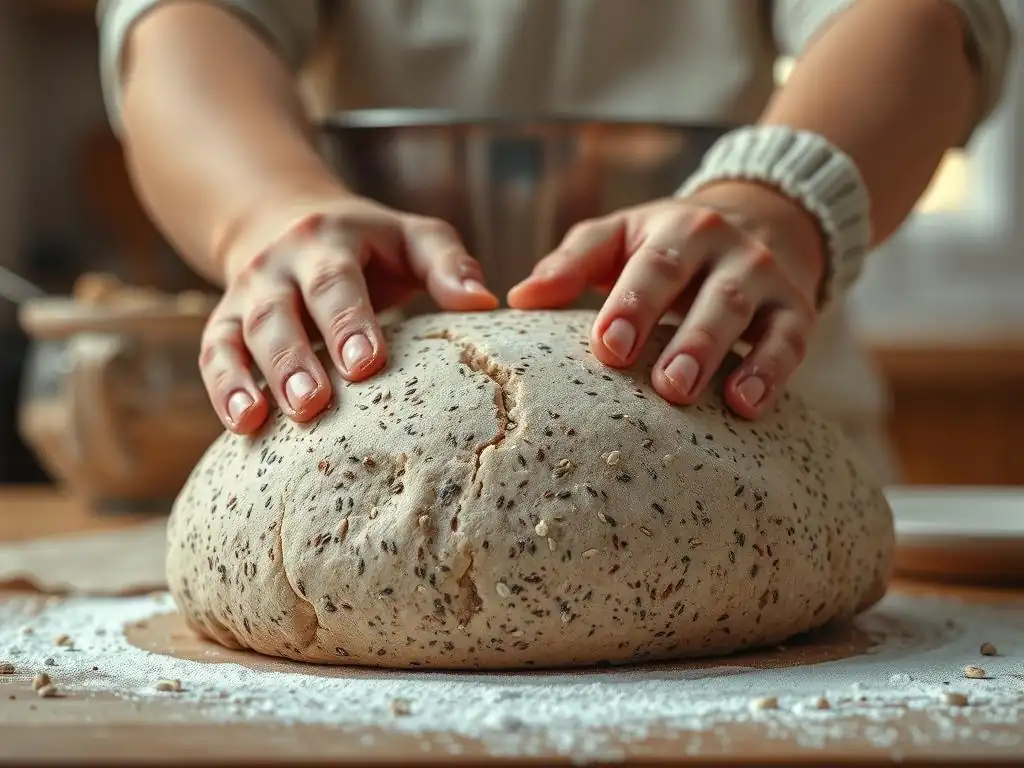
Once the dough has doubled, gently punch it down to release the built-up gases. Turn the dough out onto a lightly floured surface. For a standard loaf shape, gently flatten the dough into a rectangle. Fold the top third down to the center, then fold the bottom third up over the top. Turn the dough seam-side down and gently cup your hands around it, pulling it towards you to create surface tension and a smooth top.
Alternatively, you can divide the dough into two pieces for smaller loaves or shape it into a round boule. The key is to create a taut surface on the loaf, which helps it hold its shape and achieve a good oven spring during baking. This step is vital for the structure of your easy vegan multigrain bread.
Second Proofing: The Final Rise
After shaping, the loaf needs a second, shorter rise. Place the shaped dough into a greased loaf pan or onto a baking sheet lined with parchment paper (for a freeform loaf). Cover the loaf lightly with plastic wrap or a clean kitchen towel.
Let the dough rise again in a warm spot for about 30-45 minutes, or until it has increased in size by about 50-75% and looks visibly puffy. It won't double in size this time. To test if it's ready, gently press a finger into the side of the dough; if the indentation springs back slowly and only partially, it's ready to bake. If it springs back immediately, it needs more time. If it collapses, it's over-proofed.
Baking Your Vegan Multigrain Bread: Oven Temperature and Time
Preheat your oven to the correct temperature before the second proofing is complete, typically around 375-400°F (190-200°C). This ensures the oven is hot and ready to provide a good "oven spring" – the final burst of rising that happens when the dough hits the heat.
Carefully place the loaf pan or baking sheet into the preheated oven. Bake for 30-45 minutes, or until the crust is golden brown and the bottom sounds hollow when tapped. For accuracy, you can use an instant-read thermometer; the internal temperature of the bread should reach 190-200°F (88-93°C) when fully baked. Baking time will vary depending on your oven and the size of your loaf.
Cooling and Slicing: Enjoying Your Homemade Bread
Once baked, immediately remove the bread from the loaf pan and place it on a wire rack to cool completely. This step is crucial! While it's tempting to slice into a warm loaf, cooling allows the internal structure to set properly and moisture to redistribute throughout the bread. Cutting into it too soon can result in a gummy texture.
Allow the vegan multigrain bread to cool for at least 1-2 hours before slicing. Use a serrated knife for clean slices. Now you can enjoy the fruits of your labor – a beautiful, wholesome, easy vegan multigrain bread, fresh from your oven!
Tips for Baking the Best Vegan Multigrain Bread
Even with an easy vegan multigrain bread recipe, a few extra tips can elevate your loaf from good to outstanding. Mastering these techniques will help you achieve consistent, delicious results every time.
Achieving a Golden Crust on Your Vegan Bread
A beautiful, golden crust is the hallmark of a well-baked loaf. In vegan baking, achieving this can be slightly different than with traditional bread that uses egg washes. One effective method is to brush the top of the shaped loaf just before baking with a plant-based milk (like soy or almond milk) or a little melted vegan butter or oil. This helps promote browning and adds a subtle richness.
Another technique is to create steam in your oven during the first 10-15 minutes of baking. You can do this by placing a metal baking pan on the bottom rack of your oven while it preheats. Just before putting the bread in, carefully pour about a cup of hot water into the hot pan (be cautious of the steam!). The steam helps keep the crust soft initially, allowing the loaf to expand fully before the crust hardens, resulting in a better rise and a crispier, more golden finish.
Troubleshooting Common Vegan Bread Baking Problems
Even experienced bakers encounter issues sometimes. Don't be discouraged if your first few loaves aren't perfect. Understanding common problems and their solutions is part of the learning process for baking any bread, including an easy vegan multigrain bread recipe.
Dry Bread Solutions
If your vegan multigrain bread turns out dry, it's often due to too much flour or not enough liquid. Flours absorb moisture differently depending on humidity and storage. Ensure you are measuring flour accurately, preferably by weight (using a kitchen scale is the most precise method; 1 cup all-purpose flour is typically around 120-130 grams). If measuring by volume, use the spoon-and-level method rather than scooping directly from the bag, which can compact the flour and result in using too much.
Next time, try adding a little extra liquid, perhaps a tablespoon or two, during the mixing phase if the dough seems overly stiff. Also, ensure your oven temperature isn't too high, as excessive heat can dry out the bread quickly. Baking for too long can also lead to a dry loaf. Check for doneness using the internal temperature (190-200°F / 88-93°C) rather than relying solely on visual cues.
Dense Bread Solutions
Dense bread is usually a sign of insufficient rising or kneading. If the dough didn't double in size during the first proofing, your yeast might not have been active enough, or the proofing environment was too cool. Ensure your yeast is fresh and your liquid is the correct temperature (105-115°F / 40-46°C). Find a warmer spot for rising, or try the oven-with-light-on method.
Insufficient kneading is another common culprit. If the gluten wasn't properly developed, the dough won't be able to hold the gas produced by the yeast, resulting in a heavy, dense crumb. Make sure you are kneading for the full recommended time (8-10 minutes by hand, 6-8 minutes by mixer) and check for the windowpane test. Over-proofing can also sometimes lead to a dense loaf if the dough rises too much and then collapses.
Uneven Baking Solutions
Uneven baking, where one part of the loaf is darker or drier than another, is often related to oven hotspots. Most ovens have areas that are hotter than others. To combat this, try rotating your loaf pan or baking sheet halfway through the baking time (e.g., after 15-20 minutes).
Ensuring the loaf is centered in the oven and not too close to the heating elements can also help. If the top is browning too quickly before the inside is cooked, you can loosely tent the top of the loaf with aluminum foil for the remainder of the baking time. Calibrating your oven temperature can also address persistent uneven baking issues.
Adding Flavor Variations to Your Vegan Multigrain Bread
Once you've mastered the basic easy vegan multigrain bread recipe, feel free to experiment with adding other flavors and textures. The possibilities are vast and can make your homemade bread even more exciting.
Seeds and Nuts for Added Texture and Flavor
Incorporating different seeds and nuts is a fantastic way to customize your vegan multigrain bread. Beyond the basic mix, consider adding chopped walnuts or pecans for richness, pumpkin seeds for a slightly sweet, earthy note, or poppy seeds for a delicate crunch. Try adding 1/4 cup of chopped nuts or an extra 2 tablespoons of seeds to the dry ingredients along with the main multigrain mix.
You can also use seeds to coat the outside of the loaf for extra visual appeal and texture. After shaping and just before the second proofing, brush the loaf with a little plant milk or water and roll it in a mixture of sesame seeds, poppy seeds, or rolled oats. This creates a beautiful, seedy crust that's both delicious and visually appealing.
Herbs and Spices for a Savory Vegan Multigrain Bread
For a savory twist on your easy vegan multigrain bread, add dried herbs or spices to the dough. Incorporating 1-2 teaspoons of dried rosemary, thyme, or a mix of Italian herbs can transform the flavor profile. Spices like a pinch of garlic powder or onion powder can also add depth.
Consider adding grated vegetables like carrot or zucchini (ensure they are well-drained to avoid adding too much moisture) for a nutrient boost and different texture. About 1/4 to 1/2 cup of grated vegetables or chopped fresh herbs (use double the amount of fresh herbs compared to dried) can be folded into the dough during the final minutes of kneading. This creates a wonderful bread perfect for sandwiches or alongside soups.
Storing Your Homemade Vegan Multigrain Bread
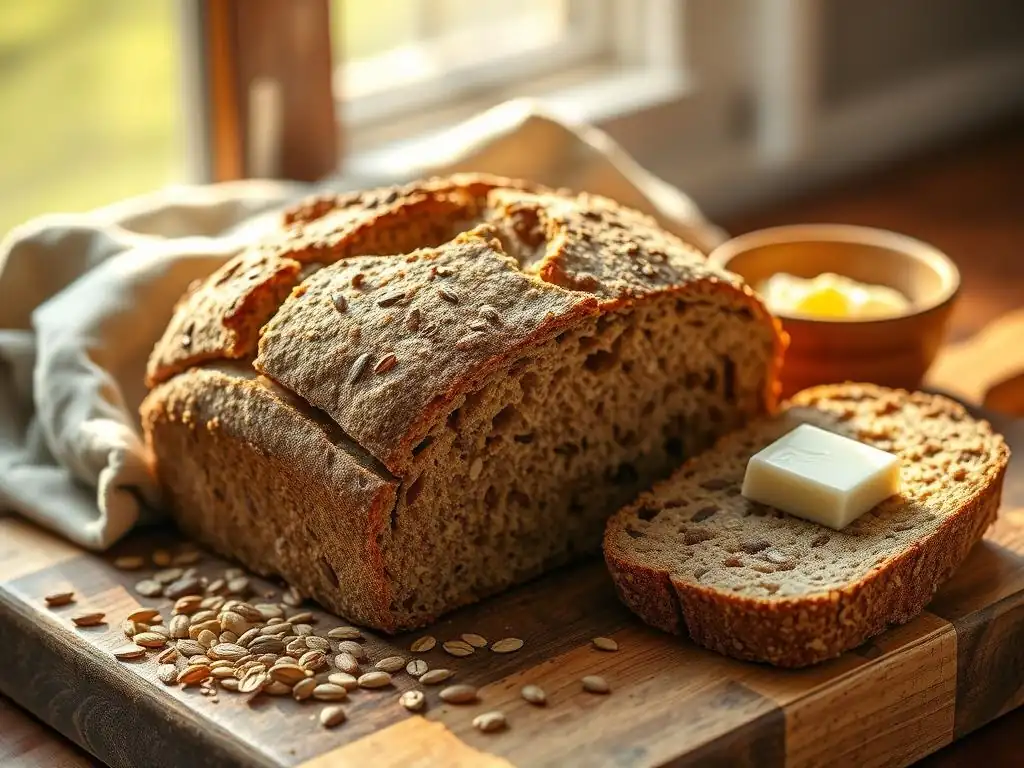
Proper storage is key to keeping your delicious homemade vegan multigrain bread fresh and enjoyable for as long as possible. Since it lacks the preservatives found in many commercial breads, it won't last quite as long on the counter, but with the right methods, you can extend its shelf life.
Keeping Your Bread Fresh Longer
For short-term storage (1-2 days), your vegan multigrain bread is best stored at room temperature. Once completely cooled, store it in a bread box, a paper bag inside a plastic bag, or wrapped tightly in plastic wrap or beeswax wraps. A paper bag helps keep the crust crispier for a bit, while plastic wrap keeps the crumb softer but may soften the crust.
Avoid storing fresh bread in the refrigerator, as this can actually accelerate the staling process. The cool temperatures cause the starch molecules to crystallize faster than at room temperature, making the bread dry and hard more quickly.
Freezing and Reheating Vegan Bread
For longer storage, freezing is the best option. Ensure the bread is completely cooled before freezing. You can freeze the entire loaf, half a loaf, or slice it first and freeze the slices. Slicing before freezing is convenient for pulling out just what you need.
Wrap the bread tightly in plastic wrap, then place it in a resealable freezer bag or wrap it again in aluminum foil to prevent freezer burn. Properly wrapped vegan multigrain bread can be stored in the freezer for up to 3 months. To thaw, remove from the freezer and let it sit at room temperature. Individual slices thaw quickly (about 15-30 minutes). To reheat a whole loaf, you can wrap it in foil and warm it in a moderate oven (around 300°F / 150°C) for 15-20 minutes until heated through.
Enjoy Your Delicious Vegan Multigrain Bread!
Congratulations! You've successfully baked a delicious loaf of homemade vegan multigrain bread using an easy recipe from BakeWithEase. The aroma filling your kitchen and the satisfaction of creating something so wholesome from scratch are truly rewarding.
Serving Suggestions and Recipe Ideas
Your fresh vegan multigrain bread is incredibly versatile. Enjoy a slice simply toasted with vegan butter or your favorite nut butter. It makes fantastic sandwiches, from classic veggie and hummus fillings to more elaborate creations. Use it for hearty toast alongside a tofu scramble or avocado.
Consider using slightly stale slices for homemade croutons or breadcrumbs. You can also cube it and use it in vegan bread puddings (savory or sweet) or stratas. Don't forget it's perfect for dipping into soups or stews. The possibilities are endless with your homemade, easy vegan multigrain bread.
BakeWithEase: Your Partner in Vegan Bread Baking Success
At BakeWithEase, we are passionate about empowering you to create wonderful baked goods in your own kitchen. We hope this easy vegan multigrain bread recipe has shown you how simple and rewarding vegan bread baking can be.
We are constantly developing and sharing tips, techniques, and recipes to help you expand your baking skills. Whether you're perfecting this vegan multigrain bread recipe or exploring other vegan treats, BakeWithEase is here to guide you every step of the way. Keep baking, keep experimenting, and most importantly, keep enjoying the delicious results!
Frequently Asked Questions
How difficult is it to make a vegan multigrain bread recipe from BakeWithEase?
BakeWithEase emphasizes easy-to-follow recipes, even for beginners. Our vegan multigrain bread recipe is designed with simple steps and readily available ingredients, making it quite accessible.
What are the key ingredients needed for your vegan multigrain bread recipe?
You'll need a mix of multigrain flour, yeast, water, oil, and a sweetener like maple syrup. Specific ratios and optional ingredients like seeds are detailed in the recipe on BakeWithEase.com.
Can I substitute any of the grains in your vegan multigrain bread recipe?
Yes, you can! Feel free to experiment with other grains like spelt or rye flour. Keep in mind that different grains may affect the texture, so adjust the liquid accordingly.
How long does it take to bake your vegan multigrain bread?
The baking time typically ranges from 30 to 40 minutes at a moderate oven temperature. The recipe provides clear indicators for doneness, such as a golden-brown crust.
Is there a specific type of yeast recommended for this vegan multigrain bread recipe?
We recommend using active dry yeast or instant yeast. The recipe provides instructions for both, ensuring your bread rises properly.
Final Reflection: The Humble Loaf, a World of Flavor
The accessibility of delicious, nutritious food is a fundamental human right, and vegan multigrain bread, once a niche item, is rapidly becoming a staple in kitchens worldwide. This simple loaf, crafted from humble ingredients, represents a powerful shift in culinary landscapes, offering a delicious and sustainable alternative to traditional breads. Its ease of preparation further democratizes access to healthy eating, empowering individuals to take control of their diets and embrace plant-based living.
Creating this recipe wasn't just about perfecting the texture and taste; it was about exploring the potential of plant-based cooking to provide both nourishment and joy. The process of experimenting with different grains, flours, and seeds felt deeply connected to a larger movement towards mindful eating and environmental consciousness. Food is symbolic of love when words are inadequate.
- Alan D. Wolfelt. This quote resonates deeply, as the act of baking, and sharing this bread, becomes an act of sharing care and consideration for oneself and the planet.
Now, I invite you to step into your kitchen and embark on this culinary adventure. Don't be intimidated by the seemingly complex process; the rewards are immeasurable. Experiment with different grains, add your favorite seeds, and personalize this recipe to reflect your unique tastes. More than just a recipe, this is a journey towards a healthier, more sustainable, and undeniably delicious future. Let the aroma of freshly baked vegan multigrain bread fill your home, a testament to the power of simple ingredients and the boundless possibilities of plant-based cooking.
Unleash Your Inner Baker: Craft the Perfect Vegan Loaf!
Thanks for joining us on this delicious journey into vegan multigrain bread! We hope you gained some valuable tips and tricks to elevate your baking skills. Ready to put your new knowledge into practice?
- Bake your own masterpiece: Try out our recipe today – the aroma alone is worth it! Adapt it to your taste by adding your favorite seeds or nuts.
- Share your creation: Post a picture of your finished loaf on social media and tag us @BakeWithEase – we’d love to see your baking success!
- Explore new flavour combinations: What exciting additions could you incorporate into this recipe? Think dried fruits, herbs, or even different types of flour.
What unique ingredient will you add to your next vegan multigrain bread adventure?