
Burnt Bread Crust? Stop It From Happening Again

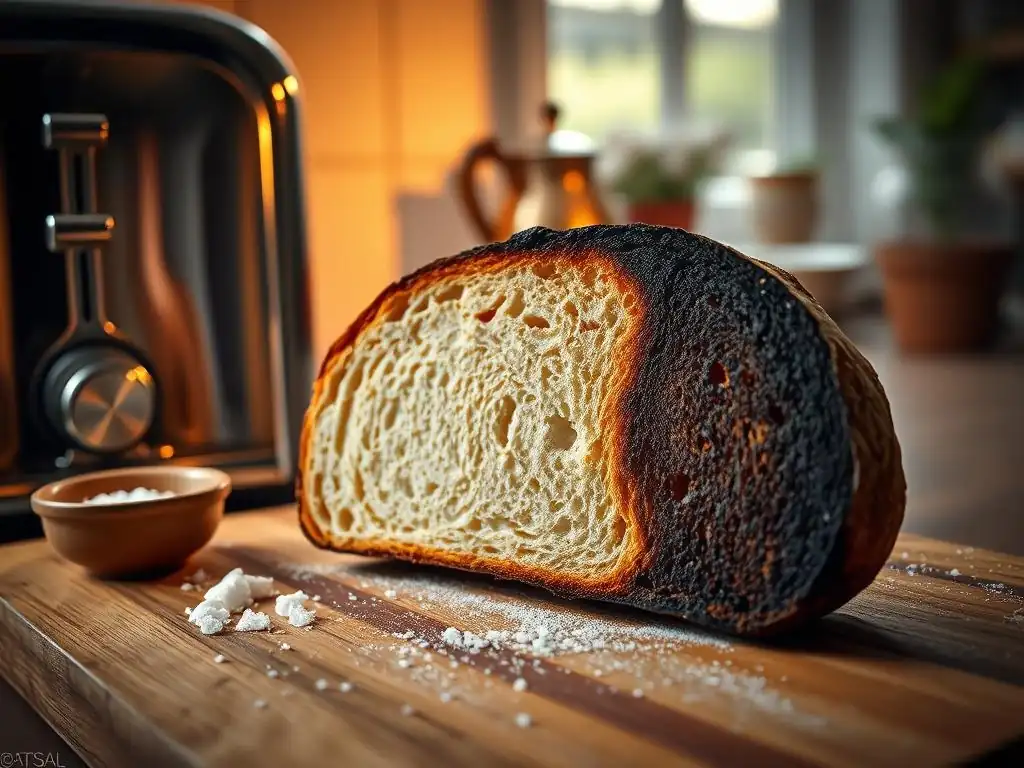
Welcome to BakeWithEase, your haven for all things baking! Ever pulled a beautiful loaf from the oven, only to be met with a disappointingly burnt crust? You're not alone. Discover the secrets to achieving that perfect golden-brown finish, and learn how to prevent burnt bread crusts once and for all. Curious to know the simple tricks that will transform your baking? Let's dive in and unlock the secrets to perfectly baked bread, every time.
Common Causes of Overly Dark or Burnt Bread Crusts
Achieving that perfect golden-brown crust is the goal for every baker, but sometimes the result is a crust that's too dark, or even burnt. Understanding why this happens is the first step to mastering how to prevent burnt bread crusts.
One of the most frequent culprits is an oven temperature that is too high or inaccurate. While many bread recipes call for high heat, often between 400°F and 450°F (200°C - 230°C), an oven that runs hotter than its dial indicates can quickly scorch the exterior before the interior is fully baked.
Similarly, leaving the bread in the oven for too long, even at the correct temperature, will inevitably lead to excessive browning and potentially a burnt crust as the sugars on the surface caramelize and then char. Incorrect placement of the baking pan or stone within the oven can also expose the bread to intense direct heat from the heating elements, especially if placed too close to the top or bottom.
Beyond temperature and time, other factors contribute to unwanted dark crusts. Dough composition plays a significant role; recipes high in sugar or milk tend to brown much faster due to the Maillard reaction and caramelization processes. For instance, a sweet brioche dough will color significantly quicker than a lean sourdough.
Uneven heat distribution within the oven, often due to hot spots, can also cause one side or section of the loaf to darken more rapidly than the rest. Furthermore, dough that is over-proofed can sometimes develop a thinner skin that is more susceptible to burning during the intense heat of the oven spring and initial baking phase. Identifying which of these issues is affecting your bake is crucial to successfully prevent burnt bread crusts in the future.
- How can I tell if my bread crust is burning before it's too late?
- What's the best way to prevent a bread crust from burning while the inside is still underbaked?
- Does the type of bread I'm baking affect how likely the crust is to burn?
- What role does steam play in preventing burnt bread crusts?
- Can my oven itself be contributing to the problem of burnt bread crusts?
Frequently Asked Questions
How can I tell if my bread crust is burning before it's too late?
Keep a close eye on the bread during the last third of the baking time. Look for excessive darkening and a strong burnt smell. A digital thermometer can also help you monitor the internal temperature to avoid overbaking.
What's the best way to prevent a bread crust from burning while the inside is still underbaked?
Reduce the oven temperature by 25 degrees Fahrenheit and extend the baking time. You can also try covering the bread loosely with aluminum foil during the last part of baking.
Does the type of bread I'm baking affect how likely the crust is to burn?
Yes, certain types of bread are more prone to burning. Breads with high sugar content or those baked at higher temperatures are more susceptible to crust burning.
What role does steam play in preventing burnt bread crusts?
Steam in the oven during the initial baking phase helps to create a shiny, slightly softer crust. This can slow down the browning process and reduce the risk of burning later on.
Can my oven itself be contributing to the problem of burnt bread crusts?
Absolutely! Ovens can have hot spots or inaccurate temperature settings. Using an oven thermometer and rotating the bread halfway through baking can help to ensure even baking and prevent burning.
Final Reflection: The Humble Crust, A Lesson in Patience
The seemingly simple act of toasting bread reveals a profound truth about precision and control in the kitchen, a truth that extends far beyond the breakfast table. A perfectly golden-brown crust, achieved without the slightest hint of char, is a testament to mindful attention and a deep understanding of the cooking process. It's a small victory, yes, but one that speaks volumes about our ability to master even the most mundane tasks.
The quest for the perfect crust has, for me, become a metaphor for life's delicate balances. We strive for perfection, for that ideal outcome, but often find ourselves rushing, neglecting the subtle cues that signal impending disaster. The burnt crust serves as a potent reminder of this. The best things in life are worth waiting for,
a common adage, rings especially true when considering the patience required to achieve that perfect golden hue. It's a lesson in observation, in understanding the nuances of heat and time, and in the importance of adjusting our approach based on the specific circumstances.
So, the next time you find yourself facing a slice of bread and a toaster, remember the lessons learned here. Don't rush the process. Pay attention to the subtle changes in color and aroma. Embrace the small victories, and learn from the occasional burnt offering. You, too, can master the art of the perfect crust, and in doing so, discover a deeper appreciation for the mindful approach to life's everyday tasks.
Unlock Perfectly Crisp Crusts: Your Baking Journey Starts Now!
Thanks for joining us on this baking adventure! We hope you've picked up some valuable tips to banish those burnt bread crusts for good. Ready to take your baking skills to the next level?
- Master the art of crust control: Try out the techniques we discussed – adjusting oven temperature, using a baking stone, or even misting the crust – and see the difference it makes in your next loaf! This is your chance to finally achieve perfectly golden-brown crusts.
- Share your baking triumph (or even your challenges!): Post a picture of your bread on social media and tag us – we love seeing your creations!
- Dive deeper into baking wisdom: Explore our other articles on bread baking for even more expert tips and techniques. We've got everything from sourdough secrets to the best kneading methods.
So, what's your biggest bread baking challenge, and how will you tackle it next time?