
What to Do With Sourdough Rye Starter Discard

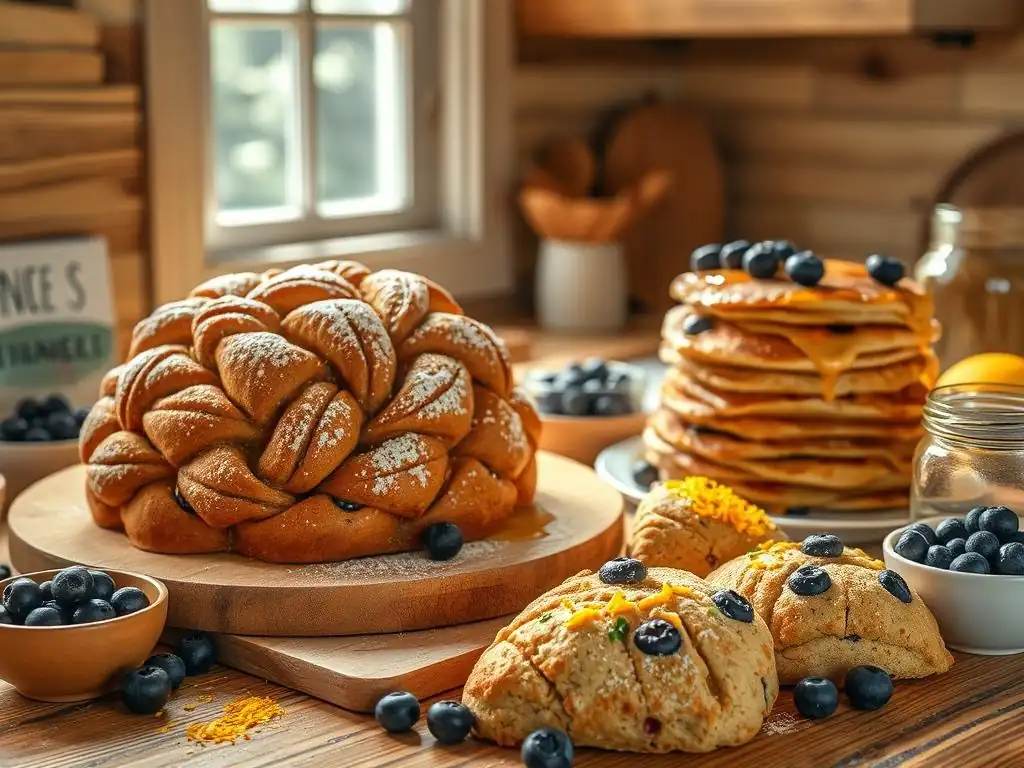
Welcome to BakeWithEase, your haven for effortless baking! Ever wonder what to do with that leftover sourdough rye starter? Don't throw it away! Transform your kitchen with our collection of surprisingly delicious and easy sourdough discard recipes. Discover how to minimize waste and maximize flavor – your next culinary adventure starts here!
- What to Do With Sourdough Rye Starter Discard: Easy & Delicious Recipes
- Understanding Sourdough Rye Discard
- Easy Sourdough Rye Discard Recipes: Minimizing Waste & Maximizing Flavor
- Sourdough Rye Discard Pancakes and Waffles: A Breakfast Delight
- Sourdough Rye Discard Crackers: A Simple & Savory Snack
- Sourdough Rye Discard Pizza Dough: Unexpectedly Delicious
- Sourdough Rye Discard Scones: A Rustic Baking Project
- Sourdough Rye Discard Flatbreads: Versatile and Easy
- Sourdough Rye Discard Muffins: A Grab-and-Go Treat
- Tips for Using Sourdough Rye Starter Discard in Recipes
- Troubleshooting Your Sourdough Rye Discard Recipes
- Beyond the Recipes: Other Uses for Sourdough Rye Discard
- Conclusion: Embrace the Versatility of Rye Sourdough Discard and Enjoy Baking With Ease!
-
Frequently Asked Questions
- What exactly is sourdough rye starter discard, and why do I have it?
- Can I use any kind of sourdough discard in these recipes, or do they specifically need rye?
- How long can I store sourdough rye starter discard in the refrigerator before using it in a recipe?
- Do I need to adjust the baking time or temperature for recipes using sourdough rye starter discard?
- Will using sourdough rye starter discard in a recipe make it taste very sour?
- Final Reflection: Unlocking the Potential of Sourdough Discard
- Unleash the Power of Your Rye Discard!
What to Do With Sourdough Rye Starter Discard: Easy & Delicious Recipes
Understanding Sourdough Rye Discard
What is Sourdough Rye Discard?
Sourdough rye discard refers to the portion of your active sourdough starter that you remove before feeding it with fresh flour and water. This process of discarding is essential for maintaining a healthy and manageable starter, preventing it from growing too large and ensuring the microorganisms within it have enough food to thrive.
When your starter is made with rye flour, the discard carries the distinct characteristics of rye – often a deeper color, a more robust, earthy aroma, and a slightly different texture compared to discard from a white flour starter. It's essentially a mature, unfed starter that still contains live cultures but lacks the vigorous fermenting power needed for primary leavening in bread baking.
This discard is a byproduct of the regular feeding schedule, which might be daily or less frequent depending on how you store your starter (room temperature vs. refrigerator). For example, a starter kept at room temperature might require daily feeding, potentially generating 50-100g of discard each day, whereas a refrigerated starter fed weekly might yield a larger batch of discard less often. While it doesn't have the same leavening strength as a recently fed, bubbly starter, it is packed with flavor, acidity, and often a pleasant tang, making it a valuable ingredient in many baked goods.
Why You Shouldn't Throw Away Rye Sourdough Discard
Discarding starter regularly can feel wasteful, especially when you see bowls full of potential flavor going into the trash. However, this "waste" is precisely where many delicious opportunities lie. Using sourdough rye discard in recipes is an excellent way to minimize food waste while simultaneously enhancing the flavor and texture of various baked goods. It adds a unique tang, depth, and often a pleasant chewiness that you simply can't get from recipes using only commercial yeast or chemical leaveners.
Beyond the environmental benefit of reducing waste, incorporating rye sourdough discard into your baking can be incredibly rewarding. It allows you to use up a readily available ingredient you're already producing, saving money on other leavening agents or flavor enhancers. Many popular easy sourdough discard recipes require no additional rising time because they rely on chemical leaveners like baking soda and powder, with the discard contributing flavor and moisture rather than lift. This makes baking with discard both efficient and delicious, turning a potential waste product into a culinary asset.
Distinguishing Rye Discard from Active Rye Starter
It's crucial to understand the difference between sourdough rye discard and an active, recently fed rye starter, as they function differently in recipes. Active starter, often referred to as 'ripe' or 'levain', is bubbly, airy, and has recently doubled or tripled in volume after feeding. It's full of active yeast and bacteria ready to produce carbon dioxide, making it ideal for leavening bread dough that requires significant rise time. This active state is typically reached 4-12 hours after feeding, depending on temperature and starter health.
In contrast, sourdough rye discard is starter that hasn't been fed recently – perhaps 12 hours or several days old. It may have some bubbles initially, but it won't double or triple in size after being left out. While it still contains live cultures, their leavening power is significantly diminished.
Recipes specifically designed for discard account for this lack of robust leavening and often supplement with baking soda or baking powder to achieve lift. Using discard when a recipe calls for active starter will likely result in dense, flat baked goods, and vice-versa. Understanding this distinction is key to successful easy sourdough discard recipes.
Easy Sourdough Rye Discard Recipes: Minimizing Waste & Maximizing Flavor
Sourdough Discard Recipes: Quick Breads & Savory Treats
Sourdough discard recipes are particularly well-suited for 'quick' baked goods – items that don't rely solely on the slow fermentation of the starter for leavening but instead use chemical agents like baking soda or baking powder, or simply don't require significant rise (like crackers or flatbreads). This makes them incredibly accessible and perfect for using up discard without adding extra hours to your baking process. The rye discard contributes primarily its unique flavor profile and acidity, which can react with baking soda to provide some lift, while also adding moisture and improving texture.
Many easy sourdough discard recipes fall into this category, ranging from simple pancakes and waffles to savory crackers, quick flatbreads, muffins, and even certain types of scones or pizza crusts. These recipes are often forgiving and adaptable, allowing bakers to experiment with different amounts of discard, usually ranging from 50g to 250g per batch, depending on the recipe's scale. The goal is to easily incorporate the discard, adding a subtle or pronounced tang and enhancing the overall complexity of the finished product, all while putting that rye discard to delicious use.
Sourdough Rye Discard Pancakes and Waffles: A Breakfast Delight
Sourdough rye discard pancakes and waffles are among the simplest and most satisfying ways to use up discard. The acidity in the discard reacts beautifully with baking soda, often included in these recipes, resulting in surprisingly fluffy pancakes and wonderfully crispy waffles. The rye adds a subtle, earthy background note that complements the sweetness of syrup or fruit, distinguishing them from standard recipes.
These breakfast staples are perfect for a weekend brunch and are genuinely easy sourdough discard recipes. They typically come together quickly, requiring minimal rest time for the batter, meaning you can go from fridge-cold discard to a hot breakfast in under 30 minutes. Using rye discard adds a layer of complexity and depth to these classic dishes, making them a favorite use for leftover starter.
Recipe: Fluffy Sourdough Rye Discard Pancakes
These pancakes are a classic example of easy sourdough discard recipes, relying on baking powder and baking soda for lift while the discard provides tang and moisture. The rye discard adds a pleasant, subtle earthiness that pairs well with maple syrup.
To make them, you typically whisk together wet ingredients including the rye sourdough discard, eggs, and milk (or buttermilk for extra tang). In a separate bowl, combine dry ingredients like flour, sugar, baking powder, baking soda, and salt. The wet and dry ingredients are then gently combined until just mixed. The batter, which might use around 100-150g of rye discard, is then cooked on a hot griddle until golden brown and cooked through.
Recipe: Crispy Sourdough Rye Discard Waffles
Sourdough rye discard waffles benefit from the discard's acidity which, when combined with fat and leavening agents, helps create a crisp exterior while keeping the interior tender. The rye flavor is often more pronounced here than in pancakes due to the higher cooking temperature and surface area.
A typical recipe involves combining rye sourdough discard with melted butter or oil, eggs, and milk. Dry ingredients – flour, sugar, baking powder, salt, and sometimes baking soda – are mixed separately. The two are combined to form a batter, often slightly thinner than pancake batter. About 150-200g of rye discard can be used in a standard batch. The batter is then cooked in a preheated waffle iron until deeply golden and crisp.
Sourdough Rye Discard Crackers: A Simple & Savory Snack
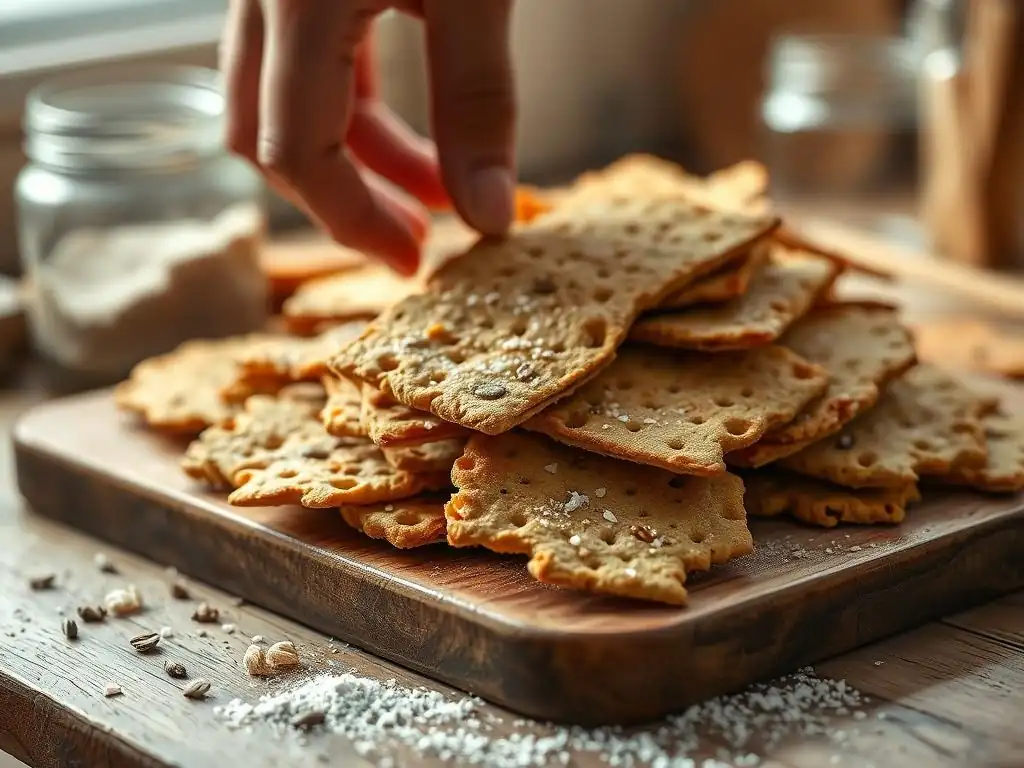
Making crackers from sourdough rye discard is perhaps one of the most straightforward and rewarding easy sourdough discard recipes. It's incredibly simple – often just discard, flour, a little fat, salt, and maybe some seeds or herbs – and results in a crunchy, flavorful snack that's perfect for pairing with cheese or dips. The tang from the discard is concentrated as the crackers bake, creating a depth of flavor that's quite addictive.
This method uses up a good amount of discard relative to the yield, making it an efficient way to manage surplus. The process involves minimal hands-on time once the dough is mixed, primarily requiring rolling and baking. It's a fantastic project for beginners and a regular go-to for experienced bakers looking to use up their rye discard easily.
Recipe: Homemade Sourdough Rye Discard Crackers
These crackers highlight the tangy flavor of the rye discard with minimal effort. The basic formula is incredibly flexible.
You typically combine rye sourdough discard (around 150-250g per batch), flour (often rye or whole wheat mixed with all-purpose), melted butter or oil, and salt. The dough is mixed until it comes together, often a slightly wet but manageable consistency. It's then rolled out very thinly on parchment paper – the key to crispness – and scored or cut into shapes before baking. Baking at a moderate temperature until golden and crisp transforms the simple dough into crunchy crackers.
Flavor Variations for Your Rye Discard Crackers
Once you have the basic rye discard cracker recipe down, it's easy to experiment with flavor variations. The simple dough provides a fantastic base for customization, allowing you to create a range of savory snacks.
Consider adding seeds directly into the dough, such as sesame seeds, poppy seeds, caraway seeds (which pair wonderfully with rye), or even a mix of 'everything bagel' seasoning. Dried herbs like rosemary, thyme, or dill can also be kneaded in. For a spicier kick, a pinch of cayenne pepper or red pepper flakes works well. Grated hard cheese like Parmesan can also be incorporated for a cheesy tang. These additions not only add flavor but also visual appeal to your easy sourdough discard recipes for crackers.
Sourdough Rye Discard Pizza Dough: Unexpectedly Delicious
Using sourdough rye discard in pizza dough might seem unconventional, but it results in a crust with a wonderful depth of flavor and a subtle tang that complements pizza toppings beautifully. While discard alone won't provide the primary rise for a classic airy pizza crust, it can replace a portion of the liquid and flour in a recipe that also uses commercial yeast, or it can be used in recipes specifically designed for a thinner, chewier crust where the discard contributes more flavor than significant lift.
This approach is another great way to use up surplus rye discard and add a unique twist to homemade pizza night. The rye flavor integrates well with tomato sauce and various cheeses, offering a more complex taste profile than a standard white flour crust. It's an easy sourdough discard recipe adaptation that can elevate your pizza game.
Using Rye Discard for a Unique Pizza Crust Flavor
Incorporating rye sourdough discard into pizza dough imparts a distinctive tang and a slightly rustic texture. The acidity helps tenderize the dough slightly, and the rye flour component of the discard adds earthy notes.
When substituting discard in a standard pizza dough recipe, you'll typically replace a portion of both the flour and water with the discard. For example, if a recipe calls for 500g flour and 300g water, you might use 200g of rye discard (which is roughly 100g flour and 100g water, assuming a 100% hydration starter) and then adjust the remaining flour and water accordingly (300g flour and 200g water).
This method allows you to leverage the discard's flavor while still using commercial yeast for a reliable rise, resulting in easy sourdough discard recipes for pizza that are both flavorful and manageable.
Recipe: Sourdough Rye Discard Pizza Dough
This recipe uses rye sourdough discard to add flavor to a yeast-leavened pizza dough, making it one of the more accessible sourdough discard recipes easy to integrate into a regular routine.
You'll typically combine warm water, a pinch of sugar, and commercial yeast to activate. Once foamy, you add the rye sourdough discard (perhaps 150-200g), flour (often a mix of bread flour and a little whole wheat or rye), olive oil, and salt. The dough is mixed and kneaded until smooth and elastic. After a relatively short rise (compared to pure sourdough), the dough is ready to be shaped into pizza crusts. The result is a flavorful crust with hints of rye and sourdough tang, but with the reliable rise provided by the yeast.
Sourdough Rye Discard Scones: A Rustic Baking Project
Sourdough rye discard scones offer a delightful balance of rustic charm and tender crumb. The discard contributes acidity, which reacts with baking soda (a common scone ingredient) to help create lift, and adds a subtle tang that complements both sweet and savory additions. The rye flour in the discard also lends a pleasant texture and earthy flavor profile.
These are relatively easy sourdough discard recipes, following a similar method to traditional scones: cut cold fat into dry ingredients, add wet ingredients (including the discard), and mix minimally. The discard adds a layer of complexity without adding significant time to the process, making scones a great candidate for using up that extra starter.
Recipe: Savory Sourdough Rye Discard Scones
Savory scones are a wonderful way to use rye discard, as the tang pairs exceptionally well with ingredients like cheese, herbs, or even bacon.
A typical recipe involves combining flour, baking powder, salt, and sometimes baking soda. Cold butter is cut into the dry ingredients until crumbly. In a separate bowl, whisk together liquid ingredients like milk or buttermilk, eggs, and a generous amount of rye sourdough discard (perhaps 100-150g). Savory additions like grated cheddar cheese, chopped chives, or black pepper are added to the dry mix. The wet ingredients are added to the dry, mixing just until combined. The dough is then shaped and baked until golden.
Recipe: Sweet Sourdough Rye Discard Scones
Sweet scones benefit from the subtle tang of rye discard, which provides a nice counterpoint to the sweetness of sugar or added fruits.
Similar to savory scones, this recipe starts with flour, baking powder, salt, and sugar. Cold butter is cut in. The wet ingredients include milk or cream, eggs, and rye sourdough discard (again, around 100-150g is common). Sweet additions like dried cranberries, blueberries, or chocolate chips can be folded in with the wet ingredients or added to the dry. The mixture is gently combined, shaped, and baked until lightly golden and risen.
Sourdough Rye Discard Flatbreads: Versatile and Easy
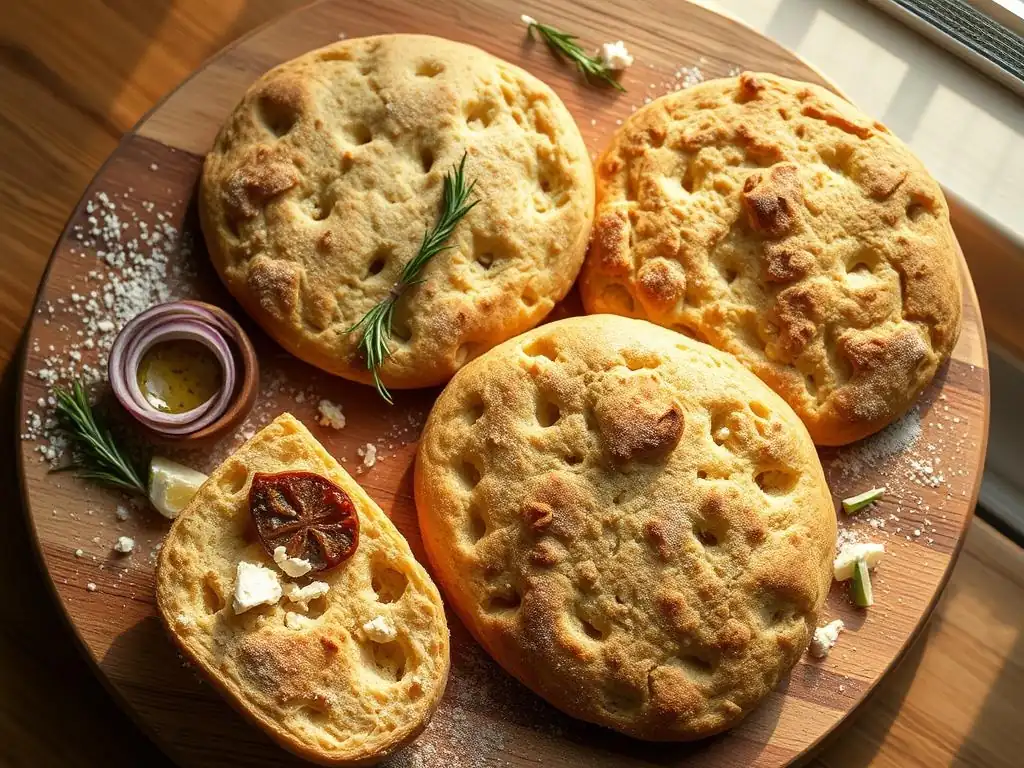
Flatbreads are inherently simple and quick, making them ideal for incorporating sourdough rye discard. Since many flatbreads don't rely on significant leavening, the discard's primary role is flavor and hydration. The rye adds a rustic texture and earthy notes, while the sourdough tang enhances the overall taste.
These are among the quickest and easiest sourdough discard recipes, often requiring just a few ingredients and minimal cooking time on a stovetop or in a hot oven. They are incredibly versatile, serving as a base for toppings, a side for soups or stews, or simply enjoyed on their own.
Recipe: Quick Sourdough Rye Discard Flatbreads
These flatbreads can be made very quickly, perfect for using up rye discard on the fly. They are typically leavened minimally, if at all, relying on the discard for flavor and structure.
Combine rye sourdough discard (a generous amount, maybe 150-200g), flour, a pinch of salt, and possibly a little olive oil or water to achieve a workable dough consistency. Mix until combined, then knead briefly. The dough is then divided and rolled out very thinly. The flatbreads are cooked on a hot, dry or lightly oiled skillet or griddle for just a few minutes per side until browned and cooked through.
Serving Suggestions for Rye Discard Flatbreads
Rye discard flatbreads are incredibly versatile and can be served in numerous ways. Their slightly tangy, rustic flavor pairs well with many different cuisines.
Serve them warm alongside hummus, baba ghanoush, or other dips. Use them as a base for simple pizzas, topping with olive oil, herbs, and cheese, or more elaborate ingredients. They make an excellent accompaniment to curries, stews, or grilled meats. You can also simply brush them with melted garlic butter or sprinkle with za'atar or other spice blends for a quick, flavorful snack. The possibilities for these easy sourdough discard recipes are vast.
Sourdough Rye Discard Muffins: A Grab-and-Go Treat
Sourdough rye discard muffins are another excellent way to use up discard in a quick, convenient baked good. Similar to pancakes and scones, the discard adds moisture, tenderness, and that signature sourdough tang, which can complement a variety of muffin flavors, from sweet fruit to savory cheese or bran.
Muffins are classic easy sourdough discard recipes because they rely on chemical leaveners, meaning the discard seamlessly integrates without requiring any extra rising time. The rye component of the discard adds nutritional value and a pleasant, hearty texture to the muffins.
Recipe: Sourdough Rye Discard Bran Muffins
Adding rye sourdough discard to bran muffins enhances their texture and adds a subtle tangy depth that works well with the earthiness of bran.
Combine dry ingredients: flour, wheat bran, sugar (or molasses/honey), baking powder, baking soda, salt, and any spices like cinnamon or nutmeg. In a separate bowl, whisk together wet ingredients: eggs, milk or buttermilk, oil or melted butter, and rye sourdough discard (typically 100-150g). Add the wet ingredients to the dry and mix just until combined – do not overmix. The batter is then scooped into muffin tins and baked until a toothpick inserted comes out clean.
Rye discard adds a pleasant tang and moisture to corn muffins, creating a more complex flavor profile than standard versions. The rye and corn flavors complement each other nicely.
Mix dry ingredients: cornmeal, flour, sugar, baking powder, baking soda, and salt. In another bowl, whisk wet ingredients: eggs, milk or buttermilk, melted butter or oil, and rye sourdough discard (around 100-150g). If adding cheese or jalapeños, they can be stirred into the dry mix. Combine the wet and dry ingredients, mixing minimally. Portion the batter into greased muffin tins and bake until golden and set.
Tips for Using Sourdough Rye Starter Discard in Recipes
Using sourdough rye discard in recipes is quite forgiving, but a few tips can help ensure success and the best possible flavor. Understanding how discard affects a recipe is key to adapting existing recipes or getting the most out of those designed specifically for discard.
One important aspect is the hydration of your discard – how much water relative to flour it contains. Most starters are 100% hydration (equal weight of flour and water), but variations exist. This will affect the overall liquid content of your final batter or dough. Also, consider the age of your discard; older discard tends to be more acidic and liquidy, imparting a stronger tang.
Adjusting Liquid Ratios in Your Recipes
When incorporating sourdough rye discard, especially into recipes not specifically written for it, you'll need to consider its liquid content. Rye discard is essentially a mix of flour and water (and starter culture).
If your discard is 100% hydration, for every 100g of discard you add, you are adding approximately 50g of flour and 50g of water to your recipe. You would then reduce the flour and liquid called for in the original recipe by those amounts. For instance, if a recipe calls for 500g flour and 300g water, and you add 200g of 100% hydration discard, you would reduce the flour by 100g (using 400g) and the water by 100g (using 200g).
If your discard is a different hydration, you'll need to adjust your calculations accordingly. This careful adjustment ensures the dough or batter consistency remains correct for easy sourdough discard recipes.
Understanding the Flavor Impact of Rye Discard
The flavor of sourdough rye discard can vary based on the starter's age, hydration, and the specific rye flour used. Generally, it adds a tangy, slightly sour note and an earthy depth characteristic of rye.
Younger discard (less than 24 hours old) will have a milder flavor, while older discard (several days or a week old) stored in the fridge will be more acidic and pungent. This acidity can enhance flavor and react strongly with baking soda.
The amount of discard used also impacts the final flavor; using a larger quantity (e.g., 200-250g in a recipe) will result in a more pronounced sourdough and rye flavor compared to using a smaller amount (e.g., 50-80g). Experimenting with different amounts and ages of discard is part of the fun in creating easy sourdough discard recipes tailored to your taste.
Storing Your Rye Sourdough Discard Properly
Proper storage of your rye sourdough discard is key to keeping it fresh and ready for use in your easy sourdough discard recipes.
The best way to store discard is in a clean, airtight container in the refrigerator. A glass jar or plastic container with a lid works well. Labeling the container with the date you started collecting the discard can be helpful, as older discard will have a stronger flavor. Discard can be stored in the fridge for at least a week, often two weeks, and some bakers keep it even longer, though the flavor will become increasingly sour. You can simply add new discard to the same container as you feed your starter, stirring it in.
Troubleshooting Your Sourdough Rye Discard Recipes
While easy sourdough discard recipes are generally forgiving, occasionally you might encounter issues. These can often be traced back to the discard itself or common baking mistakes.
Understanding the potential pitfalls, such as dealing with very wet or very sour discard, can help you adjust your approach and still achieve delicious results. Don't be discouraged by a less-than-perfect first attempt; baking with discard is a learning process, and slight adjustments can make a big difference.
Common Issues and Solutions
One common issue is a batter or dough that is too wet or too dry. This is often related to the hydration of your discard and whether you adjusted the recipe's liquid/flour ratios correctly. If the mix is too wet, add a little more flour, a tablespoon at a time, until the desired consistency is reached. If it's too dry, add a splash of milk or water.
Another issue might be a lack of rise in quick breads like muffins or scones. Ensure your baking powder and baking soda are fresh, as discard recipes rely heavily on these. Also, check that you haven't overmixed the batter, which can develop gluten and result in tougher baked goods with less rise.
Dealing with a Very Sour Discard
Older rye sourdough discard, especially after a week or two in the fridge, can become quite sour. While some recipes benefit from this strong tang, others might be overwhelmed by it.
If your discard is excessively sour for a particular recipe, you can sometimes mitigate this. Rinsing the discard gently in a fine-mesh sieve under cool water can wash away some of the acidity, though it will also remove some flavor and soluble starches. Alternatively, embrace the tang and use the very sour discard in recipes where a strong flavor is desirable, such as crackers, flatbreads, or robust savory applications. You can also blend it with fresher discard or use a smaller quantity in your recipe.
Beyond the Recipes: Other Uses for Sourdough Rye Discard
Even if you're an avid baker exploring easy sourdough discard recipes, you might occasionally find yourself with more discard than you can use in the kitchen. Fortunately, there are other environmentally conscious ways to utilize this natural byproduct.
Considering non-culinary uses can further reduce waste and even offer benefits outside the realm of baking. While it's not suitable for every application, its natural composition makes it a candidate for certain uses around the home or garden.
Composting Your Rye Sourdough Discard
Sourdough rye discard is a natural, biodegradable material, making it an excellent addition to your compost bin. It's essentially just fermented flour and water.
Adding discard to your compost pile introduces beneficial microbes and organic matter. Ensure you mix it into the existing compost rather than leaving it as a wet blob on top, which could attract pests. Small amounts added gradually work best. This is a simple and effective way to ensure that none of your sourdough starter's byproduct goes to waste, contributing instead to nutrient-rich soil for your garden.
Using Rye Discard as a Soil Amendment
In some cases, diluted sourdough discard can be used as a soil amendment for certain plants, although this should be done cautiously due to its acidity and salt content (if you add salt to your starter).
Diluting the discard significantly with water reduces its acidity and disperses any salt. A very diluted mixture can provide some microbial activity and nutrients to the soil. However, avoid using large quantities or applying it directly to plant roots. Researching the specific needs of your plants and starting with very small, diluted applications is recommended. While not as common as composting, it's another potential avenue for utilizing rye sourdough discard beyond the kitchen.
Conclusion: Embrace the Versatility of Rye Sourdough Discard and Enjoy Baking With Ease!
Frequently Asked Questions
What exactly is sourdough rye starter discard, and why do I have it?
Sourdough rye starter discard is the portion of your rye sourdough starter that you remove before feeding it. This is done to maintain the starter's health and activity and prevent it from growing too large.
Can I use any kind of sourdough discard in these recipes, or do they specifically need rye?
While these recipes are tailored for rye sourdough discard, you can often substitute with discard from a wheat-based sourdough starter. However, the flavor profile might be slightly different, with rye offering a distinct earthy taste.
How long can I store sourdough rye starter discard in the refrigerator before using it in a recipe?
Sourdough rye starter discard can typically be stored in the refrigerator for up to one week. Beyond that, its flavor may become overly sour, and its leavening power will significantly diminish.
Do I need to adjust the baking time or temperature for recipes using sourdough rye starter discard?
Generally, no, you don't need to drastically alter baking times or temperatures. However, because discard adds moisture and acidity, keep a close eye on your bake for doneness.
Will using sourdough rye starter discard in a recipe make it taste very sour?
Using discard will add a subtle tang, but it shouldn't be overwhelmingly sour. The level of sourness depends on the age and feeding schedule of your starter. Using it fresh from a feeding will give you less sourness.
Final Reflection: Unlocking the Potential of Sourdough Discard
The humble sourdough discard, often viewed as waste, is actually a treasure trove of flavor and functionality. Ignoring this byproduct is not only wasteful but also a missed opportunity to elevate your baking game and reduce food waste. This simple ingredient holds the key to creating delicious and surprisingly easy recipes.
The impact of sourdough baking, and the subsequent management of the discard, has profoundly changed my approach to cooking. It's a beautiful cycle of creation and mindful consumption. The transformation from discarded starter to delectable treats is a testament to resourcefulness and the power of simple ingredients. Waste not, want not
– a timeless adage that perfectly encapsulates the spirit of utilizing sourdough discard. This practice, once a niche skill, is becoming increasingly popular, reflecting a growing awareness of sustainability and reducing our environmental footprint.
Now, it's your turn. Don't let your sourdough discard languish in the refrigerator! Explore the recipes outlined in this article, experiment with your own creations, and embrace the joy of transforming a seemingly insignificant byproduct into something truly delicious. Remember, every bit of effort in reducing food waste is a step towards a more sustainable and flavorful future. Let's bake a better world, one sourdough discard recipe at a time.
Unleash the Power of Your Rye Discard!
Thanks for joining us on this sourdough journey! You've now unlocked the secret to minimizing waste and maximizing flavor with your rye starter discard. Ready to put this newfound knowledge into practice?
- Bake a delicious discard bread: This is the star of the show! Use your rye discard to create a uniquely tangy and flavorful loaf. The recipe is readily available on our site (though you likely already found the perfect one! ).
- Share your baking triumph: Show off your culinary creation! Post a picture of your baked masterpiece on social media and tag us – we’d love to see it!
- Experiment with creative recipes: Don’t stop at bread! Get creative and explore other ways to use your rye discard, like pancakes, crackers, or even muffins. What unexpected culinary adventure will you embark on?
What surprising and delicious dish will you create with your rye starter discard next?