
From Farm to Flour: The Journey of Ethically Sourced Vanilla

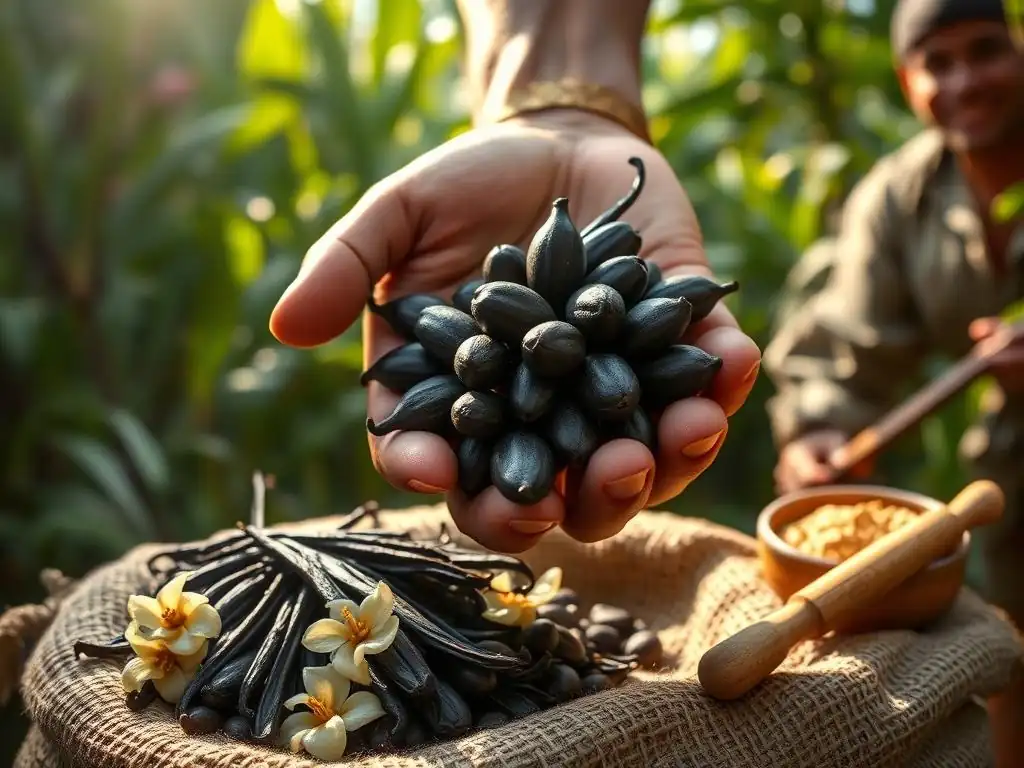
Welcome to BakeWithEase, your guide to confident baking! Ever wondered how the perfect vanilla bean elevates a simple dessert? Join us as we embark on a journey to uncover the secrets behind our ethically sourced vanilla bean recipe, tracing its path from sun-drenched farms to your kitchen. Prepare to discover the difference true quality makes and why this ingredient is a game-changer for your baking. Intrigued? Let's begin...
Vanilla, the beloved flavor in countless baked goods, has a story far richer and more complex than many realize. From the delicate orchid flower to the fragrant bean that graces your ethically sourced vanilla bean recipe, its journey spans continents and involves intricate processes and dedicated people. Understanding where your vanilla comes from, particularly when it's ethically sourced, adds a deeper layer of appreciation to every swirl of frosting and every warm cookie.
- Understanding Ethically Sourced Vanilla Beans: Why It Matters for Your Recipes
- Tracing the Vanilla Bean: From Farm to Your Baking
-
Ethically Sourced Vanilla Bean Recipe: Vanilla Bean Infused Sugar Cookies (A Step-by-Step Guide)
- Ingredients for Your Vanilla Bean Sugar Cookies (Featuring Nielsen-Massey Vanilla Beans and Kerrygold Butter)
- Step 1: Preparing the Vanilla Bean (Unlocking the Flavor)
- Step 2: Infusing the Sugar with Vanilla (The Secret to Intense Vanilla Flavor)
- Step 3: Making the Cookie Dough (Creaming Butter and Sugar for a Light Texture)
- Step 4: Baking the Cookies (Achieving Golden Brown Perfection)
- Step 5: Decorating Your Ethically Sourced Vanilla Bean Sugar Cookies (Optional)
- Exploring Different Forms of Ethically Sourced Vanilla (Choosing the Right Option for Your Needs)
- Supporting Ethical Vanilla Production: Making a Difference with Your Purchase
- Maintaining Your Ethically Sourced Vanilla (Proper Storage Techniques)
- Advanced Techniques: Extracting Even MORE Flavor from your Vanilla Beans
- Frequently Asked Questions
- Final Reflection: The Sweet Taste of Responsibility
- Unleash Your Inner Vanilla Expert!
Understanding Ethically Sourced Vanilla Beans: Why It Matters for Your Recipes
Choosing ethically sourced vanilla beans goes beyond simply selecting a premium ingredient; it's a conscious decision that impacts the lives of farmers and the sustainability of vanilla cultivation. When you bake with ethically sourced vanilla, you're supporting practices that ensure fair wages, safe working conditions, and environmental stewardship. This commitment helps preserve the art of vanilla farming for future generations, ensuring this cherished flavor remains available and its producers thrive.
The Importance of Fair Trade Vanilla: Beyond the Flavor
Fair Trade vanilla initiatives are crucial because they address systemic issues within the vanilla supply chain, which has historically been volatile and subject to exploitation. Vanilla cultivation is incredibly labor-intensive; each flower must be hand-pollinated within a narrow window of time, and the curing process takes months. Farmers in regions like Madagascar, Indonesia, and Uganda, who produce the majority of the world's vanilla, often face unpredictable market prices and lack negotiating power.
Fair Trade certifications guarantee that farmers receive a minimum price for their vanilla, protecting them from market crashes. Additionally, a premium is paid on top of the market price, which is then invested in community projects decided upon by the farmers themselves – often focusing on education, healthcare, or infrastructure. For instance, some cooperatives have used these premiums to build schools or access clean water, directly improving the quality of life for farming families. This economic stability and community investment foster a more resilient and sustainable vanilla supply, which ultimately benefits bakers seeking high-quality, ethically sourced vanilla beans.
What Does "Ethically Sourced" Really Mean? Key Certifications to Look For
The term "ethically sourced" encompasses a range of practices focused on social, economic, and environmental responsibility in the supply chain. While it can be used broadly, looking for specific certifications provides tangible assurance about a product's origin and impact. Key certifications for vanilla include Fairtrade, Organic, and Rainforest Alliance.
Fairtrade certification, as mentioned, focuses on fair prices and community development premiums for farmers. Organic certification ensures that vanilla is grown without synthetic pesticides or fertilizers, protecting both the environment and the health of farmers and consumers. The Rainforest Alliance certification promotes environmental conservation and sustainable livelihoods, often focusing on biodiversity protection and climate resilience alongside farmer well-being.
While not all ethical producers are certified (some work directly with communities), these labels offer a reliable starting point for identifying ethically sourced vanilla beans and products. Always check the packaging and the brand's website for details on their sourcing practices and any certifications they hold.
Tracing the Vanilla Bean: From Farm to Your Baking
The journey of a vanilla bean is a fascinating process, requiring patience, skill, and specific environmental conditions. It begins with a delicate flower and ends months later with the fragrant, dark brown beans ready for your ethically sourced vanilla bean recipe. Understanding this path highlights the value and effort embedded in each bean.
The Vanilla Orchid: Cultivation and Harvesting Practices
Vanilla comes from the Vanilla planifolia orchid, native to Mexico, but now primarily cultivated in tropical regions around the world, particularly Madagascar, Reunion (historically known as Île Bourbon), Indonesia, and Uganda. The plant is a vine that grows on supports, often trees. Its flowers bloom only for a single day and must be hand-pollinated, typically using a small stick or needle to transfer pollen. This labor-intensive step is critical, as natural pollinators are scarce outside of Mexico.
Once pollinated, the flower develops into a green, odorless bean pod over several months (usually 6-9 months). Harvesting occurs when the tip of the bean begins to turn yellow, indicating it's ripe but not yet split. Picking too early results in lower vanillin content, while picking too late can cause the beans to split and lose flavor. Farmers must carefully monitor their vines and harvest beans individually by hand, a task that requires significant knowledge and experience.
Curing and Drying: Transforming Green Beans into Flavor Powerhouses
After harvesting, the green vanilla beans undergo a complex curing process that can take several months, transforming them into the aromatic, dark beans we recognize. The exact method varies by region, but a common process involves several stages:
- Killing: The beans are briefly exposed to heat (often hot water, sun, or oven) to stop vegetative growth and initiate enzymatic reactions. This step is crucial for developing flavor precursors.
- Sweating: Beans are wrapped in cloth and placed in insulated boxes or rooms to sweat, typically for several days. This promotes further enzymatic activity and fermentation, developing the vanillin compound responsible for the characteristic vanilla aroma.
- Drying: The beans are slowly dried, often in the sun during the day and wrapped up at night to sweat. This process can take several weeks or months until the beans reach the desired moisture content (around 25-30%). Slow drying is essential for flavor development.
- Conditioning: The dried beans are stored in sealed boxes for several months to further develop their aroma and flavor profile. This aging process is similar to aging wine or cheese and is vital for achieving premium quality. A properly cured bean will be pliable, oily, and intensely fragrant.
From the Farm to Nielsen-Massey Vanillas: Ensuring Traceability and Quality
Leading vanilla companies, such as Nielsen-Massey Vanillas, place significant emphasis on traceability and quality throughout their supply chain. They often work directly with farmers or cooperatives in various vanilla-producing regions. This direct relationship allows for greater oversight of farming and curing practices, ensuring that beans are harvested at peak ripeness and cured using traditional, labor-intensive methods that maximize flavor development.
Traceability means knowing exactly where a batch of vanilla beans came from, down to the specific farming community or even individual farmer. Nielsen-Massey, for example, sources vanilla from Madagascar, Tahiti, and Mexico, each offering distinct flavor profiles. By maintaining strong relationships and often visiting these regions, they can verify ethical practices, support farmer livelihoods, and select only the highest quality beans that meet their rigorous standards. This commitment from farm to bottle is what distinguishes premium, ethically sourced vanilla products.
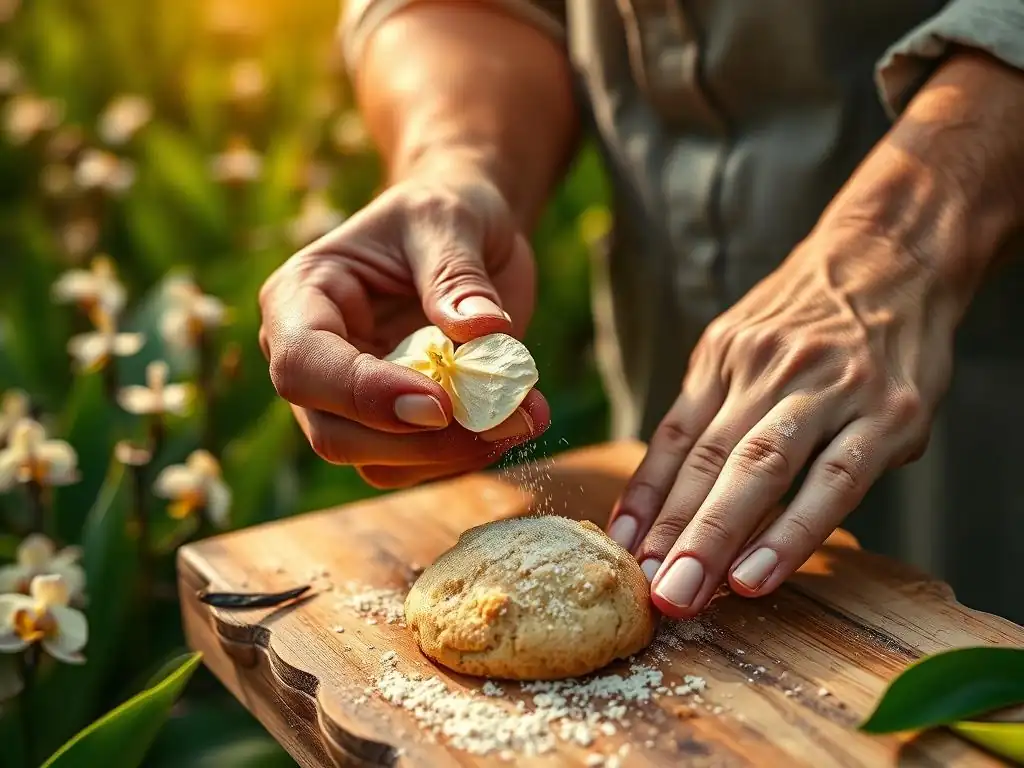
Ready to put that beautiful, ethically sourced vanilla bean to use? These sugar cookies are designed to showcase the pure, intense flavor of vanilla. This ethically sourced vanilla bean recipe highlights quality ingredients and simple techniques for delicious results.
Before you start, gather your ingredients. Using high-quality components like Nielsen-Massey ethically sourced vanilla beans and rich Kerrygold Butter will elevate your cookies significantly.
- 2 Ethically sourced vanilla beans (such as Nielsen-Massey Vanilla Beans)
- 1 cup (2 sticks) Unsalted butter, softened (like Kerrygold Butter for exceptional richness)
- 1 ½ cups Granulated sugar
- 2 Large eggs
- 1 teaspoon Pure vanilla extract (optional, for an extra vanilla boost)
- 3 cups All-purpose flour
- 1 teaspoon Baking powder
- ½ teaspoon Salt
Step 1: Preparing the Vanilla Bean (Unlocking the Flavor)
This step is crucial for extracting the maximum flavor from your ethically sourced vanilla beans. The tiny black specks, often called "vanilla caviar," contain the concentrated essence of the bean.
How to Split and Scrape a Vanilla Bean Like a Pro (Using a Wüsthof Paring Knife)
Working with a sharp knife makes this task much easier and safer. A high-quality Wüsthof Paring Knife is ideal for its precision. Place the vanilla bean on a clean cutting surface. Using the tip of the Wüsthof Paring Knife, make a lengthwise slit down the center of the bean, from one end to the other, being careful not to cut all the way through the back skin. Open the bean flat. Then, using the back (dull side) of the knife blade, scrape down the length of each half, collecting the moist, paste-like seeds. These seeds are the flavor gold.
Step 2: Infusing the Sugar with Vanilla (The Secret to Intense Vanilla Flavor)
Infusing the sugar with the scraped vanilla seeds before adding it to the dough is a fantastic technique to distribute the vanilla flavor evenly and intensely throughout the cookies.
Combining Scraped Vanilla Seeds with Granulated Sugar (Tips for Even Distribution)
Place the 1 ½ cups of granulated sugar in a medium bowl. Add the scraped vanilla seeds from both beans to the sugar. Using your fingertips, vigorously rub the vanilla seeds into the sugar. Continue rubbing until the seeds are evenly distributed throughout the sugar, and the sugar takes on a slightly moist, fragrant quality. This process helps break up any clumps of seeds and releases their aromatic oils into the sugar crystals. You'll immediately notice the powerful vanilla aroma. Set this infused sugar aside.
Creaming the butter and sugar properly incorporates air, which contributes to a lighter cookie texture.
Using KitchenAid Stand Mixer for Perfect Cookie Dough (Optional, but Recommended)
If you have a KitchenAid Stand Mixer, this step is effortless. Use the paddle attachment. In the bowl of your KitchenAid Stand Mixer (or a large mixing bowl if using a hand mixer), cream the softened Kerrygold Butter until smooth. Gradually add the vanilla-infused sugar and beat on medium speed until the mixture is light and fluffy, typically 3-5 minutes. Scrape down the sides of the bowl as needed. Beat in the eggs one at a time, mixing well after each addition.
If using, stir in the optional vanilla extract. In a separate bowl, whisk together the flour, baking powder, and salt. Gradually add the dry ingredients to the wet ingredients, mixing on low speed just until combined. Be careful not to overmix. The dough should be soft but not sticky.
Proper baking ensures your cookies are cooked through with beautiful edges.
Baking Sheet Recommendations and Temperature Control Tips
Preheat your oven to 350°F (175°C). Line baking sheets with parchment paper for easy cleanup and to prevent sticking. Roll the dough to about ¼ inch thickness on a lightly floured surface. Cut out shapes using cookie cutters.
Carefully transfer cookies to the prepared baking sheets, leaving about 1-2 inches between them. Bake for 8-12 minutes, depending on size and thickness, or until the edges are lightly golden brown. Watch them carefully as they can go from perfect to overdone quickly. Let cookies cool on the baking sheet for a few minutes before transferring to a wire rack to cool completely.
These cookies are delicious plain, but they also make a wonderful base for decoration, allowing the vanilla bean specks to peek through.
Wilton Royal Icing Recipe (Perfect for Vanilla Bean Cookies)
A simple Wilton Royal Icing recipe is perfect for decorating these cookies. You can find many variations, but a basic recipe typically involves confectioners' sugar, meringue powder (like Wilton's), and water. The meringue powder helps the icing dry hard and smooth, making it ideal for piping and flooding. Prepare the icing according to package directions, adjusting the consistency with water for outlining or flooding. The subtle sweetness and smooth texture of royal icing complement the rich vanilla flavor of the cookies without overpowering it.
Exploring Different Forms of Ethically Sourced Vanilla (Choosing the Right Option for Your Needs)
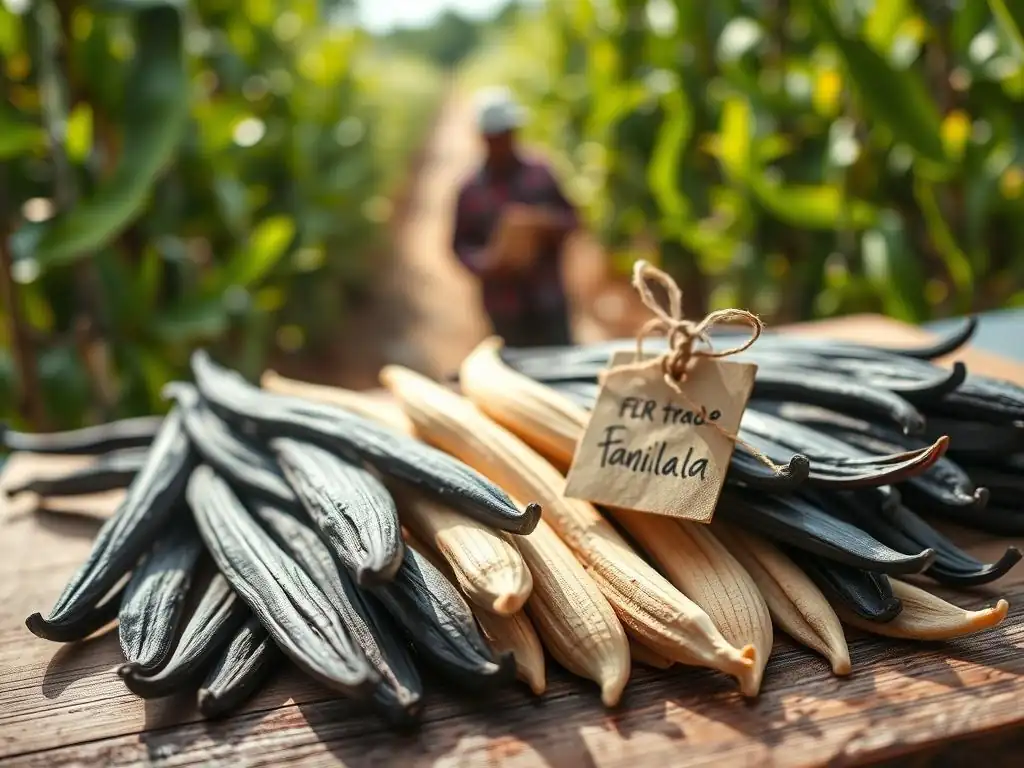
Ethically sourced vanilla comes in several forms, each suited for different baking applications. Understanding the differences helps you choose the best option to achieve the desired flavor intensity and texture in your recipes.
Ethically Sourced Vanilla Extract: A Convenient Alternative
Vanilla extract is the most common form of vanilla used in baking. It's made by steeping vanilla beans in alcohol and water. Ethically sourced vanilla extract offers the convenience of a liquid form while still supporting responsible farming practices. It's versatile and easy to measure, making it suitable for a wide range of recipes, from cakes and muffins to sauces and ice cream bases.
Singing Dog Vanilla Ethically Sourced Vanilla Extract Review (A Premium Option)
Singing Dog Vanilla is a notable brand committed to ethical sourcing through their "Partnership for Change" program, where farmers receive 50% of the profits. Their ethically sourced vanilla extract, often a blend of beans from various partner farms, is known for its rich, complex flavor profile, balancing sweet and creamy notes with subtle undertones. Many bakers find its quality comparable to extracts made from premium beans, offering robust vanilla flavor without the labor of scraping beans. It performs exceptionally well in recipes where vanilla is a primary flavor component.
Ethically Sourced Vanilla Powder: Concentrated Flavor for Baking
Vanilla powder is made from whole, dried vanilla beans that have been finely ground. Because it contains the entire bean (minus moisture), it offers a more concentrated flavor than extract and isn't diluted by alcohol or water. It's excellent for dry mixes, dusting baked goods, or adding intense vanilla flavor without introducing liquid, which can affect the texture of certain recipes. It's also heat-stable, meaning its flavor doesn't diminish as much during baking as extract can.
Heilala Vanilla Powder: A Deep Dive into its Uses and Benefits
Heilala Vanilla is a company focused on ethical sourcing from Tonga, where they have established direct relationships with farming communities. Their ethically sourced vanilla powder is highly regarded for its purity and intense flavor. It's made from their premium Bourbon-grade vanilla beans.
Heilala Vanilla Powder can be used cup-for-cup as a substitute for vanilla extract in many recipes (though flavor intensity may vary). It's particularly useful in recipes sensitive to liquid, like macarons or some meringues, or for adding a visible speckle of vanilla to batters and doughs. Its concentrated form means a little goes a long way, making it a potent flavor agent.
Supporting Ethical Vanilla Production: Making a Difference with Your Purchase
Every time you choose ethically sourced vanilla, you're casting a vote for a more equitable and sustainable food system. Your purchasing decisions have a direct impact on the lives of the farmers who cultivate this precious spice and on the health of the ecosystems where it grows.
Brands Committed to Sustainable Vanilla Farming (Highlighting Companies with Ethical Practices)
Several companies prioritize ethical and sustainable practices in the vanilla trade. Beyond those mentioned like Nielsen-Massey, Singing Dog Vanilla, and Heilala Vanilla, others such as LaFaza (known for its direct-trade relationships in Madagascar) and Simply Organic (offering certified organic and fair trade options) are also dedicated to responsible sourcing. These brands often provide transparent information about their supply chains, farmer relationships, and environmental initiatives on their websites, allowing consumers to make informed choices. Look for companies that emphasize direct partnerships, fair pricing, community investment, and environmental conservation efforts.
How to Verify Ethical Sourcing Claims (Looking for Certifications and Transparency)
Navigating ethical claims can be challenging, but there are ways to verify them. The most straightforward method is to look for credible third-party certifications like Fairtrade, Organic (USDA Organic, EU Organic, etc. ), and Rainforest Alliance on the product packaging. These certifications involve regular audits to ensure standards are being met.
If a product doesn't have a certification, look for transparency from the brand. Do they provide information about their sourcing regions, the specific communities they work with, their pricing models, and any social or environmental programs they support? Reputable companies are usually eager to share details about their ethical commitments. Be wary of vague claims without supporting evidence.
Maintaining Your Ethically Sourced Vanilla (Proper Storage Techniques)
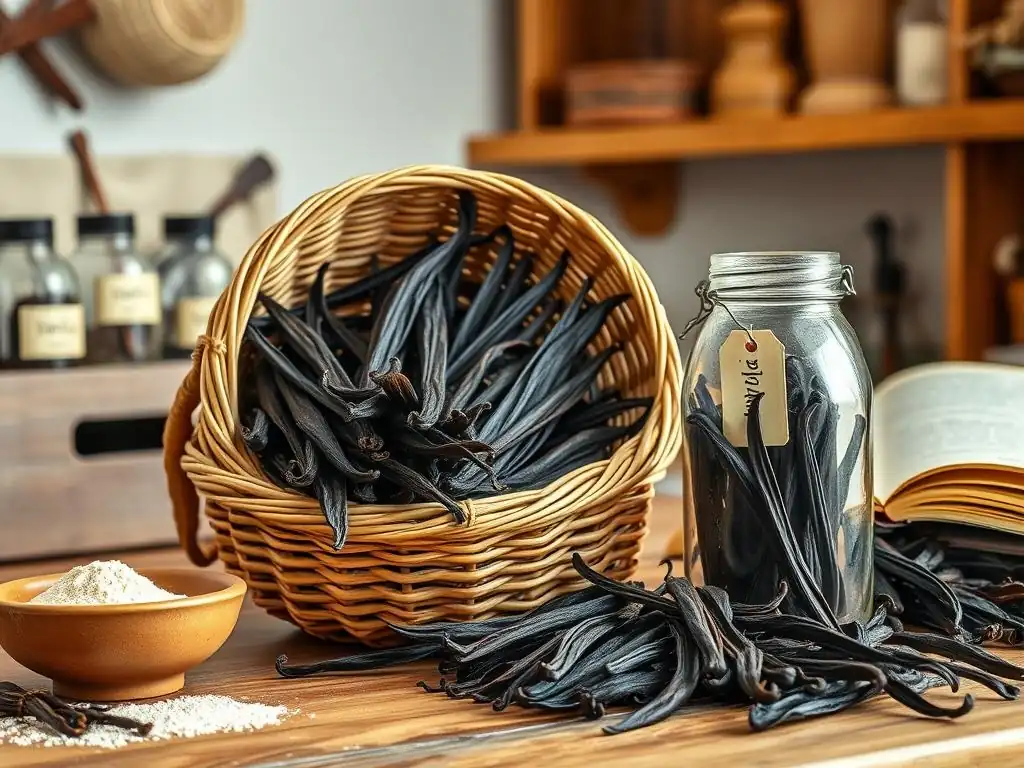
Once you've invested in high-quality, ethically sourced vanilla, proper storage is key to preserving its precious flavor and aroma. Different forms of vanilla require different storage methods to maintain their quality over time.
Protecting Your Vanilla Beans from Drying Out
Vanilla beans contain natural oils and moisture that are essential for their flavor and pliability. The biggest enemy of vanilla beans is dryness. To keep them fresh, store them in an airtight container (like a glass tube or jar with a tight-fitting lid). Avoid storing them in the refrigerator, as this can lead to condensation and mold.
Keep the container in a cool, dark place, away from direct sunlight and heat. Properly stored, high-quality vanilla beans can remain fragrant and pliable for several months, even up to a year or more. If a bean seems a bit dry, you can sometimes revitalize it slightly by placing it in a container with a damp paper towel for a day, but be careful not to introduce too much moisture.
Storing Vanilla Extract for Optimal Flavor
Vanilla extract is much less delicate than the beans, thanks to the alcohol content, which acts as a preservative. Store vanilla extract in a cool, dark place, such as a pantry or cupboard, away from heat and light sources. Ensure the cap is tightly sealed after each use to prevent evaporation of the alcohol, which can weaken the flavor over time. Unlike many other ingredients, vanilla extract actually improves with age, often becoming more complex in flavor. While it doesn't truly expire in the sense of becoming unsafe, its flavor can degrade over many years if not stored properly.
Advanced Techniques: Extracting Even MORE Flavor from your Vanilla Beans
Don't let any part of your precious ethically sourced vanilla beans go to waste! Even after scraping the seeds for your ethically sourced vanilla bean recipe, the pods still contain valuable flavor compounds that can be used in creative ways.
Making Your Own Vanilla Extract from Scraped Vanilla Beans
The scraped vanilla pods are perfect for making homemade vanilla extract. Simply place the used pods in a clean glass bottle or jar. Fill the container with high-proof alcohol, such as vodka (80 proof or higher is recommended). Ensure the pods are fully submerged. Seal the container tightly and store it in a cool, dark place.
Shake the bottle gently every week or so. The alcohol will gradually extract the remaining vanilla flavor from the pods. The extract will be ready to use in about 6-8 weeks, but the flavor will continue to deepen over several months. You can keep adding more scraped pods to the same bottle over time.
Creating Vanilla Bean Paste from Nielsen-Massey Vanilla Beans
Vanilla bean paste is a concentrated blend of vanilla extract and vanilla bean seeds, offering the convenience of extract with the visual appeal and intense flavor of the seeds. To make a simple version at home using your ethically sourced Nielsen-Massey Vanilla Beans, you can combine the scraped seeds with a small amount of a neutral liquid, like simple syrup or vegetable glycerin, and a bit of vanilla extract for consistency.
While commercial pastes often use specific ratios and thickeners, a homemade version can be created by finely chopping or pureeing scraped pods (rehydrated if dry) with fresh seeds and a liquid base. This paste is excellent for recipes where you want visible vanilla specks and a rich flavor, such as puddings, ice cream, or whipped cream.
Frequently Asked Questions
What makes a vanilla bean "ethically sourced"?
Ethically sourced vanilla beans ensure fair wages and safe working conditions for farmers and their communities. It also often involves sustainable farming practices that protect the environment.
Why is ethically sourced vanilla more expensive?
The higher cost reflects the fair compensation given to farmers and workers, as well as the investment in sustainable practices. Cheaper vanilla often comes at the expense of these ethical considerations.
How can I identify ethically sourced vanilla beans?
Look for certifications like Fair Trade or Rainforest Alliance. You can also research the supplier and their commitment to ethical sourcing.
Does ethically sourced vanilla taste different?
While the flavor profile depends on the bean's origin, ethically sourced vanilla often represents higher quality beans due to careful harvesting and curing, resulting in superior flavor.
What are some recipes that highlight the flavor of ethically sourced vanilla?
Ethically sourced vanilla shines in recipes like vanilla bean ice cream, vanilla extract, or a simple vanilla bean cake. These recipes allow the pure flavor to truly stand out.
Final Reflection: The Sweet Taste of Responsibility
The demand for ethically sourced vanilla is not merely a trend; it's a crucial step towards a more sustainable and equitable food system. Ignoring the complex journey from bean to bar allows for exploitation and environmental damage to continue unchecked. We must actively choose to support producers who prioritize fair practices and environmental stewardship.
The story of vanilla, as explored in this article, highlights the interconnectedness of our choices as consumers with the lives and livelihoods of farmers halfway across the world. It's a stark reminder that the seemingly simple act of baking a cake can have far-reaching consequences. The true cost of anything is the sum of everything you have given up to get it.
This quote resonates deeply when considering the hidden labor and environmental impact often associated with conventionally sourced vanilla. Understanding this allows us to make more informed and conscientious choices.
Now, consider your own kitchen. What ingredients do you use regularly? Do you know where they come from and how they were produced? I urge you to take a moment to reflect on your purchasing habits and seek out ethically sourced alternatives whenever possible. By supporting sustainable practices, we can collectively contribute to a fairer and more environmentally responsible future, one delicious vanilla bean at a time. Let the sweet taste of vanilla remind you of the sweetness of responsible consumption.
Unleash Your Inner Vanilla Expert!
Thanks for taking the time to explore the fascinating world of ethically sourced vanilla! We hope you gained a new appreciation for the journey from bean to delicious flavor. Ready to put your newfound knowledge into action?
- Bake something amazing with ethically sourced vanilla! Experiment with a new recipe, or elevate your favorite one with the superior taste. Think about how your baking can make a difference.
- Share your vanilla baking creations! Tag us on social media – we'd love to see your delicious results and hear your baking stories.
- Explore other ethically sourced ingredients on our site to discover even more sustainable options.
What surprising flavor combinations will you create with your ethically sourced vanilla?