
Baguette Scoring Depth: How Deep is Too Deep?

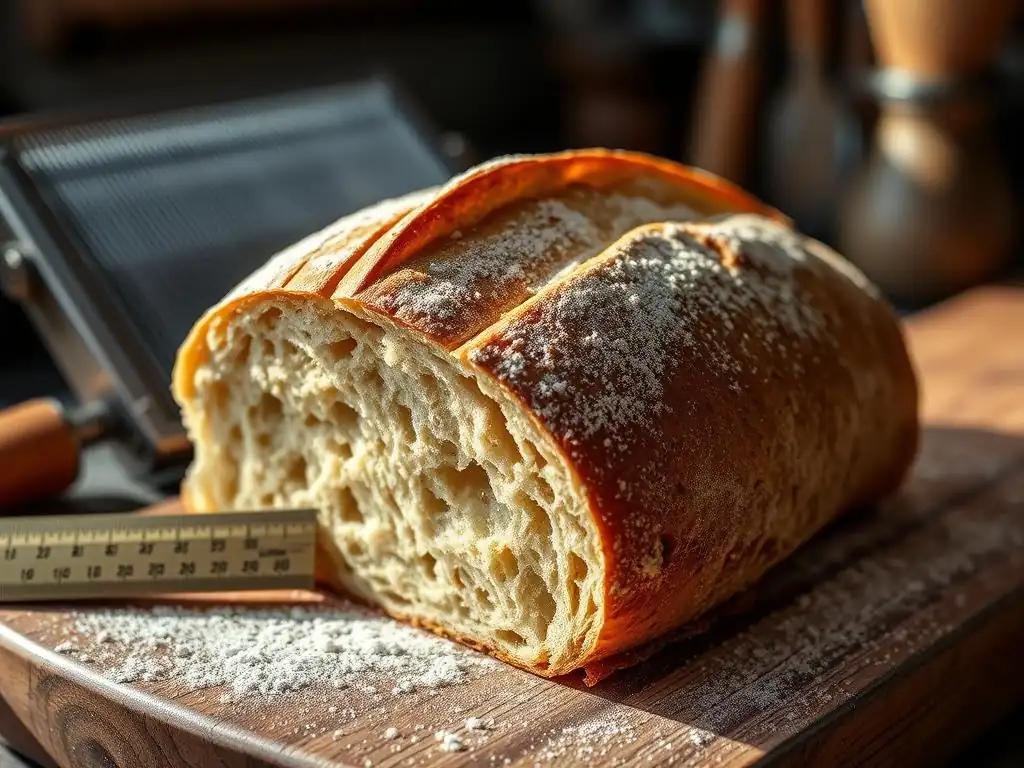
Welcome to BakeWithEase, where baking becomes a joy! Ever struggled to get those perfect, oven-spring induced ears on your baguette? This week, we're diving deep (pun intended!) into the crucial element that separates a good baguette from a truly exceptional one: baguette scoring depth. Discover our comprehensive guide to mastering the precise depth needed for that coveted artisan loaf, and unlock the secrets to beautiful, consistent scores every time. But how deep is too deep? Let's find out...
- Introduction to Baguette Scoring and its Importance
- Understanding Baguette Scoring Depth: A Comprehensive Guide
- The Ideal Baguette Scoring Depth: Finding the Sweet Spot
- Baguette Scoring Too Shallow: Consequences and Solutions
- Baguette Scoring Too Deep: Potential Problems and How to Avoid Them
- Baguette Scoring Techniques: A Step-by-Step Approach
- Factors Affecting Baguette Scoring Success
- Troubleshooting Baguette Scoring Issues
- Advanced Baguette Scoring Techniques for Experienced Bakers
- Mastering Baguette Scoring: Tips and Tricks for BakeWithEase Bakers
- Conclusion: Achieving the Perfect Baguette Through Proper Scoring Depth
- Frequently Asked Questions
- Final Reflection: The Art and Science of the Perfect Baguette Score
- Unlock Your Baguette's Potential: Deeper Scoring Secrets!
Introduction to Baguette Scoring and its Importance
Why Scoring Baguettes Matters for Oven Spring and Shape
Scoring, often called lameing by artisan bakers using a special razor blade tool called a lame, is a critical step in the baguette baking process. It involves making controlled cuts on the surface of the dough just before it goes into the hot oven. The primary purpose of these cuts is to guide the expansion of the dough during the initial phase of baking, known as oven spring.
Without scoring, the intense heat and steam inside the dough would cause it to burst unpredictably at its weakest point, leading to an irregular shape and a potentially dense crumb. By creating specific weak points with the cuts, bakers ensure the dough expands in a predictable, controlled manner.
This controlled expansion is essential for achieving the classic baguette shape – long, slender, and relatively uniform. As the yeast in the dough has a final burst of activity and the water turns to steam, the dough needs room to grow. The scores act as vents, allowing this expansion to happen gracefully along the length of the loaf.
A well-scored baguette will exhibit significant oven spring, potentially increasing in volume by 30% to 50% in the first few minutes of baking. This contributes not only to the desired shape but also to a lighter, airier internal structure, which is a hallmark of a great baguette.
The Role of Scoring Depth in Achieving the Perfect Baguette Crust
Beyond guiding oven spring, the depth of your baguette scoring plays a crucial role in the development of the crust, particularly the formation of the "grigne" or "ear." The grigne is that beautiful, slightly lifted flap of crust along the edge of a score, often associated with expertly baked artisan bread. Proper scoring depth allows the dough to open up just enough under the heat, exposing the moist interior to the dry oven environment. This rapid drying and subsequent caramelization of sugars on the exposed surface contribute significantly to a thin, crisp crust and a rich brown color.
If the scoring depth is incorrect, the crust will suffer. Too shallow cuts might seal up quickly, preventing adequate expansion and resulting in a tight, pale crust without a prominent grigne. Conversely, cuts that are too deep can cause the dough to spread out too much rather than spring upwards, leading to a flatter loaf and potentially a tougher crust where the cuts were made.
The ideal depth ensures the cut opens cleanly, creating that desirable contrast between the golden-brown grigne and the surrounding crust, while also facilitating the release of steam necessary for optimal crust development and a delightful crunch. Mastering baguette scoring depth is key to achieving that iconic artisan look and texture.
Understanding Baguette Scoring Depth: A Comprehensive Guide
Defining Baguette Scoring Depth: What Does It Mean?
Baguette scoring depth refers to how deep the cuts penetrate the surface of the dough just before baking. It's not just about slicing the surface; it's about making a deliberate incision that allows the dough to expand predictably. Imagine the dough as a balloon; the scores are carefully placed slits that control where the air escapes and how the balloon expands. The depth of these cuts directly influences how much resistance the dough offers to the internal pressure built up by steam during oven spring. A shallow cut offers more resistance, while a deep cut offers less.
Think of it in terms of millimeters or fractions of an inch. A typical recommended baguette scoring depth guide often suggests cuts between 5 mm and 15 mm (roughly 1/4 to 1/2 inch) deep. However, this is just a guideline, as the ideal depth varies depending on several factors, most notably the dough's hydration level and gluten development. A deeper cut means more of the internal, moist dough is exposed to the heat, affecting how the grigne forms and how quickly the crust sets around the score. Understanding this relationship is fundamental to achieving consistent results.
The Impact of Scoring Angle on Baguette Expansion
While depth is crucial, the angle at which you make the score is equally important for controlling expansion and forming a beautiful grigne. Baguette scores are typically made at a shallow, oblique angle relative to the surface of the dough, often between 20 and 45 degrees. This angled cut creates an overlap of dough above the incision. As the dough expands, the lower lip of the cut is forced downwards and outwards, lifting the upper lip to form the characteristic "ear" or "grigne."
A scoring angle that is too vertical (close to 90 degrees) will cause the cut to open symmetrically, like a gaping wound, resulting in a flatter loaf and no distinct grigne. The dough simply splits open.
A very shallow angle (close to 0 degrees) might not cut deep enough or might just skim the surface, leading to insufficient opening and poor oven spring. The sweet spot for the angle, combined with the correct baguette scoring depth, allows the dough to peel back gracefully as it expands, maximizing oven spring along the score line and creating that desirable crust structure and appearance.
The Ideal Baguette Scoring Depth: Finding the Sweet Spot
Determining the Optimal Depth for Different Baguette Dough Hydration Levels
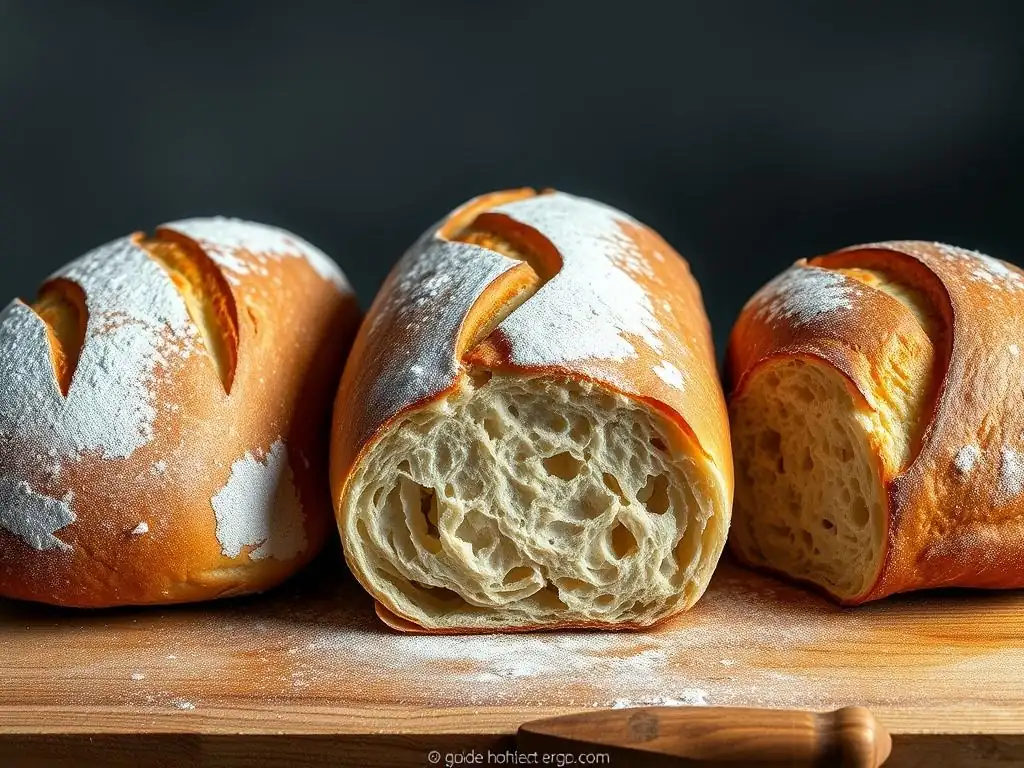
The "sweet spot" for baguette scoring depth isn't a single number; it's a range that depends heavily on the dough's hydration level. Higher hydration doughs (those with a higher ratio of water to flour, say 75% or more) are typically looser, stickier, and expand more vigorously in the oven. For these doughs, a slightly deeper score, perhaps in the 10 mm to 15 mm range, is often beneficial.
The deeper cut provides less resistance to the powerful expansion of the wet dough, allowing it to open fully and preventing blowouts elsewhere on the loaf. It gives the dough ample space to spring upwards and outwards along the score line.
Conversely, lower hydration doughs (like those around 65-70% hydration) are firmer and expand less dramatically. These doughs benefit from a slightly shallower baguette scoring depth, maybe 5 mm to 10 mm. A shallower cut provides more structure and prevents the dough from collapsing or spreading too much during expansion. If you score a lower hydration dough too deeply, the cuts might open too wide, leading to a flatter loaf and a less pronounced grigne. Experimentation with your specific recipe's hydration is key to dialing in the perfect depth.
Measuring Baguette Scoring Depth: Techniques and Tools
While precise measurement isn't always practical in the heat of the moment before baking, understanding the target baguette scoring depth is crucial. Most bakers develop an intuitive feel for the correct depth over time, but beginners can use visual cues and practice. When making the cut with a lame, aim to feel a slight 'give' as the blade enters the dough. You should see the cut open slightly immediately after you make it, but it shouldn't gape wide open before baking.
For practice or a more structured approach, you can practice scoring on a piece of proofed dough or even modelling clay. Observe how deep the blade goes and how the 'cut' looks. Some experienced bakers might even use a ruler initially to get a sense of what 5mm or 10mm looks like on the surface of proofed dough.
The key tools are a sharp lame (a razor blade on a handle) or a very sharp razor blade held carefully. A dull blade will drag the dough, making clean, precise cuts at the correct baguette scoring depth impossible. Always use a sharp blade for best results.
Baguette Scoring Too Shallow: Consequences and Solutions
Identifying Insufficient Scoring Depth: Signs to Look For
When your baguette scoring depth is too shallow, the dough doesn't have adequate release points for the steam and carbon dioxide rapidly expanding inside during oven spring. The most obvious sign is unpredictable bursting. Instead of opening along your intended score lines, the dough will find the path of least resistance, often bursting open randomly along the sides or bottom of the loaf. This results in an irregular, often unsightly shape, far from the classic baguette form.
Another indicator of insufficient baguette scoring depth is limited oven spring and a tight, smooth crust. If the scores are too superficial, they may seal up almost instantly in the heat, preventing the dough from expanding fully upwards. The loaf might appear flatter than expected, and the crust will lack the characteristic open cuts and the defined grigne. You might also notice a paler crust color along the score lines, as the internal dough wasn't sufficiently exposed to caramelize properly. Identifying these signs is the first step in improving your technique.
Corrective Measures for Shallow Baguette Scores
If you consistently find your baguette scoring depth is too shallow, the primary solution is conscious practice and adjustment of your technique. Ensure your lame is sharp; a dull blade is the most common culprit for shallow, hesitant cuts. Practice making bolder, more confident strokes. Don't just skim the surface; aim to feel the blade penetrate the dough slightly.
When you are scoring, take a moment to observe the cut immediately after making it. It should open slightly. If it looks like just a faint line on the surface, it's likely too shallow. Adjust your pressure and angle on the subsequent scores. It might feel counter-intuitive to cut deeper, but remember you are guiding the expansion. For future bakes, make a deliberate effort to increase your baguette scoring depth slightly, perhaps by just a few millimeters, until you start seeing the desired oven spring and grigne formation along the score lines rather than random bursts.
Baguette Scoring Too Deep: Potential Problems and How to Avoid Them
Risks of Over-Scoring Baguettes: Collapse and Uneven Baking
While shallow scoring prevents expansion, scoring a baguette too deeply poses different risks. If the cuts penetrate too far into the dough, they can compromise the structural integrity of the loaf. Instead of expanding upwards, the dough might spread outwards excessively or even collapse slightly along the score lines. This leads to a flatter, wider baguette than desired, losing that elegant, elongated shape. The deep cuts essentially weaken the dough's structure too much to support upward expansion.
Furthermore, overly deep cuts expose a larger volume of the moist inner dough directly to the oven's dry heat. This can cause the edges of the cuts to dry out and set too quickly, becoming tough or overly crisp compared to the rest of the crust. It can also lead to uneven baking; the edges of the deep cuts might burn slightly before the rest of the crust achieves the desired color. Mastering baguette scoring depth means finding that balance where the cut facilitates expansion without destroying the loaf's form or baking characteristics.
Techniques to Prevent Deep Baguette Scoring
Preventing excessively deep baguette scoring requires a light touch and conscious control. Just as a sharp blade is essential for shallow scoring issues, it's also key here – a sharp blade requires less pressure to cut, allowing for more control over depth. Hold the lame with a relaxed grip and use a fluid motion. Avoid pressing down firmly into the dough.
Focus on the angle and the feel of the cut. Remember you are aiming for a depth often in the 5-15 mm range, depending on hydration. Practice making cuts where you feel the blade enter the dough but stop before you feel significant resistance from the bottom of the loaf.
If you find you are consistently scoring too deep, try adjusting your angle to be slightly more oblique (closer to parallel with the surface) or consciously reduce the downward pressure you apply. It takes practice to develop the right feel, but paying attention to the results of your baguette scoring depth will guide your adjustments.
Baguette Scoring Techniques: A Step-by-Step Approach
Preparing Your Lame for Accurate Scoring
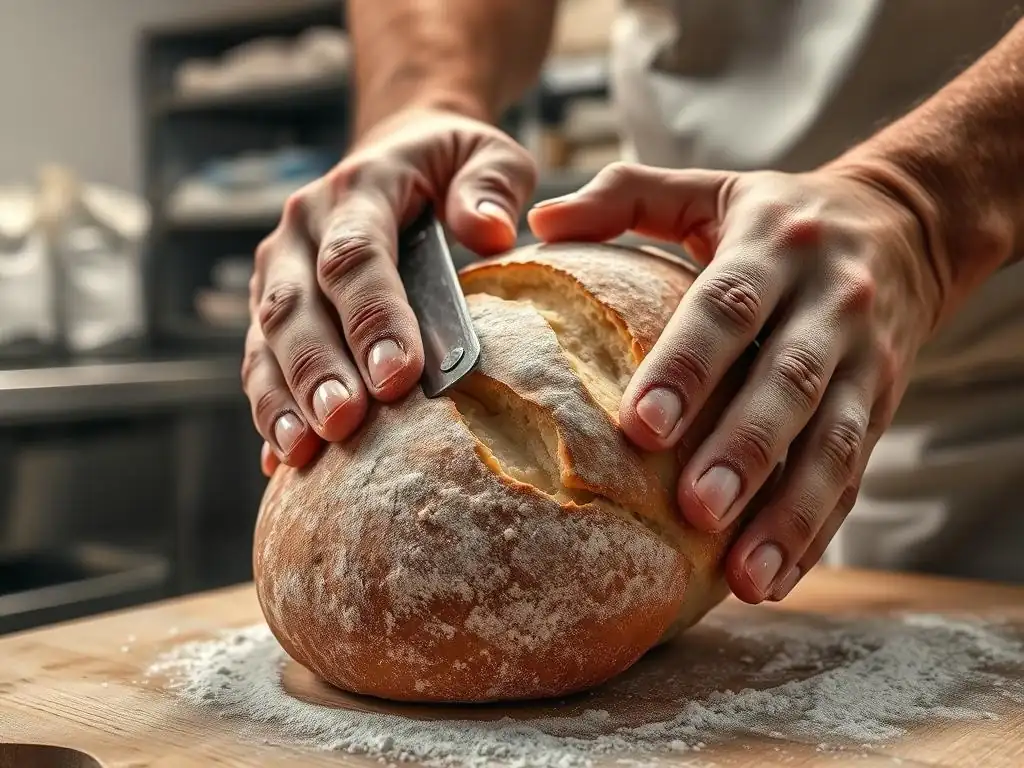
The success of your baguette scoring technique begins before the blade even touches the dough. Ensure you are using a sharp, clean razor blade. A dull blade will drag the dough, resulting in jagged, uneven cuts that won't open cleanly. Many bakers prefer using a specialized tool called a "lame" (pronounced "lahm"), which is essentially a handle designed to hold a razor blade. A curved lame is often preferred for baguettes as the curve helps achieve the necessary shallow, angled cut for the grigne.
Insert a fresh, sharp blade into your lame before each scoring session, especially if you bake frequently. Handle the blade carefully to avoid cuts. Some bakers lightly flour the blade or the surface of the dough to prevent sticking, though this is less critical with a very sharp blade and well-proofed dough. Having a properly prepared, sharp lame is the foundational step for achieving the correct baguette scoring depth and clean cuts.
The Proper Hand Position and Motion for Consistent Scoring
Holding the lame correctly is crucial for controlling both the angle and the baguette scoring depth. For classic baguette scoring (multiple overlapping diagonal cuts), hold the lame comfortably in your dominant hand. Position the blade at a shallow angle to the surface of the dough, typically between 20 and 45 degrees. The angle is critical for creating the 'lip' that will form the grigne.
The motion should be fluid and decisive. Use a confident, swift stroke, drawing the blade across the dough in a single motion. Avoid sawing back and forth, as this can tear the dough. Start at one end of the loaf and make the first cut, then make subsequent cuts overlapping the previous one by about one-third to one-half. Maintain a consistent angle and pressure for each score to ensure uniform baguette scoring depth and even expansion along the entire loaf. Practice on loaves until the motion feels natural and you can consistently achieve the desired depth and angle.
Baguette Scoring Patterns: Choosing the Right Design for Optimal Results
While the classic overlapping diagonal cuts are most common for baguettes and ideal for showcasing the grigne, other patterns exist and can affect expansion differently. The number and pattern of scores influence how the loaf expands and its final appearance. For a standard-length baguette, 5 to 7 overlapping diagonal scores are typical. This pattern encourages expansion along the length of the loaf.
Other patterns include a single, long diagonal score (sometimes used on shorter loaves), straight cuts down the center (less common for baguettes, often used on batards or boules), or even intricate decorative patterns. However, for achieving maximum oven spring and the classic baguette shape and grigne, the overlapping diagonal scores are the standard. This pattern, combined with the correct angle and baguette scoring depth guide principles, ensures that the dough expands predictably and beautifully, creating that iconic look. Experimenting with patterns can be fun, but master the classic technique first.
Factors Affecting Baguette Scoring Success
Dough Handling and Proofing Influence on Scoring
The condition of your dough before scoring has a significant impact on how well it scores and how it responds in the oven. Over-proofed dough is weak and gassy; it tends to deflate or tear when scored, making it difficult to achieve clean cuts or proper baguette scoring depth. The structure is compromised, and it won't have the necessary tension to spring robustly in the oven. Under-proofed dough, on the other hand, is very tight and resistant. Scoring it can be challenging, and the cuts may not open fully, leading to blowouts elsewhere.
Ideal dough for scoring should be well-proofed but still have some underlying tension. It should feel light and airy but still hold its shape when gently touched. Proper gluten development is also key; a dough with strong gluten will hold its structure better during scoring and expansion. Gentle handling during shaping and proofing ensures the dough retains enough strength and surface tension to allow for clean, precise cuts at the desired baguette scoring depth.
Oven Temperature and Humidity's Impact on Baguette Expansion
The baking environment, specifically oven temperature and humidity, plays a crucial role in how your scores perform and how the baguette expands. High initial oven temperature (often 450-500°F or 230-260°C) is essential for rapid oven spring. This intense heat causes the water in the dough to flash to steam, providing the internal pressure needed for expansion.
Crucially, steam injected into the oven during the first 10-15 minutes of baking keeps the surface of the dough supple. This prevents the crust from setting too quickly, allowing the scores to open fully and the dough to expand gracefully along the cuts. Without sufficient steam, the surface crust hardens prematurely, restricting expansion through the scores and potentially leading to random bursts. Proper oven setup with high heat and adequate steam is non-negotiable for maximizing the effectiveness of your baguette scoring depth and technique.
Troubleshooting Baguette Scoring Issues
Common Baguette Scoring Problems and Their Solutions
One common issue is scores that seal up and don't open, leading to random bursting. This is often due to a dull lame, insufficient baguette scoring depth, or under-proofed dough. Solution: Ensure your blade is razor-sharp, increase your scoring depth slightly, and check your proofing times and dough temperature.
Another problem is cuts that open too wide and flat, resulting in a lack of height and a less defined grigne. This can be caused by scoring too deeply, scoring at too vertical an angle, or over-proofed dough. Solution: Reduce your scoring depth, adjust your angle to be more oblique (angled), and ensure your dough isn't over-proofed before baking.
Identifying the Cause of Scoring Failures: A Diagnostic Guide
Diagnosing scoring issues often involves looking at the final baked loaf and working backward. Did the loaf burst randomly? Likely too shallow baguette scoring depth or under-proofing. Is the loaf flat with cuts that look like wide gashes? Possibly too deep scoring or over-proofing. Is there no grigne, just a smooth crust along the scores? Could be a dull blade, shallow depth, or insufficient steam in the oven.
Keep a baking journal! Note your dough's hydration, proofing time and temperature, scoring depth (your best estimate), angle, and oven setup (temp, steam method). Compare these notes to the results. Over time, this systematic approach will help you pinpoint the exact factors affecting your baguette scoring depth and technique, allowing you to make targeted adjustments and improve consistently.
Advanced Baguette Scoring Techniques for Experienced Bakers
Experimenting with Different Scoring Patterns and Depths
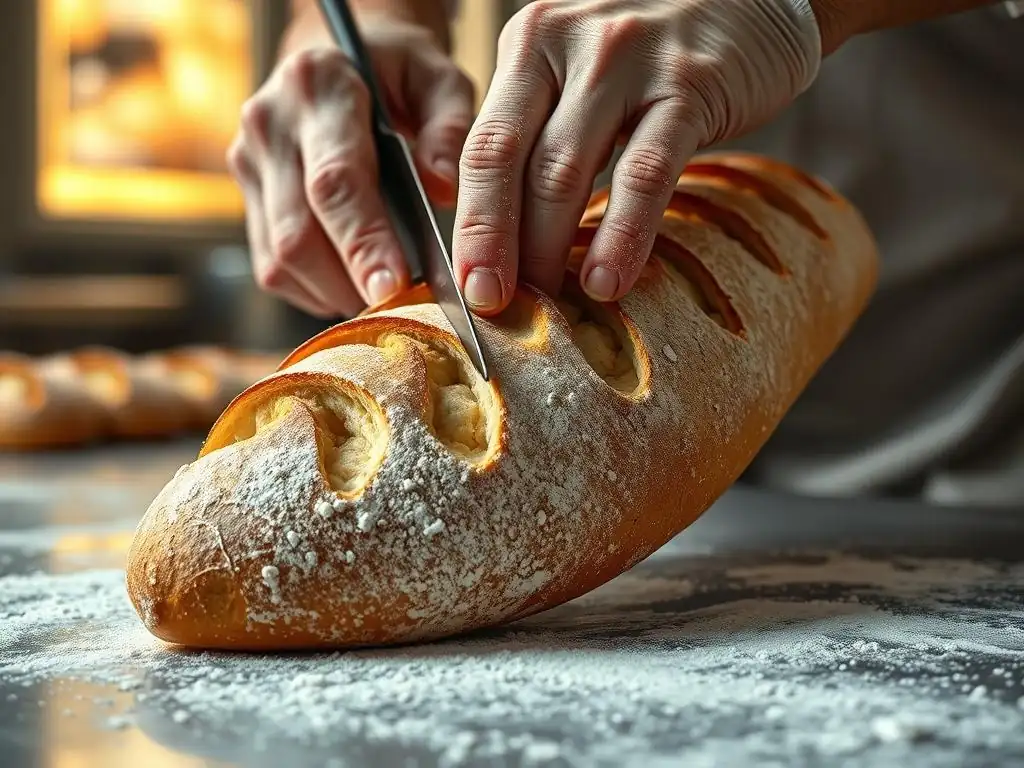
Once you've mastered the basic overlapping diagonal scores and understand how baguette scoring depth affects expansion, you can begin to experiment. Try varying the number of scores – fewer, longer scores might yield a different look and expansion than many shorter ones. Experiment with slight variations in angle or even purposefully varying the depth along a single score to see how it impacts the grigne.
Experienced bakers sometimes use more complex scoring patterns, such as a "wheat stalk" design or multiple parallel cuts down the center, often seen on different types of bread but adaptable to baguettes. These require precision and control over the blade. While these patterns might not always maximize the classic baguette grigne, they offer aesthetic variation and can be a fun way to push your skills. Always consider how the chosen pattern and baguette scoring depth will interact with the dough's structure and hydration.
Achieving Intricate Baguette Designs Through Precise Scoring
Achieving truly intricate designs on baguettes requires a high level of dough handling skill, precise proofing, and exceptional control over the lame. These designs often go beyond simple functional cuts and become decorative elements. This might involve very shallow cuts for surface patterns combined with deeper cuts for expansion, or using different angles within the same pattern.
For example, creating a complex braided look with scoring involves carefully planned, overlapping cuts made at specific angles and depths to give the illusion of a braided crust as it expands. This level of mastery comes only with extensive practice, deep understanding of dough behavior, and the ability to execute precise cuts with consistent baguette scoring depth and angle. It's a testament to the artistry possible in bread baking, building upon the foundational techniques of proper scoring.
Mastering Baguette Scoring: Tips and Tricks for BakeWithEase Bakers
Practical Advice for Consistent and Beautiful Baguette Scores
For consistent and beautiful baguette scores, always start with a well-proofed dough that has good surface tension. Ensure your lame is equipped with a brand-new, sharp razor blade – this is arguably the most impactful tip. Practice your scoring motion on scrap dough if needed. When scoring, be confident and decisive; a hesitant stroke is more likely to drag and tear.
Pay attention to the angle – aim for that shallow, oblique cut. And critically, be mindful of your baguette scoring depth guide principles: deep enough to open, but not so deep as to cause collapse. Observe how your dough responds to your cuts immediately after making them and after baking. Use this feedback to refine your technique over time. Consistency in dough preparation, proofing, and scoring execution is the path to consistently beautiful baguettes.
The "Grigne" Technique: Creating a Dramatic Ear
The "grigne" or "ear" is that coveted flap of crust that lifts along the score line. Achieving a dramatic ear is often the goal of mastering baguette scoring depth and technique. It signals excellent oven spring and proper crust development. To maximize the grigne, ensure your dough is perfectly proofed, not over or under. Use a very sharp lame.
Hold the lame at a low angle (closer to 20-30 degrees) relative to the dough surface. Make a clean, swift cut with the correct baguette scoring depth, ensuring the lower lip of the cut is slightly undercut. This angle and depth allow the dough to peel back cleanly as it expands in the steam-filled oven. The steam keeps the upper lip supple long enough for it to be pushed upwards by the expanding dough beneath, creating that beautiful, crispy ear. It takes practice, but focusing on angle, depth, and a sharp blade will greatly improve your grigne.
Conclusion: Achieving the Perfect Baguette Through Proper Scoring Depth
Recap of Key Baguette Scoring Depth Principles
Mastering the art of baking the perfect baguette hinges significantly on understanding and executing proper scoring. We've explored how baguette scoring depth, along with the angle and pattern of cuts, is not merely decorative but functional, guiding the crucial oven spring that gives the baguette its shape and airy crumb. Remember, the ideal baguette scoring depth is a balance – deep enough to allow controlled expansion and form a beautiful grigne, but not so deep as to compromise the loaf's structure and cause collapse.
We discussed how hydration levels influence the optimal depth, with wetter doughs generally requiring slightly deeper cuts than drier ones. The importance of a sharp lame, a confident hand, and a correct angle (typically 20-45 degrees) were highlighted as fundamental techniques. Identifying issues like random bursting (too shallow) or flatness (too deep or over-proofed) helps diagnose problems and refine your approach. Consistent practice, attention to dough condition, and optimizing your oven environment are all part of the journey to achieving excellent results.
Further Resources for Mastering Artisan Baguette Baking
Improving your baguette scoring depth and overall technique is an ongoing process that benefits from continuous learning and practice. BakeWithEase.com offers a variety of resources to help you on this journey. Explore our detailed guides on dough mixing, kneading techniques for gluten development, and proofing schedules tailored for baguettes. Understanding these foundational steps is crucial, as they directly impact how your dough will respond to scoring.
Look for articles specifically on oven steaming methods, as creating the right humid environment is vital for allowing your scores to open properly. We also feature a range of baguette recipes, from beginner-friendly to advanced, which provide practical opportunities to apply the baguette scoring depth guide principles discussed here. Don't be discouraged by imperfect results; each bake is a learning experience. With patience and consistent application of these techniques, you'll be well on your way to baking beautiful, perfectly scored artisan baguettes.
Frequently Asked Questions
What is the ideal depth for scoring a baguette?
The ideal depth is typically about 1/4 to 1/2 inch. This allows the baguette to expand properly without collapsing. Too shallow, and it won't rise; too deep, and it can deflate.
Why is scoring a baguette important?
Scoring controls the expansion of the dough during baking. It creates intentional weak points that allow the gases to escape evenly, preventing uneven bursts or explosions.
What happens if I score my baguette too deeply?
If you score too deeply, you risk deflating the loaf as it bakes. The structure weakens, and the baguette may spread out instead of rising upwards.
What tools are best for scoring baguettes?
A lame (pronounced "lahm"), or a razor blade specifically designed for scoring bread, is ideal. A very sharp knife can also work, but it requires a steady hand.
Does the angle of the score affect the final result?
Yes, the angle greatly impacts the final shape. A shallow angle promotes ears, while a more vertical cut can lead to a more even, less dramatic rise.
Final Reflection: The Art and Science of the Perfect Baguette Score
The seemingly simple act of scoring a baguette is, in reality, a crucial determinant of its final texture, appearance, and overall success. A seemingly minor detail, the depth of the score profoundly impacts the expansion of the dough during baking, directly influencing the final product's airy crumb and appealing aesthetic. This seemingly small detail holds the key to unlocking the full potential of a perfectly crafted baguette.
The exploration of baguette scoring depth has revealed more than just a technical process; it's a reflection of the baker's understanding of the dough's behavior and a testament to the artistry involved in bread making. It's a journey from precise measurement to intuitive feel, a dance between science and craft. As the renowned baker Lionel Poilâne once said, Bread is a mirror of the baker's soul.
The depth of a baguette's score, therefore, becomes a subtle yet powerful expression of that soul, reflecting the baker's dedication and skill.
Consider the implications of this knowledge. You now possess the tools to elevate your own baking, to move beyond simply following a recipe and into the realm of true understanding. Experiment with different depths, observe the results, and refine your technique. Each loaf you bake becomes a canvas for your exploration, a testament to your growing mastery of this ancient and rewarding craft. Embrace the journey, and discover the joy of creating truly exceptional baguettes.
Unlock Your Baguette's Potential: Deeper Scoring Secrets!
Thanks for exploring the art of baguette scoring with us! We hope you now feel more confident in achieving those perfectly crisp, airy loaves. Ready to take your baking to the next level?
- Master the perfect score: Practice your scoring techniques on a few test loaves, experimenting with different depths and angles to find what works best for your dough and oven. Don't be afraid to get a little messy!
- Share your success (or challenges!): Post a picture of your masterpiece (or your learning experience!) on social media and tag us – we'd love to see your results!
- Dive deeper into dough: Explore our other articles on bread baking – from kneading techniques to fermentation secrets, there's always something new to learn.
What surprising discovery did you make about scoring depth during your baking journey?