
The Science Behind Sourdough Rye Fermentation

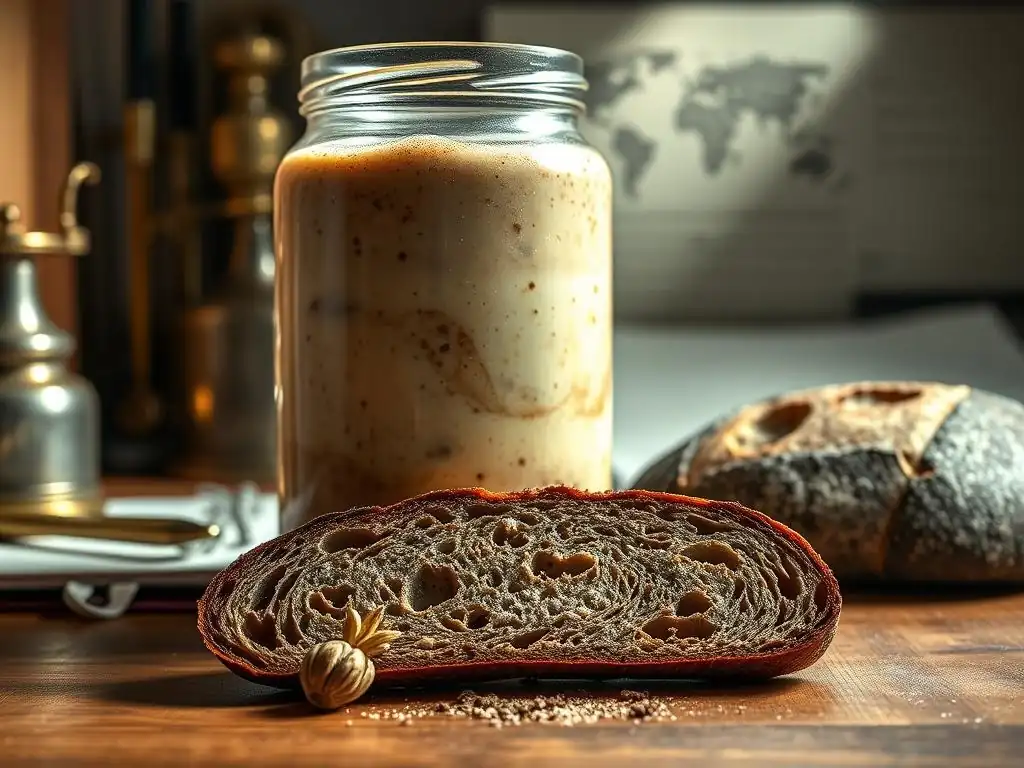
Welcome to BakeWithEase, your haven for baking brilliance! Ever wondered what makes sourdough rye so irresistibly tangy and complex? Prepare to unlock the secrets of the sourdough rye fermentation process and discover the fascinating science behind this age-old bread. Dive in and let's explore how simple ingredients transform into a flavorful masterpiece – you might just surprise yourself!
- Introduction to Sourdough Rye Bread and Fermentation
- The Microbiology of Sourdough Rye Starter
- The Chemistry of Rye Fermentation
- Factors Influencing Sourdough Rye Fermentation
- Troubleshooting Common Rye Sourdough Fermentation Issues
- Optimizing Your Sourdough Rye Fermentation Process
- Baking with Ease: A Sourdough Rye Fermentation Guide
- Conclusion: Mastering the Art of Sourdough Rye Fermentation
-
Frequently Asked Questions
- What makes the sourdough rye fermentation process unique?
- How does temperature affect the sourdough rye fermentation process?
- What role does the starter play in sourdough rye fermentation?
- What are the key ingredients besides rye flour and water in a sourdough rye recipe?
- How can I troubleshoot common problems during sourdough rye fermentation?
- Final Reflection: The Enduring Magic of Sourdough Rye
- Unleash Your Inner Sourdough Baker!
Introduction to Sourdough Rye Bread and Fermentation
What is Sourdough Rye Bread? A Baker's Introduction
Sourdough rye bread is a traditional loaf made using a sourdough starter, where a portion of the flour used is rye. Unlike loaves made solely with wheat flour, rye bread often has a denser crumb, a tangier flavor, and a darker color, especially when using darker rye flours. The unique properties of rye flour significantly influence the entire sourdough rye fermentation process, making it distinct from wheat-based sourdough baking.
Creating sourdough rye bread involves cultivating a vibrant community of wild yeasts and lactic acid bacteria within a starter, typically a mix of rye flour and water. This starter is then used to leaven the dough, initiating the sourdough rye fermentation process. The microbial activity consumes sugars in the flour, producing carbon dioxide gas that makes the bread rise, along with organic acids that develop the characteristic sour flavor and improve the bread's keeping qualities.
The Unique Characteristics of Rye Flour in Sourdough
Rye flour differs significantly from wheat flour in its protein composition. While wheat relies heavily on gluten proteins (glutenin and gliadin) for structure, rye contains much less gluten-forming protein. Instead, rye is rich in pentosans, complex carbohydrates that absorb large amounts of water and become quite viscous. This high pentosan content affects dough handling and structure development during the sourdough rye fermentation process.
The presence of active enzymes, particularly amylase, is also higher and remains more active in rye flour than in wheat, even in the presence of acid. Amylase breaks down starch into sugars, which are then consumed by the yeast and bacteria. However, excessive amylase activity can lead to a gummy crumb. The acidity produced during the sourdough rye fermentation process helps to control these enzymes, striking a balance crucial for good texture and flavor.
Understanding the Sourdough Rye Fermentation Process: An Overview
The sourdough rye fermentation process is a complex interplay between flour, water, time, temperature, and the microbial population within the starter. It begins when the active sourdough starter is mixed with fresh flour (often a mix of rye and other flours) and water to form the dough. This initiates the bulk fermentation phase, where the dough rises and develops flavor.
Following bulk fermentation, the dough is typically shaped and undergoes a final proofing period. This can be done at room temperature or in a cooler environment (retarding) to further develop flavor. Throughout both bulk and final proofing, the microbes are actively working, producing gas, acids, and various aromatic compounds. Understanding and controlling these stages is key to a successful sourdough rye fermentation process.
The Microbiology of Sourdough Rye Starter
The Key Players: Bacteria and Yeast in Rye Sourdough
A thriving sourdough starter is a symbiotic ecosystem dominated by lactic acid bacteria (LAB) and wild yeasts. While many species can be present, Lactobacillus sanfranciscensis is a common and well-studied LAB species found in many starters, often coexisting with yeasts like Saccharomyces cerevisiae (the baker's yeast found in commercial packets, but in its wild form) or other wild yeasts like Candida milleri. The specific species present can vary based on the flour used, hydration, temperature, and feeding schedule.
In rye sourdough, the microbial community often shifts slightly compared to wheat. Some studies suggest that certain Lactobacillus species, like L. reuteri and L. fermentum, might be particularly well-suited to the rye environment due to the unique carbohydrate profile. These bacteria produce lactic acid and acetic acid, contributing significantly to the sourness and complexity of the final bread. The yeasts are primarily responsible for gas production (CO2), providing leavening power during the sourdough rye fermentation process.
How Rye Flour Impacts Microbial Activity
Rye flour's composition provides a distinct environment for sourdough microbes. Its higher levels of fermentable sugars and different complex carbohydrates compared to wheat can favor certain bacterial and yeast strains. The pentosans, while challenging for dough structure, can serve as a food source for some LAB species, influencing the metabolic pathways and the types of acids produced during the sourdough rye fermentation process.
Furthermore, the higher mineral content in rye flour can also affect microbial activity. Minerals act as cofactors for enzymes involved in fermentation. The lower pH typically achieved in rye sourdoughs (often dropping below 4.0) due to greater acid production also selects for acid-tolerant microbes, shaping the community composition. This unique environment is why a rye starter might behave differently and produce different flavors than a wheat starter, even under similar conditions.
Maintaining a Healthy Rye Sourdough Starter: Best Practices
Maintaining a healthy rye sourdough starter is crucial for consistent results in the sourdough rye fermentation process. Regular feeding is paramount, typically using a ratio of starter, fresh rye flour, and water (e.g., 1:1:1 by weight). Feeding frequency depends on storage temperature; a starter kept at room temperature (around 20-24°C) usually requires feeding every 12-24 hours, while one in the refrigerator (around 4°C) can be fed weekly or even less frequently.
Consistency in feeding ratio, flour type (sticking primarily to rye or a consistent blend), and temperature helps stabilize the microbial population. Signs of a healthy, active starter include significant bubbly activity within a few hours of feeding, doubling or tripling in volume, and developing a pleasant, tangy aroma. An inactive or moldy starter indicates issues that need addressing before attempting the sourdough rye fermentation process with your dough. Discarding a portion before feeding helps manage volume and ensures a sufficient supply of fresh food for the microbes.
The Chemistry of Rye Fermentation
Enzymes at Work: Breaking Down Rye Starches and Sugars
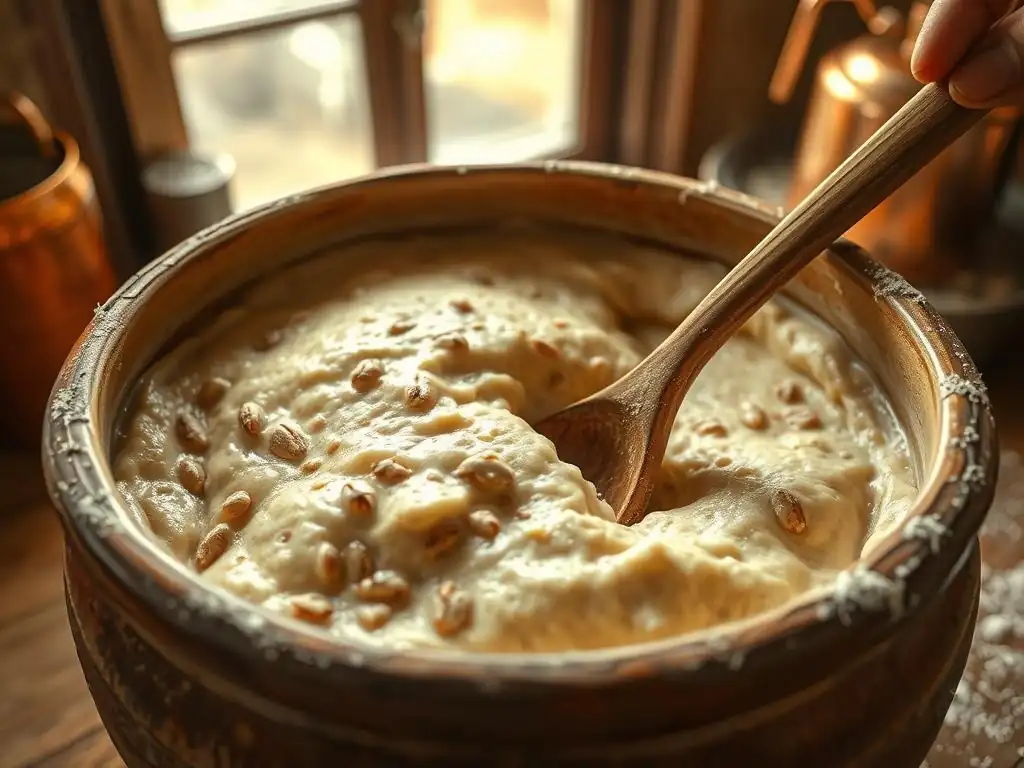
Enzymes naturally present in rye flour play a critical role in the sourdough rye fermentation process. Amylase enzymes are particularly active in rye and break down complex starch molecules into simpler sugars like maltose, glucose, and fructose. These simpler sugars are the primary food source for the yeasts and lactic acid bacteria in the starter and dough.
The activity of these enzymes is highly dependent on temperature and pH. While some amylase activity is desirable for providing food for the microbes, excessive activity can break down too much starch, leading to a gummy or sticky crumb in the final bread. The acidic environment created by the lactic acid bacteria during fermentation helps to temper this enzymatic activity, ensuring that enough starch remains intact to form a proper crumb structure after baking.
The Role of Acetic and Lactic Acid in Rye Sourdough
Lactic acid bacteria (LAB) produce two primary types of acids during the sourdough rye fermentation process: lactic acid and acetic acid. Lactic acid is a milder acid, contributing a clean, yogurt-like tang. Acetic acid is sharper and more volatile, contributing a vinegary note. The ratio of these two acids significantly impacts the final flavor profile of the rye bread.
Heterofermentative LAB strains produce both lactic acid, acetic acid, and carbon dioxide, while homofermentative strains primarily produce lactic acid. Temperature is a key factor influencing which acid is favored. Warmer fermentation temperatures (above 25°C) tend to favor lactic acid production, resulting in a milder sourness. Cooler temperatures (below 20°C) or higher hydration levels often encourage acetic acid production, leading to a more pronounced, sometimes pungent, sourness.
How Fermentation Affects Rye Bread's Flavor and Texture
The sourdough rye fermentation process is the primary driver of flavor and texture development in rye bread. Beyond gas production for leavening and acid production for sourness, the microbes produce a vast array of volatile organic compounds, including alcohols, esters, aldehydes, and ketones. These compounds contribute to the complex aromas and flavors characteristic of well-fermented rye sourdough.
The acids produced also impact the dough's physical properties. They weaken the structure-building proteins in rye (pentosans and limited gluten), making the dough less elastic but more extensible. The lower pH also helps activate enzymes that modify the starch and protein network. This acidic environment, coupled with the limited gluten development inherent in rye, is why rye bread tends to have a denser, more compact crumb compared to wheat bread, and why controlling the sourdough rye fermentation process is vital for preventing a gummy texture.
Factors Influencing Sourdough Rye Fermentation
Temperature's Impact on Rye Sourdough Activity
Temperature is perhaps the most critical factor controlling the rate and outcome of the sourdough rye fermentation process. Microbial activity is highly dependent on temperature. Yeast activity for leavening is generally optimal between 24-28°C, while lactic acid bacteria are active across a broader range, with different species having different optima.
As mentioned earlier, the ratio of lactic to acetic acid produced by LAB is strongly influenced by temperature. Fermenting rye dough at warmer temperatures (e.g., 26°C) will accelerate gas production and favor lactic acid, leading to a quicker rise and milder flavor. Cooler temperatures (e.g., 18-20°C) slow down fermentation, favoring acetic acid production and allowing for longer flavor development. Understanding how temperature affects the sourdough rye fermentation process is essential for controlling both rise and flavor.
Hydration Levels in Rye Sourdough: Achieving the Right Balance
Hydration, the ratio of water to flour in the dough, significantly impacts the sourdough rye fermentation process. Rye flour absorbs a large amount of water due to its high pentosan content, often requiring higher hydration levels than wheat doughs to achieve a workable consistency. Common hydration for a medium rye loaf might be around 75-85%, while a high-percentage rye loaf like pumpernickel can exceed 100% hydration (relative to the flour weight).
Higher hydration levels generally accelerate the sourdough rye fermentation process because the microbes have easier access to the dissolved sugars and nutrients. However, very wet rye doughs can be challenging to handle and shape due to the lack of a strong gluten network. Finding the right hydration level is crucial for managing both the fermentation rate and the dough's physical properties, impacting the final texture and rise.
Salt's Role in Controlling Rye Fermentation
Salt (sodium chloride) is a necessary ingredient in bread baking, not just for flavor but also for controlling the sourdough rye fermentation process. Salt slows down both yeast activity (gas production) and bacterial activity (acid production). A typical salt percentage in rye bread is around 1.8% to 2.2% of the total flour weight.
Adding salt helps regulate the pace of fermentation, preventing the dough from rising too quickly and allowing for better flavor development. It also strengthens the dough structure, which is particularly important in rye bread where gluten development is limited. Without salt, fermentation can proceed too rapidly, potentially leading to an over-proofed dough with poor structure and less complex flavor.
The Impact of Dough Mixing on Rye Sourdough Development
While vigorous kneading is crucial for developing gluten in wheat doughs, rye dough requires a gentler approach. Over-mixing rye dough can damage the pentosan network and lead to a sticky, unmanageable mess. Mixing rye dough, especially high-percentage rye, is primarily about combining the ingredients thoroughly and distributing the starter evenly to initiate the sourdough rye fermentation process uniformly.
For rye doughs, a short mixing time (often just a few minutes) is sufficient. The focus is less on physical development through kneading and more on allowing the biochemical processes of fermentation to develop structure and flavor over time. Proper hydration and sufficient rest periods during the sourdough rye fermentation process are more critical for rye dough structure than intense mixing.
Troubleshooting Common Rye Sourdough Fermentation Issues
Slow Fermentation: Causes and Solutions
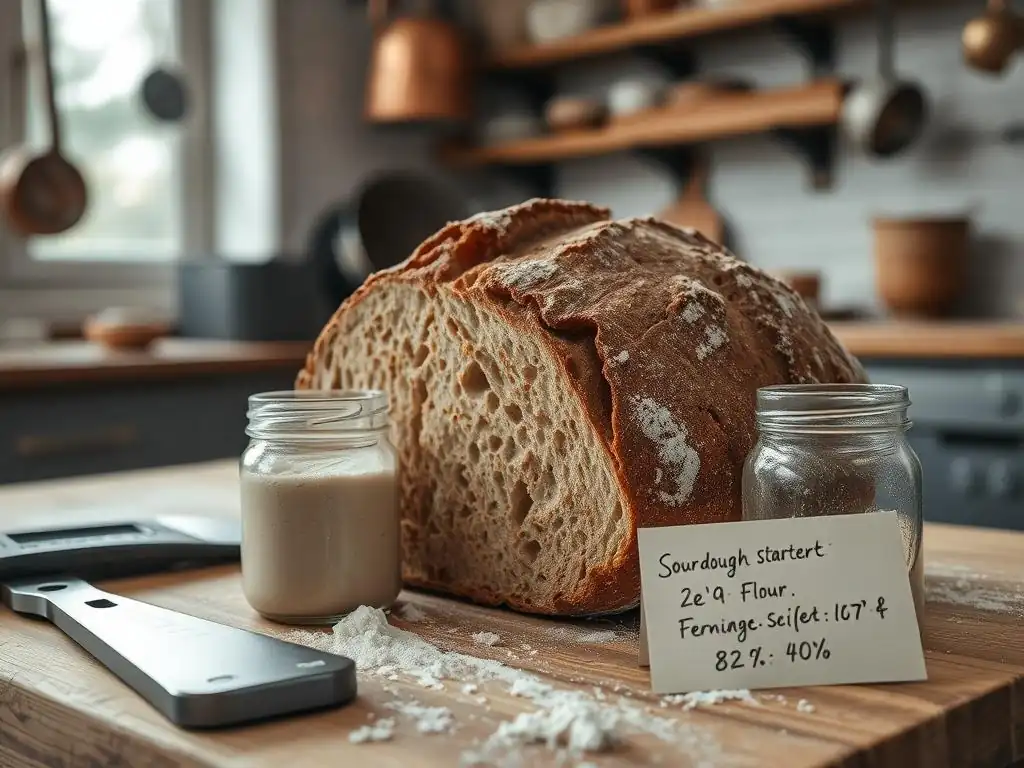
Slow sourdough rye fermentation can be frustrating. Common causes include a weak or inactive starter, a low ambient temperature, or insufficient hydration. If your starter isn't bubbly and active after feeding, it might need more consistent feeding at a warmer temperature (22-25°C) to strengthen it.
If the starter is active but the dough is slow, check the dough temperature. Rye dough ferments well between 20-25°C. If your kitchen is cooler, find a warmer spot (like inside a microwave with the light on) or use warmer water when mixing the dough. Ensure you are using the correct amount of starter for the recipe; typical inoculation rates range from 10-30% of the total flour weight.
Over-Fermentation: Identifying and Preventing It
Over-fermented rye dough is characterized by a very slack, often sticky texture, a strong, overly acetic (vinegary) smell, and poor oven spring. This happens when the sourdough rye fermentation process proceeds too quickly or for too long, exhausting the available sugars and potentially damaging the dough structure. High temperatures and excessive starter quantities can contribute to over-fermentation.
To prevent over-fermentation, monitor your dough closely, especially in warm conditions. Learn to recognize the signs of readiness (often a slight doming and increase in volume, but not necessarily doubling, especially with high rye percentages). Reducing the amount of starter used, lowering the dough temperature by using cooler water, or shortening the fermentation time are effective strategies. Retarding the final proof in the refrigerator is also a great way to slow things down.
Dealing with Unpleasant Flavors in Rye Sourdough
Unpleasant flavors, such as excessive acidity, bitterness, or even off-flavors, can arise during the sourdough rye fermentation process. High acetic acid levels, leading to a sharp, vinegary taste, are often caused by fermenting at cooler temperatures or for extended periods, particularly in a stiff starter or dough.
If your starter or dough is too acetic, try feeding your starter more frequently with warmer water (around 25°C) to encourage lactic acid production. Ensure your starter is well-fed and active before using it. Bitterness can sometimes come from the bran in whole rye flour if fermentation conditions aren't optimal or if the starter isn't balanced. Maintaining a healthy, regularly fed starter and controlling fermentation temperature are key to achieving a balanced, pleasant flavor.
Pumpernickel Rye Flour and Its Impact on Fermentation
Pumpernickel flour is a very coarse, whole-grain rye flour, often including the outer layers of the grain. Its high bran content and large particle size significantly impact the sourdough rye fermentation process. The bran contains more minerals and enzymes, which can influence microbial activity and enzyme action differently than finer rye flours.
The coarse nature of pumpernickel means it absorbs water more slowly but holds onto it tightly. Doughs made with pumpernickel are typically very dense and sticky. Fermentation with pumpernickel can sometimes be slower initially due to the larger particle size but may finish quickly once activated. The high enzyme levels in pumpernickel require careful management of acidity to prevent gumminess. Recipes using pumpernickel often employ very long, slow fermentation times, sometimes combined with low-temperature baking or steaming, to fully break down the starches and develop characteristic deep flavors and textures.
Optimizing Your Sourdough Rye Fermentation Process
Pre-Ferments and Their Influence on Rye Bread
Using a pre-ferment, such as a rye levain (a portion of the starter built specifically for the dough) or a soaker, can significantly influence the sourdough rye fermentation process and the final bread. A rye levain, built 8-12 hours before mixing the final dough, ensures you are using a starter at its peak activity, leading to a more reliable rise.
Soakers, where some of the rye flour and water (sometimes with salt) are mixed hours before the main dough, allow the rye flour to fully hydrate and enzyme activity to begin. This can improve texture and flavor. Some traditional rye recipes use scalds, where boiling water is poured over rye flour to gelatinize starches; this provides more fermentable sugars and contributes to moisture and sweetness in the crumb, impacting the subsequent sourdough rye fermentation process.
Techniques for Enhancing Rye Flavor and Aroma Through Fermentation
Achieving a complex, desirable rye flavor and aroma is a key goal of the sourdough rye fermentation process. Several techniques can enhance this. Using a high-extraction or whole-grain rye flour provides more nutrients for the microbes, potentially leading to a richer flavor.
Longer, cooler fermentation periods, especially during the final proof (retarding the dough in the refrigerator for 12-48 hours), encourage the production of more acetic acid and complex aromatic compounds. This slower pace allows enzymes more time to break down starches and proteins, contributing to deeper flavors. Using a stiff rye starter (lower hydration) can also favor acetic acid production and different flavor profiles compared to a liquid starter.
Autolyse and Its Role in Rye Sourdough Development
Autolyse is a technique where flour and water are mixed and left to rest before adding the starter and salt. This rest period allows the flour to fully hydrate and enzymes to begin breaking down proteins and starches. In wheat dough, autolyse significantly aids gluten development.
In rye dough, where gluten is minimal, the purpose of autolyse is primarily hydration and allowing the pentosans to swell. A short autolyse (20-30 minutes) can still be beneficial in rye dough to ensure even hydration before the sourdough rye fermentation process begins, making the final mixing easier and potentially improving crumb texture by giving enzymes a head start. However, extended autolyse is generally not recommended for high-percentage rye doughs due to the risk of excessive enzyme activity leading to a gummy texture.
Retarding Dough: Slowing Fermentation for Flavor Development
Retarding the dough, or placing it in a cold environment like a refrigerator (typically 4-8°C) for an extended period (8-48 hours or even longer), is a powerful technique for controlling the sourdough rye fermentation process and enhancing flavor. Cold temperatures dramatically slow yeast activity, inhibiting gas production, but lactic acid bacteria remain relatively active, albeit at a slower pace.
This differential slowing allows acids and flavor compounds to accumulate over a longer time without the dough becoming excessively proofed. Retarding rye dough develops a deeper, more complex sourness and aroma. It also firms up the dough, making it easier to handle and score before baking. It's a common practice for bakers seeking to optimize the flavor profile of their rye sourdough.
Baking with Ease: A Sourdough Rye Fermentation Guide
Step-by-Step Guide to Monitoring Rye Sourdough Fermentation
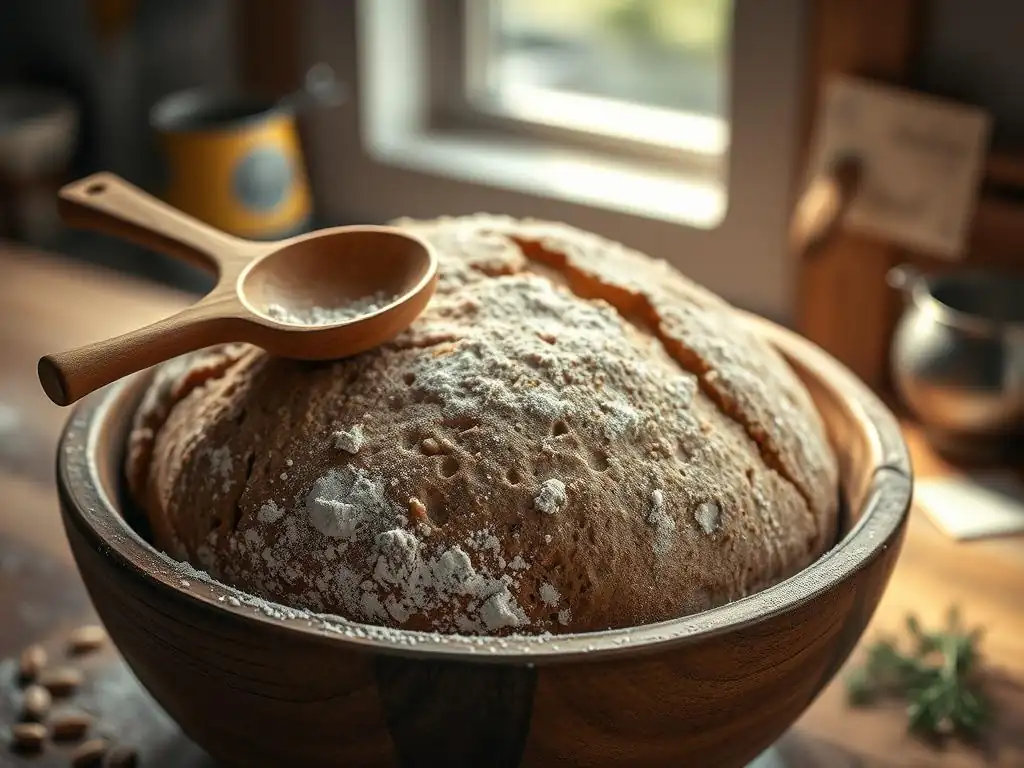
Monitoring the sourdough rye fermentation process requires observation rather than strict adherence to time, as temperature and starter activity vary.
Here’s a basic guide:
- Step 1: Initial Mix: Combine ingredients thoroughly. Dough will be sticky. Note the starting time and dough temperature.
- Step 2: Bulk Fermentation: Place dough in a container. Observe its volume increase. Rye dough may only show a modest increase (e.g., 30-60%) compared to wheat. Look for signs of activity: small bubbles on the surface and along the sides. A poke test might show it slowly springs back. This phase can take 2-6 hours at room temperature (20-24°C).
- Step 3: Shaping: Gently shape the dough. Avoid degassing too much.
- Step 4: Final Proofing: Place dough in a proofing basket. Proof at room temperature (1-3 hours) or retard in the refrigerator (8-48 hours). Watch for a slight puffing and signs the surface is less taut. The poke test might leave a small indentation that springs back slowly.
- Step 5: Prepare for Bake: Score the dough.
Note: Rye dough often doesn't double during bulk fermentation due to limited gluten. Rely more on visual cues like surface bubbles and a slight increase in volume.
Tips for Achieving Consistent Results with Rye Sourdough
Consistency in baking comes from controlling variables. For the sourdough rye fermentation process, this means:
- Use an active, regularly fed starter.
- Maintain consistent hydration levels according to your recipe.
- Control dough temperature during fermentation (using a thermometer helps! ).
- Use a consistent percentage of starter in your dough.
- Record your process: note temperatures, times, and observations. This helps you understand what works and troubleshoot issues.
- Understand your flour: Different rye flours (light, medium, dark, pumpernickel) behave differently.
By paying attention to these factors, you can bring more predictability to the sourdough rye fermentation process and improve your baking outcomes.
Dark Rye Bread Recipe: A Detailed Fermentation Guide
Let's consider a simplified example for a dark rye loaf (approx. 70% rye).
- Ingredients:
- Active Rye Sourdough Starter: 150g
- Dark Rye Flour: 350g
- Strong Bread Flour (Wheat): 150g
- Water (approx. 30°C): 380g (approx. 76% hydration)
- Salt: 10g (2%)
- Process:
- Mix flours and water, autolyse for 30 mins.
- Add starter and salt. Mix gently until combined (2-3 mins). Dough temperature should be around 24°C.
- Bulk Fermentation: Place dough in a lightly oiled container. Ferment at 24°C for 3-4 hours. Observe: Dough should become slightly puffy, with small bubbles visible. It won't double, perhaps increase by 40-50%.
- Shape: Gently shape into a loaf.
- Final Proof: Place in a floured banneton. Proof at room temperature (24°C) for 1-1.5 hours OR retard in the refrigerator (4°C) for 12-16 hours. Observe: Room temperature proof will show a slight puffing. Cold proof will show minimal change but will develop flavor.
- Bake: Bake in a preheated oven.
This example illustrates how specific hydration, temperature, and time targets guide the sourdough rye fermentation process for a particular loaf type.
Conclusion: Mastering the Art of Sourdough Rye Fermentation
The Importance of Understanding the Science Behind Rye Bread
Mastering sourdough rye fermentation is a rewarding journey that deepens your appreciation for the craft of baking. Understanding the science – the unique properties of rye flour, the specific activities of yeasts and bacteria, the role of enzymes and acids, and the impact of external factors like temperature and hydration – empowers you to move beyond simply following recipes.
This knowledge allows you to troubleshoot issues, adjust techniques based on your environment and ingredients, and consistently produce delicious rye bread with desired characteristics. The sourdough rye fermentation process is a living system, and learning to work with it is the key to unlocking the full potential of rye flour in sourdough baking.
Further Resources for Sourdough Rye Bakers
- Consult reliable baking books focusing on rye bread and sourdough.
- Explore online communities and forums dedicated to sourdough baking.
- Experiment with different rye flours and hydration levels.
- Keep detailed notes of your bakes to track variables and results.
By continuously learning and practicing, you'll gain confidence and skill in navigating the fascinating world of sourdough rye fermentation.
Frequently Asked Questions
What makes the sourdough rye fermentation process unique?
The sourdough rye fermentation process is unique due to rye flour's high pentosan content and low gluten levels. This impacts the structure and flavor of the final baked product, requiring specific techniques.
How does temperature affect the sourdough rye fermentation process?
Temperature significantly influences the rate of fermentation. Warmer temperatures accelerate yeast activity and bacterial growth, while cooler temperatures slow it down, impacting flavor development.
What role does the starter play in sourdough rye fermentation?
The starter is crucial as it contains the wild yeasts and lactic acid bacteria responsible for fermentation. These microorganisms convert sugars into acids and gases, creating the characteristic sourdough flavor and texture.
What are the key ingredients besides rye flour and water in a sourdough rye recipe?
While some recipes are simply rye flour, water, and salt, others may include wheat flour to improve gluten development. Additionally, ingredients like caraway seeds can enhance the flavor profile of the rye bread.
How can I troubleshoot common problems during sourdough rye fermentation?
Common issues include a slow rise or overly sour flavor. These problems can be addressed by adjusting temperature, hydration levels, or feeding schedule of the starter, and ensuring proper fermentation time.
Final Reflection: The Enduring Magic of Sourdough Rye
The intricate dance of wild yeasts and bacteria in sourdough rye fermentation isn't just a culinary process; it's a living testament to the power of nature's ingenuity. Understanding this process, as detailed in this article, is not merely an academic exercise, but a key to unlocking deeper flavor, texture, and ultimately, a more sustainable approach to baking. The increasing interest in sourdough reflects a growing desire for authenticity and connection to traditional food production methods.
The journey of sourdough rye fermentation, from initial starter creation to the final loaf, is a microcosm of the larger story of human interaction with the natural world. It's a humbling experience to witness the transformation of simple ingredients into something so complex and delicious. This process, passed down through generations, embodies a deep respect for the slow, deliberate rhythms of nature. The best things in life are worth waiting for,
a sentiment perfectly encapsulating the patience and care required for successful sourdough rye fermentation. This patience, however, is rewarded with a bread that is far more than just sustenance; it's a tangible link to our culinary heritage.
Now, consider your own relationship with food. Are you ready to embrace the slow, mindful process of sourdough rye fermentation? Perhaps you'll start a starter today, embarking on your own journey of discovery. Or maybe you'll simply appreciate the next slice of sourdough rye bread with a newfound understanding of the artistry and science behind its creation. Regardless, I hope this exploration has inspired you to look beyond the finished product and appreciate the fascinating world of microorganisms that contribute to the magic of sourdough. The journey of fermentation is a journey of discovery, and the rewards are immeasurable.
Unleash Your Inner Sourdough Baker!
Thanks for diving deep into the fascinating world of sourdough rye fermentation! You've now unlocked valuable knowledge to elevate your baking game. Ready to put it into practice?
- Craft your own sourdough rye starter: This is the heart of it all! Follow the step-by-step guide in the article and document your journey.
- Share your sourdough creations: Show off your beautiful loaves on social media using #BakeWithEaseRye. We'd love to see your results!
- Experiment with different rye flour blends: Explore variations in flavor and texture. What unique rye bread will you bake next?
What surprising flavors or textures will you discover in your next sourdough rye adventure?