
HighQuality Dark Chocolate for Beginners: A Simple Guide

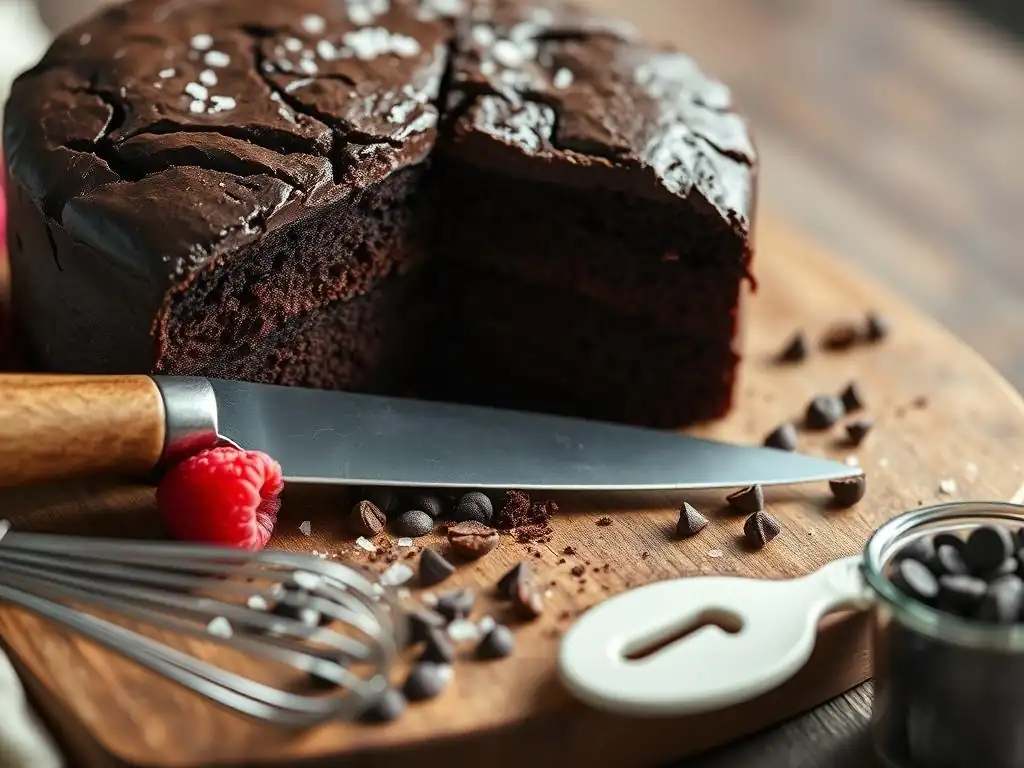
Welcome to BakeWithEase, your guide to unlocking the delicious world of baking! Ever wondered how to elevate your desserts with the rich, complex flavor of high-quality dark chocolate? This guide is specifically designed for dark chocolate baking beginners, demystifying the process and revealing the secrets to creating unforgettable treats. Intrigued? Let's dive in and discover how simple it is to bake like a pro, even with this sophisticated ingredient!
- Understanding Dark Chocolate for Baking: A Beginner's Introduction
- Choosing the Right Dark Chocolate: A Buyer's Guide for Beginners
- Top Dark Chocolate Brands for Baking Beginners: Recommendations and Reviews
- Where to Buy High-Quality Dark Chocolate for Baking
- Storing Dark Chocolate Properly: Preserving Flavor and Quality
- Using Dark Chocolate in Baking: Tips and Techniques for Beginners
- Dark Chocolate Baking Recipes for Beginners: Start with These Simple Treats
- Beyond the Basics: Exploring Different Types of Dark Chocolate
- Conclusion: Mastering Dark Chocolate Baking with Confidence
-
Frequently Asked Questions
- What makes dark chocolate a good choice for baking, especially for beginners?
- What percentage of cocoa is recommended for dark chocolate when baking as a beginner?
- Where can I find high-quality dark chocolate for baking, and what should I look for on the label?
- How do I properly melt dark chocolate for baking to avoid burning or seizing?
- What are some easy dark chocolate baking recipes perfect for beginners?
- Final Reflection: Unlocking the Richness of Dark Chocolate
- Unlock the Richness: Your Dark Chocolate Journey Begins Now!
Understanding Dark Chocolate for Baking: A Beginner's Introduction
What is Dark Chocolate? A Baker's Perspective
From a baker's point of view, dark chocolate is a delightful ingredient primarily composed of cocoa solids, cocoa butter, and sugar. Unlike milk chocolate, it contains little to no milk solids, resulting in a richer, more intense cocoa flavor. The exact composition varies greatly between brands and types, but generally, dark chocolate must contain at least 35% cacao solids by weight. This cacao content is the key indicator of its flavor profile and bitterness level, crucial knowledge for dark chocolate baking beginners. A higher percentage usually means a more intense cocoa flavor and less sweetness.
Understanding this basic composition helps new bakers choose the right chocolate for their recipes. For instance, a dark chocolate with 70% cacao will behave and taste very differently in a brownie than one with 50% cacao. The higher percentage will contribute more bitterness and a deeper chocolate note, while the lower percentage will be sweeter and milder. As you embark on dark chocolate baking, experimenting with different percentages is a great way to discover how they impact the final product.
Why Use High-Quality Dark Chocolate in Baking? Taste & Texture Differences
Using high-quality dark chocolate can dramatically elevate your baked goods. The superior flavor comes from better quality cocoa beans and processing methods. Cheaper chocolates often use lower-quality beans, less cocoa butter, and more sugar or vegetable fats, which can result in a waxy texture and a less complex, sometimes even artificial, chocolate taste. High-quality dark chocolate, rich in cocoa butter, melts smoothly and evenly, contributing to a luxurious texture in ganaches, mousses, and melted applications.
Consider the difference between a brownie made with standard baking chips versus one made with chopped high-quality dark chocolate. The latter will likely have a deeper, more nuanced chocolate flavor, a fudgier texture due to the higher cocoa butter content, and a more appealing sheen. The subtle fruity, nutty, or earthy notes present in fine dark chocolate add layers of complexity that simple chocolate cannot replicate. For dark chocolate baking beginners, starting with good ingredients sets you up for success and helps you appreciate the nuances of chocolate.
Dark Chocolate vs. Milk Chocolate vs. White Chocolate: Key Baking Considerations
When choosing chocolate for baking, the type you select significantly impacts the outcome. Dark chocolate, with its higher cacao content and lower sugar, provides intense chocolate flavor and structure. It's excellent for recipes where a deep, pure chocolate taste is desired, like lava cakes, truffles, or rich brownies. Milk chocolate contains milk solids and more sugar, making it sweeter and creamier, but less intensely flavored. It's often used in recipes where a milder, sweeter chocolate note is preferred, like certain cookies or frostings.
White chocolate, technically not chocolate as it contains no cocoa solids (only cocoa butter, sugar, and milk solids), is the sweetest and creamiest. It's primarily used for its sweetness, creaminess, and vanilla notes, often paired with fruits or nuts. For dark chocolate baking beginners, understanding these differences is crucial. Using milk chocolate instead of dark in a recipe calling for 70% dark chocolate will result in a much sweeter, less structured, and less intensely flavored product. Always check the recipe's requirement and choose the chocolate type accordingly.
Choosing the Right Dark Chocolate: A Buyer's Guide for Beginners
Decoding Dark Chocolate Percentages: What Do They Mean for Your Baking?
The percentage on a dark chocolate bar or package refers to the total percentage of ingredients derived from the cacao bean. This includes cocoa solids (which provide flavor and color) and cocoa butter (which provides richness and smooth texture). A 60% dark chocolate, for example, contains 60% cacao-derived ingredients and 40% sugar and other additives (like vanilla or lecithin). A 75% dark chocolate contains 75% cacao and only 25% sugar and additives.
For dark chocolate baking beginners, these percentages are your guide to flavor intensity and sweetness. Lower percentages (around 50-60%) are sweeter and less bitter, great for cookies, milkier ganaches, or recipes where you want a milder chocolate flavor. Higher percentages (70% and up) are more bitter, less sweet, and have a stronger, more complex cocoa flavor, ideal for rich brownies, cakes, or sophisticated truffles. Some recipes specify a percentage, while others allow flexibility – understanding the percentage helps you predict the outcome.
Understanding Cacao Content and its Impact on Flavor
Cacao content is the primary driver of dark chocolate's flavor profile. The higher the percentage, the more pronounced the cocoa flavor and the less sweet the chocolate will be. Beyond just bitterness, different cacao percentages can reveal various subtle notes depending on the origin and processing of the beans. For instance, a 70% dark chocolate might have fruity undertones, while an 80% might lean towards earthy or nutty notes.
Think of it like coffee or wine; the terroir and processing influence the final taste. As a beginner exploring dark chocolate for baking, paying attention to the cacao percentage helps you understand why one batch of brownies tastes different from another, even if you used the same recipe but different chocolate. Starting with a versatile 60-70% range is often recommended for dark chocolate baking beginners, as it offers a good balance of flavor and sweetness suitable for many applications.
Identifying Good Quality Dark Chocolate: Appearance, Smell, and Snap
You can often tell if dark chocolate is high-quality before you even taste it. Appearance: Good dark chocolate should have a smooth, glossy surface with no streaks or bloom (a white, powdery coating caused by improper storage, though sometimes bloom doesn't affect baking performance as much). Smell: It should have a rich, pure chocolate aroma, free from any chemical or artificial smells. The smell should be inviting and hint at the flavor complexity within.
Snap: When you break a piece of high-quality dark chocolate at room temperature, it should produce a clean, sharp snap. This indicates proper tempering (a process that stabilizes cocoa butter crystals) and a good ratio of cocoa butter to cocoa solids. Chocolate that bends or crumbles without a distinct snap may indicate lower quality ingredients or improper handling. These simple tests are helpful indicators for dark chocolate baking beginners when selecting ingredients.
Common Mistakes Beginners Make When Choosing Dark Chocolate
One of the most frequent errors dark chocolate baking beginners make is grabbing the cheapest chocolate available, often labeled "baking chocolate" but containing minimal cocoa butter and potentially added vegetable fats. While these might melt easily, they compromise flavor and texture. Another mistake is ignoring the cacao percentage, leading to unexpected sweetness or bitterness in the final product. A recipe calling for 70% dark chocolate will be too sweet and perhaps greasy if you substitute a compound chocolate or a 50% bar.
Choosing chocolate chips specifically designed to hold their shape during baking instead of using chopped bar chocolate for melting or ganache is another common pitfall. Baking chips contain stabilizers that prevent them from melting completely, which is great for cookies but terrible for smooth sauces or mousses. Lastly, assuming all dark chocolate is the same is a mistake; exploring different brands and percentages is key to finding what works best for your specific dark chocolate baking needs.
Top Dark Chocolate Brands for Baking Beginners: Recommendations and Reviews
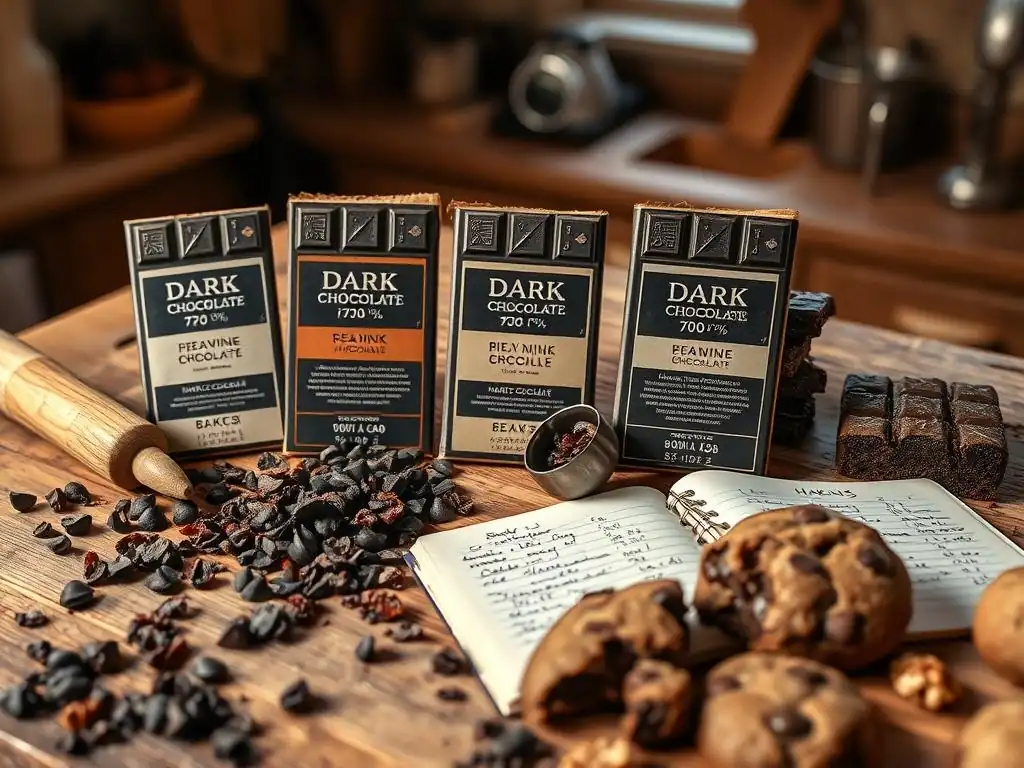
Ghirardelli: A Widely Available and Versatile Option
Ghirardelli is a popular brand widely available in most grocery stores, making it an accessible choice for dark chocolate baking beginners. They offer a range of dark chocolate products, including chips, melting wafers, and baking bars, in various cacao percentages like 60%, 70%, and often a "semi-sweet" that functions like a milder dark. Their consistent quality and ease of finding make them a reliable go-to for many basic baking projects.
Key Features of Ghirardelli for Baking
Ghirardelli's dark chocolate products are known for their consistent melting properties, which is essential for sauces, ganaches, and melted chocolate additions. Their chips, while designed to hold shape, still melt relatively smoothly compared to some other brands if given enough heat. The flavor profile is generally reliable – a classic, approachable dark chocolate taste that pairs well with many different ingredients without being overly complex or challenging for a beginner's palate.
Pros and Cons of Using Ghirardelli
Pros:
- Widely available and easy to find.
- Reasonably priced for the quality.
- Consistent performance in baking.
- Offers various forms (chips, bars, wafers) and percentages.
- Good starting point for dark chocolate baking beginners.
Cons:
- Flavor profile is less complex than premium brands.
- Contains lecithin and sometimes other emulsifiers, which some purists avoid.
- Chips contain stabilizers that affect melting compared to bars.
Best Recipes to Use Ghirardelli With
Ghirardelli dark chocolate is perfect for classic recipes where reliable performance and a straightforward chocolate flavor are needed.
- Chocolate chip cookies (using their chips or chopped bars).
- Basic dark chocolate brownies.
- Simple chocolate ganache for glazes or fillings.
- Muffins or quick breads with chocolate chunks.
- Chocolate sauces for ice cream or dipping.
Valrhona is a highly respected French chocolate manufacturer known for its couverture chocolate, favored by professional pastry chefs. While more expensive and less widely available than brands like Ghirardelli, exploring a premium option like Valrhona's Guanaja 70% is a treat for dark chocolate baking beginners ready to invest in flavor. It's a 'grand cru' chocolate, meaning the beans come from a specific, high-quality region.
Key Features of Valrhona Guanaja 70% for Baking
Valrhona Guanaja 70% is a couverture chocolate, meaning it has a high percentage of cocoa butter (around 40-42% in a 70% bar, compared to perhaps 30-35% in standard dark chocolate). This high cocoa butter content makes it melt exceptionally smoothly and evenly, ideal for tempering, molding, and creating silky-smooth ganaches and mousses. Its flavor profile is complex, often described as intensely bitter yet balanced, with floral and fruity notes.
Pros and Cons of Using Valrhona Guanaja 70%
Pros:
- Exceptional, complex flavor profile.
- Melts beautifully due to high cocoa butter content (couverture).
- Produces glossy, smooth results in melted applications.
- Considered professional-grade quality.
Cons:
- Significantly more expensive than supermarket brands.
- Less widely available; may require ordering online or visiting specialty stores.
- Intense flavor might be too bold for some palates or certain recipes.
- Requires careful handling due to high cocoa butter content (more susceptible to bloom if stored improperly).
Best Recipes to Use Valrhona Guanaja 70% With
Valrhona Guanaja 70% shines in recipes where the chocolate flavor is the star and requires a smooth, luxurious texture.
- Sophisticated chocolate truffles.
- Rich, decadent chocolate mousse.
- Velvety smooth ganache for tarts or cakes.
- Tempered chocolate for dipping or decorating.
- High-end flourless chocolate cake.
Scharffen Berger: A Bold and Flavorful Choice for Baking
Scharffen Berger, an American craft chocolate maker now part of the Hershey company, is known for its focus on bean-to-bar production and bold, intense dark chocolate flavors. They offer various percentages, often starting around 70% and going higher. Their chocolate has a distinct, robust cocoa flavor, making it a great option for dark chocolate baking beginners looking for something with more character than standard supermarket fare, but perhaps not as delicate as some European brands.
Key Features of Scharffen Berger for Baking
Scharffen Berger's dark chocolate is characterized by its deep, sometimes slightly bitter, but always intense cocoa flavor. Their 70% cacao bar, for example, has a prominent roasted cocoa note. Like Valrhona, they offer high-quality bars that melt well, though perhaps with a slightly less fluid consistency than true couverture. Their chocolate is known for holding its flavor well when baked, ensuring the chocolate notes come through clearly in the final product.
Pros and Cons of Using Scharffen Berger
Pros:
- Bold, intense, and pure cocoa flavor.
- Good melting properties for baking.
- Relatively easier to find than some other premium brands (available in many gourmet grocery stores).
- Focus on bean-to-bar quality.
Cons:
- Can be more expensive than standard grocery store brands.
- Flavor profile might be too intense or slightly bitter for those who prefer sweeter chocolate.
- Availability can vary by region.
Best Recipes to Use Scharffen Berger With
Scharffen Berger is ideal for recipes where a strong, uncompromised dark chocolate flavor is desired.
- Intensely flavored dark chocolate brownies.
- Molten lava cakes.
- Chocolate tarts with a rich filling.
- Recipes where you want the chocolate flavor to stand out against other ingredients.
- Chocolate ice cream base.
Comparing Dark Chocolate Brands: A Quick Reference Table
Here's a simple comparison to help dark chocolate baking beginners decide:
| Feature | Ghirardelli | Valrhona Guanaja 70% | Scharffen Berger |
|---|---|---|---|
| Availability | High (Supermarkets) | Low (Specialty/Online) | Medium (Gourmet Stores) |
| Price Range | Affordable | Premium | Mid-Range to Premium |
| Flavor Profile | Classic, straightforward | Complex, Intense, Fruity/Floral | Bold, Intense, Roasted Cocoa |
| Melting | Consistent, good for general use | Exceptional (Couverture) | Good, intense flavor sustained |
| Best Use | Everyday baking, cookies, brownies | Mousse, Ganache, Truffles, Tempering | Intense brownies, lava cakes, tarts |
| Beginner Friendly | High | Medium (due to price/availability) | High (if bold flavor desired) |
Where to Buy High-Quality Dark Chocolate for Baking
Online Retailers: Amazon, Specialty Chocolate Shops, and More
One of the most convenient ways to source high-quality dark chocolate for baking, especially premium or less common brands, is through online retailers. Websites like Amazon carry a wide selection, including many popular and some gourmet brands. Specialty chocolate shops with online stores are also excellent resources, offering a curated selection of couverture and craft chocolates from around the world. Websites dedicated to baking supplies often stock professional-grade chocolate as well.
Buying online provides access to a greater variety of brands, percentages, and formats (like large blocks or specific callets/wafers). However, factor in shipping costs, especially for smaller orders. Ensure the retailer has proper shipping during warm weather to prevent melting. For dark chocolate baking beginners, exploring online options opens up a world beyond the local grocery aisle.
Local Grocery Stores: What to Look for on the Shelves
Even your local supermarket likely carries options suitable for dark chocolate baking beginners. Look beyond the standard chocolate chip aisle. Head to the baking section for baking bars (often 4oz or 8oz sizes) from brands like Ghirardelli, Baker's, or sometimes even higher-end options depending on the store. The candy aisle might also surprisingly hold good quality bars from brands like Lindt, Endangered Species, or Theo Chocolate, which can be chopped and used in baking.
When browsing, check the ingredients list – cocoa mass/liquor, cocoa butter, and sugar should be among the first ingredients. A higher percentage (60%+) usually indicates a better choice for dark chocolate baking. Avoid anything listing vegetable oil or hydrogenated fats prominently. Look for bars labeled with specific cacao percentages, as this gives you control over the sweetness and intensity in your baking.
Tips for Buying Dark Chocolate in Bulk for Baking
If you find yourself frequently baking with dark chocolate, buying in bulk can be cost-effective. Many specialty online retailers and restaurant supply stores sell dark chocolate in larger formats like 1kg (2.2lb) or 5kg blocks or large bags of callets (small drops or wafers). Callets are particularly convenient as they are pre-portioned for easy melting.
Before buying in bulk, ensure you have a proper storage plan (cool, dark, dry place). Calculate how much you realistically use before it potentially declines in quality (though dark chocolate lasts a long time if stored correctly). Buying a 1kg bag of 70% callets might be perfect if you bake weekly, but perhaps overkill if you only bake once a month. For dark chocolate baking beginners, buying bulk might be a step for later, once you've found a favorite chocolate and bake frequently.
Storing Dark Chocolate Properly: Preserving Flavor and Quality
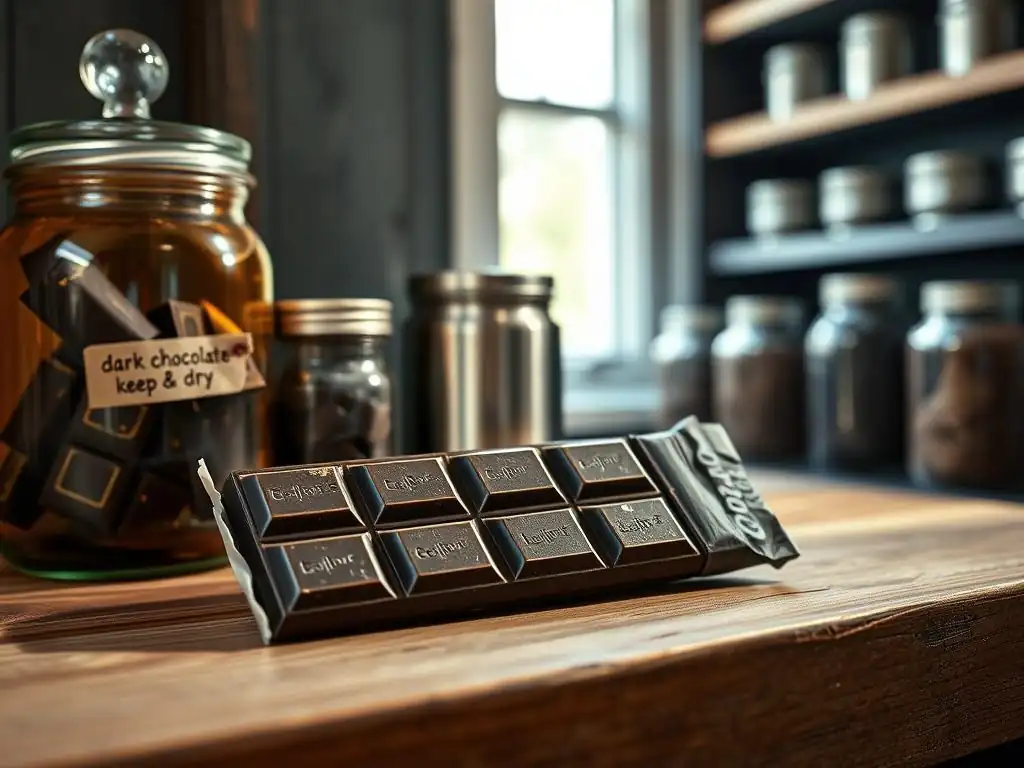
The Ideal Temperature and Humidity for Dark Chocolate Storage
Proper storage is key to maintaining the quality of your dark chocolate. The ideal temperature range is between 60-68°F (15-20°C). Temperatures much higher than this can cause the cocoa butter to melt and separate, leading to bloom. Temperatures that are too cold, especially with fluctuations, can also cause issues. Avoid storing chocolate in the refrigerator unless you live in an extremely hot and humid climate, and even then, seal it very well.
Humidity is also an enemy of chocolate. The ideal relative humidity for storage is below 50%. High humidity can cause sugar bloom (a gritty texture on the surface). Store your dark chocolate in a dry place. A pantry or cupboard away from appliances that generate heat is usually suitable. Keeping it in its original packaging or an airtight container helps protect it from moisture and odors.
Preventing Chocolate Bloom: Keeping Your Chocolate Looking Its Best
Chocolate bloom refers to the grayish or white coating that can appear on the surface of chocolate. There are two types: fat bloom and sugar bloom. Fat bloom happens when cocoa butter melts (due to warmth) and then re-solidifies on the surface. Sugar bloom occurs when moisture condenses on the surface (like taking cold chocolate into a warm, humid room), dissolving sugar which then recrystallizes.
While bloom affects the appearance and can slightly change the texture (making it crumbly or gritty), it generally does not affect the flavor or safety of the chocolate for baking where it will be melted anyway. However, preventing it ensures the best possible quality. Store chocolate at a stable, cool temperature, away from direct sunlight and humidity. Seal opened chocolate tightly to prevent moisture and odor absorption.
How Long Does Dark Chocolate Last? A Baker's Guide to Shelf Life
Dark chocolate has a relatively long shelf life compared to milk or white chocolate due to its lower milk content. If stored properly in a cool, dark, dry place, unopened dark chocolate can last for 18-24 months or even longer past its 'best by' date. The high antioxidant content in dark chocolate helps preserve it.
Once opened, it's best to use dark chocolate within 6-12 months for optimal flavor, though it may still be safe to use longer if stored correctly. While it won't necessarily 'go bad' in a way that makes you sick, its flavor can degrade over time, becoming less vibrant or absorbing off-odors. For dark chocolate baking beginners, it's a good practice to use your chocolate within a year of purchase to ensure the best results.
Using Dark Chocolate in Baking: Tips and Techniques for Beginners
Tempering Dark Chocolate: Achieving a Smooth and Glossy Finish
Tempering is the process of carefully melting and cooling chocolate to specific temperatures to stabilize the cocoa butter crystals. This results in chocolate that is shiny, snaps cleanly, and doesn't melt easily at room temperature. While not strictly necessary for all baking applications (like melting it into a batter), it's essential for dipping, molding, or creating decorations where you want a professional, non-blooming finish.
For dark chocolate baking beginners, tempering might seem intimidating, but the simplest method is seeding: melt about two-thirds of your chopped dark chocolate gently, then stir in the remaining one-third (the "seed") off the heat. The seed chocolate helps cool and properly crystalize the melted chocolate. Stir until all is melted and the temperature drops to the correct working temperature (around 88-91°F or 31-33°C for dark chocolate). It requires practice, but the results are worth it for applications like dipping truffles or making chocolate bark.
Melting Dark Chocolate: Avoiding Seizing and Burning
Melting dark chocolate correctly is crucial for smooth results. The most common methods are using a double boiler or a microwave. With a double boiler, place chopped chocolate in a heatproof bowl set over a pot of simmering water (the bottom of the bowl should not touch the water). Stir gently until melted and smooth. The steam provides gentle, even heat.
When using a microwave, place chopped chocolate in a microwave-safe bowl and heat in short intervals (30 seconds at a time), stirring thoroughly after each interval. This prevents hot spots and burning. Stirring distributes the heat and helps the residual heat melt the remaining chunks. Never add water to melting chocolate, as even a tiny amount can cause it to "seize" – turning into a thick, grainy paste. For dark chocolate baking beginners, melting slowly and patiently is the key to success.
Incorporating Dark Chocolate into Different Baking Recipes
Dark chocolate can be incorporated into recipes in several ways:
- Chopped: Chopping a bar of dark chocolate into chunks is great for cookies, scones, or muffins, providing pockets of melted chocolate.
- Melted: Melted chocolate can be mixed directly into batters (like cakes or brownies), used to make ganache, mousse, or sauces.
- Chips/Wafers: Designed for specific uses, chips are often added whole to cookies, while wafers/callets are ideal for melting due to their uniform size and shape.
When substituting chocolate types or percentages, remember that sweetness and fat content vary. If a recipe calls for 60% and you use 75%, you might need to slightly increase sugar. If using chips instead of chopped bar chocolate for melting, be aware they may not melt as smoothly. For dark chocolate baking beginners, following the recipe's lead on the form of chocolate is a good starting point.
Troubleshooting Common Dark Chocolate Baking Problems
- Seized Chocolate: If your chocolate suddenly turns grainy and stiff while melting, it has likely seized, usually due to contact with water or overheating. Unfortunately, seized chocolate cannot typically be brought back to a smooth liquid for applications like ganache or tempering. You might be able to salvage it for use in brownies or cakes where it will be mixed into a batter, but for smooth finishes, you'll likely need to start over.
- Chocolate Bloom: As mentioned, bloom is usually just cosmetic for baking purposes. Melt the chocolate as usual; the bloom should disappear.
- Burnt Chocolate: Overheated chocolate smells acrid and becomes hard and unusable. This happens easily in the microwave if not stirred or heated too long. There's no saving burnt chocolate; discard and start again, melting more gently.
- Chips Not Melting: If baking chips don't melt fully when added to a batter, it's because they are designed to hold their shape. Use chopped bar chocolate for recipes requiring fully melted or dispersed chocolate.
Dark Chocolate Baking Recipes for Beginners: Start with These Simple Treats
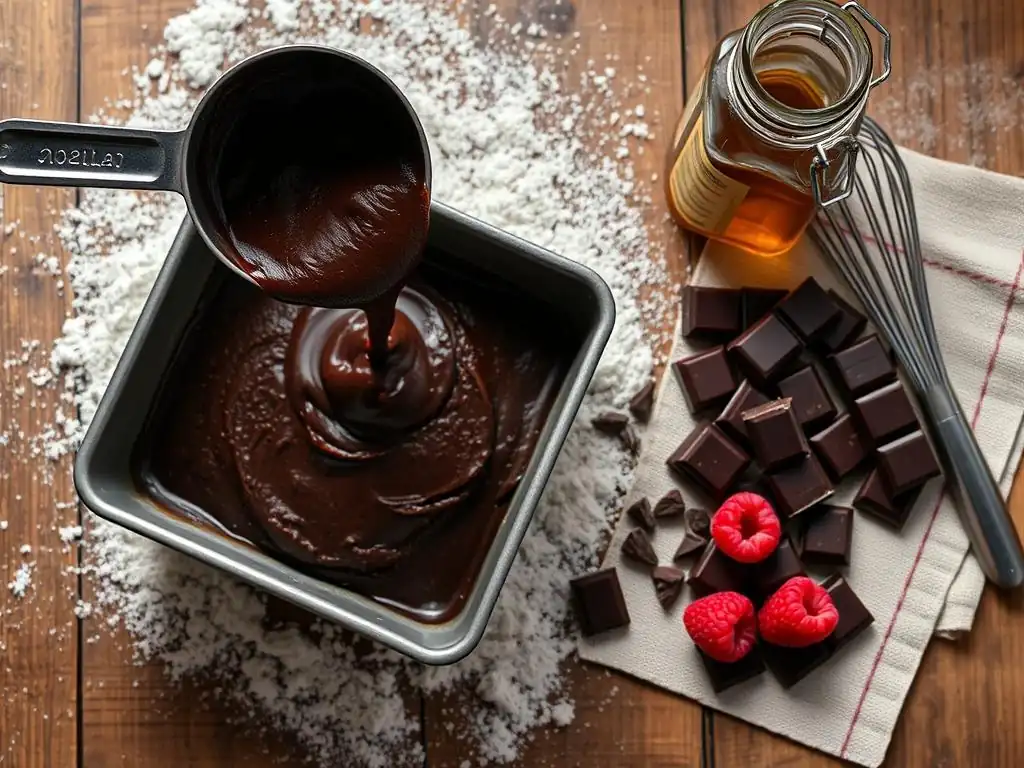
A classic start for dark chocolate baking beginners! Swap out standard milk or semi-sweet chips for high-quality dark chocolate chips (60-70% cacao) or, even better, chopped dark chocolate bars. The slightly bitter notes of the dark chocolate balance the sweetness of the cookie dough perfectly. Use about 10-12 ounces (approx. 280-340g) of chopped dark chocolate or chips for a standard batch using 2 cups of flour. Bake at around 375°F (190°C) for 8-12 minutes until edges are golden.
Simple Dark Chocolate Brownies Recipe
Brownies are incredibly forgiving and a fantastic way to experience the richness of dark chocolate. Many recipes call for melting unsweetened or semi-sweet chocolate with butter. For a richer, more intense flavor, use a 70% dark chocolate. A typical recipe using 1/2 cup (1 stick) of butter and 1 cup of flour might call for 4-6 ounces (approx. 115-170g) of melted dark chocolate. Ensure the chocolate is melted smoothly with the butter before adding to the batter. Bake times vary but are often around 25-35 minutes at 350°F (175°C).
Decadent Dark Chocolate Cake Recipe (Beginner-Friendly)
Look for recipes that use melted dark chocolate or cocoa powder and melted dark chocolate for depth of flavor. A simple one-layer cake or cupcakes are great for beginners. A recipe might use 4 ounces (approx. 115g) of melted 60-70% dark chocolate along with cocoa powder. Ensure the melted chocolate is slightly cooled before adding to the wet ingredients. Baking time for a single layer might be 30-35 minutes at 350°F (175°C). Pair with a simple dark chocolate ganache frosting (equal parts melted dark chocolate and hot heavy cream).
Beyond the Basics: Exploring Different Types of Dark Chocolate
Dark Chocolate Chips vs. Dark Chocolate Bars vs. Dark Chocolate Wafers
As you gain confidence with dark chocolate baking, you'll encounter these different formats. Chips are designed to retain shape when baked, ideal for cookies or trail mix bars. Bars are versatile; they can be eaten as is, chopped for chunks, or melted. High-quality bars often have better flavor than chips. Wafers or callets are small, uniform pieces of couverture chocolate specifically designed for easy, even melting and tempering, preferred by professionals for ganaches, mousses, and molding. For dark chocolate baking beginners, starting with good quality bars for melting and chopping is often recommended.
Single-Origin Dark Chocolate: Exploring Unique Flavor Profiles
Single-origin dark chocolate is made from cacao beans sourced from a specific region or even a single farm. Just like coffee or wine, the origin significantly impacts the flavor. A single-origin bar from Madagascar might have bright, fruity notes, while one from Ecuador could have floral or nutty undertones. Exploring single-origin chocolates allows you to appreciate the complex natural flavors of cacao itself, beyond just "chocolatey." While perhaps not the starting point for dark chocolate baking beginners, it's a wonderful area to explore as you develop your palate and baking skills.
Dark Chocolate Couverture: Understanding its Purpose in Baking
Couverture chocolate is a professional-grade chocolate characterized by a high percentage of cocoa butter (typically 32-39% or more) and fine processing. This higher cocoa butter content makes it melt exceptionally smoothly and fluidly, making it ideal for tempering, dipping, molding, and creating very smooth ganaches, mousses, and glazes. It produces a superior shine and snap when tempered correctly.
Brands like Valrhona, Callebaut, and Guittard (their professional line) offer couverture. While you can bake with it like regular chocolate, its properties are best utilized in applications requiring a very smooth melt and finish. It's a step up for dark chocolate baking beginners looking to achieve professional-level results in specific techniques.
Conclusion: Mastering Dark Chocolate Baking with Confidence
Embrace Experimentation and Find Your Favorite Dark Chocolate
Embarking on the journey of dark chocolate baking is exciting! Don't be afraid to try different brands, percentages, and types of dark chocolate. What works perfectly in one recipe might be different for another. A 60% dark chocolate might be your favorite for cookies, while a 75% might be essential for your perfect brownie. Keep notes on which chocolates you like for which applications. Your palate will develop, and you'll discover nuances you didn't notice before. Every batch is a delicious learning opportunity.
Resources for Further Learning About Dark Chocolate Baking
To deepen your understanding of dark chocolate and its role in baking, continue to read articles, watch baking videos focused on chocolate techniques, and explore cookbooks dedicated to chocolate desserts. Websites like BakeWithEase.com offer step-by-step guides. Consider taking an online baking class that focuses on chocolate. The more you learn about this incredible ingredient, the more successful and enjoyable your dark chocolate baking adventures will be. Happy baking!
Frequently Asked Questions
What makes dark chocolate a good choice for baking, especially for beginners?
Dark chocolate offers a rich flavor and is often easier to work with than milk chocolate because it contains less sugar. It is a great option to incorporate in simple recipes for beginners.
What percentage of cocoa is recommended for dark chocolate when baking as a beginner?
For beginners, a dark chocolate with 50-70% cocoa is generally recommended. This range provides a good balance of sweetness and bitterness, making it easier to control the flavor in your baked goods.
Where can I find high-quality dark chocolate for baking, and what should I look for on the label?
You can find high-quality dark chocolate at most grocery stores, specialty food shops, or online retailers. Look for labels that list cocoa content, and avoid chocolates with excessive additives or artificial flavors.
How do I properly melt dark chocolate for baking to avoid burning or seizing?
The best way to melt dark chocolate is using a double boiler or in the microwave in short intervals, stirring frequently. This prevents the chocolate from overheating and seizing, ensuring a smooth, glossy texture.
What are some easy dark chocolate baking recipes perfect for beginners?
Start with simple recipes like dark chocolate brownies, chocolate chip cookies with dark chocolate chunks, or a dark chocolate ganache for topping cakes. These recipes are relatively straightforward and showcase the flavor of dark chocolate.
Final Reflection: Unlocking the Richness of Dark Chocolate
The world of baking is brimming with possibilities, and dark chocolate, often perceived as intimidating, offers a depth of flavor and complexity that's surprisingly accessible. Mastering its nuances, as this guide has shown, unlocks a world of delicious and sophisticated treats, even for the most novice baker. From understanding cocoa percentages to incorporating it successfully into recipes, the journey into dark chocolate baking is far more rewarding than many initially believe.
This exploration of dark chocolate's versatility has not only broadened my own baking repertoire but has also highlighted its growing cultural significance. Dark chocolate is no longer a niche ingredient; it's become a staple in many kitchens, a symbol of indulgence and a key component in everything from decadent desserts to savory dishes. The best things in life are bittersweet,
a sentiment perfectly encapsulating the allure of dark chocolate's complex flavor profile. Its increasing popularity reflects a growing appreciation for quality ingredients and a desire for richer, more nuanced culinary experiences.
Now, it's your turn. Don't be afraid to experiment! Choose a dark chocolate bar that excites you, follow a recipe, or even better, create your own. The journey of discovering your perfect dark chocolate creation is a delicious one, filled with the satisfaction of creating something beautiful and flavorful. Embrace the challenge, savor the process, and unlock the rich potential waiting within each dark chocolate square.
Unlock the Richness: Your Dark Chocolate Journey Begins Now!
Thanks for taking the time to explore the delicious world of dark chocolate! We hope you discovered some new favorites and gained confidence in choosing the perfect bar. Ready to take your chocolate experience to the next level?
- Indulge in a tasting flight: Select three different dark chocolates (varying percentages) and savor each one, noting the nuances in flavor and texture. This is your chance to become a true chocolate connoisseur!
- Share your newfound knowledge: Recommend your favorite dark chocolate bar to a friend – spread the love (and the deliciousness)!
- Experiment in the kitchen: Try incorporating dark chocolate into your next baking project. Think brownies, cookies, or even a decadent hot chocolate.
What unexpected flavor combinations will you discover with your new dark chocolate expertise?