
Why Your Cakes Aren't Separating: The Magic of Emulsifiers

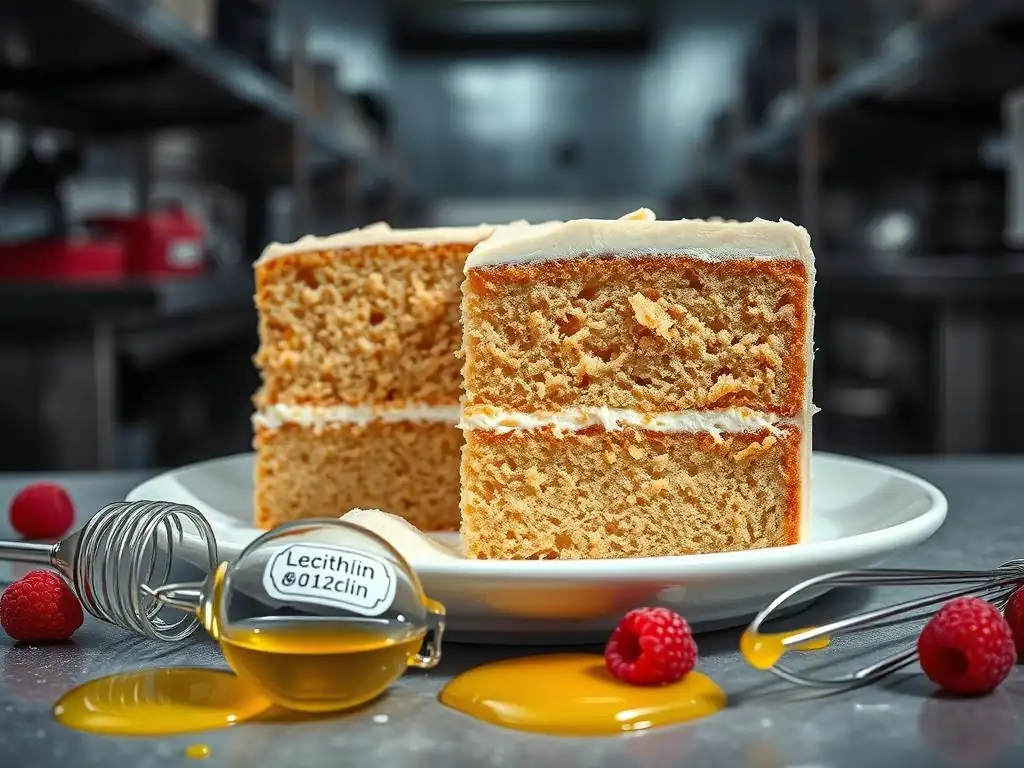
Welcome to BakeWithEase, where baking becomes a delightful journey! Ever wondered why your cake batter sometimes refuses to cooperate, leading to that dreaded emulsifier separation? This week, we're diving deep into the science behind baking, unraveling the mysteries of emulsifiers and how they impact your cakes. Discover the secrets to achieving perfectly smooth batters and flawlessly textured cakes. Let's unlock the magic together and banish separation anxiety from your kitchen!
- Understanding Cake Emulsifier Separation Problems
- The Role of Emulsifiers in Cake Baking
- Troubleshooting Cake Emulsifier Separation
- Choosing the Right Emulsifier for Your Cake
- Advanced Emulsification Techniques for Cake Bakers
- Achieving Perfect Cake Emulsification: A Summary
-
Frequently Asked Questions
- What exactly are emulsifiers in baking, and why are they important for cakes?
- How do emulsifiers prevent cake batter separation during baking?
- What are some common signs that my cake batter is experiencing emulsifier separation problems?
- What are some common mistakes that can lead to emulsifier separation in cake baking?
- Can I fix a cake batter that is already showing signs of emulsifier separation?
- Final Reflection: The Unsung Heroes of a Perfect Cake
- Unleash Your Baking Potential: Mastering Cake Emulsions!
Understanding Cake Emulsifier Separation Problems
Identifying the Signs of Cake Batter Separation
Recognizing the signs of cake batter separation is the first step in addressing cake emulsifier separation problems. Typically, a well-emulsified cake batter should appear smooth, homogenous, and creamy, almost like a thick, pourable custard. Separation, or curdling as it's often called in baking, manifests as a distinctly lumpy or broken texture. You'll notice visible pockets of liquid (often watery or oily) and solid particles (flour and other dry ingredients) that haven't fully integrated.
This visual cue is a clear indicator that the fat and liquid components of your batter are not staying mixed. Instead of forming a stable emulsion, they are reverting to their natural state of being immiscible. This broken state isn't just an aesthetic issue; it significantly impacts the final cake's texture, volume, and overall quality. A batter suffering from cake separation issues will likely produce a cake that is dense, greasy, and unevenly textured, lacking the tender crumb and airy lift characteristic of a properly made cake.
Why Does Cake Batter Separate? Exploring the Science
At its core, cake batter is an emulsion – a mixture of ingredients that naturally resist mixing, primarily fats (like butter or oil) and liquids (like milk, eggs, or water). Oil and water, as we know, don't mix on their own; they'll always try to separate. In baking, we force these ingredients together, and maintaining this forced mixture is crucial. Cake emulsifier separation problems occur when the forces holding this mixture together fail.
This failure often happens when ingredients are at different temperatures, particularly if cold liquid is added to creamed butter and sugar. The cold liquid can cause the fat to seize up and clump, pushing out the liquid instead of incorporating it smoothly. Additionally, adding liquids too quickly overwhelms the batter's capacity to absorb and integrate them, leading to the fat and dry ingredients separating from the excess liquid. Understanding this fundamental science of immiscible liquids is key to preventing cake separation issues before they start.
The Role of Emulsifiers in Cake Baking
What are Emulsifiers? A Baker's Definition
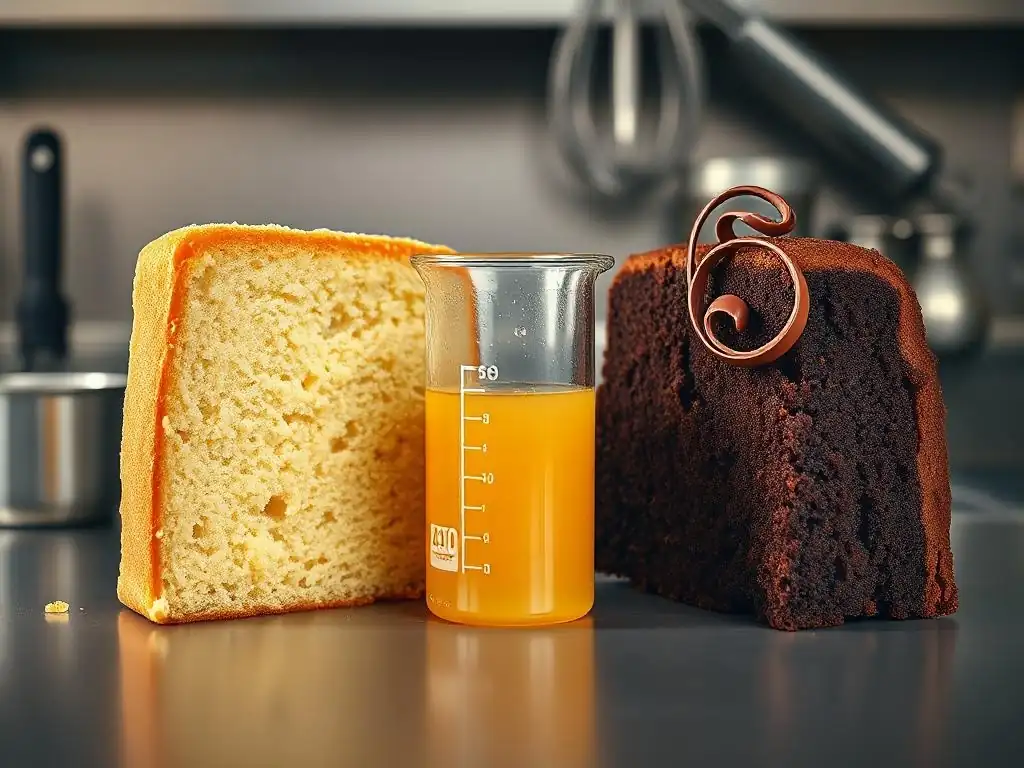
In baking, an emulsifier is a substance that helps two or more immiscible liquids (like oil and water) stay mixed together, creating a stable emulsion. Think of it as a mediator or a bridge molecule. One part of the emulsifier molecule is attracted to water (hydrophilic), and another part is attracted to oil or fat (lipophilic). By positioning themselves at the interface where fat and liquid meet, emulsifiers reduce the surface tension between them and create a stable barrier that prevents the fat droplets from coalescing and separating from the liquid phase.
This crucial function is why emulsifiers are vital for preventing cake emulsifier separation problems. They ensure that the fat is evenly dispersed throughout the batter, interacting properly with the other ingredients like flour, sugar, and leavening agents. Without sufficient emulsification, the batter would quickly break apart, leading to poor texture and structure in the final baked product. Emulsifiers essentially create a smoother, more stable batter that holds together better during mixing and baking.
How Emulsifiers Prevent Cake Batter Separation
Emulsifiers prevent cake batter separation by forming protective coatings or structures around the dispersed fat droplets or water droplets within the continuous phase of the batter. For instance, when creaming butter and sugar, incorporating eggs (a natural emulsifier) helps stabilize the air bubbles trapped during creaming and also helps bridge the gap between the fatty butter and the liquid components that are added later.
As liquids are added, the emulsifier molecules surround the tiny fat particles, allowing them to remain suspended within the watery phase rather than clumping together and separating. This stable suspension ensures that the batter remains homogenous. During baking, this even distribution of fat contributes to a finer crumb structure by interfering with gluten development and coating starch granules, leading to a tender and moist cake. Effective emulsification is the invisible force combating cake emulsifier separation problems and ensuring a smooth batter transforms into a perfect cake.
Types of Emulsifiers Used in Cake Recipes
Bakers utilize various emulsifiers, ranging from natural ingredients commonly found in pantries to specialized commercial additives. Each type has slightly different properties and applications, but they all serve the fundamental purpose of stabilizing the fat-liquid mixture and preventing cake separation issues. Understanding these types helps in choosing the right ingredients or additives for a particular recipe to ensure optimal results.
The choice of emulsifier can impact not only the stability of the batter but also the final texture, volume, and shelf life of the cake. For example, some emulsifiers are particularly good at incorporating air, contributing to a lighter cake, while others primarily focus on preventing fat separation. Knowing the common types helps bakers troubleshoot issues and improve their recipes.
Natural Emulsifiers: Egg Yolks and Honey
Nature provides excellent emulsifiers commonly used in baking. Egg yolks are perhaps the most well-known, thanks to their high lecithin content. Lecithin is a powerful phospholipid molecule with both fat-attracting and water-attracting ends, making it highly effective at stabilizing emulsions. A single large egg yolk contains approximately 2.8 grams of fat, about 10% of which is lecithin. This is why eggs are a staple in many cake recipes; they are crucial in preventing cake emulsifier separation problems by binding the butter or oil with the other liquids.
Honey also contains natural emulsifying compounds, although its emulsifying power is less potent than egg yolks. The complex sugars and small amounts of proteins in honey contribute to stabilizing mixtures and retaining moisture. While not a primary emulsifier in the same way as egg yolks, honey can assist in maintaining a stable batter and contribute to a tender crumb, subtly helping to mitigate cake separation issues in recipes where it's used as a sweetener.
Commercial Emulsifiers: Polysorbate 60, Mono- and Diglycerides
Beyond natural options, commercial emulsifiers are widely used in the food industry and by professional bakers for their consistent and powerful effects. Polysorbate 60, for example, is a synthetic emulsifier often used in cakes and icings to improve texture, volume, and shelf life. It is particularly effective at stabilizing oil-in-water emulsions, helping to keep fat evenly dispersed and preventing cake emulsifier separation problems, especially in high-ratio cakes (cakes with more sugar and liquid than flour).
Mono- and diglycerides are another common class of commercial emulsifiers. These are derived from fats and oils and are highly effective at improving crumb softness, volume, and moisture retention. They work by interfering with the crystallization of fat and starch, creating a finer, more tender crumb and preventing staling. Their ability to integrate fats and liquids makes them invaluable tools in preventing cake separation issues in commercially produced or professionally baked goods, leading to consistently smooth batters and moist cakes.
Troubleshooting Cake Emulsifier Separation
Common Causes of Cake Batter Curdling
Cake emulsifier separation problems, or curdling, often stem from a few common culprits. One of the most frequent causes is temperature difference between ingredients. Adding cold milk or eggs directly into creamed butter and sugar can shock the fat, causing it to solidify and separate from the liquid. The ideal temperature for most cake ingredients is room temperature, typically between 68°F and 72°F (20°C and 22°C), to ensure smooth integration.
Another significant cause is adding liquid ingredients too quickly. When you dump a large volume of liquid into a batter that relies on emulsifiers to hold it together, you can overwhelm the emulsifying capacity, leading to the fat and liquid phases breaking apart. This is particularly true when alternating between adding dry and wet ingredients; adding too much liquid at once before the previous addition is fully incorporated is a recipe for cake separation issues.
Temperature and Ingredient Compatibility: A Crucial Factor
Maintaining the correct temperature of ingredients is arguably the most critical factor in preventing cake emulsifier separation problems. Butter, eggs, and milk should ideally be at room temperature. Room temperature butter creams properly with sugar, creating a stable matrix that can readily accept other ingredients. Room temperature eggs and milk integrate smoothly into this matrix.
When cold ingredients are added, they can cause the fat in the creamed mixture to firm up and expel the liquid, resulting in a curdled appearance. This incompatibility in temperature disrupts the delicate balance of the emulsion. Ensuring all ingredients are properly tempered before combining them significantly reduces the risk of cake separation issues and promotes a smooth, homogenous batter that will bake into a cake with a fine, even crumb.
Mixing Techniques to Avoid Cake Separation
Proper mixing technique is paramount in preventing cake emulsifier separation problems. Simply dumping all ingredients together and mixing might work for some simple recipes, but for richer cakes relying on creaming methods, a structured approach is essential. Over-mixing after adding flour can develop too much gluten, leading to a tough cake, but under-mixing during the emulsification stages (creaming butter/sugar, adding eggs, alternating wet/dry) leads to separation.
Task List for Preventing Separation During Mixing:
- [ ] Ensure all ingredients are at room temperature.
- [ ] Cream butter and sugar thoroughly until light and fluffy.
- [ ] Add eggs one at a time, mixing well after each addition.
- [ ] Alternate adding dry and wet ingredients.
- [ ] Begin and end with dry ingredients (typically).
- [ ] Mix just until combined after adding dry ingredients.
The Importance of Slow and Steady Mixing
Adding liquid ingredients slowly and steadily is a fundamental technique to prevent cake separation issues. When adding eggs to the creamed butter and sugar, do so one at a time, beating well after each addition until fully incorporated before adding the next. This allows the lecithin in the egg yolk ample time to work its magic, emulsifying the fat and liquid.
Similarly, when alternating between adding dry and wet ingredients, add the liquid components gradually. For instance, add about a third of the milk mixture, mix until just combined, then add about a third of the dry ingredients, mix until just combined, and repeat. This slow, steady incorporation gives the emulsifiers time to stabilize the mixture and prevents the liquid from overwhelming the batter's capacity to remain emulsified, thus avoiding cake emulsifier separation problems.
Adding Ingredients Gradually for Optimal Emulsification
The method of adding ingredients gradually, often referred to as the "creaming method" or variations thereof, is specifically designed to build a stable emulsion layer by layer. After creaming butter and sugar, eggs are added gradually. This step is where the primary emulsification happens, incorporating air and stabilizing the fat-sugar matrix with the help of egg lecithin.
Following this, the dry and wet ingredients are typically added in alternating portions. Starting and ending with dry ingredients is common practice because the flour helps absorb moisture and provides structure to the batter, making it less likely to separate. Adding liquids in small increments allows the existing emulsion to absorb the new liquid without breaking. This gradual process is key to achieving a smooth, stable batter and preventing cake separation issues.
Choosing the Right Emulsifier for Your Cake
Matching Emulsifiers to Specific Cake Recipes
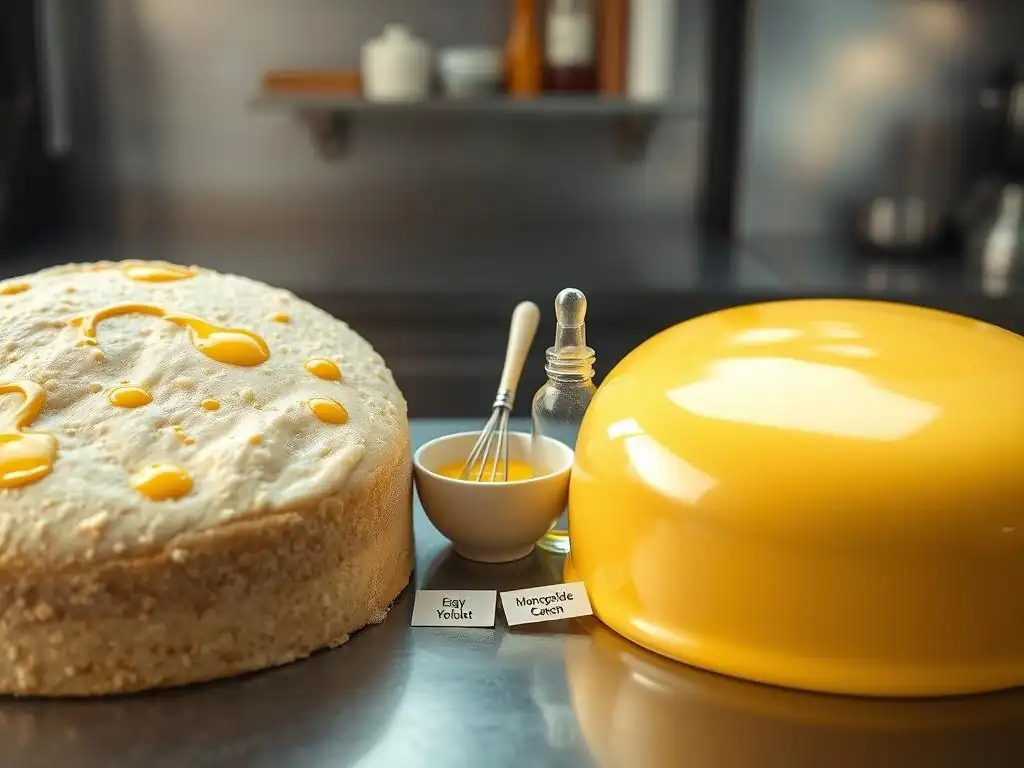
The best emulsifier for a cake depends heavily on the recipe's composition and desired outcome. For instance, a traditional butter cake relies heavily on the emulsifying power of egg yolks and the mechanical emulsification achieved during the creaming process. A recipe with a higher proportion of liquid and sugar, like a high-ratio cake, might benefit from the addition of commercial emulsifiers like polysorbate 60 or emulsified shortening, as these provide greater stability against cake emulsifier separation problems in more challenging formulations.
Recipes using oil instead of butter often require more egg or potentially added lecithin, as oil doesn't provide the same mechanical emulsification during creaming as solid fat does. Understanding the fat-to-liquid ratio and the type of fat used in a recipe helps bakers determine if the natural emulsifiers present are sufficient or if additional help is needed to prevent cake separation issues.
Emulsifiers for Different Flour Types
The type of flour used can also influence the need for and effectiveness of emulsifiers. Cakes made with lower-protein flours, like cake flour, tend to be more tender and have a finer crumb, partly because there is less gluten development. However, the lower protein also means less structure from gluten, potentially making the batter slightly more prone to cake emulsifier separation problems if not properly handled. Emulsifiers help compensate for this by stabilizing the fat-liquid interface and contributing to crumb structure independently of gluten.
Conversely, using higher-protein flours might provide more structural stability from gluten, but emulsifiers are still crucial for preventing separation and ensuring a tender crumb by interfering with excessive gluten formation. Regardless of flour type, effective emulsification ensures that fat is evenly distributed, preventing greasy spots and promoting a uniform texture throughout the cake.
Considerations for Gluten-Free Baking and Emulsification
Gluten-free baking presents unique challenges because the gluten network, which provides significant structure and stability in traditional cakes, is absent. Gluten-free batters often rely more heavily on starches, gums (like xanthan gum or guar gum), and alternative flours, which can sometimes absorb liquid differently or lead to batters that are more prone to breaking. Cake emulsifier separation problems can be particularly challenging in gluten-free recipes if the balance of ingredients isn't carefully managed.
Emulsifiers play an even more critical role in gluten-free cakes by helping to bind ingredients, improve batter consistency, and contribute to crumb structure where gluten cannot. Using ingredients rich in natural emulsifiers, like extra egg yolks, or incorporating commercial emulsifiers designed for gluten-free applications can significantly improve the texture, moisture, and stability of gluten-free cakes, successfully mitigating cake separation issues common in these formulations.
Advanced Emulsification Techniques for Cake Bakers
Using Emulsified Shortening for Enhanced Cake Texture
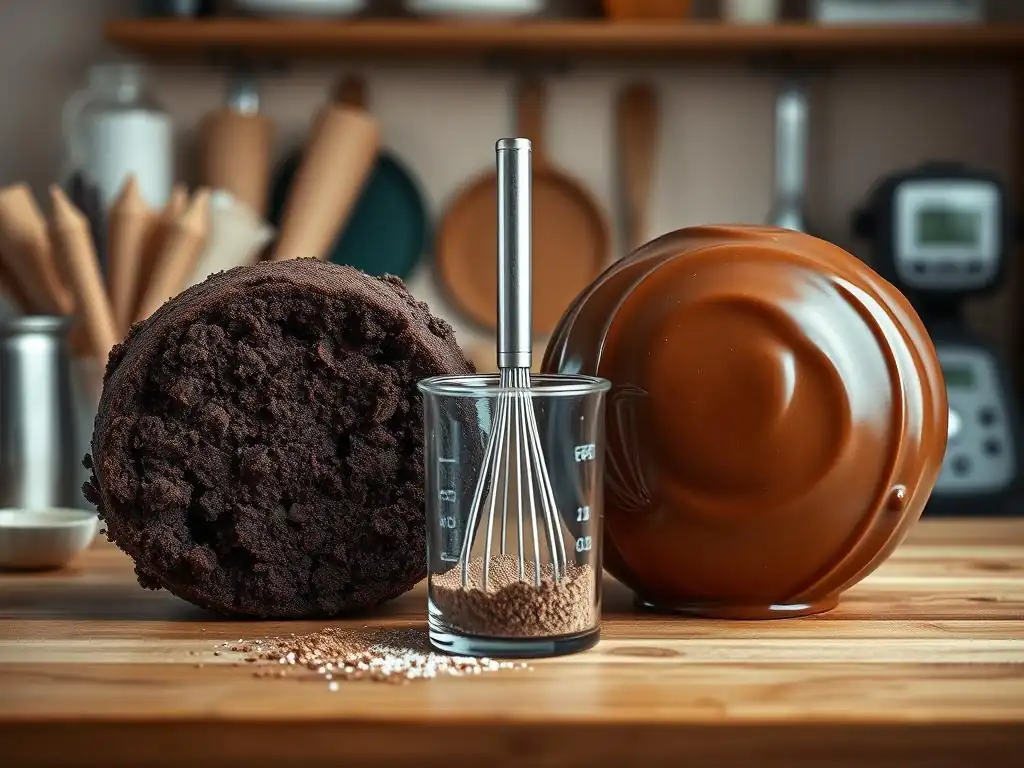
For bakers looking to achieve exceptionally light and moist cakes with a fine crumb, especially in high-ratio recipes, using emulsified shortening can be a game-changer. Emulsified shortening, often labeled as "high-ratio shortening," contains added emulsifiers (typically mono- and diglycerides) that give it superior creaming and emulsifying properties compared to regular butter or shortening.
This type of shortening is specifically engineered to hold more liquid and sugar within the fat matrix, allowing for recipes with a higher ratio of wet and sweet ingredients without risking cake emulsifier separation problems. It helps create a very stable batter that can incorporate a large volume of air during mixing, leading to cakes with increased volume, a softer, velvety texture, and extended shelf life. While not necessary for all cakes, it's a valuable tool for achieving professional-level results in specific formulations.
Creating Your Own Emulsifiers at Home: Lecithin Solutions
While commercial emulsifiers offer convenience, adventurous bakers can explore using concentrated natural emulsifiers. Liquid lecithin, often derived from soy or sunflower, is readily available and can be added to recipes to boost emulsifying power. A small amount of liquid lecithin (e.g., 1-2 teaspoons per standard cake recipe) can significantly enhance batter stability and help prevent cake emulsifier separation problems, particularly in recipes prone to curdling.
When experimenting with added lecithin, it's best to incorporate it with the liquid ingredients or the eggs. Start with a small amount and observe the results, as too much can sometimes affect texture. This approach allows bakers to customize the emulsification level in their recipes, providing an extra layer of insurance against cake separation issues and potentially improving crumb structure and moisture retention in both traditional and gluten-free baking.
Tips for Stabilizing Emulsions in Complex Cake Recipes
Complex cake recipes, involving multiple components like syrups, purées, or large amounts of added fat or liquid, can be more challenging to emulsify and stabilize. Here are some tips to help prevent cake emulsifier separation problems in these situations:
- Ensure consistent temperatures: Reiterate the importance of room temperature ingredients.
- Whip eggs thoroughly: Ensure eggs are well-beaten before adding to the fat mixture; sometimes separating eggs and adding yolks first can help.
- Alternate liquids and drys: Stick strictly to the method of alternating dry and wet additions in small increments.
- Consider a pre-emulsion: For recipes with significant added fat (like melted chocolate or extra butter), temper it and whisk a small amount of the batter into it first to create a stable pre-emulsion before incorporating it back into the main batter.
- Don't overmix dry ingredients: Mix only until just combined once flour is added to avoid toughening the cake, but ensure the wet and dry are fully integrated during the alternating additions.
Following these tips provides robust defense against cake separation issues, even in the most intricate cake formulations.
Achieving Perfect Cake Emulsification: A Summary
Key Takeaways for Preventing Cake Separation Problems
Preventing cake emulsifier separation problems boils down to understanding the science of emulsions and respecting the role of emulsifiers and mixing techniques. The key takeaways are: Always use room temperature ingredients, especially butter, eggs, and milk. Incorporate liquids gradually, alternating with dry ingredients if using the creaming method. Ensure sufficient emulsifiers are present, whether naturally from egg yolks or through added commercial products or lecithin.
By paying attention to these fundamental principles – temperature control, gradual addition of liquids, and adequate emulsification – bakers can significantly reduce the risk of their cake batter separating. A smooth, stable batter is the foundation for a cake with excellent volume, a tender crumb, and consistent texture.
The Importance of Understanding Baking Science for Consistent Results
Understanding the science behind processes like emulsification is crucial for consistent baking results. Knowing why ingredients behave the way they do – why oil and water separate, how emulsifiers bridge this gap, and how temperature affects fat – empowers bakers to troubleshoot problems and adjust recipes. It moves baking beyond simply following instructions to truly mastering the craft.
When you understand the role of emulsifiers in preventing cake separation issues, you can identify potential problems before they ruin a batch. You can adapt recipes, make informed ingredient substitutions, and confidently tackle complex formulations. This scientific knowledge is the secret ingredient to achieving consistently perfect cakes, batch after batch.
Further Resources on Cake Emulsification and Baking Techniques
For those eager to delve deeper into the fascinating world of baking science and emulsification, numerous resources are available. Cookbooks focused on the science of baking, online courses from culinary institutions, and detailed food science blogs can provide more in-depth information on topics like fat crystallization, starch gelatinization, protein coagulation, and, of course, the intricate mechanics of creating and stabilizing emulsions.
Exploring these resources will further illuminate how emulsifiers work in concert with other ingredients and techniques to create the desired texture and structure in cakes and other baked goods. Continuous learning in baking science is key to overcoming challenges like cake emulsifier separation problems and elevating your baking skills to new heights.
Frequently Asked Questions
What exactly are emulsifiers in baking, and why are they important for cakes?
Emulsifiers are ingredients that help to blend oil and water-based ingredients together. They are crucial for creating a stable emulsion, preventing separation and resulting in a smooth, even cake batter.
How do emulsifiers prevent cake batter separation during baking?
Emulsifiers reduce the surface tension between oil and water, allowing them to mix properly and prevent them from separating. This creates a stable structure that holds the cake together during baking.
What are some common signs that my cake batter is experiencing emulsifier separation problems?
Visible signs include a greasy layer on top of the batter, or a curdled or separated appearance. The baked cake may also have a dense, uneven texture or a greasy mouthfeel.
What are some common mistakes that can lead to emulsifier separation in cake baking?
Using too much or too little liquid, improper mixing techniques, or adding ingredients in the wrong order can cause separation. Also, using old or expired emulsifiers can be a factor.
Can I fix a cake batter that is already showing signs of emulsifier separation?
Sometimes, gently warming the batter slightly and then whipping it vigorously can help to re-emulsify it. However, the best solution is to prevent separation by following the recipe carefully and using fresh ingredients.
Final Reflection: The Unsung Heroes of a Perfect Cake
The science of baking isn't just about following recipes; it's about understanding the intricate dance of ingredients, and emulsifiers are the unsung choreographers. A perfectly separated cake, light and airy, is a testament to this delicate balance. Ignoring the role of emulsifiers is like trying to conduct an orchestra without a conductor – chaos ensues.
The impact of emulsifiers extends far beyond the simple act of baking a cake. They represent a fascinating intersection of chemistry and culinary art, a subtle yet powerful force shaping our food experiences. The best things in life are the simple things, and the simplest things are often the most complex.
This quote perfectly encapsulates the seemingly straightforward yet deeply intricate world of emulsifiers and their crucial role in achieving baking perfection. Understanding their function allows us to move beyond simply following recipes and to truly appreciate the artistry involved in creating a consistently delicious cake.
Now, consider your own baking journey. Have you ever experienced the frustration of a collapsed cake or a dense, heavy texture? Perhaps you dismissed it as a simple mistake, but now you have a deeper understanding of the underlying science. I encourage you to experiment, to explore the world of emulsifiers, and to discover the magic they can bring to your baking. The next time you whip up a batch of batter, remember the power of these tiny molecules and the perfect cake that awaits.
Unleash Your Baking Potential: Mastering Cake Emulsions!
Thanks for diving deep into the world of cake emulsions! We hope you now have a clearer understanding of how emulsifiers work their magic. Ready to put this knowledge into practice and bake the most amazing cakes of your life?
- Experiment with different emulsifiers: Try substituting lecithin or another emulsifier in your next recipe and observe the results. Notice the difference in texture and rise! This is the key to mastering your cake-baking technique.
- Share your baking triumphs (and challenges!): Let's build a community! Share your experiences and photos on social media using #BakeWithEaseEmulsifiers.
- Explore our Emulsifier Guide: Dive even deeper into the world of emulsifiers by checking out our comprehensive guide, packed with tips and recipes to elevate your baking.
So, what incredible cake creation will you embark on next?