
Beyond Frosting: Piping Other Fillings and Batters

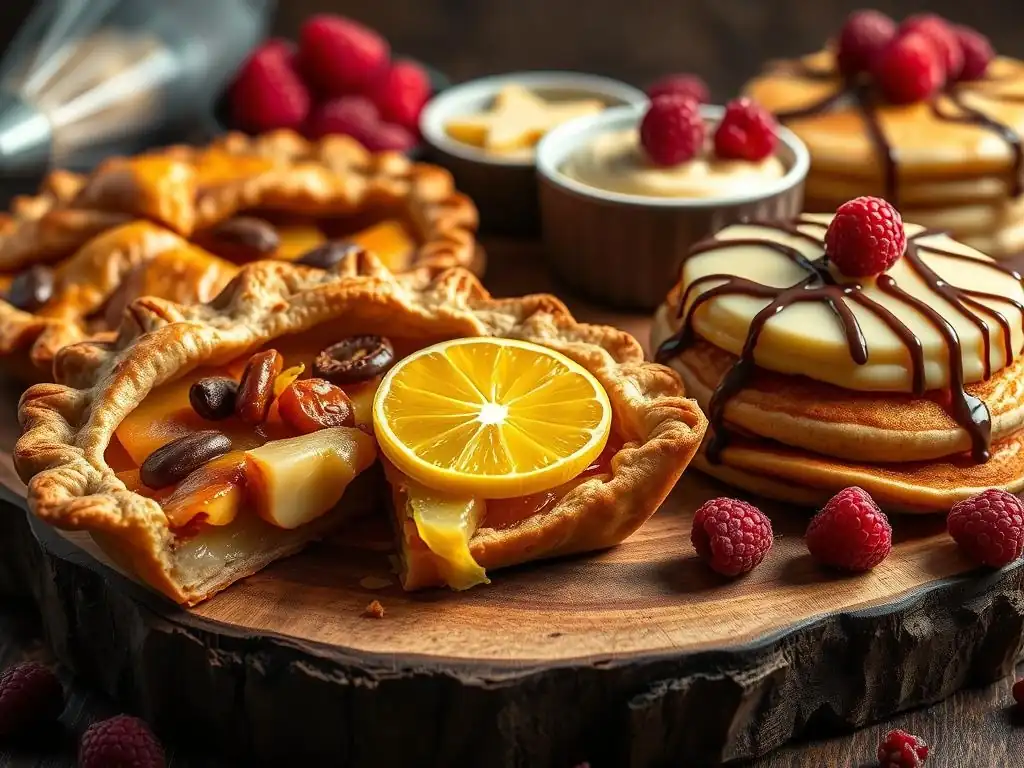
Welcome to BakeWithEase, your trusted companion on your baking journey! Ever wondered what lies beyond the classic buttercream? This week, we delve into the exciting world of fillings and batters, exploring delicious and innovative alternatives. Prepare to elevate your creations with our guide to piping other fillings and batters, and discover how to create stunning desserts that are as delightful to look at as they are to eat. Ready to move beyond the basics of easy buttercream frosting recipes filling and unlock a whole new level of baking artistry? Let's get started!
- Beyond Frosting: Mastering Piping Techniques for Fillings and Batters (BakeWithEase)
- Why Limit Yourself? Exploring Diverse Piping Possibilities
- Essential Tools and Equipment for Piping Fillings and Batters
- Easy Buttercream Frosting Recipes Filling and Piping Techniques
- Piping Other Fillings: Ganache, Custards, and More
- Piping Batters: Creating Unique Textures and Designs
- Tips and Tricks for Successful Piping
- Troubleshooting Common Piping Problems
- Advanced Piping Techniques: Taking Your Skills to the Next Level
- Inspiration and Ideas: Showcasing Creative Piping Applications
- Conclusion: Unleash Your Creativity with Piping
-
Frequently Asked Questions
- What other types of fillings besides buttercream can I use for piping, as discussed on BakeWithEase?
- Does the BakeWithEase article offer guidance on adapting recipes for piping?
- Are there specific piping tips recommended for different fillings and batters on BakeWithEase?
- Does the BakeWithEase article provide recipes beyond buttercream frosting, suitable for filling pastries?
- What techniques does BakeWithEase suggest for ensuring even filling distribution when piping batters?
- Final Reflection: Beyond the Buttercream: A World of Filling Possibilities
- Unleash Your Inner Pastry Chef: Master New Piping Techniques!
Beyond Frosting: Mastering Piping Techniques for Fillings and Batters (BakeWithEase)
Level Up Your Baking: Introduction to Piping Beyond Buttercream
Welcome back to BakeWithEase! You've likely spent some time perfecting your easy buttercream frosting recipes filling and decorating cakes and cupcakes. Piping buttercream is a fundamental skill, offering a fantastic way to add beautiful swirls and patterns to your baked goods. It's often the first step into the world of decorative baking for many enthusiasts.
But the humble piping bag and nozzle are capable of so much more than just frosting. This article will take you beyond simple easy buttercream frosting recipes filling techniques and explore how you can use piping for a wide variety of fillings and even batters. Mastering these techniques will open up a whole new realm of creative possibilities in your kitchen, allowing you to fill pastries, create intricate cookies, and even shape delicate choux and macarons with precision.
Why Limit Yourself? Exploring Diverse Piping Possibilities
The Versatility of Piping: More Than Just Decoration
Piping is a technique rooted in control and precision, allowing bakers to deposit measured amounts of a substance exactly where they want it, in the shape they desire. While its decorative application on cakes is perhaps the most widely recognized use, piping serves crucial functional roles in baking. Consider piping meringue onto a pie, or filling individual tart shells with a smooth lemon curd.
Beyond aesthetics, piping ensures consistent portioning and even distribution of fillings, which is vital for uniform baking and appearance. For instance, piping the same amount of batter for each macaron ensures they bake evenly and pair up perfectly. Mastering this control elevates your baking from rustic charm to professional-level precision.
Expanding Your Baking Repertoire: Fillings and Batters Ready to Pipe
Think about all the delicious components that make up complex pastries and desserts. Many of these are perfectly suited for piping, dramatically simplifying the assembly process and improving the final result. Custards, ganaches, fruit curds, and even rich chocolate mousse can be neatly piped into tarts, éclairs, or cake layers.
It's not just about soft fillings, either. Certain batters, like choux pastry or cookie dough, are specifically designed to be piped. This allows you to create consistent shapes like cream puffs, éclairs, or intricately patterned cookies that would be difficult or impossible to form by hand or with a scoop. Moving beyond easy buttercream frosting recipes filling opens up a world of pastries like Paris-Brest or delicate spritz cookies.
Essential Tools and Equipment for Piping Fillings and Batters
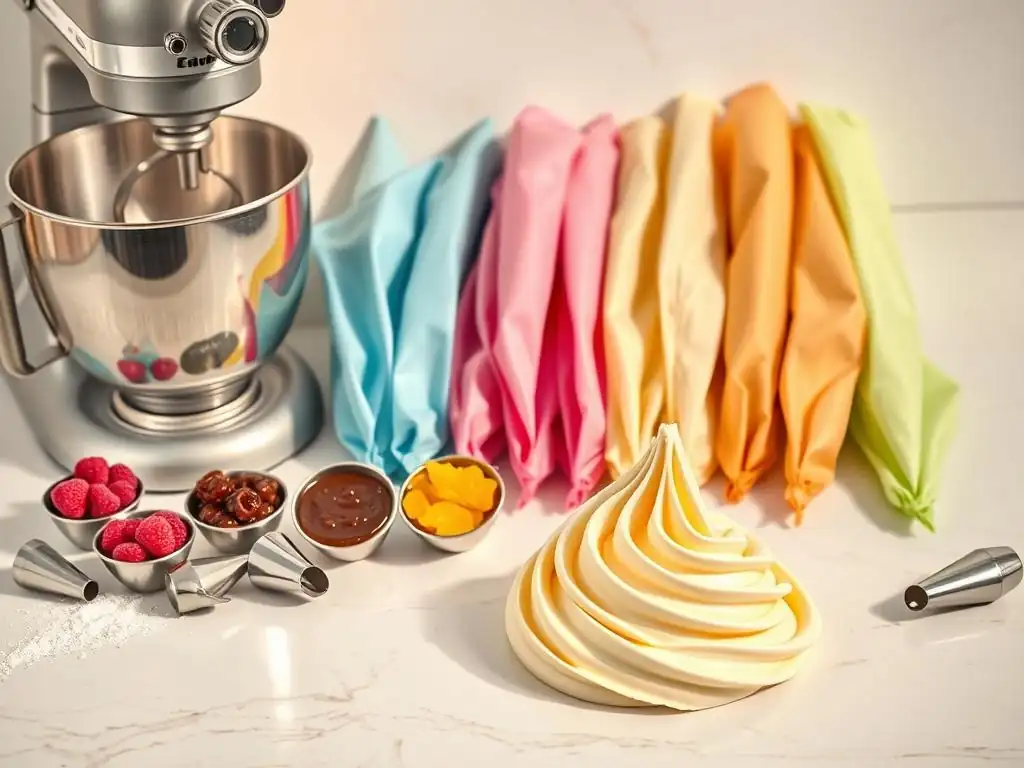
Piping Bags: Choosing the Right Type for Different Textures
Piping bags come in various materials, each suited for different tasks. Disposable plastic bags are convenient and hygienic, especially when working with multiple colors or different fillings. They are generally robust enough for most frostings and softer fillings.
Reusable bags, typically made from nylon or silicone, are more eco-friendly and often thicker, making them ideal for stiffer doughs or batters like choux pastry or thicker cookie doughs that require more pressure. Cotton bags, sometimes coated, offer good grip but can be harder to clean thoroughly. The size of the bag also matters – larger bags hold more but can be harder to handle, while smaller bags offer more control for fine detail work.
Piping Nozzles: A Guide to Selecting the Best Tips for Specific Fillings
Piping nozzles, or tips, determine the shape of the piped material. They range from simple round tips for dots and lines to star tips for classic swirls (like on cupcakes piped with easy buttercream frosting recipes filling), and specialized tips for leaves, petals, and basketweave patterns. The size of the tip opening is crucial – a large round tip (like an Ateco #809) is perfect for filling pastries with cream or piping choux, while a smaller round tip (like a Wilton #3) is better for fine detail or writing with a thin ganache.
For fillings with small particles, like a seeded raspberry jam, a nozzle with a wide opening is necessary to prevent clogging. When working with very stiff batters, a strong, seamless metal tip is preferred over plastic ones which might crack under pressure. Building a collection of basic round and star tips in various sizes will cover most piping needs beyond simple easy buttercream frosting recipes filling decorations.
Couplers: Enabling Easy Nozzle Changes During Piping
A coupler is a two-part plastic device that allows you to change piping nozzles on the same bag without emptying it. One part is inserted into the bag before filling, with the tip of the bag snipped just enough for the narrow end of the coupler to poke through. The nozzle is then placed over this part on the outside, and the second, ring-shaped part of the coupler screws on to hold the nozzle in place.
Couplers are incredibly useful when you need to use different tips with the same filling or color, saving time and reducing the number of bags needed. They are particularly handy when decorating with easy buttercream frosting recipes filling where you might switch between star tips for swirls and round tips for borders or dots.
Spatulas and Scoops: For Efficient Filling of Piping Bags
Properly filling a piping bag is essential for smooth, air-bubble-free piping. An offset spatula is invaluable for scraping down the sides of your mixing bowl and transferring frosting or filling to the bag. For thicker substances or batters, a sturdy rubber spatula works well.
Using a scoop, like an ice cream scoop or a portion scoop, can also help manage the amount of material going into the bag, preventing overfilling which makes the bag hard to handle and can cause blowouts. Holding the piping bag open by placing it in a tall glass or container, folding the top edge over the rim, makes the filling process much cleaner and easier, whether you're working with a basic easy buttercream frosting recipes filling or a delicate mousse.
Easy Buttercream Frosting Recipes Filling and Piping Techniques
Classic Buttercream: A Foundation for Piping Excellence
Classic American buttercream, typically made from butter, powdered sugar, milk or cream, and vanilla, is a staple for cake decoration and filling. Its relatively stable consistency, thanks to the high sugar content, makes it excellent for holding piped shapes. It's the go-to for creating sturdy swirls, rosettes, and borders.
Achieving the right consistency is key for piping. If it's too stiff, add a tiny amount of liquid (milk, cream, or even water). If too soft, add more powdered sugar or chill it briefly. This adaptability makes it a forgiving medium for beginners practicing easy buttercream frosting recipes filling techniques before moving on to more complex fillings.
Swiss Meringue Buttercream: Achieving Silky Smooth Results
Swiss meringue buttercream (SMBC) is made by whisking sugar and egg whites over a double boiler until the sugar dissolves, then whipping it into a stiff, glossy meringue. Softened butter is then gradually added. This process creates a much lighter, less sweet, and incredibly smooth buttercream compared to the classic American type.
SMBC is fantastic for piping smooth coatings, delicate ruffles, and elegant swirls. Its silky texture allows for very clean lines. However, it can be more sensitive to temperature changes than American buttercream. If it curdles during mixing, often gentle warming or cooling and re-whipping will bring it back together. Its luxurious texture makes it a popular choice for filling sophisticated cakes and pastries.
Cream Cheese Buttercream: Adding Tang and Texture
Cream cheese buttercream combines softened cream cheese with butter, powdered sugar, and vanilla. The addition of cream cheese adds a delightful tang and a slightly softer, richer texture than traditional buttercream. It's famously paired with red velvet cake and carrot cake, but its use extends to filling cupcakes, cookies, and even pastries.
Due to the higher moisture content and softness of cream cheese, this buttercream is generally softer than American buttercream. For piping intricate designs or very tall swirls, ensure your cream cheese and butter are at the correct, cool room temperature, and you might need slightly more powdered sugar than a standard recipe. Chilling the finished buttercream briefly before piping can also help achieve a more stable consistency for piping, extending the versatility of easy buttercream frosting recipes filling options.
Piping Buttercream: Mastering Basic Shapes and Designs
Piping buttercream, whether it's a classic easy buttercream frosting recipes filling or a Swiss meringue, starts with filling the bag correctly, expelling air bubbles, and holding the bag properly. For basic shapes like dots, apply even pressure, then stop and flick the bag away cleanly. For stars and swirls, use a star tip, apply pressure while holding the bag upright, and swirl outwards or upwards.
Lines and borders are created by maintaining steady pressure and movement along the cake or surface. Practicing these basic movements on parchment paper allows you to get a feel for the pressure needed and helps build muscle memory. Consistency in pressure and speed is key to uniform shapes, whether you're piping a simple border or filling a cupcake.
Piping Other Fillings: Ganache, Custards, and More
Piping Ganache: Achieving a Smooth and Glossy Finish
Ganache, a rich mixture of chocolate and cream, is a versatile filling and coating. Its consistency changes dramatically based on the chocolate-to-cream ratio and temperature. A classic dark chocolate ganache for piping might use a 1:1 ratio of chocolate to hot cream by weight (e.g., 200g chocolate, 200g cream).
For piping, ganache should be cooled to room temperature or slightly cooler until it reaches a thick but still pipeable consistency, similar to peanut butter. If it's too warm, it will be runny; if too cold, it will be too stiff. Gentle warming or stirring can adjust the consistency. The glossy finish of well-made ganache makes it a beautiful and delicious filling for tarts, cakes, and pastries.
Different Types of Ganache: Milk, Dark, and White Chocolate
The type of chocolate used significantly impacts the ganache ratio and final consistency. Dark chocolate ganache typically uses a 1:1 or 1.5:1 (chocolate:cream) ratio for piping, as dark chocolate contains more cocoa solids which help it set firmer. For example, a firm piping ganache might be 300g dark chocolate to 200g cream.
Milk chocolate contains less cocoa solids and more sugar and milk fats, requiring a higher ratio of chocolate to cream to set properly, often 2:1 or 2.5:1 (e.g., 400g milk chocolate to 200g cream). White chocolate, primarily cocoa butter, sugar, and milk solids, requires an even higher ratio, commonly 3:1 or 3.5:1 (e.g., 600g white chocolate to 200g cream) to be pipeable and hold its shape. Adjusting the cream amount slightly allows fine-tuning the consistency for specific piping needs.
Tempering Ganache for Optimal Piping Consistency
While tempering chocolate is typically associated with creating solid chocolate confections, achieving a stable, pipeable consistency for ganache sometimes involves a similar principle of managing temperature. After combining hot cream and chocolate, the mixture should be stirred gently until smooth, avoiding incorporating too much air.
Allowing the ganache to cool slowly at room temperature until it reaches the desired piping consistency is crucial. Rapid cooling in the refrigerator can cause it to become too hard or develop a grainy texture. If it becomes too firm, warming it very gently over a double boiler or in short bursts in the microwave, stirring constantly, will bring it back to a pipeable state without splitting.
Piping Custards and Creams: Stabilizing for Perfect Results
Soft custards and creams, like pastry cream or whipped cream, are delicious fillings but can be challenging to pipe neatly as they tend to be less stable than buttercream or ganache. Stabilization is often required to ensure they hold their shape after piping.
Common stabilizers include gelatin, cornstarch (already present in pastry cream), or commercial stabilizers. Ensuring the mixture is properly chilled before piping is also vital, as cold helps these fillings maintain their structure. Piping quickly and confidently minimizes handling, which can warm and soften the filling.
Pastry Cream: A Versatile Filling for Piped Creations
Pastry cream (crème pâtissière) is a classic filling thickened with egg yolks and cornstarch, cooked on the stovetop until very thick. Once cooked, it's typically cooled completely, often with plastic wrap pressed directly onto the surface to prevent a skin from forming.
For piping, cold pastry cream is ideal. It can be used to fill éclairs, cream puffs, tarts, or piped as a layer in cakes. Sometimes, a little whipped cream is folded into cooled pastry cream to make crème diplomat, which is lighter and easier to pipe into delicate shapes. A standard recipe might use 500ml milk, 100g sugar, 4-6 egg yolks, 50g cornstarch, and vanilla.
Whipped Cream: Stabilizing for Piping and Decoration
Simple whipped cream (just cream and sugar) is lovely but can quickly lose its shape, especially in warm conditions. To make whipped cream pipeable for decorating or filling, it needs stabilization. Adding gelatin (bloomed and dissolved), cornstarch, or instant pudding mix can help.
A common method is to whip heavy cream (at least 30% fat) with powdered sugar and a stabilizer. For example, a teaspoon of cornstarch per cup of cream can significantly improve stability. Whip the cream to stiff peaks, being careful not to over-whip into butter. Stabilized whipped cream can then be piped onto desserts or used to fill delicate pastries.
Fruit Purees and Jams: Piping Concentrated Flavors
While often too thin on their own, fruit purees and jams can be modified or combined to create pipeable fillings that add bursts of intense fruit flavor. Reducing a fruit puree concentrates the flavor and thickens it, making it more suitable for piping.
Seedless jams or strained fruit curds (like lemon curd) are often thick enough to pipe directly or after chilling. They work wonderfully as fillings for thumbprint cookies, small tarts, or as a flavorful layer within a cake, offering a vibrant alternative to traditional easy buttercream frosting recipes filling.
Reducing Fruit Purees for Piping: Achieving the Right Consistency
To make a fruit puree pipeable, it often needs to be cooked down to reduce its water content. This process concentrates the sugars and natural pectins, resulting in a thicker consistency. For example, simmering raspberry puree gently until it thickens significantly, perhaps to a consistency similar to a thick applesauce or jam, makes it suitable for piping.
Adding a small amount of cornstarch slurry (cornstarch mixed with a little cold water) towards the end of cooking can also help achieve a pipeable consistency. The key is to cook it long enough that it holds its shape somewhat when dropped from a spoon.
Combining Fruit Purees with Other Fillings for Enhanced Flavor
Fruit purees or reduced jams can be combined with other pipeable fillings to add flavor, color, and moisture. For instance, a reduced berry puree can be swirled into cream cheese frosting or even an easy buttercream frosting recipes filling to create a marbled effect and add a tangy counterpoint to the sweetness.
Mixing a thick fruit curd with whipped cream or mascarpone creates a lighter, fruitier filling perfect for piping into cakes or pastries. Experimenting with different fruit and filling combinations allows for unique flavor profiles and textures in your piped creations.
Piping Batters: Creating Unique Textures and Designs
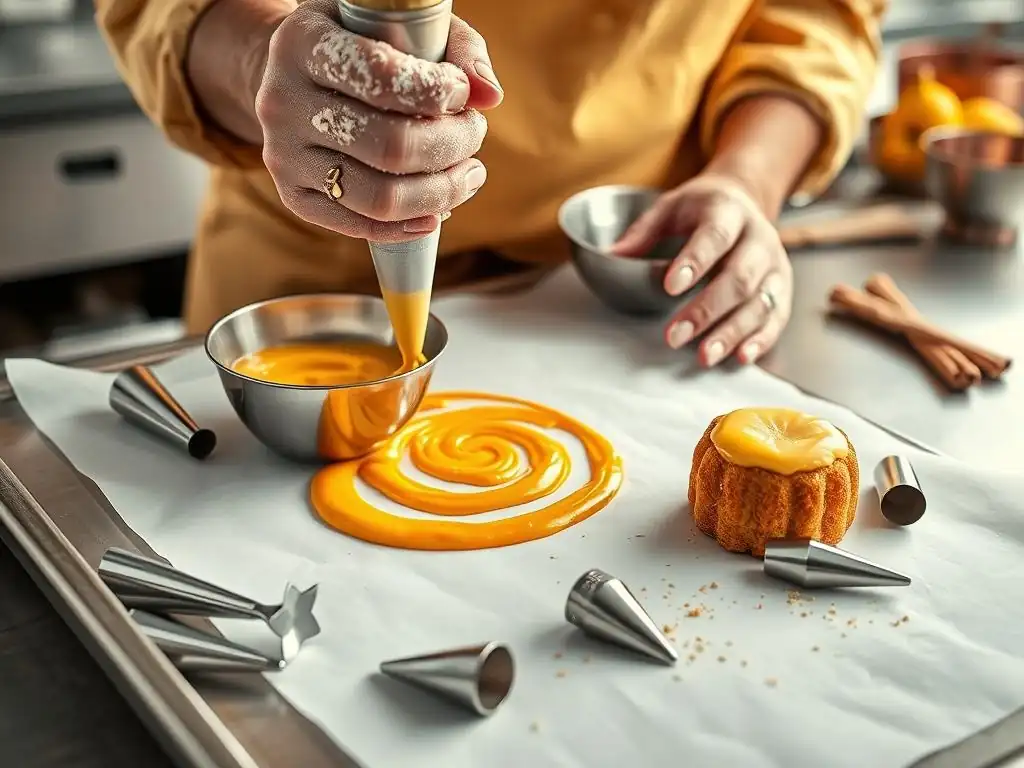
Piping Choux Pastry: Achieving Perfect Puffs and Éclairs
Choux pastry (pâte à choux) is a unique cooked batter made from water (or milk), butter, flour, and eggs. The cooking process on the stovetop creates a paste that is then enriched with eggs off the heat. This batter relies on steam generated during baking to puff up, creating a hollow interior perfect for filling.
Piping is essential for shaping choux pastry into consistent éclairs, cream puffs (profiteroles), or rings (Paris-Brest). A large round tip (like an Ateco #809 or Wilton #1A) is typically used for cream puffs, while a large star tip (like an Ateco #826) is used for éclairs to give them a ridged surface that helps them bake evenly and provides texture.
Mastering the Choux Pastry Recipe for Piping Success
A successful choux pastry starts with cooking the butter and liquid, adding the flour all at once, and stirring vigorously over medium heat until the mixture forms a ball and a film develops on the bottom of the pan – this dries out the paste, crucial for puffing.
Eggs are then added one at a time, mixing thoroughly after each addition until the batter is smooth and glossy and falls from a spoon in a "V" shape or a thick ribbon. The consistency is key: too stiff, and they won't puff; too wet, and they'll collapse. Piping the batter immediately after mixing is best.
Piping Techniques for Eclairs, Cream Puffs, and Gougères
For éclairs, pipe straight lines of batter onto parchment paper. Aim for even thickness and length. For cream puffs, pipe mounds of batter, leaving space between them as they expand significantly during baking. For gougères (savory cheese puffs), the technique is similar to cream puffs.
Dipping a finger in water and gently smoothing down any peaks on piped choux helps ensure even baking and a neater appearance. Baking temperatures are typically high initially (around 400°F or 200°C) to encourage puffing, then reduced (to around 350°F or 180°C) to dry out the shells and make them crisp.
Piping Macaron Batter: Achieving Consistent Size and Shape
Macaron batter, made from almond flour, powdered sugar, egg whites, and granulated sugar, is notoriously finicky but yields beautiful, delicate cookies. Piping is the only way to shape macarons, requiring precision to achieve uniform size and the desired smooth top and "feet."
A medium-sized round tip (like a Wilton #10 or Ateco #805) is standard for piping macaron shells. The batter's consistency after macaronage (the folding process) must be just right – it should flow like slow-moving lava, forming a ribbon that disappears back into the mass within about 20-30 seconds.
The Importance of Macaronage for Smooth Piping
Macaronage is the critical step where the dry ingredients (almond flour and powdered sugar) are folded into the meringue. This process deflates the meringue slightly and develops the batter's flow. Undermacaronaged batter will be too stiff to pipe smoothly and won't develop feet. Overmacaronaged batter will be too runny, spread excessively, and won't form feet properly or may crack.
The goal is a batter that is shiny and flows in a thick ribbon. Testing the consistency frequently during the folding process is essential. This perfect consistency allows the batter to be piped smoothly, settle into perfect circles, and develop those characteristic ruffled feet during baking.
Piping Techniques for Perfect Macaron Feet
To pipe macaron shells, hold the piping bag vertically about half an inch above the parchment-lined baking sheet. Apply even pressure to create a circle of batter, then stop squeezing and quickly flick the bag sideways to break off cleanly.
Piping onto a template drawn on parchment (or using a silicone macaron mat) helps ensure consistent size. After piping, the tray must be tapped firmly on the counter several times to release air bubbles, which prevents cracking and helps the shells settle. The piped shells then need to rest at room temperature until a skin forms, which is crucial for developing the feet during baking.
Certain types of cookie dough, specifically those with a higher fat content and softer consistency, are perfect for piping. Spritz cookies are the classic example, traditionally made by pushing dough through a cookie press, but they can also be piped with a strong piping bag and a large, open star or disc tip.
Other soft butter cookie doughs can also be adapted for piping intricate shapes, swirls, or rosettes that hold their form when baked. This technique allows for more decorative cookies than simple drop or cut-out methods, offering a different way to use a basic cookie recipe.
Selecting the Right Cookie Dough Consistency for Piping
Not all cookie doughs are suitable for piping. The dough needs to be soft enough to pass through a piping tip with moderate pressure but firm enough to hold its shape when piped onto a baking sheet. Doughs rich in butter and relatively low in leavening agents are typically good candidates.
If a dough is too stiff, it will be very difficult to pipe and could damage the bag or tip. If it's too soft, the piped shapes will spread excessively during baking and lose their definition. Sometimes, slightly chilling the dough before piping helps achieve the ideal balance of firmness and pipeability.
Piping Techniques for Decorative Cookies
For piping cookies, fill a strong piping bag fitted with a large, open tip (like a large star, round, or specific cookie press tip). Hold the bag perpendicular to the baking sheet for shapes like rosettes or stars, applying firm, steady pressure. For shapes like fingers or S's, maintain even pressure while moving the bag along the sheet.
Unlike choux or macarons, cookie dough doesn't usually require resting before baking. Bake according to the recipe, watching for light golden edges. Piping allows for consistent sizing and intricate patterns that would be difficult to achieve otherwise, turning simple butter cookies into decorative treats.
Tips and Tricks for Successful Piping
Achieving the Right Consistency: The Key to Piping Success
The most critical factor for successful piping, regardless of what you're piping, is achieving the correct consistency. Frostings should be smooth and spreadable but hold their shape. Fillings need to be thick enough not to run but soft enough to flow through the tip. Batters must have the right balance of structure and flow.
- Too Stiff: The material is hard to push through the bag, comes out unevenly, or tears the bag. Solution: Add a tiny amount of liquid (milk, cream, syrup) and mix well, or warm gently if it's a fat-based mixture like ganache or buttercream.
- Too Soft/Runny: The material doesn't hold its shape after piping, spreads out, or drips. Solution: Chill the mixture, add a thickening agent (more powdered sugar for buttercream, cornstarch slurry for fruit fillings, etc. ), or reduce liquid content in the original recipe.
Always test a small amount on parchment paper before piping onto your final creation.
Preventing Air Bubbles: Techniques for Smooth Piping
Air bubbles in your piping bag can cause frustrating gaps or spurts in your piped lines and shapes. To minimize air bubbles:
- Fill Properly: Use a spatula to fill the bag, pushing the filling down into the tip as you go, minimizing trapped air. Avoid just scooping and dropping large amounts into the bag.
- Expel Air: Once the bag is filled, twist the top closed. Hold the bag tip-down over a bowl and gently squeeze until the filling comes out consistently, pushing any trapped air out first. You might see a few bubbles pop.
- Massage the Bag: Gently massage the bag from the twisted end down towards the tip to encourage any remaining air pockets to move towards the tip and be expelled.
Smooth, air-bubble-free filling ensures continuous, even piping.
Maintaining a Steady Hand: Practice Makes Perfect
Piping requires control and dexterity, which improves significantly with practice. Start with simple exercises on parchment paper: piping straight lines, dots, and basic swirls using an easy buttercream frosting recipes filling. This allows you to focus on hand position, pressure, and movement without the pressure of decorating a finished product.
Hold the bag comfortably, using one hand to squeeze from the twisted end and the other to guide the tip. Maintain consistent pressure for even results. Don't be discouraged if your first attempts aren't perfect; consistent practice is the key to developing a steady hand and mastering various piping techniques.
Storing Piped Creations: Ensuring Freshness and Presentation
How you store piped items depends heavily on the filling or batter used. Items filled with dairy-based creams, custards, or cream cheese buttercream (like an easy buttercream frosting recipes filling variation) must be refrigerated to prevent spoilage.
Piped choux pastry shells can be stored unfilled in an airtight container at room temperature or frozen. Filled choux should be refrigerated and are best consumed within a day or two as the shells can become soggy. Macarons are best stored in an airtight container in the refrigerator for a day or two to allow the flavors to meld, then brought to room temperature before serving. Piped cookies can usually be stored in an airtight container at room temperature once cooled.
Troubleshooting Common Piping Problems
Clogged Nozzles: Causes and Solutions
A clogged nozzle can halt your piping progress and ruin the consistency of your lines. Common causes include:
- Particulate Matter: Bits of nuts, fruit seeds, undissolved sugar, or even just thicker clumps in the filling.
- Filling Too Cold/Stiff: If the filling is too firm, it can get stuck, especially in smaller or more intricate tips.
- Air Bubbles: A large air bubble can block the flow.
Solutions:
- If you suspect particles, try switching to a wider tip or strain the filling before piping.
- If the filling is too stiff, gently warm the piping bag in your hands or a warm water bath (for fat-based fillings like buttercream or ganache) until it softens slightly, then massage the bag to work the filling through.
- Squeeze the bag firmly over a bowl to try and force the clog out. If it persists, you may need to empty the bag, clean the tip, and potentially adjust the filling consistency or strain it.
Uneven Piping: Identifying and Correcting Issues
Uneven piping can manifest as wobbly lines, inconsistent dots, or shapes that vary in size. This is often due to:
- Inconsistent Pressure: Squeezing the bag with varying force causes the flow of material to speed up and slow down.
- Uneven Movement: Moving the bag at an inconsistent speed or angle.
- Air Bubbles: As mentioned, air bubbles cause breaks in the flow.
- Filling Consistency: If the filling is not uniform, some parts may flow differently than others.
Solutions:
- Focus on applying steady, even pressure from the top of the bag.
- Practice moving your guiding hand smoothly and consistently.
- Ensure you've expelled air bubbles before starting.
- Make sure your filling is thoroughly mixed and free of lumps. For instance, ensure your easy buttercream frosting recipes filling is smooth and lump-free before bagging.
Runny Fillings: Adjusting Consistency for Optimal Piping
A filling that is too runny won't hold its shape, making piping impossible for anything other than simple drips or coatings. Runniness can be caused by:
- Too Much Liquid: The recipe had too high a ratio of liquid to solid/thickening agents.
- Temperature: The filling is too warm.
- Over-mixing: For things like whipped cream, over-mixing can cause it to break down.
Solutions:
- For buttercreams or ganaches, chill the mixture. If still too soft, incorporate more powdered sugar (for buttercream) or solid fat (like softened butter or more melted chocolate for ganache).
- For custards or fruit fillings, chill thoroughly. If still too loose, you may need to gently reheat and add a bit more cornstarch or other thickener dissolved in liquid, then re-cool.
- For whipped cream, ensure your cream is very cold and you're not over-whipping past stiff peaks. Adding a stabilizer can help prevent future runniness. Sometimes, a runny filling means you need to use a different recipe or technique entirely.
Advanced Piping Techniques: Taking Your Skills to the Next Level
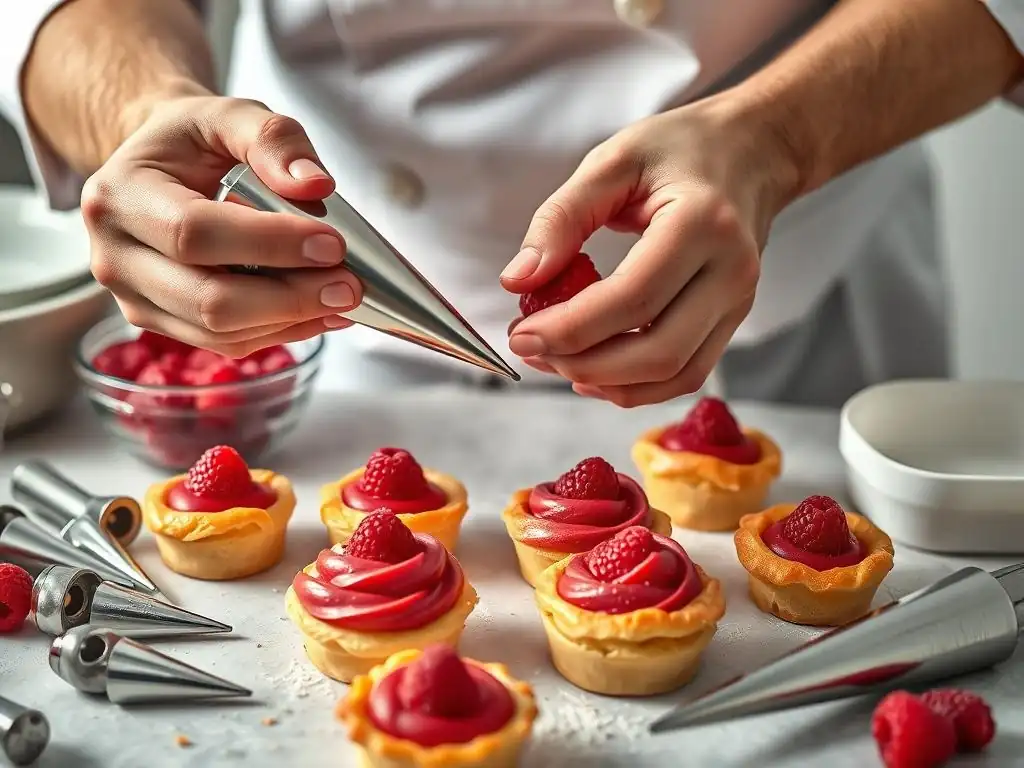
Creating Intricate Designs: Floral Patterns and More
Once you've mastered basic shapes with fillings like easy buttercream frosting recipes filling or ganache, you can move on to more complex designs. Using specialized tips like petal tips (e.g., Wilton #104) and leaf tips (e.g., Wilton #352) allows you to create realistic-looking flowers, leaves, and other natural motifs directly on cakes or cupcakes.
Techniques like the "ruffle" or "swirl" using a large open star or round tip, or creating basketweave patterns with a basketweave tip, add significant visual appeal. Practice on a flat surface first to understand how pressure and movement affect the outcome of these detailed designs.
Using Multiple Colors: Achieving Stunning Visual Effects
Working with multiple colors adds another dimension to piped decorations. You can fill different bags with different colors of the same filling (like easy buttercream frosting recipes filling) and pipe contrasting elements.
For a marbled effect, stripe the inside of a piping bag with different colors before adding the main filling color. Alternatively, gently layer different colors side-by-side in the bag. As you pipe, the colors will blend and swirl together, creating a beautiful, multi-toned effect. This technique works well with frostings and thicker ganaches.
Piping with Stencils: Adding Precision and Detail
Stencils offer a way to add precise patterns and details using piping. You can place a stencil directly on the surface of a cake or cookie and pipe a thin layer of frosting or ganache over it using a small round tip, filling in the stencil's cutouts.
Once the piped material is slightly set, carefully lift the stencil to reveal the design. This method is excellent for creating intricate lace patterns, geometric shapes, or text with consistent results, providing a level of detail that might be challenging to achieve freehand, even with significant practice.
Inspiration and Ideas: Showcasing Creative Piping Applications
Cake Decorating: Elevating Your Cakes with Piped Designs
Beyond covering a cake with frosting, piping is fundamental to cake decoration. Use an easy buttercream frosting recipes filling to create elegant borders, detailed side designs, or elaborate top decorations like floral sprays or geometric patterns.
Fill cake layers with contrasting piped fillings like chocolate ganache, fruit curd, or pastry cream. Pipe decorative dollops of cream cheese buttercream around the base or top edge. The possibilities are endless, transforming a simple cake into a work of art using various piped elements.
Pastry Art: Creating Stunning Visual Displays
Piping is indispensable in pastry making. Think of the perfectly shaped éclairs filled with rich pastry cream and topped with glossy ganache. Or delicate cream puffs filled with whipped cream and dusted with powdered sugar.
Piped choux can be assembled into impressive croquembouche towers. Tarts can be filled with beautifully piped swirls of lemon meringue or chocolate mousse. Using piping techniques allows for both structural integrity and exquisite presentation in complex pastries.
Dessert Plating: Enhancing Presentation with Piped Accents
Even simple desserts can be elevated through careful plating using piped elements. A scoop of ice cream can be garnished with a swirl of piped whipped cream or a drizzle of warm, pipeable ganache.
A plate can be decorated with dots, lines, or swooshes of fruit puree, chocolate sauce, or a contrasting coulis piped from a small bag. Piping allows for controlled placement and elegant lines, adding a touch of professional polish to plated desserts, making them as appealing to the eye as they are to the palate.
Conclusion: Unleash Your Creativity with Piping
Piping is a versatile and rewarding skill that extends far beyond applying an easy buttercream frosting recipes filling to cupcakes. By exploring different fillings and batters – from rich ganaches and creamy custards to delicate choux and macaron batters – you unlock a vast array of baking possibilities.
Mastering the essential tools, understanding consistency, and practicing techniques will empower you to create pastries, cakes, and cookies that are not only delicious but also visually stunning. So grab your piping bag, choose your filling, and start exploring the incredible potential of piping in your baking adventures!
Frequently Asked Questions
What other types of fillings besides buttercream can I use for piping, as discussed on BakeWithEase?
Beyond buttercream, the article likely explores options like ganache, pastry cream, and even certain types of fruit purees that can be piped effectively.
Does the BakeWithEase article offer guidance on adapting recipes for piping?
The article probably covers techniques to achieve the correct consistency, such as adjusting liquid content or adding stabilizers like cornstarch, to ensure the filling holds its shape when piped.
Are there specific piping tips recommended for different fillings and batters on BakeWithEase?
Yes, the article likely advises on using different piping tips, like star tips for buttercream swirls or round tips for filling pastries, based on the filling's texture and desired effect.
Does the BakeWithEase article provide recipes beyond buttercream frosting, suitable for filling pastries?
The article likely includes easy recipes for fillings like chocolate ganache, lemon curd, or stabilized whipped cream, focusing on ingredients that are easy to find for home bakers.
What techniques does BakeWithEase suggest for ensuring even filling distribution when piping batters?
The article likely recommends using a consistent piping pressure and a template for even spacing to ensure each pastry is filled uniformly with the batter or filling, leading to a balanced final product.
Final Reflection: Beyond the Buttercream: A World of Filling Possibilities
The pursuit of the perfect cake is often fixated on the frosting, but the true magic lies within. This article explored a world beyond the ubiquitous buttercream, showcasing the surprising ease and delicious versatility of alternative fillings and batters. We've demonstrated that achieving delectable results doesn't require years of pastry school or a pantry overflowing with specialized ingredients.
The exploration of these diverse fillings has profoundly impacted my own baking journey, shifting my focus from surface aesthetics to the harmonious balance of textures and flavors. The best cakes are a symphony of tastes and textures, not just a pretty face.
- Anonymous Baker. This journey has reminded me that even the simplest ingredients, when thoughtfully combined, can create extraordinary results. The creative potential is limitless, encouraging experimentation and a deeper appreciation for the art of baking.
Now, it's your turn. Don't be afraid to step outside the buttercream box! Experiment with the techniques and recipes we've shared, adapt them to your own preferences, and discover the joy of creating cakes that are as delightful inside as they are on the outside. Embrace the unexpected, let your creativity flow, and most importantly, have fun in the kitchen!
Unleash Your Inner Pastry Chef: Master New Piping Techniques!
Thanks for joining us on this delicious journey into the world of piping! We hope you’ve gained some fantastic new skills and inspiration for your baking adventures. Now it's time to put your newfound knowledge into practice.
- Master a new filling: Try piping a lemon curd or pastry cream into your favorite cupcakes or tarts this week. Challenge yourself!
- Share your creations: Show off your piping skills on social media using #BakeWithEasePiping – we’d love to see your masterpieces!
- Explore a unique batter: Experiment with piping a savory choux pastry to create unique gougères or savory profiteroles.
What exciting filling or batter will you pipe first? Let us know in the comments!