
Unlock Easy Baking: Essential Tools for Every Beginner

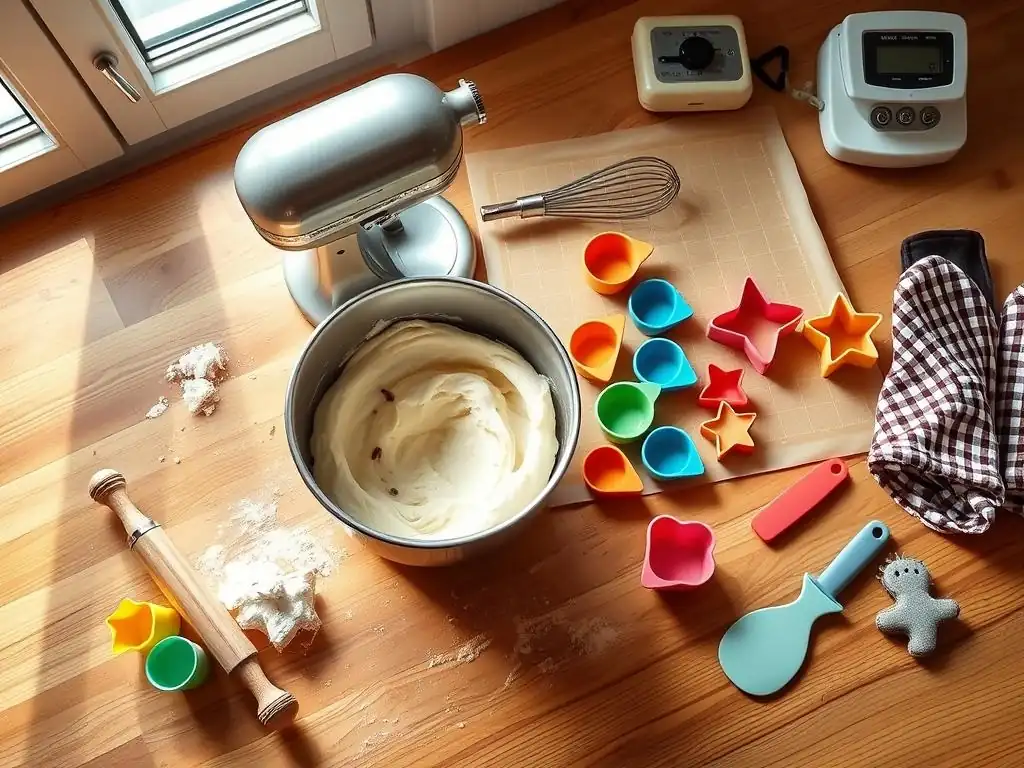
Welcome to BakeWithEase, your kitchen companion for all things baking! Ever wonder what secrets lie behind perfectly risen cakes and flawlessly formed cookies? Unlock Easy Baking today and discover the essential tools that will transform you from a baking novice into a confident creator. Curious about which easy baking tools a beginner needs to get started? Let's dive in and equip you for sweet success!
- Essential Baking Tools Every Beginner Baker Needs
- Must-Have Measuring Tools for Accurate Baking
- Mixing Bowls: The Foundation of Baking
- Essential Baking Pans and Molds for Beginners
- Spatulas and Scrapers: Essential for Mixing and Smoothing
- Other Indispensable Baking Tools for Beginners
- Cleaning and Maintaining Your Baking Tools
- Where to Buy Affordable Baking Tools for Beginners
- Level Up Your Baking with the Right Equipment
-
Frequently Asked Questions
- What are the absolute most essential baking tools a beginner needs to get started?
- Are expensive baking tools really necessary for a beginner to achieve good results?
- How can I choose the right measuring cups and spoons for accurate baking results?
- What type of baking sheet is best for a beginner, and why?
- Where can I find affordable and reliable baking tools for beginners?
- Final Reflection: The Joy of Baking, One Tool at a Time
- Unleash Your Inner Baker: Start Baking Today!
Essential Baking Tools Every Beginner Baker Needs
Why Having the Right Baking Tools Matters for Beginners
Embarking on your baking journey should be exciting and rewarding, not frustrating. The truth is, having the right easy baking tools beginner needs is fundamental to achieving consistent success in the kitchen. Imagine trying to measure flour accurately with a coffee mug – the results would be wildly unpredictable! Proper tools ensure your ingredients are measured correctly, mixtures are combined effectively, and baked goods cook evenly. This precision is crucial for mastering basic techniques and building confidence with easy baking.
Beyond accuracy, the right equipment simplifies the process significantly. Tasks that might seem daunting, like kneading dough or frosting a cake, become much more manageable with the appropriate tool. A sturdy whisk makes whipping cream or egg whites faster and more efficient, while a flexible spatula ensures you scrape every last bit of batter from the bowl. Investing in a few essential beginner baking tools sets you up for a smoother experience, reducing common errors and making your first attempts at baking genuinely enjoyable and successful. It's about making baking accessible and easy right from the start.
Setting Up Your Beginner Baking Toolkit: A Guide
Building your initial beginner baking tools collection doesn't require breaking the bank or filling your kitchen with gadgets. Start with the absolute essentials that cover the core functions of most basic recipes: measuring, mixing, and baking. Think of this as your foundation for easy baking. A good starting point includes reliable measuring cups and spoons, at least two mixing bowls of different sizes, a versatile spatula, a sturdy whisk, and a few basic baking pans like a cookie sheet and a loaf pan.
Consider functionality and durability when choosing your easy baking tools beginner needs. Look for items that are easy to clean and store. Stainless steel and silicone are often excellent choices for their longevity and ease of maintenance. While fancy gadgets might be tempting, focus on multi-purpose tools first. For instance, a simple hand whisk is perfect for many tasks before you might consider an electric mixer. This curated approach ensures you have the necessary equipment to tackle a wide range of easy baking recipes without cluttering your space or overspending.
Must-Have Measuring Tools for Accurate Baking
Accurate Measuring Cups: Dry vs. Liquid
Accurate measuring is perhaps the single most critical step in successful easy baking, especially for beginners. Dry measuring cups, typically designed to be filled and leveled off with a straight edge, are essential for ingredients like flour, sugar, and oats. Using a dry measuring cup for flour involves gently spooning the flour into the cup and then sweeping a flat edge (like a knife or the back of a spatula) across the top to remove any excess, ensuring the correct volume. Packing flour into the cup can add 20-30% more than intended, completely altering the recipe's balance.
Liquid measuring cups, on the other hand, are usually clear with a spout and measurement lines marked on the side. They are designed to be read at eye level on a flat surface. Ingredients like water, milk, oil, and syrups should always be measured using a liquid measuring cup. The spout allows for easy pouring without spills, and the space above the highest measurement line prevents liquids from overflowing. Understanding and correctly using both types of measuring cups is fundamental for any easy baking enthusiast starting out, preventing common pitfalls that lead to dense cakes or tough cookies.
The Importance of a Kitchen Scale for Baking Precision
While measuring cups are a great starting point for easy baking tools beginner needs, a kitchen scale offers unparalleled accuracy, particularly for dry ingredients like flour, sugar, and chocolate. Many professional bakers and serious home bakers swear by weighing ingredients because it eliminates the variability inherent in volume measurements. As mentioned earlier, a cup of flour can vary significantly in weight depending on how it's scooped, whereas 125 grams of flour is always 125 grams of flour.
Using a kitchen scale simplifies the process and leads to more consistent results. Recipes that list ingredients by weight (grams or ounces) are often more reliable. For example, a recipe calling for 250g of butter is much easier to measure accurately than one calling for "1 cup" (which can vary slightly depending on whether it's stick butter or whipped). For beginners looking to improve their bakes and achieve greater consistency, adding a digital kitchen scale to their easy baking tools collection is a highly recommended step.
Measuring Spoons: Essential for Small Quantities
Measuring spoons are indispensable for accurately measuring small quantities of ingredients, particularly leavening agents, spices, extracts, and salt. These components are often potent and can significantly impact the flavor and texture of your baked goods, even in small amounts. A standard set typically includes measurements for 1/4 teaspoon, 1/2 teaspoon, 1 teaspoon, and 1 tablespoon.
Just like with dry measuring cups, accuracy with measuring spoons is key. Ensure you fill the spoon to the rim without packing (unless the recipe specifically instructs you to pack, like with brown sugar) and level off any excess for dry ingredients. For liquids like vanilla extract, fill the spoon carefully to the top. Using the correct measuring spoons ensures that your baking powder works effectively to help your cake rise, or that your cookies have just the right hint of cinnamon, making your easy baking efforts successful.
Mixing Bowls: The Foundation of Baking
Different Sizes and Materials: Choosing the Right Mixing Bowl
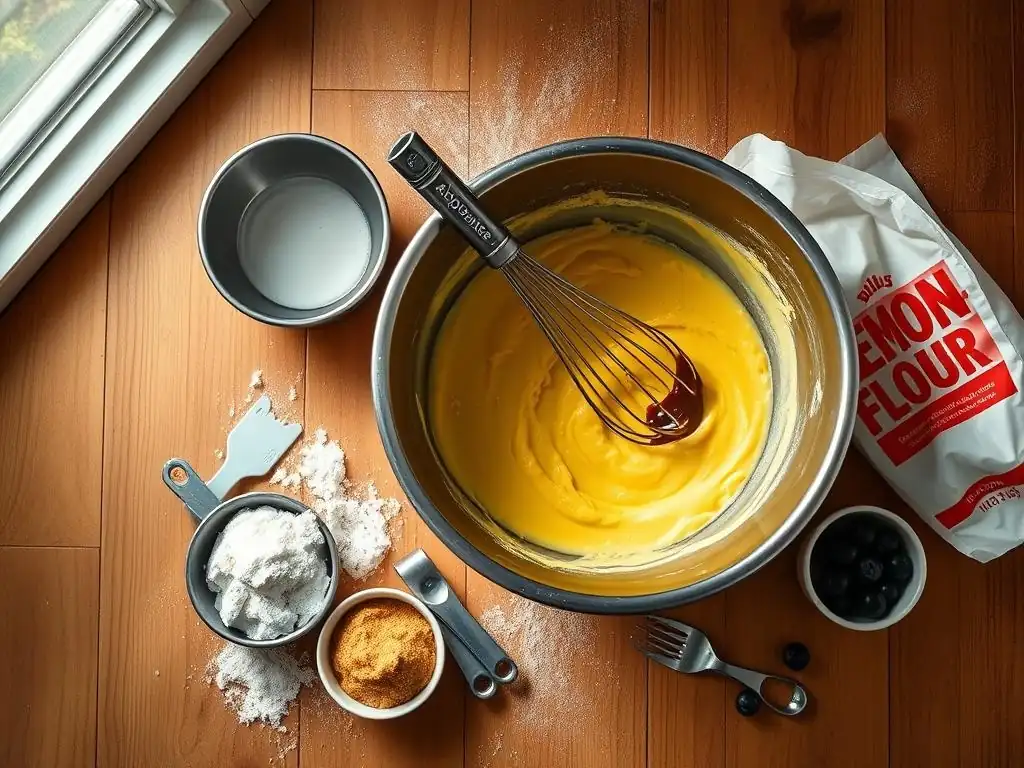
Mixing bowls are perhaps the most fundamental of all easy baking tools beginner needs. You'll need at least a couple of different sizes to handle various tasks. A medium-sized bowl (around 2.5 to 3 quarts) is great for mixing smaller batches of cookies or brownies, or whisking eggs. A larger bowl (around 4 to 6 quarts) is necessary for mixing cake batters, bread doughs, or larger quantities of ingredients. Having bowls of different sizes allows you to work efficiently and prevents spills when combining ingredients.
Mixing bowls come in various materials, each with its own advantages. Stainless steel, glass, ceramic, and plastic are common options. For beginners, stainless steel and glass are often recommended. Stainless steel is lightweight, durable, doesn't retain odors, and is easy to clean. Glass bowls are heavier and can break, but they are non-reactive, microwave-safe, and clear, allowing you to see how well your ingredients are mixing. Choosing a few sturdy bowls in versatile sizes is a key part of setting up your easy baking tools kit.
Stainless Steel Mixing Bowls: Durable and Versatile
Stainless steel mixing bowls are a fantastic choice for easy baking tools beginner needs due to their durability, lightweight nature, and versatility. They are virtually unbreakable, making them a long-lasting investment. Stainless steel doesn't react with acidic ingredients like lemon juice or vinegar, which can be important in some recipes. Their smooth, non-porous surface makes them very easy to clean.
These bowls are also excellent conductors of temperature. You can easily place a stainless steel bowl over a pot of simmering water to create a double boiler for melting chocolate, or place it in the refrigerator or freezer to chill ingredients quickly, such as when whipping cream. Their nesting design (most sets fit inside each other) also makes them easy to store, saving valuable cabinet space – a practical feature for any beginner baker.
Glass Mixing Bowls: Ideal for Monitoring Mixing
Glass mixing bowls, typically made from tempered glass, are another excellent option for a beginner's baking toolkit. While heavier and more fragile than stainless steel, they offer a significant advantage: transparency. Being able to see the ingredients as they mix allows beginners to better understand when batters or doughs have reached the desired consistency, ensuring proper mixing without overworking.
Glass bowls are also non-reactive, just like stainless steel, and they are microwave-safe, which can be convenient for melting butter or warming liquids directly in the bowl. Their weight provides stability on the counter while mixing. Although they require more careful handling to avoid chips or breaks, their visual benefit makes them a valuable addition to the essential easy baking tools beginner needs for learning and perfecting mixing techniques.
Essential Baking Pans and Molds for Beginners
Cake Pans: Round, Square, and Loaf Pans Explained
To start baking cakes, you'll need a few basic cake pans. Standard round cake pans, usually 8 or 9 inches in diameter and about 1.5 to 2 inches deep, are perfect for layer cakes. Square pans, often 8x8 or 9x9 inches, are ideal for brownies, bar cookies, and some types of cakes like sheet cakes. A loaf pan, typically 9x5 inches, is essential for baking quick breads (like banana bread), pound cakes, and yeast breads.
Choosing good quality pans is important for even baking. Look for pans made from materials like aluminum or non-stick coated steel. Aluminum conducts heat efficiently, leading to evenly browned cakes. Non-stick coatings make releasing baked goods much easier, which is a great benefit for easy baking and cleanup for beginners. Having these three basic pan types allows you to tackle a wide variety of beginner-friendly cake and bread recipes.
A sturdy cookie sheet, also known as a baking sheet or baking pan, is one of the most versatile easy baking tools beginner needs. These flat or slightly-rimmed rectangular pans are not just for cookies! They are used for baking biscuits, scones, roasting vegetables, and even baking sheet pan dinners. A standard half-sheet size (approximately 18x13 inches) is a good starting point as it fits most ovens and accommodates a decent batch of cookies or other items.
Look for a heavy-gauge aluminum or steel cookie sheet. Thicker pans heat more evenly and are less prone to warping at high temperatures, which can lead to unevenly baked goods. While non-stick pans are convenient, many bakers prefer standard aluminum pans and line them with parchment paper or silicone mats for easy release and cleanup. This combination provides excellent baking performance and makes easy baking even easier.
Muffin Tins: Baking Perfect Muffins and Cupcakes
If you love muffins or cupcakes, a muffin tin (also called a muffin pan) is a must-have beginner baking tool. These pans have multiple individual cups, usually 12 standard-sized cups, perfect for baking uniform muffins, cupcakes, mini quiches, or even savory egg bites. A standard 12-cup tin is the most common and versatile size for beginners.
Muffin tins are typically made from metal, often with a non-stick coating for easy release. Some silicone muffin molds are also available. Using paper liners is common for both muffins and cupcakes, which aids in cleanup and makes the baked goods easy to handle. A good quality non-stick muffin tin, perhaps paired with paper liners, makes baking a batch of perfectly portioned treats a simple and enjoyable part of your easy baking journey.
Spatulas and Scrapers: Essential for Mixing and Smoothing
Rubber Spatulas: For Mixing and Scraping
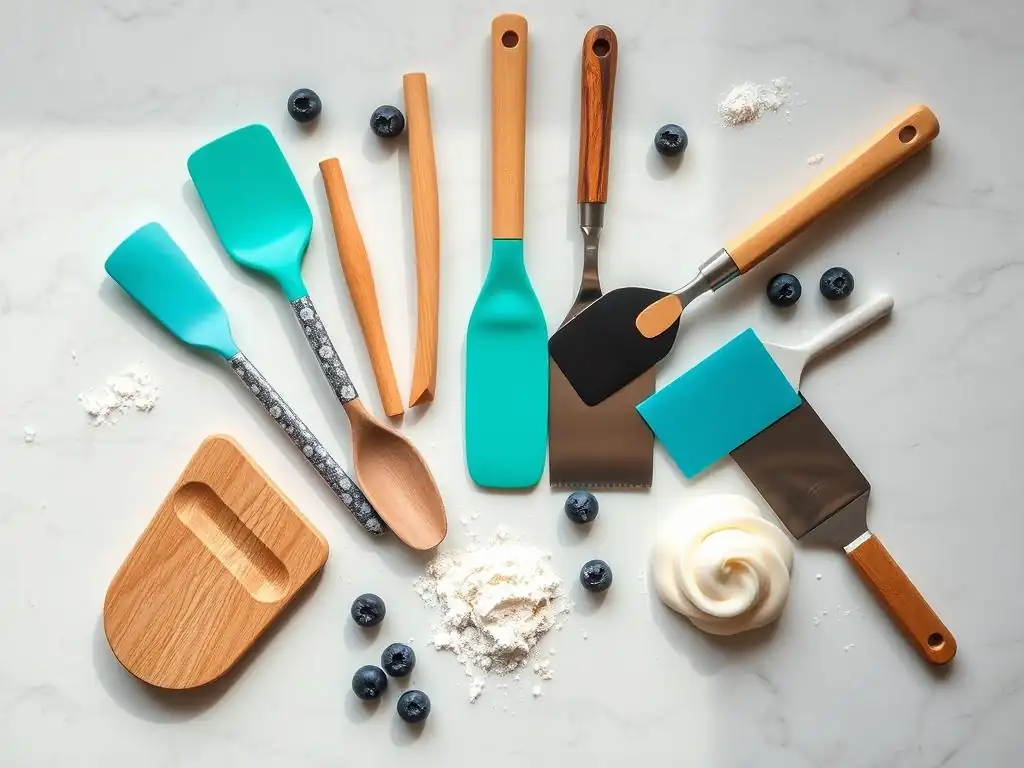
A flexible rubber or silicone spatula is an unsung hero among easy baking tools beginner needs. These versatile tools are perfect for a multitude of tasks. Their flexible head allows you to efficiently scrape down the sides of mixing bowls, ensuring all ingredients are incorporated evenly into the batter or dough. This is crucial for preventing unmixed pockets of flour or sugar.
Beyond scraping, spatulas are excellent for gently folding in delicate ingredients like whipped egg whites or cream, where you want to maintain airiness. They are also useful for stirring batters, mixing ingredients in pans on the stovetop (like pastry cream), and spreading batters into pans. Look for spatulas with heat-resistant silicone heads and sturdy handles; a set with different sizes (small for tight jars, larger for bowls) is ideal for comprehensive easy baking.
Offset Spatulas: Icing Cakes with Ease
While a regular spatula can spread frosting in a pinch, an offset spatula is specifically designed for icing cakes and spreading batters smoothly. It has a thin, flexible blade that is "offset" or angled away from the handle. This design keeps your knuckles from dragging through the frosting or batter, allowing for a much smoother and more controlled application.
Offset spatulas come in various sizes. A small offset spatula (around 4-6 inches) is great for spreading batter into small pans or working on cupcakes. A medium or large one (8-10 inches) is perfect for frosting the tops and sides of cakes. Mastering the use of an offset spatula significantly improves the presentation of your baked goods, making the decorating stage of easy baking less messy and more professional-looking.
Bench Scrapers: Handling Dough
For beginners venturing into bread or pastry making, a bench scraper is an incredibly useful easy baking tool. This simple tool, usually a flat piece of metal or plastic with a handle, is designed for working with dough directly on a counter or pastry board. It's perfect for dividing dough into portions, scraping sticky dough from your work surface, and transferring chopped ingredients.
A metal bench scraper with a sturdy handle is highly recommended. The straight, firm edge is excellent for cleanly cutting through dough and for scraping up dried-on flour or dough bits from your counter, making cleanup much easier. While not strictly necessary for every easy baking recipe, it's invaluable if you plan to work with yeasted doughs or pastry doughs regularly.
Other Indispensable Baking Tools for Beginners
Whisks: Achieving Light and Airy Mixtures
A good whisk is essential for incorporating air into ingredients and combining wet ingredients smoothly. A balloon whisk, with its many wires forming a bulbous shape, is the most common type for baking. It's perfect for whisking eggs, whipping cream, making meringues, and combining dry ingredients briefly before adding wet ones. The wires help break up clumps and introduce air, which is vital for light and fluffy results in easy baking.
Look for a whisk with a comfortable handle and wires that are securely attached and flexible. A medium-sized whisk (around 10-12 inches) is versatile enough for most beginner tasks. A smaller whisk can be useful for whisking ingredients in small bowls or cups. Using a whisk correctly is a fundamental technique that enhances the texture of many baked goods.
Rolling Pins: Essential for Dough Preparation
If your easy baking plans include cookies, pies, tarts, or pastries, a rolling pin is a necessary tool for rolling out dough to an even thickness. Rolling pins come in various styles, including the American style (with handles and a rotating barrel) and the French style (a tapered dowel). For beginners, either style works, but a sturdy, smooth rolling pin made of wood, marble, or non-stick plastic is key.
A standard 10-12 inch rolling pin is a good size for most home baking tasks. Ensure your work surface is lightly floured to prevent sticking, and roll from the center outwards, rotating the dough periodically to maintain an even shape. A good rolling pin makes preparing dough for your favorite easy baking recipes much simpler and more effective.
Baking Parchment Paper: Preventing Sticking and Ensuring Easy Cleanup
Baking parchment paper is a non-stick, heat-resistant paper liner that is incredibly useful for easy baking. Lining baking sheets or cake pans with parchment paper prevents baked goods from sticking, even delicate items like cookies or meringues. This ensures they release cleanly from the pan without breaking.
Beyond preventing sticking, parchment paper makes cleanup a breeze. Instead of scrubbing baked-on residue, you can simply lift the paper off the pan and discard it. It also helps protect your pans, extending their lifespan. Parchment paper can be found in rolls or pre-cut sheets and is a staple for anyone looking for genuinely easy baking tools beginner needs that simplify the process from start to finish.
Cooling Racks: Cooling Baked Goods Evenly
Once your delicious creations come out of the oven, a cooling rack is essential. Placing hot baked goods directly on a solid surface keeps the bottom trapped with heat and steam, which can make them soggy. A cooling rack allows air to circulate around the entire item, promoting even cooling and preventing condensation buildup on the bottom.
Cooling racks are typically made of wire mesh or parallel bars, raised on feet. Choose a sturdy rack that won't wobble and has a grid pattern fine enough to support smaller items without them falling through. A standard rectangular cooling rack (around 10x15 inches) is a good size. Allowing your baked goods to cool properly on a rack is a simple but crucial step for achieving the best texture and structure in your easy baking endeavors.
Cleaning and Maintaining Your Baking Tools
Tips for Cleaning Your Baking Tools Effectively
Properly cleaning your easy baking tools beginner needs is essential for hygiene and maintaining their condition. Immediately after use, wash tools to prevent food from drying and sticking. For most non-reactive metal, glass, and silicone tools, warm soapy water is sufficient. Use a soft sponge or cloth to avoid scratching surfaces, especially on non-stick pans.
- [ ] Wash tools promptly after use.
- [ ] Use warm, soapy water and a soft sponge.
- [ ] For stubborn residue, soak tools briefly.
- [ ] Rinse thoroughly to remove all soap.
- [ ] Dry metal tools completely to prevent rust.
Wooden tools, like rolling pins or wooden spoon handles, require slightly different care. They should not be soaked, as this can cause them to warp or crack. Wash them quickly with warm, soapy water, rinse, and dry immediately. Occasionally, wooden tools can be treated with food-grade mineral oil to prevent drying out. Keeping your tools clean ensures they are ready for your next easy baking adventure.
Proper Storage for Longevity
Storing your easy baking tools beginner needs correctly helps protect them from damage and keeps them organized. Metal pans and cookie sheets should be stored flat or vertically in a rack to prevent scratching the surfaces, especially non-stick coatings. Placing a sheet of paper towel or a clean cloth between stacked pans can also help protect the surfaces.
Mixing bowls can often be nested inside each other to save space. Store measuring cups and spoons together, perhaps on a ring or in a designated drawer, so they are easy to find. Keep spatulas, whisks, and other utensils in a utensil crock on the counter or in a drawer organizer. Proper storage extends the life of your tools and makes your kitchen more efficient for easy baking.
Where to Buy Affordable Baking Tools for Beginners
Finding affordable easy baking tools beginner needs doesn't mean sacrificing quality entirely. Many kitchen supply stores, department stores, and even large supermarkets offer basic, reliable baking tools at reasonable prices. Online retailers also provide a vast selection, often with customer reviews that can help guide your choices.
Look for value in sets of tools, such as a set of measuring cups and spoons or a set of nesting mixing bowls, as these are often more cost-effective than buying items individually. Don't feel pressured to buy professional-grade equipment initially; functional and durable tools from reputable basic brands are perfectly adequate for getting started with easy baking. Check for sales or clearance items to build your kit economically.
Level Up Your Baking with the Right Equipment
Equipping yourself with the right easy baking tools beginner needs is the first step towards unlocking your baking potential. These fundamental tools provide the accuracy, control, and ease necessary to successfully execute basic recipes. From precisely measuring flour with a scale to smoothly frosting a cake with an offset spatula, each tool plays a role in transforming raw ingredients into delicious baked goods.
Mastering Basic Baking Techniques
Having the correct beginner baking tools goes hand-in-hand with learning basic baking techniques. For example, a whisk helps you understand how to aerate egg whites for a meringue, while a rubber spatula teaches you the gentle art of folding. Using a cooling rack demonstrates the importance of proper cooling for texture. As you become comfortable with your tools, you'll naturally improve your technique, building confidence with every successful loaf, cookie, or cake you bake. Embrace these essential tools as your partners in the kitchen, and enjoy the rewarding process of mastering easy baking.
Frequently Asked Questions
What are the absolute most essential baking tools a beginner needs to get started?
The most important tools for a beginner are a good mixing bowl, a set of measuring cups and spoons, and a basic baking sheet. These essentials provide a solid foundation for most recipes.
Are expensive baking tools really necessary for a beginner to achieve good results?
No, you don't need expensive tools. Focus on quality basics that are durable and easy to clean. Good results come from following recipes carefully and practicing.
How can I choose the right measuring cups and spoons for accurate baking results?
Look for standard measuring sets with clearly marked measurements. Opt for dry and liquid measuring cups designed for their specific purposes. Accuracy is key in baking!
What type of baking sheet is best for a beginner, and why?
A light-colored, non-stick baking sheet is a great starting point. It helps prevent burning and ensures even baking. Avoid dark-colored sheets initially.
Where can I find affordable and reliable baking tools for beginners?
You can find reliable tools at department stores, kitchen supply stores, and online retailers. Look for sales and read reviews to find budget-friendly options that suit your needs.
Final Reflection: The Joy of Baking, One Tool at a Time
The accessibility of baking is often underestimated, but with the right tools, even the most intimidated beginner can unlock a world of delicious possibilities. Mastering the art of baking doesn't require years of culinary school or a professional-grade kitchen; it starts with a few essential tools and a willingness to experiment. This article has highlighted those foundational pieces, demystifying the process and empowering aspiring bakers to confidently create their own culinary masterpieces.
The impact of accessible baking extends far beyond the simple act of creating a cake or cookies. It fosters creativity, encourages experimentation, and provides a tangible sense of accomplishment. Baking becomes a form of self-expression, a way to connect with loved ones, and a source of immense personal satisfaction. The best things in life are homemade,
a sentiment that rings truer than ever when considering the joy and connection found in baking. This simple act transcends mere sustenance; it becomes a ritual, a tradition, a legacy passed down through generations.
Now, it's your turn. Consider the tools you already possess and identify the gaps. Don't be afraid to start small; one well-chosen tool at a time can make a significant difference. Embrace the learning process, celebrate your successes (even the small ones! ), and most importantly, have fun! The journey of becoming a confident baker is a rewarding one, filled with delicious discoveries and the sweet satisfaction of creating something beautiful and delicious with your own two hands.
Unleash Your Inner Baker: Start Baking Today!
Thanks for diving into the world of easy baking with us! We hope you’ve discovered some new tools and inspiration to get you started. Now it’s time to put that knowledge into action.
- Bake your first masterpiece! Choose your favorite recipe (maybe one from this article?) and give it a try. Don't be afraid to experiment!
- Share your baking journey! Snap a photo of your creation and post it on social media using #BakeWithEase – we’d love to see your results!
- Explore our other beginner-friendly recipes. Find more inspiration and tips on our website (bakewithease.com)!
What delicious treat will you create first?