
Your Guide to Effortless Italian Cookies

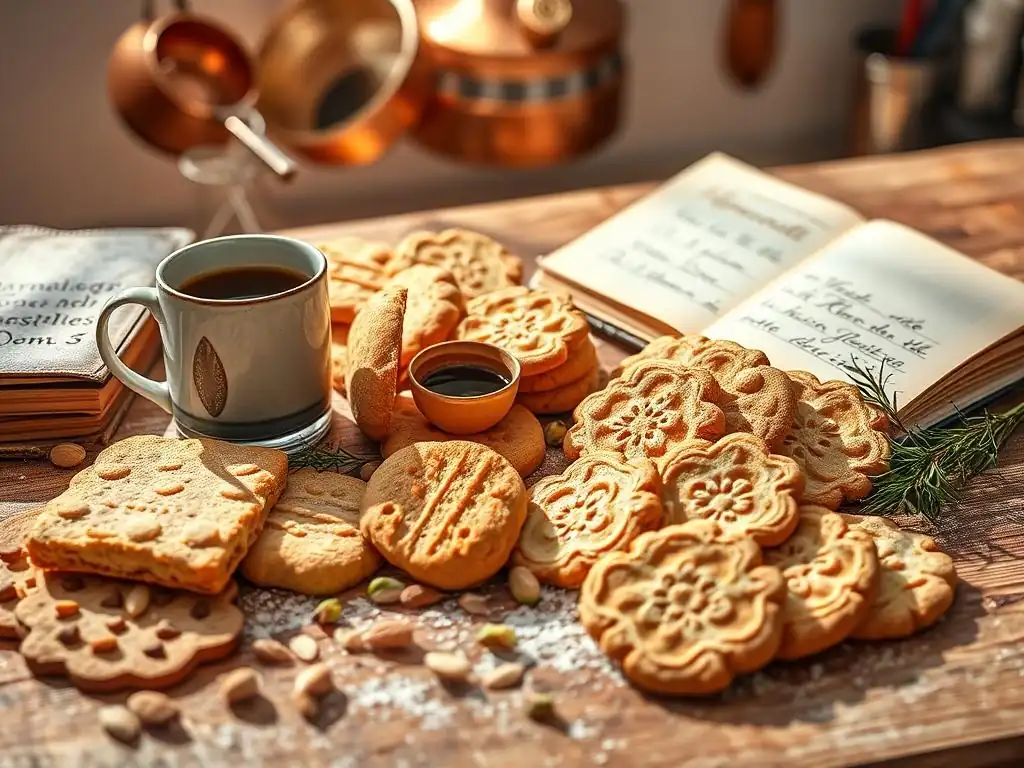
Welcome to BakeWithEase, your kitchen companion for crafting delightful treats! Ever dreamed of effortlessly creating melt-in-your-mouth Italian cookies? Unlock the secrets to our incredibly easy Italian cookie recipe and embark on a baking journey that's both simple and satisfying. Discover the authentic flavors of Italy, one delicious bite at a time, as we guide you through each step. Ready to bake?
- Discover Delicious & Simple Italian Cookie Recipes
- Simple Italian Cookie Recipes for Every Skill Level
- Key Ingredients for Authentic Italian Cookies
- Top 5 Effortless Italian Cookie Recipes
- Baking Tips for Perfect Italian Cookies
- Troubleshooting Common Italian Cookie Baking Problems
- Variations & Adaptations: Making Italian Cookies Your Own
- Enjoy the Taste of Italy: Sharing Your Homemade Italian Cookies
-
Frequently Asked Questions
- What makes this Italian cookie recipe "easy"?
- What kind of Italian cookies does this recipe cover?
- Can I substitute ingredients in this easy Italian cookie recipe?
- How should I store these easy Italian cookies to keep them fresh?
- Are there any tips for ensuring my easy Italian cookies don't come out dry?
- Final Reflection: The Sweet Simplicity of Italian Baking
- Unleash Your Inner Biscotto Baker!
Welcome to the delightful world of Italian cookies, where simple ingredients transform into exquisite treats! Italian baking traditions are renowned for their focus on flavor, texture, and often, surprising simplicity. Many beloved Italian cookies are surprisingly easy to make at home, requiring minimal fuss but delivering maximum pleasure. This guide is designed to help you explore and master an easy Italian cookie recipe, bringing the authentic taste of Italy right into your kitchen, regardless of your baking experience.
Whether you're a complete beginner or looking for quick additions to your baking repertoire, Italian cookies offer a fantastic starting point. From crisp biscotti perfect for dipping into coffee to soft, delicate ricotta cookies, there's an easy Italian cookie recipe waiting for you. We'll walk you through the essential ingredients, fundamental techniques, and even some troubleshooting tips to ensure your baking journey is smooth and utterly delicious. Get ready to fill your home with the aroma of freshly baked Italian goodness!
A Journey into Italian Baking Traditions
Italian baking is deeply rooted in regional diversity and seasonal ingredients, with each region boasting its own unique specialties. While some pastries are intricate works of art, many traditional Italian cookies, or biscotti (which simply means 'twice-baked'), are born from humble origins, designed to be simple, long-lasting, and satisfying. Think of the classic almond biscotti, originally made sturdy enough for travelers, or the simple flour-and-sugar cookies found in many grandmothers' kitchens across Italy.
These traditions emphasize using quality ingredients and straightforward methods. For instance, many Italian cookies rely on the richness of eggs, the sweetness of sugar, and the structure of flour, often enhanced by simple flavorings like lemon zest, orange blossom water, or almond extract. This focus on core ingredients and techniques makes learning an easy Italian cookie recipe an accessible and rewarding experience for anyone interested in baking authentic treats without needing complex equipment or specialized skills.
Embarking on your journey to bake Italian cookies doesn't have to be intimidating. There are numerous simple Italian cookie recipes perfectly suited for newcomers to the kitchen. These recipes often require just a few basic ingredients and techniques you might already be familiar with, such as creaming butter and sugar or simply mixing dry and wet ingredients. The key is starting with recipes specifically designed for ease, allowing you to build confidence and skill before tackling more complex creations.
Finding an easy Italian cookie recipe means looking for clear instructions, minimal steps, and common ingredients. Recipes like classic butter cookies ( frollini) or simple almond cookies ( amaretti - the chewy kind) are fantastic starting points. They introduce you to fundamental dough consistency, shaping techniques, and baking times without overwhelming you. Once you've mastered a few basic easy Italian cookie recipes, you'll feel ready to explore the wider world of Italian baking with greater confidence.
For those just starting out, focusing on foundational doughs and simple shaping methods is crucial. An excellent example of a beginner-friendly easy Italian cookie recipe is the classic frollini, a simple butter cookie dough that can be rolled and cut into various shapes. This dough typically involves creaming softened butter with sugar, adding eggs and vanilla, and then incorporating flour until a soft, manageable dough forms.
Another wonderfully accessible option is the simple ricotta cookie. These cookies are inherently moist and tender due to the addition of ricotta cheese, making the dough forgiving and easy to handle. A typical recipe involves mixing ricotta with sugar, eggs, vanilla, and then adding flour and baking powder.
The dough is often just dropped by spoonfuls onto a baking sheet or lightly rolled into balls, requiring minimal shaping skill. Baking time is usually short, around 12-15 minutes at 350°F (175°C), resulting in soft, cake-like cookies perfect for decorating with a simple glaze. Mastering these basic doughs and techniques lays a strong foundation for future baking endeavors.
Sometimes you need a delicious treat in a hurry, and luckily, the world of Italian cookies offers plenty of rapid options. Many easy Italian cookie recipes can be mixed, shaped, and baked in under an hour, making them perfect for unexpected guests or sudden cravings. Look for recipes that don't require extensive chilling time for the dough or complex assembly. Drop cookies or simple roll-and-cut doughs are ideal candidates for speedy baking.
Consider the classic pizzelle if you have a pizzelle iron. While requiring a specific tool, the batter comes together in minutes, and the cookies bake incredibly quickly, often in just 30-60 seconds per cookie. Another fast option is a simple almond paste cookie; these often involve mixing just almond paste, sugar, and egg whites, then shaping small balls and baking for about 10-12 minutes. These quick and easy Italian cookie recipes prove that you don't need to spend hours in the kitchen to enjoy authentic, homemade Italian treats.
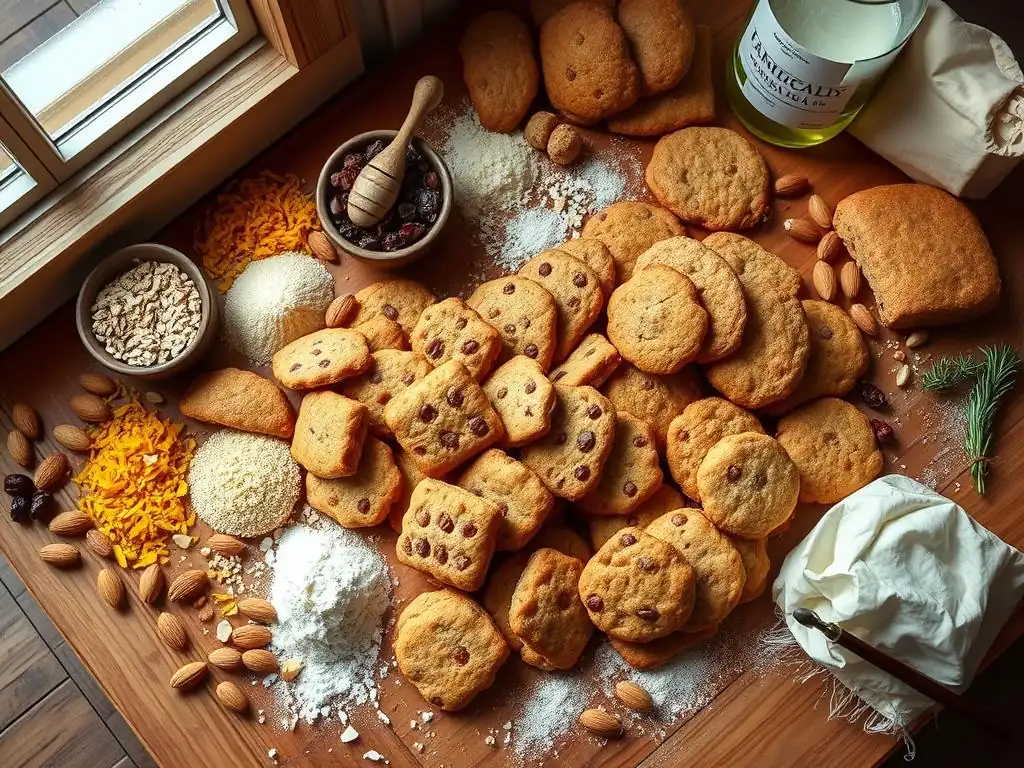
The soul of any easy Italian cookie recipe lies in its ingredients. Italian baking often emphasizes quality and simplicity, letting the natural flavors of the components shine. While recipes vary, several key ingredients form the backbone of many beloved Italian cookies, from flour providing structure to extracts adding aromatic depth. Understanding the role of each ingredient will help you achieve authentic flavors and textures in your homemade creations.
Using fresh, high-quality ingredients is paramount. For example, using fresh eggs, good quality butter, and vibrant citrus zest (when called for) can significantly impact the final taste and texture of your easy Italian cookie recipe. Paying attention to the specific types of flour, sugar, and flavorings recommended in a recipe will guide you towards successful baking results that truly capture the essence of Italian confectionery.
The type of flour used plays a significant role in the texture of Italian cookies. For many classic, crisp or crumbly cookies like biscotti or shortbread-style frollini, all-purpose flour (often labeled '00' flour in Italy, which is a very finely milled wheat flour) is a common choice. All-purpose flour strikes a good balance between protein content, providing just enough structure without making the cookies tough. A protein content around 10-12% is typical for standard all-purpose flour in many regions.
For lighter, more cake-like cookies, such as ricotta cookies, a slightly lower protein flour might be beneficial, or sometimes a blend of flour and almond flour is used for added tenderness and flavor, as seen in amaretti or pignoli cookies. Using a kitchen scale to measure flour accurately is highly recommended, as scooping directly from the bag can result in significantly more flour than intended, leading to dry or dense cookies. For most easy Italian cookie recipes calling for 'flour' without specifying, standard all-purpose flour is a safe and effective choice.
Sweetness Secrets: Selecting the Best Sugar
Sugar doesn't just provide sweetness; it also affects texture, spread, and browning in cookies. Granulated sugar is the most common type used in many easy Italian cookie recipes. It contributes to crispness and helps cookies spread slightly. For recipes where a finer texture is desired, like in delicate shortbreads or glazes, confectioners' sugar (also known as powdered sugar or icing sugar) is often used.
Some traditional recipes, particularly older ones or those from specific regions, might call for caster sugar (superfine sugar), which dissolves more quickly than granulated sugar, resulting in a slightly finer crumb. Brown sugar is less common in classic Italian cookies compared to American baking, but it can be used in variations for added moisture and a subtle molasses flavor.
When making an easy Italian cookie recipe, pay close attention to the type of sugar specified, as substituting can alter the final result. For instance, using only confectioners' sugar instead of granulated in a recipe designed for crispness will likely yield a softer cookie.
Flavor Enhancers: Essential Extracts & Spices
The characteristic flavors of many Italian cookies come from simple, yet potent, additions like extracts, zests, and spices. Almond extract is perhaps one of the most iconic flavors, central to cookies like amaretti and pignoli. A little goes a long way with almond extract, as it is quite concentrated. Vanilla extract is another staple, adding warmth and depth to almost any cookie dough. For the best flavor, opt for pure vanilla extract over imitation.
Citrus zest, particularly from lemons or oranges, is incredibly popular in Italian baking, providing a bright, fresh aroma and taste. Zest contains the oils of the fruit's peel and imparts a much more vibrant flavor than juice. An easy Italian cookie recipe often calls for the zest of one medium lemon or orange.
Spices like cinnamon, nutmeg, or cloves are used less frequently than in some other baking traditions but appear in specific regional cookies, such as speculoos-like cookies or certain holiday treats. Anise extract is also traditional in some cookies, notably pizzelle or specific types of biscotti, offering a distinct, licorice-like note.
Ready to start baking? Here are five popular and relatively easy Italian cookie recipes that are perfect for bakers of all levels. These selections cover a range of textures and flavors, providing a great introduction to the diversity of Italian biscotti. Each recipe is known for its straightforward approach, proving that you don't need to be a pastry chef to create delicious, authentic Italian treats at home.
From the delicate crispness of pizzelle to the chewy delight of amaretti, these easy Italian cookie recipes have been chosen for their accessibility and widespread appeal. We'll provide a brief overview of each, highlighting why they are considered easy, and offer some key tips to ensure your success. Get ready to choose your first easy Italian cookie recipe adventure!
Recipe 1: Classic Pizzelle - An Easy Italian Recipe
Pizzelle are traditional Italian waffle cookies, known for their beautiful snowflake-like patterns and delicate, crisp texture. While they require a specific tool – a pizzelle iron – the batter itself is incredibly simple to make, often just a matter of whisking together eggs, sugar, melted butter, flour, and flavorings like vanilla or anise. This makes them an excellent candidate for an easy Italian cookie recipe, provided you have the iron ready.
Once the batter is mixed (which takes just a few minutes), baking is a rapid process. A tablespoon or two of batter is placed on the hot iron, closed, and baked for a very short time, typically 30-60 seconds, depending on the iron's heat. They are immediately removed and can be left flat or rolled into cones or tubes while still hot. The simplicity of the batter and the speed of baking make pizzelle a truly effortless Italian cookie recipe once the initial setup is done.
Step-by-Step Guide to Baking Pizzelle at Home
- Prepare the Batter: In a bowl, whisk together 3 large eggs and 3/4 cup granulated sugar until well combined.
- Add Wet Ingredients: Stir in 1/2 cup melted butter (cooled slightly) and 1 teaspoon vanilla extract (or 1/2 teaspoon anise extract for a traditional flavor).
- Combine Dry Ingredients: In a separate bowl, whisk together 1 3/4 cups all-purpose flour and 2 teaspoons baking powder.
- Mix Dough: Gradually add the dry ingredients to the wet ingredients, mixing until just combined. The batter will be thick but pourable.
- Heat Pizzelle Iron: Preheat your pizzelle iron according to the manufacturer's instructions. Lightly grease the iron if it is not non-stick.
- Bake Cookies: Spoon about 1-2 tablespoons of batter onto the center of each grid section of the hot iron. Close the lid and bake for 30-60 seconds, or until golden brown and crisp. Baking time varies greatly by iron model.
- Cool/Shape: Carefully remove the hot pizzelle with a spatula. Lay flat on a wire rack to cool and crisp, or immediately roll into cones or tubes around a dowel or cone mold.
- Repeat: Continue with the remaining batter until all pizzelle are baked.
- Whisk eggs & sugar.
- Add melted butter & extract.
- Combine flour & baking powder.
- Mix wet & dry ingredients.
- Preheat & grease pizzelle iron.
- Spoon batter onto iron.
- Close & bake (30-60s).
- Remove & cool/shape immediately.
Recipe 2: Simple Biscotti Recipe - A Twice-Baked Italian Delight
Biscotti, meaning "twice-baked," are arguably one of the most famous Italian cookies. Their characteristic hardness makes them perfect for dipping into coffee, wine, or tea. While the name might sound fancy, a basic biscotti recipe is surprisingly simple and involves forming dough into logs, baking them, slicing them, and then baking the slices again until dry and crisp. This two-step baking process is key to their texture.
A standard easy Italian cookie recipe for biscotti often starts with creaming butter and sugar, adding eggs and flavorings (like almond extract or lemon zest), and then incorporating flour and baking powder. Nuts, like almonds or pistachios, are frequently added for crunch and flavor. The dough is typically less sticky than other cookie doughs, making it easy to shape into logs on a baking sheet. The initial bake is usually around 25-30 minutes at 350°F (175°C), followed by slicing and a second bake at a lower temperature (around 300°F / 150°C) for another 10-15 minutes per side.
Baking Biscotti: Tips & Tricks for Perfect Texture
Achieving the perfect biscotti texture – crisp but not tooth-breakingly hard – depends on a few key factors. Firstly, don't overmix the dough once the flour is added; this can develop the gluten too much, resulting in tough cookies. Mix just until the ingredients are combined. Secondly, the shape of the log matters; aim for a log that is about 1.5 to 2 inches wide and about 3/4 inch to 1 inch high. Thinner logs will bake faster and might become too hard.
The second bake is critical. Ensure your oven temperature is low enough (around 300°F / 150°C) to dry out the slices without burning them. Baking each side for 10-15 minutes allows for even drying. For easier slicing after the first bake, let the logs cool for about 10-15 minutes on the baking sheet before transferring to a cutting board. Use a sharp serrated knife and a gentle sawing motion to minimize crumbling. If you prefer a slightly softer biscotti, you can shorten the second baking time slightly.
Italian ricotta cookies are a revelation for anyone expecting a crisp cookie. These delightful treats are known for their incredibly soft, cake-like texture and delicate sweetness. The star ingredient, ricotta cheese, adds significant moisture and richness, resulting in a tender crumb that practically melts in your mouth. This inherent moisture makes the dough very forgiving and easy to work with, cementing its status as an easy Italian cookie recipe favorite.
The dough is usually made by creaming butter and sugar, then beating in eggs and a generous amount of whole milk ricotta cheese (drained of excess liquid if very wet). Vanilla extract is a common flavoring, sometimes enhanced with lemon zest or almond extract. Flour and baking powder are then added. The dough is typically quite soft and sticky, often requiring it to be dropped onto baking sheets using spoons or a cookie scoop. Baking time is relatively short, around 12-15 minutes at 350°F (175°C), resulting in slightly puffed, tender cookies.
Ricotta Cookie Variations: Exploring Different Flavors
While a simple vanilla ricotta cookie is delicious on its own, this easy Italian cookie recipe base is perfect for experimentation. The mild flavor of the ricotta provides a neutral canvas for various additions. Lemon zest is a classic pairing, adding brightness that complements the richness of the cheese. Simply add the zest of one large lemon to the wet ingredients. Orange zest or even a touch of orange blossom water can provide a lovely floral note.
For a richer flavor, consider adding a few tablespoons of cocoa powder to the dry ingredients for chocolate ricotta cookies. You can also fold in mini chocolate chips or dried cranberries. After baking, the cookies are often glazed with a simple mixture of confectioners' sugar and milk or lemon juice and topped with sprinkles. Approximately 1 cup of confectioners' sugar mixed with 2-3 tablespoons of liquid is usually enough glaze for a batch of 2-3 dozen cookies. These variations make an easy Italian cookie recipe like ricotta cookies endlessly adaptable.
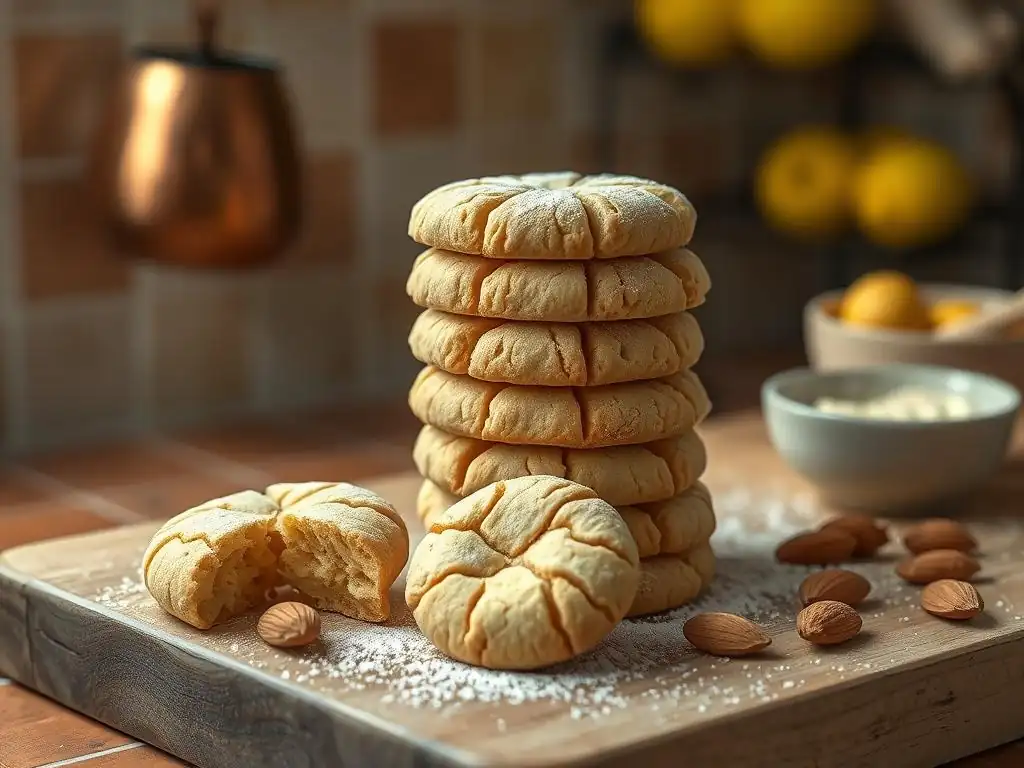
Unlike their crisp, store-bought counterparts, traditional soft amaretti cookies are delightfully chewy, with a distinct almond flavor and a slightly crackled exterior. Made primarily from almond paste, sugar, and egg whites, they are naturally gluten-free (though always check ingredient labels if strict dietary needs apply). The simplicity of the ingredients and the minimal mixing required make them a fantastic easy Italian cookie recipe option.
The process involves combining finely crumbled almond paste with sugar (often granulated or superfine) and gradually adding beaten egg whites until a thick, pliable dough forms. The dough is then typically rolled into small balls (about 1 inch in diameter), sometimes rolled in confectioners' sugar for that classic crackled look, and baked until puffed and the edges are lightly golden. Baking time is usually around 15-20 minutes at 325°F (160°C). The low temperature helps them cook through without becoming hard.
Achieving the Perfect Amaretti Texture
The key to soft, chewy amaretti lies in the ratio of ingredients and the baking process. Using good quality almond paste is essential – look for one that is primarily almonds and sugar, without too many fillers. The amount of egg white added is also critical; add just enough to bind the dough so it can be rolled into balls, but not so much that the dough becomes overly sticky. If the dough is too wet, the cookies will spread too much and become thin and hard.
Baking at a relatively low temperature (around 325°F / 160°C) is crucial. This allows the cookies to set and develop a crust without drying out too quickly. The slight puffing and surface cracks are indicators they are baking correctly. They should feel firm around the edges but still slightly soft in the center when removed from the oven. As they cool on the baking sheet for about 10 minutes before being transferred to a wire rack, they will firm up further while retaining their characteristic chewiness.
Pignoli cookies, named after their star ingredient, pine nuts ( pignoli in Italian), are another classic Italian cookie known for their unique texture and rich flavor. These cookies are often made with almond paste or a combination of almond paste and almond flour, giving them a moist, chewy interior similar to soft amaretti, but with the added buttery crunch of pine nuts coating the exterior. Despite their elegant appearance, they are surprisingly simple to make, fitting perfectly into the category of an easy Italian cookie recipe.
The dough base is typically made from almond paste, sugar, and egg whites, similar to amaretti. Small balls of dough are formed and then rolled generously in pine nuts before being placed on a baking sheet. As they bake, the pine nuts toast and become fragrant, while the cookie base expands slightly, creating that signature look where the nuts cling to the surface. Baking usually takes about 12-15 minutes at 350°F (175°C), or until the pine nuts are golden brown and the cookie edges are lightly set.
Baking Pignoli Cookies: A Guide to Success
Successfully baking pignoli cookies hinges on a few details. Start with good quality almond paste; this provides the primary flavor and texture. Ensure your pine nuts are fresh; old nuts can have a bitter taste. Toasting a small batch of pine nuts beforehand (at 300°F / 150°C for 5-10 minutes) can enhance their flavor before rolling the dough balls in them, though this is optional and adds a step.
When forming the dough balls, aim for about 1-inch diameter. Gently press the balls into a shallow dish filled with pine nuts, ensuring the nuts adhere well to all sides. Place them on a baking sheet lined with parchment paper or a silicone mat, leaving about 1.5 to 2 inches between cookies as they will spread slightly. Bake until the pine nuts are a beautiful golden brown; this is a better indicator of doneness than the cookie base itself, which remains pale. Allowing them to cool on the baking sheet for 5-10 minutes before moving them helps them set.
Mastering an easy Italian cookie recipe involves more than just following steps; it requires understanding some fundamental baking principles. Paying attention to details like dough consistency, oven temperature, and cooling methods can elevate your cookies from good to truly exceptional. These general tips apply to many types of Italian cookies and will help you achieve consistent, delicious results every time you bake.
Remember that ovens vary, and environmental factors like humidity can affect dough. Being observant and making slight adjustments as needed based on how your dough looks and feels is part of becoming a confident baker. Don't be afraid to make small tweaks based on your experience – it's part of the joy of baking!
Mastering the Dough: Achieving the Right Consistency
The consistency of your cookie dough is paramount to the final texture of your cookies. For recipes requiring rolling and cutting, the dough should be firm enough to handle without being overly sticky, yet not so dry that it cracks when rolled. This often means chilling the dough for at least 30 minutes to an hour. Chilling solidifies fats, making the dough easier to work with and helping to prevent excessive spreading during baking.
For drop cookies, like ricotta cookies, the dough should be soft and scoopable, but not runny. If it's too stiff, the cookies might not spread enough; if too loose, they can spread into thin, brittle discs. Adding liquid (like milk or a bit more egg) or dry ingredients (flour) in very small increments (e.g., 1 teaspoon at a time) can help adjust consistency if needed. Always add flour cautiously, as too much is a common cause of dry cookies.
Accurate baking time and temperature are crucial for achieving the desired texture and preventing burnt or undercooked cookies. Most easy Italian cookie recipes call for temperatures between 325°F (160°C) and 375°F (190°C). Lower temperatures are often used for cookies that need to retain softness or dry out slowly (like amaretti or the second bake of biscotti), while higher temperatures are used for cookies intended to be crisp or that bake very quickly (like pizzelle or some shortbreads).
Always preheat your oven fully before putting cookies in. An oven thermometer is a valuable tool, as oven thermostats can be inaccurate by as much as 25-50°F. Bake cookies on the middle rack for the most even heat distribution. Rotate the baking sheet halfway through the baking time if your oven has hot spots. Cookies are often done when the edges are lightly golden and the centers look set, even if they still appear slightly soft in the middle.
Proper cooling and storage are essential for maintaining the texture and freshness of your homemade Italian cookies. Most cookies should cool on the baking sheet for a few minutes (typically 5-10 minutes) after coming out of the oven. This allows them to set and become firm enough to transfer without breaking. After this initial cooling, transfer them to a wire rack to cool completely. Cooling on a rack allows air circulation, preventing the bottoms from becoming soggy from residual heat.
Once completely cool, store cookies in an airtight container at room temperature. Crisp cookies, like biscotti or pizzelle, should be stored separately from soft cookies, like ricotta or amaretti, as the moisture from soft cookies can soften the crisp ones. Most Italian cookies will stay fresh for 5-7 days when stored properly. For longer storage, many types of Italian cookies, especially biscotti and butter cookies, freeze well for up to 2-3 months in a freezer-safe container.
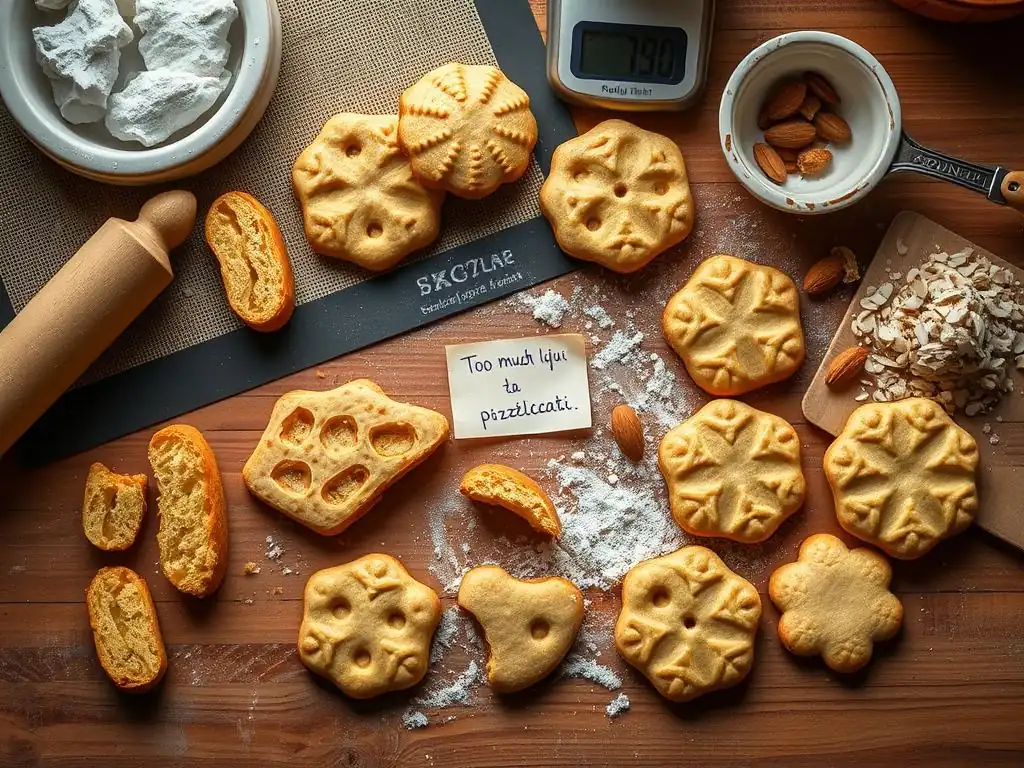
Even with an easy Italian cookie recipe, baking can sometimes present challenges. Don't get discouraged if your first batch isn't perfect! Understanding common problems and how to fix them is part of the learning process. Most issues with cookies relate to dough consistency, oven temperature, or baking time. Here are a few frequent problems and practical solutions to help you bake with confidence.
Keep in mind that baking is a science, but also an art influenced by variables like humidity, altitude, and oven calibration. Taking notes when you bake – what worked, what didn't, and any adjustments you made – can be incredibly helpful for future attempts at your favorite easy Italian cookie recipe.
Dry, crumbly cookies are often the result of too much flour or insufficient fat/liquid. If your dough feels too dry before baking, you might be able to salvage it by adding a very small amount of liquid, such as milk, a beaten egg yolk, or even a tablespoon of melted butter or oil. Add just a teaspoon at a time and gently knead or mix until the dough comes together without being sticky.
To prevent dry cookies in the future, measure your flour accurately, preferably using a kitchen scale (1 cup of all-purpose flour is typically around 120-125 grams). Avoid packing the flour into the measuring cup if using volume measurements; gently spoon it in and level off the top. Ensure your butter is at the correct temperature (softened, not melted, unless the recipe specifies). Over-baking is another major cause of dryness; check for doneness at the minimum suggested baking time.
Cookies that spread too much and end up thin and flat can be disappointing. This is often caused by butter that is too soft or melted, dough that wasn't chilled sufficiently, or an oven that isn't hot enough. If your dough feels very soft or greasy before baking, chilling it for at least 30-60 minutes will help firm up the fat and reduce spread.
Ensure your butter is only softened (if the recipe calls for it), not warm or melted. Creaming softened butter and sugar incorporates air, which helps the cookies hold their shape. Baking on a preheated baking sheet (not a hot one just out of the oven) and ensuring your oven is at the correct temperature are also crucial. If cookies consistently spread too much, try increasing the oven temperature by 10-15°F or adding a tablespoon or two more flour to the dough (but be cautious not to make them dry).
Burnt cookie edges with pale centers, or cookies that are simply too dark and hard, are usually a sign of incorrect baking time, temperature, or poor heat distribution. Using a dark-colored baking sheet can also contribute to over-browning on the bottom. If your cookies are burning on the bottom, try using a lighter colored baking sheet or placing a second baking sheet underneath the first one to insulate it.
Make sure your oven temperature is accurate using an oven thermometer. If your oven runs hot, reduce the temperature by 15-25°F. Always check the cookies at the minimum suggested baking time. Look for visual cues like lightly golden edges and a set center rather than strictly relying on the timer, as oven performance varies. Rotating your baking sheet halfway through the bake can help ensure even cooking and prevent one side from burning while the other remains underdone.
Once you've mastered a few classic easy Italian cookie recipes, don't hesitate to get creative! Italian baking traditions, while rooted in history, also embrace innovation and adapting recipes to available ingredients or personal preferences. Exploring variations allows you to put your own stamp on these timeless treats and cater to different tastes or dietary needs.
From simple flavor swaps to experimenting with alternative flours or fats, there are many ways to adapt an easy Italian cookie recipe. Consider adding different nuts, dried fruits, chocolate, or spices. You can also explore options for gluten-free or vegan versions, ensuring everyone can enjoy the delightful experience of homemade Italian cookies.
Many traditional Italian cookies are naturally or easily adaptable to be gluten-free. Cookies made primarily from nuts or almond paste, such as amaretti or pignoli, are often gluten-free by nature (always check labels of pre-made ingredients like almond paste). A basic soft amaretti recipe typically uses only almond paste, sugar, and egg whites, containing no wheat flour.
For other types of cookies, like frollini or biscotti, you can often substitute the all-purpose flour with a good quality gluten-free all-purpose flour blend. Look for blends designed for baking. The ratio might need slight adjustment, often requiring slightly less gluten-free flour than wheat flour, or the addition of a binder like xanthan gum (if not already in the blend). Experimentation with small batches is recommended when adapting an easy Italian cookie recipe to be gluten-free.
Creating vegan versions of Italian cookies involves substituting animal products like butter, eggs, and dairy. Butter can typically be replaced with vegan butter sticks or sometimes oil, though the latter can change the texture. Eggs serve multiple functions (binding, leavening, richness), so the substitute depends on the recipe. For rich, moist cookies, applesauce or mashed banana can work. For binding or leavening, commercial egg replacers, flax eggs (1 tbsp flax meal + 3 tbsp water, let sit 5 mins), or aquafaba (the liquid from canned chickpeas) can be used.
Many almond-based cookies, like amaretti, can be made vegan by using a binder like aquafaba instead of egg whites. Ricotta cookies can be adapted using vegan ricotta alternatives. While finding a perfect vegan substitute for every traditional Italian cookie recipe can be challenging, many easy Italian cookie recipes lend themselves well to adaptation with readily available vegan ingredients.
Adding Your Own Twist: Experimenting with Flavors
Once you feel comfortable with the basic techniques of an easy Italian cookie recipe, you can start experimenting with adding your own personal touches. Think about complementary flavors that work well with the cookie base. For almond-based cookies, consider adding a touch of orange zest or dipping half the cookie in melted dark chocolate.
For butter cookies or biscotti, try adding different nuts (like walnuts or hazelnuts), dried fruits (such as figs or apricots), or spices like cardamom or a pinch of black pepper for warmth. Citrus flavors are always a welcome addition – lemon, orange, or even grapefruit zest can brighten up a simple dough. Consider adding extracts beyond vanilla and almond, like pistachio, rum, or even coffee extract. The key is to add flavorings in moderation at first, so they enhance rather than overpower the cookie's base flavor.
There's immense satisfaction in baking a batch of delicious cookies, especially when it's an easy Italian cookie recipe that brings a little bit of Italy into your home. But the true joy comes from sharing these treats with others. Whether you're serving them with coffee, giving them as gifts, or simply enjoying them yourself, these homemade cookies are a wonderful way to connect with culinary traditions and create sweet moments.
Sharing your baked goods is a gesture of warmth and generosity. A plate of freshly baked, easy Italian cookie recipes is perfect for any occasion, from a casual afternoon visit to a festive holiday gathering. The effort you put into making them, however effortless the recipe might have been, shines through in the taste and presentation.
Perfect Pairings: Coffee, Tea, & Wine Recommendations
Italian cookies are often enjoyed alongside beverages. Biscotti are famously paired with vin santo, a Tuscan dessert wine, or simply dipped into coffee or espresso. The crisp texture softens beautifully when dipped. Soft amaretti or ricotta cookies are wonderful with a cappuccino or a strong cup of tea. Their delicate texture is a lovely contrast to a warm drink.
Lighter, buttery cookies like frollini are versatile and pair well with coffee, tea, or even a glass of milk. Pizzelle, depending on their flavoring (anise or vanilla), can be enjoyed with coffee, hot chocolate, or even used as a garnish for desserts like gelato. When choosing a pairing, consider the cookie's texture and dominant flavor profile – crisp cookies often benefit from a liquid to soften them, while soft cookies complement warm, comforting drinks.
Gift-Giving Ideas: Packaging & Presentation Tips
Homemade Italian cookies make thoughtful and delicious gifts. Beautiful packaging can elevate even the simplest easy Italian cookie recipe into a special present. Consider layering different types of cookies in a decorative tin or box, separating layers with parchment paper. This not only looks appealing but also helps prevent softer cookies from affecting crisp ones.
Use cellophane bags tied with ribbon for smaller quantities or individual types of cookies. Mason jars or other glass containers can also work well, particularly for cookies that need to stay crisp. Add a handwritten tag with the name of the cookie (e.g., "Homemade Almond Biscotti") and perhaps a brief note about the Italian tradition behind it. Presenting your easy Italian cookie recipes with care shows the recipient the love and effort that went into making them, making the gift even sweeter.
Frequently Asked Questions
The recipe emphasizes simple instructions and uses easily accessible ingredients that you likely already have in your pantry. It avoids complicated techniques for a streamlined baking experience.
This recipe focuses on a classic, simple Italian cookie often enjoyed during holidays or with coffee. It's not overly sweet and offers a delightful, slightly crumbly texture.
While the recipe is designed for ease, you can make minor substitutions. However, altering key ingredients like flour or butter may affect the final texture and outcome.
Store the cookies in an airtight container at room temperature. This will help maintain their texture and prevent them from drying out too quickly for several days.
Avoid overbaking the cookies. Bake them until they are lightly golden and firm to the touch. Also, ensure your ingredients are properly measured for accurate results.
Final Reflection: The Sweet Simplicity of Italian Baking
The enduring appeal of Italian cookies lies not just in their deliciousness, but in their accessibility. These aren't fussy, complicated pastries requiring years of culinary school; they're recipes passed down through generations, built on simple ingredients and straightforward techniques. This guide aimed to demystify the process, proving that anyone can create authentic, delightful Italian cookies in their own kitchen.
The joy of baking, particularly with recipes steeped in tradition, is a powerful connection to culture and heritage. It's more than just following instructions; it's about sharing a piece of history, a taste of family, and a moment of mindful creation. As the great Italian chef, Antonio Carluccio, once said: Cooking is at the heart of a good life.
These simple cookie recipes offer a tangible way to experience that truth, fostering a sense of accomplishment and connection with something larger than ourselves.
Now, I invite you to roll up your sleeves, gather your ingredients, and embark on your own Italian baking adventure. Don't be intimidated by the seemingly complex world of Italian pastries; embrace the simplicity, the tradition, and the joy of creating something delicious and meaningful. Let the aroma of warm, freshly baked cookies fill your home, and share the sweetness with those you love. The experience, I promise, will be as rewarding as the taste.
Unleash Your Inner Biscotto Baker!
Thanks for joining us on this delicious journey into the world of effortless Italian cookies! We hope you've gained some sweet inspiration and newfound confidence in your baking abilities. Ready to roll up your sleeves and get baking?
- Whip up your first batch: Use the recipes and tips from the article to create your own stunning Italian cookies. Don't be afraid to experiment!
- Share your creations: Post a picture of your cookies on social media using #BakeWithEaseItalianCookies and tag us! We'd love to see your culinary masterpieces.
- Explore more Italian treats: Dive into our extensive recipe collection to discover even more delightful Italian desserts.
What unique twist will you add to your Italian cookies to make them truly your own?