
Using a Baking Stone or Steel for Superior Baguette Crust

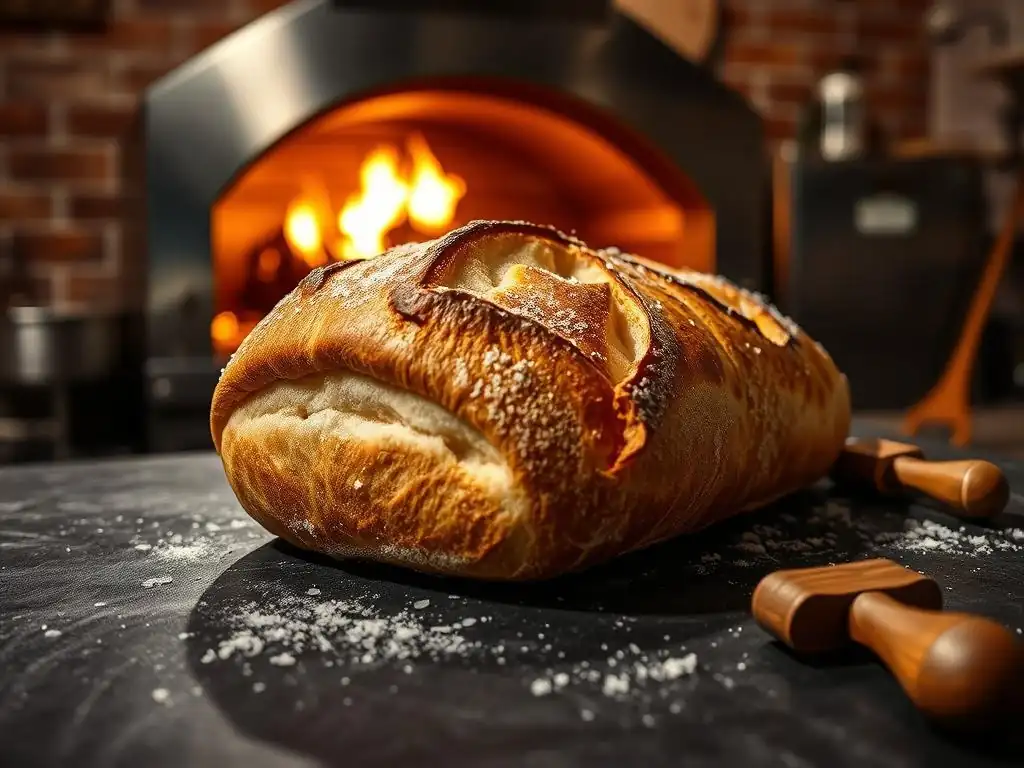
Welcome to BakeWithEase, your trusted companion on your baking journey! Ever wondered how to achieve that perfectly crisp, shatteringly good crust on your homemade baguette? This article dives deep into the secret weapon favored by professional bakers: the baguette crust baking stone. Discover how this simple tool can revolutionize your bread baking, transforming your loaves from good to absolutely irresistible. Get ready to unlock the secrets to a truly exceptional baguette!
- Achieving Authentic Baguette Crust at Home: A Guide to Baking Stones and Steels
- Introduction: The Art of the Perfect Baguette Crust
- Understanding Baking Stones for Baguettes
- Exploring Baking Steel for Baguettes
- Baking Stone vs. Baking Steel: A Detailed Comparison for Baguettes
- Preparing Your Baking Surface for Baguette Baking
-
Baking Baguettes with a Stone or Steel: A Step-by-Step Guide
- Preparing Your Baguette Dough: A High-Hydration Approach
- Shaping Techniques for Optimal Crust Formation
- Proofing Your Baguettes for Oven Spring
- Scoring: Achieving the Perfect Ear
- Transferring Baguettes Safely: Using Parchment and a Peel
- Baking: Time and Temperature Adjustments for Different Crusts
- Mastering Steam Injection: Creating a Moist Oven Environment
- Troubleshooting Common Baguette Crust Problems
- Advanced Techniques for Exceptional Baguette Crust
- Conclusion: Mastering Baguette Baking with a Stone or Steel
-
Frequently Asked Questions
- What is the primary benefit of using a baking stone or steel when baking baguettes?
- How does a baking stone or steel help create steam in the oven, which is important for baguette crust?
- Can I use a baking stone or steel for other types of bread besides baguettes?
- What is the difference between a baking stone and baking steel for baguette crust?
- How do I properly care for my baking stone or steel after baking baguettes?
- Final Reflection: The Transformative Power of a Crisp Crust
- Unleash Your Inner Boulanger: Bake the Perfect Baguette!
Achieving Authentic Baguette Crust at Home: A Guide to Baking Stones and Steels
Introduction: The Art of the Perfect Baguette Crust
Why a Crackling Crust is Essential for a Great Baguette
The hallmark of an exceptional baguette isn't just the airy interior crumb, but the outer layer – the crust. A truly great baguette crust should be thin, incredibly crisp, and possess a beautiful golden-brown color. When you slice or break into a fresh baguette, you should hear a distinct crackling sound, a symphony that signals perfect texture and doneness. This crisp exterior provides a delightful contrast to the soft, open crumb inside, creating a balanced and satisfying eating experience. Without this characteristic crackle, a baguette feels incomplete, lacking the structure and sensory appeal that makes it a culinary icon.
Achieving this specific crust quality is often the most challenging aspect for home bakers. Standard baking sheets simply don't provide the intense, even heat needed to rapidly set the crust and encourage maximum oven spring. This rapid heat transfer is crucial for developing the desired thin, crisp texture rather than a thick, leathery one. The right tools, like a baking stone for baguette crust or a baking steel, are essential for replicating the conditions found in professional deck ovens, which are designed to deliver the necessary thermal energy directly to the base of the loaf.
Bridging the Gap: Replicating Professional Bakery Results
Professional bakeries utilize deck ovens or stone-lined ovens that achieve extremely high temperatures and maintain consistent heat throughout the baking chamber. These ovens often have mechanisms for injecting steam, another critical factor in crust development. While replicating a full-scale deck oven at home is impractical, home bakers can significantly improve their results by focusing on mimicking two key elements: intense, consistent heat transfer to the base of the loaf and a steamy environment.
This is where a baguette crust baking stone or a baking steel becomes invaluable. By preheating one of these surfaces in your home oven to a high temperature, typically 450°F (230°C) or even 500°F (260°C), you create a thermal mass that instantly transfers intense heat to the bottom of your baguette dough when it's placed in the oven.
This rapid heat transfer promotes immediate oven spring and helps set the crust quickly, allowing it to develop that desirable thinness and crispness. Combining this with a method for generating steam in your oven helps keep the crust pliable initially, allowing the loaf to expand fully before the crust hardens, ultimately leading to a lighter crumb and a better crust texture.
Understanding Baking Stones for Baguettes
How Baking Stones Work: Porosity and Heat Retention
Baking stones, typically made from materials like cordierite ceramic or natural stone, are designed to mimic the properties of a traditional brick oven hearth. Their primary function is to absorb and retain a significant amount of heat when preheated. This thermal mass then radiates intense, even heat upwards into the base of the bread being baked. A key characteristic of many baking stones, especially those made from cordierite, is their porosity. This allows the stone to absorb some moisture released by the dough during the initial stages of baking.
The porosity of a baguette crust baking stone plays a subtle but helpful role. While not as significant as steam injection, absorbing a small amount of surface moisture from the dough can contribute to a slightly crispier bottom crust. More importantly, the stone's ability to hold heat means that when the cooler dough is placed on it, the surface temperature doesn't drop drastically.
This ensures consistent heat transfer, promoting even baking and preventing a pale, undercooked bottom crust while the top browns. The slow, steady release of heat from the stone helps the bread bake through evenly from the bottom up.
The Benefits of Baking Stones for Baguette Baking
Using a baking stone provides several distinct advantages when aiming for that classic baguette crust. Firstly, the intense, direct heat from the preheated stone delivers a powerful thermal shock to the base of the dough upon contact. This rapid heat transfer is critical for maximizing oven spring, causing the dough to rise dramatically in the first few minutes of baking before the crust fully sets. Greater oven spring contributes to a more open and airy crumb structure, a hallmark of a great baguette.
Secondly, a baking stone helps achieve a beautifully browned and consistently crisp bottom crust. Unlike a standard metal baking sheet which can heat unevenly or lose heat rapidly, the stone maintains a high, stable temperature. This prevents the bottom of the baguette from becoming pale or soggy. The even heat distribution across the stone ensures that the entire base of the loaf is exposed to the same baking conditions, leading to a uniform crust color and texture. For anyone serious about improving their baguette crust at home, a baking stone is a foundational tool.
Choosing the Right Baking Stone: Cordierite vs. Ceramic and Thickness
When selecting a baking stone for baguette baking, you'll typically encounter materials like cordierite, ceramic, or even natural pizza stones. Cordierite is often preferred for its durability and resistance to thermal shock, meaning it's less likely to crack when exposed to high temperatures or temperature fluctuations. Ceramic stones are also effective but might be more prone to breaking if not handled carefully, especially when hot. Natural stone options can work but their performance varies depending on the specific type of stone. For a reliable baguette crust baking stone, cordierite is a popular choice among home bakers.
Thickness is another important consideration. Thicker stones (e.g., 3/4 inch or 1 inch) retain heat better and longer than thinner ones (e.g., 1/2 inch). While a thinner stone is better than nothing, a thicker stone provides a more substantial thermal mass, which is particularly beneficial when baking multiple batches or larger loaves, ensuring the stone's surface temperature remains high throughout the bake. For optimal performance in developing a crisp baguette crust, investing in a thicker cordierite baking stone is highly recommended.
Exploring Baking Steel for Baguettes
Baking Steel Explained: High Density and Heat Conductivity
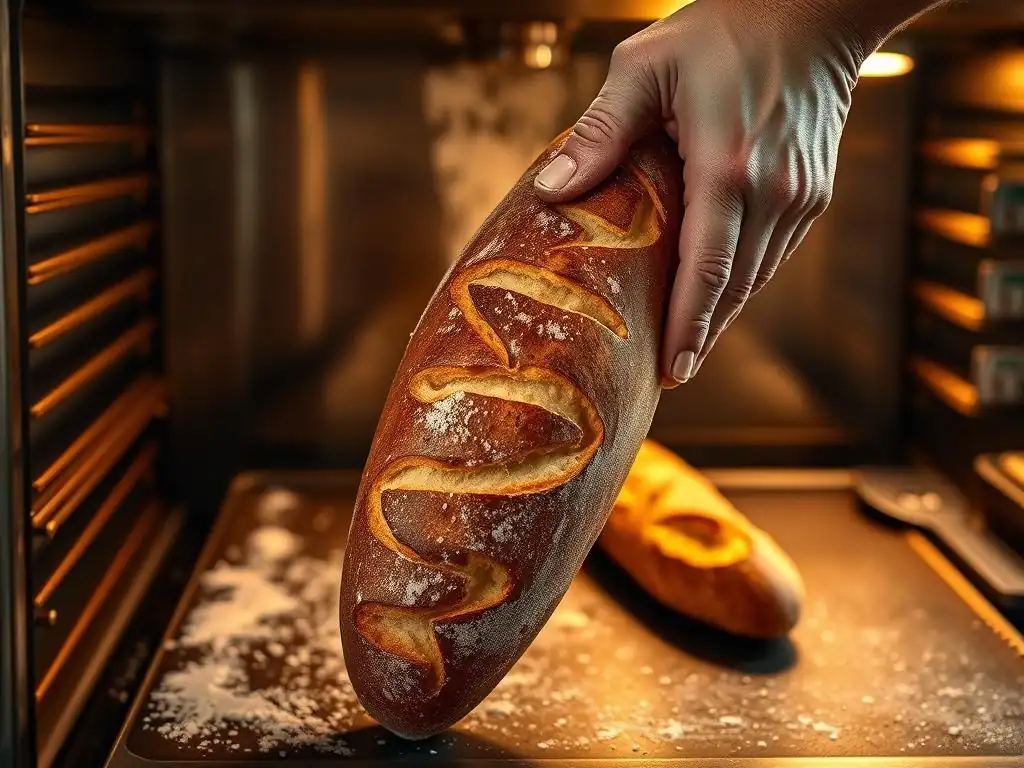
Baking steels are a more modern alternative to baking stones, typically made from solid, food-grade steel (often carbon steel or stainless steel). Steel has a significantly higher thermal conductivity and volumetric heat capacity compared to stone. This means it can absorb and store more heat energy than a stone of the same size and thickness, and it transfers that heat much faster. When preheated to a high temperature, a baking steel becomes an incredibly efficient radiator of heat.
The density of steel is key to its performance. Unlike porous stones, steel is non-porous and extremely dense. This density allows it to store a large amount of thermal energy within a relatively compact form.
When cold dough is placed on a hot steel, the steel's high conductivity means heat is rapidly dumped into the base of the loaf. This instantaneous surge of heat is particularly effective at triggering maximum oven spring and quickly setting the bottom crust, leading to a very crisp result. While a baguette crust baking stone provides intense heat, a steel provides even more intense heat transfer.
Advantages of Baking Steel in Baguette Baking
The primary advantage of using a baking steel for baguettes is its superior heat transfer efficiency. The rapid heat flow from the steel to the dough's base results in phenomenal oven spring, often exceeding what can be achieved with a stone. This intense initial heat helps create a beautiful, open crumb structure. Furthermore, the high surface temperature of the steel promotes very rapid browning and crisping of the bottom crust.
Baking steels are also significantly more durable than baking stones. They are virtually indestructible, resistant to thermal shock (you can place a frozen pizza directly on a hot steel without worry, though this isn't recommended for baguettes! ), and won't crack or break if dropped. While a baguette crust baking stone requires careful handling, a steel can withstand heavy use. Their robustness and excellent heat properties make them a favorite tool for bakers seeking the crispiest possible crust.
Selecting the Best Baking Steel: Thickness and Surface Finish
When choosing a baking steel, thickness is paramount, even more so than with stones due to steel's higher conductivity. Steels typically range from about 1/4 inch to 1/2 inch thick. A 1/4 inch steel is a good starting point and offers significant improvement over baking sheets, but a 3/8 inch or 1/2 inch thick steel provides a more substantial thermal mass and will retain heat better, especially important for consecutive bakes. Thicker steels deliver more intense heat and maintain temperature more consistently.
The surface finish of a baking steel can vary. Some steels are sold pre-seasoned, which helps prevent rust and creates a non-stick surface (similar to cast iron). Others are sold as raw steel and require seasoning by the user. While seasoning is beneficial for maintenance and preventing rust, it doesn't significantly impact the heat transfer properties relevant to developing a baguette crust. The key factor remains the steel's thickness and the material's inherent ability to store and transfer heat efficiently.
Baking Stone vs. Baking Steel: A Detailed Comparison for Baguettes
Heat Retention Capabilities: Stone vs. Steel
Both baking stones and steels are designed to retain heat, but they do so differently. A baguette crust baking stone, particularly a thick one made of cordierite, excels at retaining heat and releasing it slowly and evenly. It acts as a thermal battery, maintaining a stable temperature over time. This makes stones excellent for longer bakes or for items that benefit from gentle, consistent heat.
Baking steel also retains heat, but its strength lies in its ability to absorb and transfer heat rapidly. While a thick steel (like 1/2 inch) can retain a substantial amount of heat, its primary impact is the intense initial heat transfer due to its high conductivity. Think of the stone as a steady warmth and the steel as a powerful burst of heat. For the quick, high-temperature bake needed for baguette crust, the steel's rapid transfer can be a distinct advantage.
Heat Transfer Efficiency: Stone vs. Steel
This is where baking steel truly shines compared to a baguette crust baking stone. Steel is a far better conductor of heat than stone. When cold dough hits a hot steel, heat is transferred into the dough much faster than it would be with a stone at the same temperature. This rapid heat transfer is what drives maximum oven spring and quickly sets the base crust, leading to a potentially crispier bottom and better overall loaf expansion.
A stone transfers heat more gradually. This slower transfer is still much better than a baking sheet and provides excellent results, particularly for breads that might benefit from a slightly less aggressive initial bake. However, for the specific goal of achieving the thinnest, crispiest possible baguette crust with explosive oven spring, the sheer speed of heat transfer from a baking steel often gives it an edge.
Crust Texture and Color: The Impact of Each Material
The choice between a baguette crust baking stone and a steel can subtly influence the final crust texture and color. A baking stone, with its more gradual heat release and potential porosity, tends to produce a beautiful, evenly golden-brown crust that is wonderfully crisp. The bottom crust is typically well-baked and dry.
A baking steel, due to its intense heat transfer, can result in a slightly darker, more aggressively browned bottom crust. The rapid crisping action often leads to an exceptionally thin and shatteringly crisp bottom. While both tools can produce excellent baguette crusts, some bakers find the steel gives a slightly more pronounced crispness, particularly on the base, while the stone might offer a more uniformly golden hue across the entire crust. Experimentation is key to finding which result you prefer for your ideal baguette crust.
Durability and Maintenance Considerations: Stone vs. Steel
In terms of durability, baking steel is the clear winner. It is virtually indestructible and can withstand high heat, thermal shock, and physical impact without breaking. Maintenance typically involves seasoning (if not pre-seasoned) and occasional re-seasoning to prevent rust, similar to cast iron cookware. Avoid soap when cleaning; usually a scrape and wipe-down are sufficient.
A baguette crust baking stone, while durable in high heat, is susceptible to thermal shock and breakage if exposed to sudden temperature changes (like placing a frozen item on a hot stone) or if dropped or bumped forcefully. Cleaning requires allowing the stone to cool completely before scraping off debris. Avoid soaking stones in water, as they are porous and can absorb water, potentially leading to cracking during the next bake. Stones often develop discoloration and dark spots over time, which is normal and doesn't affect performance.
Cost Analysis: Baking Stone vs. Baking Steel
Generally, baking stones tend to be more affordable than baking steels, especially thinner stone models. A good quality cordierite baguette crust baking stone can range from $30 to $60 depending on size and thickness. This makes them a very accessible option for home bakers looking to improve their bread crusts without a large initial investment.
Baking steels, being made of solid metal, are typically more expensive. Prices for a quality baking steel, especially thicker ones (3/8 inch or 1/2 inch), usually range from $80 to $150 or more. While the initial cost is higher, their extreme durability means they are often a one-time purchase that can last a lifetime. When considering the long-term value and performance benefits, the higher cost of a baking steel might be justified for serious and frequent bread bakers focused on achieving the ultimate baguette crust.
Preparing Your Baking Surface for Baguette Baking
Preheating: Time and Temperature Guidelines
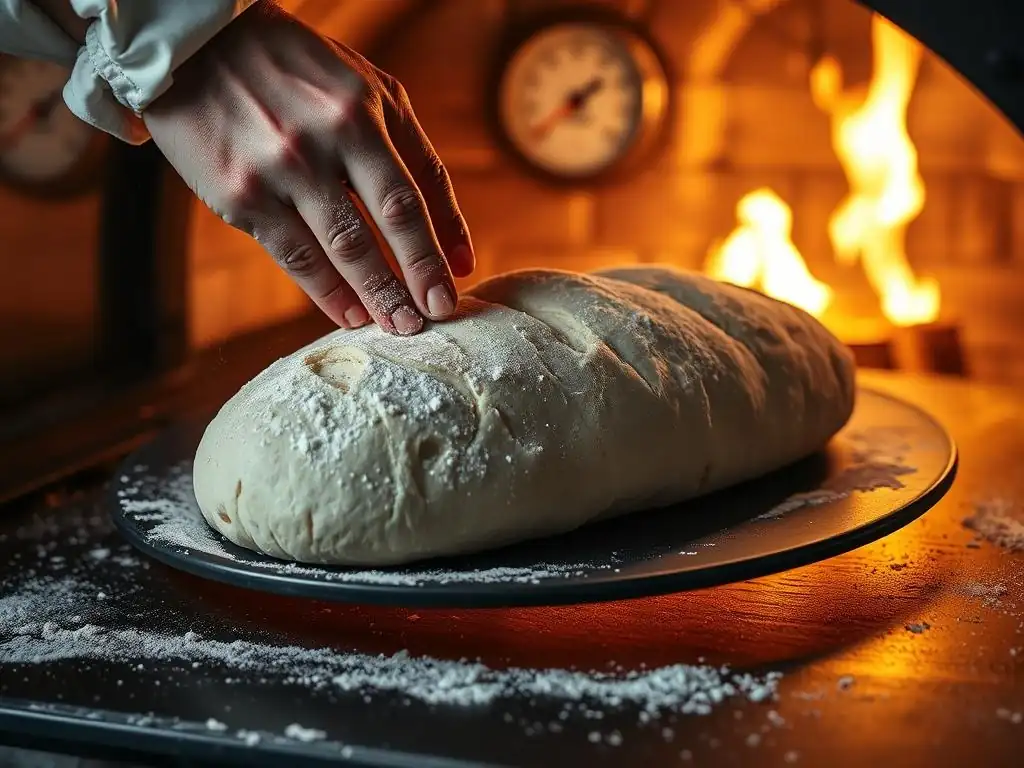
Proper preheating is absolutely crucial for both baking stones and steels to perform effectively in creating a great baguette crust. These surfaces need ample time to absorb and store enough heat energy to provide that necessary thermal shock to the dough. Simply bringing your oven to temperature is not enough; the stone or steel itself needs to heat through completely.
For most home ovens and surfaces, preheating at the highest possible temperature your oven safely reaches, typically 450°F (230°C) or 500°F (260°C), for at least 45 minutes to 1 hour is recommended. Thicker stones and steels will require longer preheat times, sometimes up to 1.5 hours, to ensure the heat has fully saturated the material.
Placing the stone or steel on the middle rack of your oven allows for even heat distribution from both the element below and the ambient oven air. Don't rush this step; insufficient preheating is a common reason for less-than-ideal crust development, even when using a baguette crust baking stone or steel.
Temperature Optimization for Baguette Crust Development
While preheating to the maximum temperature is essential for building up thermal mass, you may need to adjust the baking temperature once the baguettes are loaded into the oven. Baguettes are typically baked at high temperatures, often starting at 450°F to 500°F (230°C to 260°C) for the first 10-15 minutes to maximize oven spring and set the crust, then potentially reducing the temperature slightly (e.g., to 425°F or 220°C) for the remainder of the bake to ensure the interior cooks through without the crust burning.
The optimal temperature strategy depends on your specific oven and the characteristics of your baking stone or steel. A thicker steel might allow you to maintain a higher temperature throughout, while with a thinner stone, you might reduce the temperature sooner. Pay close attention to how quickly your crust is browning.
If it's browning too fast, reduce the temperature. If it's too pale, you might need to increase the initial temperature or extend the high-heat phase. Using an oven thermometer placed near your baguette crust baking stone or steel is highly recommended to get an accurate reading of the actual surface temperature, as oven thermostats can be inaccurate.
Safety First: Handling Hot Baking Surfaces
Baking stones and steels, when preheated, reach extremely high temperatures and pose a significant burn risk. Always use heavy-duty oven mitts or gloves when handling these surfaces, even when they are simply in the oven after preheating. Never touch the hot stone or steel with bare hands.
When loading or unloading baguettes, use a pizza peel or a heat-resistant spatula to slide the bread onto or off the hot surface. Avoid reaching into a hot oven unnecessarily. If you need to remove the stone or steel from the oven, ensure you have a safe place to put it down – a heat-resistant surface like a cooling rack on a counter away from flammable materials or curious pets and children.
Remember that these surfaces retain heat for a very long time after the oven is turned off; allow several hours for them to cool completely before attempting to clean or store them. Safety should always be the top priority when using a baguette crust baking stone or steel.
Baking Baguettes with a Stone or Steel: A Step-by-Step Guide
Preparing Your Baguette Dough: A High-Hydration Approach
Achieving that characteristic open crumb and thin, crisp crust starts with the dough itself. Baguette dough is typically a high-hydration dough, meaning it contains a relatively large amount of water compared to flour, often 70% hydration or higher (70 grams of water per 100 grams of flour). This high water content contributes significantly to the airy interior and helps create steam within the loaf as it bakes, which in turn promotes good oven spring and a thin crust.
Developing the gluten properly through techniques like stretching and folding or kneading is also crucial. This builds the structure needed to support the open crumb and allows the dough to expand gracefully during baking. Ensure your dough has undergone sufficient fermentation, including a bulk fermentation period and a final proof, to develop flavor and strength. A well-developed, properly proofed high-hydration dough is the foundation upon which the baguette crust baking stone or steel will work its magic.
Shaping Techniques for Optimal Crust Formation
Proper shaping is vital for baguettes, not just for aesthetics but also for contributing to good crust development and oven spring. Baguettes are typically shaped into elongated cylinders. The goal is to create tension on the surface of the dough while minimizing degasing. Techniques involve gently degassing the dough, folding it onto itself, and then rolling or stretching it into the final shape, ensuring a taut surface.
Avoid over-handling or making the shape too tight, as this can restrict oven spring. The final shaped baguettes should be uniform in thickness to ensure even baking and consistent crust development along the entire length. Placing the shaped baguettes on a couche (a piece of linen or canvas) generously dusted with flour helps maintain their shape during proofing and makes transferring them easier. A well-shaped baguette is key to getting the best results from your baguette crust baking stone.
Proofing Your Baguettes for Oven Spring
Proofing is the final rise before baking, allowing the shaped baguettes to increase in volume and develop flavor. Proper proofing is essential for good oven spring. Underproofed baguettes won't expand fully in the oven, resulting in a dense crumb and potentially a thicker crust. Overproofed baguettes might collapse when scored or transferred, leading to poor shape and limited oven spring.
The ideal proofing time and temperature vary depending on your dough and ambient conditions, but generally, baguettes are proofed until they are visibly larger and feel light and airy. A common test is the "poke test": gently poke the dough with a floured finger; if the indentation slowly springs back about halfway, it's likely ready. Proofing on a floured couche, separated by folds, helps maintain their elongated shape. Getting the proofing right ensures the dough is ready to receive the intense heat from your baguette crust baking stone and achieve maximum expansion.
Scoring: Achieving the Perfect Ear
Scoring, or slashing, the surface of the baguette just before baking is not merely decorative; it's functional. The cuts provide weak points on the surface of the dough, allowing the loaf to expand in a controlled manner during the initial intense heat of the oven. Without scoring, the rapidly expanding dough would burst unpredictably, often along the sides or bottom, resulting in a less attractive loaf and potentially uneven crust.
For baguettes, the classic scoring pattern involves several overlapping diagonal slashes along the length of the loaf. These cuts should be made with a sharp blade (like a lame) and be relatively shallow but confident. The angle of the blade matters – holding the blade at about a 30-45 degree angle to the surface helps create the "ear," a flap of crust that lifts and crisps beautifully during baking. Proper scoring ensures your baguettes achieve maximum height and develop that signature "ear" when baked on a hot baguette crust baking stone or steel.
Transferring Baguettes Safely: Using Parchment and a Peel
Getting delicate, proofed baguettes from your couche or proofing surface onto a scorching hot baguette crust baking stone or steel requires a safe and efficient method. The most common and recommended approach for home bakers is using a pizza peel lined with parchment paper. After proofing on the couche, gently roll or lift the baguettes onto a peel that has been covered with a sheet of parchment paper cut to size.
Position the baguettes on the parchment so they can be easily slid onto the baking surface. Once your oven and stone/steel are fully preheated and you've generated steam (if using a steam method), open the oven, position the peel over the stone or steel, and confidently slide the parchment paper with the baguettes directly onto the hot surface.
The parchment provides a stable base and prevents the dough from sticking to the peel, ensuring a smooth transfer without deflating the proofed loaves. After about 10-15 minutes, once the crust has set, you can carefully slide the parchment out from under the baguettes if desired (though this isn't strictly necessary and can be tricky).
Baking: Time and Temperature Adjustments for Different Crusts
Baguettes are typically baked at high temperatures to achieve a crisp crust and open crumb. A common approach is to start at a very high temperature, such as 475°F to 500°F (245°C to 260°C), for the first 10-15 minutes, often with steam, to maximize oven spring and initial crust set. After this initial phase, the temperature is often reduced to around 425°F to 450°F (220°C to 230°C) for the remaining baking time, which is usually another 10-15 minutes, for a total baking time of 20-25 minutes, depending on the thickness of the baguettes and desired crust color.
Using a baguette crust baking stone or steel allows for this aggressive initial heat. Monitor your baguettes closely. If the crust is browning too quickly, reduce the oven temperature sooner or more significantly. If it's too pale after the recommended time, you may need to extend the baking time slightly at the lower temperature or ensure your initial temperature was high enough and the surface was fully preheated. The goal is a deep golden-brown crust and an internal temperature of around 205-210°F (96-99°C).
Mastering Steam Injection: Creating a Moist Oven Environment
Steam is arguably as important as intense heat for achieving a thin, crisp, and beautiful baguette crust with good oven spring. In a professional deck oven, steam is injected during the first part of the bake. This moist environment keeps the surface of the dough pliable, allowing the loaf to expand fully before the crust sets. Without sufficient steam, the crust forms too quickly, restricting expansion and often resulting in a thicker, duller crust.
At home, there are several ways to create steam when using a baguette crust baking stone or steel. A popular method is to place a tray (like a cast iron pan or broiler tray) on the rack below your baking stone/steel while preheating. Just before loading the baguettes, carefully pour about a cup of boiling water into this hot tray to create a burst of steam.
Other methods include placing ice cubes in the hot tray, spraying the oven walls with water (be careful not to spray the light or glass), or using a Dutch oven placed on the stone/steel (though this limits the number of baguettes you can bake). Maintain the steam for the first 10-15 minutes of baking.
Troubleshooting Common Baguette Crust Problems
Overly Thick Crust: Causes and Solutions
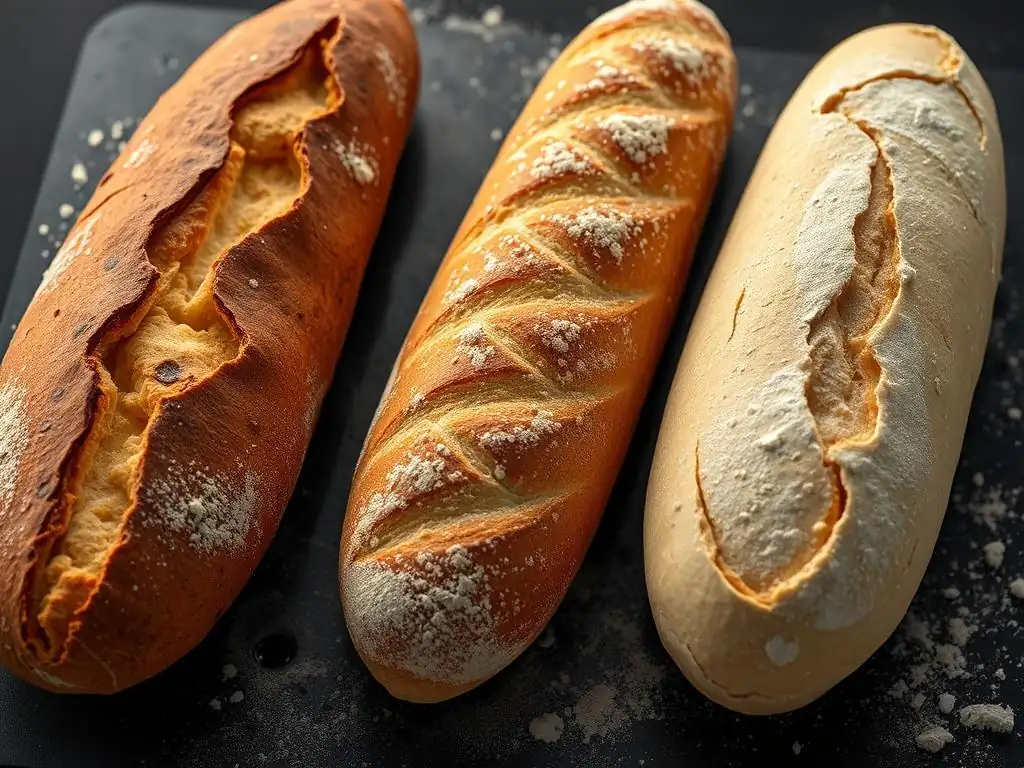
An overly thick or tough baguette crust can be disappointing after aiming for that delicate crispness. Several factors can contribute to this. Insufficient steam during the initial baking phase is a prime culprit; without steam, the crust sets too early and becomes thick. Another cause can be underproofing the dough; if the baguettes haven't risen enough, they won't expand properly in the oven, leading to a denser interior and a thicker crust.
To address this, ensure you are generating plenty of steam during the first 10-15 minutes of baking. Use a reliable steaming method like the hot tray with boiling water or ice. Also, evaluate your proofing process – are your baguettes passing the poke test? Are they light and airy before baking? Finally, ensure your oven and baguette crust baking stone or steel are fully preheated to a high temperature (475-500°F or 245-260°C) to maximize that initial oven spring which helps stretch the crust thin.
Pale Crust: Achieving Golden Brown Perfection
A pale crust means the Maillard reaction and caramelization haven't occurred sufficiently on the surface. This often results from insufficient baking time, too low a baking temperature, or inadequate preheating of your baking surface. If your baguette crust baking stone or steel wasn't fully saturated with heat, it won't provide the necessary energy for proper browning.
To achieve a beautiful golden-brown baguette crust, always preheat your oven and baking surface for a full 45-60 minutes (or longer for thicker surfaces) at a high temperature, ideally 500°F (260°C). Bake the baguettes at a high temperature (450-500°F or 230-260°C) for the first phase and ensure the total baking time is sufficient, typically 20-25 minutes or until the internal temperature reaches 205-210°F (96-99°C). Don't be afraid of high heat; the intense heat from the baking stone or steel is what drives the browning reaction on the crust.
Soft Crust: Crispness Retention Strategies
A baguette crust should be audibly crisp, especially just after baking. If your crust turns soft or chewy quickly, it's often related to moisture issues. Either the crust didn't fully dry out and crisp up during baking, or it reabsorbed moisture from the environment (or the bread's interior) too quickly after cooling.
To ensure a crisp crust, make sure the baguettes are baked thoroughly. If you're starting with steam, remove the steam source after 10-15 minutes and continue baking in a dry oven to allow the crust to dry out and crisp up. Ensure adequate air circulation around the baguettes during the later stages of baking. Most importantly, allow the baguettes to cool completely on a wire rack after baking.
Cooling on a solid surface traps steam and moisture, leading to a soft bottom crust. Letting them cool on a rack allows air to circulate around the entire loaf, helping the crust stay crisp. Using a well-preheated baguette crust baking stone or steel provides the necessary heat to achieve this initial crispness.
Preventing Sticking: Ensuring Easy Removal
Having baguettes stick to your baking surface is frustrating and can ruin their shape. While seasoned baking steels are less prone to sticking, unseasoned steels and baking stones can sometimes pose this challenge, especially with high-hydration doughs.
The most reliable way to prevent baguettes from sticking to a baguette crust baking stone or steel is to bake them on parchment paper for at least the first 10-15 minutes. As mentioned in the baking steps, loading the baguettes onto the hot surface via a peel lined with parchment is a simple and effective method. The parchment prevents direct contact until the crust has set and is no longer sticky.
While you can remove the parchment after the initial phase, many home bakers find it easiest and safest to just leave it under the baguettes for the entire bake. For stones, ensuring they are fully preheated and dry also helps minimize sticking.
Advanced Techniques for Exceptional Baguette Crust
Combining Stone/Steel with a Dutch Oven for Maximum Steam
While baking directly on a baguette crust baking stone or steel with a separate steam source is effective, some bakers achieve phenomenal results by combining their baking surface with a preheated Dutch oven or cloche. The Dutch oven acts as a miniature steam chamber, trapping all the moisture released by the dough during the crucial first phase of baking. This creates a very high-humidity environment right around the loaf, promoting incredible oven spring and a very thin, crisp crust.
The technique involves placing the empty Dutch oven (with its lid) on your preheated baking stone or steel in the oven during the preheat phase. Once everything is scorching hot, carefully transfer your shaped baguette into the hot Dutch oven (often on parchment for safety), quickly score it, put the lid on, and place it back in the oven on the stone/steel.
Bake with the lid on for the first 15-20 minutes, then remove the lid and continue baking directly on the stone/steel base for the remaining time to allow the crust to brown and crisp up. This method is particularly good for baking one baguette at a time to perfection.
Hydration Levels: Fine-Tuning for Crust Thickness and Texture
The hydration level of your baguette dough significantly impacts the final crust. Higher hydration doughs (75%+) generally lead to a more open crumb and a thinner, crispier crust because there's more water available to convert to steam within the loaf, which helps expand the dough and keep the crust pliable longer. Lower hydration doughs (65-70%) tend to produce a denser crumb and potentially a thicker, chewier crust.
Experimenting with your dough's hydration is a great way to fine-tune your baguette crust. If you're finding your crust is consistently too thick, try increasing the hydration slightly in your next batch, provided your dough development and handling techniques can manage the wetter dough. Conversely, if a very high hydration dough is too difficult to handle, a slightly lower hydration combined with excellent steam and a super-hot baguette crust baking stone or steel can still yield fantastic results.
Baking Time Adjustments: Achieving Desired Crust Characteristics
The total baking time and the distribution of time between the steamed phase and the dry phase directly influence the final crust characteristics. A longer total bake, especially in the dry phase, will result in a darker, thicker, and more robust crust. A shorter bake will yield a paler, potentially thinner crust.
If you prefer a very thin, delicate baguette crust, ensure you have plenty of steam during the first 10-15 minutes, and then bake just long enough in the dry phase (perhaps 8-10 minutes) to achieve the desired color and internal temperature (205-210°F or 96-99°C). For a slightly heartier, darker crust, extend the dry baking time by a few minutes.
Always use the look and feel of the crust (and ideally an internal thermometer) rather than relying solely on time, as ovens vary. Mastering your oven and your baguette crust baking stone or steel's performance allows you to make these subtle adjustments.
Conclusion: Mastering Baguette Baking with a Stone or Steel
The Path to Consistent, Bakery-Quality Crusts
Achieving truly bakery-quality baguette crusts at home is a rewarding challenge, and using the right tools is a game-changer. While many factors contribute – from dough hydration and fermentation to shaping and scoring – the intense, direct heat provided by a preheated baking stone or steel is fundamental. These surfaces replicate the hearth of a professional oven, delivering the thermal energy needed for maximum oven spring and rapid crust development.
By understanding how a baguette crust baking stone or steel works, properly preheating it, using effective steam methods, and paying attention to your dough's characteristics, you can dramatically improve your results. Say goodbye to pale, thick, or soft crusts and hello to baguettes with that coveted golden hue, incredible crispness, and satisfying crackle.
Final Recommendations: Choosing the Right Tool for Your Needs
So, which should you choose: a baking stone or a baking steel for your baguette crust quest? Both are excellent tools far superior to baking on a standard sheet pan.
- A baguette crust baking stone is generally more affordable and provides intense, even heat that results in a beautiful, classic crisp crust. Cordierite stones are recommended for their durability.
- A baking steel offers even more intense heat transfer, potentially leading to greater oven spring and a slightly crisper base crust. Steels are also virtually indestructible.
If you're just starting out or budget is a primary concern, a good quality, thick baking stone is a fantastic investment. If you bake frequently, prioritize durability, or want to push for the absolute maximum oven spring and crispness, a baking steel is worth considering. Whichever you choose, mastering its use, combined with good dough technique and steam, is your path to baking baguettes with superior, crackling crusts right in your own kitchen.
Frequently Asked Questions
What is the primary benefit of using a baking stone or steel when baking baguettes?
The main benefit is achieving a superior baguette crust. The stone or steel provides intense, even heat that mimics a professional bread oven, resulting in a crispier, more golden crust.
How does a baking stone or steel help create steam in the oven, which is important for baguette crust?
While the stone/steel itself doesn't create steam, it helps maintain a high oven temperature after introducing steam. The absorbed heat ensures the steam remains effective longer.
Can I use a baking stone or steel for other types of bread besides baguettes?
Absolutely! Baking stones and steel are versatile and can be used for various bread types, pizzas, and even pastries. They provide consistent heat distribution for optimal baking.
What is the difference between a baking stone and baking steel for baguette crust?
Baking steel generally heats up faster and retains heat better than a stone, potentially leading to an even crisper crust. However, baking stones are often more affordable and readily available.
How do I properly care for my baking stone or steel after baking baguettes?
Allow the stone or steel to cool completely in the oven. Avoid washing it with soap; simply scrape off any debris. Proper cleaning ensures longevity and prevents damage.
Final Reflection: The Transformative Power of a Crisp Crust
The pursuit of the perfect baguette crust is more than just a culinary quest; it's a reflection of our desire for excellence in the simplest of things. This article explored the undeniable advantages of using a baking stone or steel to achieve that coveted, shatteringly crisp crust, a hallmark of a truly exceptional baguette. From understanding the science behind heat retention to mastering the techniques for optimal baking, we've journeyed through the process of elevating your home baking game.
The impact of a perfectly crisp crust extends beyond the immediate sensory experience. It's a testament to the power of precision and attention to detail, mirroring the dedication we strive for in other aspects of our lives. The satisfying crackle as you slice into a freshly baked baguette, the aroma that fills your kitchen – these are more than just culinary pleasures; they are moments of mindful creation. The best things in life are simple, but not easy.
This quote perfectly encapsulates the journey to mastering the art of baguette baking, highlighting the reward that awaits those willing to invest the time and effort.
Now, consider your own baking journey. What seemingly small detail, like the choice of a baking stone, could transform your results? I encourage you to experiment, to embrace the process, and to savor the rewards of a perfectly crisp baguette crust. Don't be afraid to try different techniques, to adjust your methods, and to celebrate the small victories along the way. The journey to baking mastery is a continuous one, and each perfectly crisp crust is a testament to your dedication and passion.
Unleash Your Inner Boulanger: Bake the Perfect Baguette!
Thanks for taking the time to explore the world of superior baguette crusts! You've now unlocked the secrets to achieving that irresistible crackle and chewy interior. Ready to put your new knowledge to the test?
- Bake your masterpiece! Grab your baking stone or steel and try out one of the recipes you learned about today. Don't be afraid to experiment with different flours and techniques!
- Share your success! Post a picture of your magnificent baguette on social media and tag us – we'd love to see your creation!
- Join our baking community: Head over to our forum and share your baking experiences – we're always happy to help with tips and troubleshoot any challenges.
What unique ingredient or technique will you try next to elevate your baguette game?