
Clove's Warm Embrace: Adding Depth to Your Baked Treats

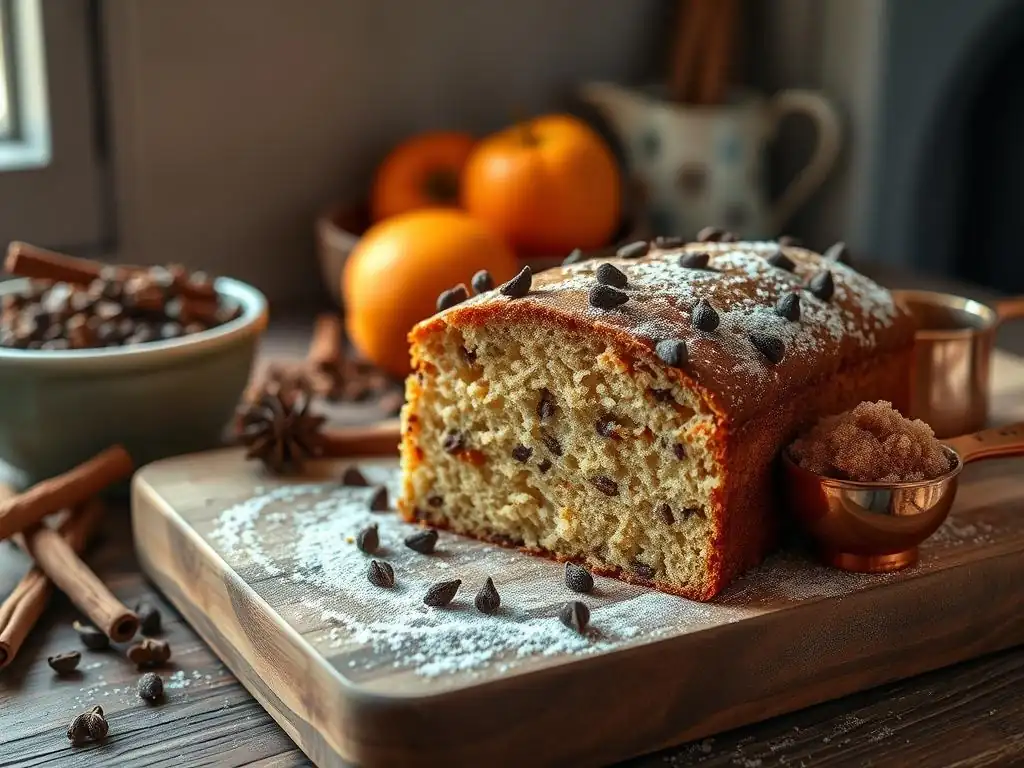
Welcome to BakeWithEase, where the joy of baking becomes a delightful reality! Ever wondered how a single spice can transform an ordinary cake into something truly extraordinary? This week, we're diving deep into the aromatic world of cloves. Prepare to unlock the secrets of the clove cake recipe easy and discover how this humble spice adds unparalleled warmth and depth to your baked treats. Intrigued? Keep reading to unearth the magic within each fragrant bite!
- The Alluring Aroma: Exploring Cloves in Baking
- Baking Spices Unveiled: A Deep Dive into Cloves
- Flavorful Benefits: Why Bake with Cloves?
- Spiced Apple Cake Recipe: A Flavorful Starting Point
- Variations on the Spiced Apple Cake Recipe
- Beyond Cake: Other Ways to Use Cloves in Baking
- Tips for Baking with Cloves: Achieving the Perfect Balance
- The History and Origin of Cloves: A Baking Spice with a Rich Past
- Troubleshooting Your Spiced Apple Cake: Common Mistakes and Solutions
- Conclusion: Elevate Your Baking with Cloves
-
Frequently Asked Questions
- How can I easily find a clove cake recipe on BakeWithEase?
- What makes BakeWithEase a good resource for beginner bakers wanting to try a clove cake recipe?
- What kind of depth does adding cloves to a cake recipe provide?
- Besides cake, what other baked goods can benefit from the addition of cloves, according to BakeWithEase?
- Does BakeWithEase offer tips on how to properly store a clove cake to maintain its freshness?
- Final Reflection: The Enduring Allure of Clove
- Unlock the Aromatic Secrets of Clove!
The Alluring Aroma: Exploring Cloves in Baking
Baking Spices Unveiled: A Deep Dive into Cloves
From Ancient Spice to Modern Baking Essential
Cloves, the dried flower buds of the Syzygium aromaticum tree, boast a history as rich and aromatic as their flavor. Originating from the Moluccas Islands in Indonesia, often called the 'Spice Islands', cloves were one of the most coveted and valuable commodities in ancient and medieval trade. Their intense aroma and preservative qualities made them highly sought after, driving exploration and trade routes that connected distant lands.
Historical texts from China dating back over 2,000 years mention their use, and Romans were familiar with them by the 1st century AD. Control over the clove trade led to immense wealth and even conflict among European powers for centuries.
Today, cloves remain a staple in kitchens worldwide, though their primary role has shifted from preservation to flavor enhancement, especially in baking. While they may not command the same price as they did during the height of the spice trade – where a pound could be worth more than an ounce of gold in certain periods – their culinary value is undeniable.
They are a cornerstone of many classic spice blends like pumpkin spice, apple pie spice, and gingerbread spice, demonstrating their enduring appeal and versatility in creating warm, comforting baked goods. Their potent flavor means a little goes a long way, making them an economical way to add significant depth to a wide array of sweet treats.
Flavorful Benefits: Why Bake with Cloves?
The Unique Aroma and Flavor Profile of Cloves
The characteristic flavor and aroma of cloves come primarily from eugenol, a potent aromatic compound that makes up 70-90% of the essential oil extracted from the buds. This gives cloves their distinctive warmth, pungency, and slightly sweet, woody, and peppery notes. Unlike many other spices, the flavor is concentrated and intense, providing a deep, resonant warmth that lingers. When ground and added to baked goods, this profile mellows slightly but still provides a backbone of rich, comforting spice.
In baking, this unique profile allows cloves to pair beautifully with fruits like apples, pears, and oranges, complementing their natural sweetness and acidity. They also marry well with other warming spices such as cinnamon, nutmeg, and ginger, creating complex layers of flavor in cakes, cookies, pies, and breads. A touch of clove can transform a simple recipe into something truly special, adding a sophisticated depth that elevates the overall taste experience. For instance, adding just a hint of clove to a basic sugar cookie dough can give it an unexpected, delightful warmth.
Clove's Impact on Texture and Moisture
While cloves themselves don't directly alter the physical structure or moisture content of baked goods in the way flour or fat does, their potent flavor profile significantly influences the perception of richness and moisture. In recipes for moist cakes, like a spiced apple cake, the intense warmth of clove can cut through the sweetness and richness, balancing the flavors and making the dessert feel less cloying and more complex. The aromatic oils released during baking also contribute to the overall sensory experience, enhancing the feeling of a warm, comforting bake.
Furthermore, cloves are often used in recipes that inherently feature ingredients known for adding moisture and richness, such as fruits (apples, pumpkin puree), molasses, or brown sugar. In these contexts, the clove flavor complements the moist texture, creating a harmonious combination. For example, a dense, moist gingerbread benefits greatly from the pungent warmth of clove, which highlights the deep, rich notes of molasses and ginger without making the final product feel heavy. The spice acts as a flavor anchor, grounding the sweetness and moisture with its characteristic warmth.
Spiced Apple Cake Recipe: A Flavorful Starting Point
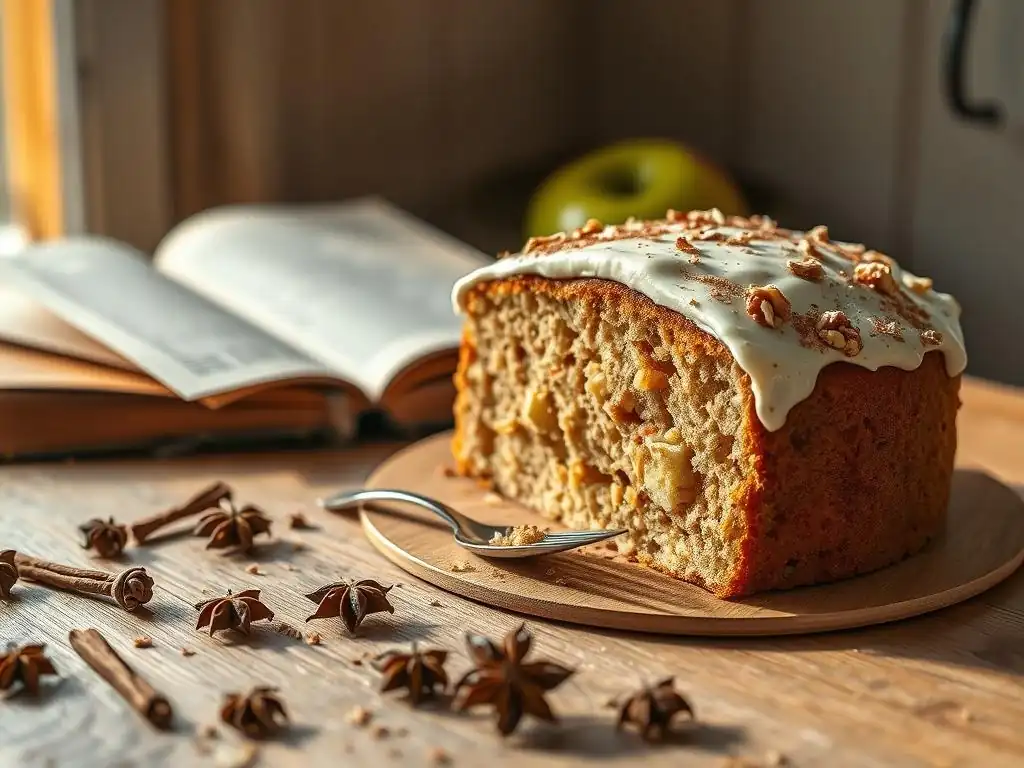
Our Signature Spiced Apple Cake Recipe
Ready to experience the warming embrace of cloves in your own kitchen? This easy clove cake recipe for apple cake is perfect for beginners and seasoned bakers alike. It combines simple ingredients with straightforward steps to produce a moist, flavorful cake bursting with spice. The blend of cinnamon, nutmeg, and clove perfectly complements the sweet apples, creating a comforting dessert ideal for any occasion, from a casual afternoon tea to a festive gathering. This particular clove cake recipe easy approach ensures you get fantastic results without complicated techniques.
This recipe is designed to be forgiving and adaptable, making it a great introduction to baking with spices. We focus on balancing the spices so the clove provides warmth without overpowering the delicate apple flavor. Using readily available ingredients, you can whip up this delicious cake with minimal fuss. It's a fantastic way to use up those apples and fill your home with an incredible aroma as it bakes. Follow these steps for a truly delightful spiced apple and clove cake.
Ingredients for the Spiced Apple Cake
To make this clove cake recipe easy, gather the following ingredients:
*   2 cups All-Purpose Flour
*   1 teaspoon Baking Soda
*   1/2 teaspoon Baking Powder
*   1/2 teaspoon Salt
*   1 teaspoon Ground Cinnamon
*   1/2 teaspoon Ground Nutmeg
*   1/4 teaspoon Ground Cloves
*   1/2 cup Unsalted Butter, softened
*   1 1/2 cups Granular Sugar
*   2 large Eggs
*   1 teaspoon Vanilla Extract
*   1/2 cup Buttermilk (or milk with 1/2 tsp lemon juice/vinegar)
*   3 cups peeled, cored, and diced apples (about 2-3 medium apples, like Honeycrisp or Gala)
These proportions are carefully balanced to ensure the clove adds warmth without being dominant, allowing the apple and other spices to shine. Using softened butter is crucial for creaming, which helps create a tender crumb. Buttermilk adds moisture and reacts with the leavening agents for a good rise. The amount of apples provides plenty of fruit flavor and helps keep the cake moist. Feel free to adjust the spices slightly to your preference after trying the recipe once.
Step-by-Step Baking Instructions for Spiced Apple Cake Success
Follow these simple steps for your easy clove cake recipe:
- Preheat your oven to 350°F (175°C). Grease and flour a 9x13 inch baking pan or a 10-cup bundt pan.
- In a medium bowl, whisk together the flour, baking soda, baking powder, salt, cinnamon, nutmeg, and cloves. Set aside.
- In a large bowl, cream the softened butter and sugar together using an electric mixer until light and fluffy, about 2-3 minutes.
- Beat in the eggs one at a time, then stir in the vanilla extract.
- In a small bowl, whisk together the buttermilk.
- Alternately add the dry ingredients and the buttermilk to the wet ingredients, beginning and ending with the dry ingredients (e.g., add 1/3 dry, mix, add 1/2 buttermilk, mix, add 1/3 dry, mix, add remaining buttermilk, mix, add remaining dry, mix). Mix until just combined; do not overmix.
- Gently fold in the diced apples using a spatula.
- Pour the batter into the prepared pan and spread evenly.
- Bake for 45-55 minutes, or until a wooden skewer inserted into the center comes out clean.
- Let the cake cool in the pan for 10-15 minutes before inverting it onto a wire rack to cool completely.
- Task List:
- Preheat oven and prepare pan.
- Whisk dry ingredients.
- Cream butter and sugar.
- Add eggs and vanilla.
- Alternate dry and wet ingredients.
- Fold in apples.
- Pour batter into pan.
- Bake until skewer is clean.
- Cool in pan, then on rack.
This structured approach makes the clove cake recipe easy to follow, ensuring a successful bake every time. The alternating addition of wet and dry ingredients helps prevent overmixing, which can lead to a tough cake. Folding in the apples gently ensures they are evenly distributed without bruising them or deflating the batter.
Variations on the Spiced Apple Cake Recipe
Spiced Pear Cake: A Delicate Twist
Swapping apples for pears offers a slightly different texture and a more delicate sweetness that pairs wonderfully with clove. Pears, especially varieties like Bosc or Anjou, become tender and fragrant when baked. To adapt the spiced apple cake recipe, simply substitute the 3 cups of diced apples with 3 cups of peeled, cored, and diced firm pears. The baking time should remain similar, but keep an eye on the cake as pears can release slightly more moisture than some apple varieties.
The combination of pear and clove is classic, creating a sophisticated flavor profile. You might find you want to slightly increase the cinnamon or nutmeg to balance the milder sweetness of pears compared to apples, but the original spice amounts from the easy clove cake recipe work beautifully. Consider adding a handful of chopped walnuts or pecans to the batter when using pears for added texture and nutty flavor that complements the spice blend.
Spiced Cranberry Cake: A Festive Combination
For a festive and slightly tart variation, incorporate cranberries into your spiced cake. Cranberries bring a bright, zesty counterpoint to the warm, deep spice of cloves. You can use fresh or frozen cranberries (no need to thaw frozen ones) and fold about 1 to 1.5 cups into the batter along with, or instead of, the apples. If using cranberries alone, you might want to slightly increase the sugar in the recipe by 1/4 cup to balance their tartness.
A spiced cranberry and clove cake is particularly popular during the autumn and winter holidays. The vibrant red of the cranberries also adds a beautiful visual element to the cake. This variation works exceptionally well with an orange glaze, as orange and cranberry are a classic pairing, and citrus notes also complement cloves beautifully. This adjustment to the easy clove cake recipe provides a lovely seasonal option.
Spiced Pumpkin Cake: An Autumn Favorite
Cloves are an essential component of pumpkin spice, making them a natural fit for a spiced pumpkin cake. To transform the basic cake recipe into a pumpkin version, reduce the buttermilk to 1/4 cup and add 1 cup of pumpkin puree (not pumpkin pie filling). You can omit the apples entirely for a pure pumpkin cake, or use a smaller amount of apples (say, 1 cup) alongside the pumpkin for added moisture and texture. Ensure your pumpkin puree is plain canned pumpkin.
When making a spiced pumpkin and clove cake, you may wish to slightly increase the overall spice blend, particularly the cinnamon and nutmeg, as pumpkin can absorb flavors readily. A common ratio for pumpkin spice blend is 2 parts cinnamon, 1 part ginger, 1 part nutmeg, and 1/2 part clove. You can adjust the amounts in the recipe to match this ratio if desired. This adaptation of the clove cake recipe is a guaranteed crowd-pleaser during the fall season.
Beyond Cake: Other Ways to Use Cloves in Baking
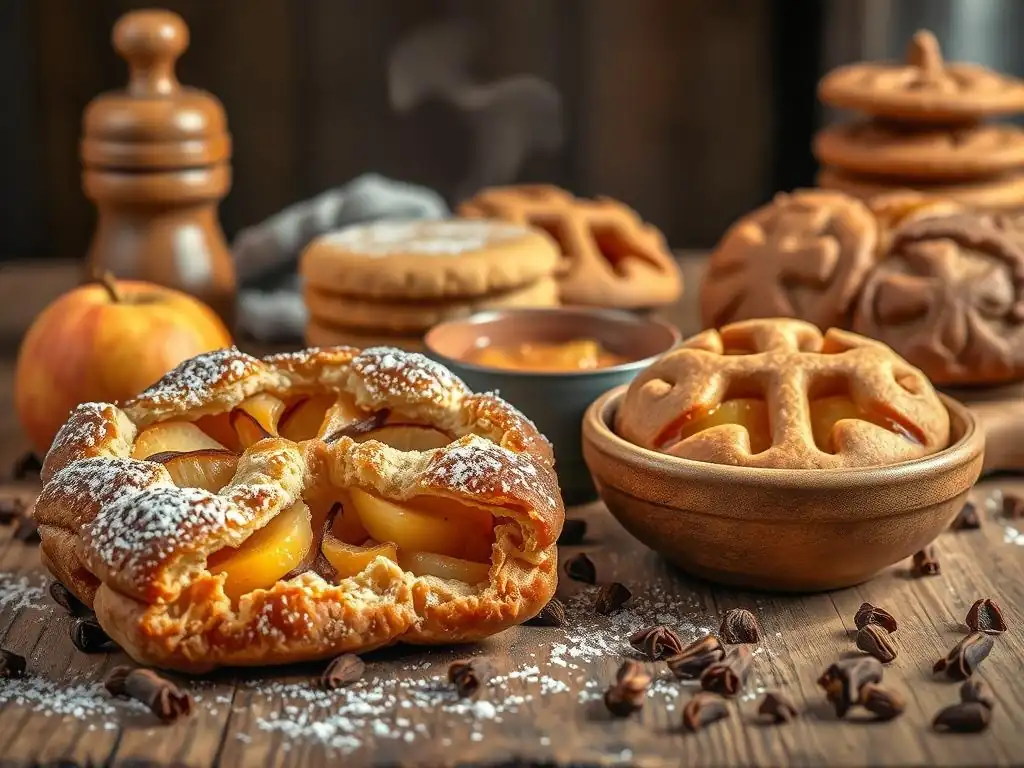
Shortbread cookies, with their simple ingredients and buttery richness, provide a perfect canvas for warming spices like clove. A small amount of ground clove added to the dough before baking can transform a plain shortbread into a sophisticated, aromatic cookie. Typically, for a standard batch of shortbread using about 1 cup of butter, you might add anywhere from 1/8 to 1/4 teaspoon of ground clove.
The key is to use clove sparingly in shortbread, as its intense flavor can easily overwhelm the delicate buttery profile. The warmth of the clove lingers beautifully after each bite, complementing the crisp, tender texture of the cookie. You can also combine clove with a touch of ginger or cardamom for a more complex spiced shortbread. These cookies are wonderful served with tea or coffee.
Adding Cloves to Gingerbread for a Unique Flavor
Cloves are a traditional and vital spice in gingerbread, contributing significantly to its characteristic pungent warmth. While ginger provides the primary heat, cloves add a layer of deep, resonant spice that works in harmony with molasses, cinnamon, and nutmeg. Varying the amount of clove in a gingerbread recipe can dramatically change its character, from mildly spiced to intensely fiery.
For a standard gingerbread recipe using about 1/2 cup of molasses, you might use anywhere from 1/4 to 1/2 teaspoon of ground cloves. Some recipes even call for up to a full teaspoon for a very potent spice level. Experimenting with the clove ratio allows you to customize the "bite" of your gingerbread. The interaction between the eugenol in cloves and the zingerone and gingerol in ginger creates a complex, layered warmth that is the hallmark of great gingerbread.
Clove Infused Scones: Elevating Your Baking Game
Scones offer another excellent opportunity to incorporate the warming flavor of cloves. While often flavored with fruit or simple sugar, adding spices like clove can elevate a basic scone recipe into something special. Ground cloves can be added directly to the dry ingredients, or you can create a spice blend with cinnamon, nutmeg, or cardamom.
Consider adding about 1/4 teaspoon of ground cloves to a standard scone recipe using about 2 cups of flour. This provides a subtle background warmth that complements butter and cream. You can also infuse cream with whole cloves before adding it to the dough; gently heating cream with a few whole cloves and letting it steep for 15-20 minutes imparts a delicate clove flavor. Remember to remove the whole cloves before using the cream. This adds a nuanced spice note without the potential grittiness of ground spice in a tender scone crumb.
Tips for Baking with Cloves: Achieving the Perfect Balance
Ground vs. Whole Cloves: Usage and Measurement
Cloves are available both whole and ground, and the form you use depends on the application. Whole cloves are ideal for infusing liquids like milk, cream, or syrups, or for studding fruits like apples or oranges before baking. They release their flavor slowly and are typically removed before the final product is served. For example, simmering milk with a few whole cloves for a spiced latte or infusing simple syrup for a cake glaze.
Ground cloves, on the other hand, are incorporated directly into doughs, batters, and fillings. Because they are finely powdered, their flavor is immediately distributed throughout the mixture. Ground spices lose potency faster than whole spices, so it's best to buy them in small quantities and use them within six months for optimal flavor. A general guideline is that 1 teaspoon of whole cloves is roughly equivalent to 3/4 teaspoon of ground cloves, but this can vary based on the freshness of the spice.
Avoiding Overpowering Flavors: Dosage Guidelines
Cloves are potent! Their intensity means that using too much can easily dominate other flavors in your baked goods, leaving a slightly medicinal or numbing sensation on the tongue due to the eugenol. It's always better to start with a small amount and add more if needed in future iterations of a recipe. For most standard cake or cookie recipes (using 2-3 cups of flour), starting with 1/4 to 1/2 teaspoon of ground cloves is usually sufficient to provide noticeable warmth without being overwhelming.
When using whole cloves for infusion, a few buds (3-5) per cup of liquid are typically enough. Taste the infused liquid as it steeps to judge the strength. If you are adapting a recipe that doesn't call for cloves, add them cautiously, perhaps starting with just an 1/8 teaspoon in a batch of cookies or a small cake batter. Remember, the goal is to add complexity and warmth, not to make the item taste only of clove. Balance is key in achieving a harmonious spiced bake.
Storing Cloves for Optimal Freshness and Flavor Retention
Like all spices, cloves are sensitive to light, heat, and air, which can degrade their volatile oils and diminish their flavor and aroma. Proper storage is essential to keep your cloves potent and flavorful for as long as possible. Both whole and ground cloves should be stored in airtight containers, such as glass jars with tight-fitting lids or opaque spice tins.
Keep these containers in a cool, dark place, away from the stove, oven, and direct sunlight. A pantry cupboard is ideal. While ground cloves are best used within 6 months, whole cloves can retain their quality for up to a year or even longer if stored correctly.
You can test the freshness of whole cloves by pressing your fingernail into the stem end; if it releases some oil and aroma, they are still good. For ground cloves, simply smell them – they should have a strong, pungent aroma. If the aroma is weak or dusty, it's time for a fresh batch.
The History and Origin of Cloves: A Baking Spice with a Rich Past
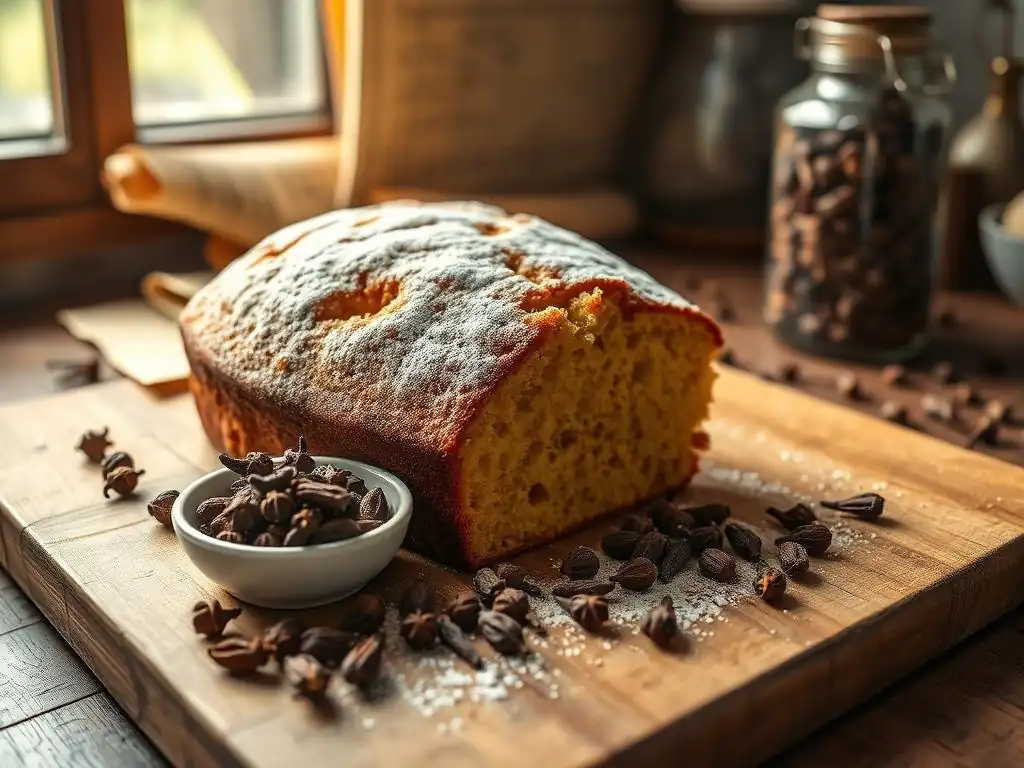
From the Spice Islands to Your Kitchen: A Clove Journey
The story of cloves is deeply intertwined with the history of global trade and exploration. Native only to a few small islands in the Moluccas archipelago, Indonesia, these fragrant buds were among the first spices to travel vast distances. Arab traders dominated the early spice routes, bringing cloves from the Moluccas to markets in the Middle East and then to Europe. For centuries, the precise location of their origin was a closely guarded secret, adding to their mystique and value.
By the Middle Ages, cloves were highly prized in Europe, used not only in cooking but also in medicine and perfumery. Their value was immense; historical records indicate they were sometimes traded weight-for-weight with gold.
European powers, particularly the Portuguese, Dutch, and later the French and British, fiercely competed for control of the Spice Islands and the lucrative clove trade. The Dutch East India Company (VOC) eventually gained a monopoly in the 17th century, even going so far as to destroy clove trees on islands they didn't control to maintain scarcity and high prices.
It wasn't until the late 18th century that French horticulturist Pierre Poivre successfully smuggled clove seedlings out of the Moluccas, breaking the Dutch monopoly and allowing clove cultivation to spread to other parts of the world, including Zanzibar, Madagascar, and Grenada, which are major producers today. This long, fascinating journey brought this powerful spice from remote islands to become a beloved ingredient in kitchens worldwide, including in your easy clove cake recipe.
Troubleshooting Your Spiced Apple Cake: Common Mistakes and Solutions
Cake is Too Dense
A dense cake can be disappointing, but it's a common issue with several potential causes in baking, especially with batters containing fruit like our easy clove cake recipe. One primary culprit is overmixing the batter after adding the flour. Flour develops gluten when mixed with liquid; excessive mixing leads to too much gluten development, resulting in a tough, dense texture rather than a tender crumb. Ensure you mix the dry and wet ingredients only until they are just combined and no streaks of flour remain.
Another factor could be inaccurate measurement of ingredients, particularly flour or leavening agents. Too much flour makes the batter too dry and heavy, while too little baking soda or powder means the cake won't rise properly. Using the correct amount of leavening is crucial for a light texture. Also, make sure your baking powder and baking soda are fresh; they lose potency over time, leading to poor leavening. Check expiration dates or test a small amount in hot water (baking powder) or vinegar (baking soda) to see if they bubble actively.
Adjust Leavening Agents and Mixing Time
If your cake is consistently dense, consider slightly increasing your leavening agents in subsequent bakes, assuming your current ones are fresh. For this easy clove cake recipe, you could try adding an extra 1/4 teaspoon of baking powder. However, the most frequent cause is mixing technique. Focus on gentle mixing once the dry ingredients are introduced. Use a spatula for the final folds, especially after adding the apples, to avoid overworking the batter.
Also, ensure your butter and eggs are at room temperature as specified in the recipe. Cold ingredients don't emulsify properly, which can affect the texture and rise of the cake. For butter, softened means it yields to gentle pressure but isn't melted. For eggs, take them out of the fridge about 30 minutes before baking. Proper ingredient temperature and careful mixing are key steps to achieving a tender, moist crumb in your spiced apple and clove cake.
Cake is Burning on the Edges
Burning edges while the center remains undercooked is typically a sign that your oven temperature is too high or that the cake is placed too close to a heating element. Oven thermostats can be inaccurate, sometimes running hotter than the setting indicates. Using an oven thermometer is a simple and effective way to verify your oven's true temperature. If it consistently reads higher than the set temperature, you'll need to adjust accordingly.
Another reason could be the type of pan you are using. Dark metal pans absorb and conduct heat more quickly than lighter metal or glass pans, which can lead to faster browning (and potentially burning) of the edges and bottom. If you are using a dark pan, you might need to reduce the oven temperature by 25°F (around 15°C) from what the recipe calls for. Placing the cake pan on a baking sheet can also provide a layer of insulation, slowing down the heating of the bottom and edges.
Lower Oven Temperature and Monitor Baking Time
If you suspect your oven runs hot, try lowering the temperature by 25°F (15°C) for your next bake of the easy clove cake recipe. For example, if the recipe calls for 350°F (175°C), try baking at 325°F (160°C). This allows the cake to bake more evenly throughout before the edges overcook. You may need to extend the baking time slightly when using a lower temperature, so start checking for doneness a bit later than the recipe suggests.
Always place your cake pan in the center rack of the oven, where the heat is usually most even. Avoid placing it on the very top or bottom rack. Begin checking for doneness a few minutes before the minimum bake time specified in the recipe. Use the skewer test – insert a wooden skewer into the center; it should come out clean or with just a few moist crumbs attached (not wet batter). If the top is browning too quickly but the center isn't done, you can loosely tent the cake with aluminum foil for the remaining baking time.
Conclusion: Elevate Your Baking with Cloves
Unlock the Subtleties of Clove Flavor in Your Baking
Cloves are far more than just a holiday spice; they are a powerful ingredient capable of adding incredible depth, warmth, and complexity to a wide variety of baked goods. From classic spiced cakes and cookies to more adventurous uses in scones or fruit tarts, the unique aroma and pungent-sweet flavor of cloves can transform ordinary recipes into something truly memorable. Mastering the art of baking with cloves involves understanding their potency and using them thoughtfully, in balance with other flavors.
By following tips on dosage, storage, and understanding how they interact with other ingredients, you can confidently incorporate this ancient spice into your modern baking repertoire. Whether you're trying a simple clove cake recipe easy for beginners or experimenting with a complex gingerbread, cloves offer a pathway to richer, more aromatic results.
Don't be afraid to explore the possibilities this versatile spice offers; a pinch of clove might be just the secret ingredient you need to take your baking to the next level. Unlock the subtle, yet profound, impact of cloves and add a warm embrace to your next batch of baked treats.
Frequently Asked Questions
How can I easily find a clove cake recipe on BakeWithEase?
BakeWithEase.com is your resource! Simply search for "clove cake recipe easy" on the site using the search bar, or navigate to the "cake section" and filter by ingredients.
What makes BakeWithEase a good resource for beginner bakers wanting to try a clove cake recipe?
We offer simple recipes with step-by-step guides that are easy to follow, even if you're new to baking. Plus, our recipes use easy-to-find ingredients.
What kind of depth does adding cloves to a cake recipe provide?
Cloves add a warm, spicy flavor that can create a unique and rich taste profile. It enhances the overall sensory experience of the baked treat.
Besides cake, what other baked goods can benefit from the addition of cloves, according to BakeWithEase?
Cloves can enhance cookies, breads, and even some pastries. Experiment to discover your favorite pairings!
Does BakeWithEase offer tips on how to properly store a clove cake to maintain its freshness?
Yes, we provide storage tips within each recipe. Generally, a tightly sealed container at room temperature or in the refrigerator is recommended to maintain moisture and flavor.
Final Reflection: The Enduring Allure of Clove
The subtle warmth of clove, once a spice reserved for royalty, now graces our kitchens with its comforting aroma and complex flavor, adding a depth to our baking that's both timeless and utterly modern. Its enduring popularity speaks to a fundamental human desire for comfort and connection, found in the simple act of sharing a delicious, homemade treat. The ease with which clove can be incorporated into even the simplest recipes only enhances its appeal.
The journey of clove, from ancient spice routes to our modern baking traditions, highlights the enduring power of simple ingredients to evoke powerful memories and emotions. It's a testament to the way food transcends mere sustenance, becoming a vehicle for storytelling and cultural exchange. The best things in life are simple,
a sentiment perfectly embodied by the humble clove's ability to elevate a cake from ordinary to extraordinary. Its versatility, from sweet to savory applications, continues to inspire culinary creativity across the globe.
Now, as you consider your next baking project, I invite you to embrace the warm embrace of clove. Experiment with its unique flavor profile, explore new recipes, and most importantly, share the joy of your creations with loved ones. Let the simple act of baking with clove become a moment of mindful connection, a celebration of both tradition and innovation, and a testament to the enduring power of simple pleasures. The world awaits the delicious results of your clove-infused creations!
Unlock the Aromatic Secrets of Clove!
Thanks for taking the time to explore the warm, comforting world of clove with us! We hope you've discovered new ways to elevate your baking. Ready to infuse your creations with this magical spice?
- Bake a clove-infused masterpiece! Try one of the recipes mentioned in the article or experiment with your own clove creations. Let your imagination run wild!
- Share your clove baking journey with us! Post a picture of your delicious treat on social media using #BakeWithEaseClove. We'd love to see your creations!
- Dive deeper into the world of spices! Explore our other articles on BakeWithEase.com for more flavourful baking adventures.
What unique clove-infused recipe will you create next? Let's hear about it in the comments!