
Easy Steps to Baking German Poppy Seed Strudel (Mohnstrudel)


Welcome to BakeWithEase, your kitchen companion for unlocking baking brilliance! Ever dreamt of mastering the delicate art of Mohnstrudel? We'll guide you through the secrets of this classic treat, starting with our article on Easy German Poppy Seed Strudel. Curious to discover how to achieve that perfect, flaky crust and subtly sweet filling? Dive in and let's bake something amazing together!
- Easy German Poppy Seed Strudel (Mohnstrudel): A BakeWithEase Recipe
- Introduction to German Baking Delights: The Mohnstrudel
- Gathering Your Ingredients for Poppy Seed Perfection
- Step-by-Step Guide to Baking Your Easy German Poppy Seed Strudel
- Cooling and Serving Your Homemade Mohnstrudel
- Tips and Tricks for the Best German Poppy Seed Strudel
- Variations on the Classic German Mohnstrudel Recipe
- Troubleshooting Your Poppy Seed Strudel Baking
- Mastering German Baking: Beyond the Mohnstrudel
- Conclusion: Enjoy Your Easy German Poppy Seed Strudel!
- Frequently Asked Questions
- Final Reflection: The Sweet Symphony of Tradition and Simplicity
- Unlock Your Inner Baker: Craft the Perfect Mohnstrudel!
Easy German Poppy Seed Strudel (Mohnstrudel): A BakeWithEase Recipe
Introduction to German Baking Delights: The Mohnstrudel
Discover the Authentic Taste of Homemade Poppy Seed Strudel
Embarking on the journey of baking a traditional German poppy seed strudel, or Mohnstrudel as it's known in Germany, brings a delightful taste of European heritage right into your kitchen. This beloved pastry, characterized by its sweet, dense poppy seed filling encased in a tender, often slightly sweet dough, is a staple in German coffee houses and family gatherings, particularly during holidays like Christmas and Easter. The rich, nutty flavor of the poppy seeds, often enhanced with hints of citrus, rum, or vanilla, creates a truly unique and comforting dessert experience that is surprisingly accessible to home bakers.
Creating your own Mohnstrudel allows you to control the quality of ingredients and tailor the sweetness and spice levels to your personal preference, something you can't always do when buying from a bakery. While the idea of strudel might seem intimidating due to the perception of delicate dough stretching, this easy German poppy seed strudel recipe simplifies the process, making that authentic taste achievable without hours of strenuous work. It's a rewarding baking project that fills your home with a wonderful aroma and results in a beautiful, delicious pastry perfect for sharing.
Why This Easy Mohnstrudel Recipe is Perfect for Beginners
Many traditional strudel recipes involve a highly elastic dough that is stretched paper-thin over a large surface, a technique that requires significant practice and space. This easy Mohnstrudel recipe, however, utilizes a more forgiving dough that is rolled out, making it much more manageable for those new to baking or to strudel in particular. The focus shifts from intricate dough manipulation to mastering the simple steps of filling preparation and assembly, significantly reducing the potential for frustration.
Furthermore, the ingredients required for this easy German poppy seed strudel are readily available in most supermarkets, and the steps are broken down into clear, sequential phases. From preparing the simple dough to cooking the flavorful poppy seed filling and finally rolling and baking, each stage is designed to be straightforward. This approach ensures that even bakers with limited experience can successfully create a beautiful and delicious Mohnstrudel, building confidence and opening the door to exploring more German baking delights.
Gathering Your Ingredients for Poppy Seed Perfection
The Key Ingredients for an Authentic German Mohnstrudel
Crafting a truly authentic German Mohnstrudel relies on a few core ingredients that provide its signature flavor and texture. The star, of course, is the poppy seed filling, which requires specific components to achieve the right consistency and depth of flavor. For the dough, simple pantry staples are transformed into a pliable wrap for the rich filling. Getting these foundational elements right is key to a successful bake.
Understanding the role of each ingredient helps in the baking process. Using good quality poppy seeds and fresh dairy ensures the filling is flavorful. For the dough, the right flour and fat content are crucial for tenderness and structure. While baking can be precise, having a grasp of why certain ingredients are used makes the process more intuitive and helps in troubleshooting if something doesn't go exactly as planned.
Poppy Seed Filling Essentials: 250g of Poppy Seeds, Whole Milk, and Honey
The heart of the easy German poppy seed strudel is its rich and aromatic filling. Starting with approximately 250 grams of finely ground poppy seeds (or whole seeds you grind yourself for maximum freshness) is standard for a single strudel. These seeds are typically cooked with a liquid, and whole milk is preferred for its richness, contributing to a creamy texture and helping to bind the filling.
Sweetness is traditionally provided by sugar, but honey offers a unique depth and moisture that complements the nutty poppy seeds beautifully. A typical filling might use anywhere from 50g to 100g of honey, depending on desired sweetness, along with other flavorings like lemon zest, vanilla, or rum. The cooking process with milk and sweetener softens the seeds and creates a thick, spreadable consistency essential for rolling the strudel without the filling oozing out.
The Perfect Strudel Dough: Flour, Butter, and a Touch of Magic
The dough for this easy Mohnstrudel recipe is designed to be simple yet effective. It typically starts with all-purpose flour, providing the necessary structure. Cold butter, cut into small pieces, is often rubbed or cut into the flour, similar to making pastry dough. This method helps create a tender, flaky crust as the butter melts during baking, leaving behind pockets of air.
Liquid, often milk or water, is added to bring the dough together, and sometimes an egg yolk is included for richness and color. A pinch of salt balances the sweetness, and a little sugar can help with browning. The "touch of magic" often refers to the technique of handling the dough – mixing just until it comes together, avoiding overworking the gluten, which can result in a tough strudel. This simple combination yields a dough that is easy to roll and bakes up beautifully around the flavorful poppy seed filling.
Ingredient Substitutions for a Poppy Seed Strudel
While traditional ingredients yield classic results, it's sometimes necessary or desirable to make substitutions. For the milk in the filling or dough, non-dairy alternatives like almond milk or soy milk can often be used, though they may slightly alter the richness and texture. If honey isn't available or preferred, granulated sugar or brown sugar can be used to sweeten the filling, adjusting the liquid slightly as needed since sugar doesn't add the same moisture as honey.
For those with dietary restrictions or preferences, gluten-free flour blends can sometimes be adapted for the dough, although the texture will differ from a traditional wheat-based strudel. Butter can be replaced with vegan butter or margarine, ensuring it's a type suitable for baking. While these substitutions might slightly change the authentic outcome of the easy German poppy seed strudel, they allow more people to enjoy this delightful pastry.
Step-by-Step Guide to Baking Your Easy German Poppy Seed Strudel

Preparing the Poppy Seed Filling: Unleashing the Flavor
The filling is arguably the most important part of the easy German poppy seed strudel, and preparing it correctly ensures a moist, flavorful center. Starting with the right type of poppy seed and cooking it properly are crucial steps that unlock the seed's full potential and create a filling that holds its shape during baking.
This stage involves a bit of cooking on the stovetop, transforming simple ingredients into a thick, aromatic mixture. It's less complicated than making a custard and more akin to cooking a thick porridge or paste. Pay attention to consistency; the filling should be thick enough not to run when spread on the dough, but not so dry that it's crumbly.
Grinding the Poppy Seeds: Achieving the Right Consistency
For the most flavorful and texturally pleasing filling, using finely ground poppy seeds is highly recommended. While some recipes use whole seeds, grinding them releases their oils and intensifies their nutty flavor. You can purchase pre-ground poppy seeds, often labeled as "poppy seed filling mix" (though these can contain added sugar and fillers, so check the label), or grind whole seeds yourself using a spice grinder, a coffee grinder dedicated to spices, or even a mortar and pestle for small quantities.
Aim for a consistency that resembles coarse sand or fine meal. Over-grinding can turn the seeds into a paste due to the release of oils, which might make the filling too oily. A quick pulse or two is often sufficient to break down the seeds without turning them into butter. Starting with about 250g of whole seeds will yield roughly the same weight in ground seeds.
Cooking the Filling: Infusing Richness and Aroma
Once the poppy seeds are ground, they are typically cooked with the liquid (like whole milk) and sweetener (honey or sugar) in a saucepan over medium heat. This cooking process is vital for softening the seeds and developing their flavor. Bring the mixture to a gentle simmer, stirring continuously to prevent scorching, especially as it thickens.
The mixture needs to cook until it reaches a thick, spreadable consistency. This usually takes about 10 to 15 minutes after it begins to simmer. As it cooks, the starches in the seeds and any added thickeners (like breadcrumbs or semolina, sometimes used to absorb excess moisture) will swell, creating a cohesive filling. The aroma released during this step is simply divine – a sure sign you're on your way to a delicious easy German poppy seed strudel.
Adding Sweetness and Spice: Perfecting the Poppy Seed Filling Flavor
After the base of seeds and liquid has thickened, it's time to add the final flavorings that elevate the Mohnstrudel filling. This is where you incorporate the honey (around 50-100g, adjusting to taste), along with traditional additions like lemon zest (from one small lemon), a splash of rum (about 1-2 tablespoons), vanilla extract (a teaspoon or two), and sometimes a pinch of cinnamon or ground cloves for warmth.
Other additions can include chopped almonds or walnuts for crunch, or dried fruits like raisins or currants (soaked first in rum or hot water) for little bursts of sweetness. Stir these ingredients in off the heat. Taste and adjust the sweetness and spice levels. The filling should be rich and flavorful, with a balanced sweetness that complements the nutty seeds. Let the filling cool completely before spreading it on the dough; a warm filling can melt the butter in the dough and make it difficult to roll.
Crafting the Strudel Dough: A Simple Dough Recipe for Mohnstrudel
This easy Mohnstrudel recipe uses a dough that is forgiving and simple to handle, unlike the notoriously difficult pulled strudel dough. It's a basic enriched dough, similar to a simple pastry or shortcrust, that comes together quickly and rolls out easily. The goal is a tender dough that provides a delicate contrast to the substantial filling.
The process involves minimal kneading, focusing instead on combining ingredients until just mixed. Resting the dough is a crucial step that improves its texture and ease of handling. This simple dough ensures that making your easy German poppy seed strudel is a pleasant experience, not a wrestling match with overly elastic gluten.
Mixing the Dough: Achieving a Smooth and Elastic Texture
Start by combining the dry ingredients: typically 200-250g of all-purpose flour, a pinch of salt (about ¼ teaspoon), and maybe a tablespoon or two of sugar. Cut in cold, cubed butter (around 100-125g) using a pastry blender, fork, or your fingertips until the mixture resembles coarse crumbs with some pea-sized pieces of butter remaining. This helps create flakiness.
In a separate bowl, whisk together the liquid ingredients, usually 1-2 egg yolks and enough milk (around 50-70ml) to make about 80-100ml total liquid. Add the liquid to the dry ingredients and mix with a fork or your hands until the dough just comes together. Avoid vigorous kneading; the goal is to hydrate the flour and bring the components together into a shaggy dough. It might seem a little dry at first, but gentle mixing will incorporate everything.
Resting the Dough: Allowing the Gluten to Relax
Once the dough has just come together, turn it out onto a lightly floured surface and gently bring it into a cohesive ball or disc. Do not knead it extensively. Overworking the dough develops gluten too much, making it tough and resistant to rolling. The goal is a tender strudel.
Wrap the dough tightly in plastic wrap and refrigerate it for at least 30 minutes, or up to an hour. This resting period is essential. It allows the gluten strands, which were agitated during mixing, to relax. This makes the dough much easier to roll out thinly and evenly without snapping back. It also chills the butter, which is important for creating a tender, flaky texture during baking. A well-rested dough is key to successfully assembling your easy German poppy seed strudel.
Assembling the Mohnstrudel: Layering and Rolling Techniques
Assembling the Mohnstrudel is where the magic happens – transforming simple dough and filling into a beautiful rolled pastry. This stage requires a gentle touch and attention to detail to ensure the filling is evenly distributed and the strudel rolls up neatly. The key is to work patiently and keep the dough from sticking.
Having your workspace prepared and the cooled filling ready makes this step smooth. A large, clean surface is helpful. Don't be afraid to use a little flour, but avoid excess, which can make the dough tough.
Rolling Out the Dough: Creating a Thin and Even Layer
Remove the rested dough from the refrigerator and place it on a lightly floured surface. Using a rolling pin, begin rolling the dough. Aim for a rectangular shape, roughly 30x40 cm (about 12x16 inches), depending on how large you want your strudel. Roll from the center outwards, lifting and turning the dough occasionally to prevent it from sticking and to ensure even thickness.
The dough should be rolled relatively thinly, but not so thin that it tears easily. Think about the thickness of a coin, perhaps 2-3 mm. A slightly thicker dough is more forgiving for beginners working on their first easy German poppy seed strudel. If the dough resists rolling, cover it and let it rest for 5-10 minutes before continuing; this allows the gluten to relax again.
Spreading the Poppy Seed Filling: Ensuring Every Bite is Flavorful
Once the dough is rolled to the desired size and thickness, it's time to spread the cooled poppy seed filling. Leave a border of about 2-3 cm (1 inch) along the edges of the rectangle, especially along the two shorter ends and one long edge. This border will help seal the strudel and prevent the filling from escaping during baking.
Use a spoon or spatula to spread the filling evenly over the dough within the border. Don't pile it too high; a layer about 1-1.5 cm (½ inch) thick is usually sufficient. Ensure the filling goes right up to the designated border on the long edge you'll start rolling from. An evenly spread filling means every slice of your easy German poppy seed strudel will have a consistent, delicious ratio of filling to dough.
Rolling the Strudel: Creating a Tight and Beautiful Swirl
Now comes the rolling! Starting from the long edge where the filling extends to the border, gently begin rolling the dough and filling together into a log shape. Try to keep the roll relatively tight but not so tight that you tear the dough. You can use the surface you rolled on (like a pastry mat or even a clean tablecloth) to help lift and guide the dough as you roll.
Continue rolling until you reach the opposite long edge, which should have the unfilled border. Use this border to seal the strudel by pressing it gently against the roll. Carefully transfer the rolled strudel to a baking sheet lined with parchment paper, positioning it seam-side down. You can gently curve it into a crescent shape if it's too long for the baking sheet. This careful rolling creates the classic swirl seen when slicing an easy German poppy seed strudel.
Baking Your German Poppy Seed Strudel: Achieving Golden Perfection
Baking is the final transformation, turning the raw dough and filling into a golden, aromatic pastry. Proper oven temperature and baking time are key to ensuring the dough is cooked through and the strudel is beautifully browned without the filling drying out.
Monitoring the strudel as it bakes is important, as oven temperatures can vary. The goal is a golden-brown exterior and a cooked, set interior.
Preparing the Oven: Temperature and Rack Placement
Preheat your oven to a moderate temperature, typically around 180°C (350°F). This temperature is ideal for allowing the dough to bake through and become golden while the filling heats and sets without becoming dry or burning the edges of the pastry.
Position an oven rack in the center of the oven. Baking the easy German poppy seed strudel on the center rack ensures even heat circulation around the pastry, promoting uniform browning and cooking from top to bottom. Avoid placing it too close to the top or bottom elements, which could lead to uneven baking.
Baking Time: Monitoring for Golden Brown Perfection
Place the prepared strudel on the center rack in the preheated oven. The baking time will vary depending on your oven and the thickness of your strudel, but typically ranges from 30 to 45 minutes. Begin checking around the 30-minute mark.
The strudel is done when the dough is visibly puffed up and has turned a beautiful golden-brown color all over. You might see a little bit of the filling peeking out, but it shouldn't be oozing excessively if sealed properly. If the top is browning too quickly but you suspect the inside isn't fully cooked, you can loosely tent the strudel with aluminum foil for the remaining baking time. A perfectly baked easy German poppy seed strudel is golden, fragrant, and firm to the touch.
Basting with Butter: Enhancing the Flavor and Color
For an extra touch of richness and a beautiful golden sheen, you can brush the strudel with melted butter before baking, and sometimes again partway through the baking process. About 1-2 tablespoons of melted unsalted butter are usually sufficient for basting.
Brushing the strudel with melted butter just before it goes into the oven helps the crust develop a lovely color and enhances its flavor. Some bakers like to brush it again after about 20 minutes of baking. This step is optional but contributes nicely to the overall appeal and taste of your homemade easy German poppy seed strudel.
Cooling and Serving Your Homemade Mohnstrudel
Cooling Properly: Preventing a Soggy Strudel
Allowing the baked Mohnstrudel to cool properly is just as important as the baking itself. While it's tempting to slice into the warm, aromatic pastry immediately, cutting into it too soon can cause the filling to ooze out and the dough, particularly on the bottom, to become soggy from the steam.
Let the strudel cool on the baking sheet for at least 15-20 minutes before attempting to move it. Then, carefully transfer it to a wire rack to cool further. It's best to let it cool for at least an hour, preferably longer, before slicing. As it cools, the filling will set more firmly, and the steam will dissipate, ensuring a clean slice and a pleasant texture throughout the easy German poppy seed strudel.
Serving Suggestions: Complementing the Poppy Seed Flavor
Mohnstrudel is traditionally enjoyed as a coffee-time treat or dessert. Its rich, slightly earthy poppy seed flavor pairs wonderfully with beverages and simple accompaniments that don't overpower its unique taste.
The beauty of this easy German poppy seed strudel lies in its simplicity, and serving it allows its distinct character to shine. Whether enjoyed warm or at room temperature, it offers a comforting and satisfying experience.
Pairing with Coffee or Tea: A Classic German Combination
In Germany, Kaffee und Kuchen (coffee and cake) is a cherished afternoon tradition, and Mohnstrudel is a popular choice. The slight bitterness of a strong black coffee or a robust tea provides a perfect counterpoint to the sweetness and richness of the poppy seed filling.
Serving a slice of your easy German poppy seed strudel alongside a freshly brewed cup of coffee or your favorite tea enhances the experience. The warmth of the drink complements the pastry, making it an ideal treat for a relaxed afternoon or after-dinner dessert.
Adding a Dusting of Powdered Sugar: For a Touch of Elegance
A simple dusting of powdered sugar is the classic finishing touch for Mohnstrudel. It adds just a hint of extra sweetness and creates a beautiful, elegant presentation.
Once the strudel has cooled, use a fine-mesh sieve to gently dust powdered sugar over the top. This simple step elevates the visual appeal of your easy German poppy seed strudel, making it look as delightful as it tastes and ready to impress.
Tips and Tricks for the Best German Poppy Seed Strudel
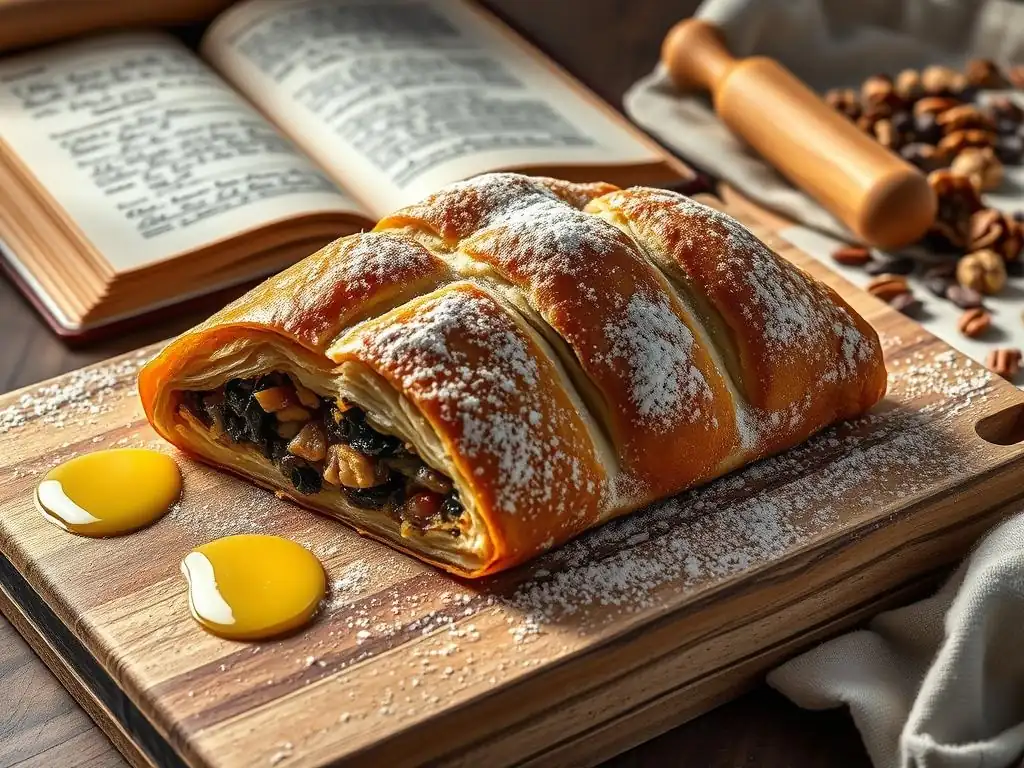
Making an easy German poppy seed strudel is straightforward, but a few tips can help ensure your results are consistently excellent. These pointers address common areas where things might go slightly wrong and offer simple solutions.
Preventing Cracks and Tears in the Strudel Dough
Working with dough can sometimes lead to frustrations like cracks or tears during rolling or assembly. To minimize this, ensure your dough is adequately rested and chilled before rolling – this makes it more pliable. Roll gently and evenly from the center outwards.
If you do encounter a small crack or tear while rolling or spreading the filling, don't panic! You can often patch it by pressing the dough together with your fingers or using a small piece of excess dough to cover the spot. When rolling the strudel, ensure the seam is sealed well and placed seam-side down on the baking sheet; this helps prevent splitting during baking.
Achieving the Perfect Poppy Seed Filling Consistency
The consistency of the poppy seed filling is crucial for a successful Mohnstrudel. If it's too thin, it will ooze out during baking; if it's too thick, it will be dry. Cook the filling until it's thick enough to hold its shape on a spoon.
If your filling seems too thin after cooking, you can add a tablespoon or two of fine breadcrumbs or semolina and stir them in off the heat; they will absorb excess moisture as the filling cools. If it's too thick, you can stir in a little more milk or a splash of rum until it reaches a spreadable consistency. Remember the filling will thicken further as it cools, so factor that in.
Storing Your Mohnstrudel: Keeping it Fresh and Delicious
Proper storage ensures your easy German poppy seed strudel remains fresh and enjoyable for several days. Once completely cooled, the strudel can be wrapped tightly in plastic wrap or aluminum foil, or stored in an airtight container at room temperature for 2-3 days.
For longer storage, Mohnstrudel freezes exceptionally well. Wrap the cooled strudel (whole or in slices) tightly in plastic wrap, then in foil or place in a freezer bag. It can be frozen for up to 2-3 months. Thaw at room temperature or gently warm slices in the oven or microwave.
Variations on the Classic German Mohnstrudel Recipe
While the classic easy German poppy seed strudel is delicious on its own, there are many ways to customize the filling and dough to suit your preferences or explore new flavor combinations.
Adding Nuts or Dried Fruits to the Poppy Seed Filling
Incorporating nuts or dried fruits is a popular variation that adds texture and complementary flavors to the dense poppy seed filling. Finely chopped walnuts or almonds (about 50-100g) can be stirred into the cooled filling, providing a pleasant crunch.
Dried fruits like raisins, currants, or chopped apricots (soaked in warm water or rum for 15-20 minutes and drained before adding) introduce chewy texture and bursts of sweetness. Around 50-75g of dried fruit is a good starting point. These additions create a more complex and varied texture within your easy German poppy seed strudel.
Exploring Different Spices: Cinnamon, Nutmeg, and More
Beyond the traditional hint of vanilla and lemon zest, you can experiment with various spices to give your Mohnstrudel a unique twist. A pinch of ground cinnamon (¼ to ½ teaspoon) adds warmth, especially appealing during colder months.
Ground nutmeg or cardamom can introduce subtle, aromatic notes. Even a tiny pinch of ground cloves can add depth, but use sparingly as it's a strong flavor. These spices can be added to the filling along with the other flavorings before it cools, allowing their aromas to meld beautifully with the poppy seeds.
Chocolate Poppy Seed Strudel: A Decadent Twist
For chocolate lovers, transforming the classic into a chocolate poppy seed strudel is a decadent option. You can stir finely chopped dark chocolate (around 50-75g) or chocolate chips into the warm poppy seed filling just after taking it off the heat. The residual heat will melt the chocolate, creating swirls of chocolatey goodness within the filling.
Alternatively, you can add a few tablespoons of unsweetened cocoa powder to the dry poppy seeds before cooking them with the milk and sweetener. This infuses the entire filling with a rich chocolate flavor that pairs wonderfully with the nutty poppy seeds, offering a delightful variation on the easy German poppy seed strudel.
Troubleshooting Your Poppy Seed Strudel Baking

Even with an easy recipe, baking can sometimes present challenges. Knowing how to identify and fix common issues can save your strudel and improve your skills for future bakes.
Common Mistakes and How to Avoid Them
One frequent mistake is overworking the dough, which results in a tough strudel. Avoid this by mixing just until the dough comes together and resting it properly. Another issue is not cooling the filling enough before spreading it, which can melt the butter in the dough and make it sticky and hard to roll. Always ensure the filling is completely cool.
Overfilling the strudel is another pitfall; too much filling makes it difficult to roll and increases the risk of leakage. Use the recommended amount or slightly less if unsure. Finally, underbaking can lead to a doughy strudel; bake until it is truly golden brown. Being mindful of these points will help you master your easy German poppy seed strudel.
Fixing a Dry or Crumbly Strudel
If your baked strudel turns out dry or the filling is crumbly, it's likely due to the filling being too dry before baking or the strudel being overbaked. Ensure the filling has enough moisture during the cooking stage; it should be thick but still spreadable.
If the strudel is already baked and seems dry, you can try brushing warm milk or a simple sugar glaze (powdered sugar mixed with a little milk or lemon juice) over the top while it's still warm. For future bakes, double-check your filling consistency and reduce the baking time slightly if needed, ensuring it's still cooked through.
Addressing Filling Leakage During Baking
Filling leakage is a common issue if the strudel isn't sealed properly or if the filling is too wet. Ensure you leave a border of dough when spreading the filling and press the seam firmly after rolling. Placing the strudel seam-side down on the baking sheet helps reinforce the seal.
If you notice minor leakage during baking, there's often not much you can do at that stage other than continue baking. For future attempts at your easy German poppy seed strudel, focus on making the filling the correct consistency (thick enough to hold its shape) and perfecting your sealing technique.
Mastering German Baking: Beyond the Mohnstrudel
Baking an easy German poppy seed strudel is a fantastic introduction to the world of German pastries. The techniques learned, such as working with simple doughs and creating flavorful fillings, are applicable to many other traditional German treats.
Explore Other German Baking Delights on BakeWithEase
Having successfully baked a Mohnstrudel, you're well-equipped to try other recipes in the German Baking Delights category on BakeWithEase. You might enjoy baking a classic German Apple Cake (Apfelkuchen), a rich Black Forest Cake (Schwarzwälder Kirschtorte), or perhaps some festive German Christmas cookies (Plätzchen).
Each recipe offers its own unique flavors and techniques, building upon the foundational skills used for your easy German poppy seed strudel. Exploring these will deepen your appreciation for German baking traditions and expand your repertoire of delicious homemade treats.
Resources for Further Learning and Inspiration
To continue your journey in German baking, look for reliable cookbooks focused on German pastries or explore dedicated German food blogs and websites. These resources often provide insights into regional variations and the cultural significance of different baked goods.
Watching videos of German bakers demonstrating techniques can also be incredibly helpful, especially for visually guided steps like rolling strudel dough (even if you're using an easier method). Engaging with the BakeWithEase community and sharing your experiences with baking an easy German poppy seed strudel can also provide valuable tips and inspiration from fellow bakers.
Conclusion: Enjoy Your Easy German Poppy Seed Strudel!
Congratulations on baking your very own easy German poppy seed strudel! You've successfully navigated the steps from preparing the rich, flavorful filling to crafting and baking a beautiful, golden pastry. This recipe proves that achieving authentic German baking delights is well within reach, even for beginners.
The aroma filling your kitchen and the anticipation of that first slice are part of the joy of baking. Whether you enjoy it warm with a cup of coffee, dusted simply with powdered sugar, or share it with friends and family, take pride in your accomplishment. This easy Mohnstrudel is a testament to the simple pleasures of homemade treats and a delicious step into the world of German baking.
We love seeing what our readers create! Once you've baked your easy German poppy seed strudel, consider sharing a photo or telling us about your experience. Connect with other baking enthusiasts, ask questions, and celebrate your successes.
Your journey with this easy Mohnstrudel recipe can inspire others to try their hand at German baking. Sharing tips, variations, and even troubleshooting stories helps build a supportive and vibrant community of bakers learning and growing together on BakeWithEase.
Frequently Asked Questions
What makes this German Poppy Seed Strudel recipe easy?
This recipe simplifies the traditional Mohnstrudel by using store-bought puff pastry, skipping the complex homemade strudel dough. It also features clear, concise instructions and readily available ingredients.
Can I use a different type of filling besides poppy seed?
While this recipe focuses on the traditional poppy seed (Mohn) filling, you could experiment with other fillings. However, be mindful of moisture content and adjust baking time accordingly. Poppy seed is key to the authentic flavour.
Where can I find poppy seeds for this recipe?
Poppy seeds are often found in the baking aisle or international food section of most supermarkets. You can also purchase them online from various retailers or specialty spice shops.
How do I prevent the strudel from cracking while baking?
To minimize cracking, ensure the filling isn't overly moist. Also, brushing the strudel with egg wash before baking helps create a more flexible crust.
How long will this poppy seed strudel stay fresh?
Stored properly in an airtight container at room temperature, this strudel will stay fresh for about 2-3 days. You can also freeze it for longer storage; just thaw before serving.
Final Reflection: The Sweet Symphony of Tradition and Simplicity
The art of baking, particularly the creation of seemingly complex pastries like German poppy seed strudel, is more accessible than many believe. Mastering this delightful treat isn't about years of culinary school, but about embracing a few simple steps and the joy of the process. This recipe, designed for ease of execution, proves that anyone can create a delicious and authentic Mohnstrudel.
The enduring appeal of the poppy seed strudel lies not just in its exquisite taste, but in its connection to generations of bakers and the rich cultural heritage it represents. It's a testament to the power of simple ingredients transformed into something extraordinary. Baking is at once child's play and adult joy. And love, of course.
This quote perfectly captures the essence of this recipe – a blend of simple techniques and immense satisfaction. The process itself becomes a meditative experience, a moment of connection to something larger than oneself.
Now, I invite you to roll up your sleeves, gather your ingredients, and embark on your own strudel journey. Don't be intimidated by the seemingly intricate process; embrace the challenge, savor each step, and revel in the delicious reward. The sweet aroma filling your kitchen and the delighted smiles of those you share your creation with will be the ultimate testament to your baking prowess. Remember, the most important ingredient is your passion and willingness to try. So, go ahead, bake your own piece of German tradition!
Unlock Your Inner Baker: Craft the Perfect Mohnstrudel!
Thanks for joining us on this delicious journey into the world of German Poppy Seed Strudel! We hope you've gained the confidence and knowledge to tackle this classic recipe. Ready to roll up your sleeves and get baking?
- Bake your own Mohnstrudel today! Use our recipe as a guide and experiment with different fillings or variations. Don't be afraid to get creative!
- Share your baking journey: Post a picture of your creation on social media and tag us – we’d love to see your masterpiece!
- Discover more delicious recipes: Explore our website for other exciting baking adventures. Maybe you'll find your next favorite treat!
What unique twist will you add to your own Mohnstrudel? Let's hear your baking ideas in the comments below!